.png)
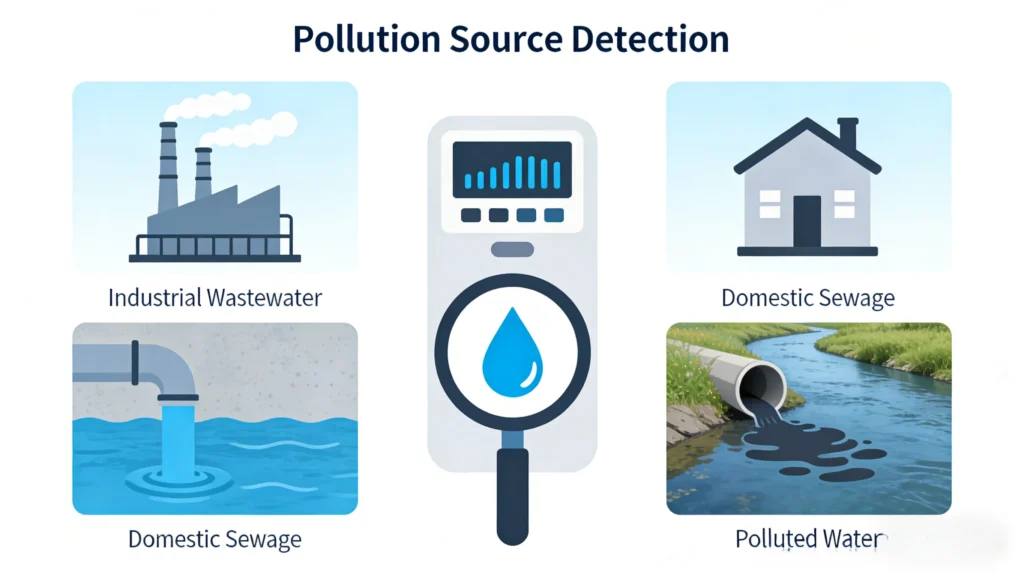
Pollution source detection is a professional technical means of qualitative and quantitative monitoring of pollutants in industrial wastewater, domestic sewage, sewage outlets, and polluted water bodies. Through scientific instruments, key indicators such as COD, ammonia nitrogen, total phosphorus, and total nitrogen are measured to achieve pollution discharge supervision, data traceability, and environmental risk control, providing reliable basis for environmental law enforcement, enterprise operation and maintenance, and standard discharge.
★★★★★
Quick product navigation
COD/ammonia nitrogen/total phosphorus/total nitrogen monitoring instrument

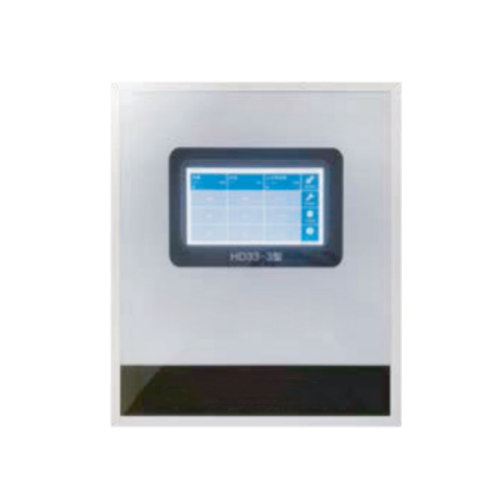
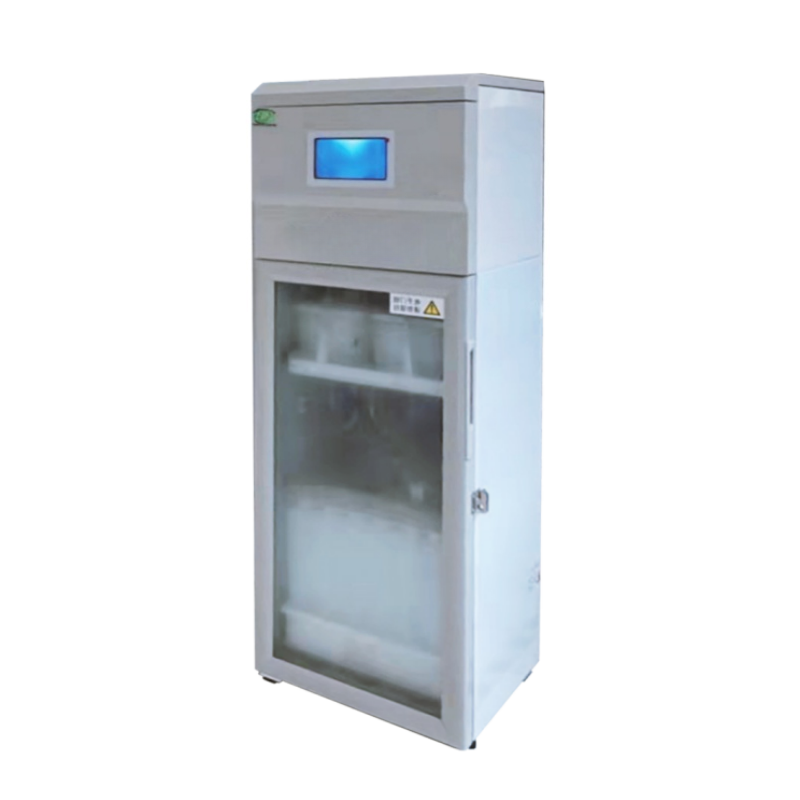
Data acquisition instrument and automatic sampler
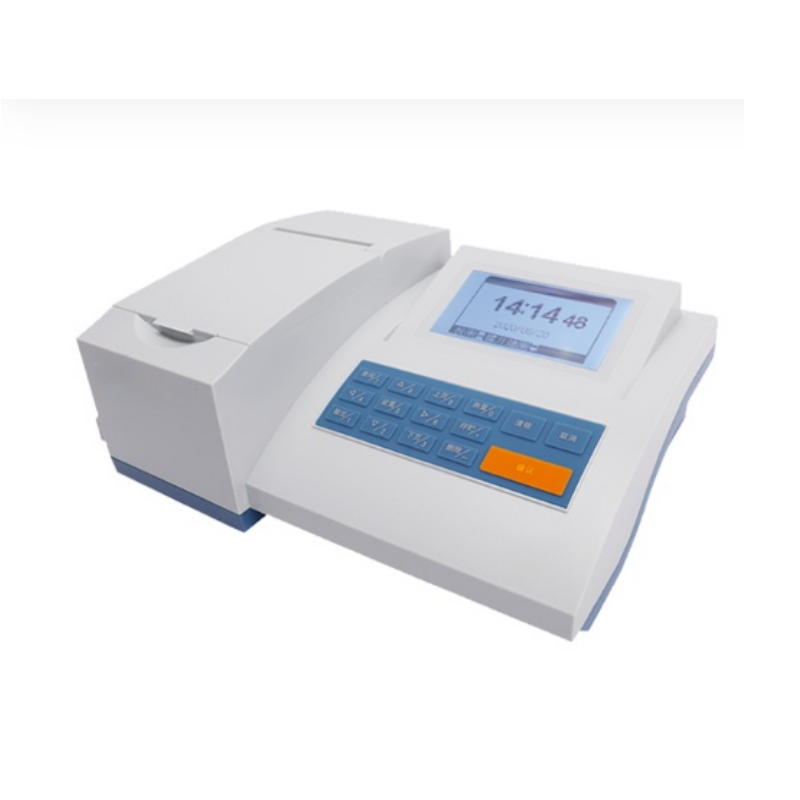
Laboratory COD analyzer
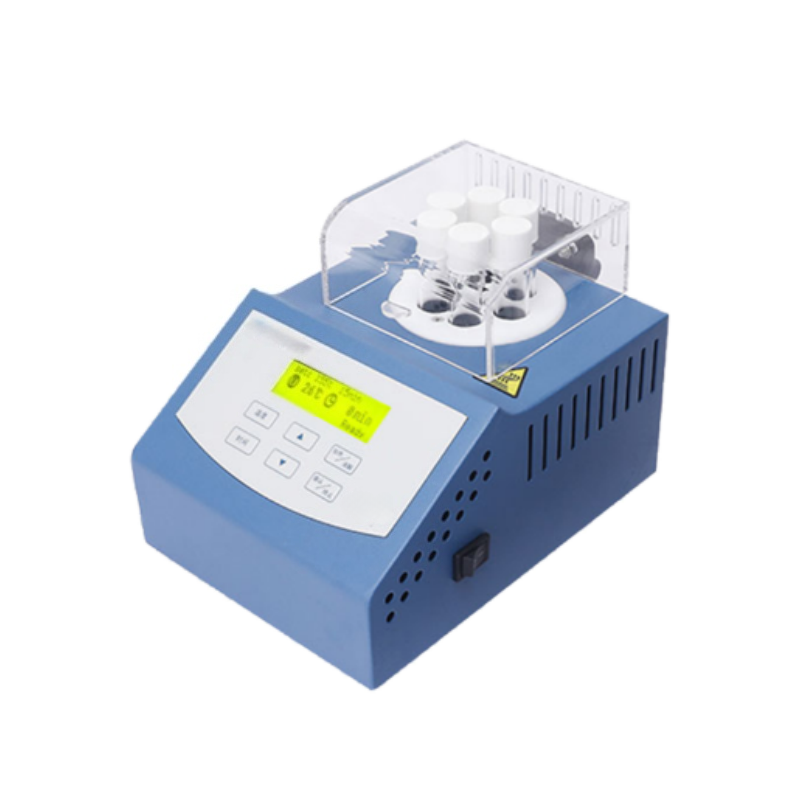
Portable digestion device
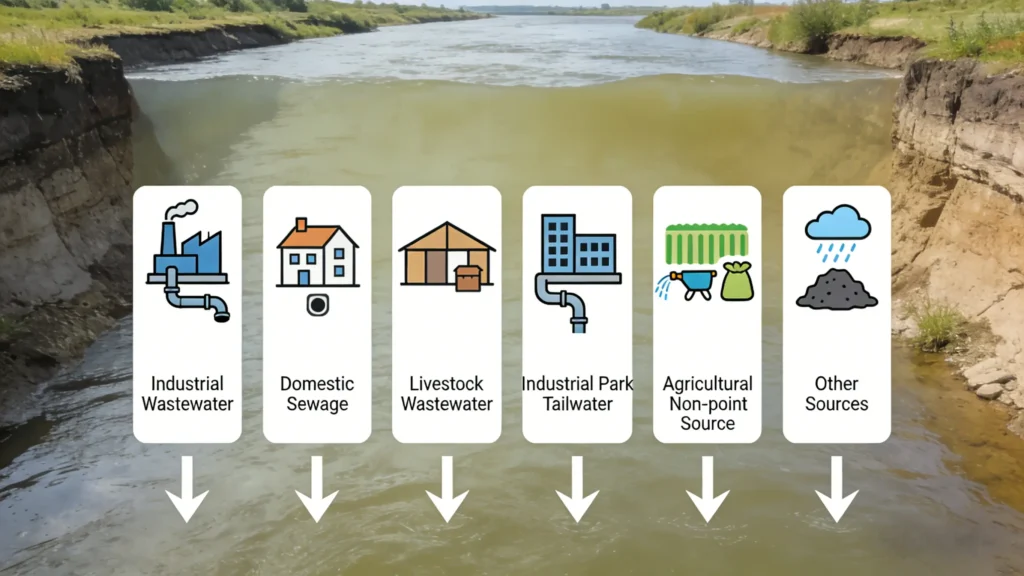
What are the common sources of pollution
- Industrial wastewater: production drainage from chemical, printing and dyeing, electroplating, pharmaceutical, food processing, etc
- Domestic sewage: daily discharge from urban residential areas, public facilities, catering, etc
- Livestock wastewater: livestock manure, feed residues, and livestock effluent
- Tail water from industrial parks: wastewater discharged after centralized treatment in industrial parks
- Agricultural non-point sources: loss of fertilizers and pesticides, rural sewage, leachate from garbage
- Other: Initial rainwater, river pollution, landfill leachate
What are the effects of having too many pollution sources?
Too many sources of pollution and unregulated emissions can do a lot of damage to the water environment, ecosystems, human health, corporate compliance, and other areas. This is because there are so many effects and it’s hard to manage.
- Water pollution is getting worse: The levels of important pollutants like COD, ammonia nitrogen, total phosphorus, and total nitrogen are much higher than the standard. This makes the water more cloudy and makes the quality of the water continue to get worse, causing it to turn black, smell bad, change color, and lose its normal use function.
- Ecosystem destruction: When water bodies get too rich in nutrients, they get a lot of algae blooms. These blooms use up a lot of the oxygen in the water, which kills a lot of fish, shrimp, and shellfish, and throws off the balance of the ecosystem in the water.
- Human health risks: Sewage can get into groundwater and make drinking water sources unsafe by contaminating them with dangerous chemicals. Long-term exposure or use can hurt human organs, raise health risks, and put people’s lives at danger.
- Enterprise compliance risk: Companies that go over emission limits will break environmental laws, face big fines, be forced to stop making things, and in the worst cases, be shut down and banned, which will hurt normal production and operation.
- Environmental legal accountability: If a corporation doesn’t do the required monitoring and present real monitoring data, it will face administrative penalties and legal liabilities, as well as damage to its credit and brand image.
Why monitor pollution sources
- Master the pollution discharge status and accurately identify the source of pollution
- Ensure that enterprises meet emission standards and comply with environmental regulations
- Provide real data for environmental law enforcement, acceptance, and supervision
- Warning risks to prevent pollution accidents from escalating
- Assist in optimizing treatment processes and reducing treatment costs
Pollution source detection application scenarios
- This device can measure COD, ammonia nitrogen, total phosphorus, and total nitrogen. It can be used at sewage outlets, sewage treatment facilities, industrial parks, watershed sections, and other places. It can monitor these things automatically and continuously for 24 hours.
- Data acquisition equipment and automatic sampler: used to collect and upload data, connect to the environment, keep too many samples, and keep track of the overall number, all of which are required by law and for traceability.
- A laboratory COD analyzer is used to evaluate lab samples, compare data, do acceptance sampling, and check calibration to make sure the results are correct.
- Portable digesting device: good for emergency situations, field monitoring, and daily inspections. It swiftly prepares samples and makes detection more efficient.
Why choose us?
Deeply involved in the field of water quality monitoring, with a mature product system and rich project experience, we can provide one-stop procurement and customized solutions. The product is stable and reliable, easy to operate and maintain, with a high pass rate, which can effectively help enterprises reduce costs, comply with emissions regulations, and provide reliable support for environmental protection.
Technical Support

How to Raise The pH in a Pool: Everything You Need to Know for 2026
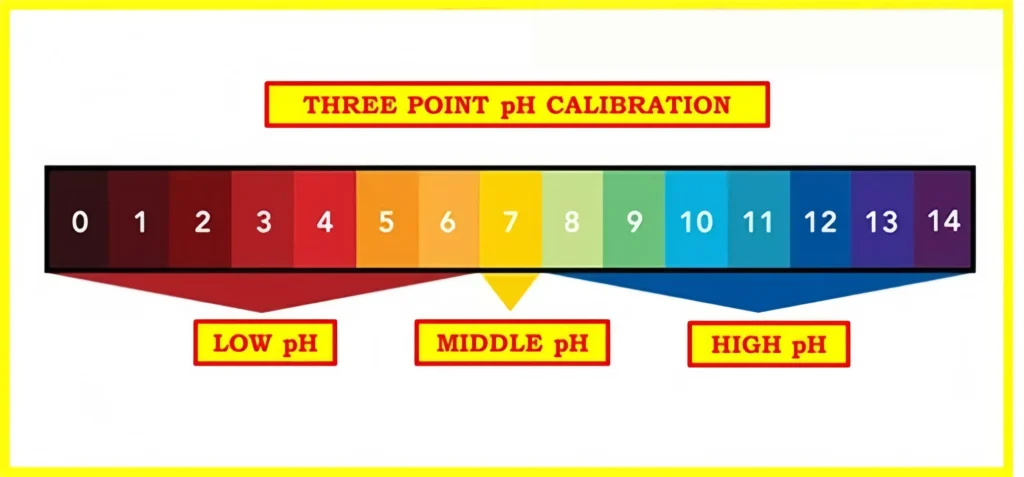
How to Calibrate pH Meter: A Step-by-Step Guide for Accurate Readings
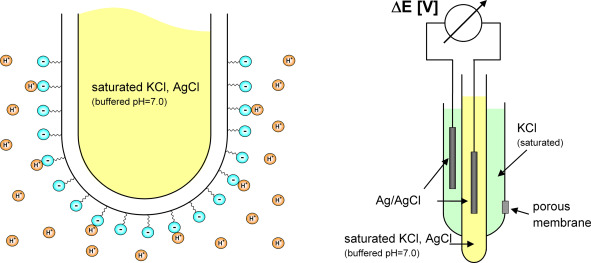
Top 5 Heavy-Duty Plastic pH Meter Sensors for Wastewater (2026)
Effective pollution source monitoring serves as the first line of defense in safeguarding water environment safety. Supported by professional monitoring equipment, we provide comprehensive solutions for various pollutant-emitting entities, ranging from online surveillance and data collection to laboratory analysis and on-site rapid testing. This empowers enterprises to achieve compliance with emission standards, fosters continuous environmental improvement, and jointly builds a green ecological barrier.
Request a Quote