.png)
In modern industrial facilities, laboratories, and enclosed manufacturing workspaces, maintaining pristine indoor air quality is not merely a matter of comfort; it is a critical regulatory and occupational safety requirement. Volatile Organic Compounds (VOCs) are insidious airborne chemicals that can rapidly accumulate in unventilated or heavily operational areas. To mitigate the profound health risks and flammability hazards associated with these gases, facility managers must invest in high-grade VOC monitoring equipment.
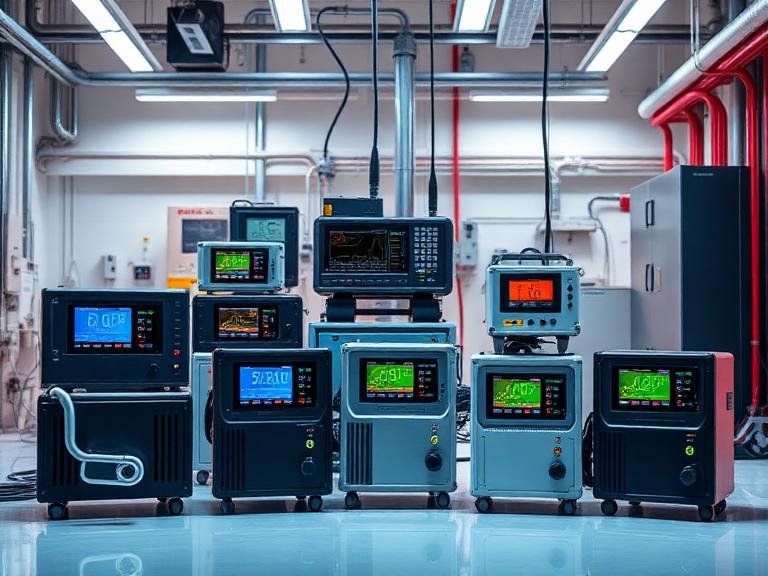
From our experience at Sino-Inst, the deployment of professional VOC monitoring equipment is the only definitive way to measure real-time exposure limits and initiate immediate evacuation or ventilation protocols. In this comprehensive guide, we will explore the fundamental nature of these gases, establish the criteria for selecting reliable detection hardware, and detail the top 7 professional indoor VOC monitoring equipment solutions available today.
Table of Contents
- 1. Understanding Volatile Organic Compounds (VOCs)
- 2. Criteria for Selecting VOC Monitoring Equipment
- 3. Top 7 Professional Indoor VOC Monitoring Equipment
- 4. Integrating VOC Monitoring Equipment with Liquid Process Sensors
- 5. Summary Comparison Table
- 6. Frequently Asked Questions (FAQs)
- 7. Authoritative References
1. Understanding Volatile Organic Compounds (VOCs)
VOCs, or Volatile Organic Compounds, are a class of organic compounds that readily evaporate at room temperature. They are composed of carbon (C) and hydrogen (H) elements and can originate from various chemical substances, including solvents, fuels, paints, and cleaning agents. Common examples include benzene, formaldehyde, xylene, and ethanol. Due to their volatility, they can rapidly convert to gas at room temperature and disperse into the surrounding air.
Without highly sensitive VOC monitoring equipment, these gases remain invisible and often odorless until they reach dangerous concentrations. Prolonged exposure can lead to severe neurological and respiratory issues, while acute exposure in confined spaces creates a volatile, explosive atmosphere. We recommend that any facility utilizing organic solvents install specialized VOC monitoring equipment tailored to their specific environmental layout.
2. Criteria for Selecting VOC Monitoring Equipment
Not all sensors are created equal. When sourcing professional VOC monitoring equipment, industrial hygienists and safety engineers must evaluate several technical parameters. From our experience, the failure to match the instrument’s detection mechanism with the specific ambient environment leads to false alarms and dangerous blind spots.
We recommend assessing the following criteria when selecting VOC monitoring equipment:
- Sensor Technology: Photoionization Detectors (PID) are the gold standard for broad-spectrum VOC monitoring equipment, while Metal Oxide Semiconductor (MOS) sensors offer cost-effective tracking for specific baseline gases.
- Sampling Method: Active pump-suction systems draw air from confined spaces or immediate proximity, whereas passive diffusion monitors rely on ambient air currents crossing the sensor face.
- Environmental Resilience: Industrial VOC monitoring equipment must feature robust, explosion-proof enclosures capable of withstanding corrosive atmospheres, extreme temperatures, and high humidity.
- Data Logging and Integration: Modern VOC monitoring equipment should offer continuous data logging and output signals (such as 4-20mA or RS485) to integrate seamlessly with central SCADA or BMS (Building Management Systems).
3. Top 7 Professional Indoor VOC Monitoring Equipment
1. Handheld VOC Monitor – Pump Suction Type

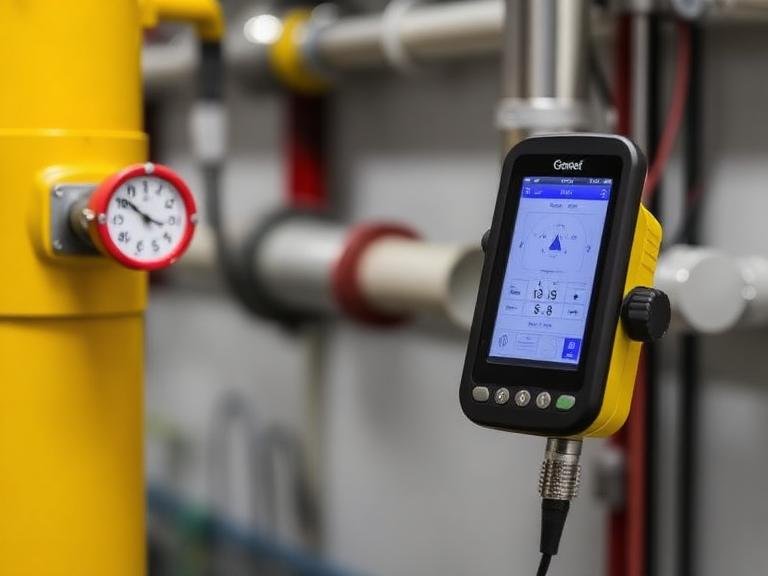
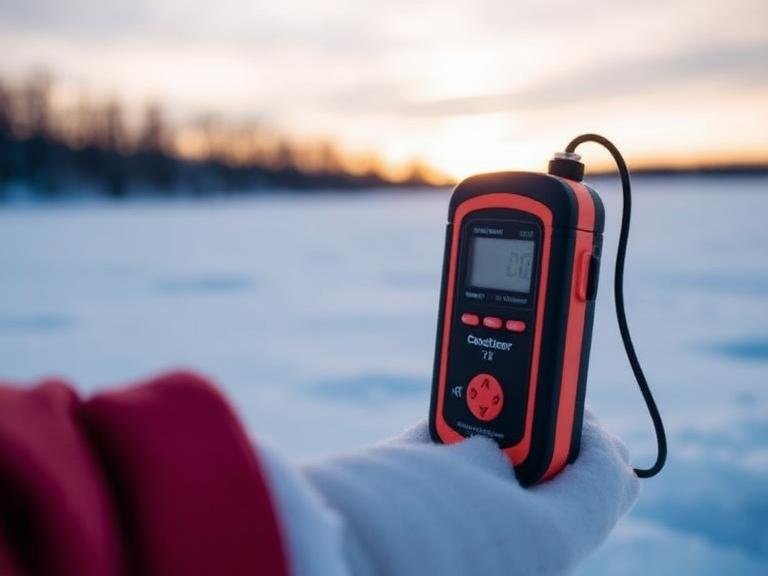
When personnel need to move through a facility to locate leak sources or verify air quality before entering a confined space, portable VOC monitoring equipment is indispensable. The Handheld VOC Monitor – Pump Suction Type – VOCs Alarm by Sino-Inst is a premier detection and alarm instrument for continuously monitoring the concentration of VOCs. It can also be equipped with temperature and humidity measurement, allowing for convenient and rapid mobile detection of VOC concentrations in the air.
We recommend this highly responsive VOC monitoring equipment for detecting volatile organic compounds during the production and use of cleaning solvents, adhesives, coatings, paints, glues, organic solvents, and inks. When the detected VOC concentration reaches or exceeds the instrument’s preset alarm concentration value, the handheld VOC Monitor will emit an audible and visual alarm, vibrate, and display an alarm screen to alert the operator immediately.
2. Fixed Continuous VOC Monitor

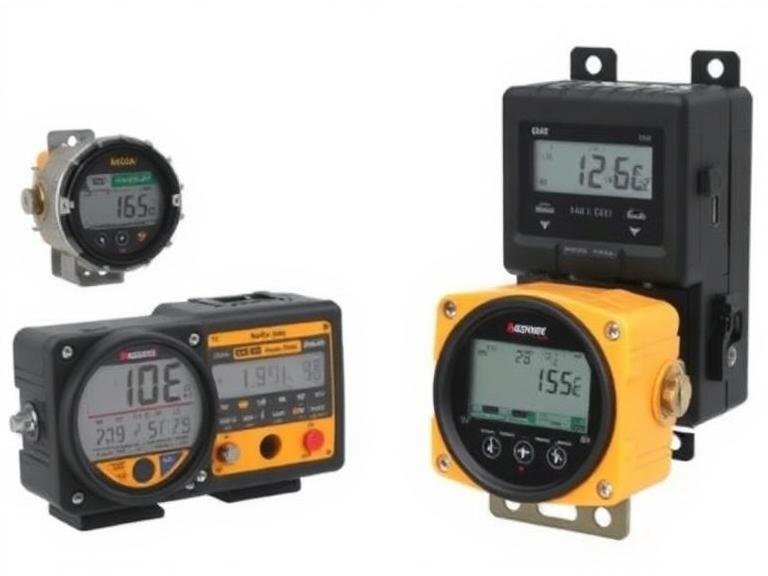
For areas where hazardous chemicals are continuously processed or stored, 24/7 oversight is mandatory. The Fixed VOC Monitor engineered by Sino-Inst provides an unwavering line of defense. Fixed VOC monitors are suitable for continuous online detection and alarm of volatile organic compound gases in workshops, enclosed work areas, and around equipment.
From our experience, the physical durability of fixed VOC monitoring equipment is just as critical as its sensor accuracy. The robust and durable explosion-proof enclosure of this unit makes it highly suitable for various hazardous locations and harsh industrial environments, ensuring uninterrupted data transmission to your safety control room.
3. Wearable Personal VOC Badges
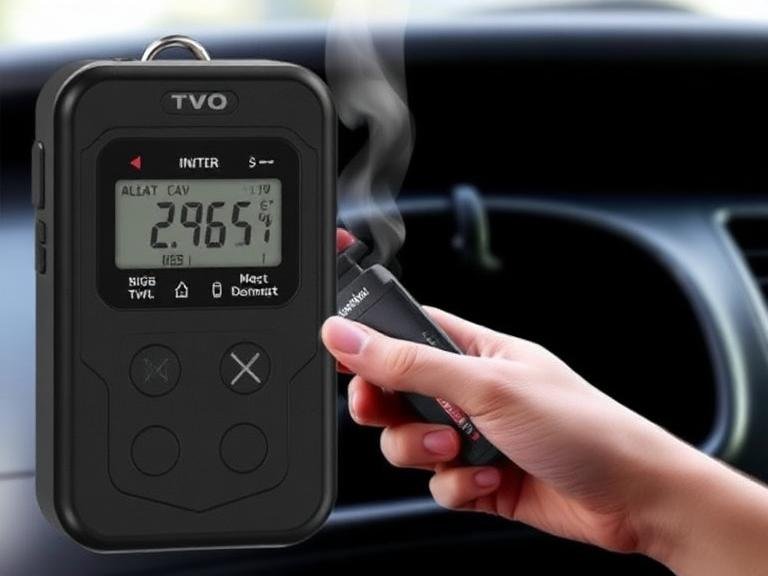
In large-scale manufacturing floors, individual employee exposure tracking is a key component of occupational health. Wearable VOC monitoring equipment acts as a personal safeguard. Clipped directly to the breathing zone (the collar or lapel), these compact devices utilize passive diffusion PID technology. If a worker inadvertently walks into an invisible vapor cloud, the personal VOC monitoring equipment will trigger a high-decibel local alarm, prompting immediate evacuation.
4. Wall-Mounted NDIR VOC Sensors for Cleanrooms
Non-Dispersive Infrared (NDIR) technology is highly specialized VOC monitoring equipment used primarily when specific gas compounds need to be isolated without interference from background gases. Cleanrooms in semiconductor manufacturing require this level of precision. Wall-mounted NDIR VOC monitoring equipment provides exceptional baseline stability and rarely requires recalibration, making it ideal for sterile environments where maintenance access is heavily restricted.
5. HVAC-Integrated MOS Air Quality Sensors
For commercial office buildings and large institutional facilities, VOC monitoring equipment is often integrated directly into the HVAC return ducts. Metal Oxide Semiconductor (MOS) sensors are frequently utilized here. These sensors measure broad changes in indoor air quality, detecting off-gassing from new carpets, furniture, and cleaning agents. When this VOC monitoring equipment detects a spike, it automatically signals the HVAC system to increase the intake of fresh outdoor air, diluting the indoor pollutants.
6. Portable Gas Chromatography (GC) Analyzers
While standard PID VOC monitoring equipment can tell you that VOCs are present and at what concentration, it cannot easily tell you exactly which chemical it is. Portable Gas Chromatography analyzers represent the pinnacle of analytical VOC monitoring equipment. We recommend these highly sophisticated units for environmental consultants and industrial hygienists who need to separate and identify specific chemical compounds on-site during an emergency spill or complex chemical investigation.
7. Multi-Parameter Indoor Air Quality (IAQ) Stations
Modern facility management often requires holistic environmental data. Multi-parameter IAQ stations are comprehensive VOC monitoring equipment setups that simultaneously track VOCs, carbon dioxide (CO2), particulate matter (PM2.5/PM10), temperature, and humidity. From our experience, deploying these all-in-one stations in manufacturing control rooms or administrative zones provides health and safety officers with a complete dashboard of the facility’s breathable atmosphere.
4. Integrating VOC Monitoring Equipment with Liquid Process Sensors
In heavy industry, the off-gassing of VOCs into the air is frequently tied to the chemical composition of processed liquids and wastewater. Therefore, relying solely on airborne VOC monitoring equipment provides an incomplete picture. We recommend a dual-monitoring approach that pairs indoor air quality sensors with robust liquid analysis instrumentation.
For instance, monitoring the pH and oxidation-reduction potential of industrial effluents using a Glass pH/ORP Sensor can predict when volatile reactions might occur, allowing preemptive ventilation. Similarly, tracking ionic concentrations via Conductivity, TDS, Resistivity & Salinity Sensors ensures chemical baths remain stable. In wastewater treatment zones, utilizing sensors for Dissolved Oxygen(DO), Residual Chlorine, and Turbidity/Suspended Solids alongside ambient VOC monitoring equipment ensures total regulatory compliance across both air and water discharge channels.
5. Summary Comparison Table
| VOC Monitoring Equipment Type | Detection Technology | Primary Application | Key Advantage |
|---|---|---|---|
| Sino-Inst Handheld Pump-Suction | PID / Pump Suction | Mobile inspection, leak detection | Active air draw, multi-alarm alerts, temp/humidity tracking |
| Sino-Inst Fixed Continuous Monitor | PID / Diffusion | Enclosed work areas, heavy equipment | Explosion-proof enclosure, 24/7 online data transmission |
| Wearable Personal Badges | PID / Passive | Individual worker safety | Monitors exact breathing zone exposure |
| Wall-Mounted NDIR | Infrared | Cleanrooms, labs | High precision, minimal cross-interference |
| HVAC-Integrated MOS | Metal Oxide | Commercial building air quality | Automates fresh air intake based on broad gas levels |
| Portable GC Analyzers | Gas Chromatography | Complex chemical spills, analysis | Identifies specific chemical compounds on-site |
| Multi-Parameter IAQ Stations | Mixed Sensor Array | Control rooms, offices | Provides holistic air quality metrics (VOC, CO2, PM2.5) |
6. Frequently Asked Questions (FAQs)
How often should VOC monitoring equipment be calibrated?
From our experience, professional VOC monitoring equipment should undergo a bump test prior to each daily use to verify sensor response. A full span calibration using a known concentration of target gas (such as Isobutylene) should be performed every 30 to 90 days, strictly adhering to the manufacturer’s operational manual and local safety regulations.
What is the difference between a pump-suction and diffusion VOC monitor?
Pump-suction VOC monitoring equipment actively draws air into the sensor chamber using an internal motorized pump, allowing you to sample air from deep within tanks or pipes using a probe. Diffusion models rely on natural air currents bringing the gas to the sensor face, making them better suited for continuous ambient room monitoring or personal wearable badges.
Can VOC monitoring equipment detect all types of gases?
No. While PID-based VOC monitoring equipment detects a vast array of organic compounds (like benzene and ethanol), it cannot detect specific inorganic gases like carbon monoxide (CO), radiation, or standard atmospheric gases like nitrogen or oxygen. You must select sensors with lamp energies (eV) that match the ionization potential of your target chemical.
7. Authoritative References
To further understand the regulatory frameworks and scientific methodologies regarding indoor air quality and chemical exposure limits, we recommend consulting the following authoritative bodies:
- United States Environmental Protection Agency (EPA) – Volatile Organic Compounds’ Impact on Indoor Air Quality
- National Institute for Occupational Safety and Health (NIOSH) – Chemical Hazards and Toxic Exposures
- Occupational Safety and Health Administration (OSHA) – Indoor Air Quality Standards
Investing in professional VOC monitoring equipment is a fundamental commitment to operational integrity and human safety. By deploying the correct combination of handheld analyzers and fixed continuous monitors from Sino-Inst, facility managers ensure that unseen chemical threats are identified and neutralized long before they escalate into crises.