.png)
As industrial regulations tighten globally, the need for precise and reliable emission monitoring has never been more critical. At Sino-Inst, we understand that maintaining compliance, ensuring worker safety, and optimizing combustion processes rely heavily on the accuracy of your detection equipment. An exhaust gas analyser is a specialized instrument designed to measure the concentration of various gases emitted from combustion processes, chemical reactions, and industrial exhaust streams.
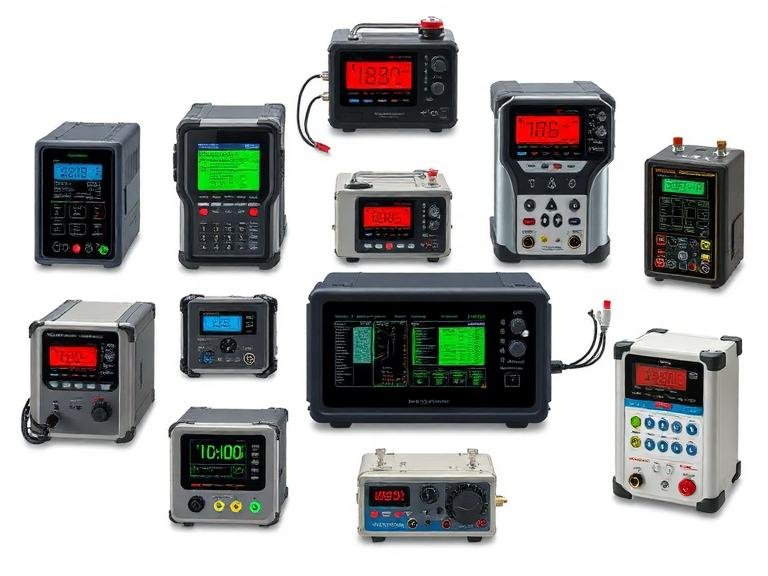
From our experience, selecting the right exhaust gas analyser is not a one-size-fits-all endeavor. Different environments require different sensor technologies, mounting configurations, and connectivity options. Whether you are monitoring volatile organic compounds in a confined pipeline or analyzing flue gas from an industrial boiler, deploying a professional exhaust gas analyser ensures you capture real-time data to prevent hazardous leaks and environmental penalties. In this comprehensive guide, we will outline the top 9 professional exhaust gas analyser solutions and provide our expert insights on how to choose the right system for your facility.
Table of Contents
- 1. The Importance of an Exhaust Gas Analyser
- 2. Key Technologies in Exhaust Gas Analysis
- 3. 9 Professional Exhaust Gas Analyser Solutions
- 4. How to Choose the Right Exhaust Gas Analyser
- 5. Summary Comparison Table
- 6. Frequently Asked Questions (FAQs)
- 7. References
1. The Importance of an Exhaust Gas Analyser
An exhaust gas analyser serves as the frontline defense against dangerous emissions. In industrial environments, exhaust gases often contain carbon monoxide, nitrogen oxides, sulfur dioxide, and volatile organic compounds. Without a highly calibrated exhaust gas analyser, these invisible threats can accumulate, leading to severe health risks for personnel and catastrophic explosive hazards.
Furthermore, an exhaust gas analyser is vital for process optimization. By continuously monitoring the composition of exhaust streams, engineers can adjust fuel-to-air ratios in real-time, thereby maximizing combustion efficiency and reducing operational costs. We recommend integrating a continuous exhaust gas analyser into any heavy industrial process that involves incineration, chemical synthesis, or fossil fuel combustion to ensure regulatory compliance and peak operational efficiency.
2. Key Technologies in Exhaust Gas Analysis
To fully appreciate the capabilities of a modern exhaust gas analyser, it is essential to understand the underlying sensor technologies. From our experience, the most effective exhaust gas analyser systems utilize a combination of the following principles:
- Electrochemical Sensors: Ideal for detecting toxic gases like carbon monoxide and hydrogen sulfide at low concentrations.
- Non-Dispersive Infrared (NDIR): Highly accurate for measuring hydrocarbons and carbon dioxide. An exhaust gas analyser using NDIR is extremely stable over long periods.
- Photoionization Detectors (PID): We recommend PID technology for any exhaust gas analyser tasked with detecting volatile organic compounds (VOCs).
- Thermal Conductivity: Used for detecting gases with high thermal conductivity, such as hydrogen or helium, in specialized exhaust streams.
3. 9 Professional Exhaust Gas Analyser Solutions
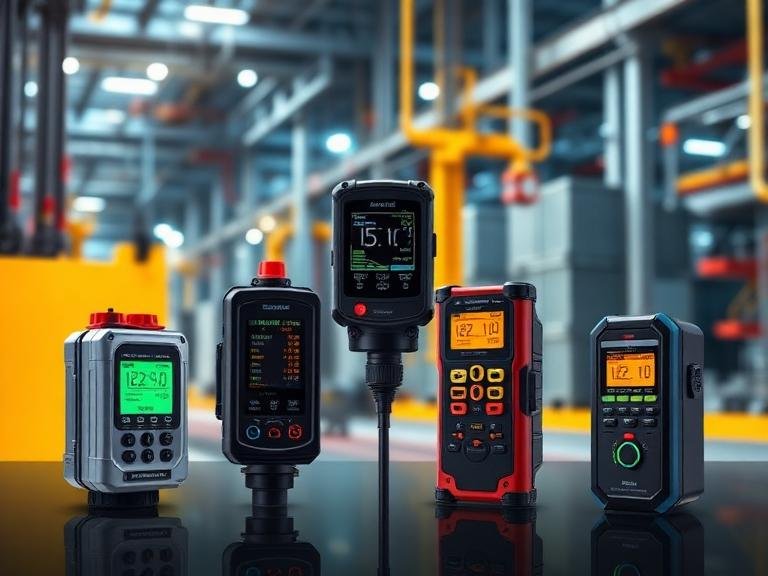
At Sino-Inst, we have engineered and curated a selection of elite monitoring systems. Below are 9 professional exhaust gas analyser configurations designed to meet rigorous industrial demands.
1. Fixed Gas Detector with Remote Sensor
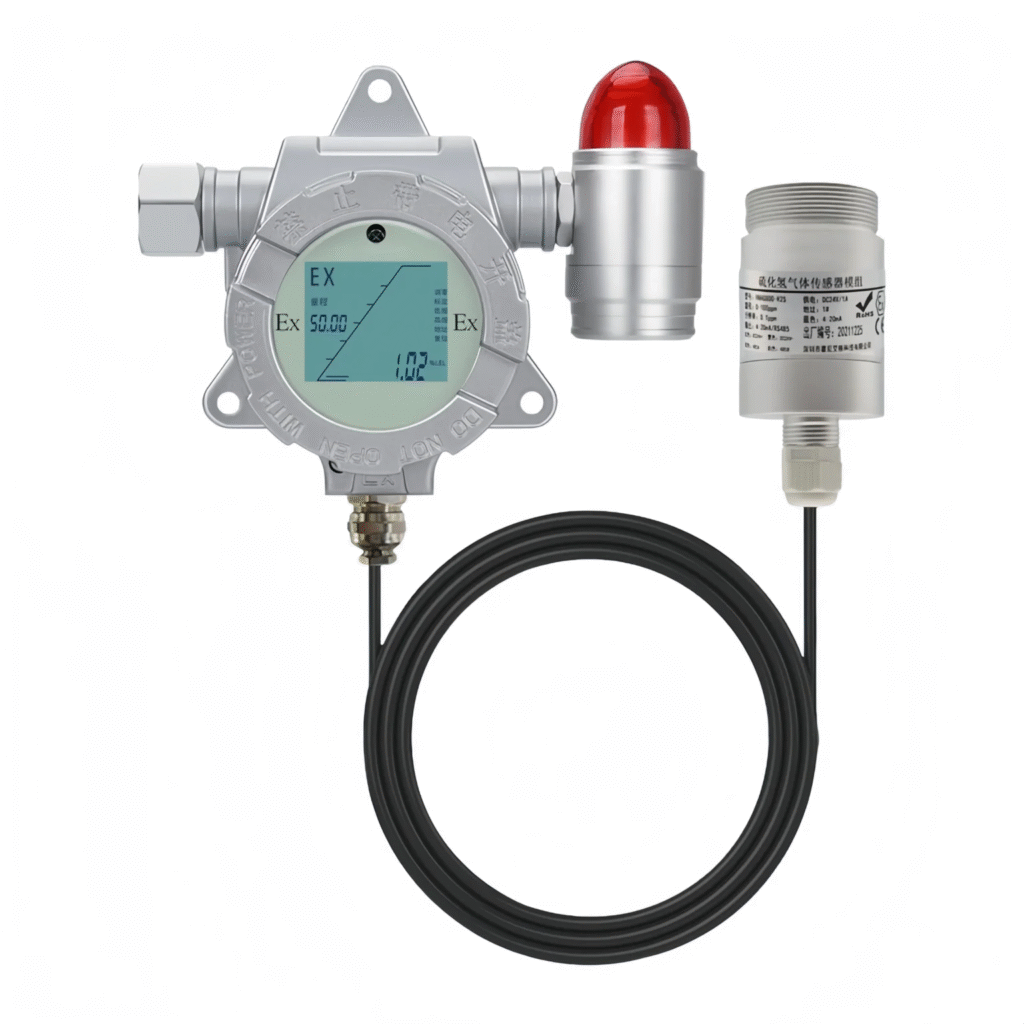
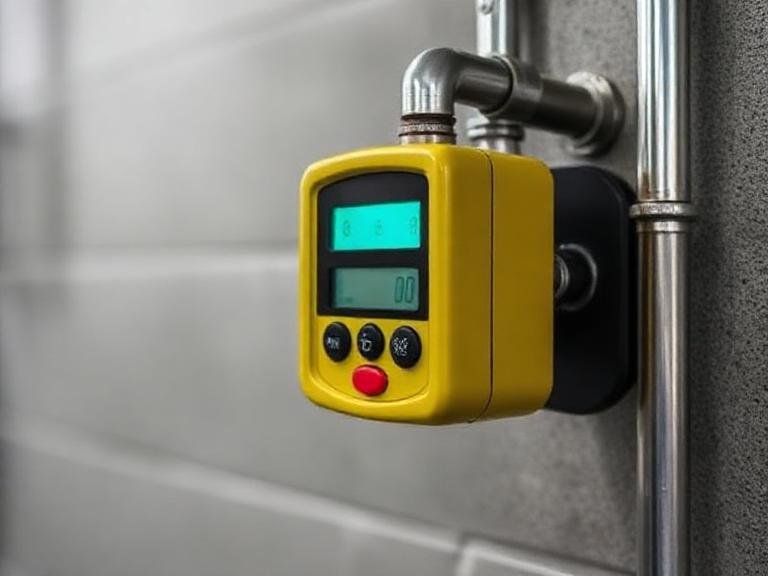
The Fixed Gas Detector with Remote Sensor is a gas detection device with a display meter and a detection sensor probe separated. It is also called a split gas leak alarm, a remote gas detector, or a split gas sensor. Its biggest feature is that the external extension tube can realize long-distance gas detection, functioning as a highly specialized exhaust gas analyser.
The length of the split connection line is 30 cm to 10 meters. At present, this split gas detector is mainly used in some special environment applications, such as high-temperature test chambers, aging chambers, mold chambers, tank area pipelines, and other challenging scenes where a standard exhaust gas analyser cannot be placed directly into the hazard zone.
2. VOC Gas Detector | Customized Multi-Gas Detection
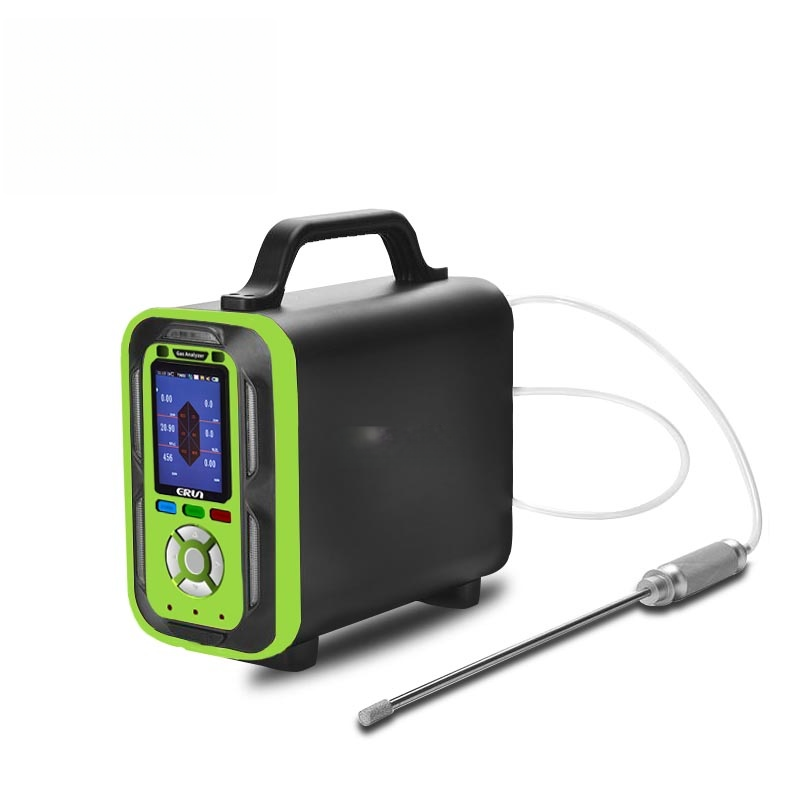
The VOC Gas Detector is used for mobile, rapid detection of various volatile organic compound (VOC) gas concentrations, temperature and humidity measurement (optional), and alarm functions for exceeding limits. It uses gas sensors from reputable brands including Honeywell, Nemoto (Japan), CITY (UK), Alpha (UK), Dynament (UK), and Membrapor (Switzerland). Its main detection principles include electrochemical, infrared, catalytic combustion, thermal conductivity, and PID photoionization.
This portable exhaust gas analyser can detect VOC gas concentrations in pipelines, confined spaces, and the atmosphere. It can also detect gas leaks or high concentrations of single gases with nitrogen or oxygen as background gases, and is capable of detecting over 500 types of gases. We recommend this unit for teams requiring a versatile exhaust gas analyser on the go.
3. Continuous Gas Monitoring System
For complete facility oversight, a standalone exhaust gas analyser is often not enough. We recommend implementing a comprehensive Gas Monitoring System. This solution integrates multiple exhaust gas analyser units across a plant into a centralized control panel. From our experience, this is the most reliable way to monitor exhaust stacks, ensuring that all emissions data is logged and compliant with environmental standards in real-time.
4. Heavy-Duty Fixed Gas Detectors
Industrial boilers and incinerators require an exhaust gas analyser that can withstand harsh ambient conditions. Our standard Fixed Gas Detectors feature explosion-proof housings and robust sensor arrays. When installed at exhaust ventilation points, this exhaust gas analyser provides continuous, uncompromising surveillance of combustible and toxic emissions.
5. 800 Series Gas Sensor Module
Original Equipment Manufacturers (OEMs) often need to integrate an exhaust gas analyser directly into their own machinery. The 800 Series Gas Sensor Module provides a compact, highly accurate sensing core. We recommend this module for engineers designing custom exhaust gas analyser solutions for automotive testing, biogas generation, or specialized chemical reactors.
6. Versatile Portable Gas Detectors
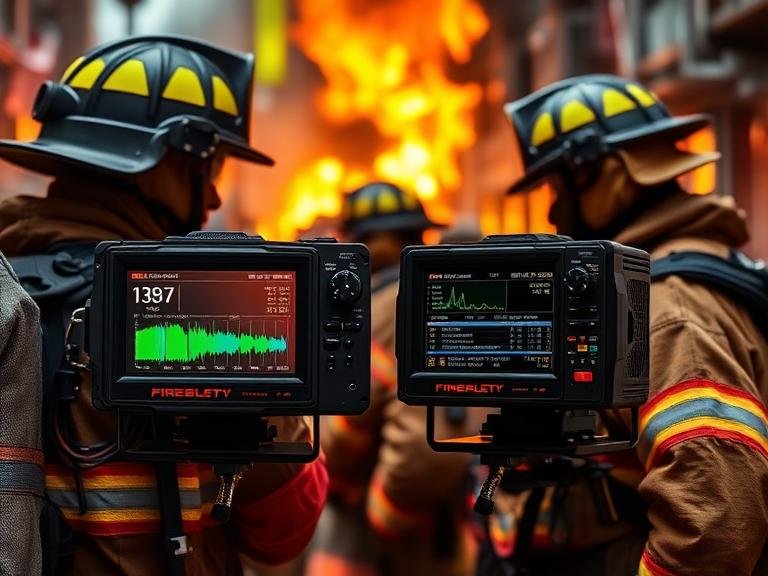
Maintenance personnel frequently work in areas where exhaust gases may temporarily accumulate. Deploying Portable Gas Detectors acts as a personal exhaust gas analyser. These handheld units are rugged, feature long battery lives, and provide instant audible and visual alarms if exhaust gases reach dangerous thresholds during spot inspections.
7. Hybrid Exhaust and Dust Monitors
In mining, cement manufacturing, and metallurgy, an exhaust gas analyser must often contend with high particulate matter. By combining an exhaust gas analyser with advanced Dust Monitors, facilities can measure both toxic gas concentrations and airborne particulate emissions simultaneously. From our experience, this hybrid approach is essential for total environmental compliance.
8. High-Temperature Flue Gas Analyser
Directly measuring emissions from a furnace requires an exhaust gas analyser equipped with specialized cooling probes. A high-temperature flue gas analyser extracts the hot gas, cools it, removes moisture, and then passes it over the sensors. We recommend this type of exhaust gas analyser for power plants and glass manufacturing facilities where exhaust temperatures exceed standard sensor limits.
9. Biogas and Syngas Analyser
Anaerobic digestion and gasification processes produce highly complex exhaust streams. A biogas-specific exhaust gas analyser is calibrated to measure methane, carbon dioxide, hydrogen sulfide, and oxygen accurately. From our experience, using a standard exhaust gas analyser for biogas applications leads to rapid sensor degradation due to high hydrogen sulfide content, making specialized units absolutely necessary.
4. How to Choose the Right Exhaust Gas Analyser
Choosing the correct exhaust gas analyser dictates the safety and efficiency of your operation. From our experience, buyers must first identify the target gases and their expected concentration ranges. If you are monitoring multiple gases simultaneously, a multi-gas exhaust gas analyser equipped with NDIR and PID sensors is required.
Secondly, consider the environmental conditions. If the detection point is located in an inaccessible or high-heat area, we highly recommend the Fixed Gas Detector with Remote Sensor. If your team requires mobility for spot-checking different exhaust vents, a portable exhaust gas analyser is the superior choice. Always ensure that the exhaust gas analyser you select offers the necessary communication protocols, such as 4-20mA, RS485, or HART, to integrate seamlessly with your existing control systems.
5. Summary Comparison Table
| Exhaust Gas Analyser Type | Primary Application | Key Technology | Recommended Use Case |
|---|---|---|---|
| Fixed Gas Detector with Remote Sensor | High-temp/Inaccessible areas | Split probe, up to 10m extension | Test chambers, tank area pipelines |
| Customized VOC Gas Detector | Mobile multi-gas analysis | PID, NDIR, Electrochemical | Confined spaces, pipeline spot checks |
| Continuous Gas Monitoring System | Facility-wide oversight | Centralized network integration | Plant emissions, compliance logging |
| 800 Series Sensor Module | OEM Integration | Modular sensor cores | Custom exhaust gas analyser builds |
| High-Temperature Flue Analyser | Furnaces, Boilers | Sample conditioning, cooling | Power generation, heavy manufacturing |
6. Frequently Asked Questions (FAQs)
What is the lifespan of sensors in an exhaust gas analyser?
From our experience, electrochemical sensors in an exhaust gas analyser typically last 12 to 24 months depending on exposure levels. NDIR and PID sensors have a longer lifespan, often exceeding 3 to 5 years, provided the exhaust gas analyser undergoes regular maintenance and calibration.
How often should I calibrate my exhaust gas analyser?
We recommend calibrating a fixed exhaust gas analyser every 3 to 6 months. However, for a portable exhaust gas analyser used in critical safety applications, a daily bump test and monthly calibration are highly recommended to ensure absolute accuracy.
Can an exhaust gas analyser detect particulate matter?
A standard exhaust gas analyser is designed exclusively for gas detection. If your exhaust stream contains particulate matter, you must pair your exhaust gas analyser with dedicated dust monitors to achieve comprehensive emissions analysis.
Why use a remote sensor for an exhaust gas analyser?
Using an exhaust gas analyser with a remote sensor separates the sensitive display electronics from extreme temperatures, high humidity, or corrosive environments. We recommend this setup to prolong the life of the instrument while gathering precise data directly from the hazard zone.
7. References
- U.S. Environmental Protection Agency (EPA) – Emission Measurement Center
- Occupational Safety and Health Administration (OSHA) – Toxic Gases and Vapors
- Sino-Inst Internal Engineering Guidelines for Industrial Gas Detection and Exhaust Analysis.