.png)
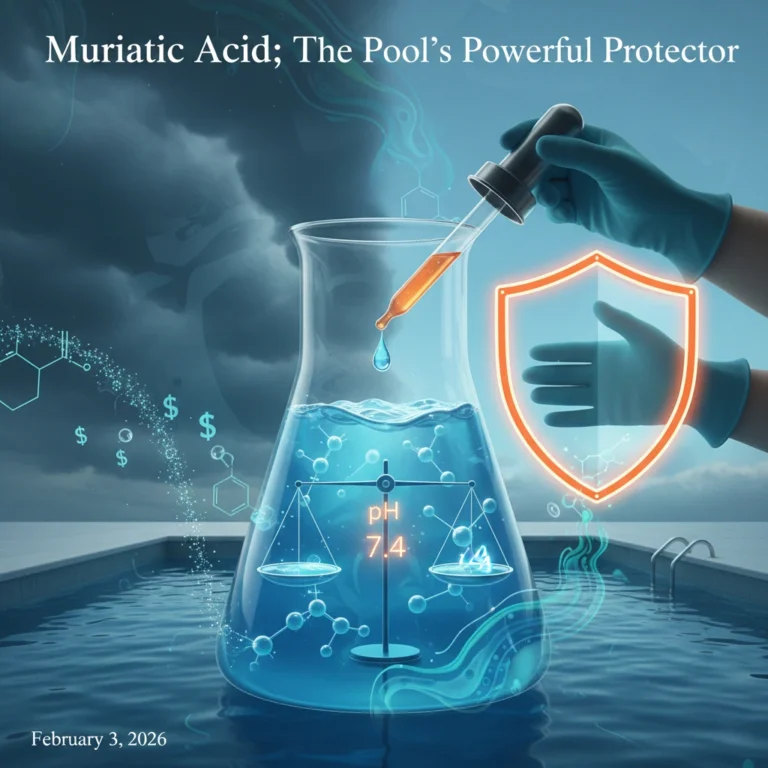
Does chlorine reduce pH? This issue remains at the core of water quality management when maintaining a clear and transparent swimming pool. Many pool owners are curious: Is there an invisible “tug of war” between chlorine and pH? Is chlorine causing numerical fluctuations, or is high pH causing your chlorine to lose its bactericidal effect?
Understanding this subtle relationship is the watershed between having a comfortable experience and falling into a glaring ‘chemical disaster’. In 2026, with the popularization of automatic sensors, precise detection is no longer an option, but an industry standard.
Does Chlorine Reduce pH?
In short, it depends on the type of chlorine product you are using.
Not all chlorine has the same effect. When you add chlorine to water, the chemical reaction that occurs may push up the pH value or pull it down:
- Trichlorous and Dichloride: These common effervescent tablets or granules have a very low pH value of about 2-3. They will significantly lower your pH.
- Liquid chlorine and calcium hypochlorite: Their pH is very high (11-13). At the beginning of addition, they will increase the pH value, but subsequent reactions will make it tend towards neutrality.
- Saltwater Generator: As discussed in our Saltwater Pool Salinity Guidelines, the electrolysis process typically results in a slow increase in pH value.
- Understanding the balance between them is crucial for monitoring total chlorine and free chlorine, as pH often directly determines the bactericidal efficiency of free chlorine.
What causes changes in the pH value?
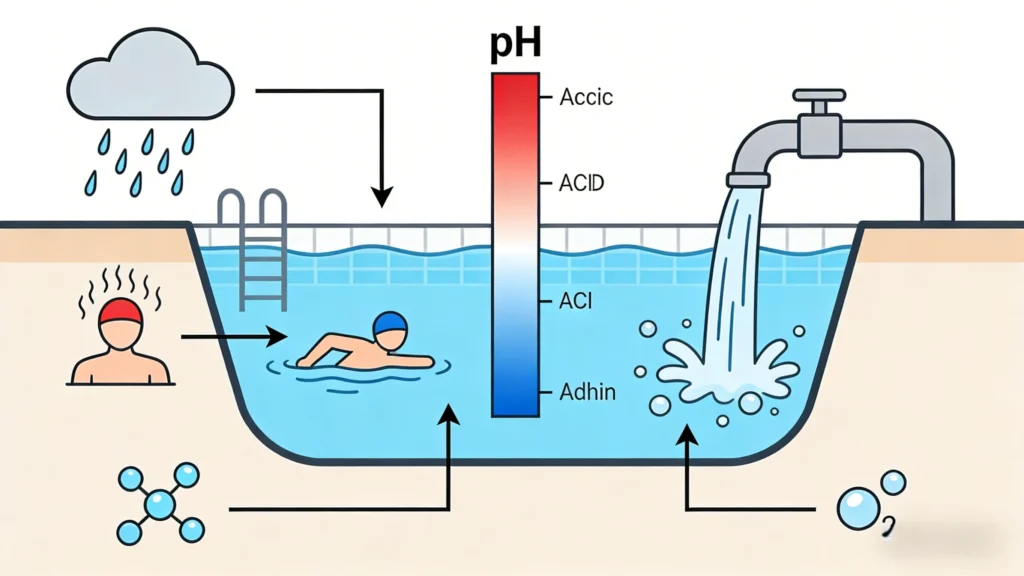
- Chlorine is just one of them, and there are usually the following factors as “invisible drivers” behind pH fluctuations
- Heavy rainfall: Rainwater naturally tends to be acidic, which can lower the pH value of the swimming pool
- Swimmer load: Sweat and body oils are usually acidic, and frequent use can lead to the accumulation of total chlorine.
- Aeration effect: Playing in water, waterfalls, or engaging in high-frequency activities can release carbon dioxide from the water, thereby increasing the pH.
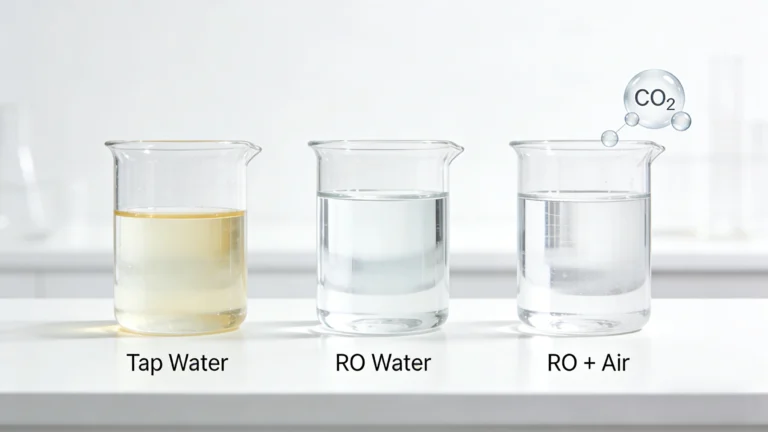
- Supplemental water: The tap water you use to replenish the pool water
How does pH value “lock” your chlorine?
Understanding the relationship between pH and chlorine is crucial, as pH directly determines the “killing power” of free chlorine.
n water, chlorine exists in two forms: highly bactericidal hypochlorous acid (HOCl) and highly bactericidal hypochlorite ions (OCl ⁻).
- When the pH is 7.2, about 65% of chlorine is in an active HOCl state.
- When the pH rises to 8.0, only about 20% of chlorine is working.
This means that if the pH value is too high, 80% of the chlorine you spend money on is being ‘lazy’! That’s why while monitoring, it is necessary to strictly maintain the pH value.
Ideal chlorine and pH levels: 2026 industry standard
To achieve comfortable water quality under the California sunshine, please follow the following criteria:
| Parameter | Ideal Range | Why It Matters (Importance) |
| Free Chlorine | 1.0 – 3.0 ppm | Kills bacteria and algae; keeps water sanitized. |
| pH Level | 7.2 – 7.6 | Ensures swimmer comfort and prevents equipment corrosion. |
| Total Alkalinity | 80 – 120 ppm | Acts as a “buffer” for pH; prevents rapid pH swings. |
| Calcium Hardness | 200 – 400 ppm | Prevents plaster damage and cloudy water. |
| Cyanuric Acid (CYA) | 30 – 50 ppm | “Sunscreen” for chlorine; protects it from UV degradation. |
| Salinity (Salt Pools) | 2700 – 3400 ppm | Required for salt cells to generate chlorine efficiently. |
The use and necessity of measuring chlorine:
In 2026, precise measurement of chlorine content is not only for water quality safety, but also for asset protection and operational control.
Firstly, measurement can effectively prevent * * “Chlorine Lock” * *. Long term use of chlorine tablets containing stabilizers can lead to the accumulation of cyanuric acid (CYA), locking in the bactericidal activity of chlorine. If you find that the chlorine content continues to be too high, you may need to know how to remove chlorine from water and safely degrade it through neutralizing agents or UV.
Secondly, this is the protection of hardware assets. Continuous high chlorine content (combined with low pH) has strong corrosiveness, which can directly corrode the copper heat exchanger of the pool heater and accelerate the aging of the pump seal ring and impeller. Maintaining the golden range of 1.0-3.0 ppm can extend equipment lifespan by over 30%.
Finally, by measuring the ratio of free chlorine to total chlorine, harmful bound chlorine (chloramines) can be accurately identified. When the combined chlorine exceeds 0.5 ppm, the system should automatically trigger shaking treatment to eliminate pungent odors and skin irritation. By utilizing Sino Inst’s digital monitoring solution, you can bid farewell to the “feeling based dosing” and achieve true automation control and health protection.
Is it dangerous if the chlorine is too high in a pool?
Yes, although chlorine is a protector, excessive use can cause damage:
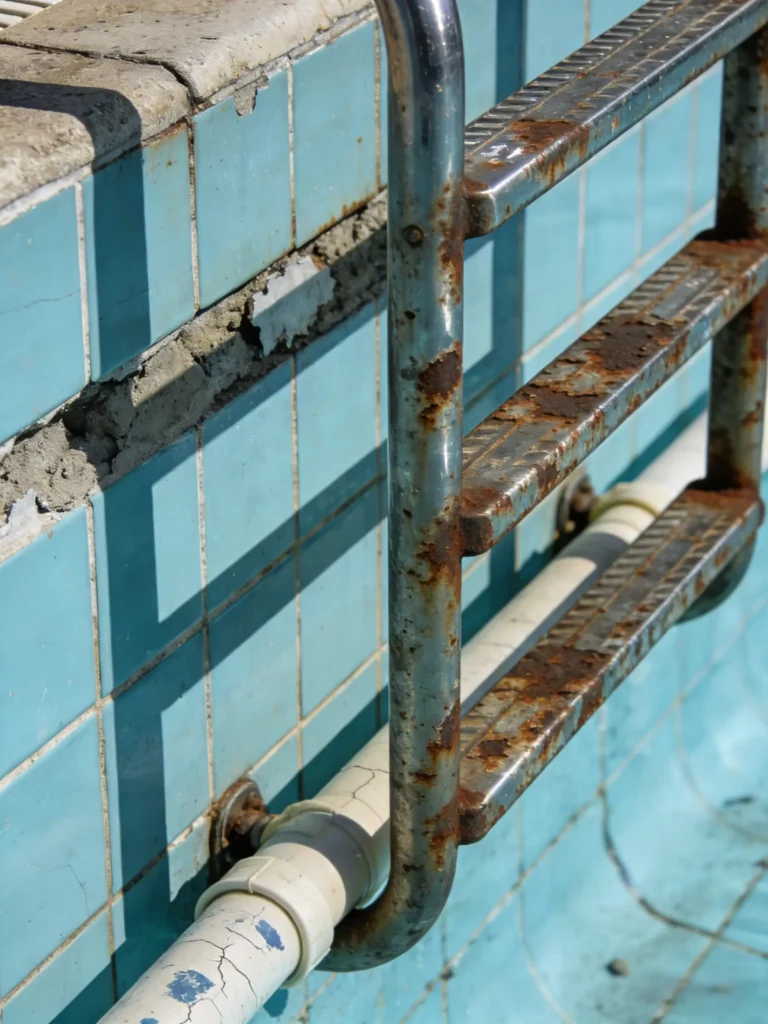
- The first is the destructive corrosion of hardware assets. High concentrations of chlorine can directly attack the copper heat exchanger in the heater, causing metal thinning and leakage. In addition, it will accelerate the degradation and brittleness of the pump body seal ring, O-ring, and impeller. Even more discreetly, high chlorine water will slowly corrode stainless steel components such as ladders and lighting fixtures, significantly increasing maintenance costs.
- Secondly, there is a risk of material fading and loss. For swimming pools with vinyl or painted surfaces, long-term high chlorine environments can cause bleaching and embrittlement of the lining, significantly reducing its service life. At the same time, it quickly breaks down the elastin in swimsuit fibers, causing expensive sports equipment to lose elasticity and develop pigmentation.
- Finally, there is a complex blow to human health. In addition to causing severe “red eye syndrome”, high chlorine can also deprive the skin of its natural protective oils, leading to itching and dryness. For people with asthma, the chemical gases emitted from high chlorine water surfaces can irritate the respiratory tract and trigger allergic reactions.

The Process of Measuring Chlorine: How to Measure Like a Professional
By 2026, we have surpassed the stage of blind guessing with test strips.
- Digital photometer: Provides digital readings to eliminate errors caused by manual color charts.
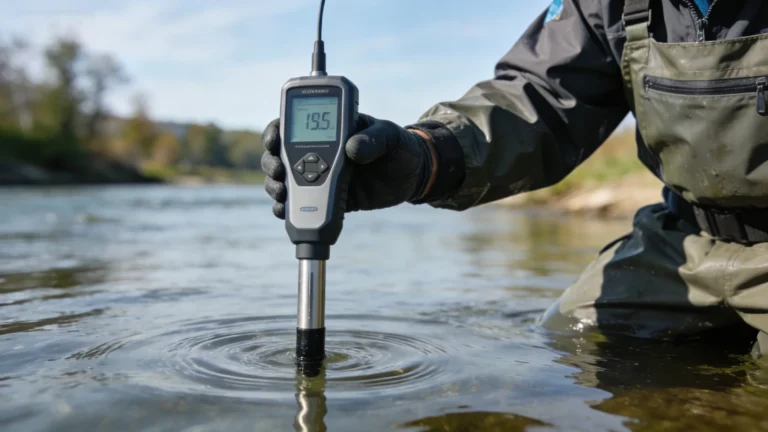
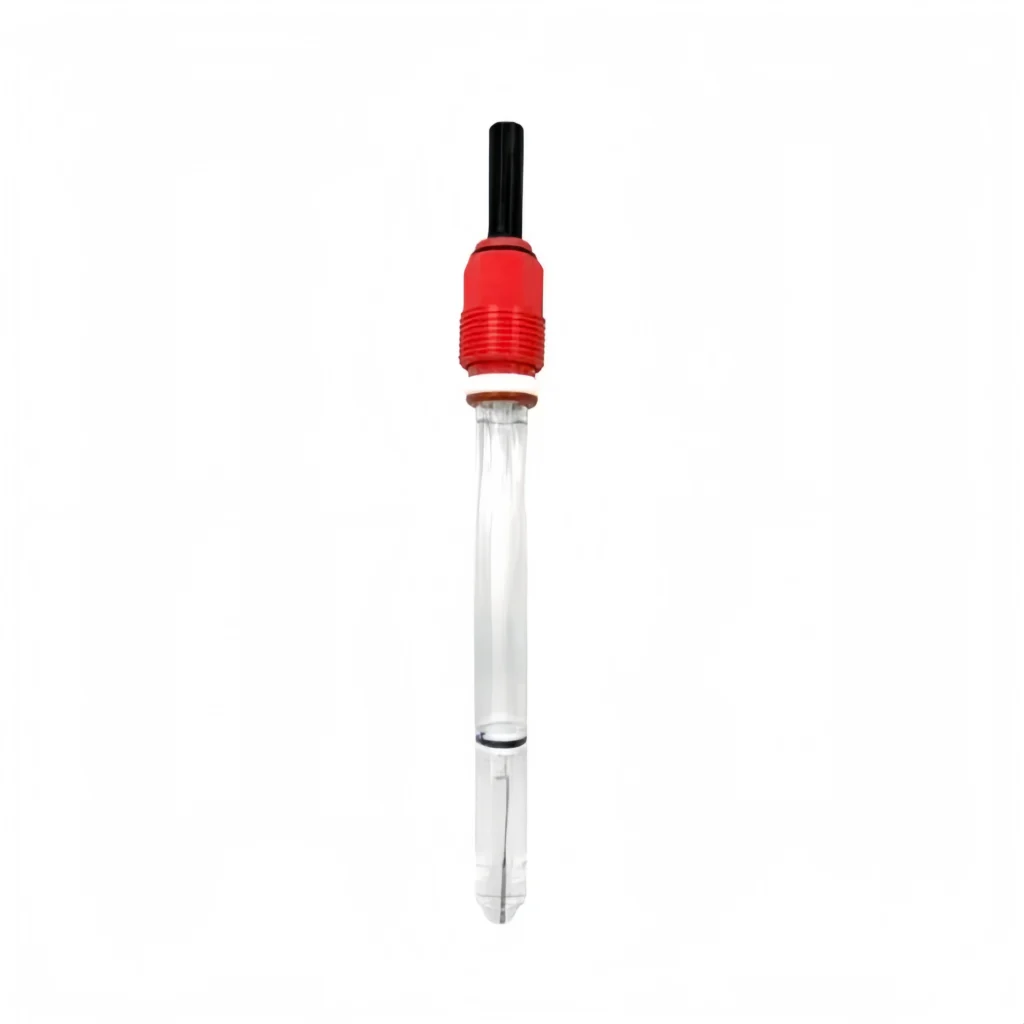
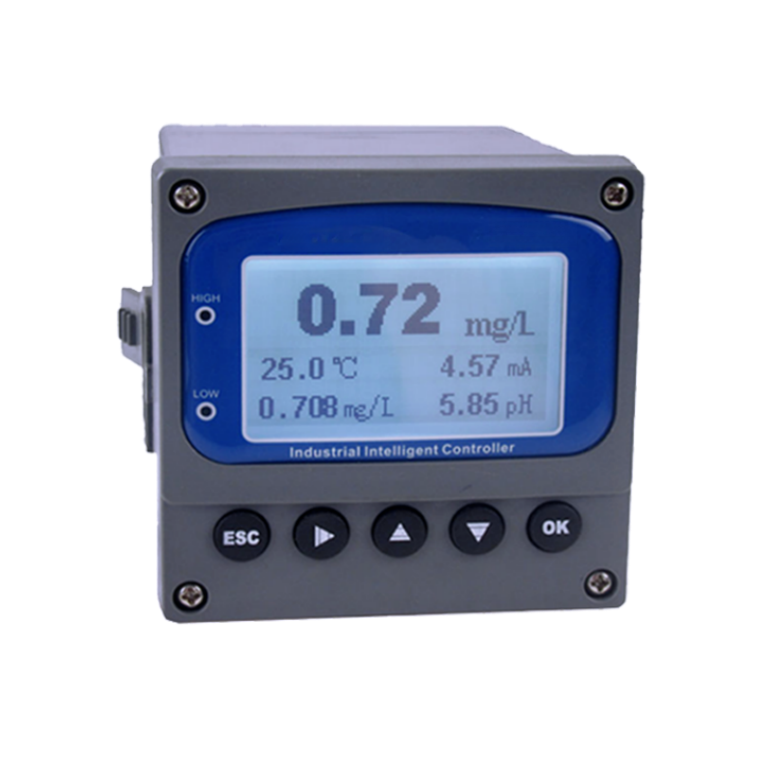
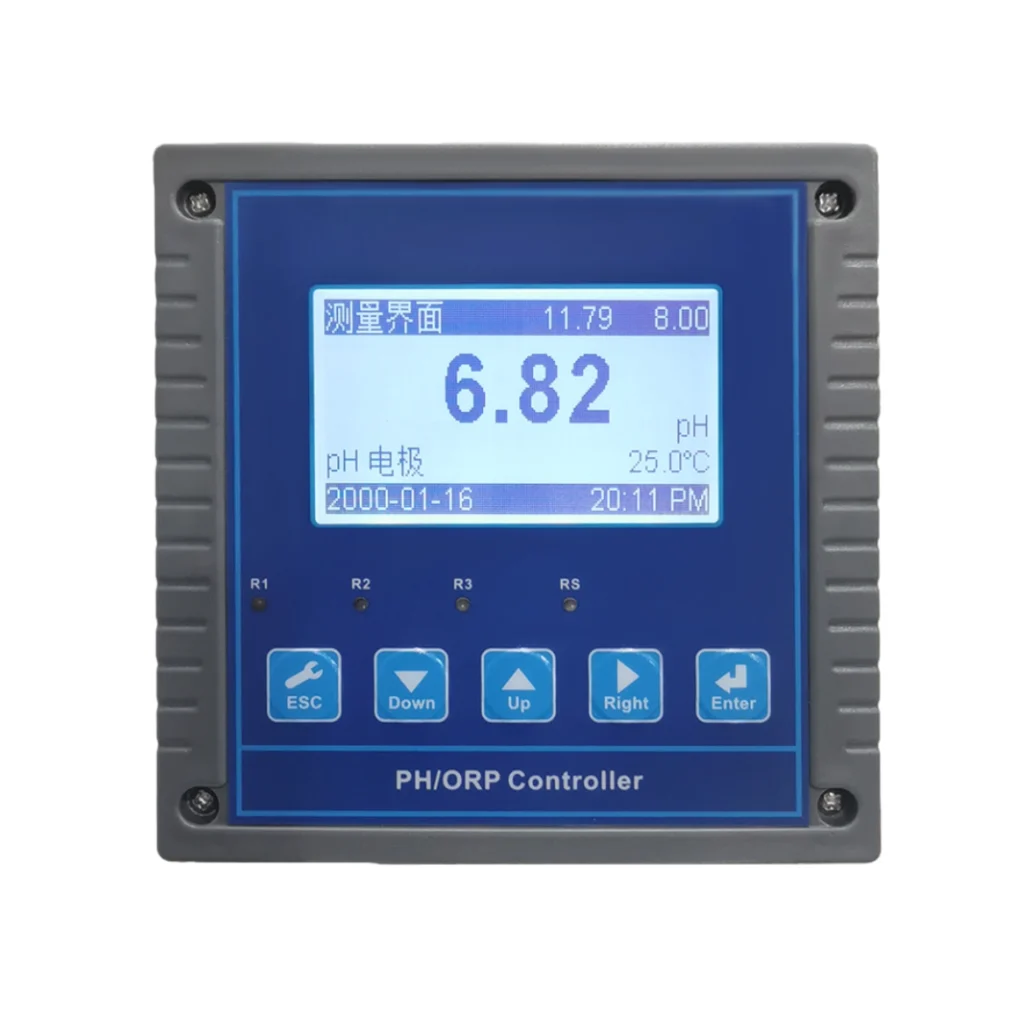
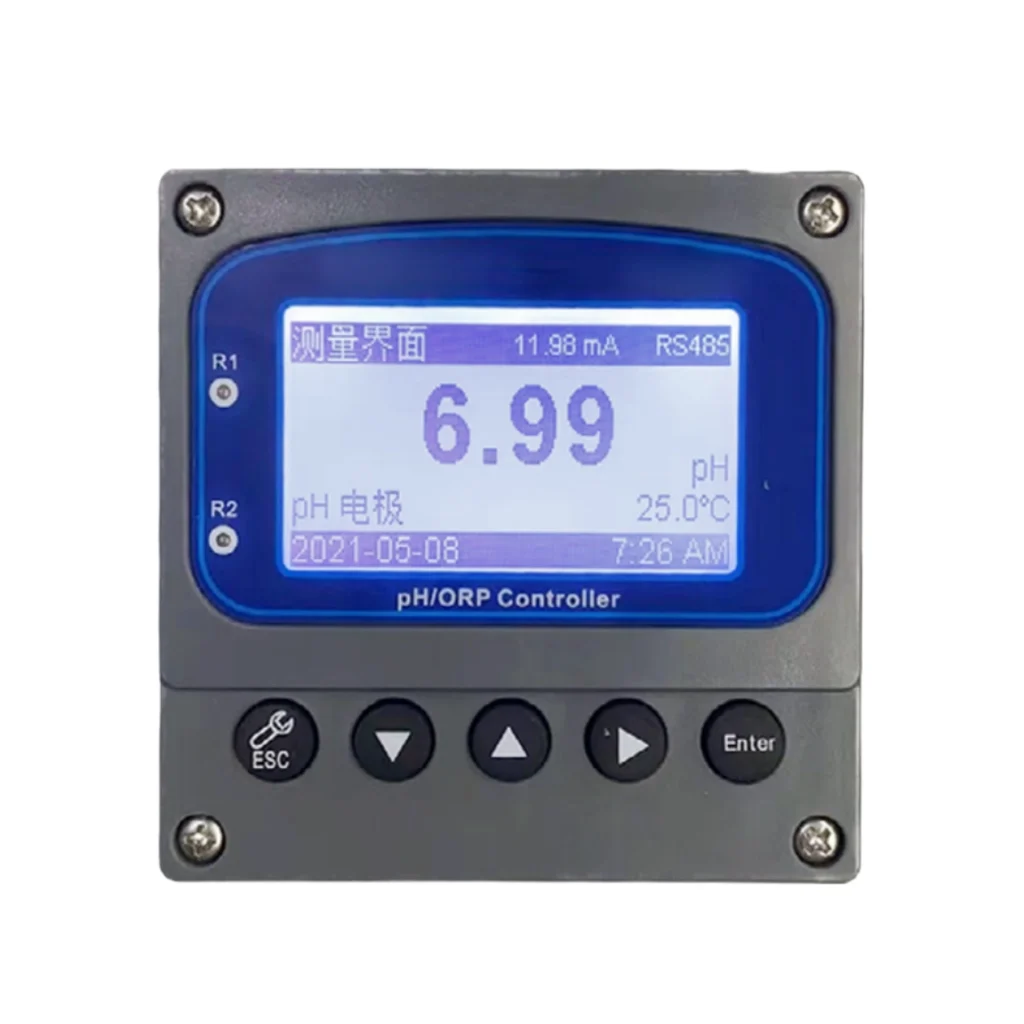
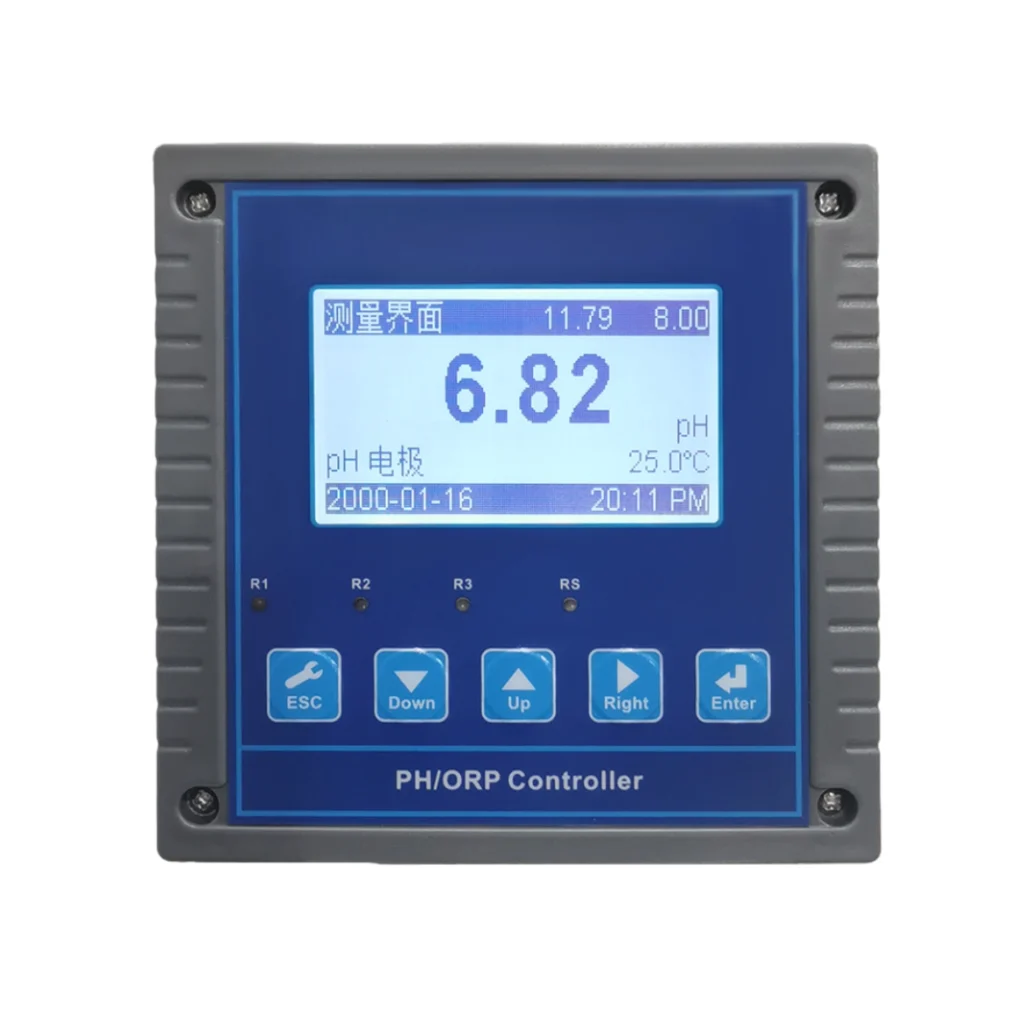
- Industrial grade sensors: To achieve true unmanned operation, Sino Inst’s industrial grade sensors can directly transmit real-time data to your monitoring system.
- DPD testing method: This is the gold standard for distinguishing free chlorine from total chlorine
FAQ
Related Products
Can chlorine cause a decrease in pH value? It can be an ally or an enemy of pH balance, the key is your product selection.
The secret to low maintenance costs lies not in adding more chemicals, but in more accurate data. Transitioning from ‘sensory maintenance’ to ‘data management’ not only saves money, but also protects expensive devices.
Tired of the tug of war of chemical equilibrium?
Request A Quote
More Resources
-
6 Professional Carbon Monoxide Detectors with PPM Displays
Carbon monoxide (CO) is often characterized as the silent killer because it is colorless, odorless, and tasteless. While standard residential alarms are designed…
-
9 Professional Exhaust Gas Analyser Solutions for Industrial Emissions
As industrial regulations tighten globally, the need for precise and reliable emission monitoring has never been more critical. At Sino-Inst, we understand that…
-
7 Professional Indoor VOC Monitoring Equipment Solutions
Authored by Sino-Inst — A globally recognized manufacturer of industrial instrumentation and process control equipment. From our experience engineering robust sensing technologies, protecting…
-
The Ultimate Guide to Flow Controllers Mass Price in 2026
Authored by Sino-Inst — A leading industrial automation and process control instrument manufacturer specializing in precision flow, pressure, and fluid measurement solutions. In…
-
6 Signs of a Natural Gas Leak
Authored by Sino-Inst. We are a professional supplier of industrial process and analytical instruments, including gas detectors, gas analyzers, mass flow controllers, and…
-
The 5 Core Differences Between MFC and MFM
In the realm of process automation, semiconductor manufacturing, and advanced laboratory research, the precise management of gas and liquid flow is not merely…