.png)
Having a swimming pool should be a pure enjoyment, but it can also bring many troubles. Many pool owners may ask: What should the salt level be in my pool? Imagine jumping into a swimming pool on an afternoon in California, and your skin feels silky instead of stinging – this is the magic that 3200 ppm gold salinity brings to you.
Maintaining the correct salinity is not just about taste, it directly determines whether your salt chlorine generator can function properly? If the salinity is imbalanced, your swimming pool will quickly become a breeding ground for algae or cause damage to expensive electrolysis tanks. This guide will tell you how to properly maintain pool balance.
Quick answer: what should the salt level be in my pool
For most commercial or household swimming pools, the ideal salinity range is between 2700 and 3400 parts per million (ppm), with 3200 ppm being recognized as the gold standard.
- Comparative reference: The salinity of seawater is about 35000 ppm, while human tears are about 9000 ppm. This indicates that a concentration of 3200ppm is very low, and swimmers can hardly taste the salty taste, but it can bring a silky and comfortable experience.
- Brand difference: Although 3200ppm is a universal standard, there may be subtle differences in tea cups for different brands. Be sure to consult the equipment manual to ensure that the readings are within the manufacturer’s required range.
Salinity and hydrochemical equilibrium
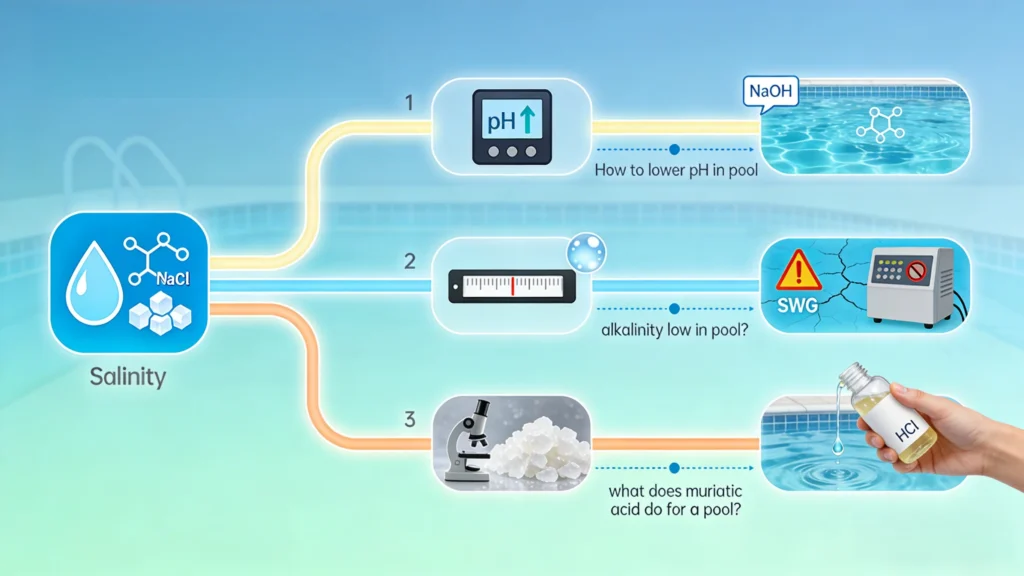
There is an undeniable chain reaction between them, and salinity does not exist in isolation. It is closely related to other chemical indicators in water.
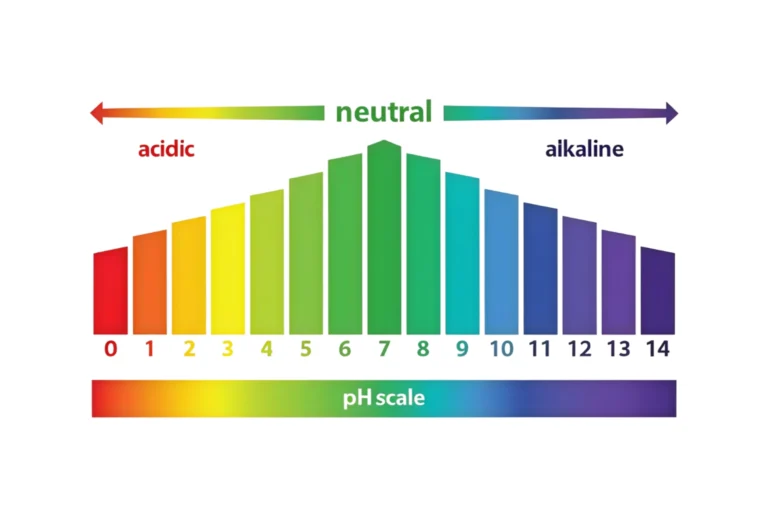
- The challenge of pH value: The saltwater system produces sodium hydroxide during the chlorine production process. This will cause the pH to continue to rise. If you find that pH is frequently imbalanced, please refer to our in-depth guide: How to lower pH in pool.
- Buffer of alkalinity: If your total alkalinity is too low, the pH value will also fluctuate sharply, causing the salt chlorine generator to report an error. We refer to low alkalinity as the ‘silent killer’ of pool bottom lining. Please refer to: alkalinity low in pool?
- Acid base regulation: In high salt environments, the risk of scaling increases. At this point, you may need to understand what does muriatic acid do for a pool? To perform professional descaling or reduce pH.
What happens if the salinity is not within the normal range?
Low salinity (<2700ppm)
When the salinity is insufficient, the salt chlorine generator will stop producing chlorine due to “insufficient raw materials”. This not only turns the water green, but also forces the system to operate at overload, shortening the service life of expensive electrolytic cells.
Excessive salinity (>4500ppm)
Water will become bitter and accelerate the corrosion of metal ladders, lights, and heaters. If the salinity rises sharply, the only solution is to discharge some of the pool water and replenish fresh water.
How to check and change the salinity
As of 2026, professional maintenance can’t use taste tests or blurry test strips anymore.
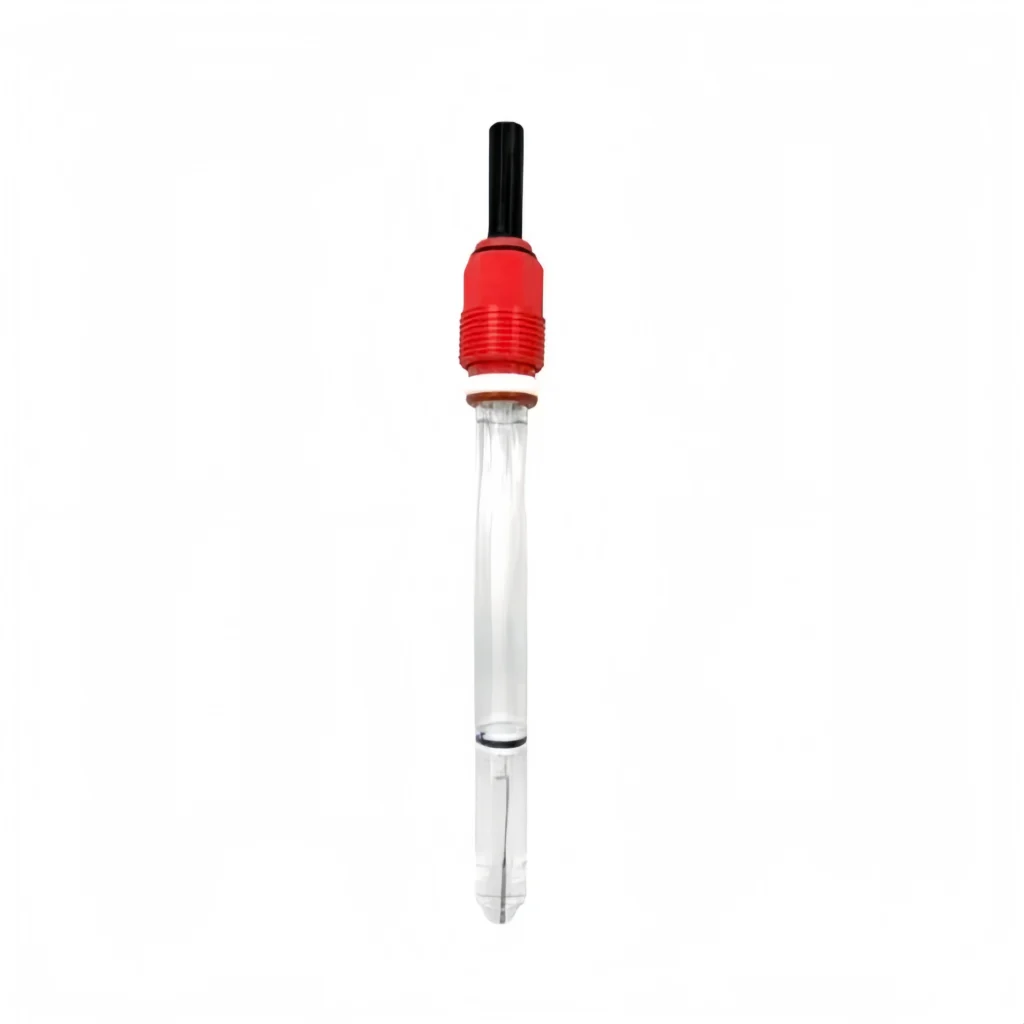
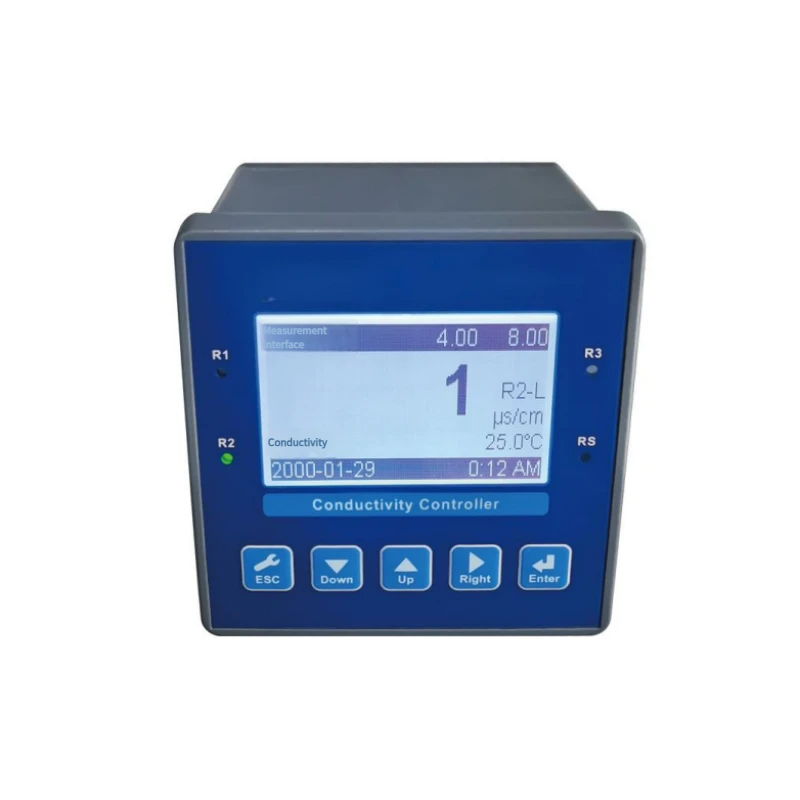
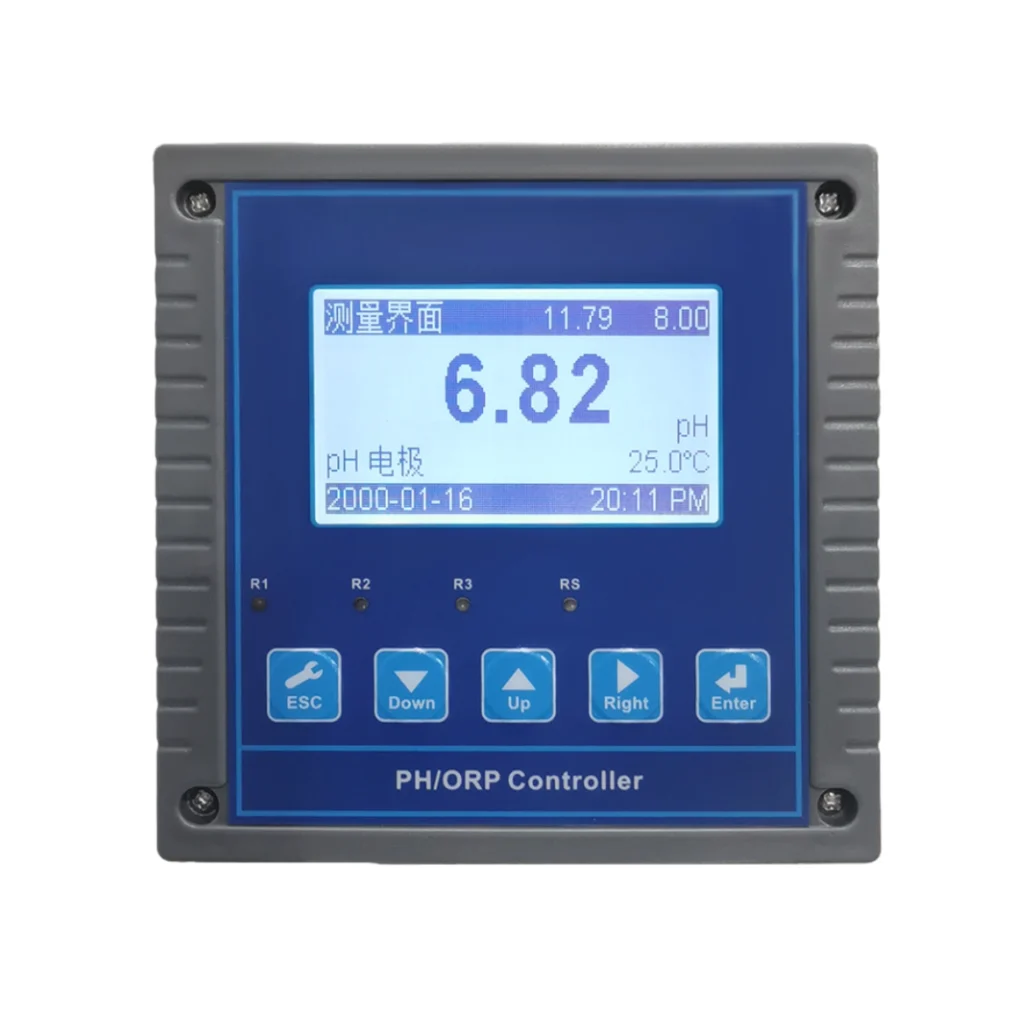
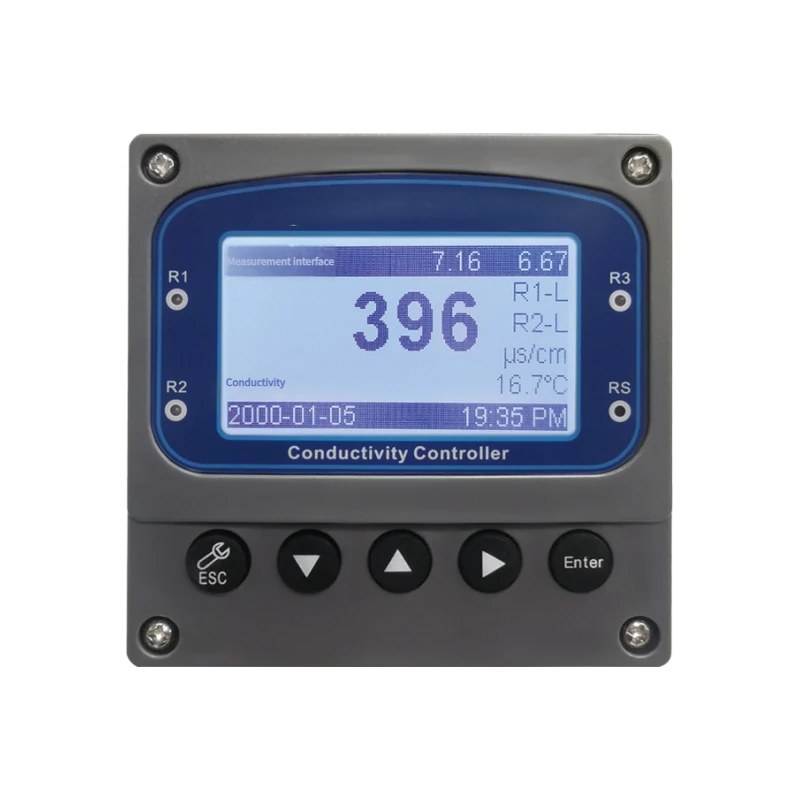
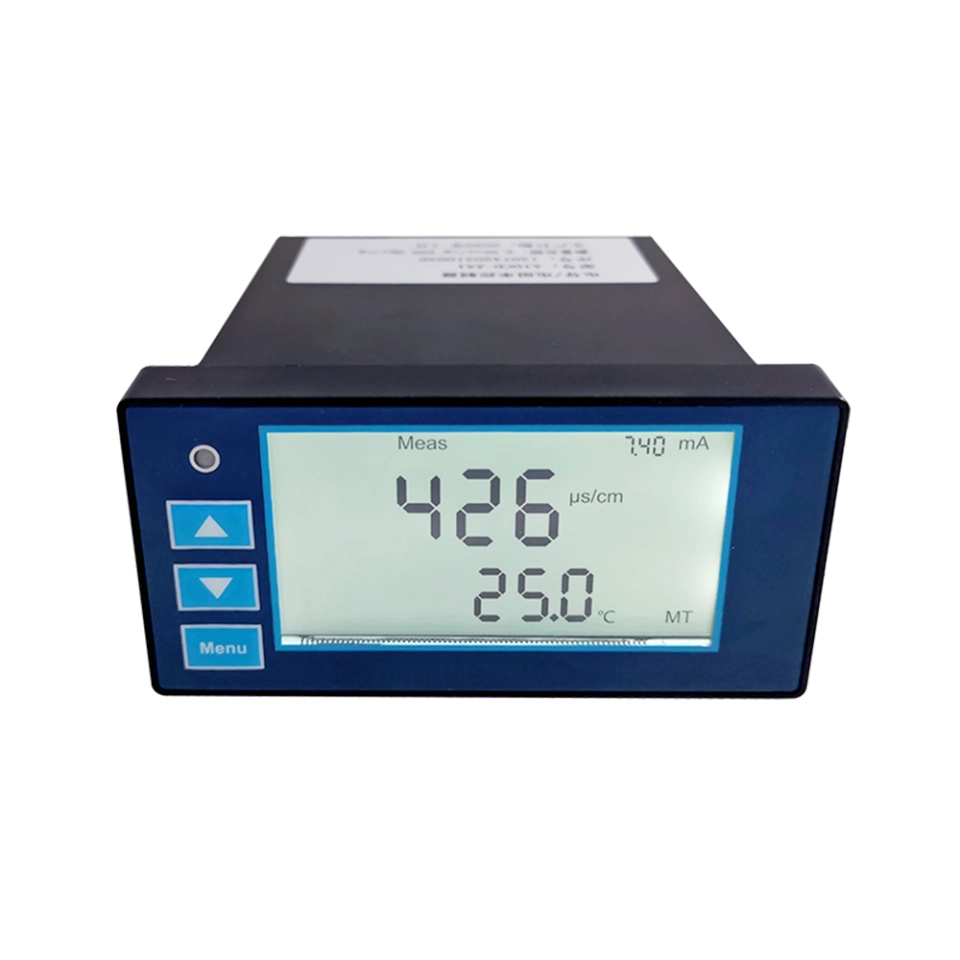
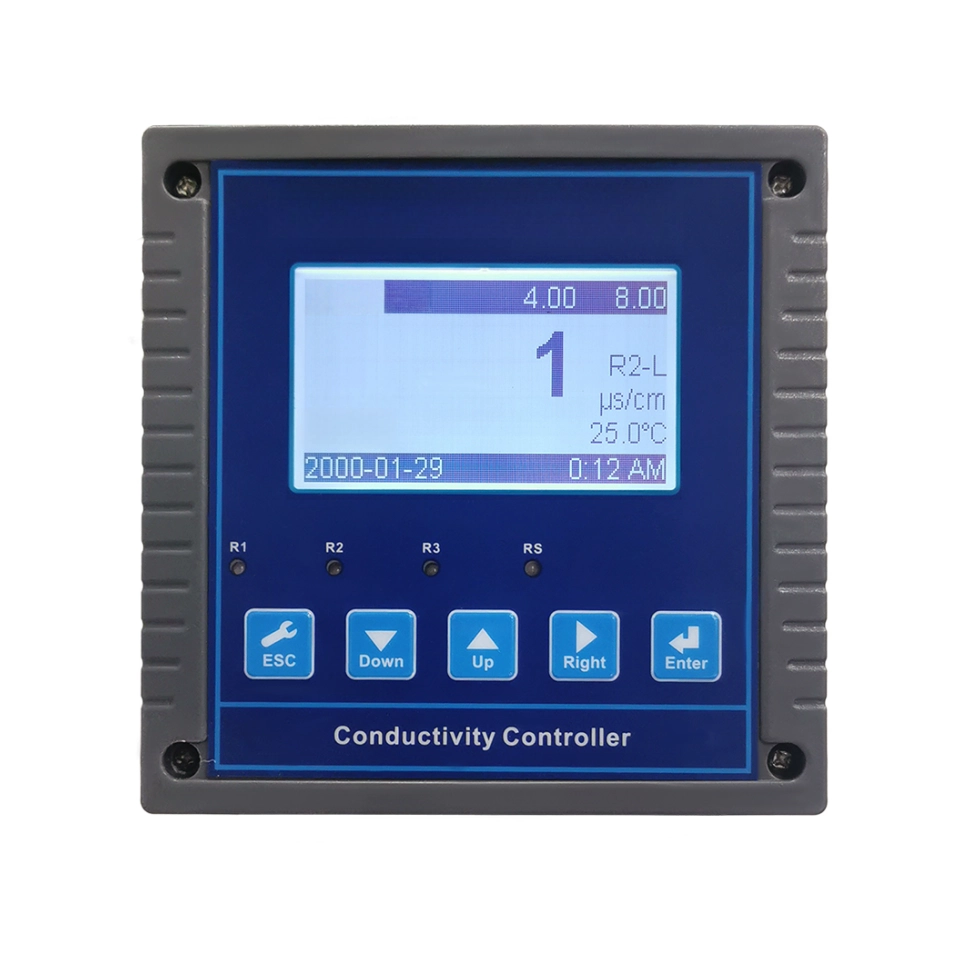
- Digital monitoring: Industrial-grade digital salinity meters should be used. Digital devices can give you more accurate readings than test strips, which can help you decide how much salt to use.
- Correctly calculating the amount of salt to add: Don’t give medicine based on gut feeling. The calculator below might help you figure out how much salt you need. Code shows this part
💻 2026 Pool Salt Addition Calculator (Target: 3200 PPM)
2026 Pool Salt Calculator (Target: 3200 PPM)
Quickly calculate how much salt to add to reach the 3,200 ppm golden standard.
3.Deployment process
- Sprinkle salt on the edge of the pool, avoiding the skimmer.
- Turn on the water pump and circulate for 24 hours to completely dissolve it.
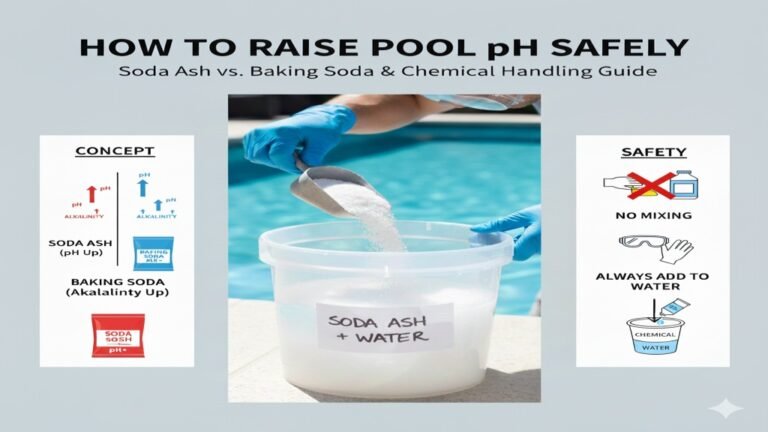
- Advanced regulation: If the pH remains low after adjusting the salinity, you can refer to: How to Raise pH in Pool: The Chemical Guide&The Automated Solution.
2026 Salt Water Pool Maintenance Checklist
To maintain optimal water balance, please follow these professional parameters:
| Parameter | Frequency | Ideal Range |
| Salinity (Salt) | Monthly | 3,200 ppm |
| Free Chlorine | Weekly | 1.0 – 3.0 ppm |
| pH Level | Weekly | 7.2 – 7.6 |
| Total Alkalinity (TA) | Monthly | 80 – 120 ppm |
| Calcium Hardness | Bi-annually | 200 – 400 ppm |
| Cyanuric Acid (CYA) | Seasonally | 30 – 50 ppm |
| Salt Cell Inspection | Quarterly | Scale-free (No white crust) |
Conclusion
Transitioning from ‘feeling maintenance’ to ‘data management’
Mastering what should be the salt level in my pool is just the first step in maintaining clear water quality. In 2026, successful pool owners will no longer rely on “tasting methods” or visual observation, but will use Sino Inst digital monitoring solutions to achieve precise management.
Remember, a gold salinity of 3200 ppm is the cornerstone for ensuring efficient operation of the salt chlorine generator and extending the lifespan of the electrolytic cell. If you find that the water quality is still not perfect after adjusting the salinity, don’t forget to check if your Total Alkalinity meets the standard, or fine tune your chemical balance by how to safely increase the pH value.
Stay precise and enjoy the silky water immersion experience to the fullest!
FAQ
Related Products
Want to completely bid farewell to maintenance troubles in 2026?
Locking in 3200 ppm gold salinity is just the first step. The true ‘lazy maintenance’ comes from precise data. Instead of relying on blind guessing with test strips, it is better to upgrade the Sino Inst industrial grade digital monitoring system – a mobile phone scan, real-time control of salinity and pH dynamics.
Don’t let chemical imbalance steal your weekend. Experience the Sino Inst intelligent monitoring solution immediately, keeping the swimming pool in the smoothest “golden zone” forever.
[Click to obtain Sino Inst intelligent monitoring solution →]
Request A Quote
More Resources
-
6 Professional Carbon Monoxide Detectors with PPM Displays
Carbon monoxide (CO) is often characterized as the silent killer because it is colorless, odorless, and tasteless. While standard residential alarms are designed…
-
9 Professional Exhaust Gas Analyser Solutions for Industrial Emissions
As industrial regulations tighten globally, the need for precise and reliable emission monitoring has never been more critical. At Sino-Inst, we understand that…
-
7 Professional Indoor VOC Monitoring Equipment Solutions
Authored by Sino-Inst — A globally recognized manufacturer of industrial instrumentation and process control equipment. From our experience engineering robust sensing technologies, protecting…
-
The Ultimate Guide to Flow Controllers Mass Price in 2026
Authored by Sino-Inst — A leading industrial automation and process control instrument manufacturer specializing in precision flow, pressure, and fluid measurement solutions. In…
-
6 Signs of a Natural Gas Leak
Authored by Sino-Inst. We are a professional supplier of industrial process and analytical instruments, including gas detectors, gas analyzers, mass flow controllers, and…
-
The 5 Core Differences Between MFC and MFM
In the realm of process automation, semiconductor manufacturing, and advanced laboratory research, the precise management of gas and liquid flow is not merely…