.png)
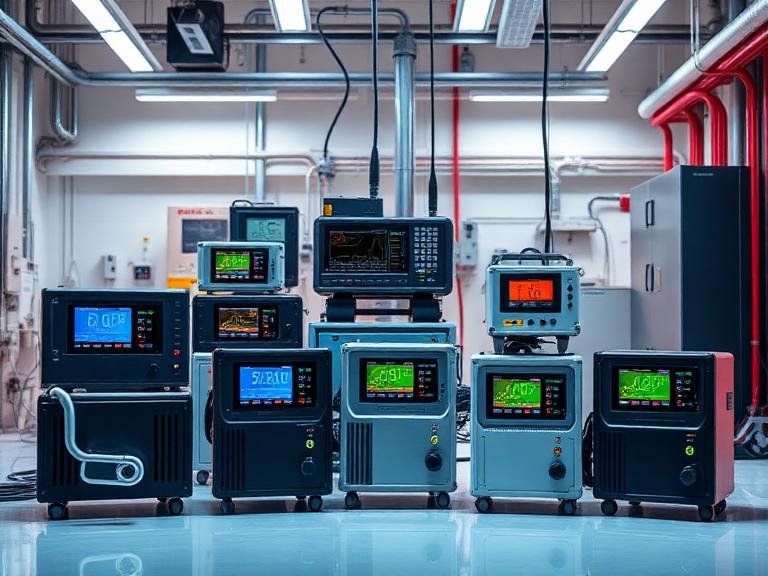
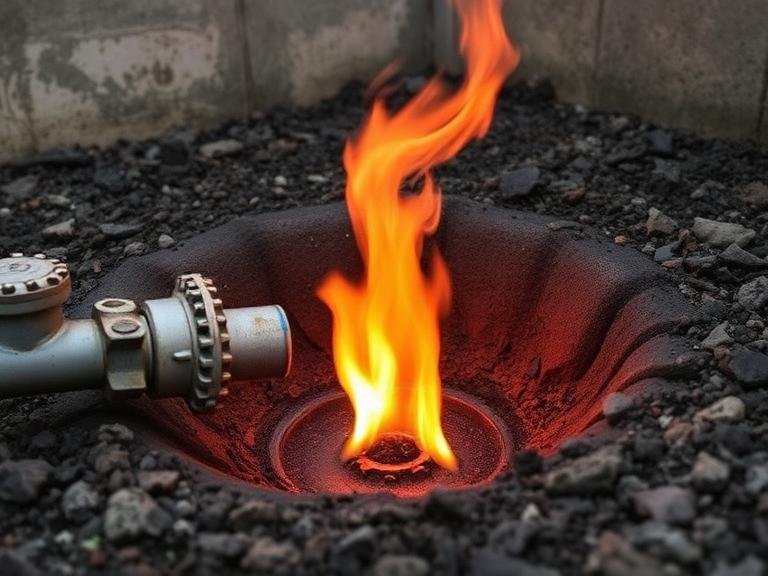
The gas monitoring system is an intelligent system for real-time detection, analysis and recording of gas composition and concentration in the environment. Including various high-temperature gases, flammable gases, toxic gases, industrial waste gas, dust, temperature and humidity, etc.
It is widely used in industrial safety, environmental protection, petrochemical, energy production and other fields to ensure safe, compliant and efficient operation.
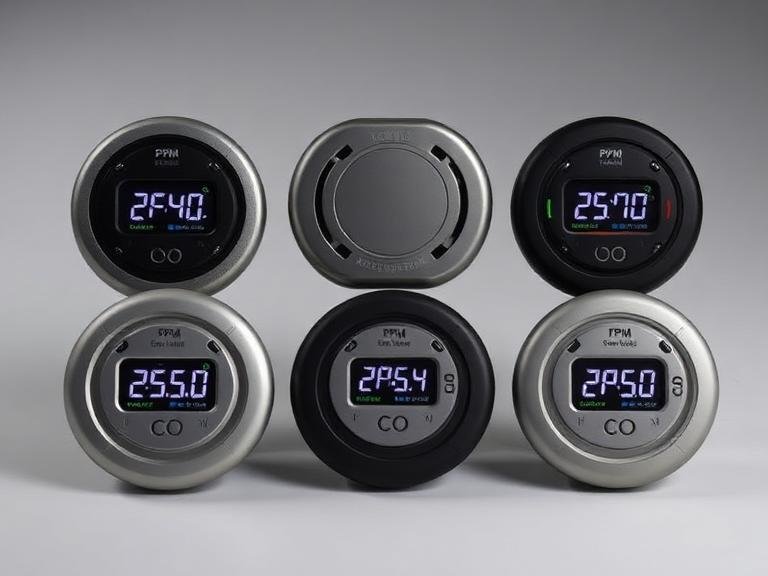
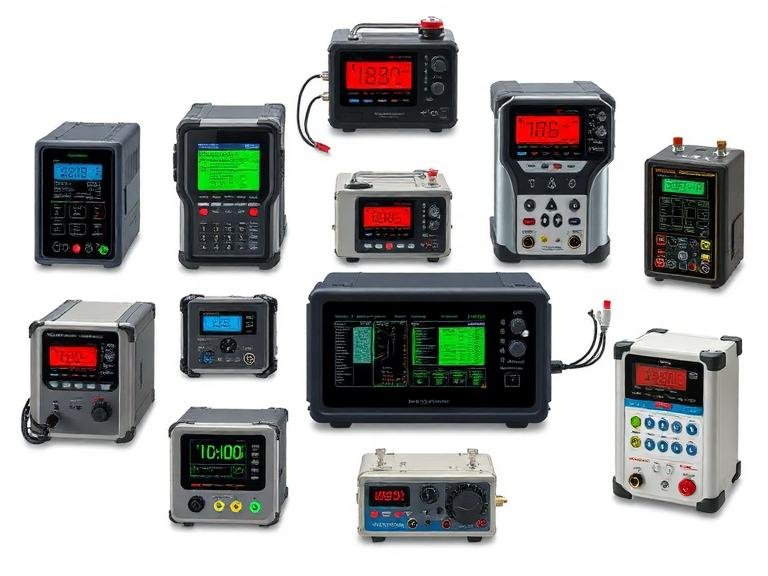
Sino-Inst’s portable gas detectors can monitor and control exhaust emissions, air pollution, and gas concentrations in industrial production, urban environments, and agricultural greenhouses. It can accurately capture small changes in gas concentrations in real time, thereby promptly detecting potential safety hazards.
Featured Products


Benefits
Real-time monitoring:
24/7 continuous monitoring of target gas concentration to ensure environmental safety.
Energy efficiency optimization:
Optimize combustion efficiency or production processes by monitoring industrial process gases.
Leakage warning:
Quickly locate leak points to reduce accident risks.

Emergency response:
Link with fire protection and ventilation systems to reduce accident hazards.
Compliance management:
Automatically generate emission reports to meet environmental regulations (such as EPA, EU ETS).
Support customization:
Dustproof and waterproof design (IP65/67), high temperature/corrosion resistant materials (such as titanium alloy housing), detection principle and other customizations.
Components of the Gas Monitoring System
Commonly used gas monitoring systems basically have similar system structures. For example, VOCS exhaust gas monitoring system, methane/oxygen/hydrogen sulfide gas online monitoring system, nitrogen oxide online detection system, greenhouse gas online monitoring system, etc.

Gas Sensor
Detection gas objects:
Combustible gases (such as methane, hydrogen), toxic gases (such as carbon monoxide, hydrogen sulfide), oxygen concentration, volatile organic compounds (VOCs), greenhouse gases (such as CO₂), etc.
Sensor types:
Electrochemical sensors (detect toxic gases), infrared sensors (detect CO₂, CH₄), catalytic combustion sensors (detect combustible gases), photoionization detectors (PID, for VOCs), etc.
Central Control and Analysis System
Real-time monitoring: Display gas concentration dynamic curve, alarm status and equipment operation status.
Data analysis: Use algorithms to identify gas leakage trends, abnormal peaks or long-term pollution sources.
Automatic control: Trigger linkage devices (such as ventilation systems, emergency shut-off valves).
Data Acquisition and Transmission Module
Collect sensor data in real time and transmit it to the control center via wired (RS485, Ethernet) or wireless (Wi-Fi, 4G/5G, LoRa, NB-IoT) communication.
Support edge computing and perform preliminary data processing (such as filtering and calibration).
Alarm and Safety System
Multi-level alarm mechanism (threshold alarm, trend alarm), supports sound and light alarm, SMS/email notification.
Explosion-proof design (suitable for flammable and explosive environments, such as chemical plants, oil and gas well sites).
User interface and remote management
Local interface: Touch screen or industrial computer displays real-time data.
Cloud platform: supports remote access, historical data query, and generates compliance reports (such as EPA, OSHA standards).
Typical Applications
| Industry | Application scenarios |
| Industrial safety: | Monitoring flammable/toxic gases in chemical plants, oil and gas storage tank areas, and underground coal mines to prevent explosions or poisoning accidents. |
| Environmental monitoring: | Urban air quality monitoring stations and industrial park boundaries monitor VOCs, PM2.5, SO₂ and other pollutant emissions. |
| Energy industry: | Natural gas pipeline leakage monitoring, gas composition analysis of biogas power plants. |
| Laboratory and medical: | Laboratory harmful gas monitoring, hospital oxygen concentration monitoring. |
| Public places: | Underground parking lot CO monitoring, tunnel NO₂ concentration control. |

Technical Support
The gas monitoring system is used to realize real-time monitoring of gas concentration information, real-time alarm, historical alarm query, historical trend query, historical report, distribution map, SMS alarm and other functions. It is convenient for users to timely grasp the situation of flammable/toxic gases in the environment to prevent explosion and poisoning accidents.
Sino-Inst supplies reliable gas monitoring systems that can be customized according to specific needs. If you need to purchase a gas monitoring system, please contact our sales engineer!
Request a Quote
More Resources
-
6 Professional Carbon Monoxide Detectors with PPM Displays
Carbon monoxide (CO) is often characterized as the silent killer because it is colorless, odorless, and tasteless. While standard residential alarms are designed…
-
9 Professional Exhaust Gas Analyser Solutions for Industrial Emissions
As industrial regulations tighten globally, the need for precise and reliable emission monitoring has never been more critical. At Sino-Inst, we understand that…
-
7 Professional Indoor VOC Monitoring Equipment Solutions
Authored by Sino-Inst — A globally recognized manufacturer of industrial instrumentation and process control equipment. From our experience engineering robust sensing technologies, protecting…
-
The Ultimate Guide to Flow Controllers Mass Price in 2026
Authored by Sino-Inst — A leading industrial automation and process control instrument manufacturer specializing in precision flow, pressure, and fluid measurement solutions. In…
-
6 Signs of a Natural Gas Leak
Authored by Sino-Inst. We are a professional supplier of industrial process and analytical instruments, including gas detectors, gas analyzers, mass flow controllers, and…
-
The 5 Core Differences Between MFC and MFM
In the realm of process automation, semiconductor manufacturing, and advanced laboratory research, the precise management of gas and liquid flow is not merely…