.png)
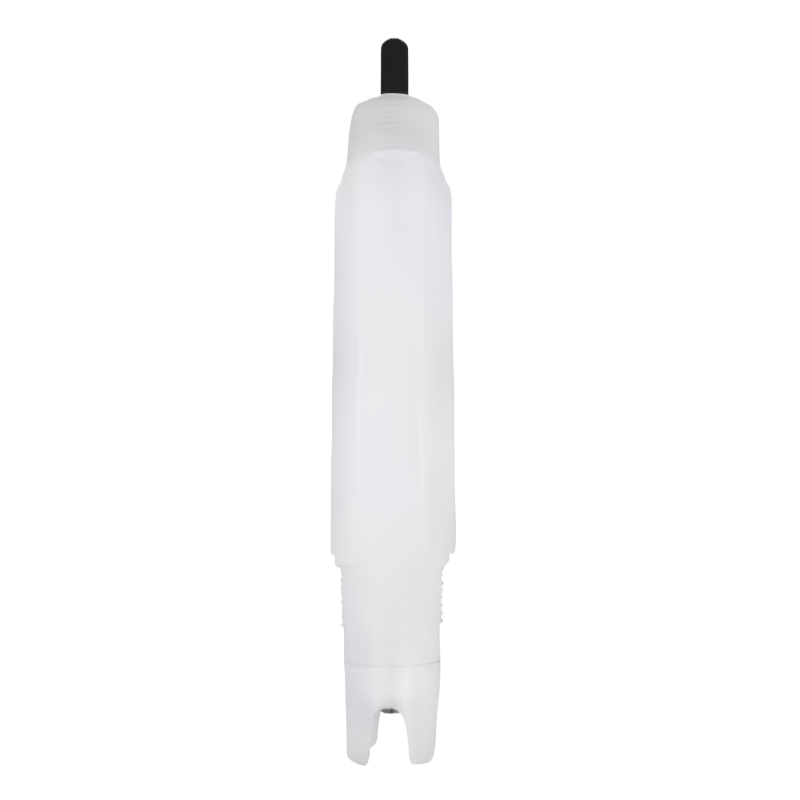
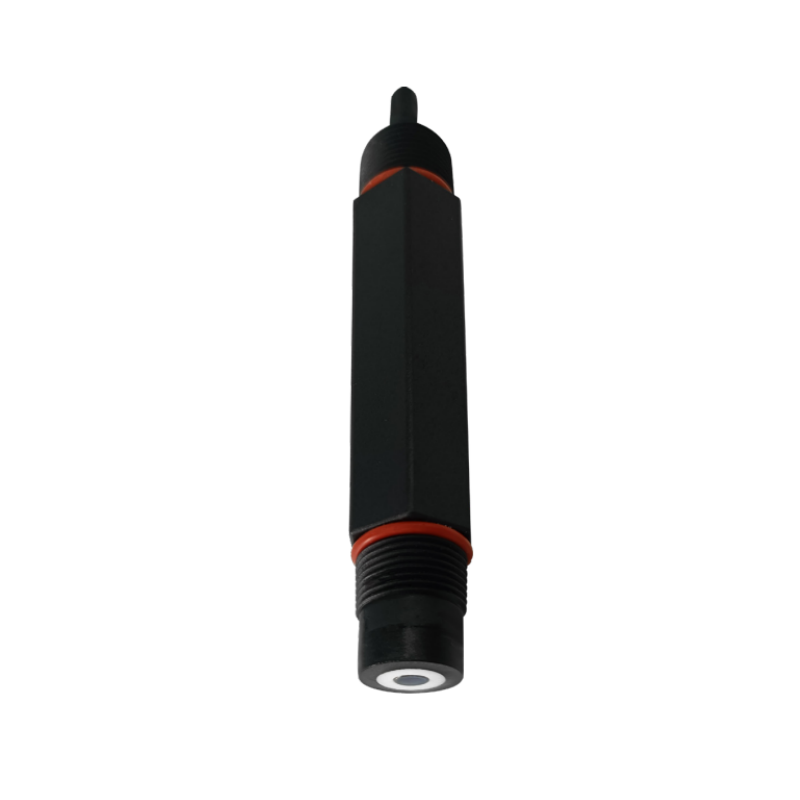
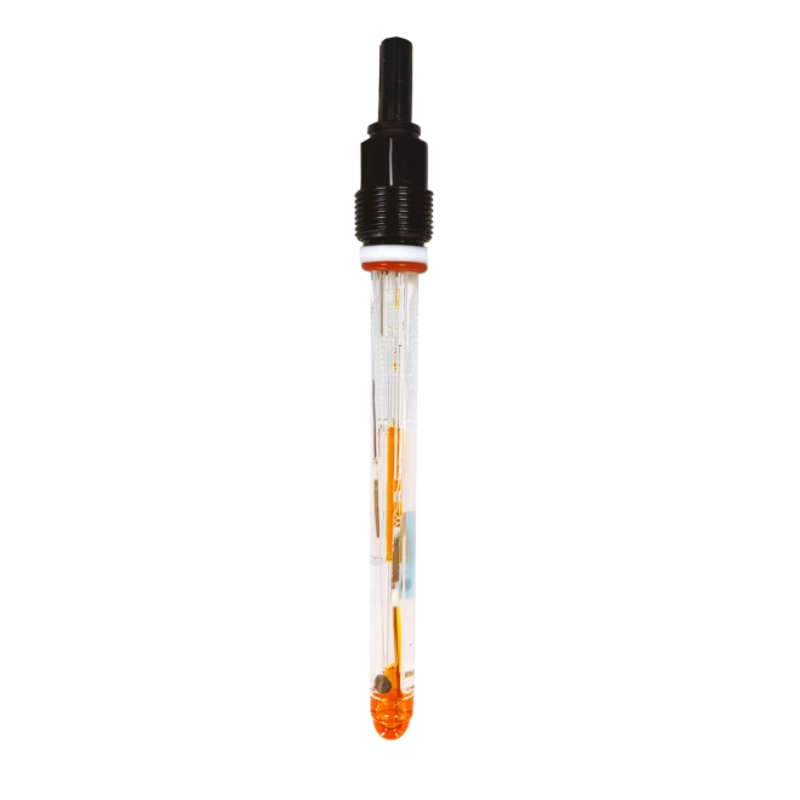
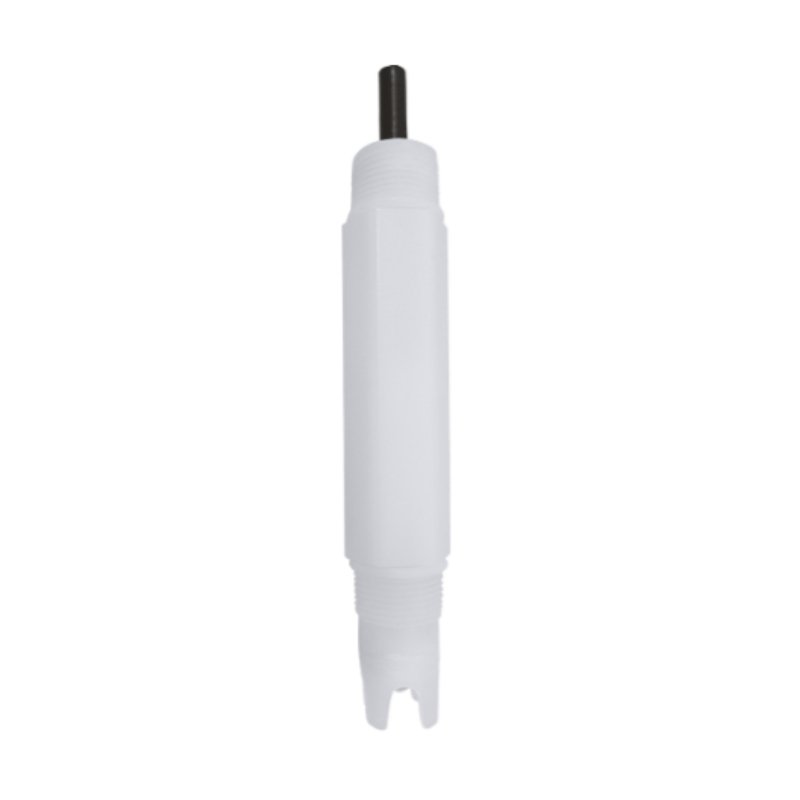
The GRT1020JP ORP sensor, made of PTFE corrosion-resistant material, wide range response, and standard installation design, optimizes the precise monitoring of oxidation-reduction potential (ORP) in circuit boards and chromium containing wastewater treatment scenarios, which directly affects the water quality treatment effect. It has become an exclusive detection device for such highly corrosive media, providing stable potential data for wastewater treatment process regulation.
★★★★★
Features
Specifications
| Parameter | Value |
|---|---|
| Measurement Range | -1999~1999mV |
| Material | PTFE |
| Temperature Range | 0-60℃ |
| Pressure Range | 0-0.3M Pa |
| Potential range | 245-270mV |
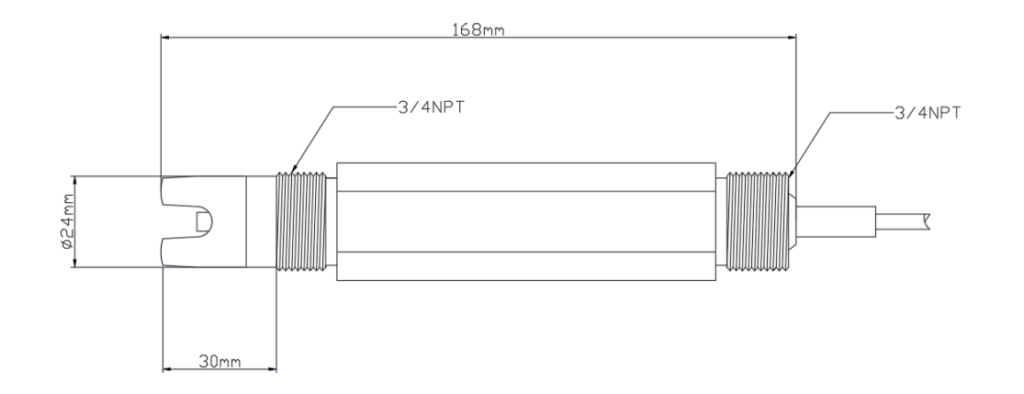
| Thread Size | 3/4 inch NPT |
| Stable range | ±8mV/24h |
Scope of application
- The electrode can be used with various pH meters and is suitable for online wastewater detection;
- The electrode’s lifespan is six months under normal use, but harsh environments or improper maintenance will shorten its lifespan.
Core Product Advantages
- Strong corrosion resistance: Using PTFE material shell, it can withstand strong corrosive media such as chromium containing wastewater, and is suitable for long-term use in harsh working conditions;
- Wide range and high stability: ORP range covers -1999~1999mV, potential stable at 245-270mV, 24-hour drift ≤ 8mV, reliable data;
- Easy installation: equipped with 3/4 inch NPT standard thread, compatible with conventional electrode sheaths/connectors, and compatible with existing monitoring equipment;
- Easy maintenance: Platinum stains can be cleaned with acetone/alcohol, insoluble organic matter can be wiped with dilute hydrochloric acid, and the daily maintenance threshold is low.
Scope of Application
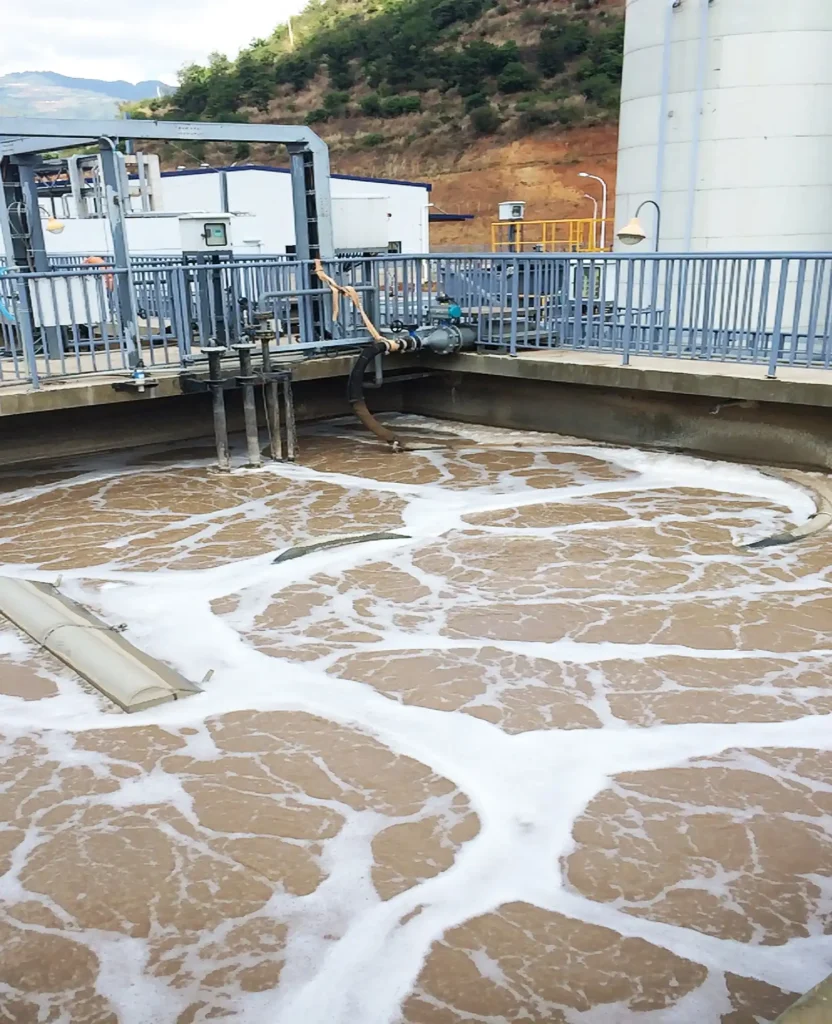
Wastewater treatment of circuit boards: ORP monitoring of wastewater containing chromium and heavy metals during the production process of circuit boards to assist in precise control of redox processes;
Chromium containing wastewater treatment: Potential detection in the industrial chromium containing wastewater treatment process to ensure the reduction/precipitation effect of chromium ions and ensure that the effluent meets the standard;
Monitoring of oxidation-reduction in highly corrosive media: Suitable for ORP detection in water containing other highly corrosive components, such as chemical acid wastewater treatment and other scenarios.
Usage, maintenance and precautions
Measurement requirements:
The sensor testing part and the reference liquid network part need to be immersed in the measured liquid at the same time, otherwise it will cause incomplete detection circuit and data distortion;
Standard solution management:
ORP standard solution (hydroquinone saturated solution) should be stored for no more than 48 hours after preparation. If it exceeds the time limit, it will become invalid and needs to be replaced in a timely manner;
Cleaning method:
Gently wipe platinum stains with acetone/alcohol; Wipe with 30-50% hydrochloric acid to avoid scratching platinum stains when exposed to insoluble organic matter;
Waterproof and wiring:
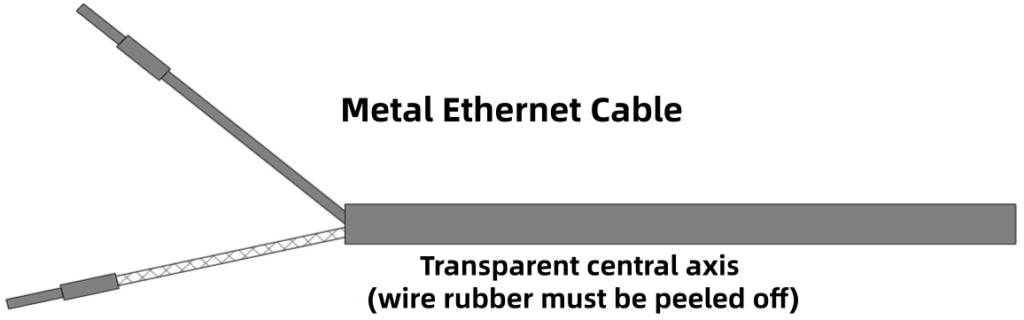
The connection between sensor wires and electrodes is not waterproof, and sealing treatment should be done during installation; When stripping the wire, the conductive black skin on the transparent central axis must be removed. It is forbidden to add contacts in the middle of the cable to prevent signal interference.
Sensor diagram illustration
- After opening the packaging, check whether there is mechanical damage to the sensitive bulb and electrode body of the sensor;
- Remove the sensor protective cover and check if there are any bubbles in the sensitive bulb of the electrode. If so, gently shake the sensor in a vertical plane to remove the bubbles;
- Select the corresponding sensor sleeve or cable head for installation according to different sensors;
- The connection between the sensor wire and the sensor is not waterproof, please make sure to do a good job of waterproofing.
Wire stripping instructions
Attention
- The outer layer of the transparent central axis is covered with a conductive rubber layer and a metal mesh layer. When stripping, first strip the metal mesh layer into the metal mesh as shown in the picture, and be sure to removal of conductive black skin on the transparent central axis;
- The cable extends to the host without any contact points except for a dedicated junction box.
Technical Support
5 Best carbon monoxide detector for garage
10 Best carbon monoxide monitor for industrial use 2025
7+ Best Recommended Carbon Monoxide Detector for Industrial Use
What Is pH in Water? A Complete Guide to Understanding (2026)
6 Types of Industrial Oxygen Sensors
6 Best Industrial Gas Detector Manufacturers in the World
GRT1020JP is a unique ORP electrode used for chromium containing circuit boards and wastewater treatment. Due to its corrosion-resistant PTFE material and wide range of reliable responses, it is highly suitable for monitoring highly corrosive media. It can provide reliable testing services at low maintenance costs, from daily wastewater treatment potential control to process improvement data, and ensure that wastewater treatment operations are stable and comply with all standards. According to the electrode usage method and nursing practice, its lifespan will be extended.
Request a Quote