.png)
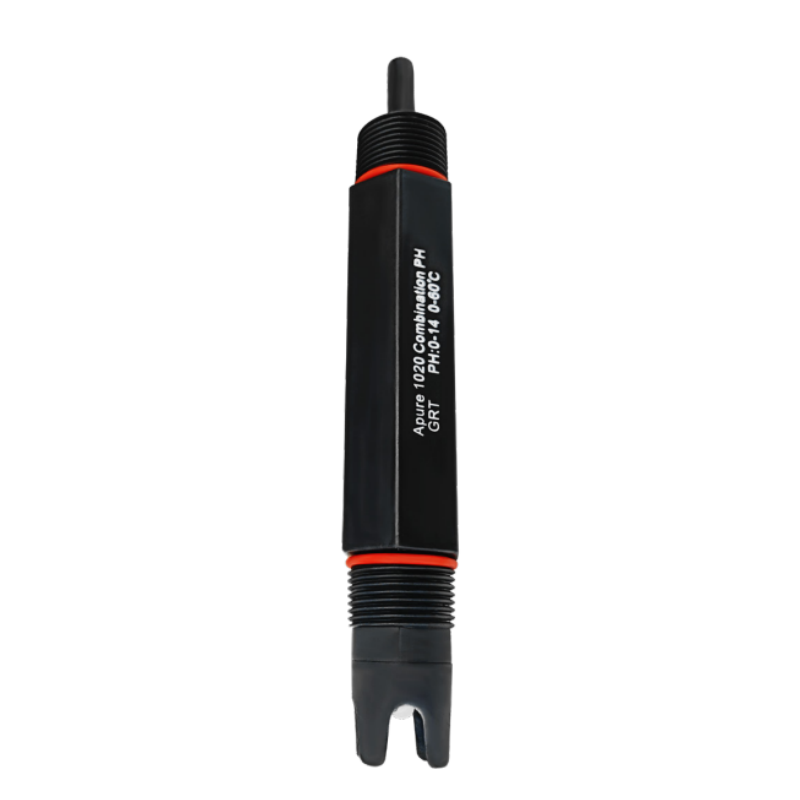
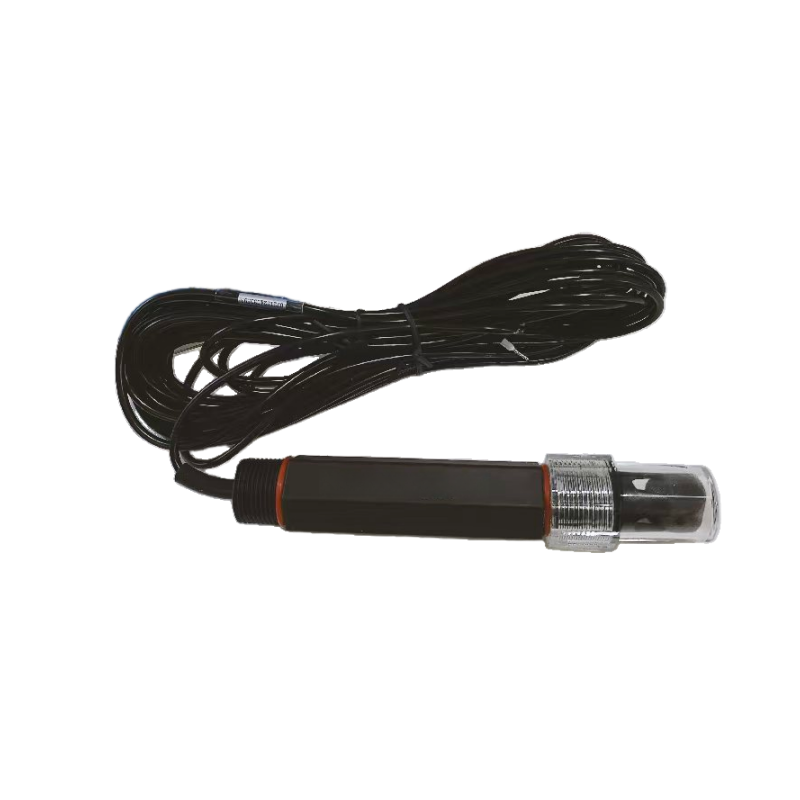
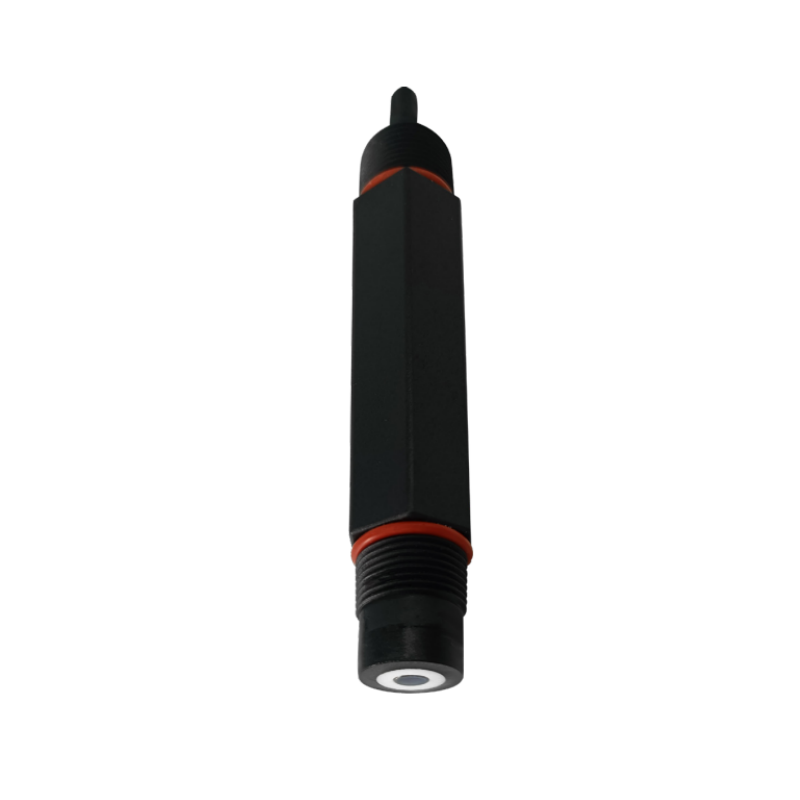
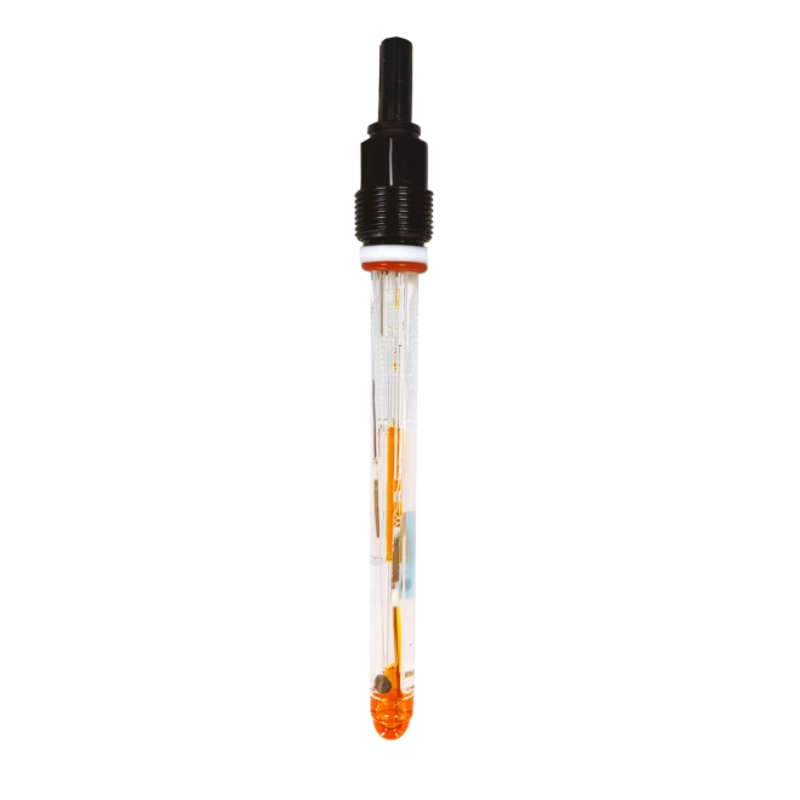
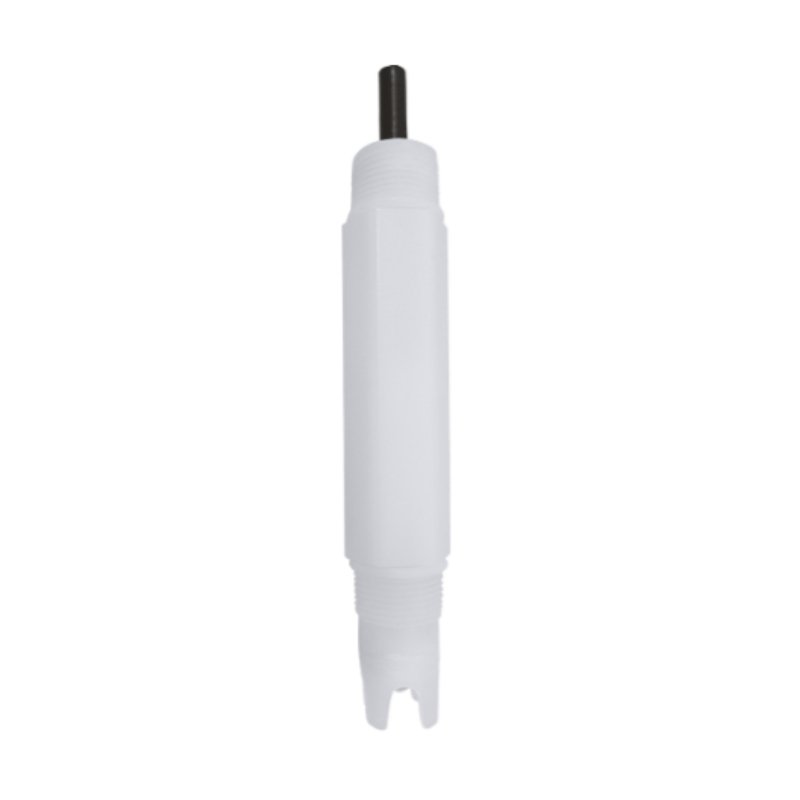
The GRT1020 pH electrode, with its core advantages of anti pollution, anti blocking, low maintenance, and anti poisoning, solves the problem of electrode blockage and poisoning caused by complex media and impurities interference in environmental wastewater treatment and various water quality online monitoring scenarios, which affects detection stability. Suitable for pH measurement of water quality under multiple working conditions, providing accurate and reliable data support for environmental monitoring and sewage treatment.
★★★★★
Features
Specifications
| Parameter | Value |
|---|---|
| Measurement Range | 0-14 pH |
| Material | PC |
| Temperature Range | 0-60℃ |
| Pressure Range | 0-0.4M Pa |
| Sheath selection | 0-3 meter submerged sheath (PVC) |
| Thread Size | 3/4 inch NPT |
| Zero Potential | 7±0.5 |
| Theoretical percentage slope | ≥ 95% |
| Cable length | Standard configuration of 3 meters, optional with temperature compensation |
Core Product Advantages
- Anti pollution and anti blocking, long-lasting online
- The antifouling ring polytetrafluoroethylene liquid junction is used with gel dielectric, which is not easy to be blocked by impurities in sewage, can meet the long-term online continuous detection needs, reduce the frequency of shutdown cleaning, and ensure the continuity of monitoring work.
- No fluid replacement design, easy maintenance
- The gel dielectric salt bridge does not need additional dielectric, greatly reducing the daily maintenance workload; At the same time, it can effectively resist electrode poisoning caused by S ² ⁻ and CN ⁻ plasma, prolong electrode service life, and reduce usage costs.
- High adaptability and high response, precise detection
- Equipped with special glass sensitive film, suitable for diverse measurement needs in the 0-14 full pH range and 0-60 ℃ temperature range; The electrode has low internal resistance (≤ 250 M Ω at 25 ℃), fast response speed, good stability, theoretical percentage slope ≥ 95%, and high accuracy of detection data.
- Standardized interface, easy to install
- Adopting terminal connection method, equipped with standard 3/4 inch NPT thread, it can be flexibly installed with corresponding protective sleeve or cable head, suitable for most industrial testing equipment, with clear and standardized wiring, ensuring stable signal transmission.
Scope of Application
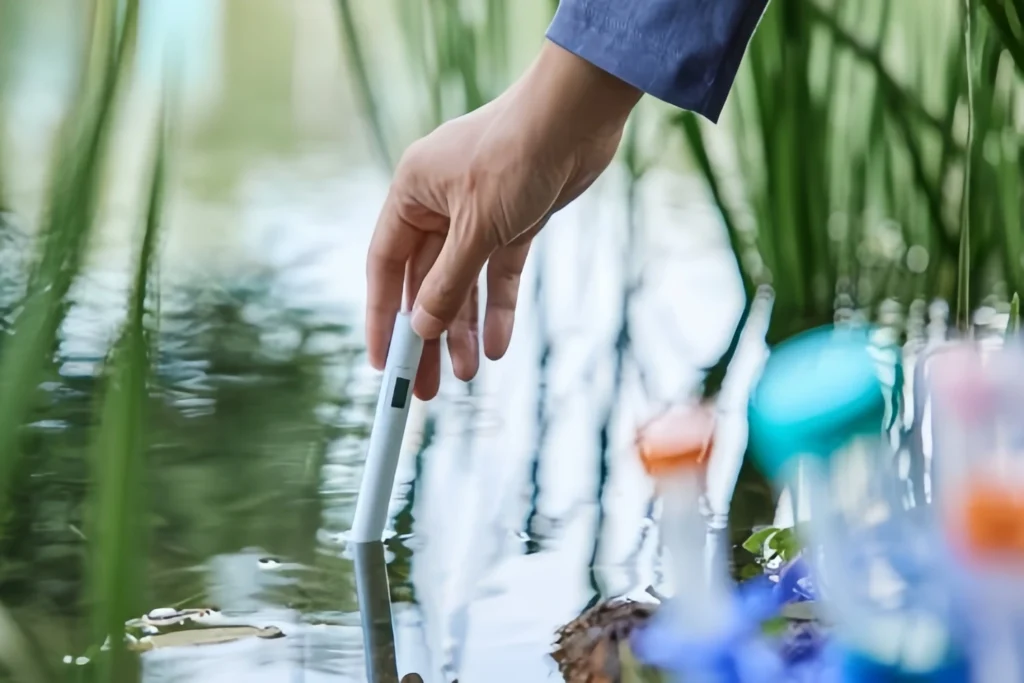
Online monitoring of environmental water quality:
suitable for municipal environmental monitoring points and automatic water quality monitoring stations, real-time monitoring of surface water and groundwater pH values, providing data support for environmental quality assessment.
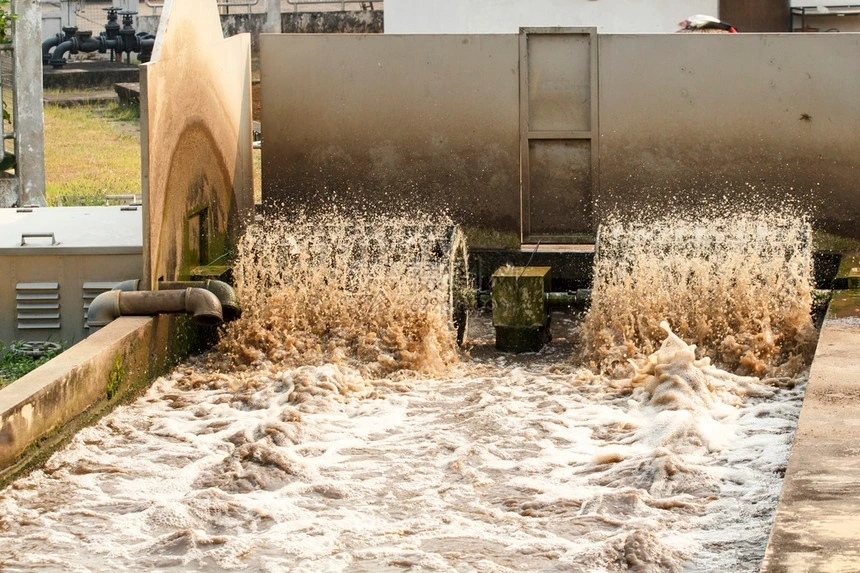
Wastewater treatment monitoring:
Adapt to the inlet, reaction tank, outlet and other points of industrial and domestic wastewater treatment plants, track the pH changes of wastewater throughout the process, and assist in process regulation and standard discharge.
Universal water quality testing:
can be used for pH monitoring of various industrial circulating water and process water, ensuring stable production processes and safe equipment operation.
Usage, maintenance and precautions
- When measuring, it should be washed in distilled water (or deionized water) first, and the water should be absorbed dry with filter paper to prevent impurities from entering the measured liquid. The electrode bulb and liquid trap should be immersed in the measured liquid at the same time;
- When the sensor is not in use, it should be cleaned and covered with a protective cover soaked in 3.3 Mol/L KCL solution;
- Wastewater pH electrodes should avoid long-term immersion in distilled water, protein solutions, and acidic chloride solutions, and prevent contact with organic silicon oils and fats;
- For sensors that have been used for a long time, their glass film may become semi transparent or have sediment attached. In this case, dilute hydrochloric acid can be used to wash and rinse with water;
- It is recommended that users clean the sensors once a week and cooperate with instrument calibration;
- When you fail to perform the calibration procedure on the electrode using the above methods for maintenance and upkeep, the electrode will no longer be able to recover its response. Please replace the electrode.
Sensor diagram illustration
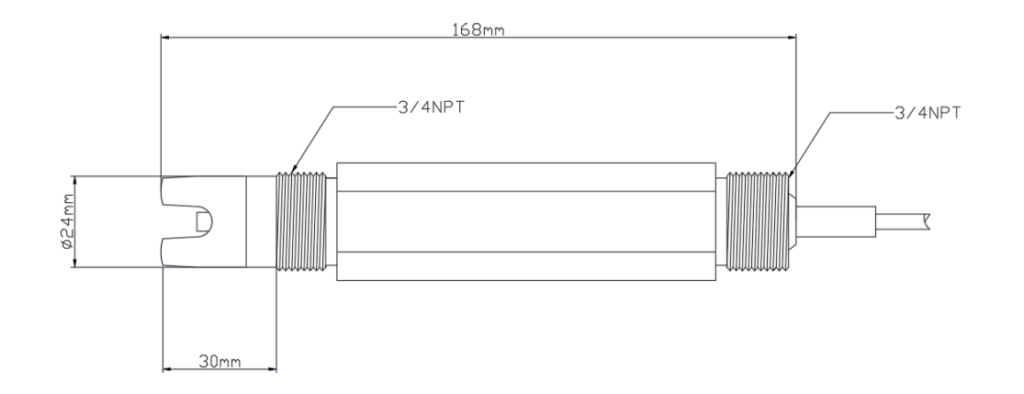
- After opening the packaging, check whether there is mechanical damage to the sensitive bulb and electrode body of the sensor;
- Remove the sensor protective cover and check if there are any bubbles in the sensitive bulb of the electrode. If so, gently shake the electrode in a vertical plane to remove the bubbles;
- Select the corresponding sensor sleeve or cable head for installation according to different sensors;
- The connection between the sensor wire and the sensor is not waterproof, please make sure to do a good job of waterproofing.
Wire stripping instructions
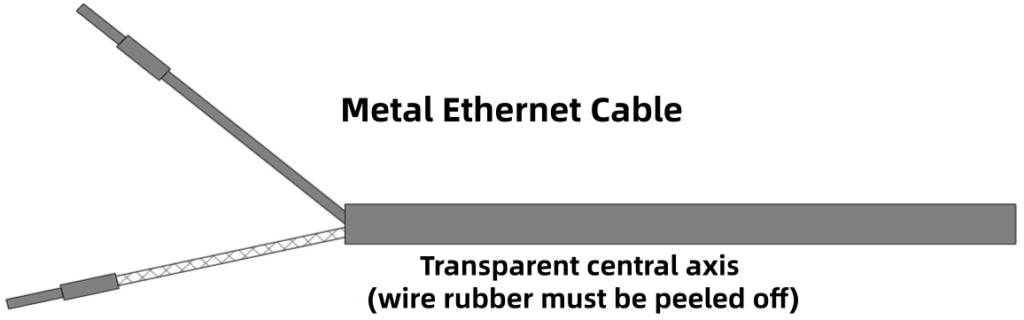
Attention
- The outer layer of the transparent central axis is covered with a conductive rubber layer and a metal mesh layer. When stripping, first strip the metal mesh layer into the metal mesh as shown in the picture, and be sure to removal of conductive black skin on the transparent central axis;
- The cable extends to the host without any contact points except for a dedicated junction box.
Technical Support
5 Best carbon monoxide detector for garage
10 Best carbon monoxide monitor for industrial use 2025
7+ Best Recommended Carbon Monoxide Detector for Industrial Use
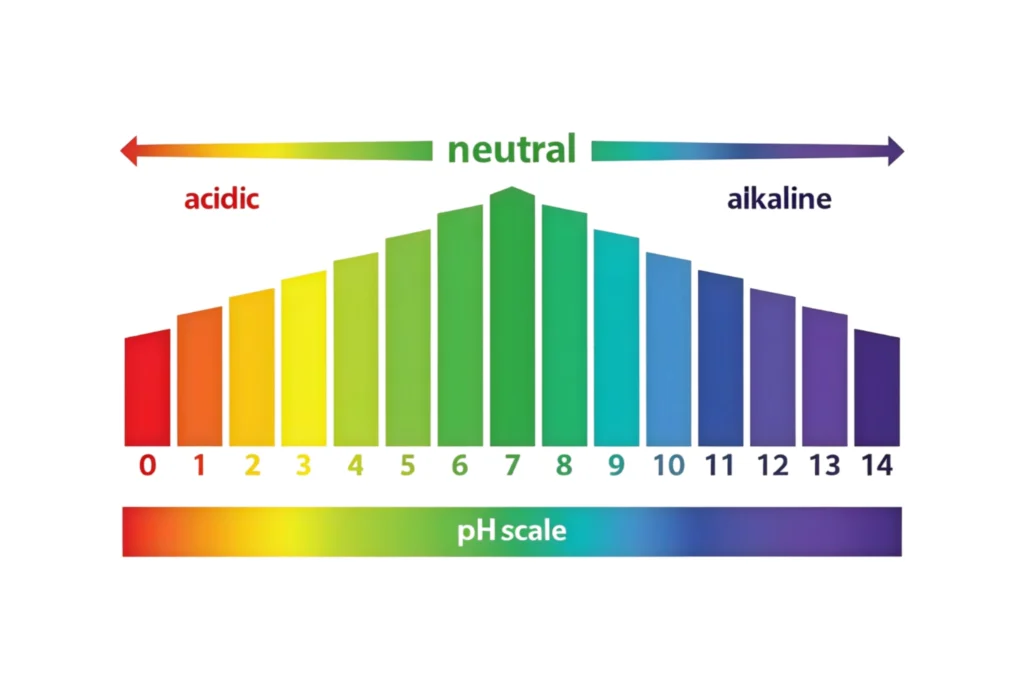
What Is pH in Water? A Complete Guide to Understanding (2026)
6 Types of Industrial Oxygen Sensors
6 Best Industrial Gas Detector Manufacturers in the World
The GRT1020 pH electrode is ideal for online environmental wastewater monitoring due to its anti-pollution, anti-blocking, anti-poisoning, and easy maintenance Its standardized design allows multi-scenario installation, and its accurate and consistent detection performance ensures water quality monitoring data dependability. Standardized installation and maintenance maximize electrodes’ long-term operating value, supporting environmental protection and manufacturing process regulation.
Request a Quote