.png)
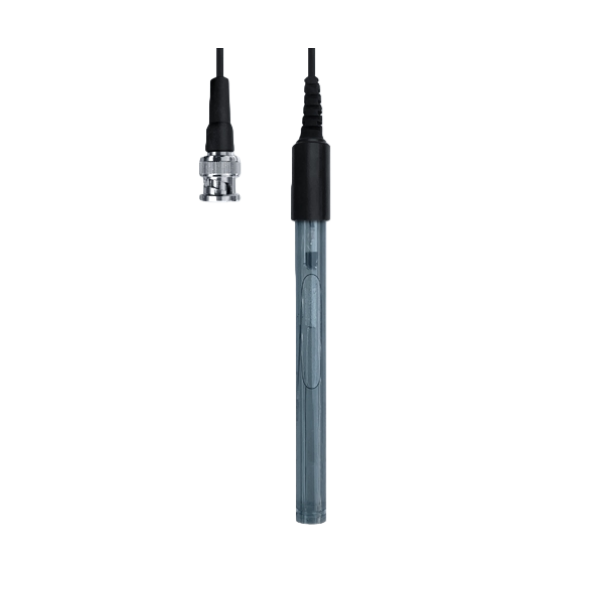
E-202 pH composite electrode is a universal pH detection tool suitable for laboratory and on-site scenarios. It adopts gel KCl electrolyte+double liquid junction structure, and has the characteristics of wide range and high stability, which can meet the demand for accurate pH measurement of conventional water quality and solution.
★★★★★
Core product advantages
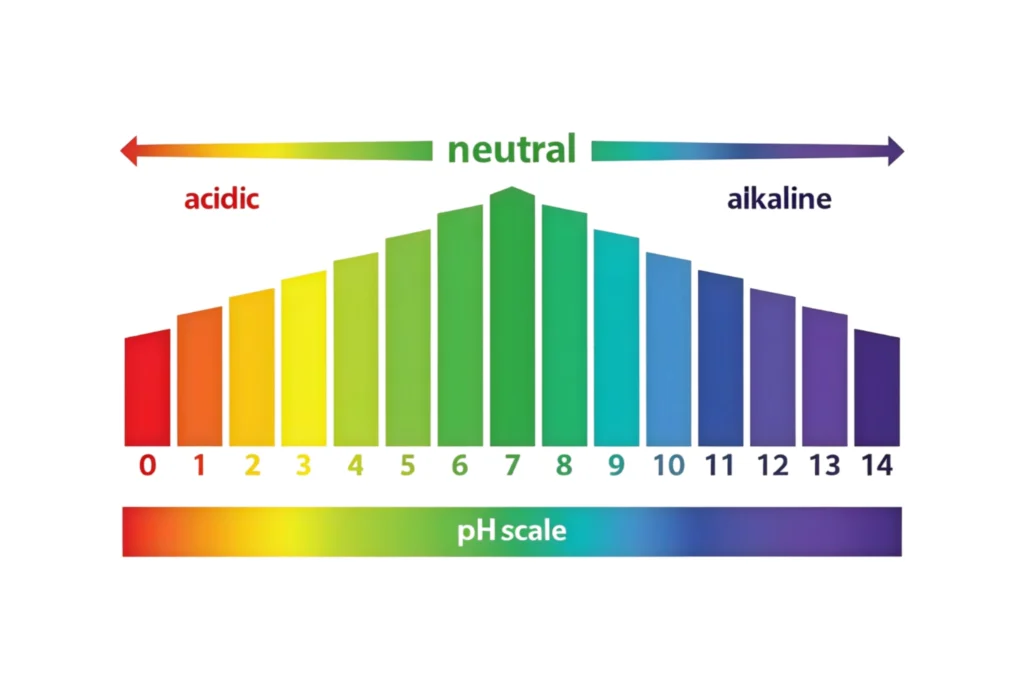
- Wide adaptation scenarios: pH range covering 0-14, able to withstand temperatures of 0-60 ℃ and pressures of 0-0.3MPa, suitable for various testing needs such as laboratory water samples and on-site process fluids.
- High stability: gel KCl electrolyte+double liquid junction structure, strong anti-interference ability, theoretical percentage slope ≥ 95% (25 ℃), accurate and reliable test data.
- Easy to maintain: When idle, it only needs to be soaked in a 3.3mol/L KCl solution for storage, with simple daily cleaning and suitable for high-frequency use scenarios.
- Easy installation: equipped with 5-meter-long coaxial wire and BNC plug, supporting quick connection to most pH instruments, with low operating threshold.
Specifications
| Parameter | Value |
|---|---|
| Measurement Range | 0-14 pH |
| Temperature Range | 0-60℃ |
| Pressure Range | 0-0.3M Pa |
| Thread Size | 3/4 inch NPT |
| Zero Potential | 7±0.5 |
| Internal resistance (25 ℃) | ≤ 100 M Ω |
| Theoretical percentage slope | ≥ 95%(25℃) |
| Cable configuration | 5-meter coaxial wire+BNC plug |
Scope of Application
Laboratory routine testing: suitable for pH measurement of water samples and reagent solutions in scientific research and quality inspection laboratories, with a wide range covering most experimental needs.
On site process fluid monitoring: It can be used for pH detection of process fluids in small and medium-sized production scenarios (such as solution pH control in light industry and food industry), can withstand a pressure of 0.3MPa, and is suitable for low-pressure pipeline/container environments.
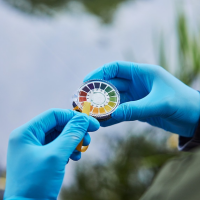
Rapid water quality detection: Suitable for rapid pH screening of surface water, tap water and other water quality in the fields of environmental protection and water management, with easy operation and stable data.


Usage, maintenance and precautions
Preparation before measurement:
Clean the electrode with distilled water or deionized water before use, absorb the water with filter paper, and ensure that the sensitive membrane and liquid interface are submerged in the measured liquid at the same time.
Idle storage:
When the electrode is not in use, it needs to be soaked in a protective cover of 3.3mol/L KCl solution. It is strictly prohibited to soak it in distilled water, protein solution, or acidic chloride solution for a long time to avoid contact with organic silicone oil.
Cleaning and Calibration:
It is recommended to clean the electrode once a week. If the sensitive film appears semi transparent/deposited, it can be soaked in dilute hydrochloric acid and rinsed; Coordinate instrument calibration once a week to ensure testing accuracy.
Fault handling:
If the electrode cannot complete calibration, it indicates that the performance has deteriorated and needs to be replaced with a new one.
Sensor diagram illustration
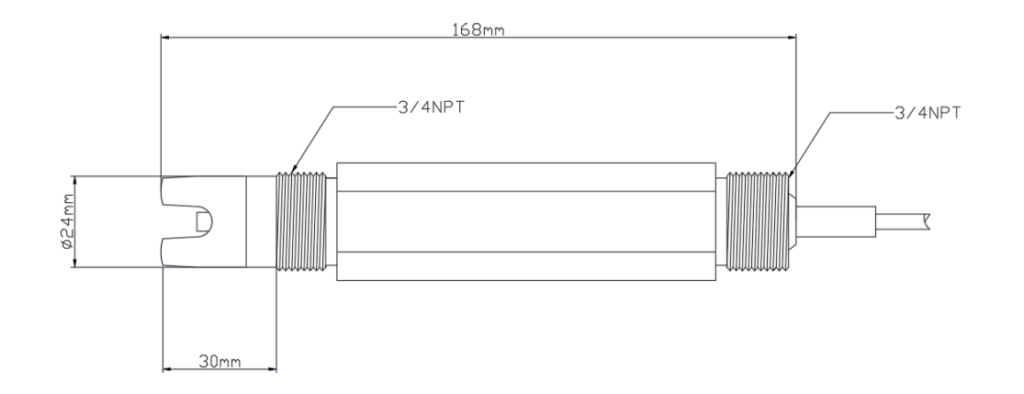
- After opening the packaging, check whether there is mechanical damage to the sensitive bulb and electrode body of the sensor;
- Remove the sensor protective cover and check if there are any bubbles in the sensitive bulb of the electrode. If so, gently shake the electrode in a vertical plane to remove the bubbles;
- Select the corresponding sensor sleeve or cable head for installation according to different sensors;
- The connection between the sensor wire and the sensor is not waterproof, please make sure to do a good job of waterproofing.
Wire stripping instructions
Attention
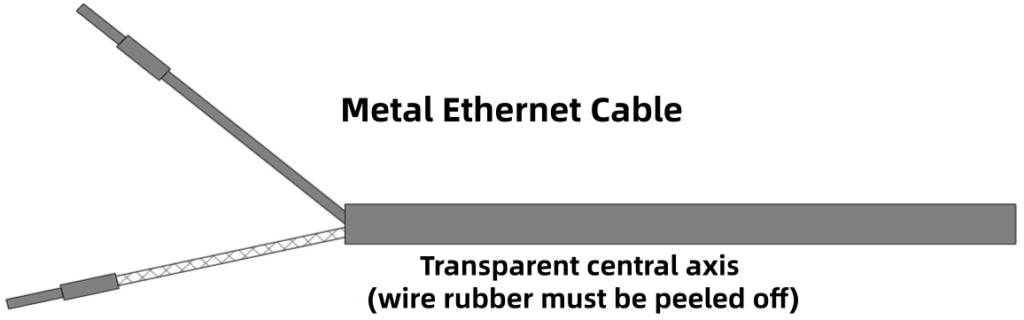
- The outer layer of the transparent central axis is covered with a conductive rubber layer and a metal mesh layer. When stripping, first strip the metal mesh layer into the metal mesh as shown in the picture, and be sure to removal of conductive black skin on the transparent central axis;
- The cable extends to the host without any contact points except for a dedicated junction box.
Technical Support
5 Best carbon monoxide detector for garage
10 Best carbon monoxide monitor for industrial use 2025
7+ Best Recommended Carbon Monoxide Detector for Industrial Use
What Is pH in Water? A Complete Guide to Understanding (2026)
6 Types of Industrial Oxygen Sensors
6 Best Industrial Gas Detector Manufacturers in the World
Whether it is precise reagent pH calibration in the laboratory or process liquid monitoring in low-pressure containers on the production site, the E-202 pH composite electrode can adapt to these scenarios with stable performance – it has no complex operating threshold, but can continuously output reliable data in daily high-frequency use, making it a typical representative of “practical detection tools”.
Request a Quote