.png)
KSF-800 is a 0.7-meter solar wireless water quality monitoring buoy that can monitor dissolved oxygen in real-time online pH、ORP、 Multiple parameters such as conductivity and turbidity, powered by solar energy and lithium batteries, 4G wireless remote transmission to cloud platforms and mobile apps, no wiring or deployment required, suitable for long-term automatic monitoring of open water areas such as rivers, lakes, aquaculture, and sewage outlets.
★★★★★
Water quality monitoring buoy Features
Specifications
| Item | Specification |
|---|---|
| Model | KSF-800 |
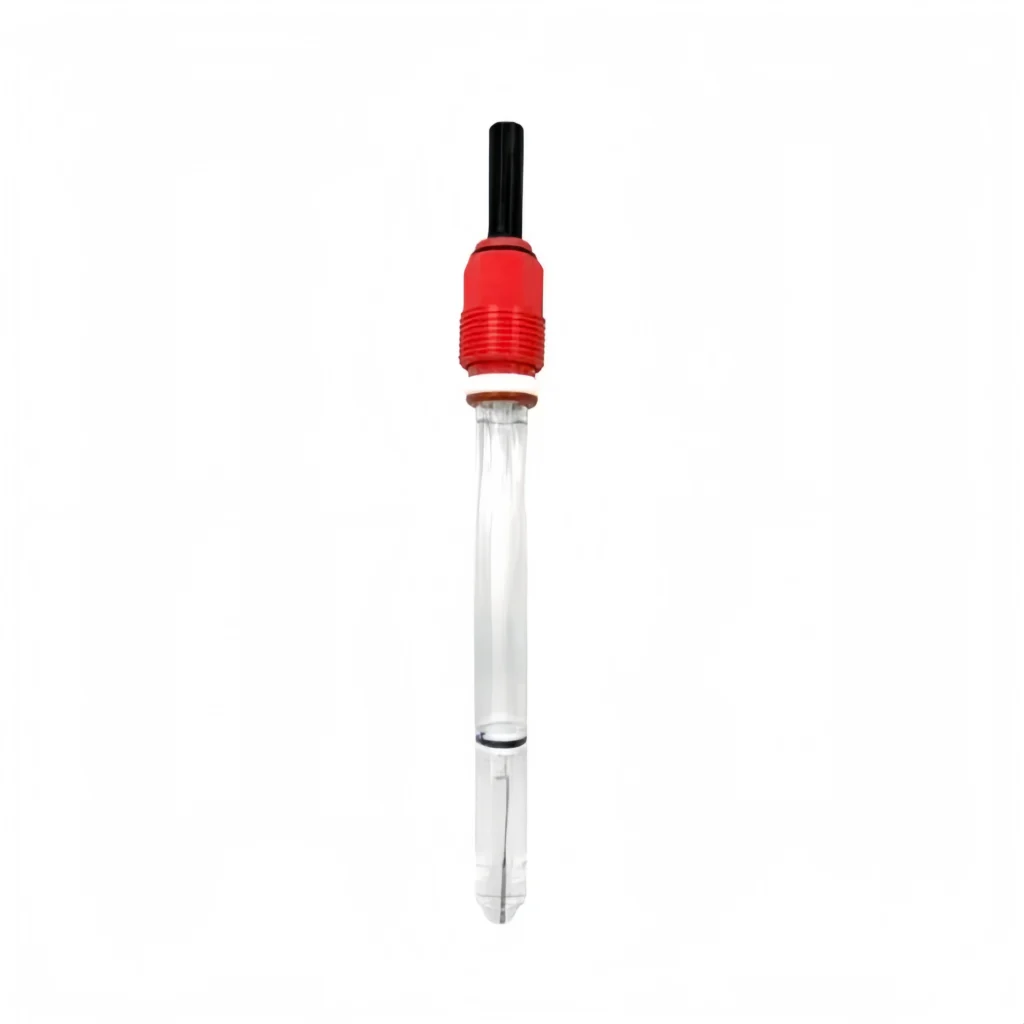
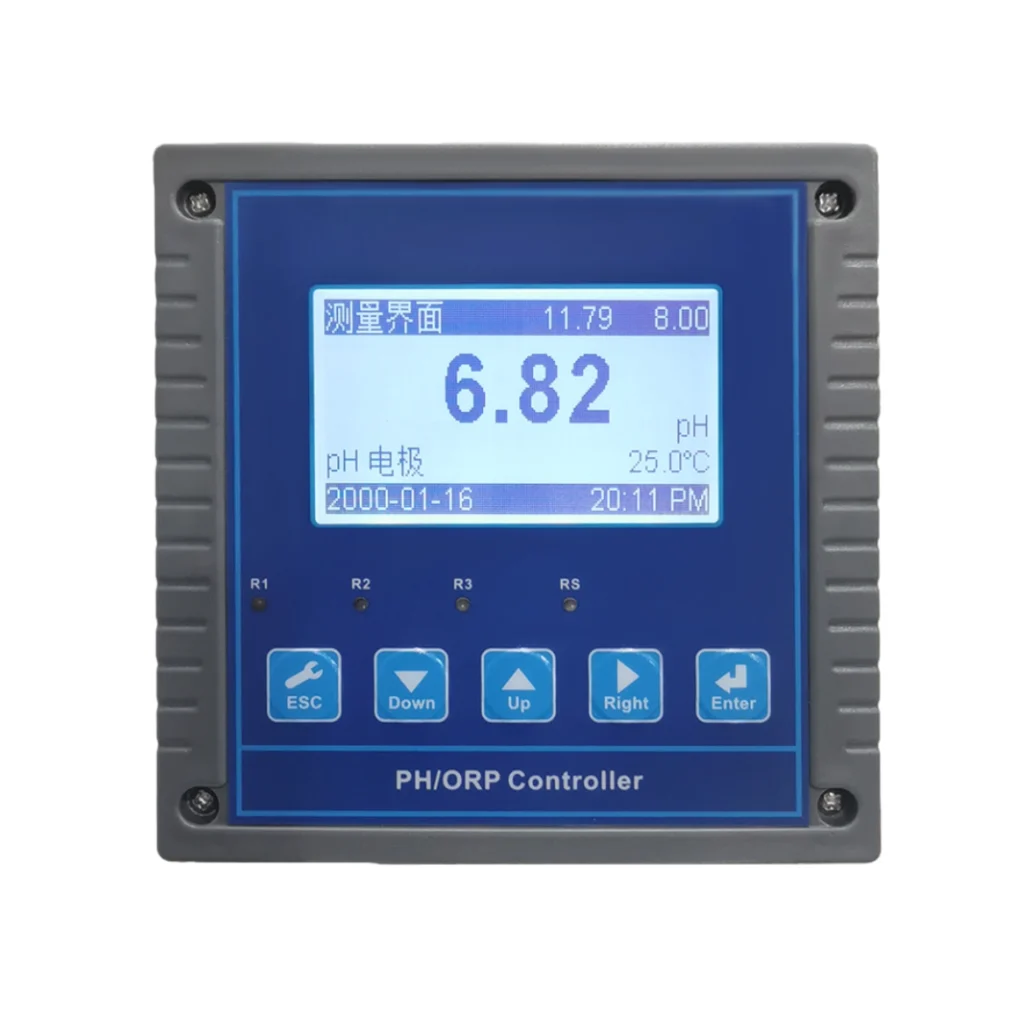
| Monitoring Parameters | Dissolved Oxygen, pH, ORP, Conductivity, Turbidity, Temperature (customizable) |
| Dimensions | 700×700×835 mm; 800×800×835 mm (solar panel unfolded) |
| Net Weight | 20 kg |
| Buoyancy | 40 L |
| Solar Panel | 4×12V/20W (total 80W) |
| Battery | 12VDC, 80Ah lithium battery |
| Power Endurance | Intermittent operation for more than 7 days on rainy days |
| Peak Power | 10 W; Sensor power: 0.2 W per sensor |
| Protection | SUS304 filter cartridge shield |
| Communication | 4G wireless, RS485/232, Modbus/RTU |
| Position | Warning light; GPS (optional) |
| Platform | Cloud platform + Mobile APP |
| Mooring System | 2.5 kg anchor, 20 m anchor rope |
| Application | Open water, river, lake, aquaculture, sewage outlet |
Featured Applications
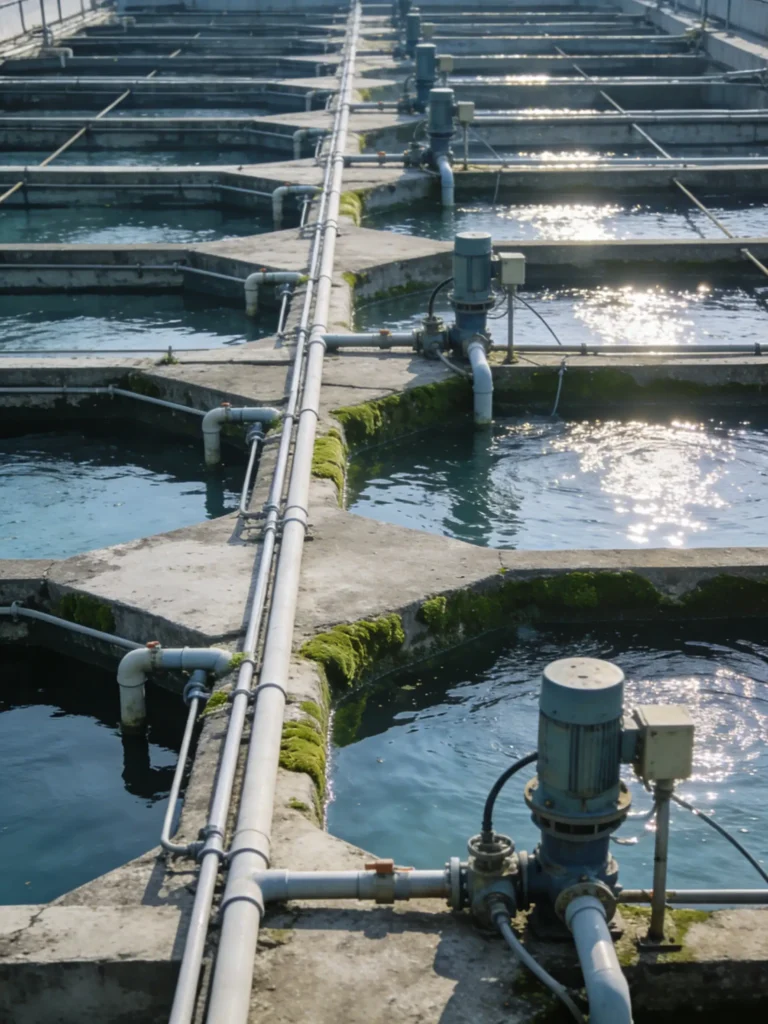
- Online monitoring of surface water quality in rivers, lakes, reservoirs, drinking water sources, etc., to grasp real-time changes in water quality and provide data support for water environment governance.
- 24/7 monitoring of aquaculture water bodies such as fish ponds, shrimp ponds, and nursery farms, precise control of key indicators such as dissolved oxygen and pH, and improvement of aquaculture survival rate and yield.
- Monitoring the water quality of industrial/domestic sewage discharge outlets and river discharge outlets, promptly detecting abnormal discharges, and assisting in environmental law enforcement and pollution tracing.
- Long term unmanned automatic monitoring of open water bodies such as agricultural irrigation water, landscape lakes, artificial wetlands, and urban rivers ensures water safety and water environment stability.
Daily maintenance and precautions
Installation specifications
- Placed in waters with a depth of ≥ 700mm, avoiding waterways and areas of strong disturbance.
- Use the standard anchor system to secure and prevent drifting collisions.
- Before installation, check that the sensors, cables, and solar panels are intact.
- Automatically collect data after power on, and the platform can be used by binding the device.
Calibration and Maintenance
- Make sure to clean the dirt off the floating bodies, sensors, and solar panels on a regular basis.
- In places with bad water quality, it is best to clean the sensor once a month and calibrate it every three to six months.
- Use a delicate cloth to clean the panel and don’t let anything hard scratch it. Sensors should not be hit hard.
- Take the sensor off and calibrate it with one or two points when the data drifts. Then put it back on.
Technical Support
Top 6 Industrial Gas Analyzers Manufacturers 2025
6 Best Industrial Gas Detector Manufacturers in the World
9 Best Portable Carbon Dioxide Detector 2025 – Complete Buying Guide
Top 7 portable combustion analyzer Tested
The KSF-800 small water quality buoy uses 4G wireless communication and solar power to keep an eye on a lot of different things. You don’t need to wire it up to utilize it in rivers, lakes, aquaculture, or sewage outputs. The equipment is robust, reliable, and easy to maintain. It helps manage water bodies intelligently by allowing for real-time data transfer, intelligent alert assistance, and 24/7 unmanned monitoring of the water environment and water quality safety.
Request a Quote