.png)
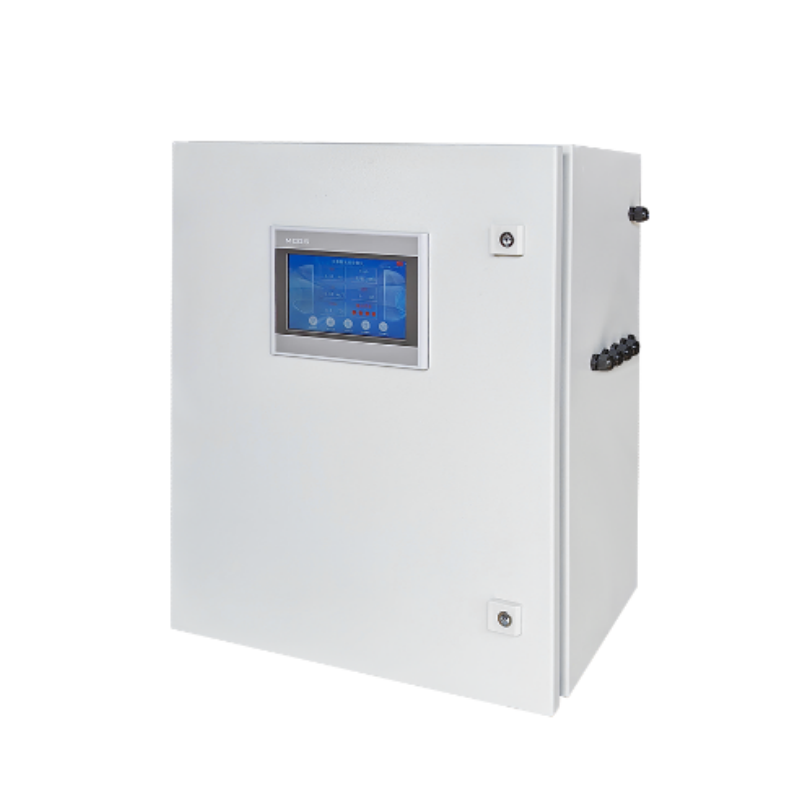
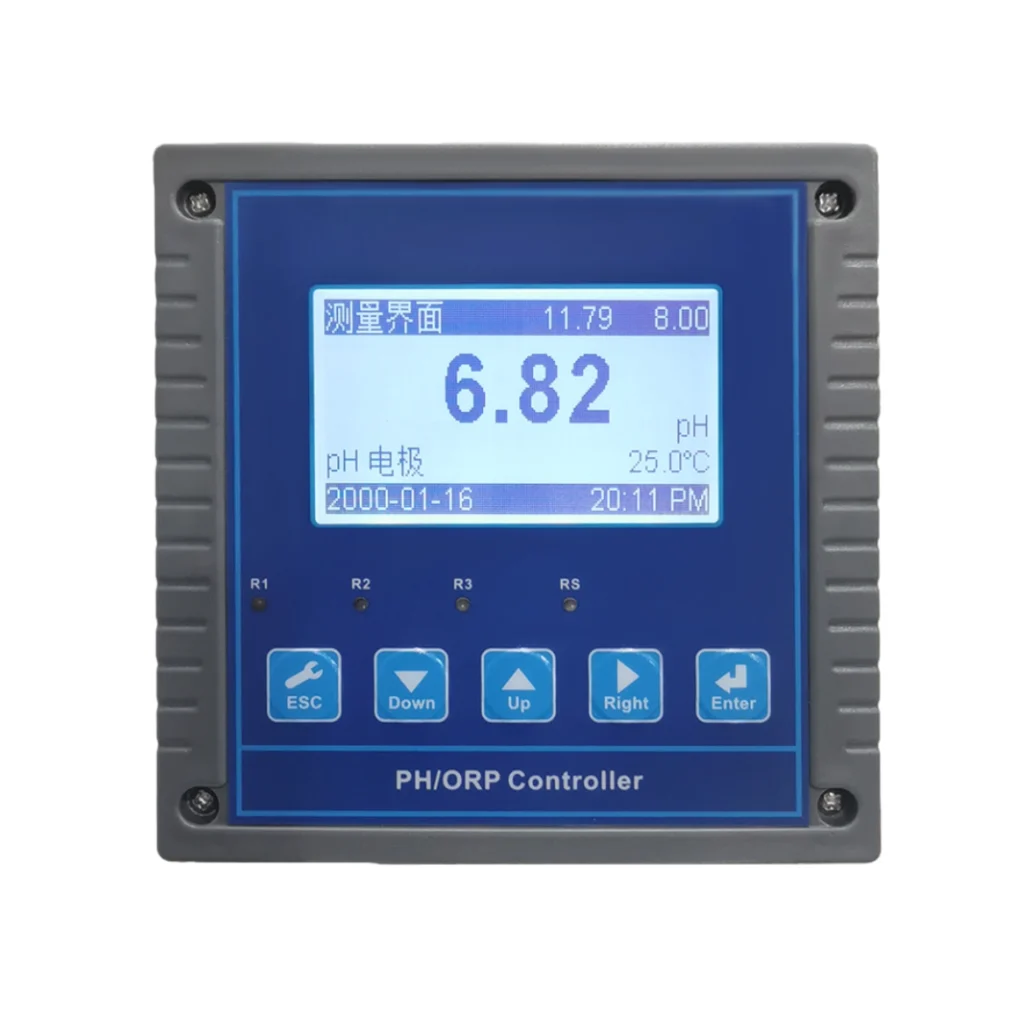
The KS-200 intelligent multi parameter analyzer can be installed on a wall and can measure pH, ORP, residual chlorine, turbidity, and temperature. The cabinet is robust since it is coated with carbon steel. Support for flow control, data export, remote monitoring, and four dosing relays. Simple to use for checking the quality of water in swimming pools, the water supply, and sewage treatment.
★★★★★
Multi Parameter Analyzer Features
Specifications
| Category | Specification |
|---|---|
| Measuring Parameters | Standard: pH, ORP, Free Chlorine, Turbidity, Temperature |
| Measuring Range | pH: 2.00~12.00pH; ORP: -1999~+1999mVFree Chlorine: 0.01~20.0mg/L (0.01~20PPM); Turbidity: 0~20NTU; Temperature: 0.1~50.0℃ |
| Measuring Principle | pH/ORP: Glass Electrode Method / Dual Platinum Ring; Free Chlorine: Constant Voltage MethodTurbidity: 90° Scattered Light Method; Temperature: PT1000 Thermistor Method |
| Display Interface | 7-inch TFT touch screen, 800×480 resolution, LED backlight, integrated display & operation |
| Power Supply | Optional: 100-240VAC or 9-36VDC, Max power 30W (500Wmax marked as peak redundancy) |
| Protection Grade | IP55 (cabinet), Indoor installation |
| Overall Dimension | 600×500×250mm (H×W×D) |
| Installation Method | Wall-mounted |
| Waterway Interface | Φ10mm quick-connect fitting, including water inlet and outlet, with built-in flow control valve |
| Flow Regulation | 18-30L/H, manually adjustable via float flowmeter, Inlet pressure ≤0.3MPa |
| Output Interface | 4 groups of editable active relays (AC220V, ≤300W), directly connectable to electromagnetic metering pumps |
| Communication Mode | RS485/RS232 (Modbus RTU), AIP data interface; Optional: DTU/4G/WIFI/Ethernet |
| Data Storage | Stores 60 days of historical data, supports report export and historical curve viewing |
| Environmental Requirements | Temperature: 0~50℃, Relative humidity: 10~90%RH; Avoid strong electromagnetic field/corrosive gas |
| Standard Configuration | Host (KS-200) + pH/ORP/Free Chlorine/Turbidity/Temperature electrodes |
Featured Applications
- Municipal water supply: secondary water supply in the community, municipal pipeline network, and monitoring of inlet/outlet water quality in water plants to ensure water supply safety;
- Swimming pools/hot springs: residual chlorine in swimming pools, water parks, and other places pH、 Real time monitoring of turbidity to meet hygiene operation standards;
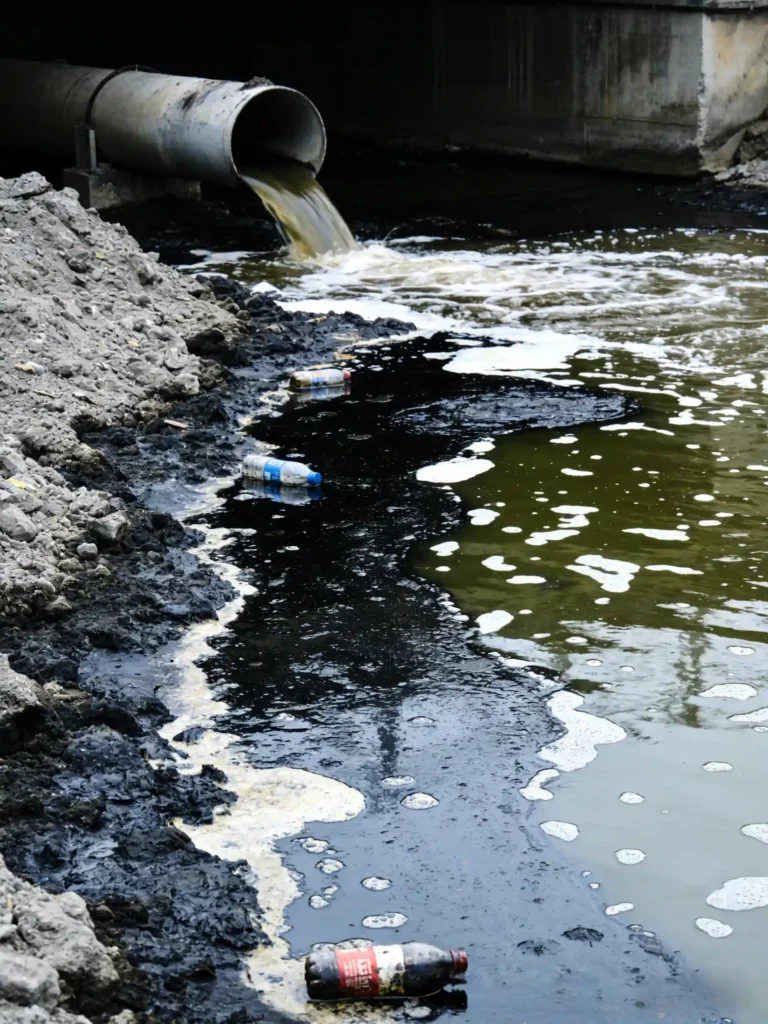
- Wastewater treatment: monitoring the treatment process and effluent quality of municipal and industrial wastewater, and controlling the discharge to meet standards;
- Aquaculture: Monitoring indicators such as pH, temperature, and dissolved oxygen in fish ponds and aquaculture bases to accurately regulate water quality;
Daily maintenance and precautions
Installation specifications
- Installation on a wall in a dry indoor space with 0–50 °C temperatures, 10–90% relative humidity, and no severe electromagnetic interference or direct sunlight for maintenance.
- Power, ground, and ground fault circuit breakers are needed. Signal and power wires should separate.
- A sealed, leak-proof 10mm quick connect inlet/outlet, float flowmeter, and intake pressure below 0.3 MPa can reach 18–30 L/H.
- RS485/RS232 and relays reduce interference. Use wireless module to finish network setup. Check wiring before starting.
Key points of daily maintenance
Regular cleaning
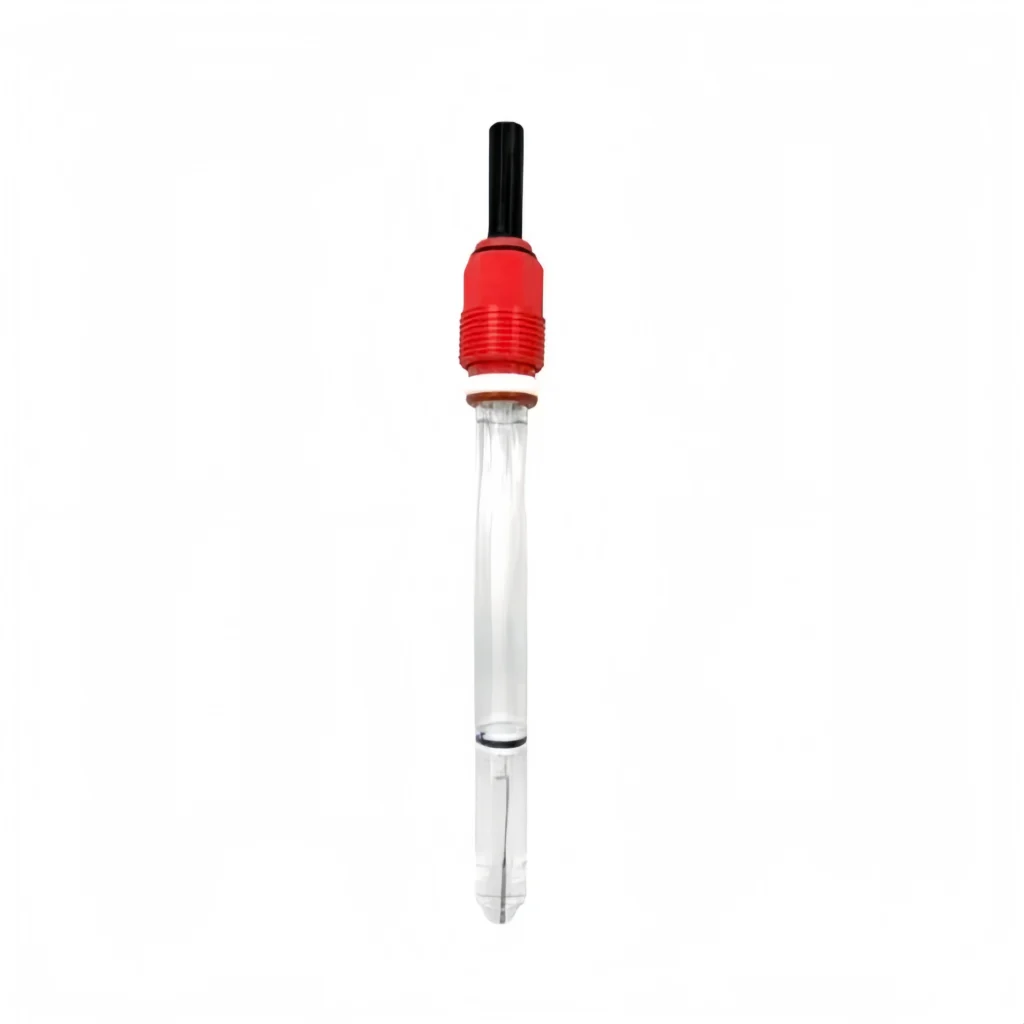
- PH/ORP electrode: Wash lightly with 5% dilute hydrochloric acid for contamination, and then immerse in 3.3 Mol/L potassium chloride solution for activation; Soak the solution when idle, avoid leaving it dry, and do not touch the glass bulb.
- Residual chlorine electrode: Gently rinse the membrane head to prevent scratching, regularly check and replenish the electrolyte. When the membrane head scales or the electrolyte is contaminated, it needs to be disassembled and cleaned. It is forbidden to wipe the chlorine permeable membrane with filter paper/sandpaper.
- Turbidity sensor: Rinse the probe and circulation pool with clean water every 6 months. If the water quality is poor, the frequency can be increased. Chemical agents or physical scratching are prohibited.
Periodic calibration
- Support two-point/three-point calibration, turbidity can also be calibrated at a single point on site; Calibrate once every 15-30 days under normal working conditions, and once every 30-60 days under stable water quality scenarios;
- When the equipment is shut down, restarted, sensors are replaced, or data drifts, immediately recalibrate and keep records.
Routine inspection
- Daily check of stable parameter display, no fault alarms, and normal electrode status (white font indicates normal);
- Check that there is no water leakage in the waterway, the flow is stable, and the wiring terminals are not loose, oxidized, or damp;
- Regularly test relay linkage, data storage/export/remote transmission functions to ensure normal data reporting.
Technical Support
Top 6 Industrial Gas Analyzers Manufacturers 2025
6 Best Industrial Gas Detector Manufacturers in the World

9 Best Portable Carbon Dioxide Detector 2025 – Complete Buying Guide
Top 7 portable combustion analyzer Tested
The KS-200 intelligent multi parameter water quality monitoring cabinet integrates precision detection, flow regulation, automatic dosing, and remote control into a wall-mounted design. It has five standard parameters and can be expanded. Automated water quality control with traceable and consistent data reporting uses four relays. We provide professional online water quality monitoring solutions for water supply, swimming pools, sewage treatment, and aquaculture industries with convenient installation, easy operation, and durability, ensuring water safety and facilitating refined water quality control.
Request a Quote