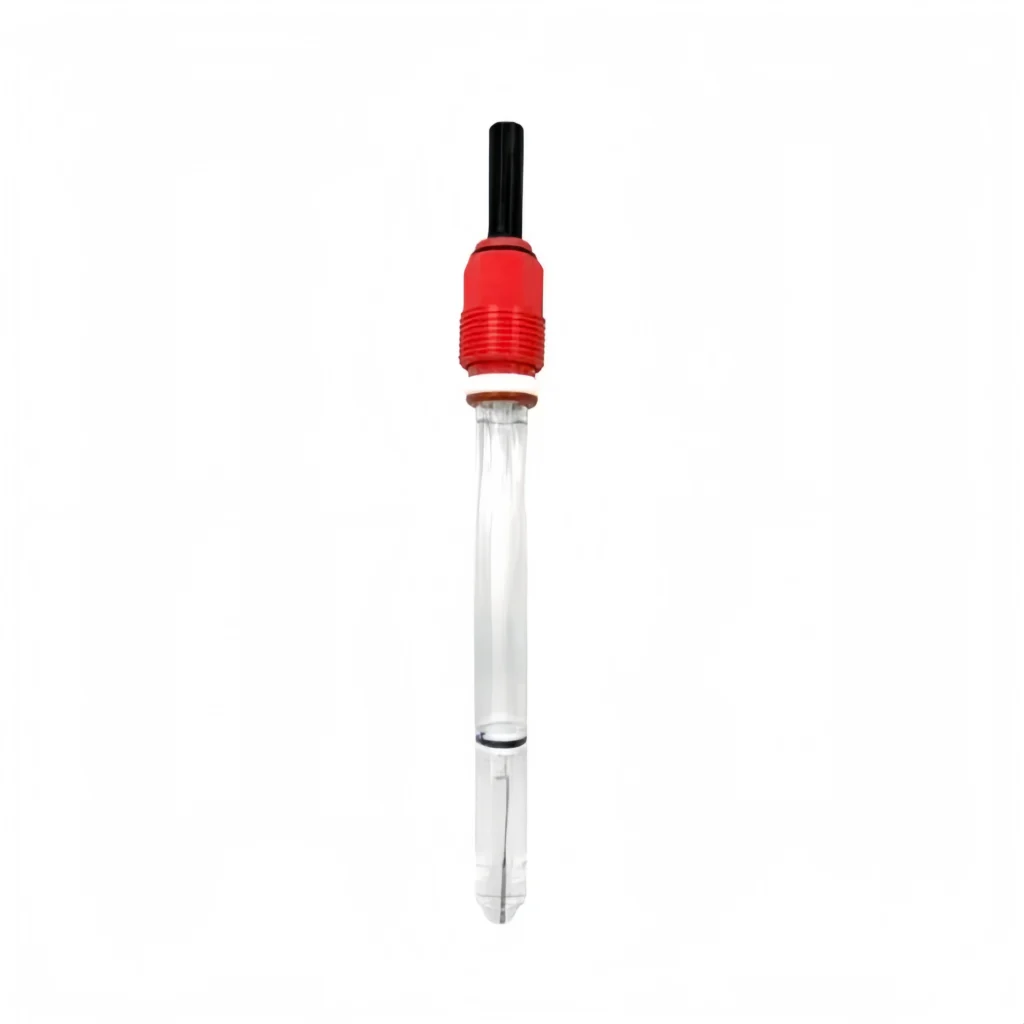
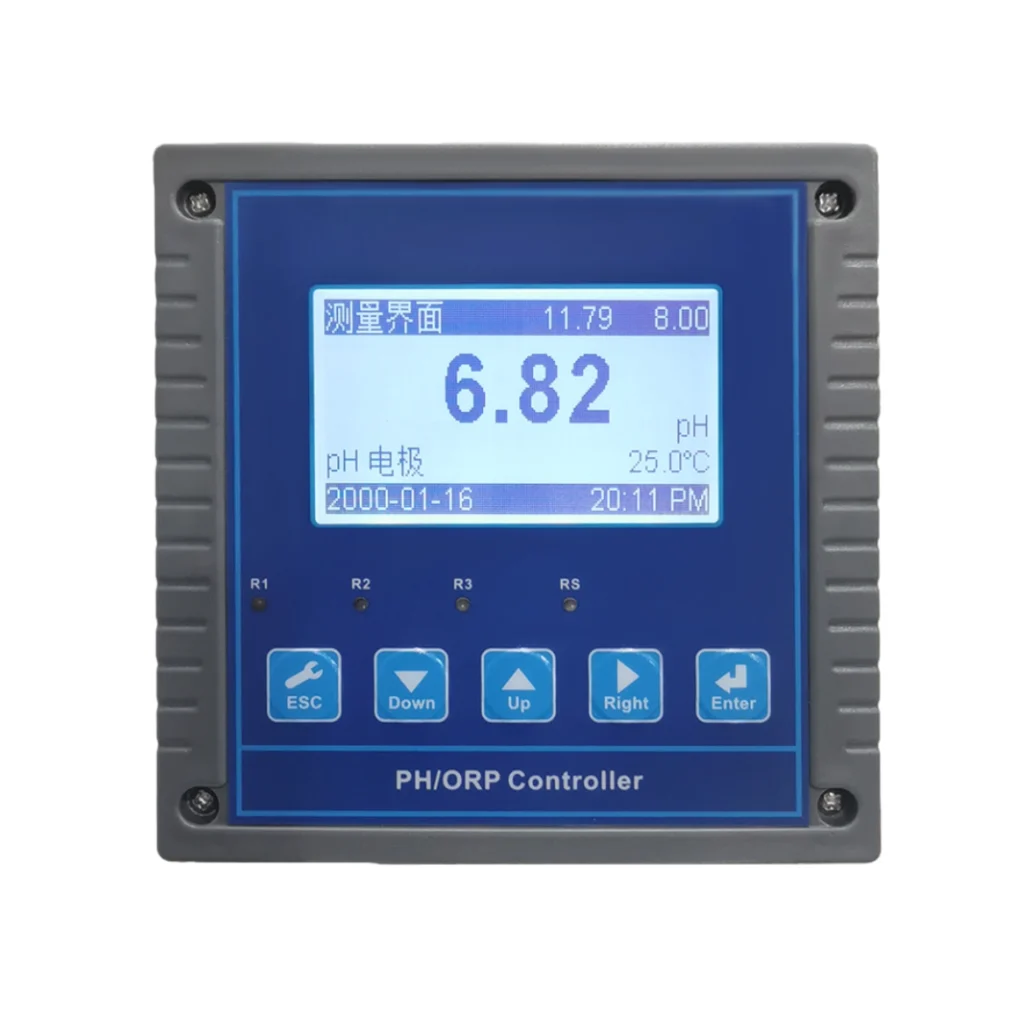
.png)
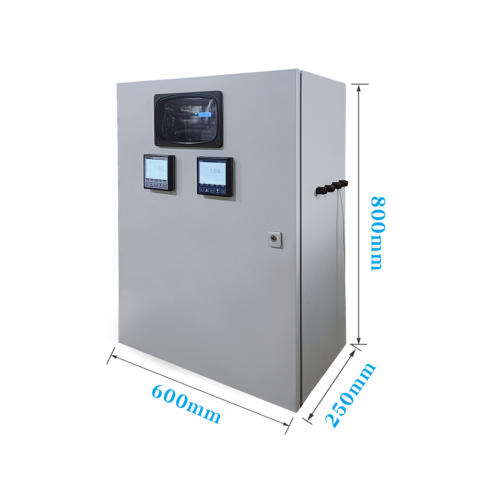
The KS-600 cabinet type multi parameter analyzer can be expanded and customized. It can also measure pH, ORP, residual chlorine, turbidity, and temperature. The cabinet is made of carbon steel, is strong, modular, and easy to clean. Some of its best features are high output, flexible communication, and the ability to watch and report to the supervisory platform from a distance. It is easy to use and maintains a watch on the quality of swimming pools, water sources, and cooling water.
★★★★★
Multi Parameter Analyzer Features
Specifications
| Category | Specification |
|---|---|
| Measuring Parameters | Standard: pH, ORP, Free Chlorine, Turbidity, Temperature; Customizable other parameters |
| Measuring Range | pH: 0.01~14.00pH; ORP: -1999~+1999mVFree Chlorine: 0.01~10mg/L (0.01~10PPM); Turbidity: 0~100NTU; Temperature: 0.1~100.0℃ |
| Measuring Principle | pH: Glass Electrode Method; ORP: Dual Platinum Ring; Free Chlorine: Constant Voltage MethodTurbidity: 90° Scattered Light Method; Temperature: PT1000 (compatible with NTC10K) |
| Accuracy & Resolution | pH: ±0.01pH/0.01pH; ORP: ±1mV/1mV; Free Chlorine: ≤±0.1PPM/0.01PPMTurbidity: ±1%FS/0.1NTU; Temperature: ±0.1℃/0.1℃ |
| Power Supply | Optional: 100-240VAC or 9-36VDC, Max power 30W |
| Protection Grade | IP55 (cabinet), Indoor installation |
| Overall Dimension | 500×600×250mm (H×W×D), Weight approx. 22kg |
| Installation Method | Wall-mounted |
| Waterway Interface | DN15 threaded connection, Design flow rate 60-80L/H, Design pressure ≤2bar |
| Output Interface | pH/ORP/Free Chlorine: 3 groups of normally open contact relays each (3A/220VAC); Turbidity: 2 groups of relays; Support external control relay expansion |
| Communication Mode | Standard: RS485 (Modbus RTU protocol); Optional: DTU wireless transmission (4G/WIFI/Ethernet) |
| Environmental Requirements | Temperature: 0~50℃, Relative humidity: 10~90%RH; Avoid strong electromagnetic field/corrosive gas |
| Standard Configuration | Host (KS-600) + pH/ORP/Free Chlorine/Turbidity/Temperature electrodes |
Featured Applications
- Secondary water supply in the community, municipal pipeline network, and water quality monitoring of the water supply plant inlet/outlet to ensure standards are met;
- Swimming pools/hot springs: residual chlorine, pH monitoring, and turbidity compliance with hygiene standards.
- Industrial cooling: online monitoring of industrial cooling water and circulating water quality to prevent water degradation from influencing equipment efficiency;
- Commercial water use: Daily water quality testing in hotels, hospitals, and shopping malls to assure water safety;
Daily maintenance and precautions
Installation environment requirements
- For instance, it should be put on the wall of a dry room that is not near harmful substances, powerful electromagnetic fields, or bright sunlight.
- The ideal temperatures and humidities are between 0 and 50 °C and 10 and 90%.This will give you space to work on the case and repair it that way.
- Making power sources work together Use power that is 100–240VAC or 9–36VDC and make sure the grounding is right to cut down on crosstalk. Don’t hook up warning wires to power lines.
- Make sure you complete two-point or three-point calibration if you need to. You should also look at the relay linkage and how data is sent. Finally, check that all the settings are still the same and that the gadget switches on appropriately.
Key points of daily maintenance
Regular cleaning
- PH electrode: Wipe with soap solution for contamination, soak in 5% hydrochloric acid for 5 minutes in severe cases, rinse and then immerse in saturated potassium chloride solution for 24 hours to activate; Soak the solution when idle.
- Residual chlorine electrode: lightly rinse the membrane head to prevent scratching, regularly check and replenish the electrolyte, and clean or replace the membrane head in a timely manner when contaminated/dried up.
- Turbidity sensor: Rinse the head with clean water, do not use chemical agents or physical scraping; Clean the circulation pool every 6 months, and increase the frequency if the water quality is poor.
Periodic calibration
- Support two-point/three-point calibration, calibrate once every 15-30 days for industrial wastewater scenarios, and once every 30-60 days for surface water/tap water;
- When the equipment is shut down, restarted, electrodes are replaced, or data drifts, immediately recalibrate and record.
Routine inspection
- Daily check of stable parameter display, no fault alarms, and normal electrode status (white font indicates normal);
- Check that there is no water leakage in the waterway, the flow is stable, and the wiring terminals are not loose, oxidized, or damp;
- Regularly test relay linkage and communication transmission functions to ensure normal data reporting.
Technical Support
Top 6 Industrial Gas Analyzers Manufacturers 2025
6 Best Industrial Gas Detector Manufacturers in the World
9 Best Portable Carbon Dioxide Detector 2025 – Complete Buying Guide
Top 7 portable combustion analyzer Tested
The modular, carbon steel KS-600 cabinet type five parameter water quality monitoring equipment has precise detection, easy installation, and intelligent connection. Standard with five parameters, it offers customization and expansion with several connection ways for remote monitoring and compliance reporting.
Our professional water quality monitoring solutions for water supply, swimming pools, and industrial cooling ensure water safety and help implement water quality control with stable and durable performance, efficient maintenance, and flexible adaptability.
Request a Quote