.png)
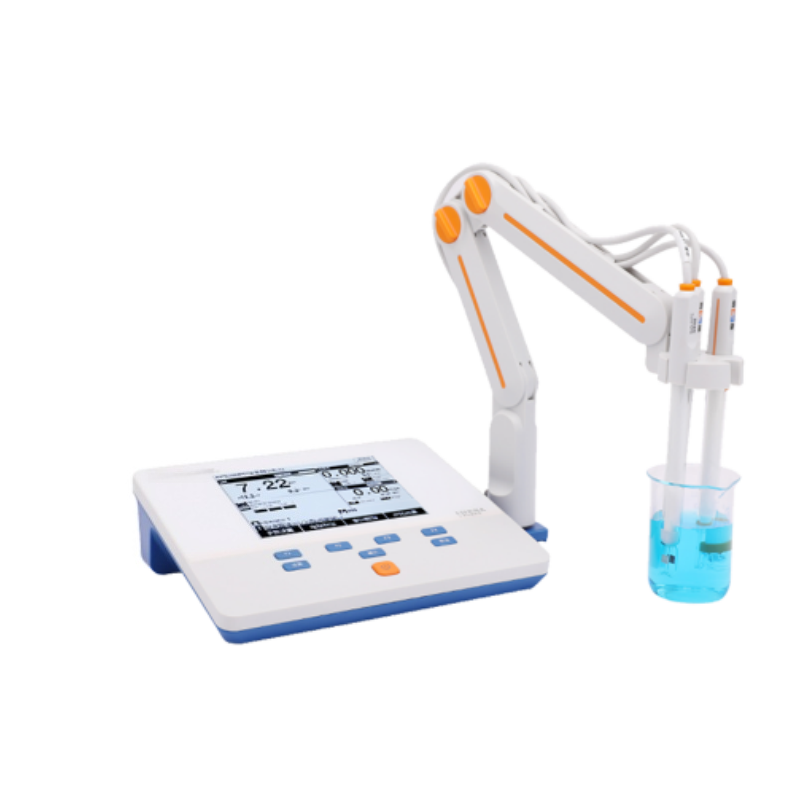
DZS-706F is a high-precision laboratory water quality multi parameter analyzer that can simultaneously measure pH/pX, ion concentration, conductivity, and other parameters TDS、 Indicators such as salinity, resistivity, dissolved oxygen, saturation, and temperature are equipped with large screen color display, automatic temperature compensation, multi-point calibration, and data management functions, suitable for precise water quality analysis in laboratory, environmental protection, water management, chemical, aquaculture, and other scenarios.
★★★★★
Core performance characteristics
Core Technical Parameters
| Item | Specification |
|---|---|
| Measuring Parameters | pH/pX, Ion Concentration, mV, Conductivity, Resistivity, TDS, Salinity, DO, DO Saturation, Temperature |
| pH Range | -2.00~20.00 pH, Resolution: 0.01 pH |
| Conductivity Range | 0.000 μS/cm~1000 mS/cm |
| DO Range | 0.00~20.00 mg/L, Resolution: 0.01 mg/L |
| Temperature Range | -5.0~110.0 ℃ |
| Calibration Mode | pH: 1~5 points; Conductivity: 1~3 points; DO: Zero & Full point |
| Data Storage | 500 sets for each parameter, power-off protection |
| Communication Interface | RS-232, USB |
| Display | 5.7-inch color LCD |
| Protection Grade | IP54 |
| Power Supply | Input: AC 100~240V; Output: DC 9V |
| Dimensions | 242×195×68 mm |
| Net Weight | 0.9 kg |
Featured Applications
- Universities and study groups use this area to store data, undertake high-precision detection, analyze experiments, and teach research.
- To assist keep track of pollution and assess the environment, check the quality of the water in the area every day by testing surface water, groundwater, and drinking water sources.
- The municipal water supply system is useful for evaluating the quality of water at water plants and for getting water from other sources. It makes sure that the water we consume is safe and clean.
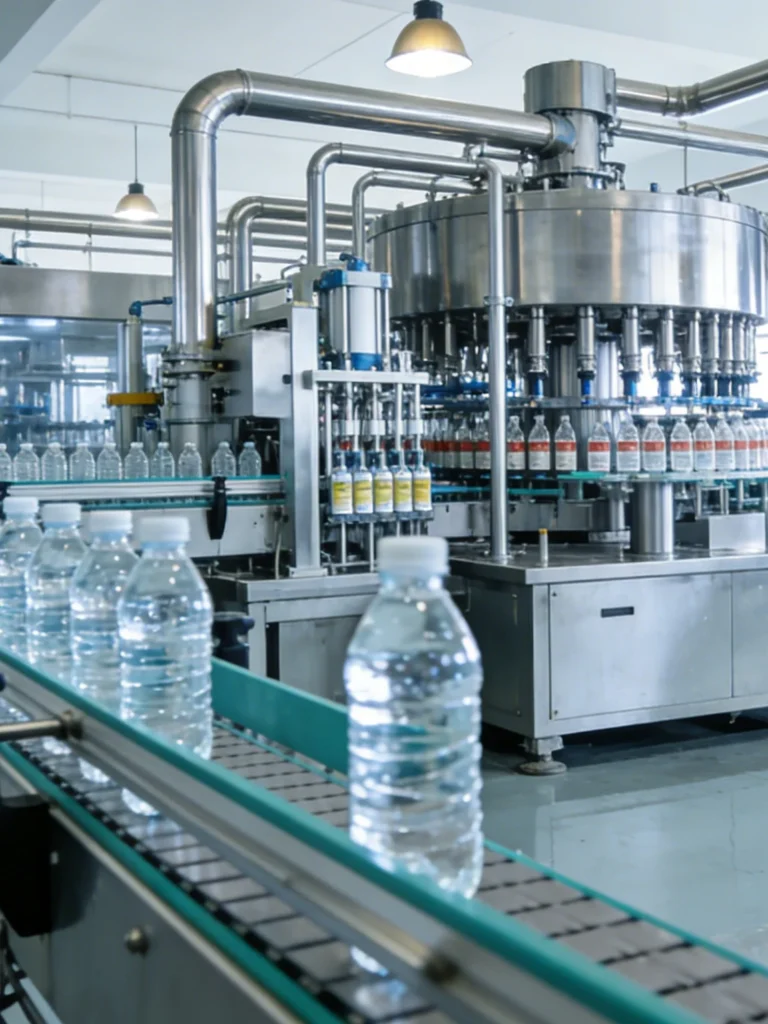
- Quality of the water used for aquaculture: To make sure that fish and other animals grow and live longer, the salinity, pH, and dissolved oxygen levels in the water used for aquaculture must be checked all the time.
Hiring and Building
- After the electrode bracket is in place, add the dissolved oxygen, pH, and conductivity electrodes.
- After connecting the power source and getting to the measurement interface, do a power-on self-test.
- Choose the reference solution group and follow the steps for the 1–5 point calibration to calibrate the electrodes.
- Make sure the electrode is steady in the test solution before you read, save, or print.
- After the measurement is done, be careful to clean and put away the electrodes the right way.
Setting Up and Taking Care of
- To get rid of biological attachments and debris, clean the tip of the electrode often.
- Check that the pH sensor is operating before you use it, and don’t leave it in 3M KCl solution for too long.
- Before you use the dissolved oxygen electrode, you should polarize it for 60 minutes and change the solution and membrane cap often.
- You need to use a standard solution to check the electrode constant on a regular basis. The electrical electrode should not touch anything else.
- Recalibrate when data drifts to make sure the measurements are correct.
Technical Support
Top 6 Industrial Gas Analyzers Manufacturers 2025
6 Best Industrial Gas Detector Manufacturers in the World
9 Best Portable Carbon Dioxide Detector 2025 – Complete Buying Guide
Top 7 portable combustion analyzer Tested
The DZS-706F laboratory multi-parameter analyzer combines several tests for water quality indicators. It has automatic calibration, temperature adjustment, and data management tools to make sure that measurements are reliable and stable. The tool is simple to use and very flexible. It is employed in many areas, including scientific research, environmental protection, water management, aquaculture, food and medical. It has become the best choice for testing the quality of water in a lab since it works well and is dependable.
Request a Quote