.png)
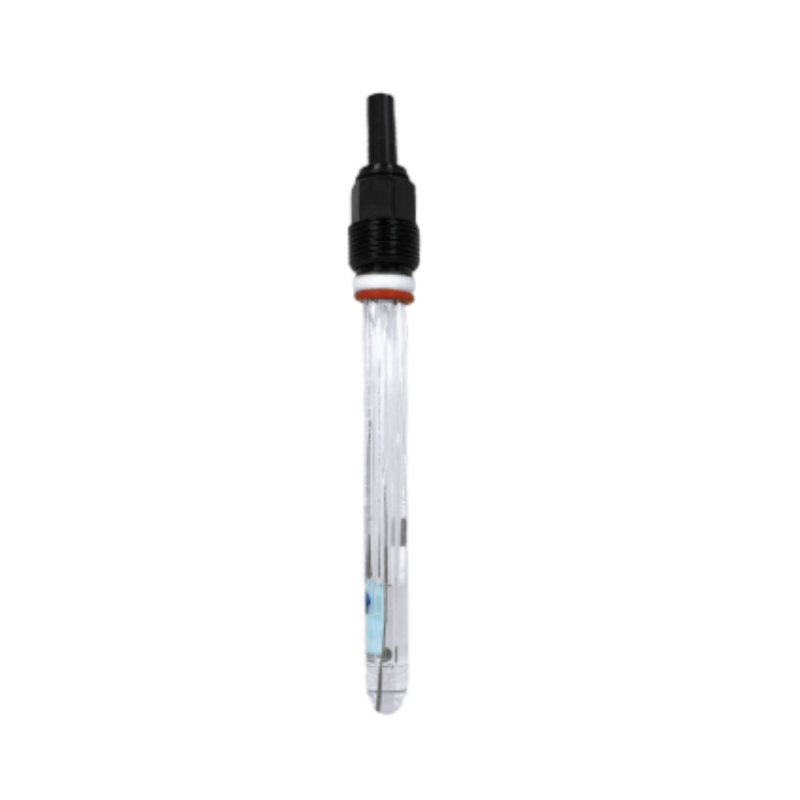
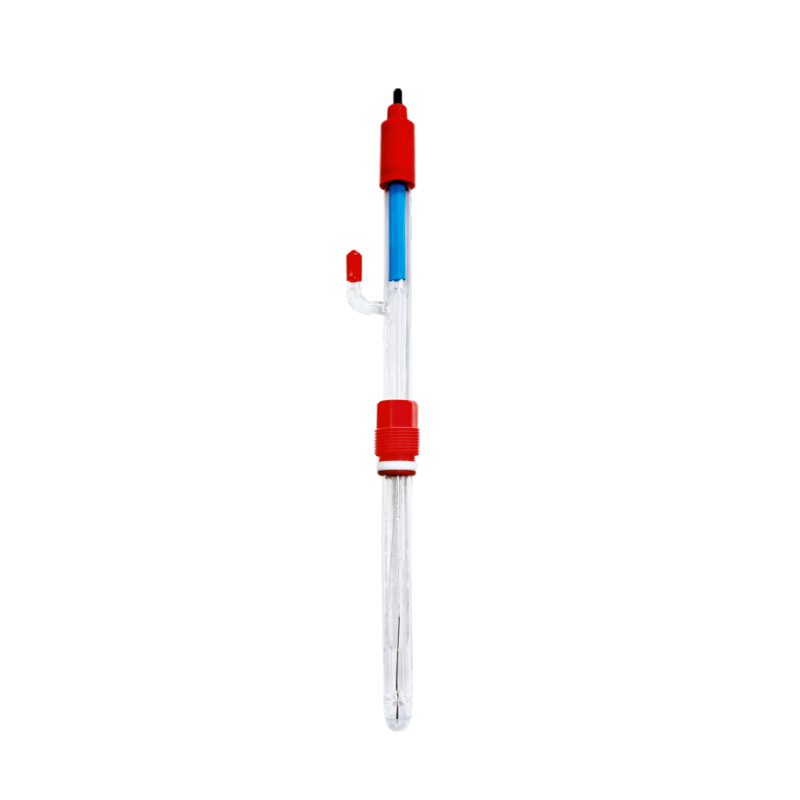
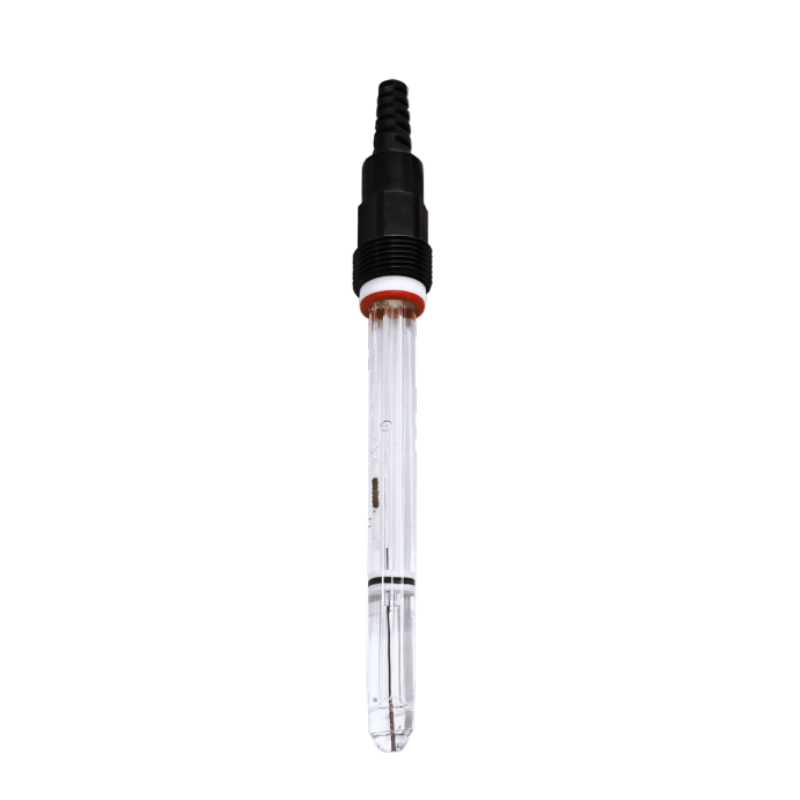
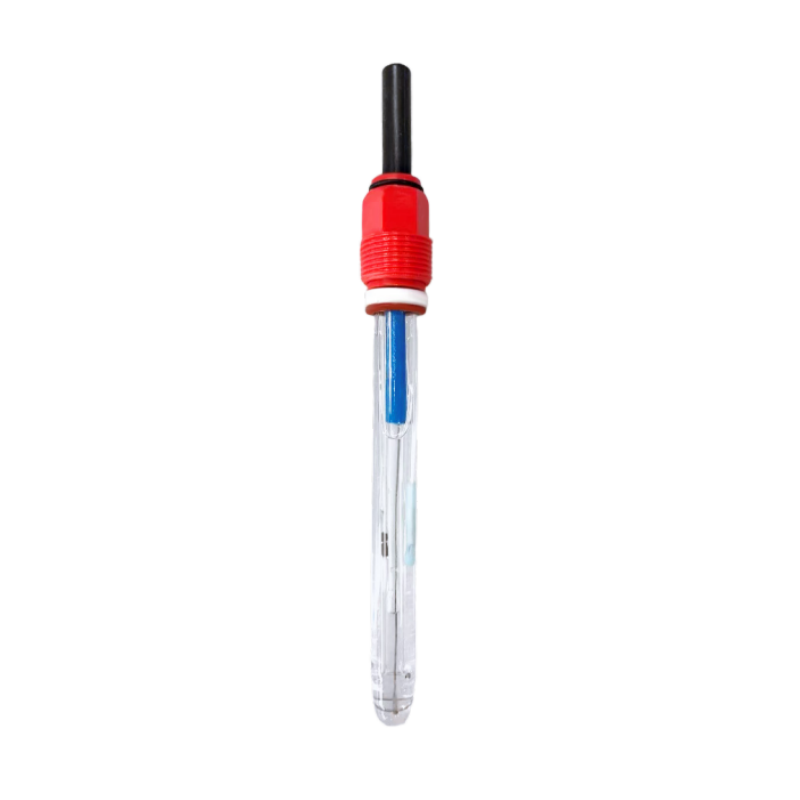
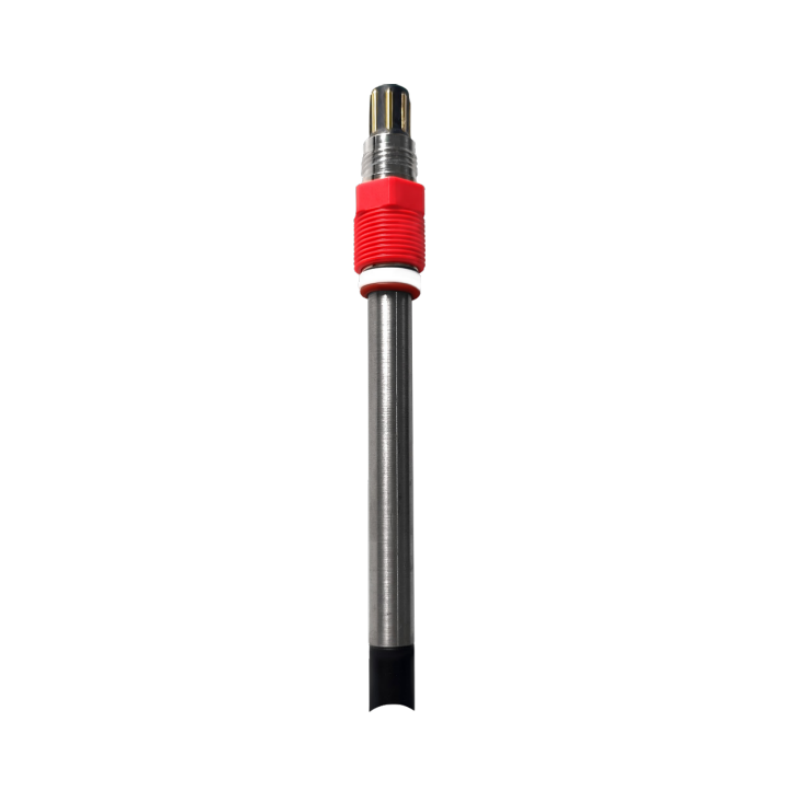
The GRT1120PDW differential pH sensor has new differential technology and is built to last, so it can correctly monitor in tough conditions. It fixes the problems that traditional dual electrode pH sensors often have when measuring acidic/alkaline substances, alcohol, hydrocarbons, and other chemicals. These problems include reference electrode contamination and closed-loop interference, which lead to wrong data and the need for frequent maintenance. Offer stable and dependable ways to measure a wide range of complicated chemical media.
★★★★★
Features
Specifications
| Parameter | Value |
|---|---|
| pH Range | 0-14 |
| ORP Range | -1500—+1500mV |
| Sensitivity | pH:±0.01pH ORP:±0.5mV |
| Temperature Range | 0-60℃ |
| Pressure resistance | 3bar |
Core product advantages
Differential technology empowerment:
Three electrodes replace traditional dual electrodes, reducing reference pollution, eliminating closed-loop circulation, and improving measurement accuracy and reliability;
Extended lifespan:
3/4 “plastic shell models support salt bridge replacement, reducing usage costs;
Strong adaptability:
PG13.5 threaded interface, can be installed with corresponding protective sleeve/cable head, suitable for various working conditions.
Accurately adapting to the scene
- Chemical production: pH/ORP monitoring of acid-base substances, organic solvents, hydrocarbons and other media;
- Industrial wastewater: parameter control of high concentration organic and acid-base wastewater treatment process;
- Fine chemicals/pharmaceuticals: high-precision measurement of aromatic compounds and special solvents;
- Petrochemical industry: monitoring of hydrocarbon and ketone production/recovery processes;
- Special materials: chemical property testing for the production of lipids and special resins.

Usage and Maintenance Guide
To maximize the performance and extend the lifespan of GRT1120DW, it is important to pay attention to these practical points:
- Before measurement, clean the sensor with distilled water and absorb the moisture to ensure that the bulb and the liquid junction are submerged in the measured liquid at the same time, avoiding impurities from entering and affecting the data;
- Soak in 3.3Mol/L KCL solution when idle, and avoid long-term immersion in distilled water, protein solution, or acidic chloride solution. Keep away from organic silicon oils and fats;
- Clean and calibrate once a week, wash the glass film sediment with dilute hydrochloric acid, and prohibit scratching the sensitive film with a hard brush;
- Strictly follow the HF concentration resistance specifications to avoid sensor damage caused by over concentration and over temperature conditions.
Sensor diagram illustration
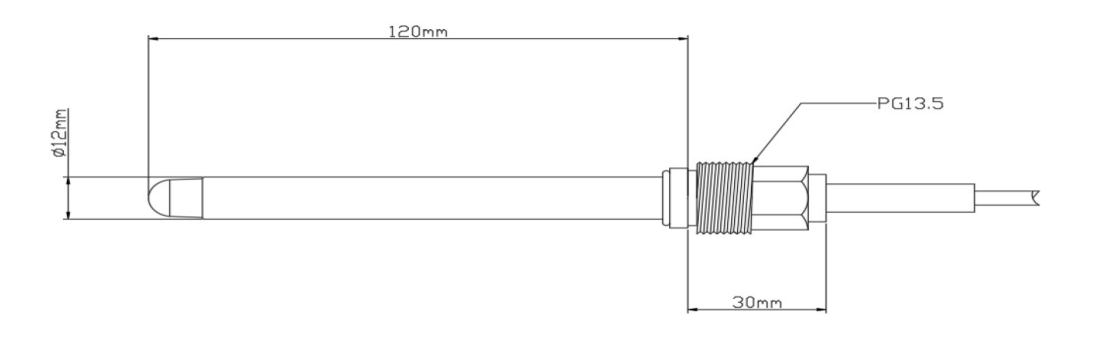
- After opening the packaging, check whether there is mechanical damage to the sensitive bulb and electrode body of the electrode;
- Remove the sensor protective cover and check if there are any bubbles in the sensitive bulb of the electrode. If so, gently shake the sensor in a vertical plane to remove the bubbles;
- Select the corresponding sensor sleeve or cable head for installation according to different electrodes;
- The connection between the sensor wire and the sensor is not waterproof, please make sure to do a good job of waterproofing.
Wire stripping instructions
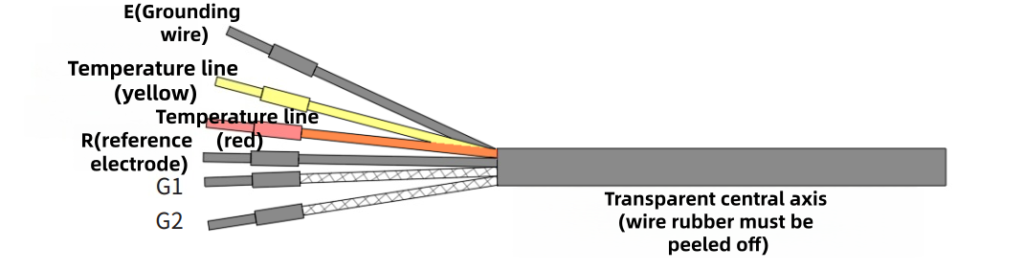
Attention
- The outer layer of the transparent central axis is covered with a conductive rubber layer and a metal mesh layer. When stripping, first strip the metal mesh layer into the metal mesh as shown in the picture, and be sure to removal of conductive black skin on the transparent central axis;
- The cable extends to the host without any contact points except for a dedicated junction box.
Technical Support
5 Best carbon monoxide detector for garage
10 Best carbon monoxide monitor for industrial use 2025
7+ Best Recommended Carbon Monoxide Detector for Industrial Use
What Is pH in Water? A Complete Guide to Understanding (2026)
6 Types of Industrial Oxygen Sensors
6 Best Industrial Gas Detector Manufacturers in the World
Whether it is organic solvent monitoring in chemical production or pH/ORP measurement of various acidic and alkaline substances, the GRT1120PDW differential pH electrode can confidently respond to harsh working conditions with its advantages of precision, durability, and low maintenance. Its differential technology solves the core pain points of traditional sensors, and the replaceable design of the salt bridge further reduces the cost of use, making it a cost-effective choice for monitoring complex chemical environments in industry. Consult now to obtain exclusive selection and installation guidance, making monitoring in harsh working conditions more worry free and reliable!
Request a Quote