.png)
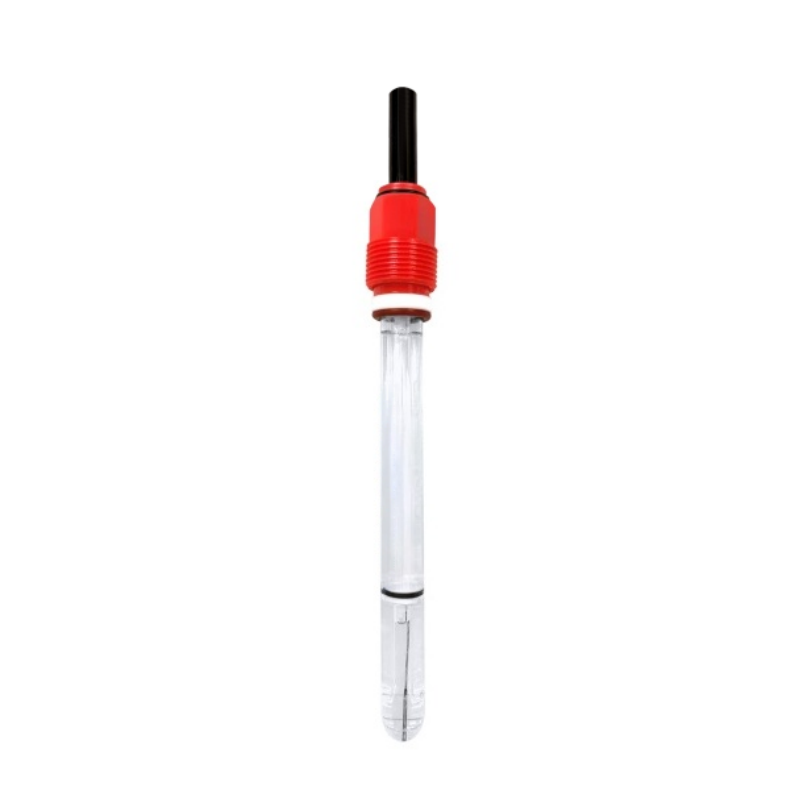
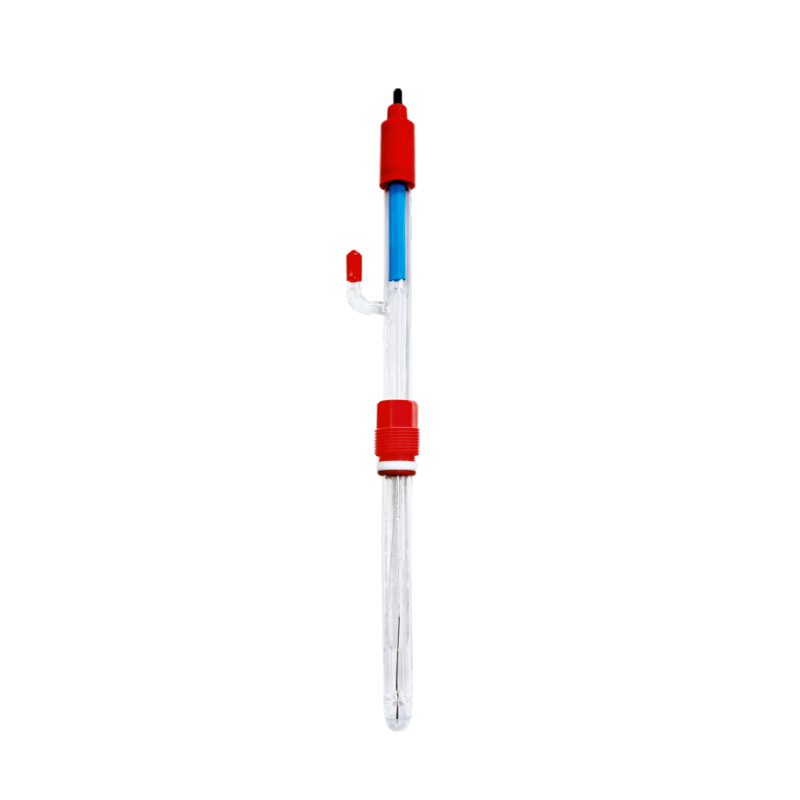
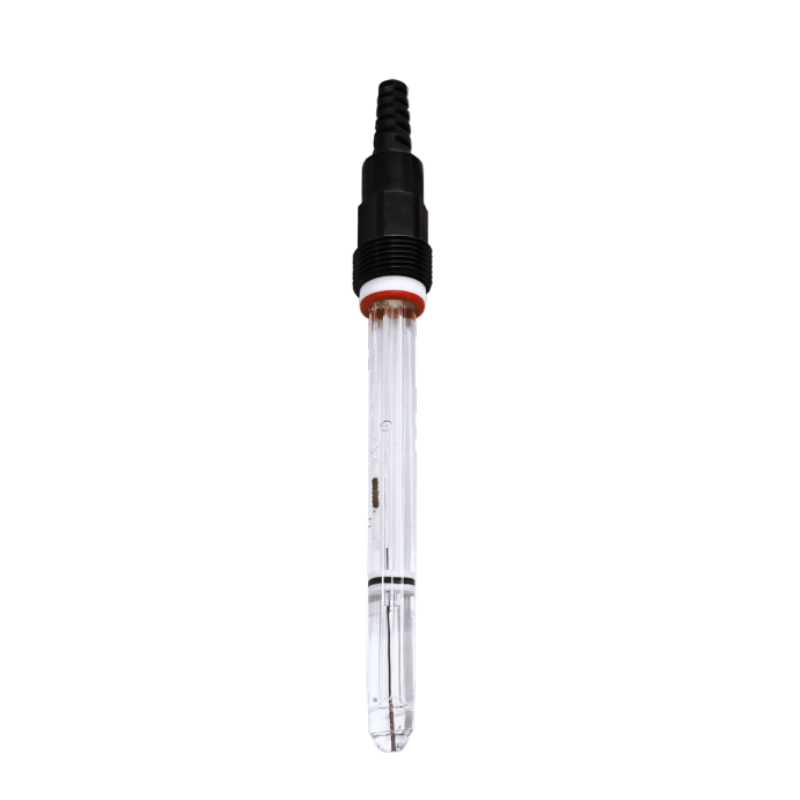
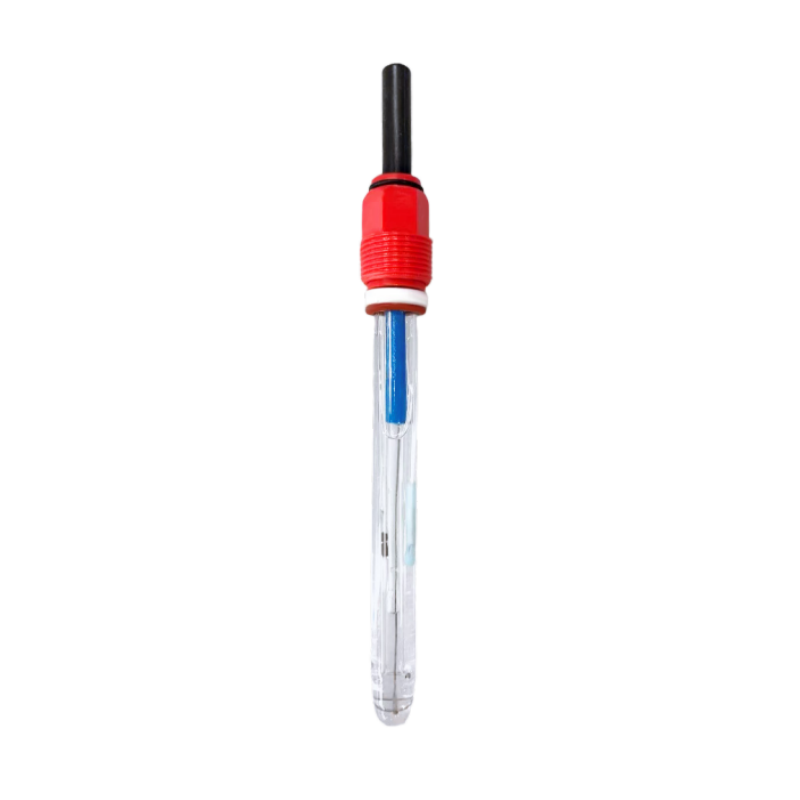
The GRT1120D pH electrode gives very accurate information about how to monitor the pH of thick suspensions, emulsions, and liquids with proteins in a number of industrial settings, such as wastewater treatment, chemical synthesis, electroplating, and pulp and starch manufacture. Ordinary electrodes generally have data drift and slow reaction because the medium is blocked, and they need to have their electrolytes replaced regularly, which not only raises the expenses of running and maintaining them, but also could make the production process less stable, which is a key requirement. It is now a reliable way to measure pH under difficult working situations because of its novel structural design and industrial-grade stability performance.
★★★★★
Features
Specifications
| Parameter | Value |
|---|---|
| pH Range | 0-14 |
| Temperature Range | 0-60℃ |
| Pressure Range | 0-0.3 M Pa |
| Zero potential | 7±0.5 |
| Theoretical percentage slope | ≥ 95% |
Core product advantages
Anti blocking and anti drift:
double salt bridge reference+gel electrolyte+two-point ceramic core fluid interface, directly hit the high viscosity pain points easy to block, to ensure data stability
Maintenance free and worry free:
No need to replenish electrolytes, significantly reducing maintenance and labor costs
Universal compatibility:
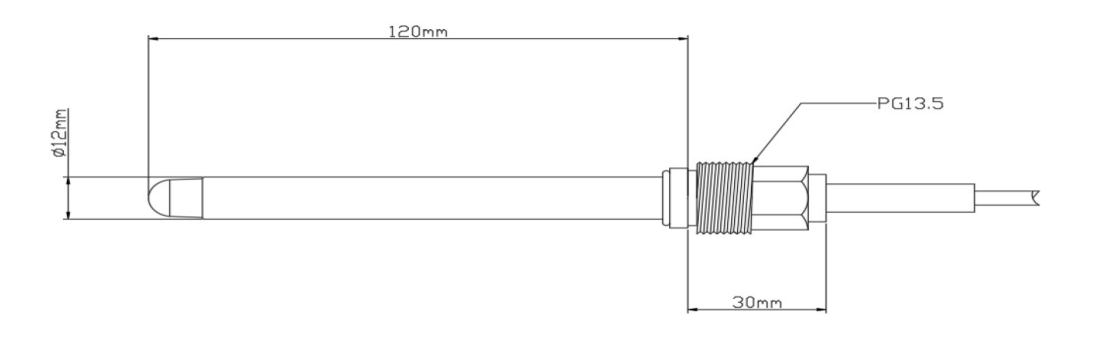
PG13.5 threaded interface, interchangeable with imported equipment, no need to modify existing devices
Flexible installation:
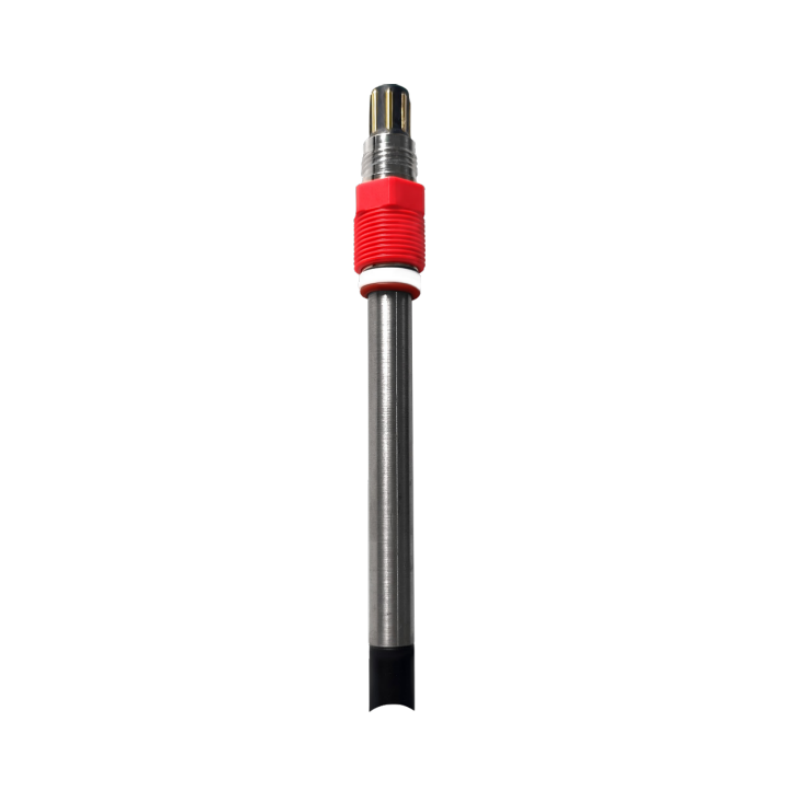
120/150/200/250/300mm available in multiple lengths, compatible with 316L stainless steel or PVC sheath
Accurately adapting to the scene
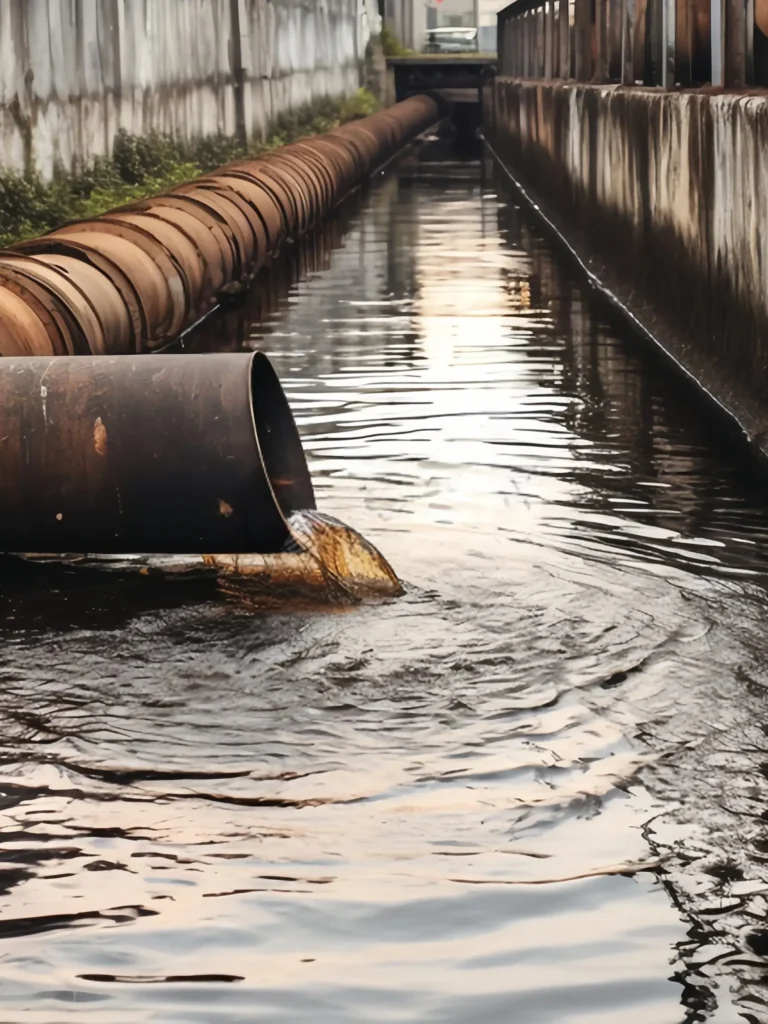
- Environmental protection field: online monitoring of biochemical and sedimentaEnvironmental protection field: online monitoring of sewage treatment, full process control of chromium removal in the electroplating industry, tolerance to slag containing sewage, corrosion and blockage of electroplating solution
- Chemical industry: production processes of chemical drugs, dyes, pigments, mining, pulp mills, starch, sugar materials, etc., suitable for high viscosity suspensions
- Special working conditions: pH measurement of viscous liquids such as proteins and emulsions to avoid rapid failure of ordinary electrodes
Usage and Maintenance Guide
To maximize the performance and extend the lifespan of GRT1120DW, it is important to pay attention to these practical points:
- Before measurement, clean the sensor with distilled water and absorb the moisture to ensure that the bulb and the liquid junction are submerged in the measured liquid at the same time, avoiding impurities from entering and affecting the data;
- Soak in 3.3Mol/L KCL solution when idle, and avoid long-term immersion in distilled water, protein solution, or acidic chloride solution. Keep away from organic silicon oils and fats;
- Clean and calibrate once a week, wash the glass film sediment with dilute hydrochloric acid, and prohibit scratching the sensitive film with a hard brush;
- Strictly follow the HF concentration resistance specifications to avoid sensor damage caused by over concentration and over temperature conditions.
Sensor diagram illustration
- After opening the packaging, check whether there is mechanical damage to the sensitive bulb and electrode body of the electrode;
- Remove the sensor protective cover and check if there are any bubbles in the sensitive bulb of the electrode. If so, gently shake the sensor in a vertical plane to remove the bubbles;
- Select the corresponding sensor sleeve or cable head for installation according to different electrodes;
- The connection between the sensor wire and the sensor is not waterproof, please make sure to do a good job of waterproofing.
Wire stripping instructions
Attention
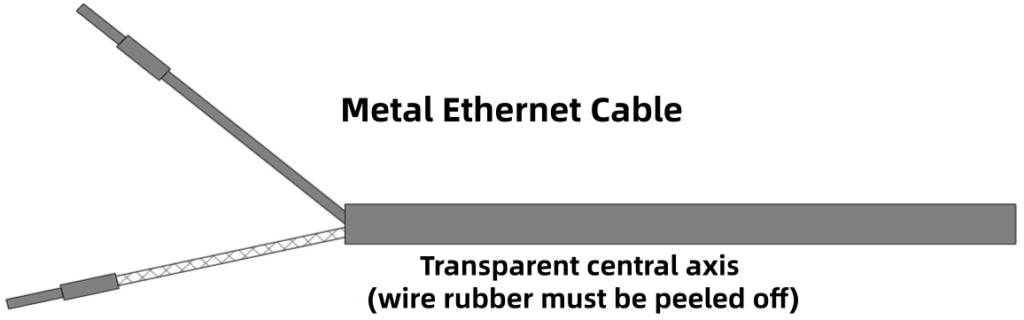
- The outer layer of the transparent central axis is covered with a conductive rubber layer and a metal mesh layer. When stripping, first strip the metal mesh layer into the metal mesh as shown in the picture, and be sure to removal of conductive black skin on the transparent central axis;
- The cable extends to the host without any contact points except for a dedicated junction box.
Technical Support
5 Best carbon monoxide detector for garage
10 Best carbon monoxide monitor for industrial use 2025
7+ Best Recommended Carbon Monoxide Detector for Industrial Use
What Is pH in Water? A Complete Guide to Understanding (2026)
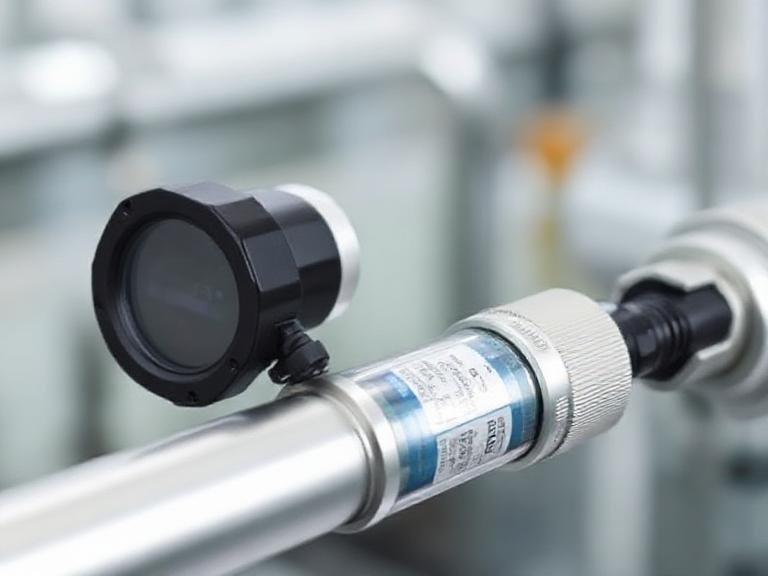
6 Types of Industrial Oxygen Sensors
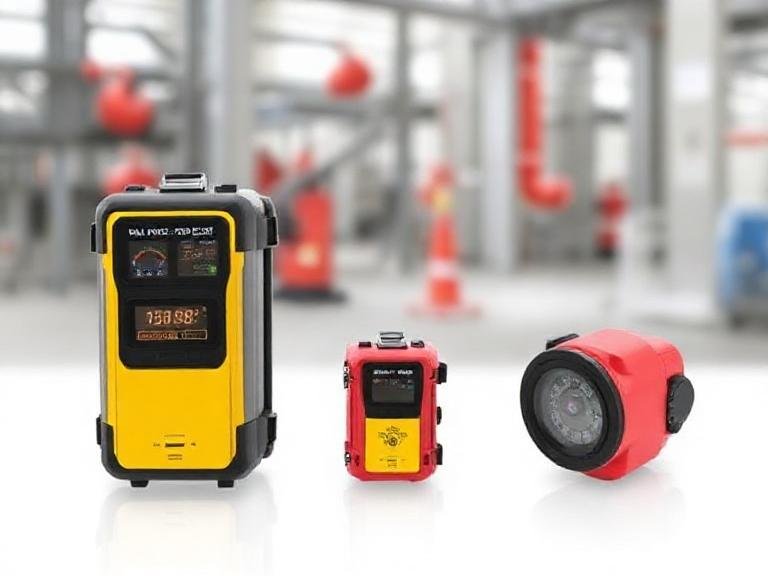
6 Best Industrial Gas Detector Manufacturers in the World
Whether replacing frequently clogged old electrodes or adapting complex media monitoring to new production lines, the GRT1120D pH electrode can help you reduce operation and maintenance costs and stabilize production data with its core advantages of “anti clogging durability, maintenance free, and high compatibility”. By consulting now, you can obtain exclusive selection solutions and unlock the efficient experience of “one-time selection, long-term worry free” for industrial pH monitoring, solving monitoring problems in complex working conditions!
Request a Quote