.png)
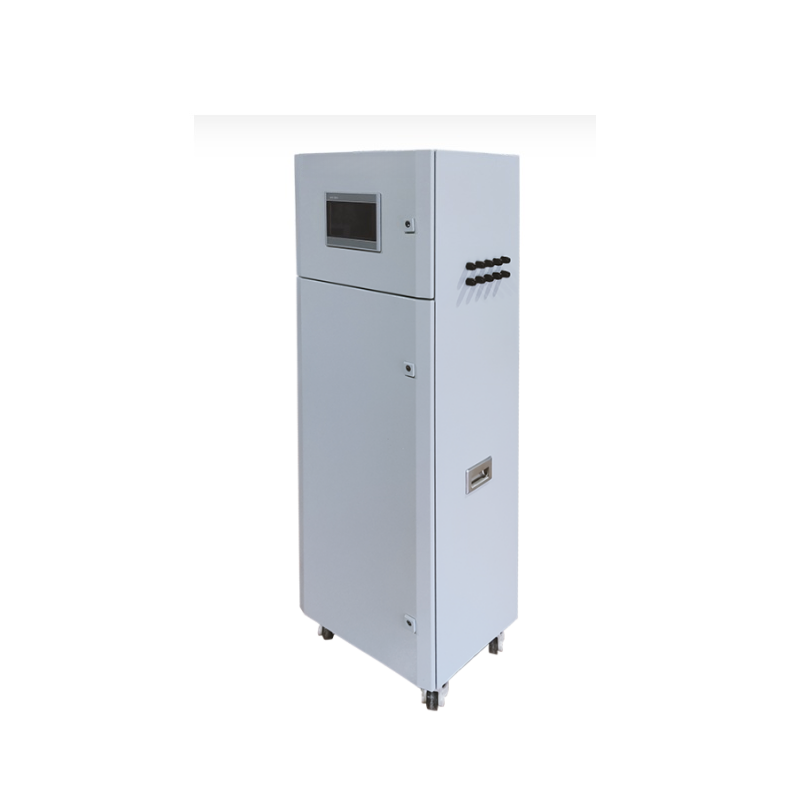
The highly integrated KS-500 cabinet-style multi parameter analyzer monitors temperature, turbidity, pH, ORP, and residual chlorine online. It shows over ten indicators on a 7-inch touch screen, including conductivity and dissolved oxygen. Data collection, automated dosage, remote transmission, and water sample monitoring are incorporated. Eight relay-connected dosing pumps are IoT-connected and automated. It monitors online water quality in water supply, swimming pools, sewage treatment, and aquaculture and is straightforward to install and manage.
★★★★★
Multi Parameter Analyzer Features
Specifications
| Category | Specification |
|---|---|
| Measuring Parameters | Standard: pH, ORP, Free Chlorine, Turbidity, TemperatureExpandable: Conductivity, TDS, Dissolved Oxygen, Ammonia Nitrogen, Suspended Solids, Sludge Concentration, etc. |
| Measuring Range | pH: 0.01~14.00pHORP: -1999~+1999mVFree Chlorine: 0~10mg/LTurbidity: 0~100NTUTemperature: 0.1~100℃Conductivity (Expandable): 0.01μS/cm~30.00mS/cmDissolved Oxygen (Expandable): 0.01~20mg/L |
| Measuring Principle | pH/ORP: Glass Electrode Method / Dual Platinum RingFree Chlorine: Constant Voltage MethodTurbidity: 90° Scattered Light MethodTemperature: PT1000 |
| Display Interface | 7-inch TFT touch screen, 800×480 resolution, Chinese/English menu |
| Power Supply | Standard: AC220V 50/60Hz, Optional: DC24V, Max power 30W |
| Protection Grade | IP54/IP65, Indoor vertical/wall-mounted installation |
| Overall Dimension | 1400×500×400/405mm (H×W×D), Weight ≤45kg |
| Waterway Interface | Optional: G3/4 socket, G1/2 internal thread, φ10mm air pipe jointWith water inlet, water outlet and overflow drain |
| Output Function | 8 groups of normally open active relays (AC220V, ≤300W), directly connectable to dosing pumps |
| Communication Mode | Standard: RS485 (Modbus RTU/TCP), support RS232/EthernetOptional: 4G/WIFI/GPRS wireless module |
| Data Storage | Store 60 days of historical data, support USB export and historical curve viewing |
| Environmental Requirements | Temperature: 0~50℃, Relative humidity: 10~90%RHAvoid strong electromagnetic field/corrosive gas |
Featured Applications
- Sewage treatment: monitoring the treatment process and effluent quality of municipal and industrial wastewater to ensure compliance with discharge standards;
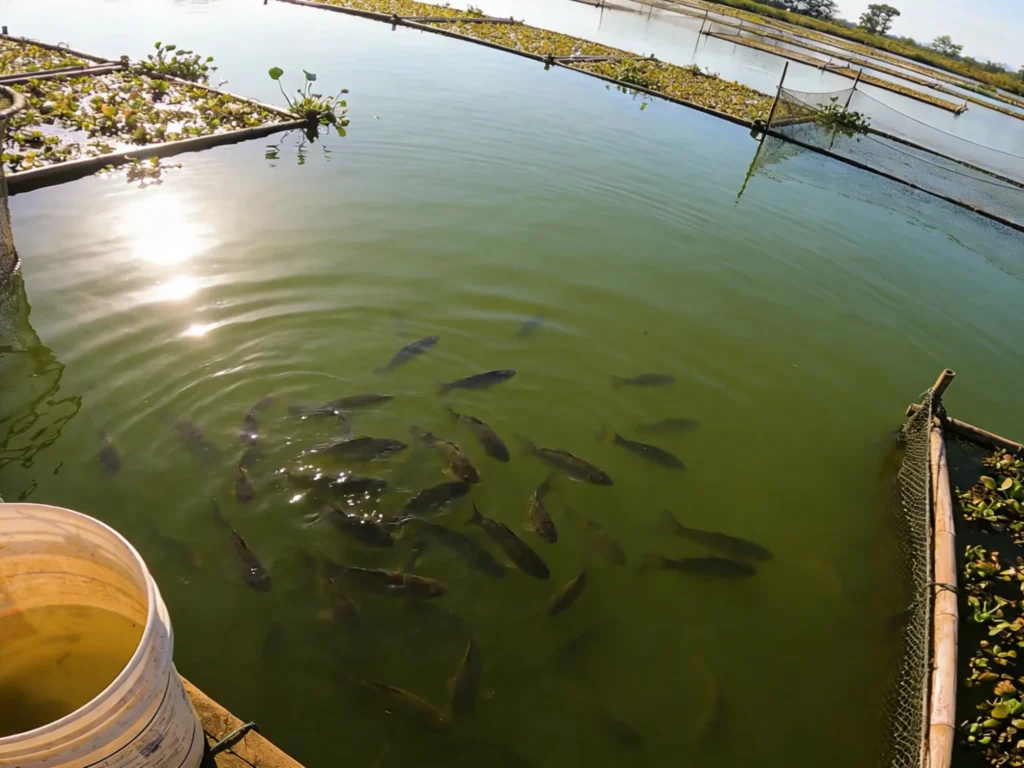
- Aquaculture: Monitoring indicators such as pH, dissolved oxygen, ammonia nitrogen, and water temperature in fish ponds and aquaculture bases to accurately regulate water quality;
- Industrial water: Industrial cooling water, circulating water, and pure water system water quality monitoring to prevent water deterioration and equipment damage;
- Other scenarios: Daily online monitoring of various water bodies such as landscape water, school/hospital water supply, and small water plants.
Daily maintenance and precautions
Installation specifications
- Installation should take place indoors in a dry place away from dangerous gases, severe electromagnetic interference, and sunlight. The ambient temperature is between 0 and 50 °C, while the humidity is between 10 and 90%.
- Installing cabinets vertically or on the wall and fastening them to a solid wall ensures a strong, stable body with room for upkeep and use.
- A ground fault circuit breaker should be installed, the power supply should be appropriately grounded, the power line and signal line should be configured separately, and the power supply wire should be either AC220V or DC24V, depending on your option.
- Debugging and installation: After making sure the device is turned on and that the parameters are shown correctly, finish each parameter’s first calibration.
Key points of daily maintenance
Regular cleaning
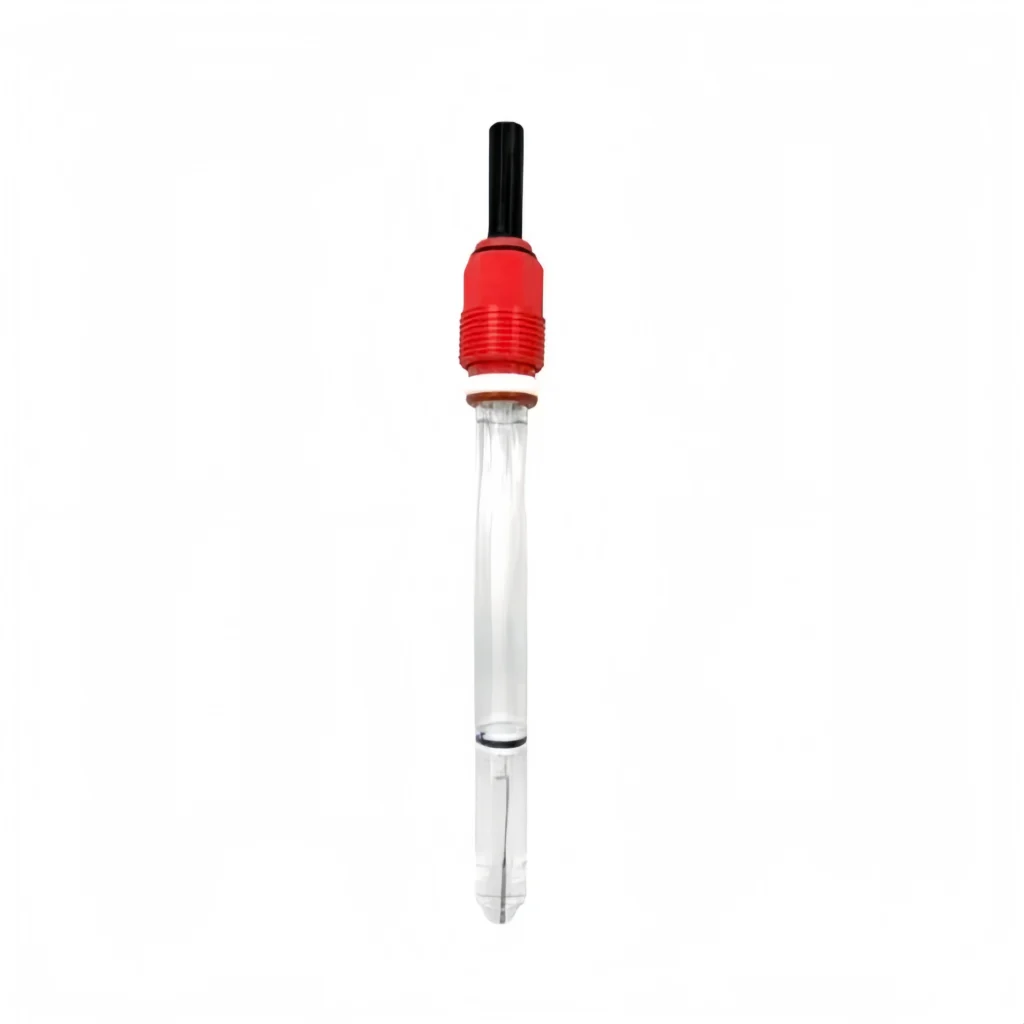
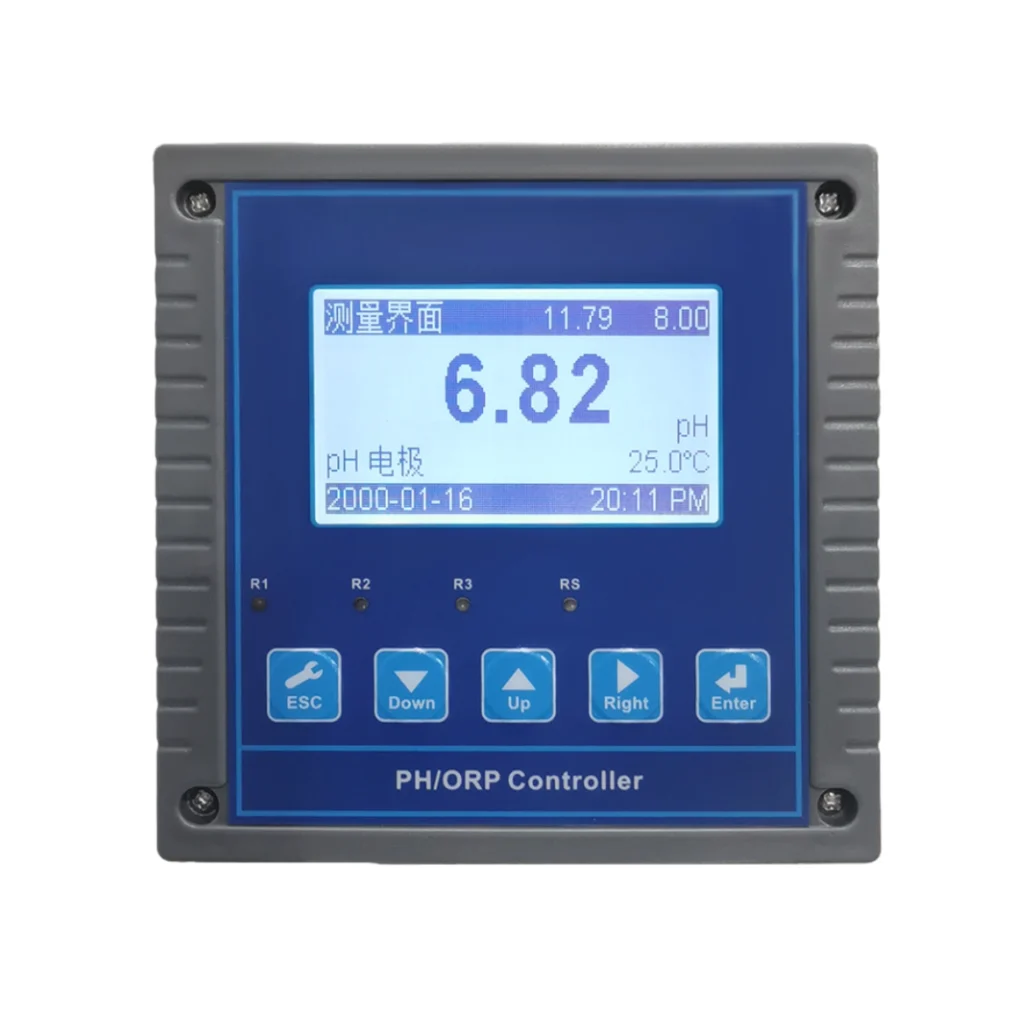
- PH/ORP electrode: Wash lightly with 5% dilute hydrochloric acid for contamination, soak in 3.3Mol/L potassium chloride solution when idle, and avoid dry storage;
- Residual chlorine electrode: lightly rinse the membrane head to prevent scratching, regularly check and replenish electrolyte, and replace in a timely manner if contaminated/dried up;
- Turbidity sensor: Rinse the probe and circulation pool with clean water every 6 months, and increase the frequency if the water quality is poor.
Periodic calibration
- Support on-site/two-point/three-point calibration, with calibration every 15-30 days for regular working conditions and every 30-60 days for stable water quality scenarios;
- When the equipment is shut down, restarted, sensors are replaced, or data drifts, immediately recalibrate and record.
Routine inspection
- Daily check of stable parameter display, no fault alarms, and normal status of electrodes/sensors;
- Check that there is no water leakage in the waterway, the flow is stable, and the wiring terminals are not loose, oxidized, or damp;
- Regularly test the relay linkage, data storage/export/remote transmission functions to ensure they are functioning properly.
Technical Support
Top 6 Industrial Gas Analyzers Manufacturers 2025
6 Best Industrial Gas Detector Manufacturers in the World
9 Best Portable Carbon Dioxide Detector 2025 – Complete Buying Guide
Top 7 portable combustion analyzer Tested
The multi-parameter KS-500 cabinet-style water quality monitor may send, receive, and detect signals. It is easy to use, can be expanded, and can be controlled from a distance, so many enterprises that keep an eye on water quality can use it. We provide smart technologies for controlling water quality and professional water safety. We can do this because we can accurately find things, build functions that can be changed, and know how to operate and maintain them.
Request a Quote