.png)
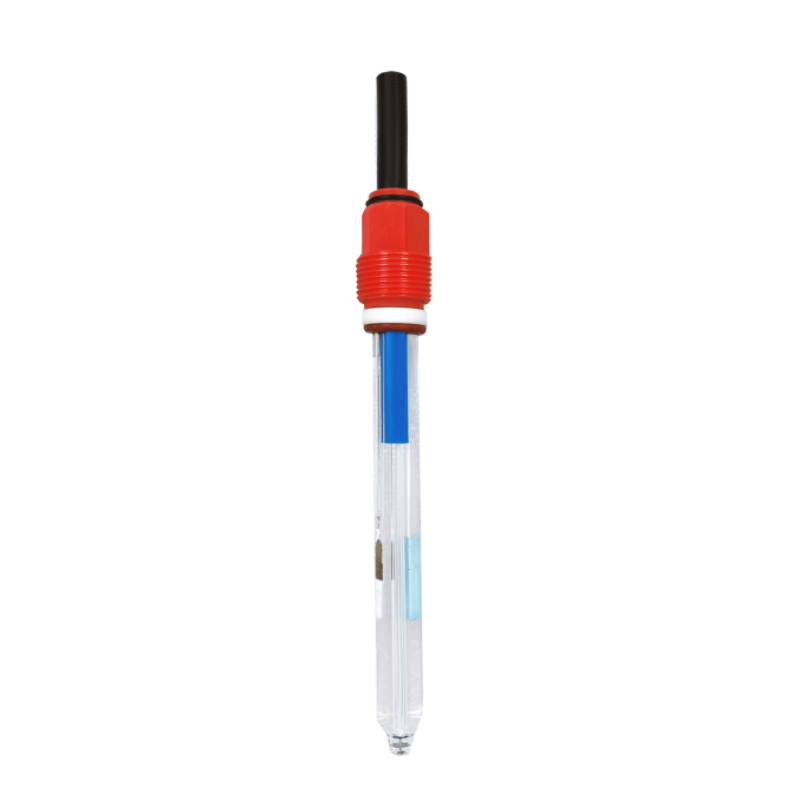
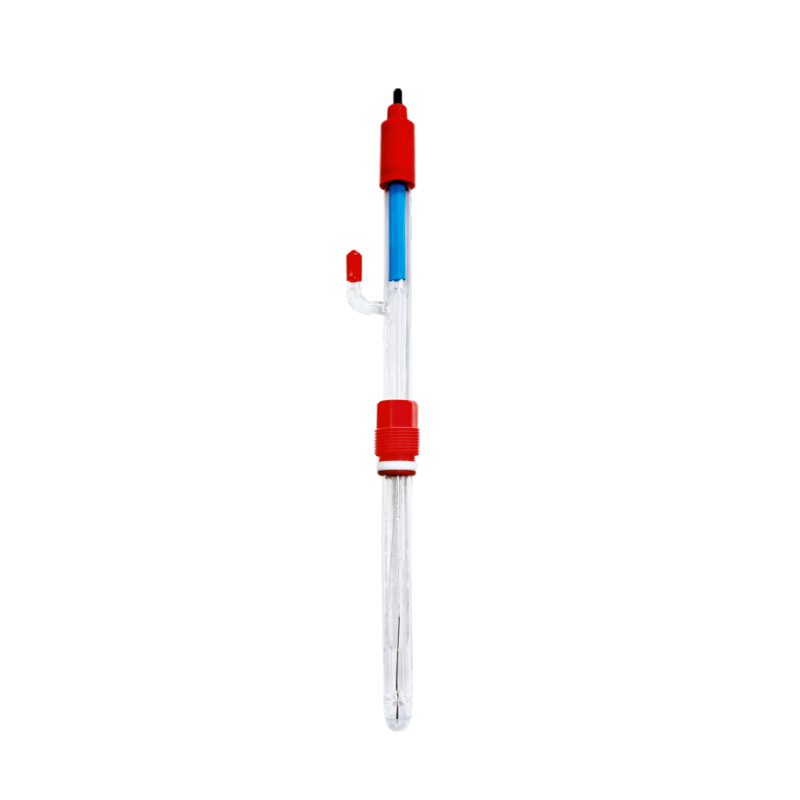
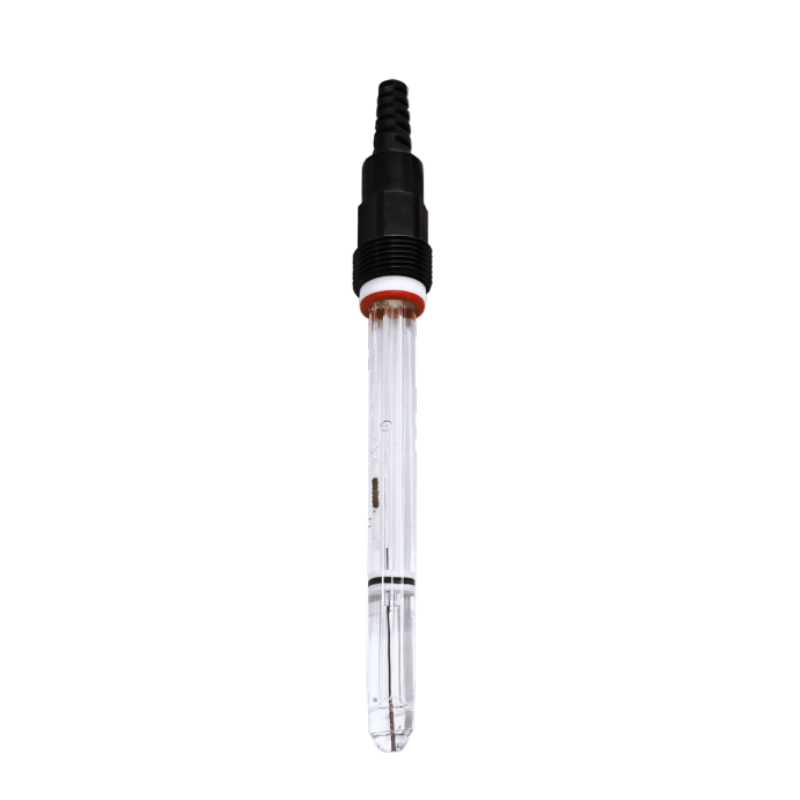
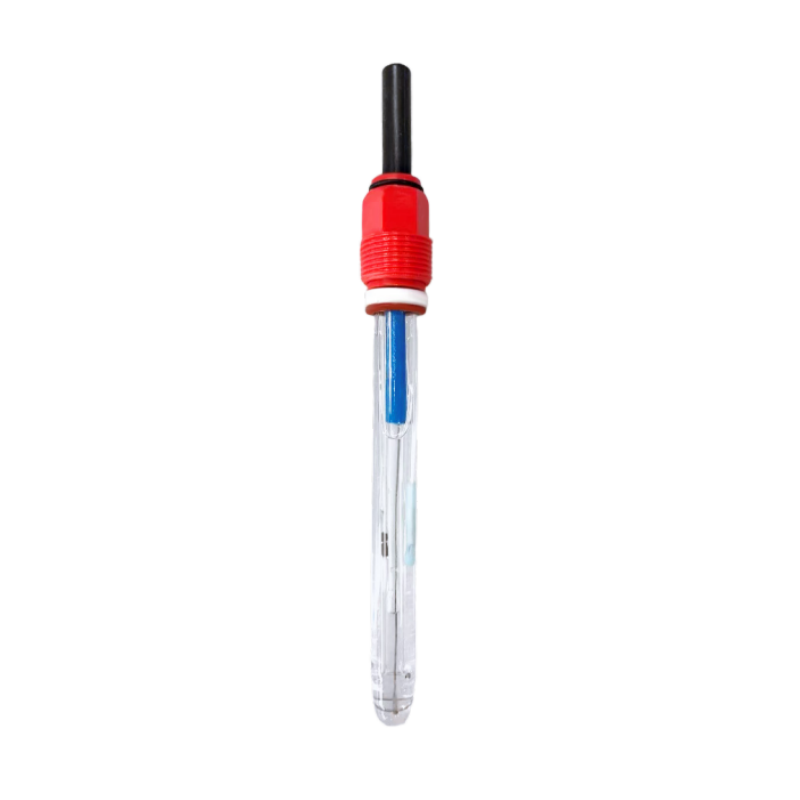
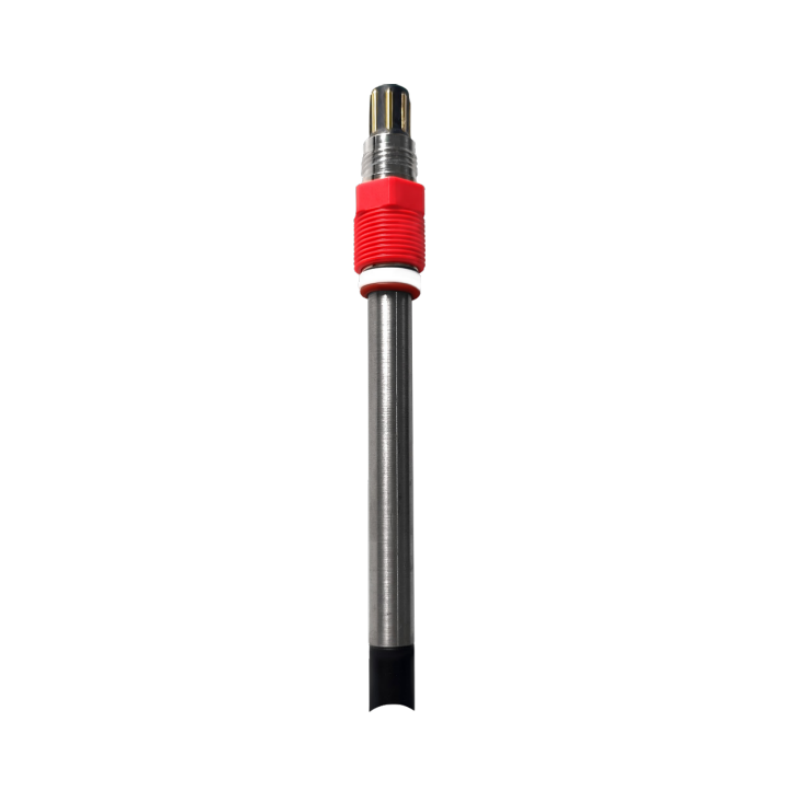
The GRT1120PW ORP sensor is a handy technique to evaluate the oxidation-reduction potential (ORP) when you make circuit boards or clean up garbage that contains chromium in it. It contains a platinum signaling electrode and a silver-silver chloride reference electrode that work together to give you readings that are accurate and stable between 0 and 60 degrees Celsius. It is easy to install with standard PG13.5 threads and works with protective sleeves. It works well all the time and can handle the severe circumstances of industrial wastewater without needing to be set up in a sophisticated fashion.
★★★★★
Features
Specifications
| Parameter | Value |
|---|---|
| ORP Range | -1999—1999mv |
| Temperature Range | 0-60℃ |
| Pressure Range | 0-0.3 M Pa |
| Electric potential | 245-270mv |
| Stability | ±8mv/24h |
Core product advantages
Built to Last:
It’s best for making circuit boards and cleaning up trash that has chromium in it. It correctly looks at changes in redox potential, which helps remove toxins and keep the process under control.
The stability of two electrodes:
The platinum indicator and silver-silver chloride reference sensor make sure that readings are fast and correct. The stability is within ±8mV/24h. This stops info from moving around too much.
Easy to install and compatible with other things:
Most industrial pipes and protected sleeves can fit a standard PG13.5 thread. This means you can swap out old electrodes without having to switch out any of your other tools.
Design that is low-maintenance:
It is easy to clean up common pollutants, such as oil and solid organics, so there is less downtime. You don’t need to do as much difficult upkeep or refill your electrolytes as often.
Wide Measurement Range:
It can measure ORP levels from −1999 to 1999 mV, so it can work in a lot of different redox situations when cleaning wastewater.
Accurately adapting to the scene
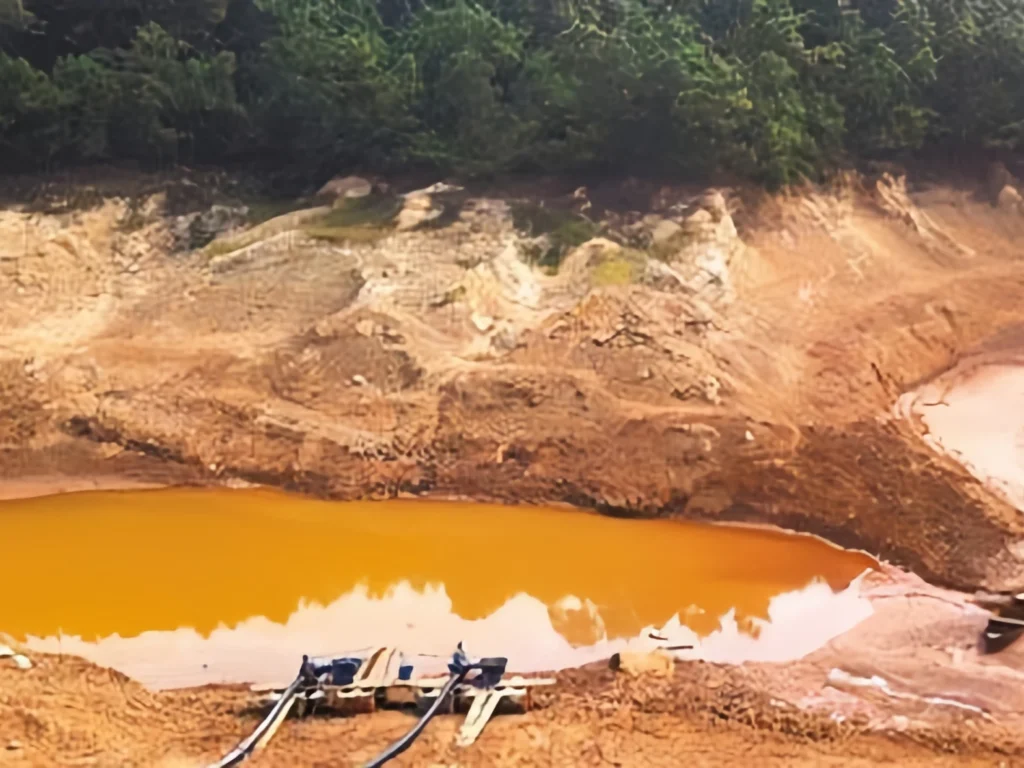
Circuit Board Manufacturing: Monitors redox potential in etching, rinsing, and wastewater treatment processes, ensuring process stability and compliance with environmental standards.
Chromium-Containing Wastewater Treatment: Essential for hexavalent chromium reduction monitoring (e.g., Cr⁶⁺ to Cr³⁺), helping verify treatment effectiveness and meet discharge requirements.
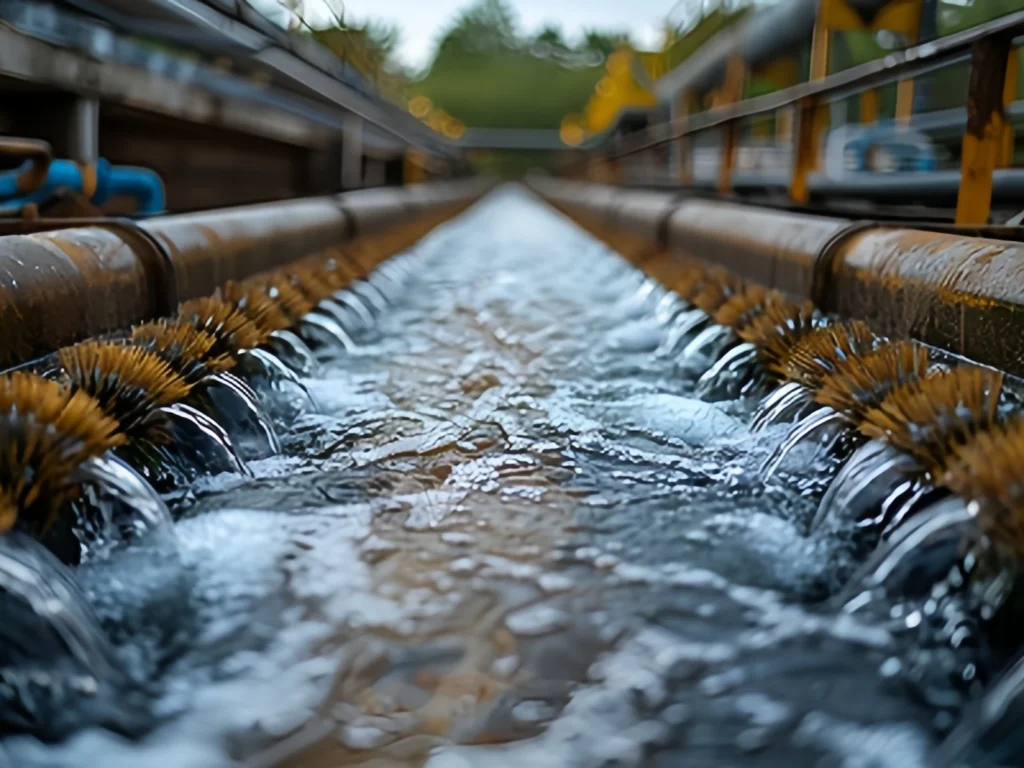
Industrial Wastewater Treatment: Suitable for redox-controlled processes in electroplating, electronics, and chemical industries, where accurate ORP data drives treatment efficiency.
Usage and Maintenance Guide
- Before you take a measurement, make sure the reference joint and platinum sensing area are both fully underwater in the sample. Use a clean cloth to wipe the silver surface to get rid of any dirt that isn’t stuck.
- Cleaning Instructions:
- Gently wipe the silver piece with a cloth soaked in alcohol or acetone to get rid of oil stains.
- If you have biological materials that won’t dissolve, clean them with 30–50% hydrochloric acid and then rinse them with distilled water.
- Only use soft things! Platinum surfaces can be scratched very easily.
- Notes for Calibration:
- Use a newly made pH 4.00 quinhydrone-saturated buffer solution. It can only be used for two days.
- To keep things correct, you should calibrate them often (every 2 to 4 weeks for wastewater cases).
- Electrodes should be washed with pure water and stored in a clean, dry place when not in use. Don’t soak it in pure water or other corrosive liquids for a long time.
- Water Protection: The part where the sensor wire connects to the body can’t get wet. Wrap it with waterproof tape or use a waterproof junction box to keep wetness out.
Sensor diagram illustration

- After opening the packaging, check whether there is mechanical damage to the sensitive bulb and sensor body of the electrode;
- Remove the sensor protective cover and check if there are any bubbles in the sensitive bulb of the electrode. If so, gently shake the sensor in a vertical plane to remove the bubbles;
- Select the corresponding sensor sleeve or cable head for installation according to different sensors;
- The connection between the sensor wire and the sensor is not waterproof, please make sure to do a good job of waterproofing.
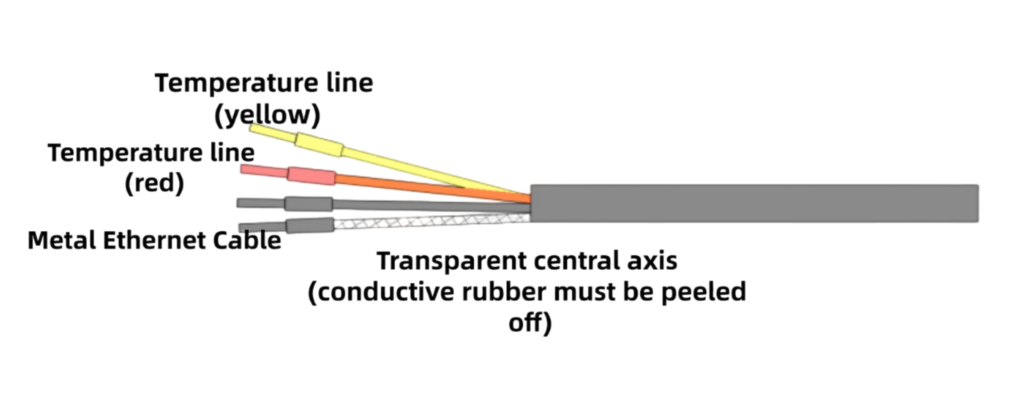
Wire stripping instructions
Attention
- The outer layer of the transparent central axis is covered with a conductive rubber layer and a metal mesh layer. When stripping, first strip the metal mesh layer into the metal mesh as shown in the picture, and be sure to removal of conductive black skin on the transparent central axis;
- The cable extends to the host without any contact points except for a dedicated junction box.
Technical Support
5 Best carbon monoxide detector for garage
10 Best carbon monoxide monitor for industrial use 2025
7+ Best Recommended Carbon Monoxide Detector for Industrial Use
What Is pH in Water? A Complete Guide to Understanding (2026)
6 Types of Industrial Oxygen Sensors
6 Best Industrial Gas Detector Manufacturers in the World
The GRT1120PW ORP electrode is the ideal way to keep an eye on ORP levels in circuit board making and wastewater treatment with chromium pollution. It’s easy to use, sturdy, and lasts a long time. This is why it is the best electrode for these tests. It was made just for factory wastewater, taking into account things like how easy it is to set up and how well it resists pollutants. This will help you stay in compliance, make things operate more smoothly, and save a lot of money.
Request a Quote