.png)
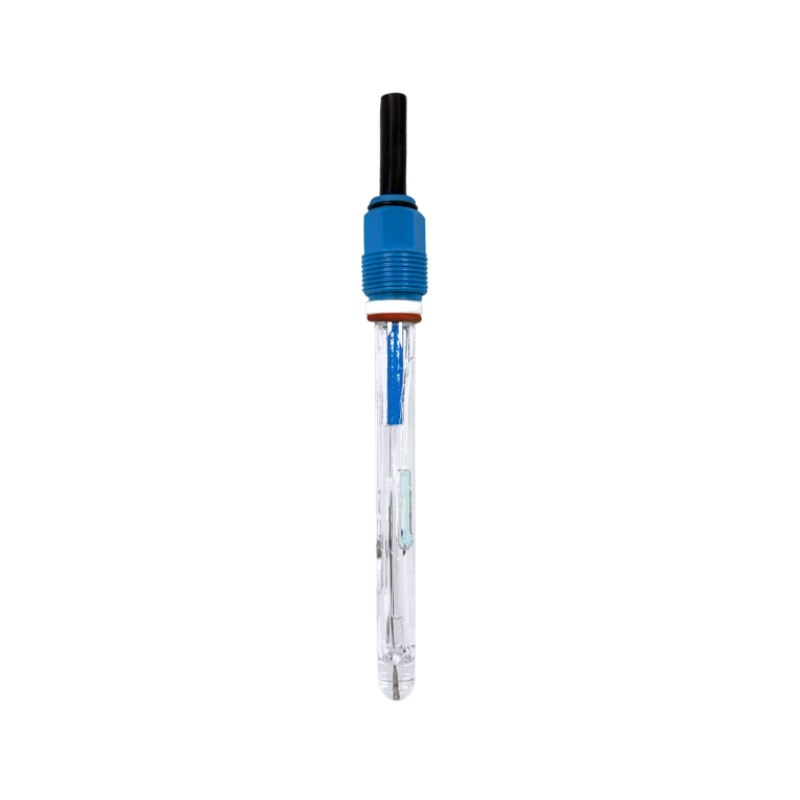
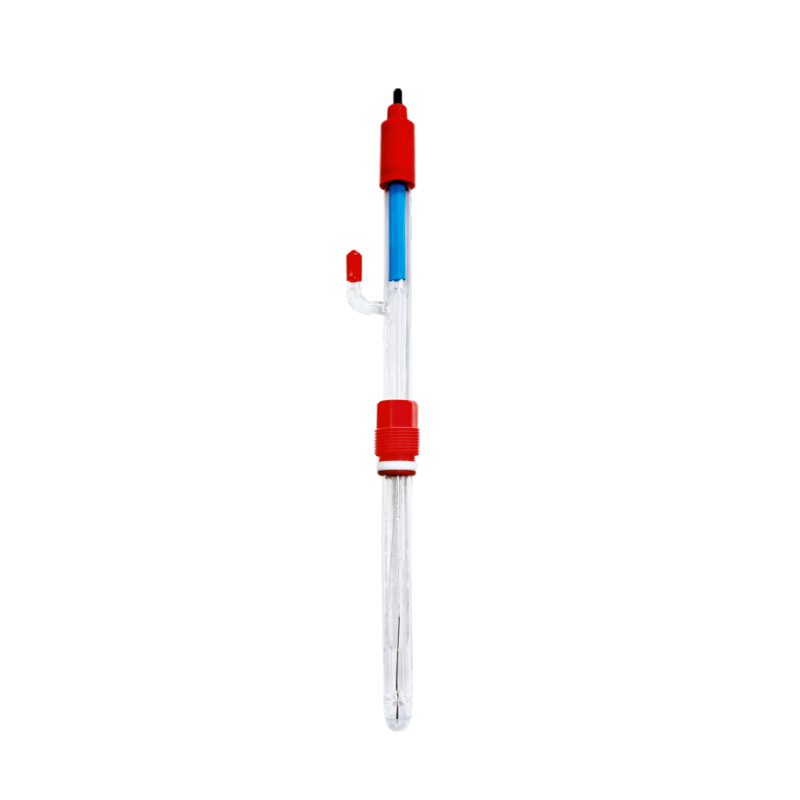
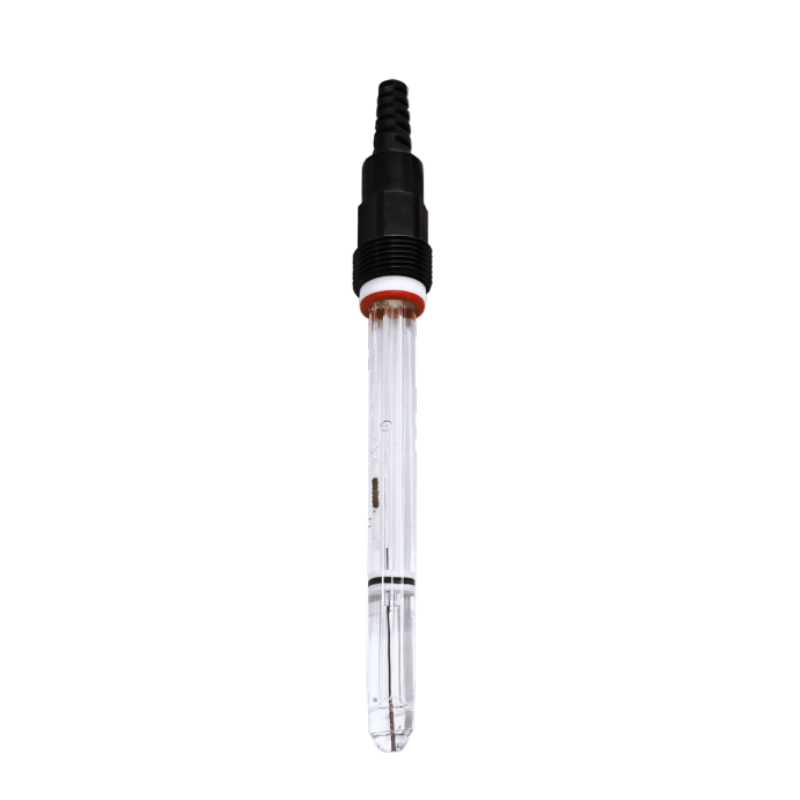
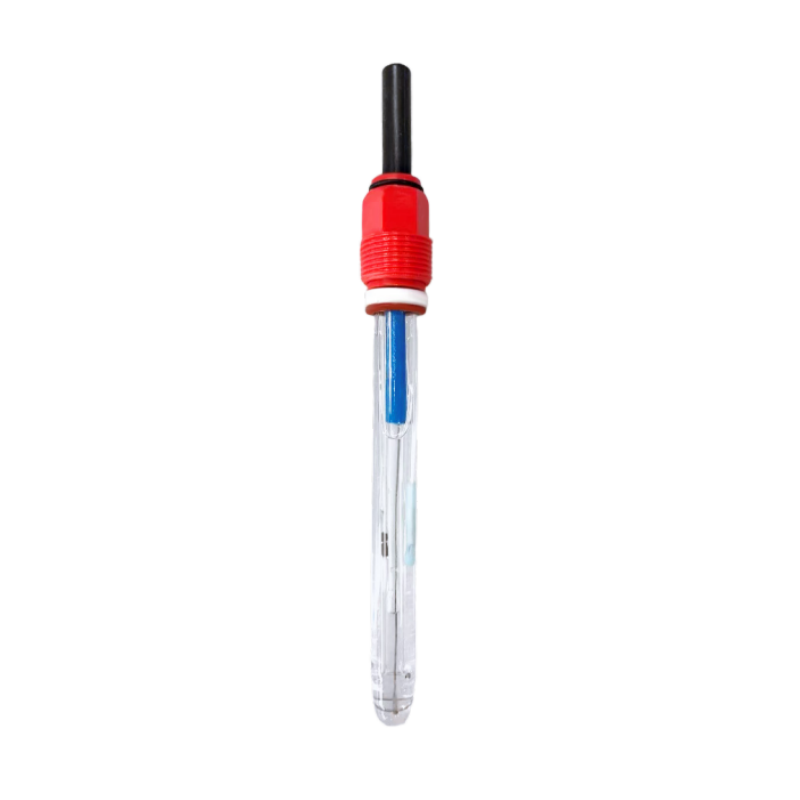
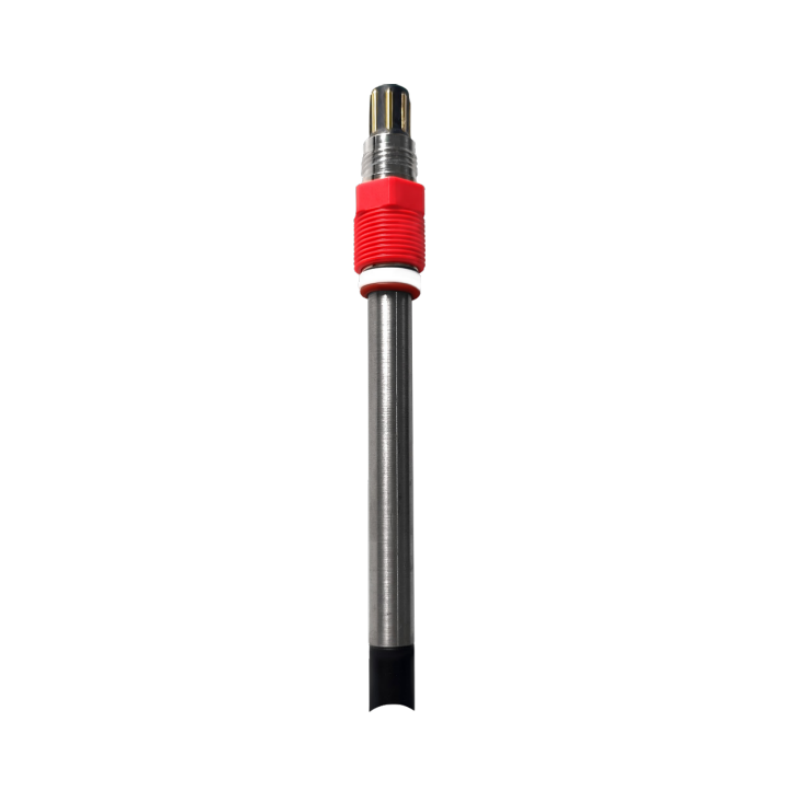
The GRT1180 pH electrode is made for businesses in the biotechnology, pharmaceutical, and food and drink industries that have specific needs. It has a ceramic core with two points and a robust dielectric that can handle high temperatures. It can handle a lot of voltage (0.6MPa), doesn’t need any maintenance, and works well with a lot of other items. It works well in industries where there is a lot of pressure and heat, and it helps businesses that need to be very clean and have a lot of demand by always and correctly testing the pH level.
★★★★★
Features
Specifications
| Parameter | Value |
|---|---|
| pH Range | 0-14 |
| Temperature Range | 0-130℃ |
| Pressure Range | 0-0.6M Pa |
| Zero potential | 7±0.5 |
| Theoretical percentage slope | ≥ 95% |
Core product advantages
High Pressure Resistance:
When there is no back pressure, the pressure resistance can go up to 0.6 MPa. This is suitable for use in high-pressure reaction tanks and for keeping track of processes that have to do with high-pressure sterilizing.
High temperature resistance and stability
Staying steady and resisting in high temperatures It was designed to be a strong dielectric that can handle high temperatures. It can be utilized in places where food and drugs are made, and it won’t lose its performance at high temperatures.
No worries and no upkeep:
You don’t have to add dielectric; simply clean and calibrate it once a week. This cuts down on the quantity of work that needs to be done a lot.
High and easy to change:
The PG13.5 standard thread works with foreign electrodes and lets you utilize a stainless steel/PP sheath, which makes it suitable in many scenarios.
Multi-specification adaptation:
from 120 to 300 mm in steps of 30 mm, so that diverse installation levels and process needs can be fulfilled.
Accurately adapting to the scene
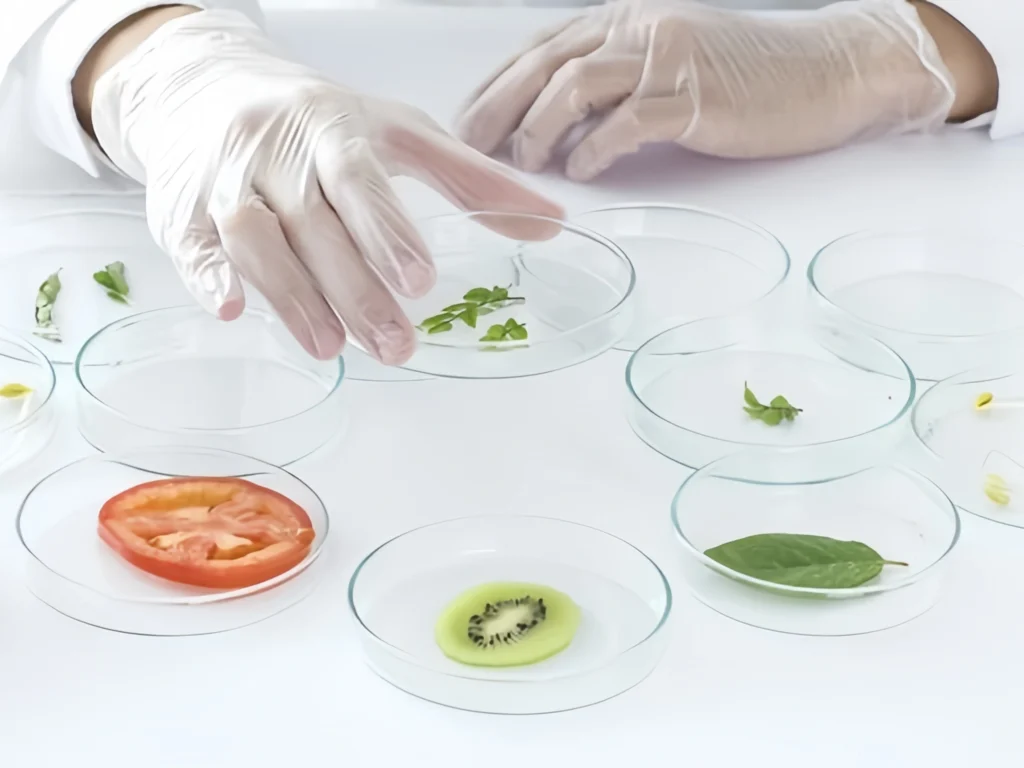
Bioengineering: research and production of amino acids, blood products, genetic engineering, insulin, interferon, etc., adapted to high-pressure reactions and high-temperature cultivation processes;
Pharmaceutical industry: production of antibiotics, vitamins, and citric acid to meet pH monitoring requirements in high-pressure reaction tanks and high-temperature purification processes;
Beer brewing: the entire process of saccharification, boiling, fermentation, filling, etc., can withstand high temperatures in the boiling stage and fermentation tank pressure;
Food and beverage: MSG, soy sauce, dairy products, fruit juice, drinking water production, suitable for high-temperature sterilization, high-pressure homogenization and other processes.

Usage and Maintenance Guide
- Before measurement, clean the sensor with distilled water and absorb the moisture to ensure that the bulb and the liquid junction are submerged in the measured liquid at the same time, avoiding impurities from entering and affecting the data;
- Soak in 3.3Mol/L KCL solution when idle, and avoid long-term immersion in distilled water, protein solution, or acidic chloride solution. Keep away from organic silicon oils and fats;
- Clean and calibrate once a week, wash the glass film sediment with dilute hydrochloric acid, and prohibit scratching the sensitive film with a hard brush;
- Strictly follow the HF concentration resistance specifications to avoid sensor damage caused by over concentration and over temperature conditions.
Sensor diagram illustration

- After opening the packaging, check whether there is mechanical damage to the sensitive bulb and electrode body of the electrode;
- Remove the sensor protective cover and check if there are any bubbles in the sensitive bulb of the electrode. If so, gently shake the sensor in a vertical plane to remove the bubbles;
- Select the corresponding sensor sleeve or cable head for installation according to different electrodes;
- The connection between the sensor wire and the sensor is not waterproof, please make sure to do a good job of waterproofing.
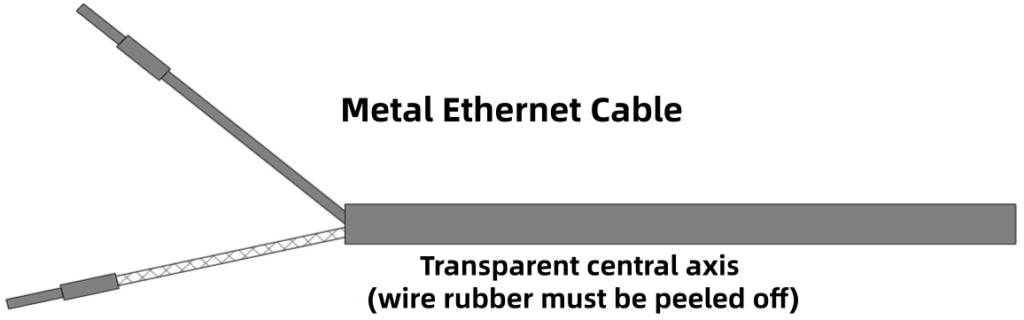
Wire stripping instructions
Attention
- The outer layer of the transparent central axis is covered with a conductive rubber layer and a metal mesh layer. When stripping, first strip the metal mesh layer into the metal mesh as shown in the picture, and be sure to removal of conductive black skin on the transparent central axis;
- The cable extends to the host without any contact points except for a dedicated junction box.
Technical Support
5 Best carbon monoxide detector for garage
10 Best carbon monoxide monitor for industrial use 2025
7+ Best Recommended Carbon Monoxide Detector for Industrial Use
What Is pH in Water? A Complete Guide to Understanding (2026)
6 Types of Industrial Oxygen Sensors
6 Best Industrial Gas Detector Manufacturers in the World
Our GRT1180 pH electrode has the core advantages of “high voltage tolerance, high temperature resistance, and maintenance free”, accurately solving the pH monitoring pain points of high-pressure and high-temperature processes in the food, pharmaceutical, and biotechnology industries. Whether it is high-pressure reaction tanks, high-temperature sterilization processes, or monitoring of viscous media, it can stably output accurate data with its hardcore performance, safeguarding production compliance and product quality. If the standardized installation and maintenance process is followed carefully, the electrode service life can be maximized and the overall cost can be reduced.
Request a Quote