.png)
Residual chlorine,as a core monitoring indicator for water quality safety,directly affects the compliance and safety of drinking water,swimming pool water,sewage disinfection and other scenarios.We integrate three core products:online residual chlorine controller,online chlorine residued electrode,and portable residual chlorine meter,covering real-time online monitoring,mobile rapid detection,and electrode sensing adaptation to all scenarios.
From data acquisition,signal processing to on-site rapid inspection,we provide a one-stop chlorine residued monitoring solution of “electrode+controller+portable meter” to meet the precise chlorine control needs of different scenarios such as industrial,municipal,and civilian.
★★★★★
Product Preview
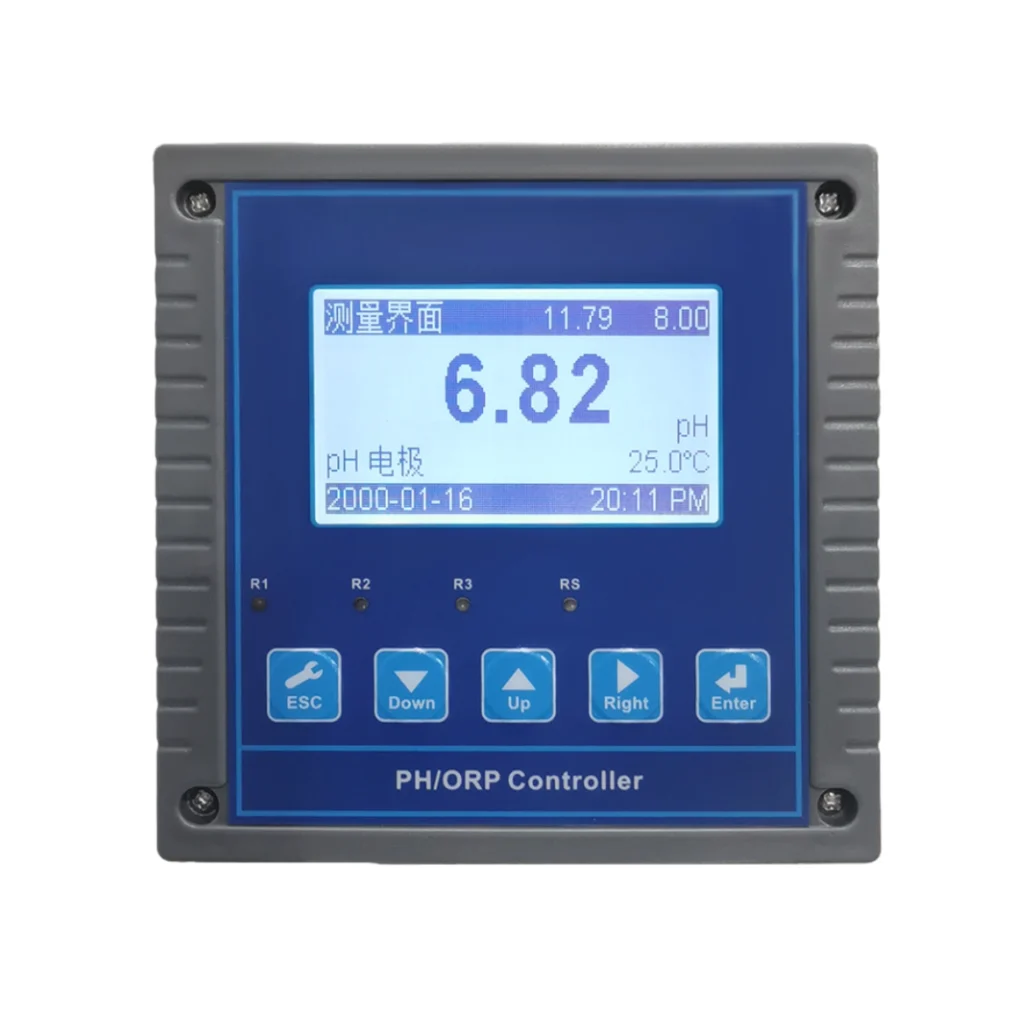
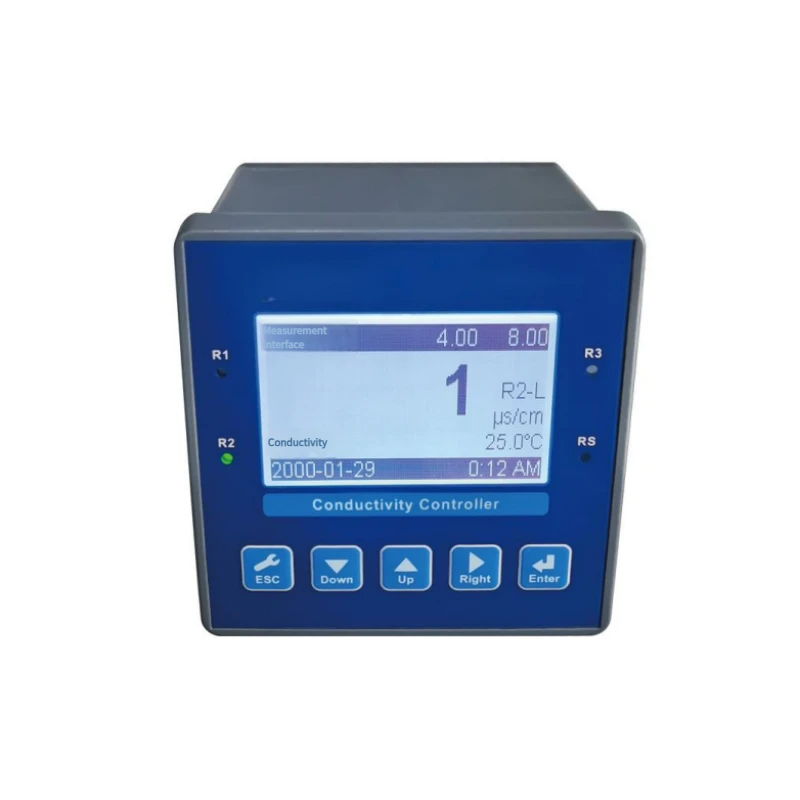
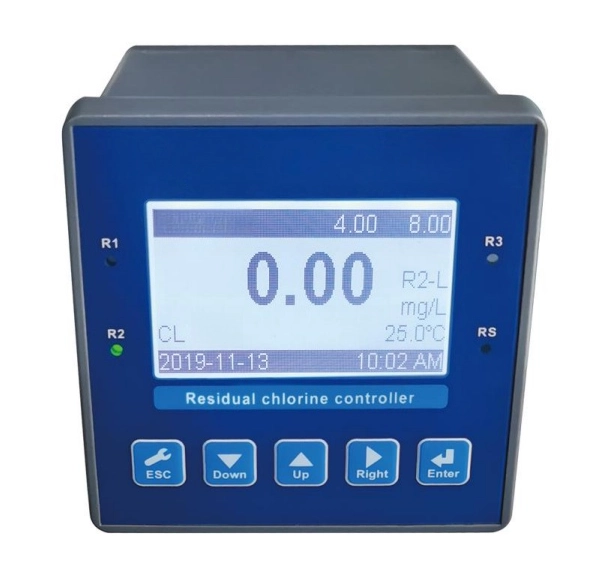
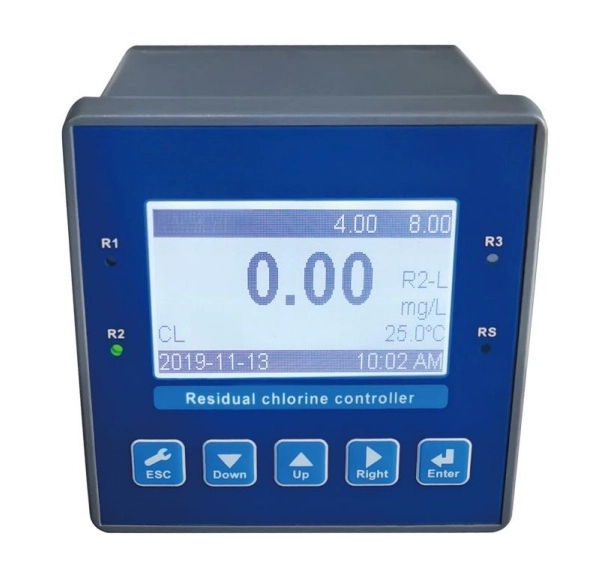
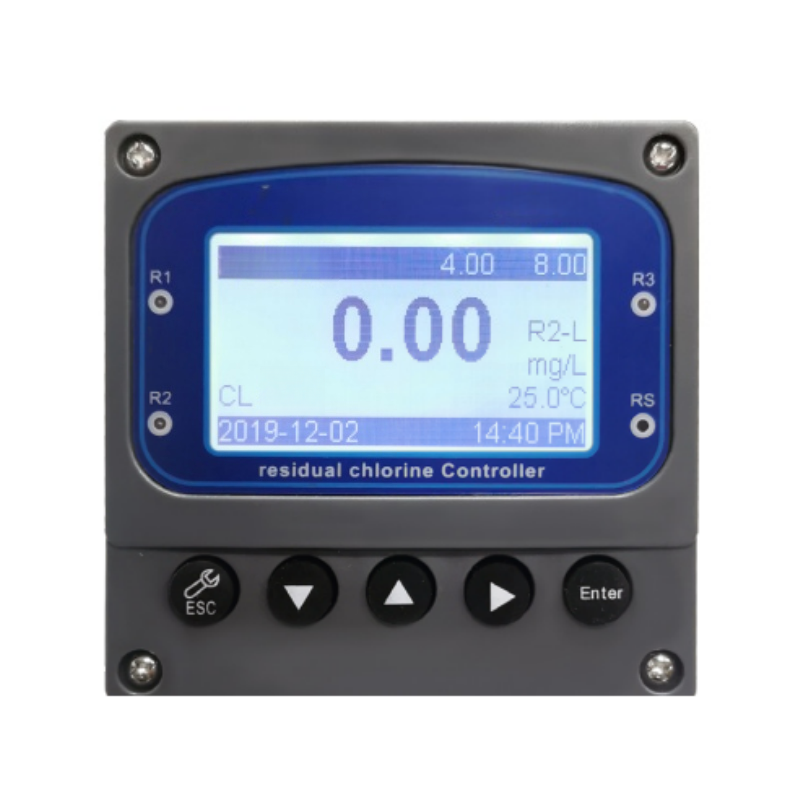
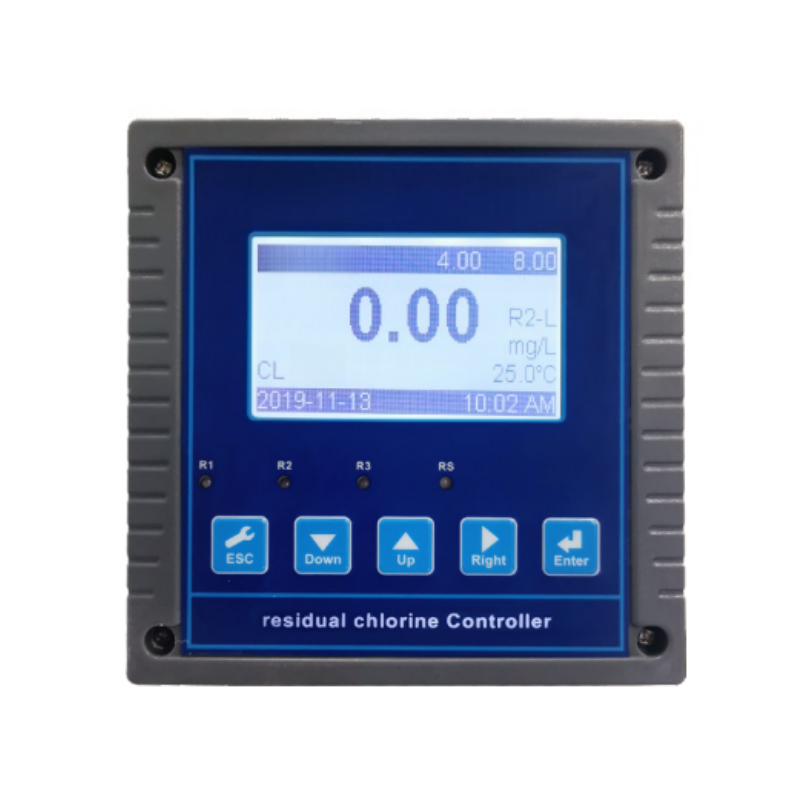
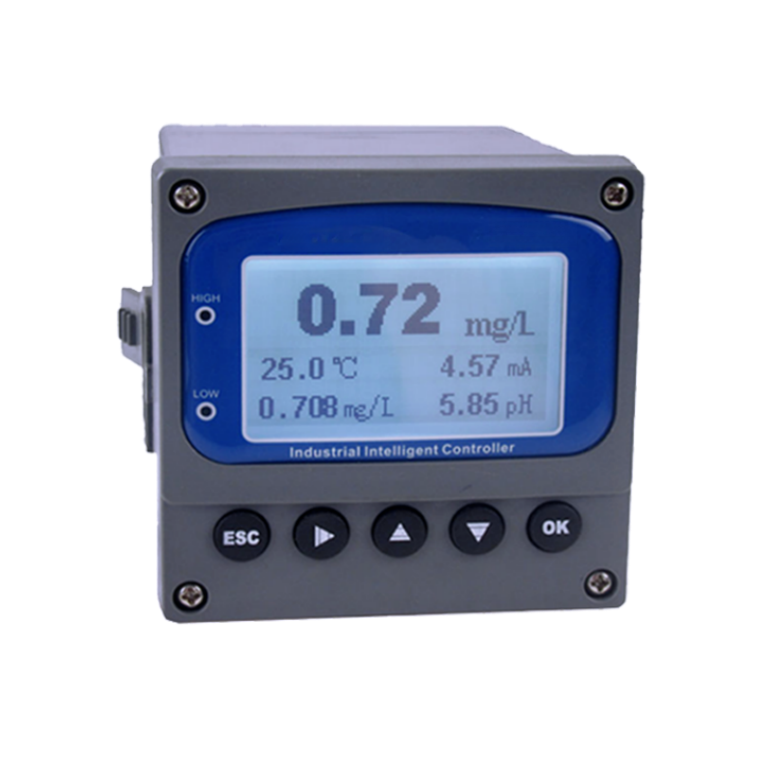
Online residual chlorine controller
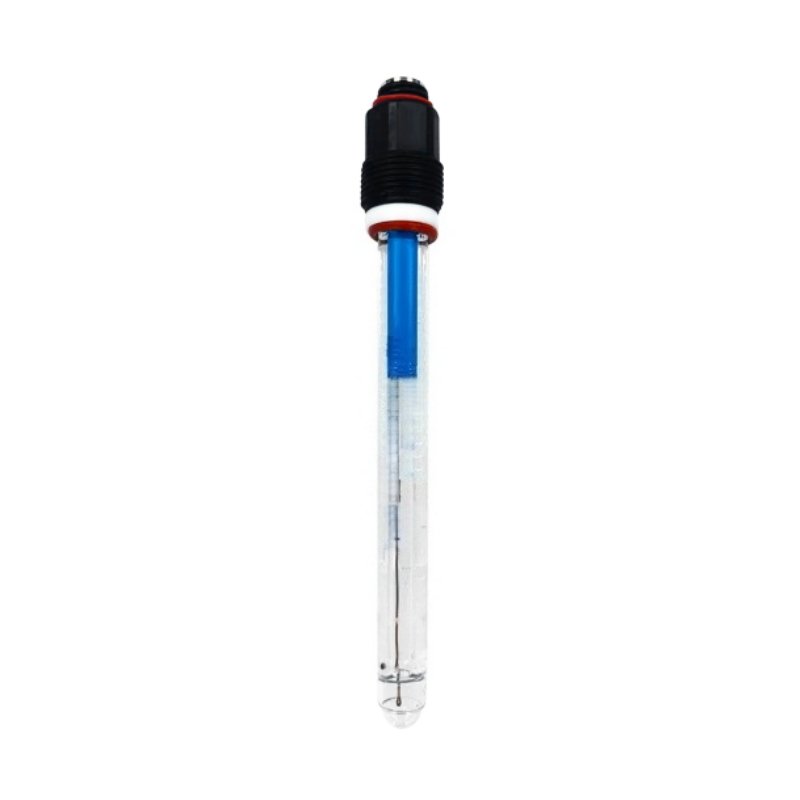
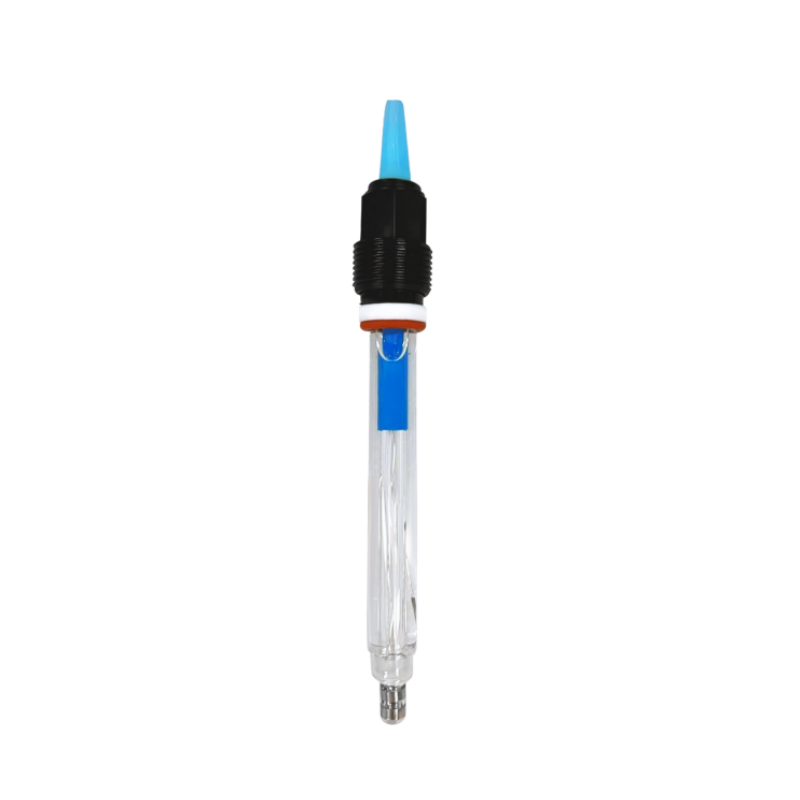
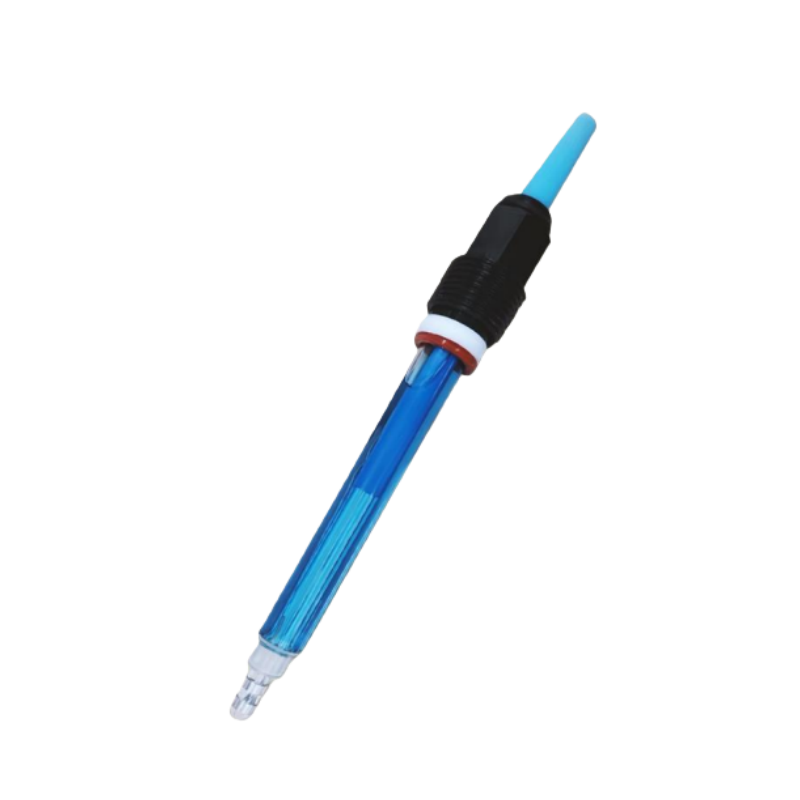
Online residual chlorine electrode
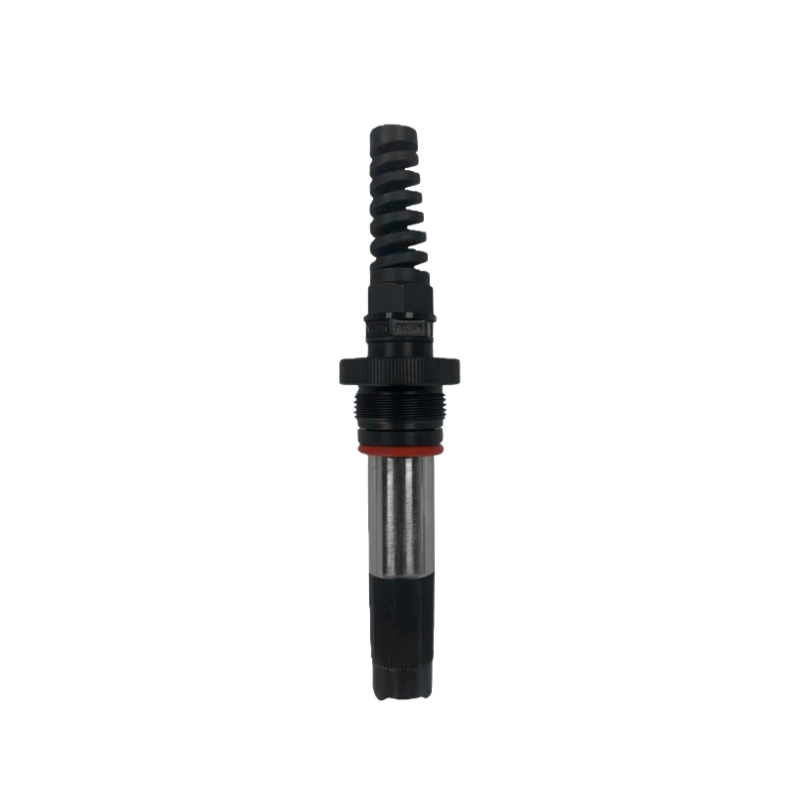
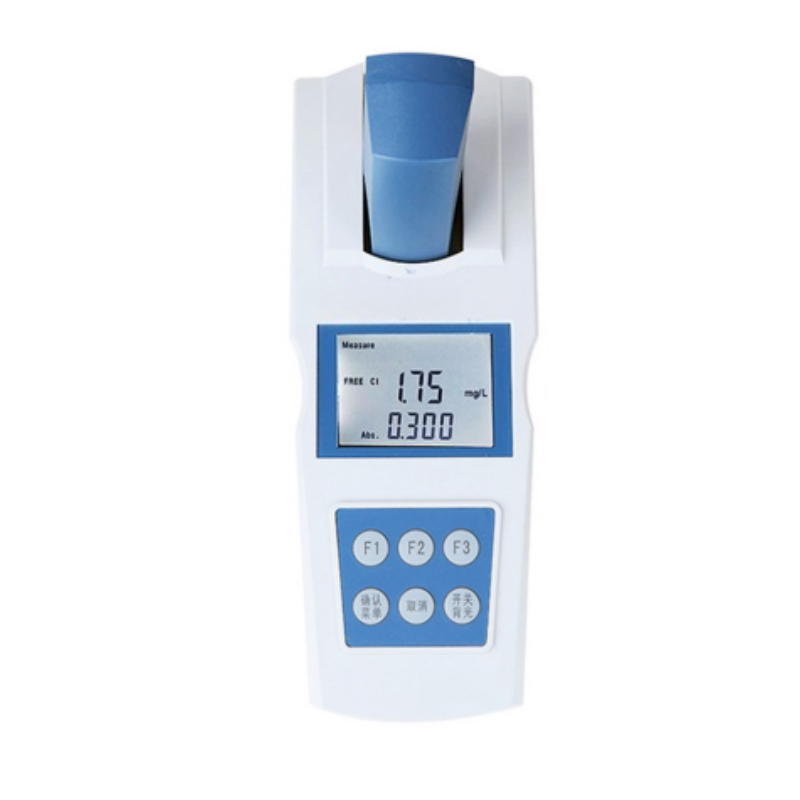
Portable residual chlorine meter
Core application scenarios
- Municipal water supply: Monitor chlorine residued in the water plant’s effluent, pipeline network, and secondary water supply to maintain drinking water safety.
- Swimming Pool/Water Park: Real time control of chlorine residued in circulating water, balancing disinfection effectiveness and human comfort.
- Wastewater treatment: chlorine residued detection in the effluent of the disinfection tank to ensure that the discharged water quality meets environmental standards.
- Medical/Catering: Hospital sewage and catering water residual chlorine sampling to meet hygiene compliance requirements.
- Industrial water: Monitoring of chlorine residued in cooling circulating water and electroplating wastewater to avoid corrosion of equipment or affecting processes.

Product matrix
Online residual chlorine controller
- Core positioning: Receive electrode signals to achieve real-time display, alarm, and remote transmission of chlorine residue data
- General functions: Adapt to mainstream online chlorine residued electrodes, support calibration function, and meet the installation needs of industrial sites
- Optional configurations: signal output (4-20mA/RS485), data storage, dosing linkage, fault reminder (depending on the model)
Online residual chlorine electrode
- Core positioning: Directly contact with water samples, convert chlorine residue concentration into electrical signals and transmit them to the controller
- General function: Used in conjunction with online controllers and supports temperature compensation (some models)
- Optional configurations: Anti pollution membrane, long-life design, membrane/electrolyte replaceable (depending on model)
Portable residual chlorine meter
- Core positioning: No installation required, quickly complete chlorine residue concentration detection on site
- General functions: One click power on, easy calibration, quick results output
- Optional configurations: multi parameter detection, data storage/export, rechargeable lithium battery (depending on model)
What is residual chlorine?
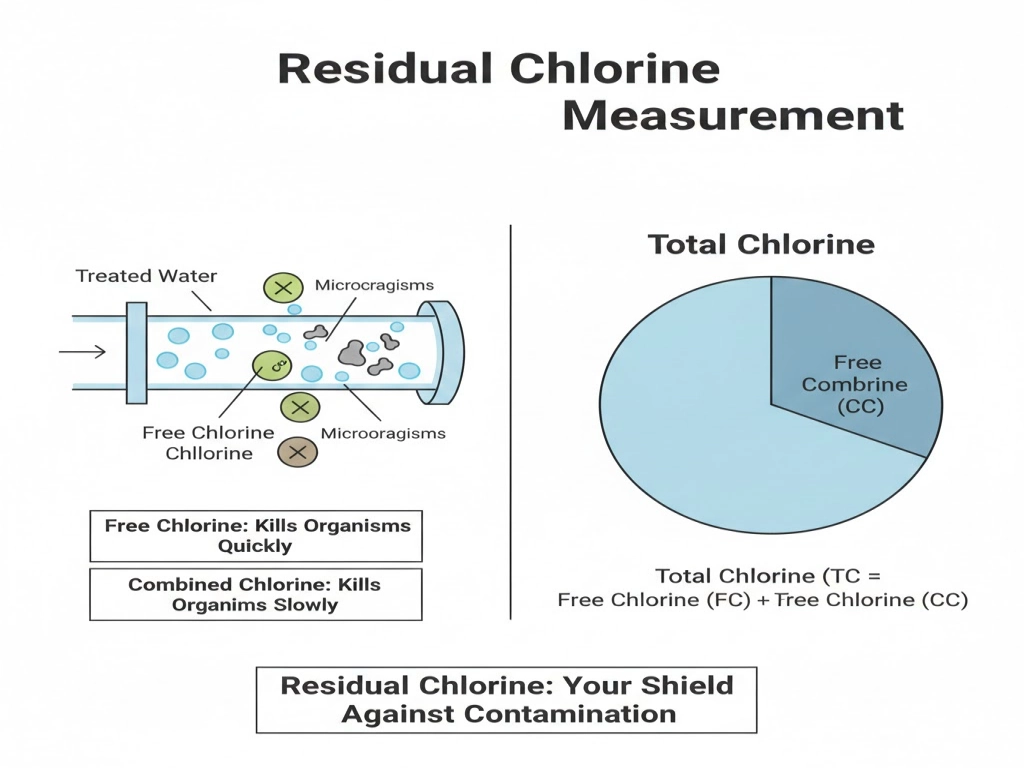
Chlorine residued is the quantity of chlorine that stays in water after it has been in touch with chlorine-based disinfectants for a particular amount of time. Written in parts per million (ppm) or milligrams per liter (mg/L).
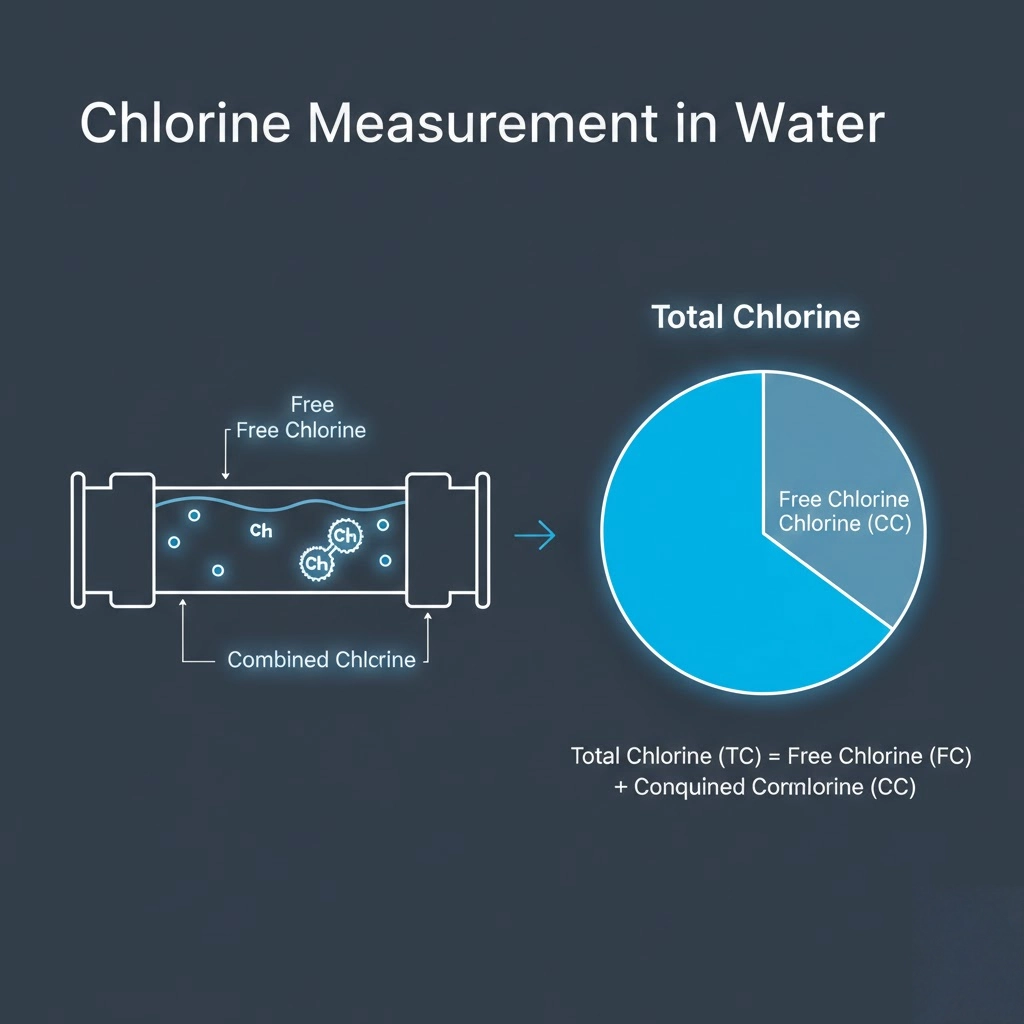
There are three forms of chlorine residued:
- Free chlorine residued: generally refers to hypochlorous acid (HOCl) and hypochlorite (OCl -), also known as free chlorine.
- Chemical chlorine residued: including monochloroammonium (NH2Cl), dichloroammonium (NHCl2), trichloroammonium (NCl3), and other chloroamine compounds.
- Total chlorine residued: The sum of residual free chlorine and compound chlorine residued is called total chlorine.

The effect of residual chlorine
Residual chlorine keeps the water disinfection process safe and stops secondary contamination.
Certain positions focus on three areas:
- Continuous sterilization and antibacterial: Stops dangerous bacteria from forming in pipeline water throughout shipping, storage, or use.
- Blocking pollution: A “protective barrier” stops germs from spreading through drinking water pipes and swimming pool water, which lowers the risk of infection.
- Residual chlorine meets the requirements for a visual sign of water disinfection, which means that the first disinfection process worked and the water body is safe to use or release.
To have antibacterial benefits, residual chlorine must be kept at a level that is safe for people. If the concentration is too high, it might create odors, skin irritation, or harmful leftovers from disinfection.
Key term analysis
- Remaining chlorinated chemicals after water treatment prevent subsequent contamination.
- Free chlorine residue kills microorganisms quickly.
- Chemical reaction between residual chlorine and ammonia kills germs slowly and poorly.
- Total chlorine equals free and compound residual chlorine.
- The DPD photometric method accurately measures chlorine residued without interference by changing reagent color.
- Online electrode detection in the constant voltage technique converts chlorine residue into an electrical signal.
- The standard output for online controllers and PLC/DCS systems is 4-20mA.
- Its IP65 dustproof and waterproof rating makes it suitable for harsh outdoor and industrial environments.
Technical Support
Choosing a pH Meter for Water:The Professional Guide to(2026)
What Is Dissolved Oxygen in Water? The Ultimate Guide to Monitoring(2026)

The Shocking Truth About the pH of Distilled Water: Why It’s Not 7.0
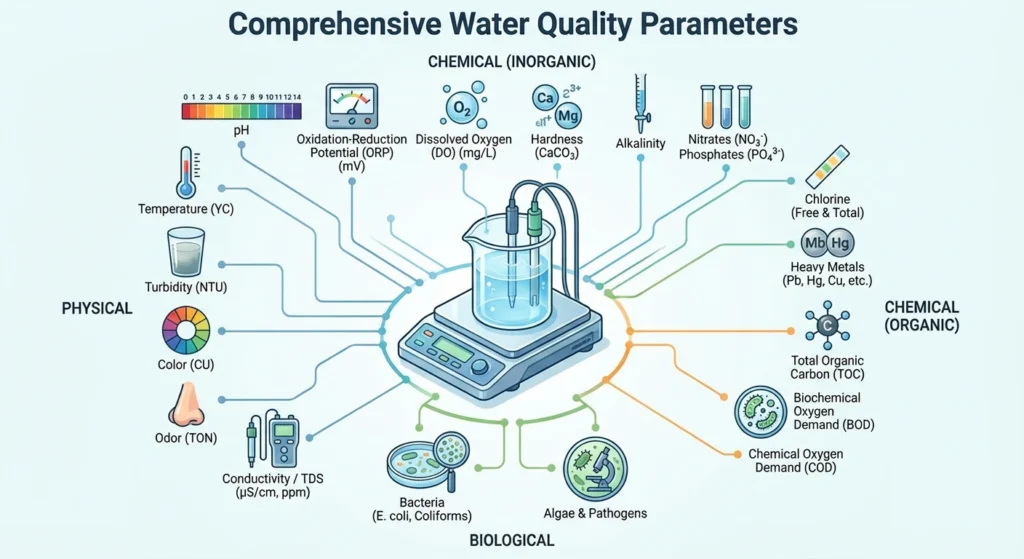
Mastering Water Quality Parameters: Professional Guide To Control(2026)
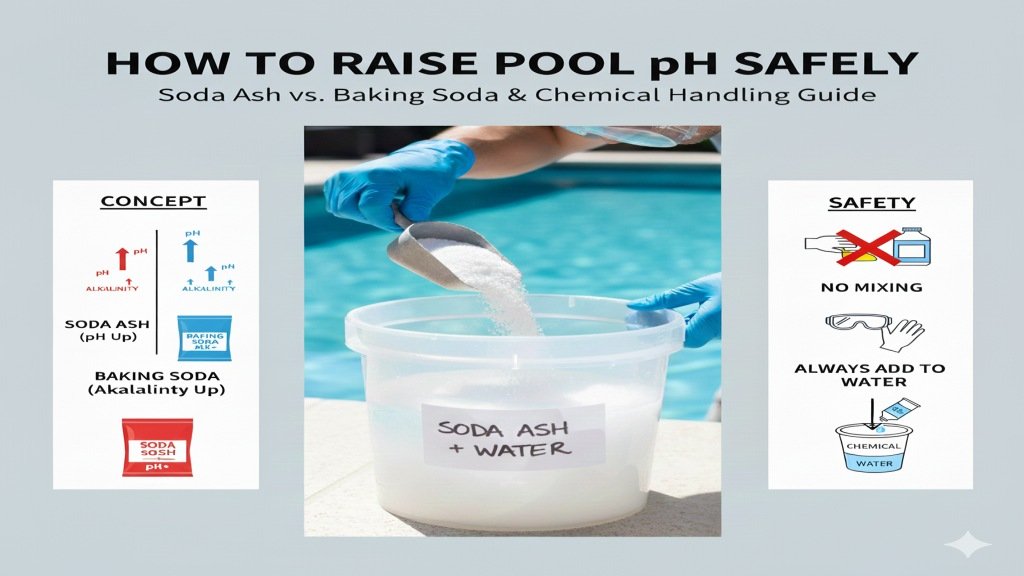
How to Raise The pH in a Pool: Everything You Need to Know for 2026
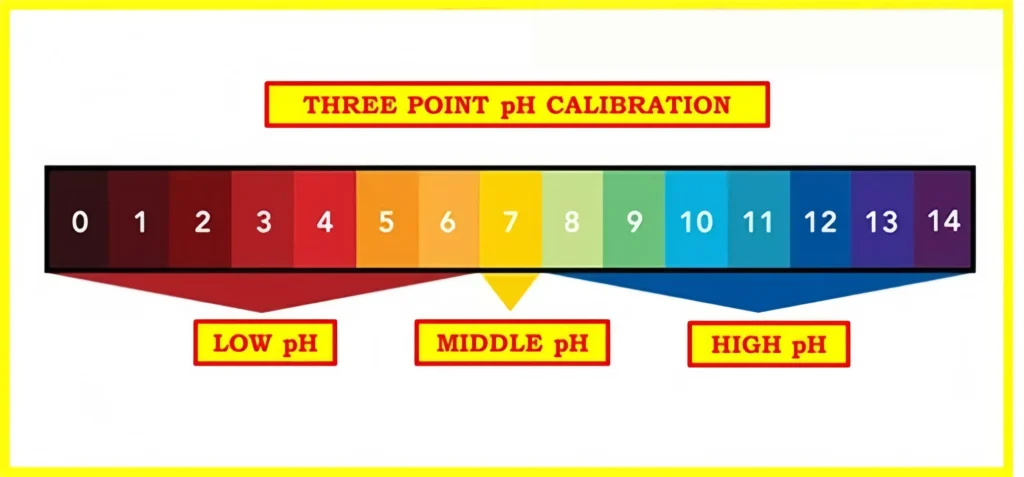
How to Calibrate pH Meter: A Step-by-Step Guide for Accurate Readings
Our residual chlorine product matrix includes industrial-grade online continuous monitoring and mobile device inspections for “sensing control detection” across the chain. We offer precise chlorine control solutions for assessing your city’s water supply or taking daily samples in local regions. Contact us if you require unique residual chlorine monitoring solutions like water quality adaption or system integration. Our qualified technical experts will assist you from decision to implementation.
Request a Quote