.png)
Dissolved Oxygen (DO) is the most important number for anyone who runs a fish farm, a wastewater aeration tank, or does environmental field research. Aquatic life dies and biological treatment mechanisms don’t work if there isn’t enough oxygen.
Fixed sensors are fantastic for automation, but a portable dissolved oxygen meter is the most important instrument for spot checks, field surveys, and making sure your online system is correct. We will talk about how these devices function, how to take care of them, and how to pick the ideal one for your needs in this tutorial.
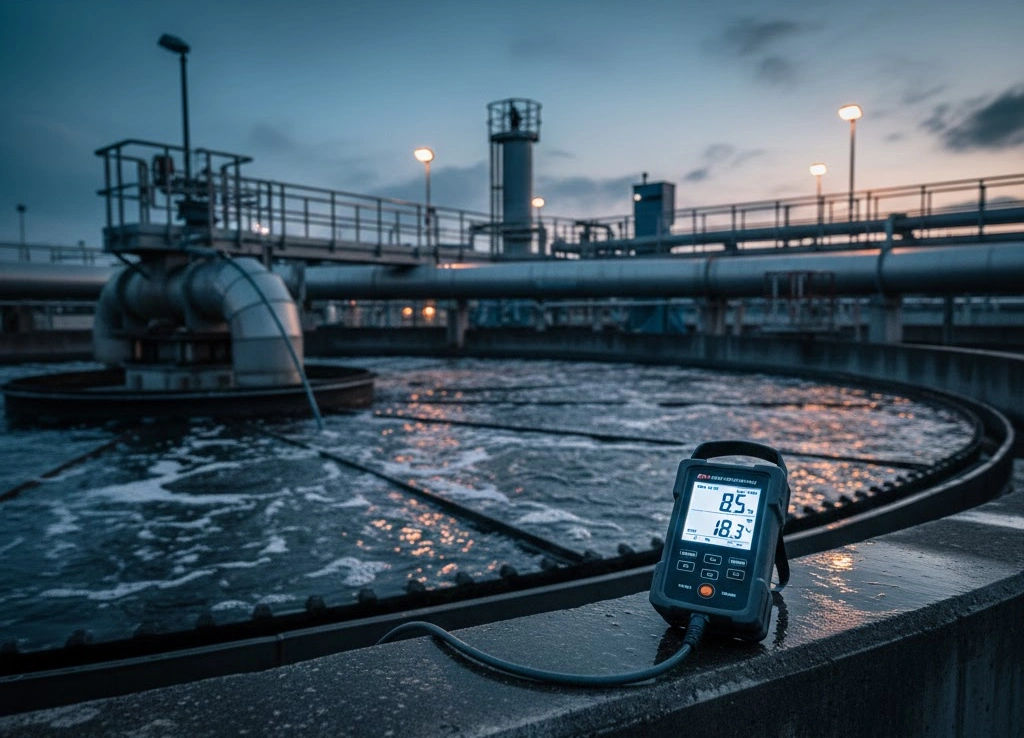
How does a dissolved oxygen meter work?
Before understanding a dissolved oxygen analyzer, it is important to first understand its underlying principles.
Dissolved oxygen meters are mainly based on the principles of polarography or fluorescence for measurement. Both of these methods are electrochemical measurement methods, which calculate the dissolved oxygen content by detecting the current or fluorescence signal generated during the electrolysis process.
- Polarographic method (current)
- The dissolved oxygen analyzer of polarography is mainly based on measuring with a drop mercury electrode. Using thin films and electrolyte solutions, oxygen diffuses through the membrane and reacts with the cathode to generate an electric current.
- Current=oxygen level: The more oxygen there is, the higher the current.
- Fluorescence method (based on luminescence)
- The fluorescence method dissolved oxygen analyzer is mainly based on the principle of fluorescence quenching for measurement. It uses a sensing cap coated with luminescent material. The rate at which blue light excites materials to return to a normal state (“lifetime”) is inversely proportional to the oxygen concentration.
- Why is it better: Optical sensors do not require replacement of membranes, electrolytes, and water flow to obtain accurate readings.
Why is it important to measure dissolved oxygen?
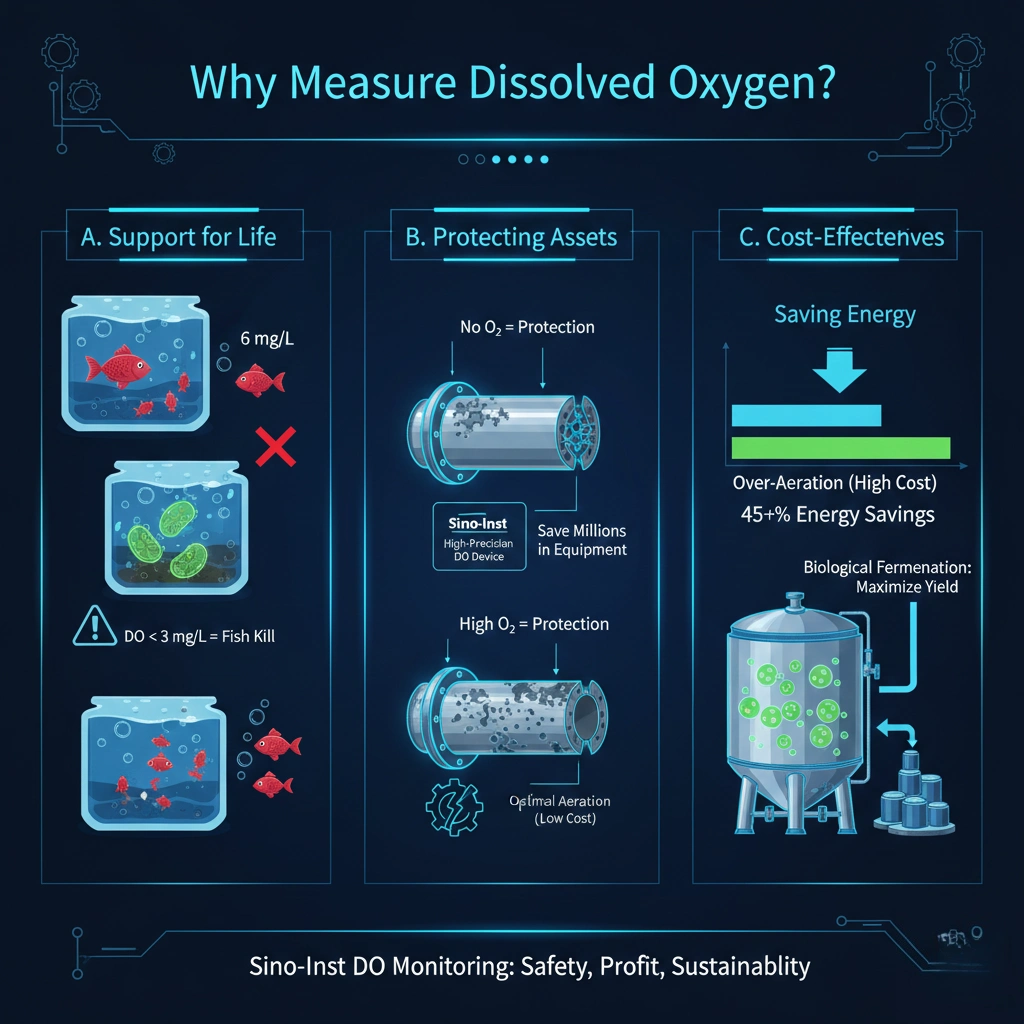
The purpose of measuring dissolved oxygen (DO) is not simply to collect data, but also to make sure the system is safe and profitable:
A. Support for Life
Aquaculture: The amount of oxygen in the water directly affects how many fish survive. Fish and shrimp can die in large numbers if the DO level is less than 3mg/L.
Wastewater treatment: Make sure that aerobic bacteria have enough oxygen to break down organic materials and keep biological treatment systems from failing.
B. Protecting Assets
Boiler anti-corrosion: Even small amounts of oxygen can produce pitting corrosion on the walls of metal tubes in industrial boilers.
Longer lifespan: Using the Sino Inst high-precision DO device to keep an eye on the deoxygenation effect can save millions of dollars in equipment damage.
C. Cost-Effectiveness
Saving energy and cutting down on consumption: Aeration power costs sewage treatment plants more than 45% of their total costs. Keeping a close eye on things will help you avoid over-aeration and save a lot of money on electricity.
Increasing yield: In biological fermentation, controlling the amount of dissolved oxygen is the most important thing to do to get more product.
💡 Featured Product: The Sino-Inst Pro-Series Portable Dissolved Oxygen Meter
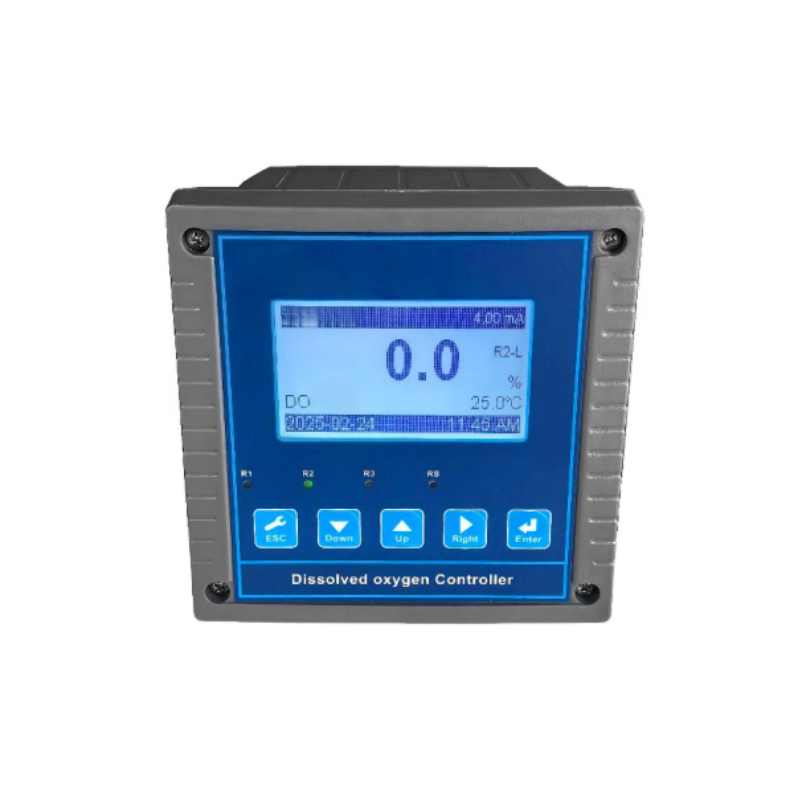
A20DOH (Special for High Temperature Fermentation)
✅Core positioning: Benchmark for online monitoring of industrial high-temperature scenarios
✅Key parameters: DO 0.00-20.00mg/L, temperature compensation 0-130 ℃, accuracy ± 1.0% FS
✅Core highlights: Chinese English interface+three sets of alarms, automatic electrode cleaning, strong anti-interference
✅Adaptation scenarios: Fermentation industry, continuous monitoring of high temperature in environmental wastewater
✅Standard configuration: Host+TS-100-5M high-temperature electrode+CSS-100 installation kit
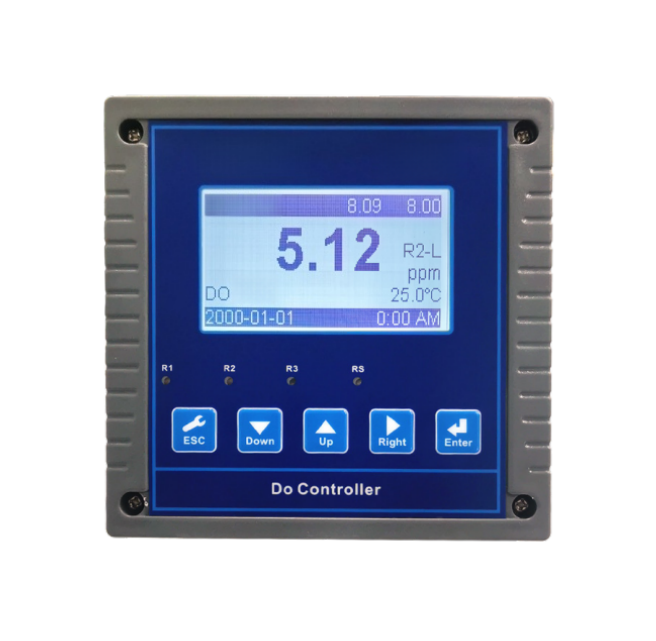
A20DO-PPB (low concentration, PPB grade)
✅Core positioning: An expert at keeping an eye on situations with low oxygen levels
DO 0–200.0ug/L, resolution 0.1ug/L, and temperature correction 0–130 °C are the most important settings.
✅Main features: precision at ppb levels, separate output, and password management to stop mistakes
✅Adaptation scenarios: anaerobic processes, biopharmaceuticals, and monitoring ultrapure water
✅The standard setup is Host+TS-290-5M PPB electrode+SS-208LT flow channel.
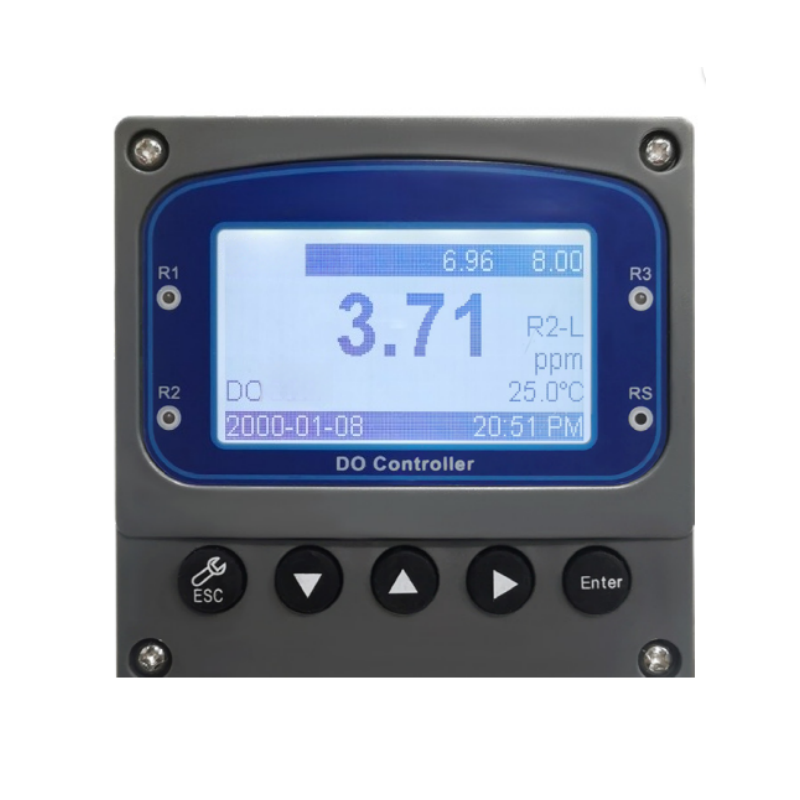
A10DO (Standard for Municipalities)
✅Core positioning: A good solution for managing municipal water at a low cost
✅Important values: DO 0.00–20.00 ppm, stability < 0.02 ppm/24h, and temperature compensation 0–100 °C
✅Main Points: Two sets of alarms, optional RS485 connectivity, and easy installation
✅Adaptation scenario: Keeping an eye on the pipes that bring water to sewage treatment plants and water supply plants all the time
✅Standard setup: Host + TS-120-10M electrode + PP1120-200 submerged sheath
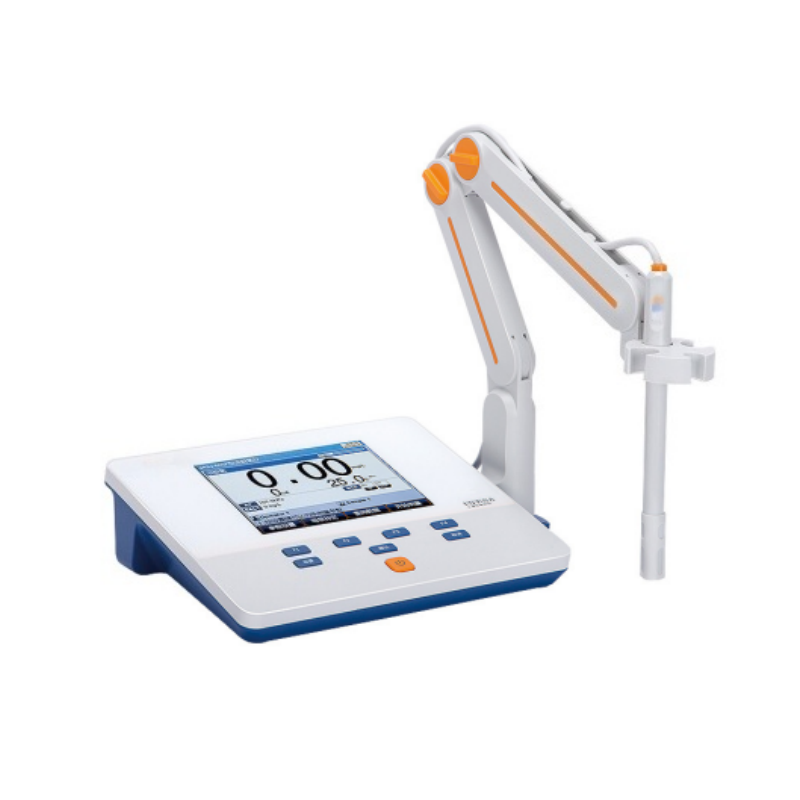
JPSJ-605F (for research in the lab)
✅Core positioning: a tool for precise analysis in the lab
DO 0.00–99.9 mg/L, indication error ± 0.10 mg/L, and temperature −10.0–135.0 °C are all important numbers.
✅Main features: a 5.7-inch color screen, the ability to store 500 sets of data, and the ability to print or send data to a PC
✅Adaptation possibilities include university trials, testing by a third party, and detailed analysis in scientific research.
✅Standard setup: host, polarographic electrode, electrode bracket, and dust cover
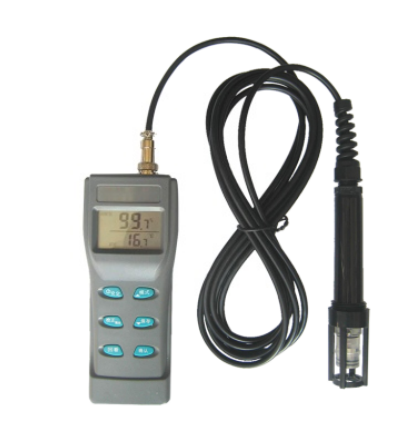
✅Core positioning: Outdoor on-site rapid detection and optimization
✅Key parameters: DO 0-30.0mg/L, temperature -5.0-60.0 ℃, automatic temperature/salinity compensation
✅Core highlights: Fluorescence method/film method optional, ink screen+backlight, long-lasting standby
✅Adaptation scenarios: aquaculture, emergency testing, on-site sampling of surface water
✅Standard configuration: Host+DO-02/DO-01 electrodes (including anti-collision cover/replaceable film cover)
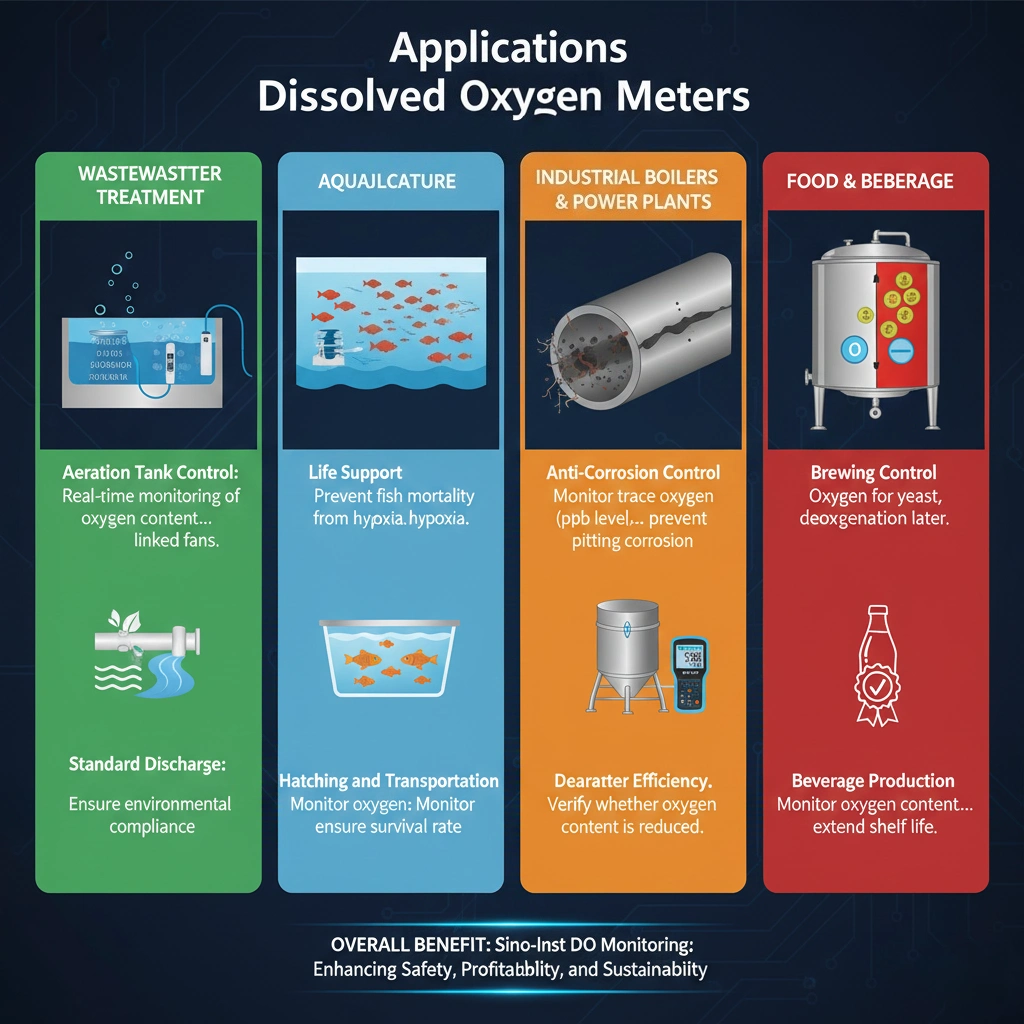
Application scenarios of dissolved oxygen meter
Wastewater Treatment
Aeration tank control: Real time monitoring of oxygen content to maintain microbial activity, while achieving energy conservation and consumption reduction through linked fans.
Standard discharge: Ensure that the dissolved oxygen in the discharged water meets environmental standards and avoids any impact on downstream aquatic ecology.
Aquaculture
Life support: prevent fish and shrimp mortality caused by hypoxia in high-density aquaculture; During the early morning hours, the Sino Inst online DO controller automatically starts the aerator.
Hatching and transportation: Monitor the oxygen concentration during the seedling period and transportation of live fish to ensure survival rate.
Industrial boilers and power plants
Anti corrosion control: Monitor trace amounts of oxygen (ppb level) in boiler feedwater to prevent metal pipeline pitting or bursting caused by oxygen corrosion.
Deaerator efficiency: Verify whether the deoxygenation equipment reduces the oxygen content to an extremely low level.
Food&Beverage
Brewing control: Oxygen is needed to promote yeast reproduction in the early stages of fermentation, and strict deoxygenation is required in the later stages to prevent the wine from oxidizing and deteriorating.
Beverage production: Monitor the oxygen content of bottled water to extend shelf life and ensure taste.
How to Use a Portable Dissolved Oxygen Meter Outside
- Rinse: Before taking a measurement, always rinse the probe with distilled or sample water.
- Submerge: Put the sensor tip all the way under the water.
- Circulate: If you are using an electrochemical probe, move it slowly (about 0.3 m/s) to make sure that new oxygen gets to the membrane. This step is not needed for optical sensors.
- Don’t hurry; wait for stability. Before you write down the value, wait for the “Stable” icon to show up on your screen.
How to Choose the Best Dissolved Oxygen Meter?
Don’t just go for the cheapest choice. Think about these three things:
- The World
- Are you doing tests in a lab or a muddy ditch that lets air in? If you want to use it in the field, be sure it has an IP67 rating and a strong cord.
- Budget for Maintenance
- Electrochemical meters are inexpensive at first, but you have to change the membrane and electrolyte all the time. Optical DO meters cost more up front, but over three years they save hundreds of dollars on parts and labor.
- What data is needed
- Do you need to keep track of data to follow EPA rules? Check if your meter has a digital interface (such RS485 or USB) and an internal memory.
Conclusion: Good management is the key to liquid success.
Dissolved oxygen is not only a number in modern water treatment and industrial production; it is a crucial aspect that keeps biological activity running, stops equipment from rusting, and decreases expenses.
You are not just safeguarding life in water bodies by knowing how the dissolved oxygen meter works and doing daily calibration and maintenance. You are also making sure that the whole industrial process is stable and follows the rules. The first step to a perfect operation is picking the correct tools. For example, the A20DOH online monitoring device can work in tough, hot conditions, and the portable watch is simple to use and can be changed.

FAQ
Related Products
Ready to Optimize Your Water Quality?
Stop guessing, start controlling. Whether you are facing high temperature challenges in fermentation tanks or need to solve energy-saving problems in wastewater treatment plants, Sino Inst’s engineering team is always ready to provide you with customized monitoring solutions.
- Looking for a Quote? Click the button below to obtain the latest product quotation.
- Need Technical Support? Our experts will assist you in completing sensor selection and system integration.
Request A Quote
More Resources
-
9 Mass flow controller manufacturers list in the world 2026
The industrial landscape of 2026 demands unprecedented precision. In sectors ranging from advanced semiconductor fabrication and hydrogen fuel cell development to biopharmaceutical bioreactor…
-
How Accurate Are Mass Flow Meters? An Expert Engineering Guide
In industrial process control, analytical instrumentation, and advanced manufacturing, the precise measurement of gas and liquid flow is a fundamental requirement. Engineers and…
-
7 Benefits of Using a Mass Flow Meter in Industrial Processes
By Sino-Inst — A professional supplier of industrial process and analytical instruments, including gas detectors, gas analyzers, dust detectors, mass flow controllers, and…
-
How to Use a Mass Flow Controller for Precision Fluid Control?
In modern industrial manufacturing, laboratory research, and specialized fluid handling, achieving absolute precision is not a luxury; it is a fundamental requirement. Whether…
-
How Does a Gas Mass Flow Controller Work?
In modern industrial processes, precision is not a luxury; it is a fundamental requirement. Whether managing gas distribution in semiconductor manufacturing, controlling bioreactor…
-
The 6 Best Boiler Combustion Analyzer Solutions for Industrial Efficiency
In the highly demanding world of industrial heating, power generation, and commercial HVAC systems, achieving optimal fuel efficiency and maintaining strict emission compliance…