.png)
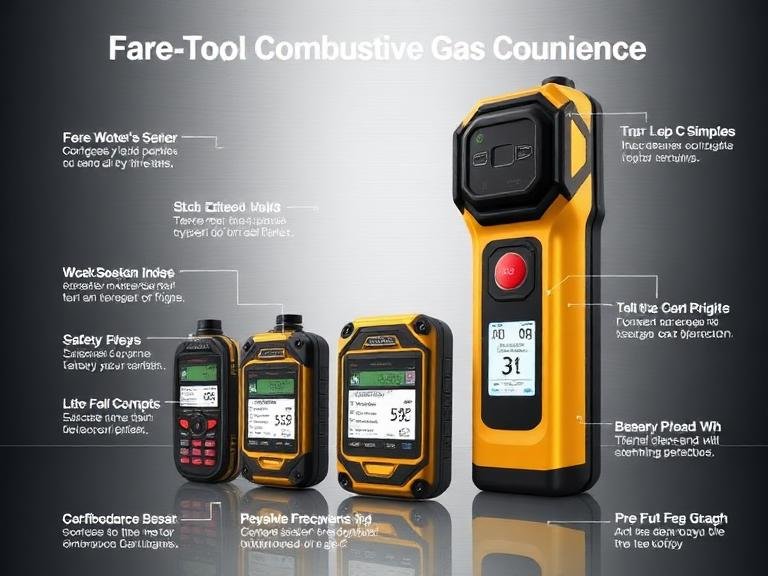
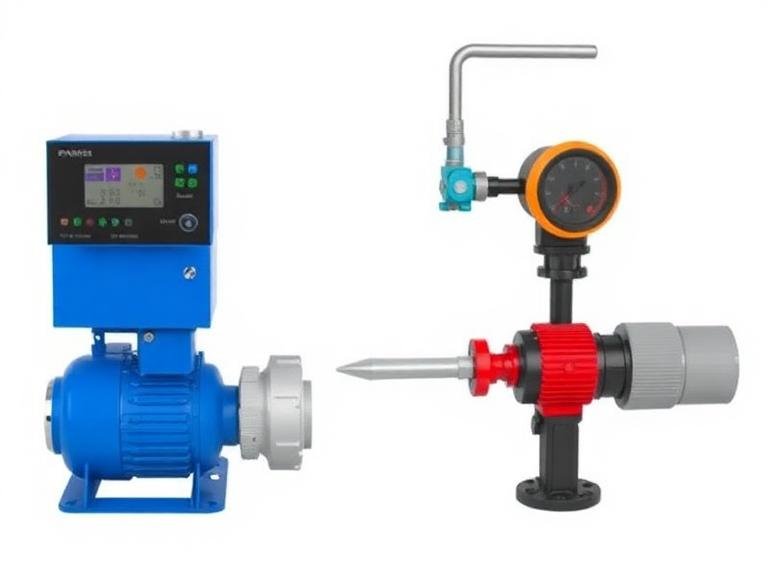
In modern industrial and residential environments, the presence of invisible, odorless gases poses a constant and severe threat to human life and infrastructure. Mitigating these risks requires more than just procedural safety measures; it necessitates advanced technological intervention. At the forefront of this safety infrastructure is the Combustible Gas Detector. From our experience at Sino-Inst, deploying a reliable Combustible Gas Detector is not merely a regulatory compliance checklist item; it is a fundamental pillar of occupational safety that transforms hazardous work zones into secure, manageable environments.
Table of Contents
1. Understanding the Technology: How a Combustible Gas Detector Works
Before diving into the specific conveniences, it is crucial to understand the scientific principles that power a Combustible Gas Detector. These instruments are highly sophisticated micro-laboratories. The core of any Combustible Gas Detector lies in its sensor technology. Historically, catalytic bead sensors were the industry standard. These sensors work by oxidizing combustible gases on a heated catalytic bead, which changes the electrical resistance and provides a measurable reading proportional to the gas concentration.
Today, a professional-grade Combustible Gas Detector often utilizes a combination of detection principles to ensure fail-safe accuracy. We recommend instruments that integrate infrared (IR) sensors, which measure the absorption of specific light wavelengths by gas molecules. Infrared sensors do not require oxygen to function and are immune to sensor poisoning from silicones or heavy metals, making them exceptionally durable in harsh chemical plants. Furthermore, advanced units utilize electrochemical sensors for toxic gases and Photoionization Detectors (PID) for volatile organic compounds, creating a comprehensive safety net.
2. The Top 10 Combustible Gas Detector Conveniences for Life
The integration of a Combustible Gas Detector into daily industrial workflows provides unparalleled peace of mind. Here are the top 10 conveniences these devices bring to operational life.
1. Instantaneous Leak Detection in Complex Environments
The primary convenience of a Combustible Gas Detector is its ability to provide instantaneous feedback. In vast petrochemical refineries or underground mining operations, gas leaks can occur without any visual or olfactory warning. A modern Combustible Gas Detector continuously samples the air, registering fractional changes in methane, propane, or butane concentrations. This real-time analysis allows operators to identify and isolate leaks at valves, flanges, or pipelines long before the gas reaches a critical explosive threshold.
2. Multi-Gas Monitoring Capabilities
Historically, workers had to carry separate devices for different gas threats. Today, the consolidation of sensors brings immense convenience. A single Combustible Gas Detector can now simultaneously monitor multiple atmospheric hazards.
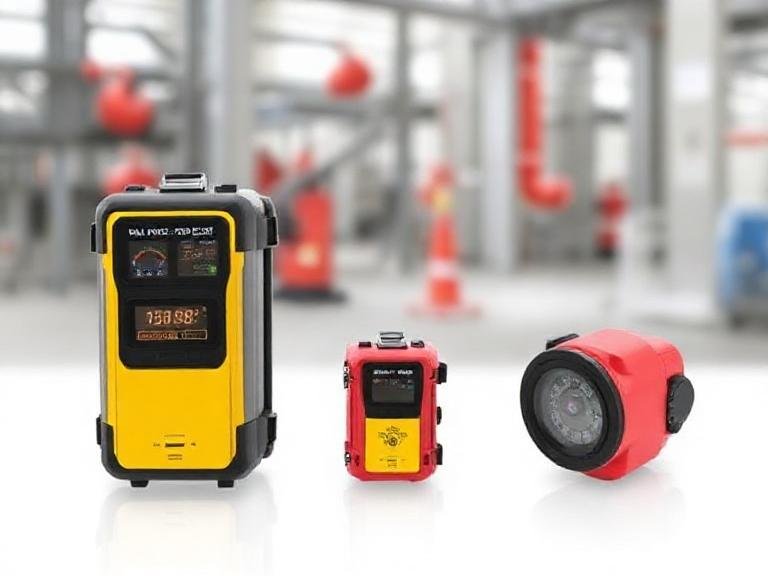
Sino-Inst Portable Multi Gas Detector for 2~6 Gases

The 900A Portable Multi Gas Detector is used for portable and rapid detection of multiple gas concentrations, temperature and humidity measurement, and alarms when exceeding the standard. 2 to 6 gas detectors can be customized. For example, it can detect concentrations of carbon monoxide, oxygen, hydrogen sulfide, methane (combustible gas), carbon dioxide, or other toxic and hazardous gases, with audible, visual, and vibration alarms.
This high-precision gas sensor utilizes detection principles such as infrared, electrochemical, laser, catalytic combustion, thermal conductivity, and PID photoionization, providing more accurate measurements and faster response. The Portable Multi Gas Detector is widely used in complex, changeable, and potentially dangerous working environments, especially in situations involving multiple harmful and flammable gases.
3. Portability and Ergonomic Design for Field Workers
Heavy, cumbersome safety equipment is often discarded by workers, leading to tragic accidents. The modern Combustible Gas Detector is designed with ergonomic convenience in mind. Weighing only a few hundred grams, these devices clip seamlessly onto a worker’s lapel or breathing zone. This hands-free operation ensures that technicians can perform complex mechanical repairs or navigate tight spaces without being physically hindered by their safety equipment.
4. Protection Against Invisible Toxic Threats
While the threat of combustion is severe, toxic gases often pose an immediate physiological danger at much lower concentrations. A comprehensive safety strategy requires an instrument capable of detecting parts-per-million (PPM) levels of toxic agents.
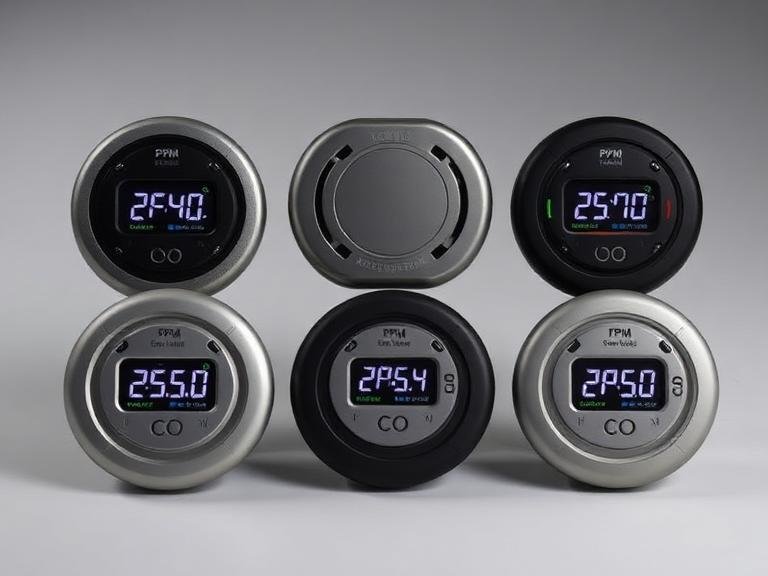
Sino-Inst Portable Toxic Gas Detector

The portable Toxic Gas Detector is a gas detection instrument that can simultaneously detect the concentration of any 1 to 6 toxic and harmful gases. It will issue an audible, visual, and vibration alarm when any gas concentration exceeds the standard. Temperature and humidity measurement functions can also be added.
This handheld toxic gas detector is portable and convenient for detecting the concentration or leakage of toxic and harmful gases such as carbon monoxide, vinyl chloride, hydrogen sulfide, chlorine, hydrogen cyanide, acrylonitrile, nitrogen dioxide, benzene, ammonia, carbonyl chloride, phosgene, fluorine, hydrogen fluoride, arsine, bromine, germane, and diborane in the environment.
5. Real-Time Data Logging and Environmental Analysis
From our experience, post-incident analysis is just as critical as real-time warning. A premium Combustible Gas Detector features expansive internal memory capable of logging thousands of data points. This data logging convenience allows safety managers to download shift reports via USB or Bluetooth, analyzing peak exposure times and identifying recurring micro-leaks in specific facility sectors. This transforms the Combustible Gas Detector from a simple alarm into a predictive maintenance tool.
6. Rapid Response Pump-Suction Sampling
In scenarios where a worker must test an environment before entering—such as opening a storage tank or descending into a utility vault—diffusion sensors are insufficient. Pump-suction technology brings the convenience of remote sampling.
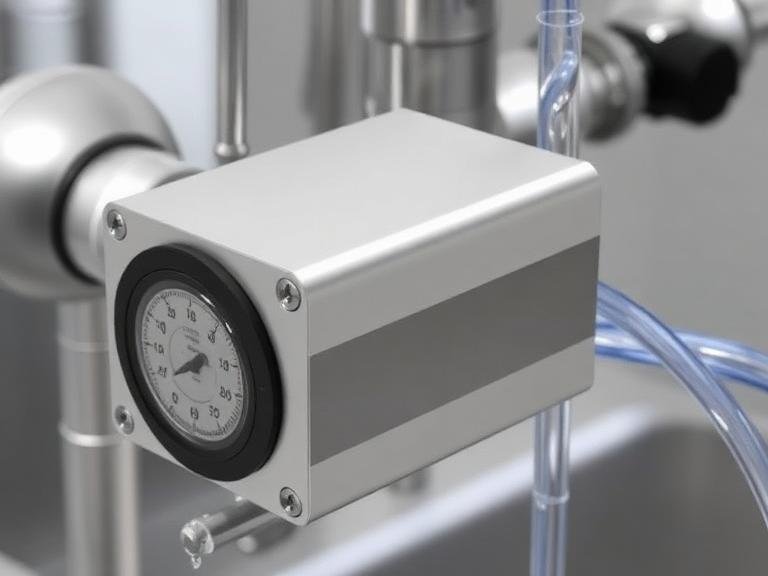
Sino-Inst Handheld VOC Monitor – Pump Suction Type – VOCs Alarm

The pump-suction type handheld VOC Monitor is a detection and alarm instrument for continuously monitoring the concentration of VOCs (volatile organic compounds). It can also be equipped with temperature and humidity measurement. It allows for convenient and rapid mobile detection of VOC concentrations in the air.
Suitable for detecting volatile organic compounds (VOCs) during the production and use of cleaning solvents, adhesives, coatings, paints, glues, organic solvents, inks, etc. When the detected VOC concentration reaches or exceeds the instrument’s preset alarm concentration value, the handheld VOC Monitor will emit an audible and visual alarm, vibrate, and display an alarm screen to alert the operator.
7. Tri-Modal Alarms Ensure Acknowledgment
Industrial environments are notoriously loud and visually distracting. A standard audible beep is easily lost over the roar of heavy machinery. The convenience of a modern Combustible Gas Detector lies in its tri-modal alarm system. When gas concentrations exceed safety thresholds, the device simultaneously emits a piercing 95dB audible siren, flashes high-intensity LED strobe lights, and vibrates violently against the user’s body. This guarantees that the user is alerted to the danger, regardless of their sensory environment.
8. Confined Space Entry Validation
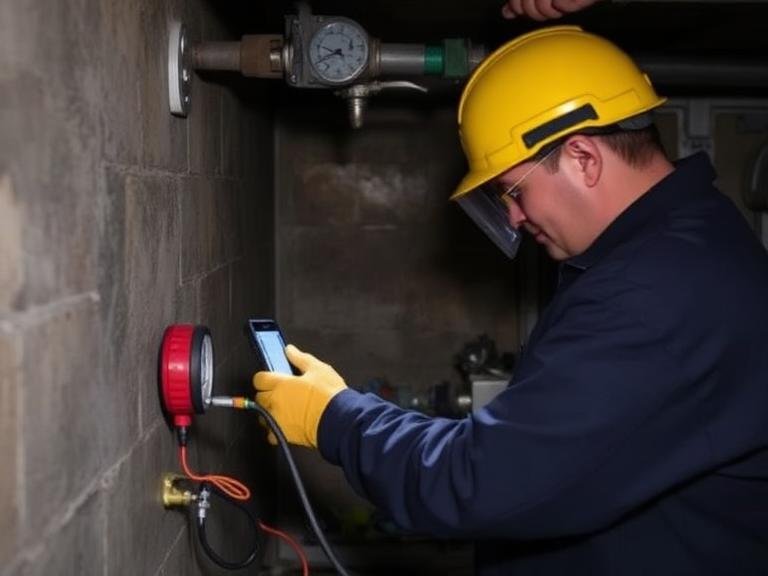
Entering a confined space is one of the most hazardous operations in the industrial sector. A Combustible Gas Detector provides the ultimate convenience of pre-entry validation. By utilizing a motorized pump and an extendable probe, a worker can draw air samples from the bottom, middle, and top of a confined space. This ensures that heavy gases (like hydrogen sulfide) resting at the bottom and lighter gases (like methane) trapped at the top are all accounted for before a human ever crosses the threshold.
9. Climate Context: Temperature and Humidity Integration
Gas dynamics change dramatically based on environmental factors. High humidity can interfere with certain sensor types, and extreme temperatures can affect gas volatility. Advanced models of the Combustible Gas Detector now seamlessly integrate temperature and relative humidity sensors. This convenience allows the microprocessor to apply compensation algorithms in real-time, preventing false alarms and ensuring the gas concentration readings remain perfectly accurate whether in a freezing cold storage facility or a sweltering chemical plant.
10. Long-Term Cost Savings and Risk Mitigation
Ultimately, the greatest convenience provided by a Combustible Gas Detector is the protection of capital assets and human resources. By preventing explosions, chemical fires, and toxic exposure incidents, these devices save companies millions in potential damages, legal liabilities, and facility downtime. We recommend viewing the procurement of a high-quality Combustible Gas Detector not as an expense, but as a high-yield insurance policy that actively protects your enterprise every second it is powered on.
3. Specialized Detection Solutions from Sino-Inst
At Sino-Inst, we engineer our detection instruments to meet the rigorous demands of global safety standards. Our product architecture is designed with the user in mind, ensuring that whether you are utilizing our Portable Multi Gas Detector or our highly sensitive Handheld VOC Monitor, you are receiving laboratory-grade precision in a rugged, field-ready housing. We continually invest in sensor research, ensuring our infrared and PID technologies remain at the bleeding edge of occupational safety technology.
4. Summary Table: Gas Detector Application Matrix
| Detector Type | Target Gases | Primary Sensor Technology | Ideal Application Scenario | Key Convenience Feature |
|---|---|---|---|---|
| Portable Multi Gas Detector (900A) | Combustible (LEL), O2, H2S, CO + up to 2 others | Infrared, Catalytic, Electrochemical | Confined space entry, general refinery safety | Customizable 2~6 gas configuration in one unit |
| Portable Toxic Gas Detector | Chlorine, Ammonia, Phosgene, Benzene, HF, etc. | Electrochemical, PID | Chemical manufacturing, hazmat response | Detects ultra-low PPM of invisible toxic threats |
| Handheld VOC Monitor (Pump Suction) | Volatile Organic Compounds, Solvents, Paints | PID (Photoionization Detector) | Paint booths, solvent storage, environmental testing | Active pump draws air from distant or deep locations |
5. Frequently Asked Questions (FAQs)
What does LEL mean on a Combustible Gas Detector?
LEL stands for Lower Explosive Limit. It is the lowest concentration (by percentage) of a gas or vapor in the air that is capable of producing a flash of fire in the presence of an ignition source. A Combustible Gas Detector typically measures from 0 to 100% of the LEL, sounding an alarm well before the environment reaches a dangerous 100% LEL state.
How often should I calibrate my Combustible Gas Detector?
From our experience, we recommend bump testing the Combustible Gas Detector prior to each day’s use to ensure the sensors and alarms are responding. A full span calibration using certified calibration gas should be performed at least every 3 to 6 months, or immediately if the device fails a daily bump test or sustains physical impact.
Can high humidity damage a Combustible Gas Detector?
Extreme humidity can temporarily affect the readings of certain electrochemical and catalytic sensors by restricting gas flow through the sensor membrane. However, advanced instruments like the Sino-Inst Portable Multi Gas Detector feature built-in humidity measurement and compensation algorithms to maintain accuracy, along with robust IP66/IP67 water-resistant housings.
6. Academic and Industry References
To ensure total compliance and a deeper understanding of occupational safety regarding hazardous atmospheres, we recommend reviewing the guidelines established by the following authoritative bodies: