.png)
Ion concentration is a key indicator of water quality and industrial operations that directly affects following environmental laws, keeping workers safe, and making sure products are of high quality. This site has a range of equipment, such as ion online monitoring devices, acid-base salt concentration meters, and bespoke electrodes, that may be used to meet the monitoring needs of many different circumstances. It is a full ion concentration monitoring solution since it is accurate, reliable, easy to use, and easy to keep up with.
★★★★★
Quick product navigation
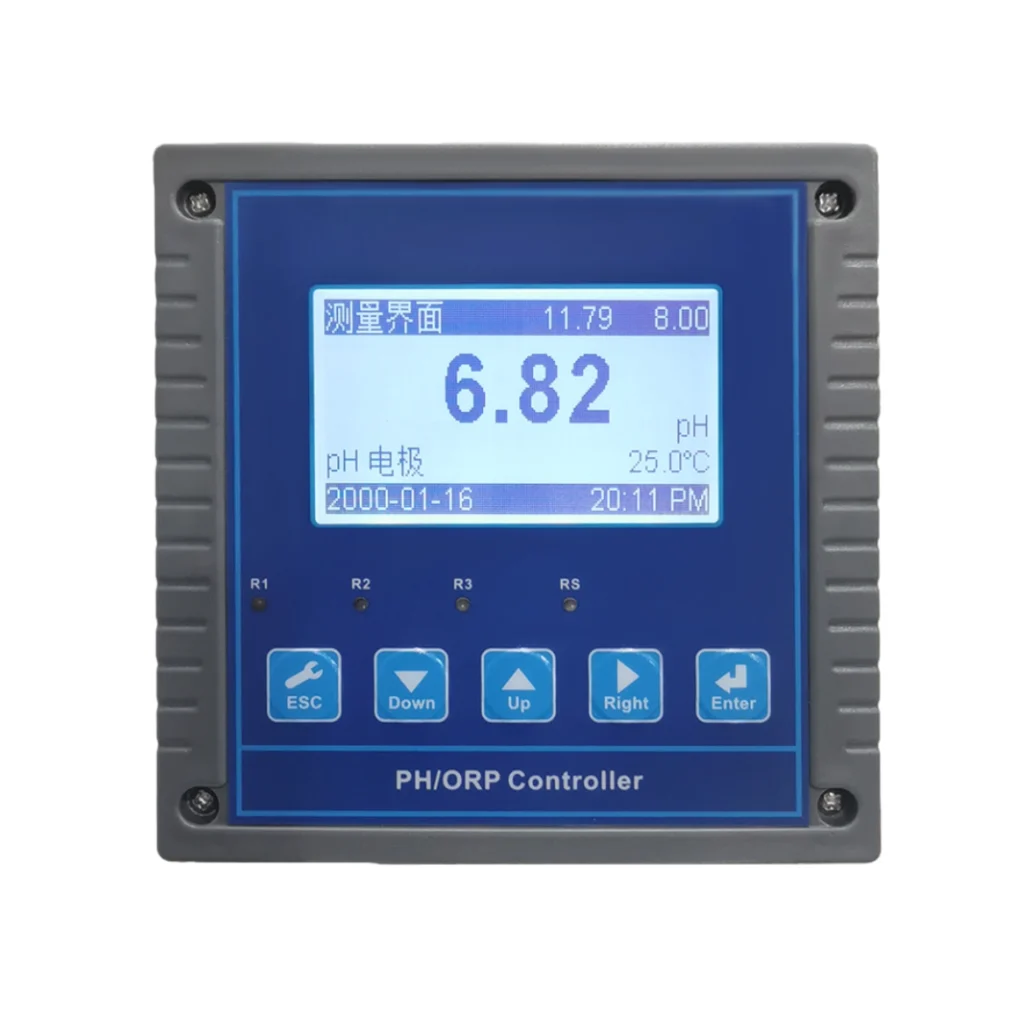
Ion online monitoring device
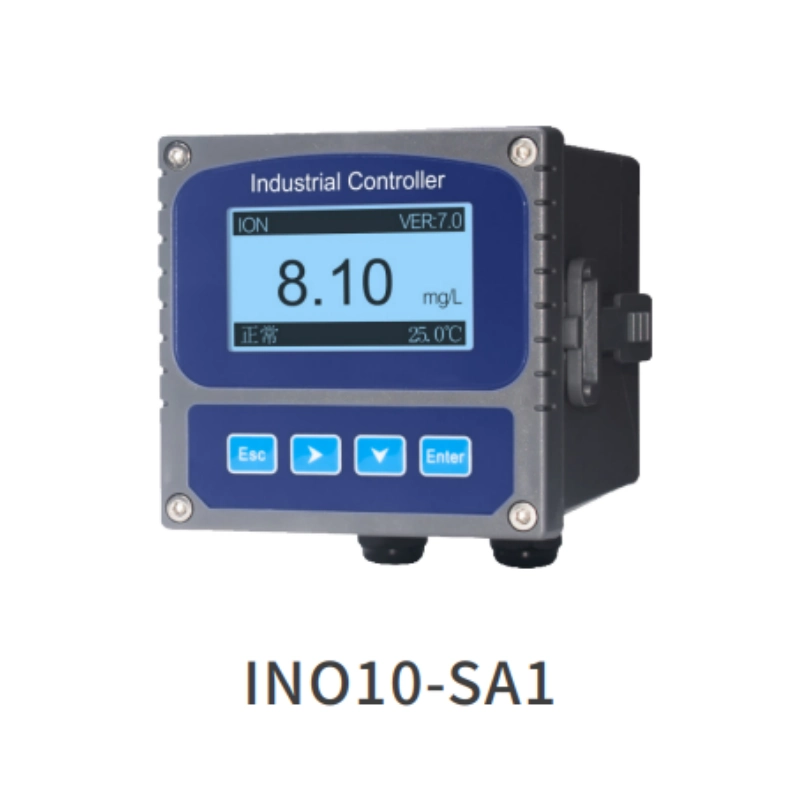
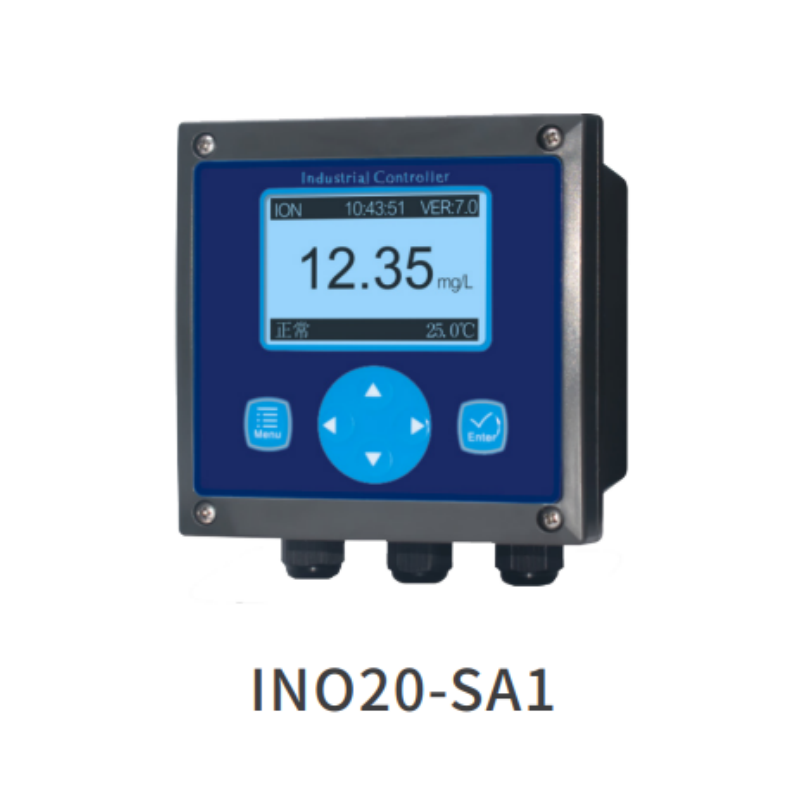
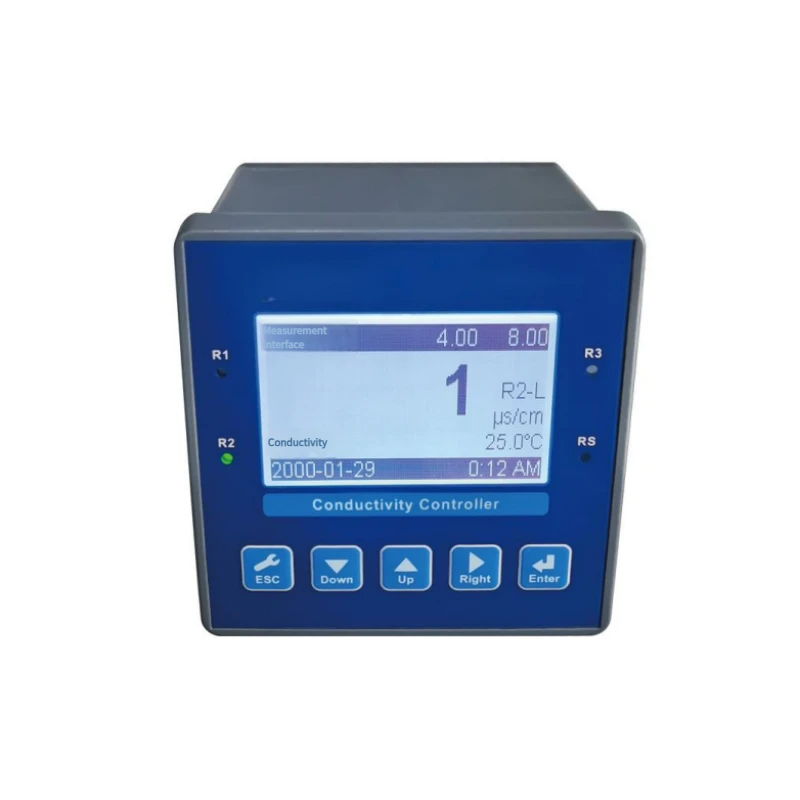
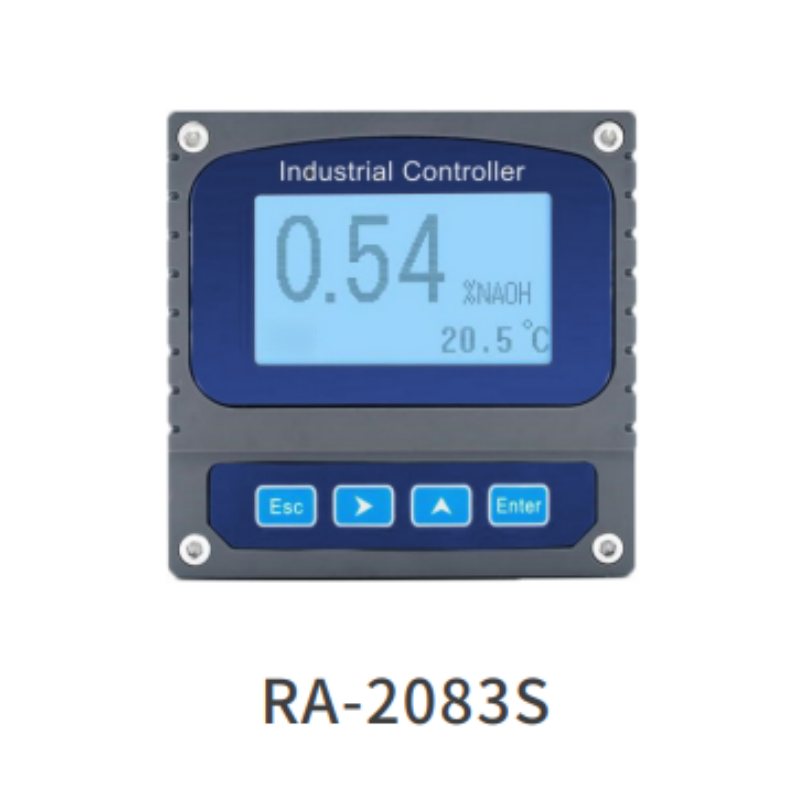
Acid alkali salt concentration meter

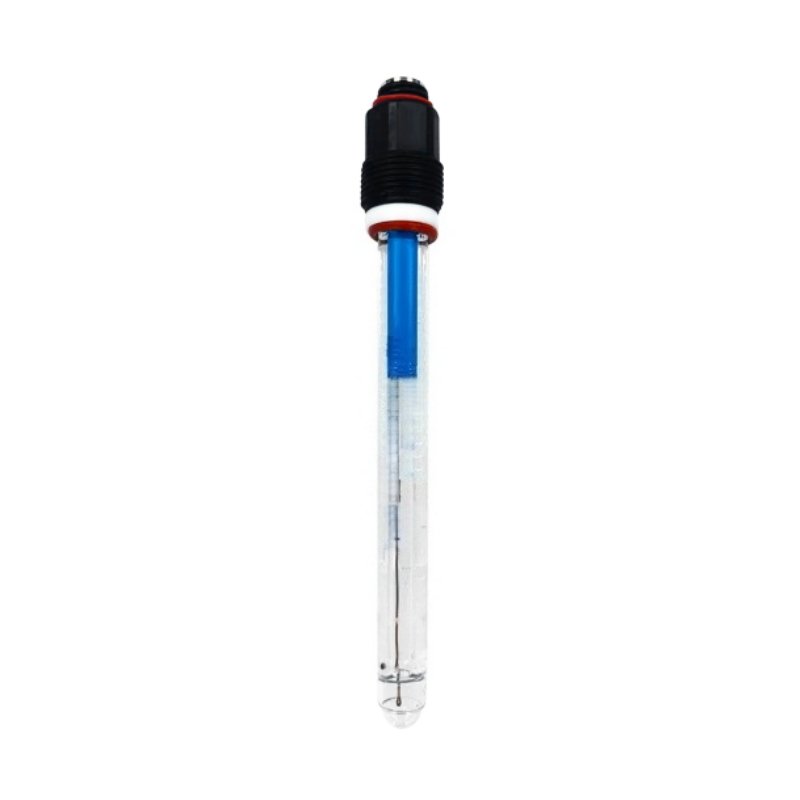
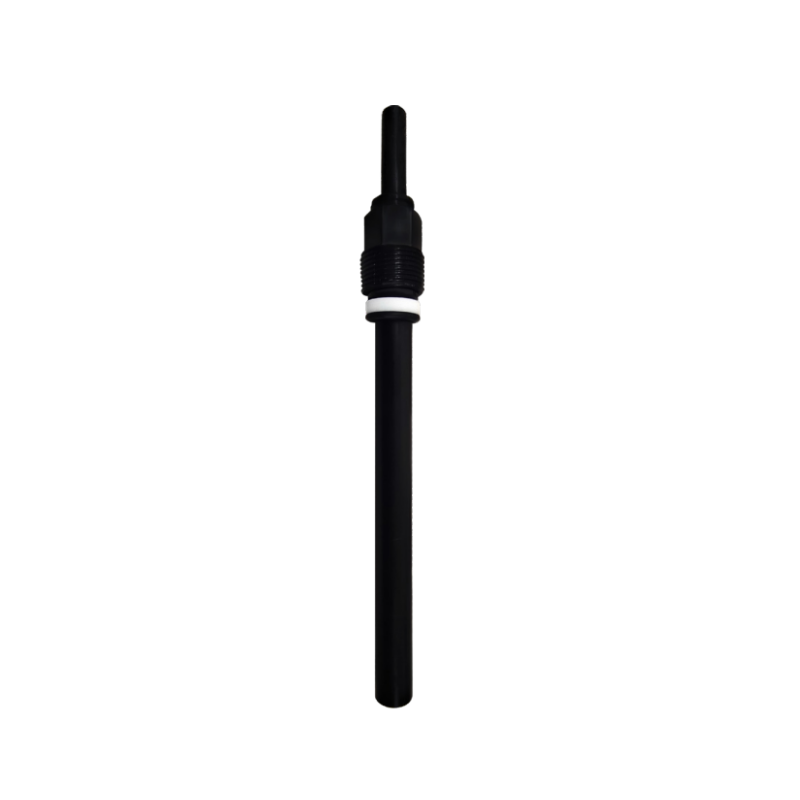
Online fluoride ion electrode

The core advantages of our product
- Technical standardization: Core modules such as signal amplification and temperature compensation are standardized, and data interoperability between different products is strong, making it easy to manage centrally;
- Easy maintenance: Most products support automatic calibration, fault self diagnosis, and universal matching accessories, reducing operation and maintenance costs;
- Compliance adaptation: Complies with HJ standards (such as HJ 669-2013 fluoride monitoring) and ISO standards, and the data can be directly used for environmental reporting.
Core Concept of Ion Concentration (Basic Understanding)
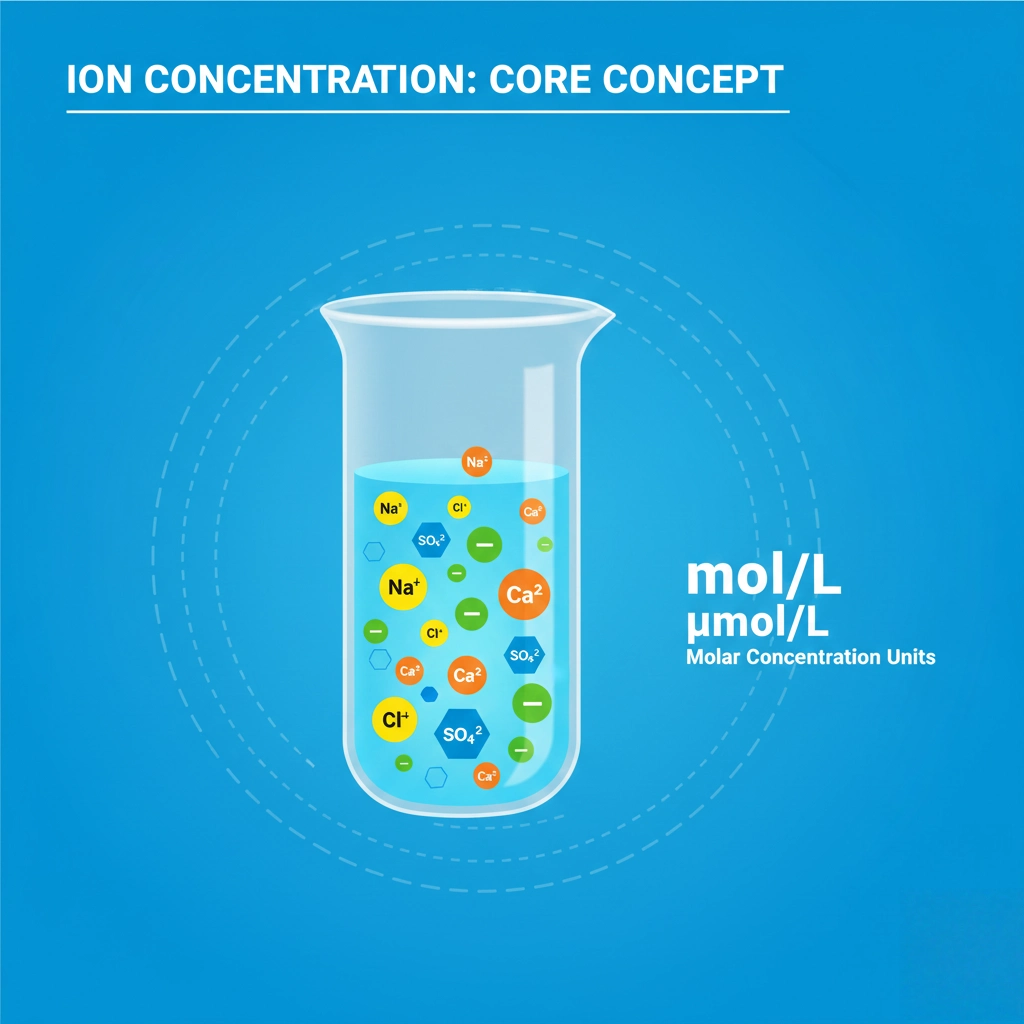
The ionic concentration of a solution is the number of particular ions in a certain volume, which is commonly quantified in mol/L or μ mol/L. It is a key technique to detect how chemically stable a solution is, and it directly affects the cleanliness of water, the stability of industrial operations, and following environmental rules.
There are two primary types of measurement methods:
- Direct method: Getting concentration data directly from ion selective electrodes, the weight method, and other methods;
- Using factors like conductivity and colorimetric approach, together with standard curves or formulas, to figure out ion concentration is an indirect method that is often employed in online monitoring situations.
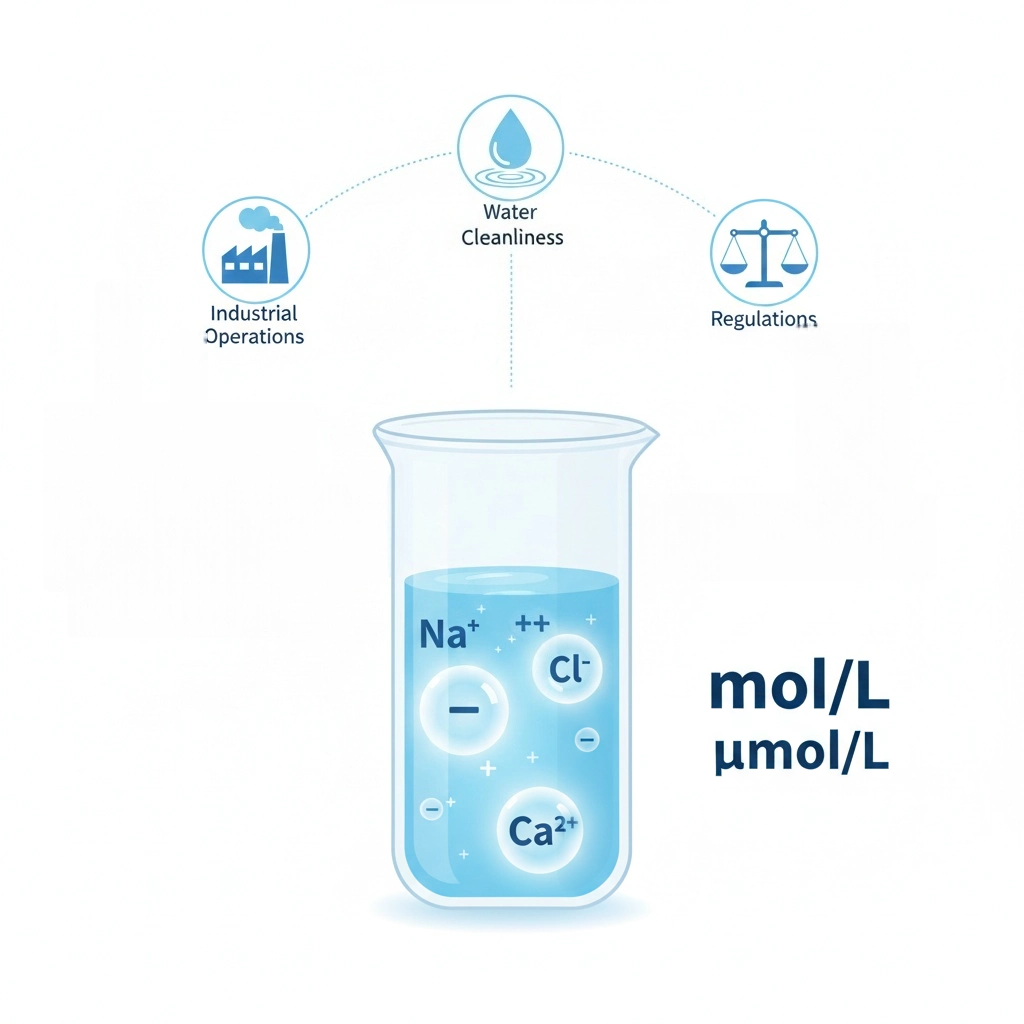
The importance of detecting ion concentration
Detecting ion concentration is a crucial step in ensuring environmental compliance, production safety, water quality safety, and process optimization, with significant implications
- Environmental Protection: Accurately control the discharge concentration of wastewater (such as fluoride ions and ammonia nitrogen) to ensure compliance with national standards and avoid penalties and ecological pollution caused by excessive discharge;
- Industrial production: Real time monitoring of ion content (such as acid-base salt concentration) in process fluids to prevent equipment corrosion, scaling, or reaction imbalance, ensuring production stability and product quality;
- Water quality safety: Screening for harmful ions (such as heavy metal ions and fluoride) in drinking water, avoiding health risks, and safeguarding the safety of water for people’s livelihoods;
- Research and operation: Provide data support for process optimization and pollution tracing, reduce operation and maintenance costs, and achieve scientific control.
5 factors affecting ion concentration
- Chemical reactions, such as acid-base neutralization, precipitation, oxidation-reduction, and others, can use up or create ions, which changes the overall number of ions.
- The temperature influences how ions move, evaporation or dilution increases the concentration of ions per unit volume, and pressure and stirring change how well diffusion works.
- Material exchange: The addition of ions from feeding raw materials and pollutants, as well as processes or emissions such filtering and adsorption that cause ions to be lost;
- The pH of the system modifies the shape of ions, ions that are already there get in the way, and the turbidity and viscosity of the solution affect how ions move.
Application scenarios of Sino Inst products
- Environmental monitoring: Compliance testing of industrial wastewater (fluoride ions, ammonia nitrogen, etc.) discharge, traceability of surface water/groundwater pollution;
- Industrial production: chemical acid and alkali process regulation, monitoring of circulating water salinity, ion concentration control in electroplating/semiconductor industry;
- Water industry: screening of harmful ions (heavy metals, fluorides) in drinking water, monitoring of water purification processes in waterworks;
- Scientific research experiments: laboratory solution preparation, tracking of chemical reaction ion changes, data collection for environmental science research;
- In the field of people’s livelihood: monitoring of disinfection ions (such as chloride ions) in swimming pool water, water quality and process control in food and beverage production.

Technical Support
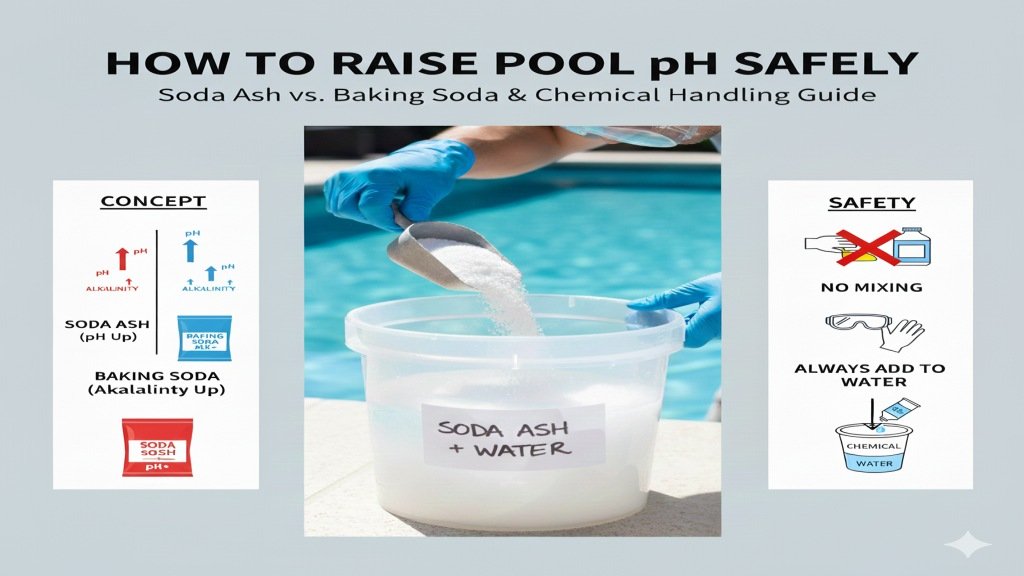
How to Raise The pH in a Pool: Everything You Need to Know for 2026
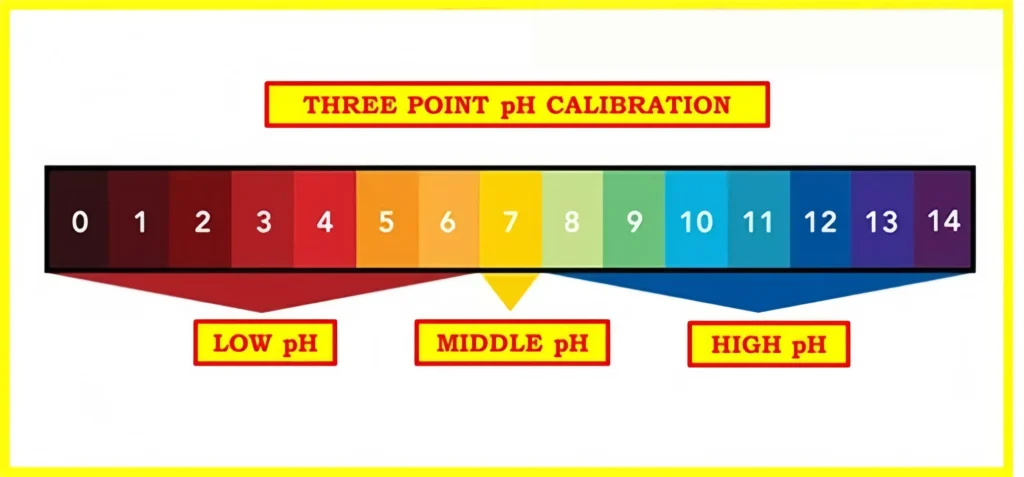
How to Calibrate pH Meter: A Step-by-Step Guide for Accurate Readings
Top 5 Heavy-Duty Plastic pH Meter Sensors for Wastewater (2026)
This series of ion concentration products covers all categories and has high standard performance, adapting to diverse needs from routine monitoring to specialized testing. Standardized technology ensures data compliance, flexible configuration to adapt to different working conditions, and professional services make monitoring more worry free. Choose us to provide stable and reliable core support for your water quality control and process optimization.
Request a Quote