.png)
Learning how to measure dissolved oxygen in water accurately is the first step toward optimizing any aquatic environment, from high-tech aquaculture farms to municipal wastewater plants. Oxygen is truly the “breath of life” in these systems, and mastering its measurement is not only a regulatory requirement but also the key to maintaining healthy ecosystems and improving industrial efficiency. In this 2026 guide, we will explore the most reliable tools and professional techniques to ensure your data is always precise.
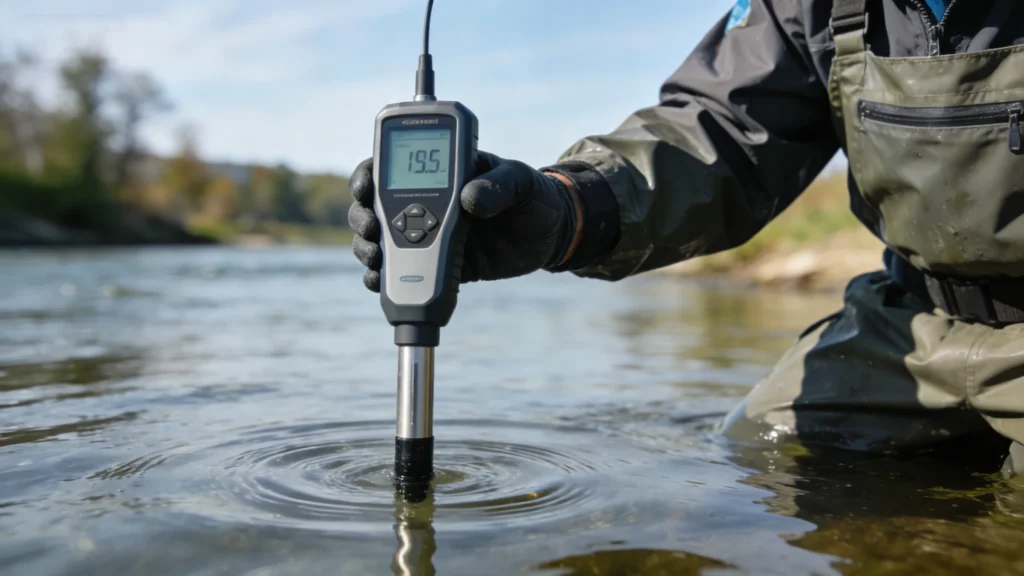
What is dissolved oxygen?
Dissolved oxygen(DO) is the quantity of free,non-compound oxygen that is in water or other liquids.DO is made up of tiny,invisible molecules of oxygen that are different from oxygen atoms in a water molecule.
Learn More:If you want to know more about the science,see our guide:What Is Dissolved Oxygen(DO)?
Why measure dissolved oxygen?
Dissolved oxygen is the “life characteristic” of water bodies and affects production costs and safety red lines. Dissolved oxygen measures respiration and metabolism, like pH measures skin.
Biological dimension: Water oxygen is invisible. Many irreparable losses occur when fish float. Do is measured to forecast risk, not death. A modest do reduction usually indicates severe algae growth or organic contamination. In 2026 high-density aquaculture, do above the critical value increases feed conversion rate by 15%, affecting earnings.
Chemical dimension: Do controls redox processes. In low oxygen, water undergoes a “anaerobic reaction” that produces hydrogen sulfide (egg stench) and ammonia nitrogen. Water’s chemical characteristics depend on dissolved oxygen. DO decreases hazardous substance production. Not measuring means adding medication blindly. Accurate DO detection cuts chemical input by 20%.
Physical dimension: Oxygen is poisonous and corrosive in high-temperature boilers or enclosed circulating water. Even ppb oxygen can pit and perforate metal. Instead of protecting living organisms, measuring do protects pricey machinery and prevents pipe bursts-related downtime.
Economic dimension: The blower’s power generally accounts for 60% or more of the plant’s electrical bill during sewage treatment. Failure to measure DO limits many factories to 24 hours of full power. Compared to blind oxygen supply, on-demand oxygen supply saves 15% to 30% of electricity expenses because our sinoist online monitoring system dynamically adjusts frequency depending on real-time DO.

Core Summary:
| Dimension | Primary Objective | Risk of Not Measuring | Value of Precision Measurement |
| Ecological | Sustaining Respiration | Mass mortality, ecosystem collapse | Increased yield and biosecurity |
| Chemical | Inhibiting Anaerobic Reactions | Foul odors ($H_2S$), toxic ammonia buildup | Significant chemical cost savings |
| Mechanical | Preventing Corrosion | Boiler tube pitting, equipment failure | Extended asset lifespan (CAPEX protection) |
| Operational | Energy Optimization | Massive electricity waste, carbon penalties | Maximized ROI (15% – 30% energy savings) |
Factors affecting dissolved oxygen
| Variable | Change | Effect on DO | Key Strategy (Sino-Inst) |
| Temperature | Rising ↑ | Decreases ↓ | High-precision ATC (Automatic Temperature Compensation) |
| Pressure | Falling ↓ | Decreases ↓ | Built-in Barometric Pressure Correction |
| Salinity | Rising ↑ | Decreases ↓ | Manual/Automatic Salinity Correction |
| BOD/COD | Rising ↑ | Rapid Drop ↓↓ | Real-time Monitoring & Aeration Control |
How To Measure Dissolved Oxygen In Water?
In 2026, dissolved oxygen measurement has evolved from laboratory analysis to real-time industrial digital monitoring. According to your accuracy requirements and maintenance budget, there are three main technical paths:
Fluorescence based Optical Measurement (Optical DO)
High Efficiency, Maintenance Free Preferred
This is currently the ‘gold standard’ for industrial online monitoring. It calculates oxygen concentration by measuring the quenching time of fluorescent substances excited by blue light.
Core advantage: It does not consume oxygen, so it can accurately measure in still water bodies. The design without film or electrolyte completely solves the problem of chemical poisoning.
Application scenarios: sewage treatment aeration tank, high-density aquaculture, long-term unmanned monitoring.
Electrochemical/Polarographic DO
Selection of High Response Speed
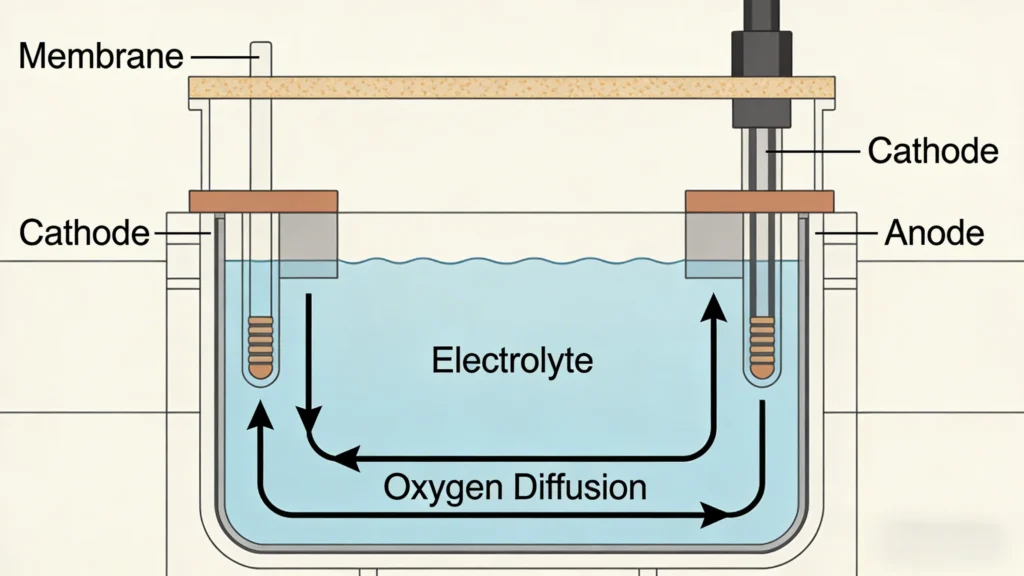
Oxygen passes through a semi permeable membrane and is reduced at the cathode to generate an electric current.
Operation points: When measuring, the flow rate must be maintained (or continuously stirred), otherwise the probe will exhaust the surrounding oxygen and result in low readings.
Application scenarios: Experimental data collection, process control requiring second level response.
Winkler Titration – Laboratory Standard
Classic chemical wet analysis. Although unable to provide continuous readings, it has extremely high accuracy and is typically used to verify the accuracy of online sensors.
💡 Professional advice: If you’re looking for a solution that can be utilized by one person and is suitable for on-site rapid testing, portable devices are the best choice. For information on how to select and use these devices, please refer to our featured article:[The Ultimate Guide to Portable Dissolved Oxygen Meters (2026)s]
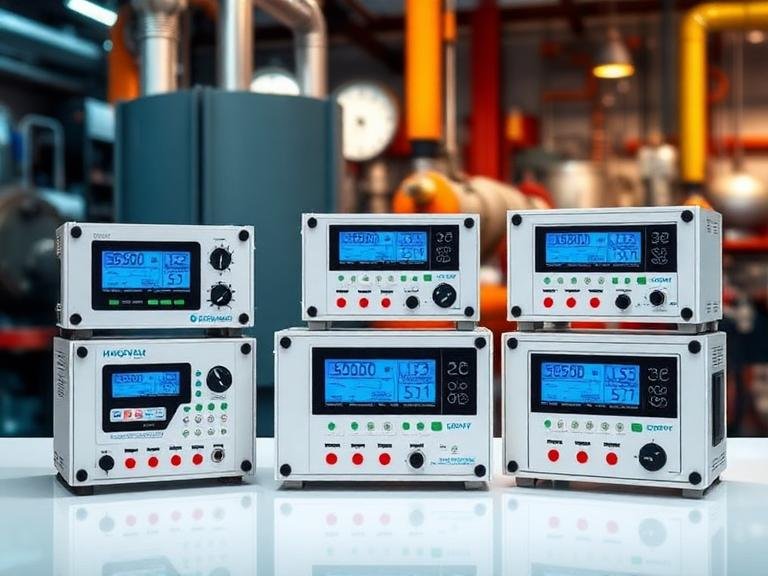
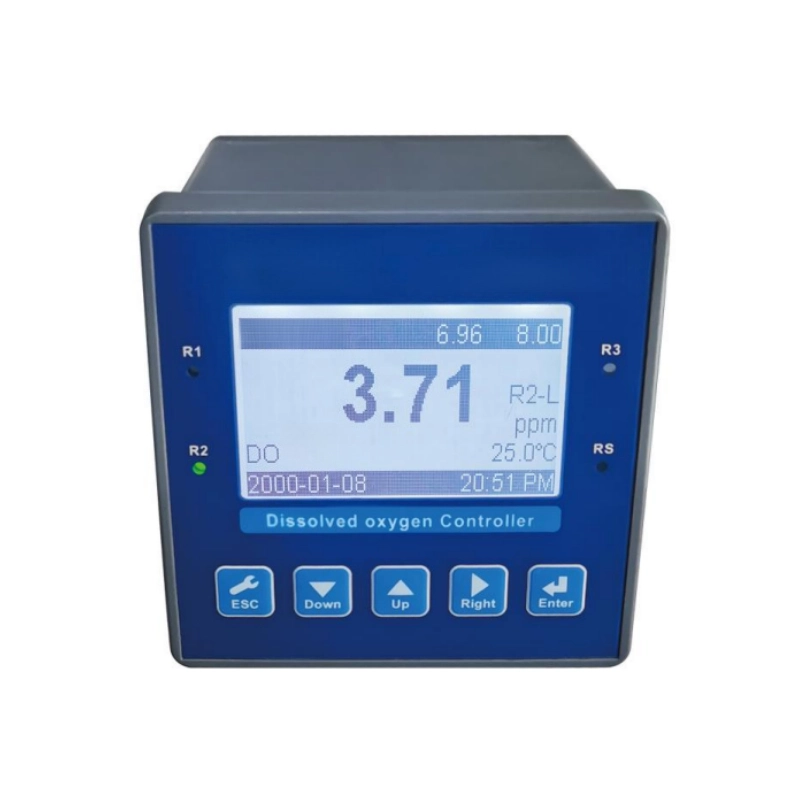
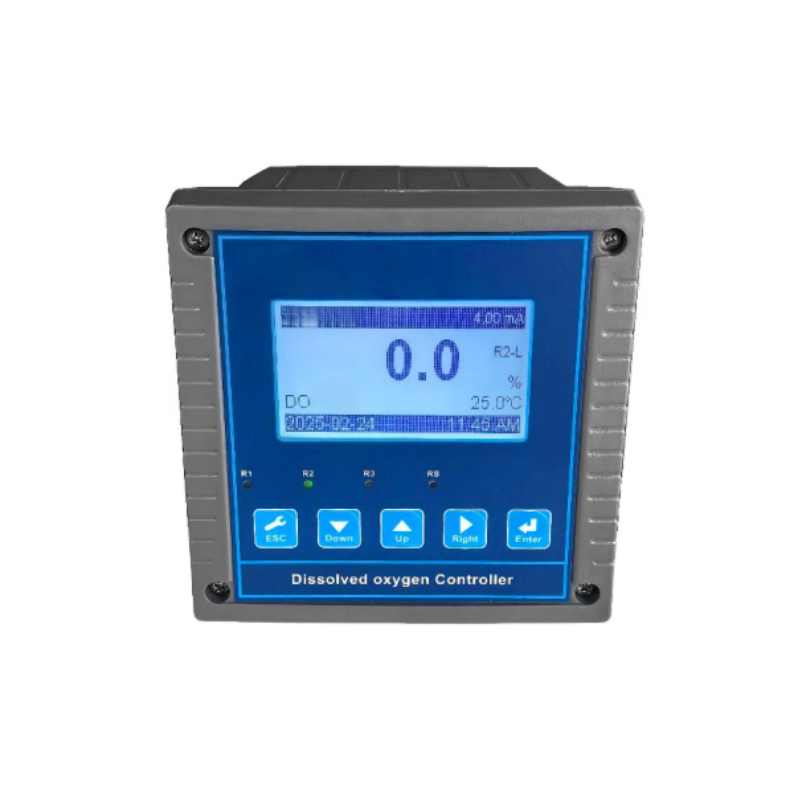
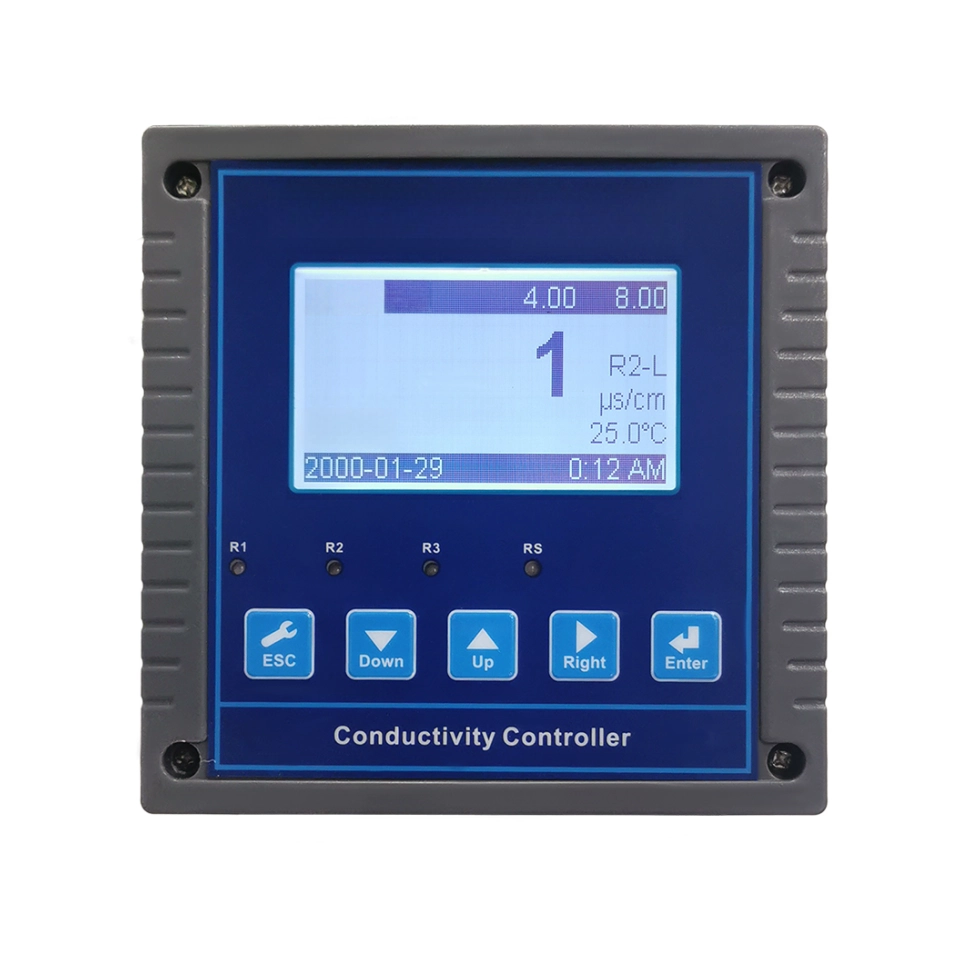
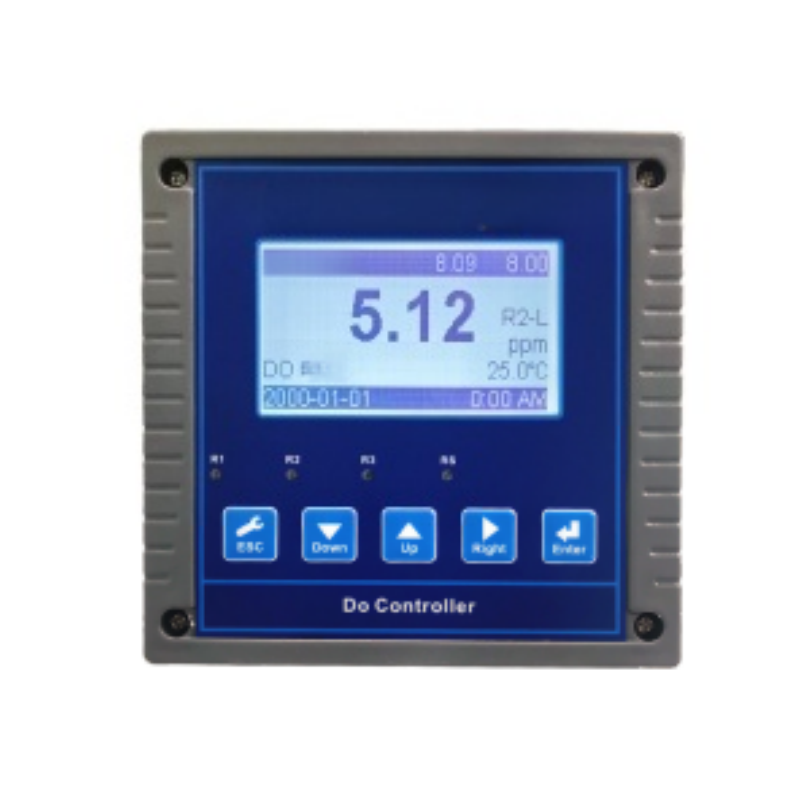
Portable Dissolved Oxygen Controller
How Do You Calculate Dissolved Oxygen?
The core of calculating dissolved oxygen is to convert partial pressure of oxygen into mass concentration (mg/L or ppm).
- Core laws of physics: Henry’s Law
The solubility of oxygen in water is directly proportional to its partial pressure in the atmosphere. The basic formula is:C = k × P
- C: The concentration of dissolved oxygen.
- P: The partial pressure of oxygen above the water surface.
- K: Henry’s law constant (dependent on temperature, pressure, and salinity).
Core summary: Moving towards precise monitoring
To achieve the best measurement results in your project, please remember the following three core principles:
- Technical matching conditions: If you are in a site with high pollution and high maintenance costs (such as sewage treatment or large-scale aquaculture), fluorescence based optical sensors are the undisputed first choice. The ‘zero maintenance’ experience it brings will significantly reduce your total cost of ownership.
- Compensation determines accuracy: never ignore temperature, air pressure, and salinity. A data set without automatic compensation may have an error of up to 20% under conditions of significant altitude changes or temperature differences.
- From monitoring to gain: Measuring DO is just a means, reducing energy consumption and protecting assets are the goals. Through the linkage control system, real-time monitoring is transformed into actual electricity cost reduction and equipment lifespan extension.

FAQ
Related Products
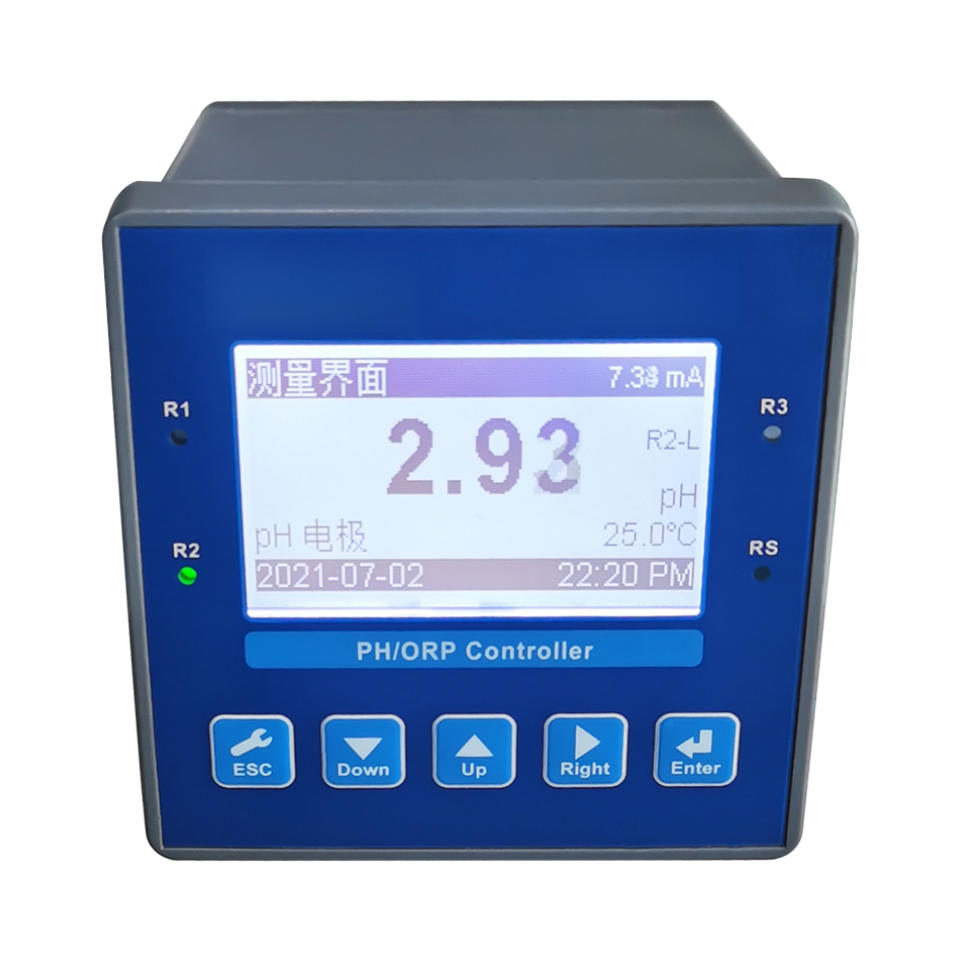
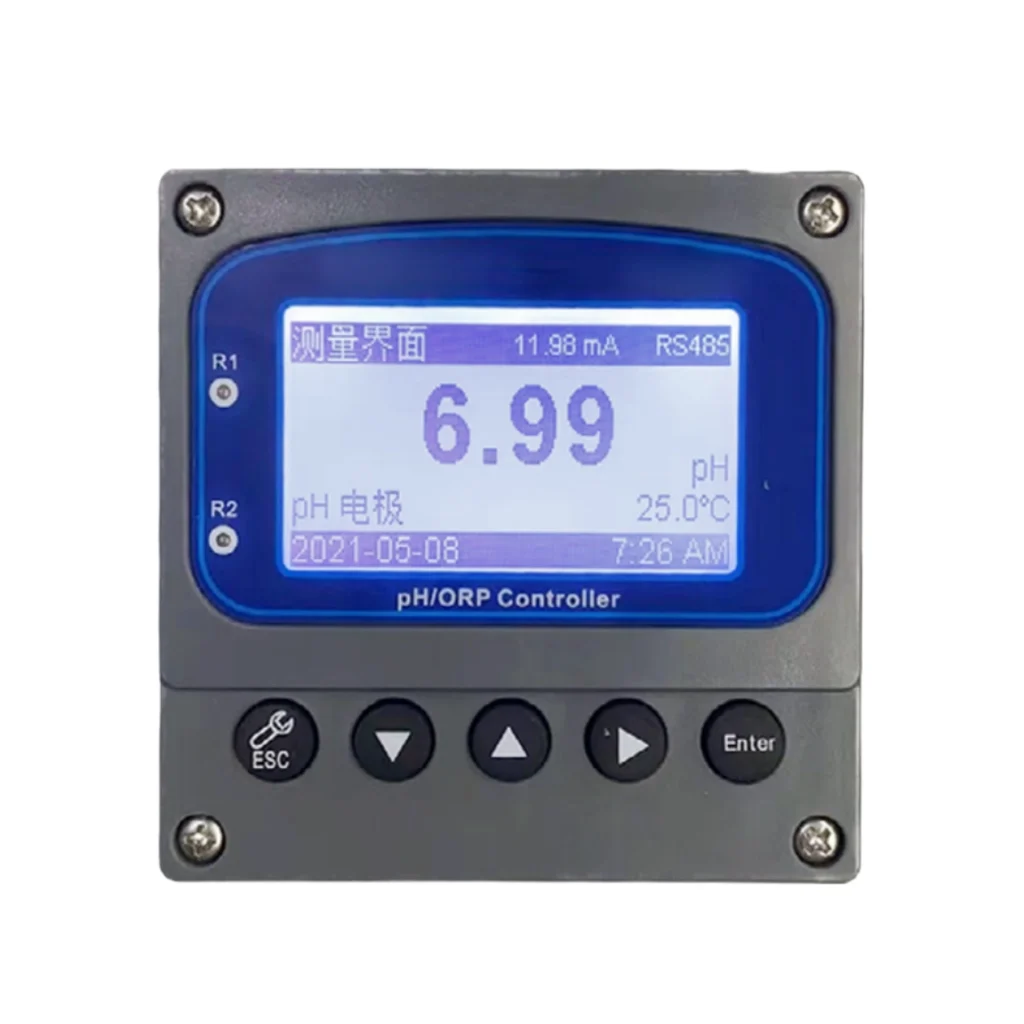
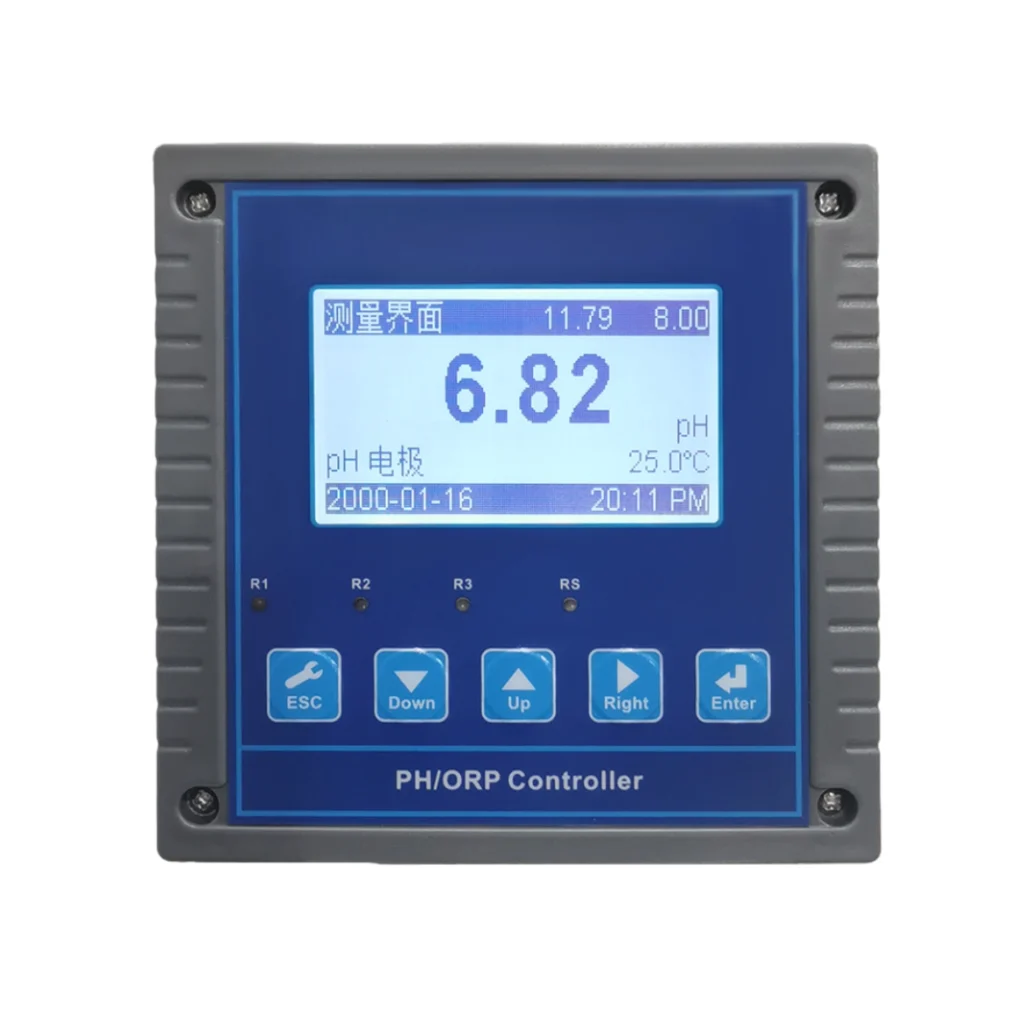
The dissolved oxygen analyzer is the best digital tool you can use to conserve aquatic ecosystems or improve industrial processes. Don’t allow wrong statistics hide possible energy consumption black holes or hazards to your devices.
The first step toward accurate monitoring is
Do you want to know how to pick the best portable tool for the job site? Click here to read our: [The Ultimate Guide to Portable Dissolved Oxygen Meters (2026)]
Please contact Sino Inst technical experts if you require tailored solutions for certain industrial situations. We will assist you make the jump from “data collection” to “lowering costs and making things more efficient.”
Request A Quote
More Resources
-
7 Benefits of Using a Mass Flow Meter in Industrial Processes
By Sino-Inst — A professional supplier of industrial process and analytical instruments, including gas detectors, gas analyzers, dust detectors, mass flow controllers, and…
-
How to Use a Mass Flow Controller for Precision Fluid Control?
In modern industrial manufacturing, laboratory research, and specialized fluid handling, achieving absolute precision is not a luxury; it is a fundamental requirement. Whether…
-
How Does a Gas Mass Flow Controller Work?
In modern industrial processes, precision is not a luxury; it is a fundamental requirement. Whether managing gas distribution in semiconductor manufacturing, controlling bioreactor…
-
The 6 Best Boiler Combustion Analyzer Solutions for Industrial Efficiency
In the highly demanding world of industrial heating, power generation, and commercial HVAC systems, achieving optimal fuel efficiency and maintaining strict emission compliance…
-
Drinking vs. Appliances:Is Distilled Water Better Than Spring Water
When choosing between daily drinking water or equipment water, the debate usually revolves around one issue: is distilled water better than spring water。…
-
The Expert Guide to OSHA Requirements for Confined Space Air Monitoring
Navigating the complex landscape of industrial safety is a critical responsibility for any plant manager, safety officer, or environmental health professional. Among the…