.png)
Natural gas is an incredibly efficient and widely utilized energy source, powering everything from heavy industrial manufacturing plants to residential heating systems. Composed primarily of methane, natural gas is inherently colorless, tasteless, and odorless. While this makes it a clean-burning fuel, it also creates a significant safety hazard in the event of an uncontrolled release. Recognizing the signs of a natural gas leak is a critical safety protocol that protects facilities, environments, and human lives from catastrophic explosions and severe health risks.
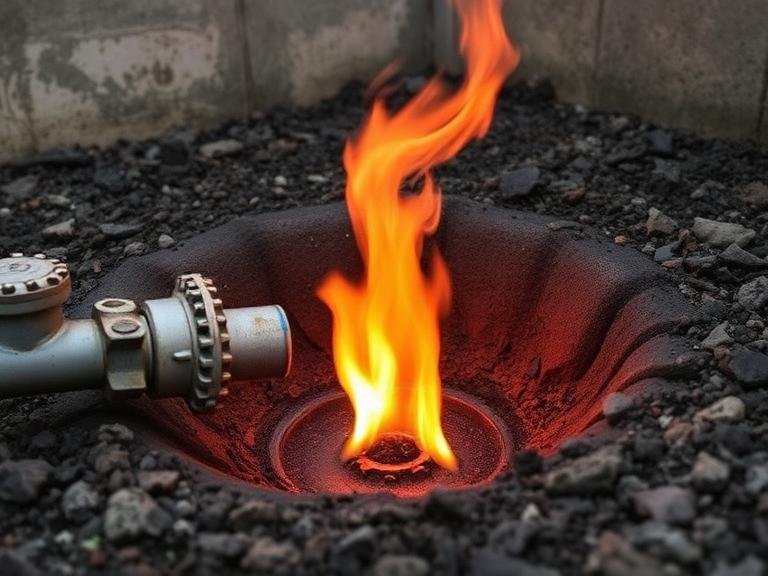
From our experience at Sino-Inst, relying solely on human senses to detect the signs of a natural gas leak is an inadequate strategy for modern industrial and commercial operations. However, foundational knowledge of physical and environmental indicators remains the first line of defense. In this authoritative guide, we will detail the 6 critical signs of a natural gas leak, explore the physiological and environmental impacts of methane exposure, and recommend advanced analytical instruments that provide absolute safety assurance.
Table of Contents
- 1. The Hidden Dangers of Methane and Natural Gas
- 2. The 6 Critical Signs of a Natural Gas Leak
- 3. How to Respond to the Signs of a Natural Gas Leak
- 4. Advanced Detection: Industrial and Commercial Solutions
- 5. Summary Table: Analyzing the Signs of a Natural Gas Leak
- 6. Frequently Asked Questions (FAQs)
- 7. Industry References
1. The Hidden Dangers of Methane and Natural Gas
Understanding the behavior of natural gas is essential to identifying the signs of a natural gas leak. Methane is lighter than air, meaning that when it escapes from a pipeline or valve, it naturally rises and dissipates in open environments. However, in enclosed spaces, such as basements, manufacturing floors, or subterranean utility trenches, methane accumulates rapidly. As it accumulates, it displaces oxygen, creating a hypoxic environment. Furthermore, when natural gas reaches a concentration of 5% to 15% by volume in the air, it hits its explosive limit. A single spark from a light switch or static electricity can ignite the mixture.
Because of these extreme risks, regulatory bodies require utility companies to inject an odorant into commercial and residential gas lines. Despite this precaution, environmental factors, pipeline depth, and olfactory fatigue can mask this odor, making it imperative to understand all visual, auditory, and physical signs of a natural gas leak.
2. The 6 Critical Signs of a Natural Gas Leak
We recommend that facility managers, safety officers, and homeowners alike memorize the following 6 signs of a natural gas leak. Identifying these indicators early can prevent disaster.
Sign 1: The Distinct Smell of Rotten Eggs (Mercaptan)
Because natural gas is naturally odorless, distribution companies add a harmless chemical compound called mercaptan (specifically methanethiol) to the gas supply. Mercaptan has a highly pungent odor, universally compared to rotten eggs or sulfur. Detecting this sulfurous odor is the most common and immediate of all the signs of a natural gas leak. If you smell rotten eggs in your facility, home, or near a pipeline right-of-way, you must assume a leak is actively occurring. However, in heavy industrial zones, background odors may mask mercaptan, necessitating the use of specialized sensory equipment.
Sign 2: Hissing or Whistling Sounds Near Gas Lines
Natural gas is transported through pipelines under immense pressure. When a rupture, crack, or faulty valve seal occurs, the gas escapes at high velocity. This pressure differential creates a distinct auditory signature. One of the most reliable auditory signs of a natural gas leak is a hissing, roaring, or whistling sound coming from gas meters, manifold connections, or buried pipelines. In a quiet environment, a small hiss indicates a pinhole leak, while a loud roaring sound indicates a massive, highly dangerous pipeline rupture.
Sign 3: Unexplained Dead or Dying Vegetation
When an underground gas line leaks, the methane permeates the surrounding soil. As the gas expands, it displaces the natural oxygen trapped within the soil matrix. Plant roots require this oxygen for cellular respiration. Consequently, an unexpected patch of dead, brown, or dying grass, shrubs, or trees in an otherwise healthy landscape is one of the classic environmental signs of a natural gas leak. If you notice a linear strip of dead vegetation aligning with known underground utility paths, it is a highly probable indicator of subterranean gas migration.
Sign 4: Bubbles in Standing Water or Puddles
Subterranean leaks frequently intersect with groundwater, saturated soil, or surface puddles after a rainstorm. Because methane is a gas attempting to escape into the atmosphere, it will force its way through liquid barriers. Observing continuous, unexplained bubbling in puddles, mud, ponds, or flooded areas near gas infrastructure is one of the visual signs of a natural gas leak. Unlike biological swamp gas which bubbles intermittently, a pressurized natural gas leak will produce a steady, continuous stream of bubbles.
Sign 5: Uncharacteristic Blowing Dirt or Dust
In dry climates or during drought conditions, the high-pressure release of natural gas from an underground pipe will physically disturb the earth above it. You may witness dirt, dust, or light debris being blown into the air from a hole in the ground, seemingly without wind. This soil displacement is one of the physical signs of a natural gas leak that demands immediate evacuation, as it indicates a high-volume, high-pressure breach.
Sign 6: Physical Symptoms of Gas Exposure (Carbon Monoxide and Hypoxia)
If natural gas accumulates indoors, it acts as an asphyxiant by reducing the ambient oxygen levels below the required 19.5% for human health. Experiencing sudden, unexplained physical symptoms is one of the most critical signs of a natural gas leak. Symptoms include dizziness, severe headaches, nausea, fatigue, shortness of breath, and chest pain. Furthermore, if appliances are burning natural gas inefficiently due to a leak or improper ventilation, they produce carbon monoxide (CO), an invisible, deadly byproduct. If multiple individuals in a facility simultaneously experience these symptoms, evacuate the premises immediately.
3. How to Respond to the Signs of a Natural Gas Leak
Recognizing the signs of a natural gas leak is only useful if followed by appropriate emergency protocols. We recommend strictly adhering to the following safety steps if a leak is suspected:
- Evacuate Immediately: Remove all personnel from the area without hesitation. Move upwind of the suspected leak source.
- Do Not Create Sparks: Do not flip electrical switches, unplug devices, use landline telephones, or operate cell phones within the vicinity of the leak. Static electricity or minor electrical arcs can ignite the gas.
- Do Not Start Vehicles: Internal combustion engines and automotive electrical systems are profound ignition sources.
- Call Emergency Services: Once you are a safe distance away, contact local emergency responders and your natural gas utility provider.
4. Advanced Detection: Industrial and Commercial Solutions

From our experience, while human senses are valuable, they are subjective and susceptible to failure. Olfactory fatigue can cause a worker to stop smelling mercaptan after prolonged exposure, rendering them blind to the signs of a natural gas leak. For industrial facilities, laboratories, and commercial complexes, continuous analytical instrumentation is the only method to guarantee safety.
At Sino-Inst, we engineer and supply a comprehensive suite of analytical tools to detect the earliest signs of a natural gas leak before they reach hazardous concentrations:
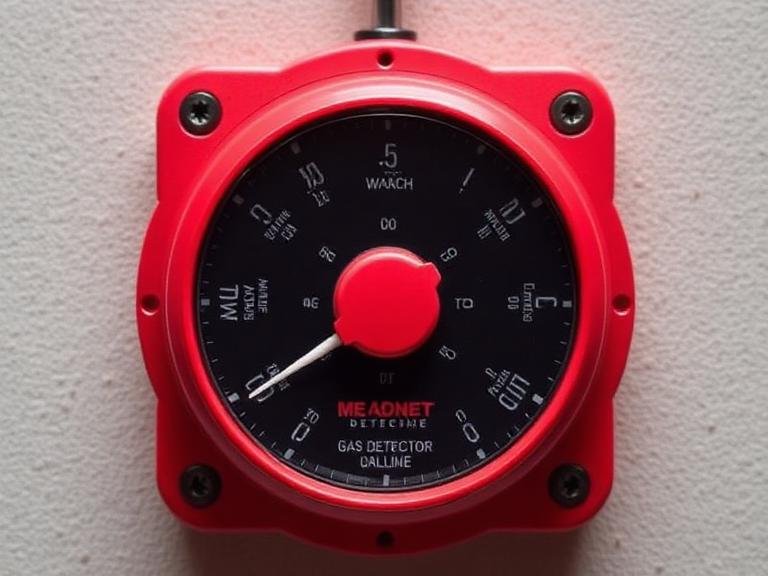
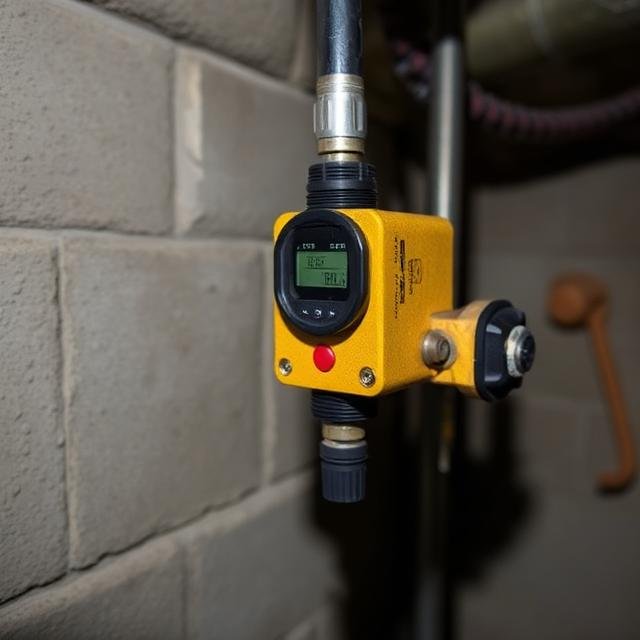
- Continuous Facility Oversight: We recommend deploying Fixed Gas Detectors in boiler rooms, manifold stations, and production floors. These units provide 24/7 continuous monitoring, utilizing catalytic bead or infrared sensors to detect combustible gases, triggering automated alarms and ventilation systems the moment LEL (Lower Explosive Limit) thresholds are approached.
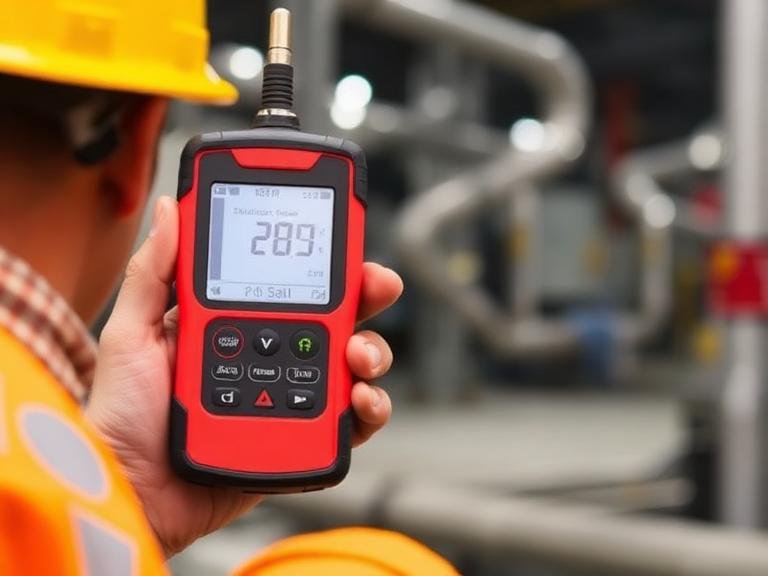
- Personnel Safety: For technicians performing maintenance in confined spaces or utility trenches, carrying Portable Gas Detectors is a mandatory safety practice. These rugged devices instantly alert the wearer to hypoxic environments or methane accumulation.
- Custom Integration: For manufacturers building specialized equipment, our 800 Series Gas Sensor Module offers high-precision OEM integration, ensuring gas detection capabilities are built directly into your proprietary hardware.
- Centralized Diagnostics: To manage multiple detection points across a vast industrial complex, a centralized Gas Monitoring System provides facility managers with real-time data analytics, mapping exact leak locations and concentration trends.
- Flow Monitoring: Often, the earliest signs of a natural gas leak are detected not in the ambient air, but within the pipeline metrics. By utilizing Mass Flow Controllers/Meters, operators can detect abnormal pressure drops or flow rate discrepancies that indicate a downstream leak.
- Environmental Air Quality: In complex processing plants, particulate matter can complicate gas detection and combustion safety. Integrating Dust Monitors alongside gas detection systems ensures comprehensive environmental safety and regulatory compliance.
5. Summary Table: Analyzing the Signs of a Natural Gas Leak
To assist in safety training and rapid identification, we have compiled the 6 signs of a natural gas leak into a quick-reference matrix.
| Sign of a Leak | Detection Method | Underlying Cause / Mechanism | Primary Environment |
|---|---|---|---|
| Rotten Egg Odor | Olfactory (Smell) | Addition of mercaptan to the gas supply. | Indoors and Outdoors |
| Hissing or Whistling | Auditory (Sound) | High-pressure gas escaping through a small breach. | Near meters, valves, pipes |
| Dead Vegetation | Visual (Sight) | Methane displacing oxygen in the soil root zone. | Outdoors, over buried lines |
| Bubbling Water | Visual (Sight) | Pressurized gas forcing its way through liquid barriers. | Puddles, ponds, mud |
| Blowing Dust | Visual (Sight) | Kinetic energy of escaping gas displacing dry soil. | Outdoors, dry climates |
| Physical Symptoms | Physiological (Feeling) | Hypoxia (oxygen displacement) or Carbon Monoxide. | Enclosed indoor spaces |
6. Frequently Asked Questions (FAQs)
No. From our experience, relying exclusively on smell is dangerous. People can suffer from anosmia (loss of smell) or olfactory fatigue, where the nose becomes accustomed to the odor. Furthermore, underground leaks can be stripped of the mercaptan odorant as the gas passes through certain types of soil. This is why professional gas detectors are mandatory for safety.
Natural gas (methane) has an added odor to warn of leaks before combustion. Carbon monoxide is a byproduct of incomplete combustion (e.g., a faulty furnace burning gas improperly). Carbon monoxide has absolutely no odor, color, or taste, making it a “silent killer.” Both require dedicated electronic detectors to ensure environmental safety.
Visual signs, such as bubbling water or dying vegetation, often indicate underground leaks on main distribution lines before the gas enters a building. Recognizing these environmental signs of a natural gas leak allows you to report pipeline failures to utility companies before the gas migrates through the soil into basements or confined spaces.
7. Industry References
To ensure your facility meets all regulatory safety standards regarding gas handling and environmental monitoring, we recommend consulting guidelines from the following authoritative organizations: