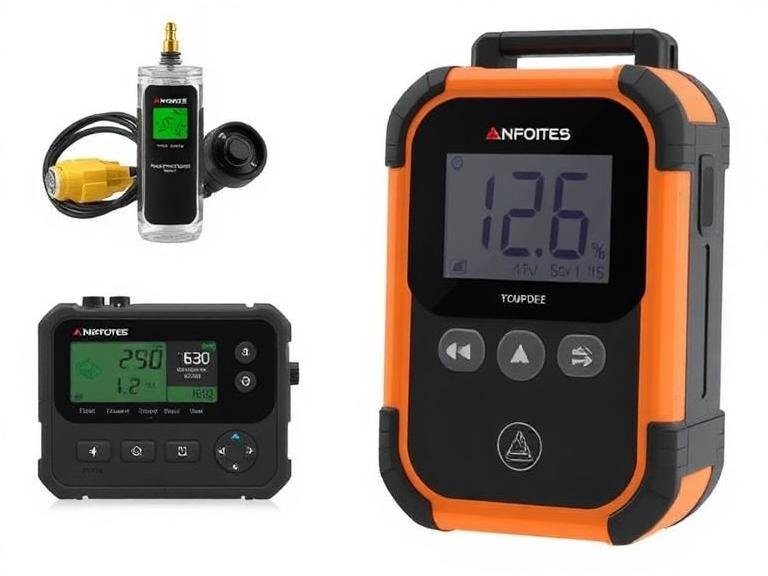
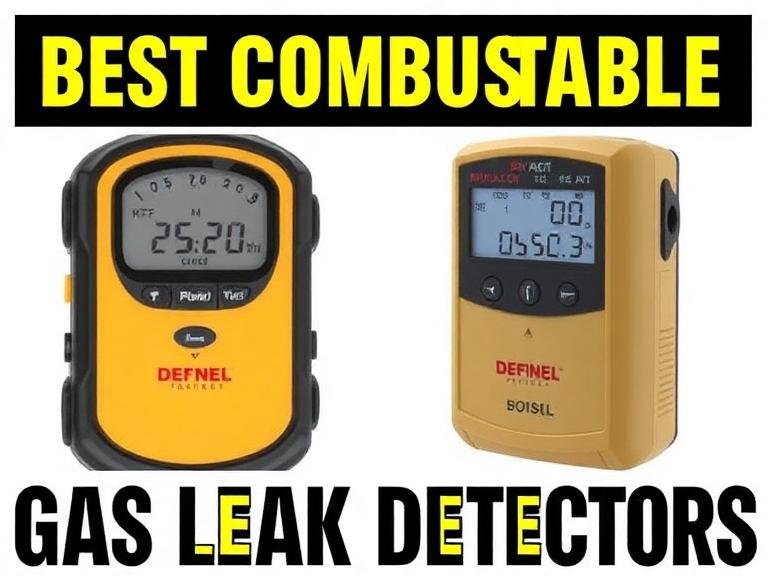
.png)
In the modern industrial landscape of 2026, ensuring the safety of personnel, the protection of plant assets, and strict environmental compliance relies heavily on accurate atmospheric monitoring. As a professional supplier of industrial process and analytical instruments, Sino-Inst understands that no single sensing technology can address every atmospheric hazard. Selecting the correct types of gas detector tool requires an intricate understanding of the target gases, environmental conditions, and specific process requirements.
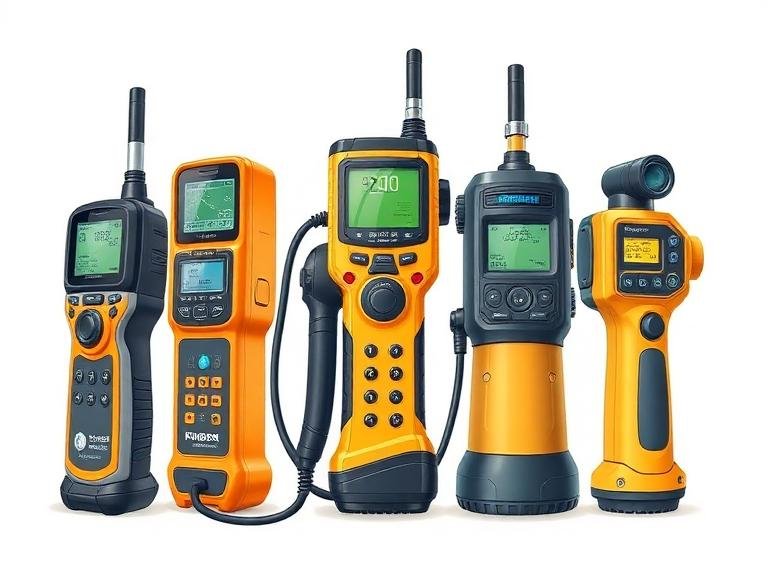
From our experience, facility managers and safety engineers frequently encounter confusion when navigating the myriad of sensor technologies available on the market. We have seen firsthand how deploying incorrect types of gas detector tool can lead to false alarms, sensor poisoning, or worse, a failure to detect lethal gas concentrations. Sino-Inst provides high-quality solutions, including our versatile Gas Monitoring System, to help you obtain reliable measurement and analysis solutions while saving procurement costs. In this comprehensive guide, we will dissect the 5 essential types of gas detector tool that drive industrial safety today.
Table of Contents
- Summary Table: Comparing the Types of Gas Detector Tool
- 1. Catalytic Bead Sensors
- 2. Non-Dispersive Infrared (NDIR) Sensors
- 3. Electrochemical Sensors
- 4. Photoionization Detectors (PID)
- 5. Metal Oxide Semiconductor (Solid-State) Sensors
- Integrating Gas Detectors with Comprehensive Process Analysis
- Frequently Asked Questions
- References
Summary Table: Comparing the Types of Gas Detector Tool
Before diving into the detailed mechanisms of each technology, we have prepared a summary table to give you a quick overview of the 5 primary types of gas detector tool and their optimal applications.
| Types of Gas Detector Tool | Detection Mechanism | Primary Target Gases | Ideal Application |
|---|---|---|---|
| Catalytic Bead | Combustion on a heated wire coil | Combustible Gases (LEL) | Oil & Gas, Petrochemical facilities |
| NDIR (Infrared) | Absorption of infrared light | Hydrocarbons, CO2 | Low-oxygen environments, high-concentration CH4 |
| Electrochemical | Chemical reaction producing electrical current | Toxic Gases (H2S, CO, Cl2) & Oxygen | Confined space entry, personnel safety |
| PID (Photoionization) | Ultraviolet light ionizing gas molecules | Volatile Organic Compounds (VOCs) | Industrial hygiene, hazmat response |
| Metal Oxide Semiconductor | Change in electrical resistance on sensor surface | Broad spectrum (Combustibles & Toxics) | Harsh environments with extreme temperatures |
1. Catalytic Bead Sensors
Operating Principle
Among the most traditional types of gas detector tool, the catalytic bead sensor, often called a pellistor, is engineered primarily to detect combustible gases. The tool operates using two fine wire coils (beads)—one active and one reference. When a combustible gas comes into contact with the heated active bead, it oxidizes (burns), which increases the temperature and subsequently the electrical resistance of the wire. The difference in resistance between the active and reference beads is proportional to the gas concentration in the Lower Explosive Limit (LEL) range.
Industrial Application
We routinely integrate these sensors into our Fixed Gas Detectors for continuous area monitoring in refineries and chemical processing plants. Users must be cautious of sensor poisoning; exposure to silicones, lead, or sulfur compounds can permanently deactivate the catalytic bead.
2. Non-Dispersive Infrared (NDIR) Sensors
Operating Principle
Non-Dispersive Infrared (NDIR) technology represents one of the most advanced types of gas detector tool for measuring hydrocarbon gases and carbon dioxide. NDIR sensors work on the principle that specific gas molecules absorb infrared light at specific wavelengths. The sensor contains an IR light source and a dual detector setup. As the target gas passes between the source and the detector, it absorbs some of the light. The reduction in light intensity is directly correlated to the gas concentration.
Industrial Application
NDIR sensors are highly prevalent in our Portable Gas Detectors used by maintenance workers in confined spaces, such as pipelines or storage tanks, where oxygen may be displaced. They provide rapid, reliable readings of methane and CO2 without the risk of degradation from atmospheric contaminants.
3. Electrochemical Sensors
Operating Principle
When it comes to detecting toxic gases and oxygen deficiency, electrochemical sensors are the most precise types of gas detector tool available. These sensors function much like a battery. They consist of working, reference, and counter electrodes submerged in an electrolyte. When a target gas penetrates the sensor’s permeable membrane, it undergoes a chemical reaction (oxidation or reduction) at the working electrode, generating a microampere electrical current proportional to the gas concentration.
Industrial Application
To ensure high accuracy in toxic gas monitoring, Sino-Inst offers the 800 Series Gas Sensor Module, which utilizes premium electrochemical technology. These modules are widely used in detecting Hydrogen Sulfide (H2S), Carbon Monoxide (CO), and Ammonia (NH3) in water treatment facilities and metallurgy plants.
4. Photoionization Detectors (PID)
Operating Principle
Photoionization Detectors are the most sensitive types of gas detector tool for monitoring Volatile Organic Compounds (VOCs). A PID uses a high-energy Ultraviolet (UV) lamp to ionize gas molecules in the sampled air. When the molecules absorb the UV light, they temporarily lose an electron, forming positively charged ions. The detector measures the electrical current produced by these ions, providing a reading of the total VOCs present, often down to parts-per-billion (ppb) levels.
Industrial Application
PID technology is crucial for indoor air quality assessments, soil remediation projects, and leak detection in pharmaceutical manufacturing. Regular cleaning of the UV lamp is required to maintain the accuracy of these specific types of gas detector tool.
5. Metal Oxide Semiconductor (Solid-State) Sensors
Operating Principle
Metal Oxide Semiconductor (MOS) sensors are renowned as the most rugged types of gas detector tool. They operate using a metal oxide film (usually tin dioxide) heated to high temperatures. In clean air, oxygen is adsorbed onto the film surface, creating a high electrical resistance. When a target gas (combustible or toxic) interacts with the surface, it reacts with the adsorbed oxygen, decreasing the electrical resistance. This change is measured and converted into a gas concentration reading.
Industrial Application
We often deploy these sensors in harsh industrial environments such as boiler rooms, HVAC chillers (for refrigerant leak detection), and heavy manufacturing facilities where robust, low-maintenance monitoring is prioritized over pinpoint accuracy.
Integrating Gas Detectors with Comprehensive Process Analysis

Understanding the different types of gas detector tool is only one part of industrial safety and process control. Modern manufacturing, wastewater treatment, and chemical processing require a holistic approach to environmental monitoring. Customized products and OEM services are available through Sino-Inst to bridge the gap between air quality and fluid analysis.
For example, in a municipal wastewater treatment plant, deploying an electrochemical gas detector to monitor lethal H2S gas is critical for worker safety. However, treating the water itself requires strict liquid analysis. Sino-Inst provides a full suite of water quality instruments to work alongside our gas detection networks. Our reliable pH/ORP Controller paired with a durable Plastic-Shell Electrode or a high-precision Glass pH/ORP Sensor ensures optimal chemical dosing for odor control.
Furthermore, evaluating aeration basin efficiency requires precise Dissolved Oxygen(DO) monitoring. To guarantee compliance with environmental discharge regulations, plants must also measure Turbidity/Suspended Solids, Residual Chlorine, and utilize Conductivity, TDS, Resistivity & Salinity Sensors.
Beyond liquid and gas analysis, airborne particulates pose significant respiratory hazards and explosion risks. Integrating our Dust Monitors with your area gas network provides complete atmospheric oversight. For precise control of calibration gases or process gases feeding into reactors, our Mass Flow Controllers/Meters offer unparalleled accuracy. We will be your most trusted partner in building these integrated control loops.
Frequently Asked Questions
For confined space entry, professionals typically use a 4-gas portable monitor. These combine different types of gas detector tool into one unit: an electrochemical sensor for Oxygen (O2), electrochemical sensors for toxic gases like H2S and CO, and either a catalytic bead or NDIR sensor for combustible gases (LEL).
From our experience, calibration frequency depends on the technology and the operating environment. Electrochemical and catalytic bead sensors generally require bump testing daily before use, and a full calibration every 30 to 90 days. NDIR and PID sensors may hold calibration longer but still require routine verification according to manufacturer specifications.
Photoionization Detectors (PID) are the absolute best types of gas detector tool for detecting Volatile Organic Compounds. They offer sensitivity down to the parts-per-billion range, making them essential for industrial hygiene and tracking low-level toxic exposure.
No. Different types of gas detector tool are designed for specific molecular interactions. Combustible sensors cannot accurately read toxic levels in parts-per-million, and electrochemical sensors are targeted to specific chemical reactions. A comprehensive Gas Monitoring System utilizes a mix of technologies to ensure total facility safety.