.png)
Maintaining a crystal-clear swimming pool is a balancing act of chemistry. Among all the chemicals in a pool professional’s kit, muriatic acid is perhaps the most powerful and misunderstood.
This guide is for you if you’ve ever wondered, “What does muriatic acid do for a pool?” or if you were scared of how strong it is in factories. We’ll explain what it does, how to use it safely, and how to safeguard your pool investment with it.
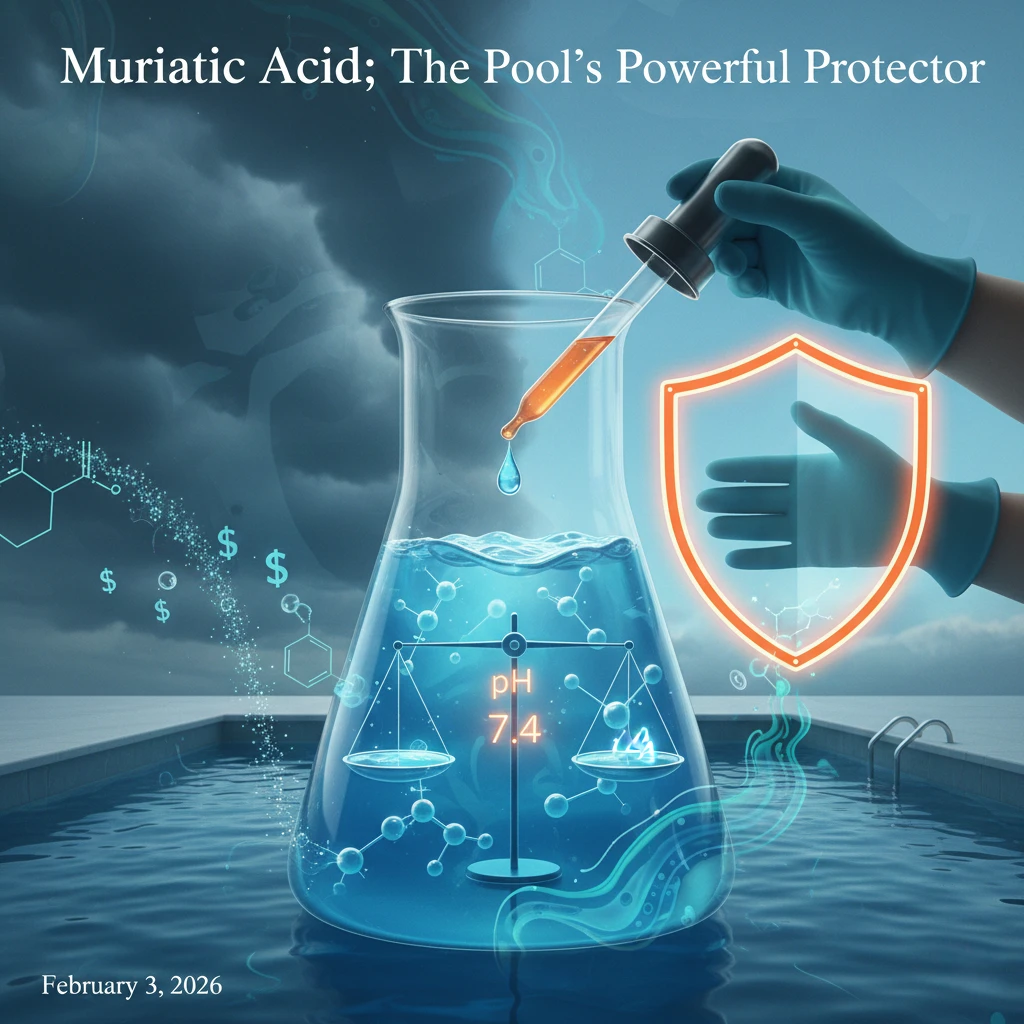
What is Muriatic Acid? (The Industrial Powerhouse)
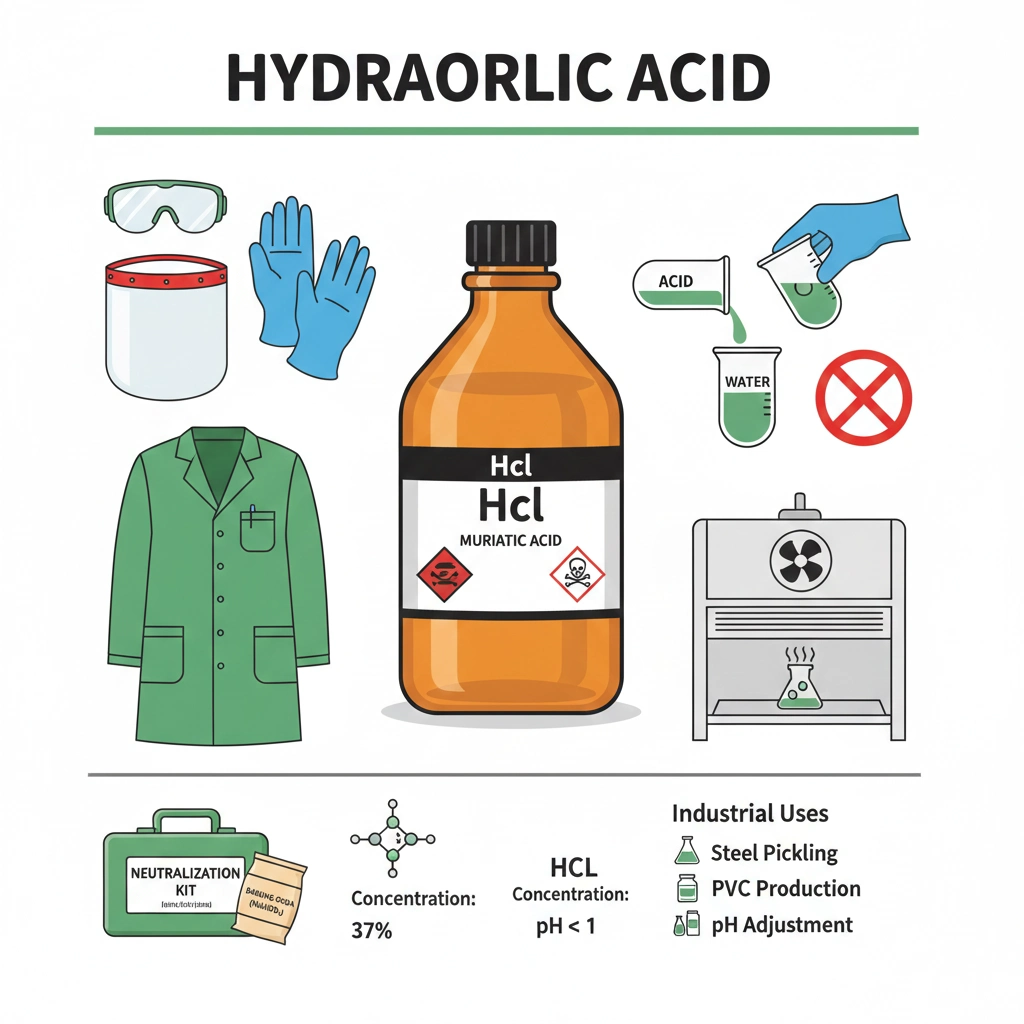
While scientists know it as Muriatic Acid (HCl), pool owners know it as the “heavy-duty” liquid balancer. In its pure form, it is a pungent, clear-to-pale-yellow liquid. However, you don’t need lab-grade 37% acid for your backyard.
Most muriatic acid sold for swimming pools is standardized at a concentration of 31.4% (or 20° Baume). It is specifically formulated to be strong enough to shift high pH levels and dissolve calcium scale, yet safe enough for home use when handled with the proper dilution and safety gear. At Sino-Inst, we treat it as an industrial-grade tool adapted for your home oasis.
Core Functions: What Does Muriatic Acid Do for a Pool?
Rapidly Lowers pH Levels
When your pool’s pH rises above 7.8, chlorine becomes less effective, and swimmers’ eyes start to sting. Muriatic acid is the most efficient way to bring the pH back to the ideal 7.4–7.6 range.
Controls Total Alkalinity (TA)
High alkalinity acts like “concrete” for your pH, making it stuck at high levels. Muriatic acid breaks down these bicarbonates, allowing you to reset your water’s chemistry.
Removes Calcium Scale
Have you ever seen white, crusty deposits on the tiles in your pool or in your salt chlorine generator? Muriatic acid dissolves down these calcium scales, which makes your expensive tools last longer.
Makes Cloudy Water Clear
When the pH is high, minerals often settle out of the water, which makes it look milky. You “pull” those minerals back into the solution by adding acid to balance the pH. This makes the solution clear again.
Comparison: Muriatic Acid vs. Other Acids
| Feature | Muriatic Acid | Dry Acid (Sodium Bisulfate) | Sulfuric Acid |
| Strength | Very Strong | Moderate | Strong |
| Cost | Lowest | High | Moderate |
| Storage | Liquid (Needs ventilation) | Powder (Easy/Safe) | Liquid |
| Cons | Fumes/Corrosive | Adds Sulfates (Bad for tiles) | Rapidly consumes alkalinity |
Safety First: How to Handle Muriatic Acid in Pool
Safety is a must because it is a very caustic material.
- Always wear protective eyewear, gloves that won’t get damaged by acid, and shoes with closed toes.
- Never add water to acid; always add acid to water. When you add water to acid, it can trigger a powerful exothermic reaction that splashes back on you.
- Store the container in a cool, well-ventilated place with the lid on tightly. Don’t ever keep it near chlorine, because mixing the two makes deadly chlorine gas.
The Secret of Dilution: Why You Should Mix Before
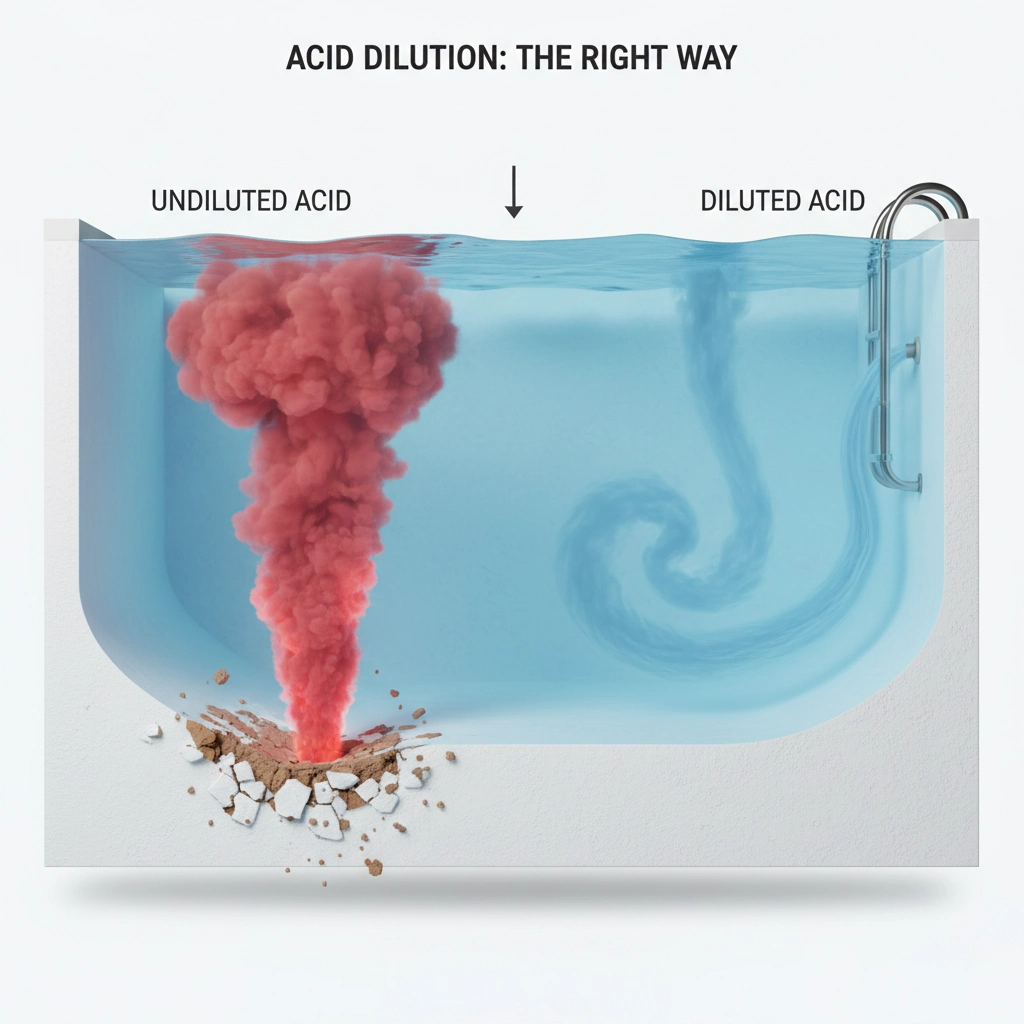
Never put muriatic acid straight into your pool. Muriatic acid is denser than water, thus it sinks right to the bottom. This forms a thick “acid cloud” that does permanent damage:
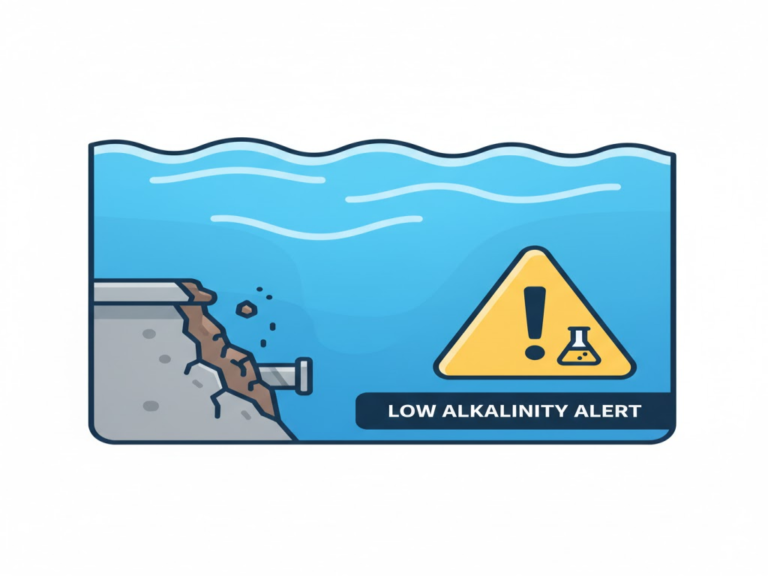
Acid etching chips away at plaster and concrete floors, making them feel like sandpaper.
Damage to the liner: It makes the vinyl liners brittle and bleaches them, which causes leaks.
The Right Way to Do It:
- First, fill a bucket three-quarters full with pool water.
- Second, add acid to the water (never the other way around).
The Jet Trick: Put the mixture in front of a jet that returns. The acid spreads out right away since the water is moving. This keeps it from sitting on the floor and protects your heater and pump from rust.
How to Add Muriatic Acid: A Step-by-Step Guide
Step 1: Test correctly
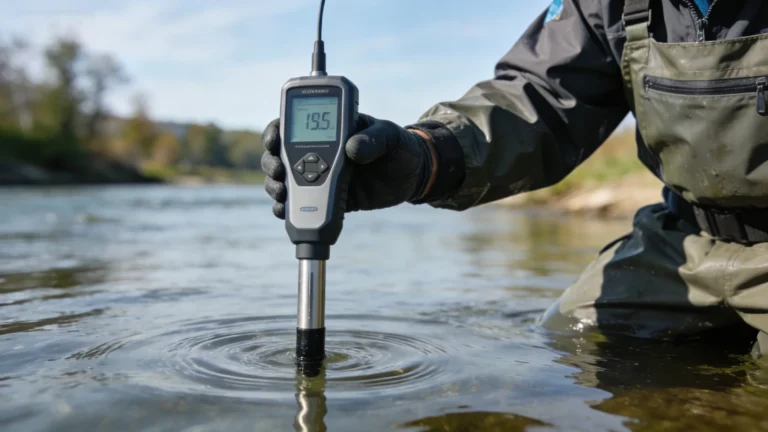
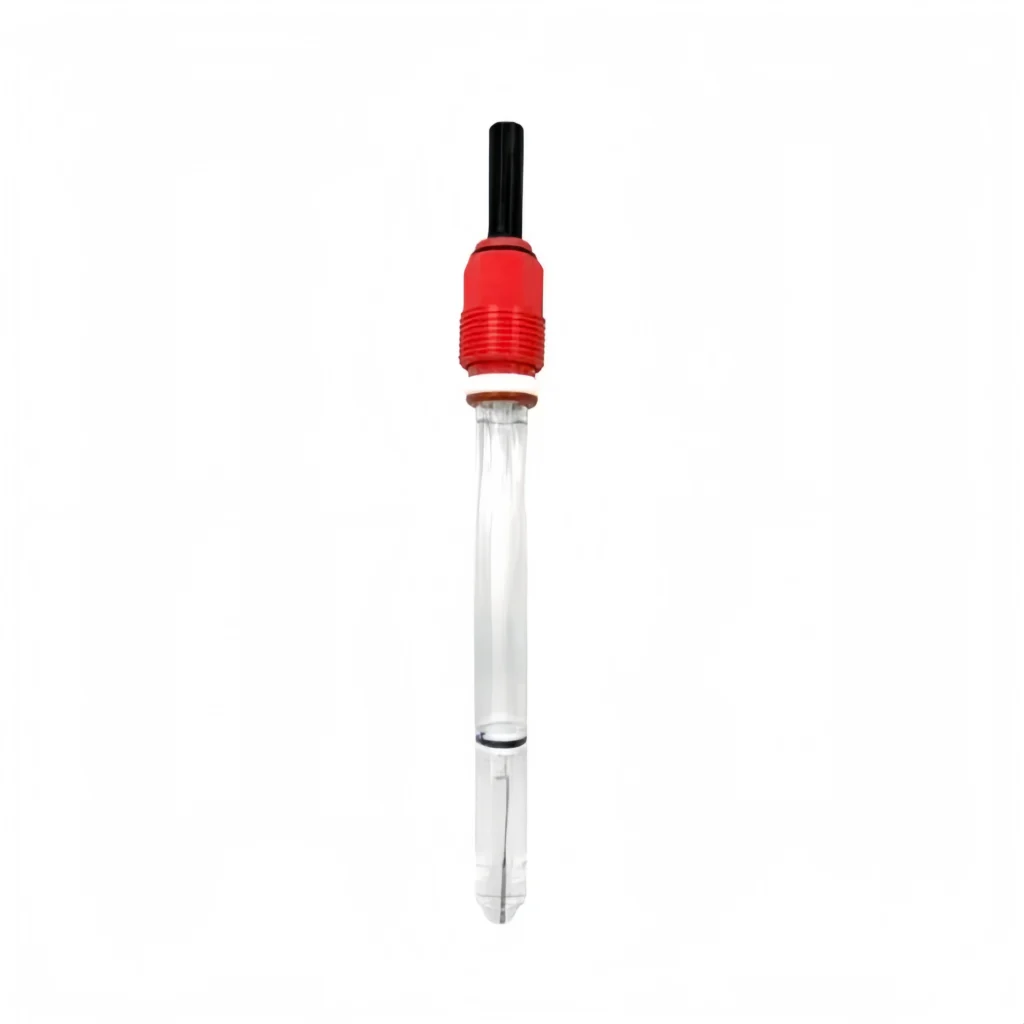
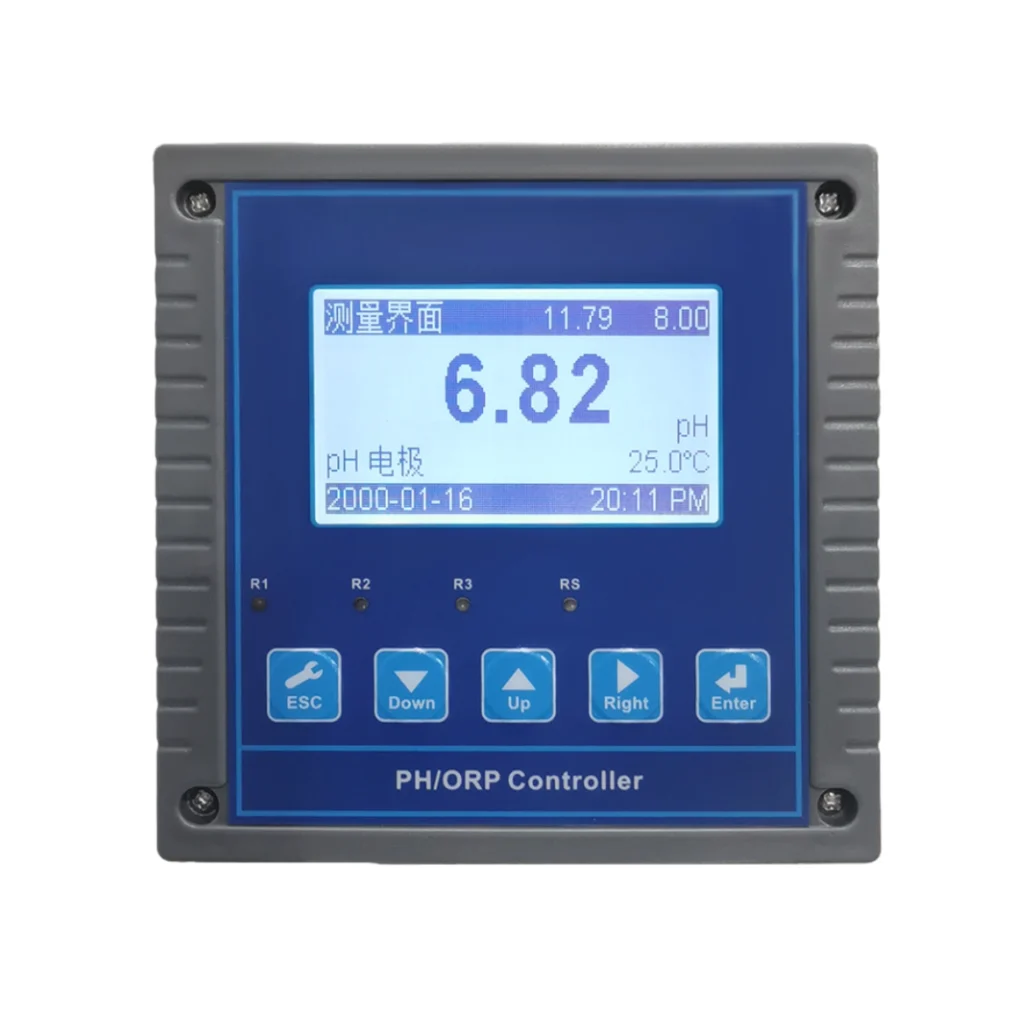
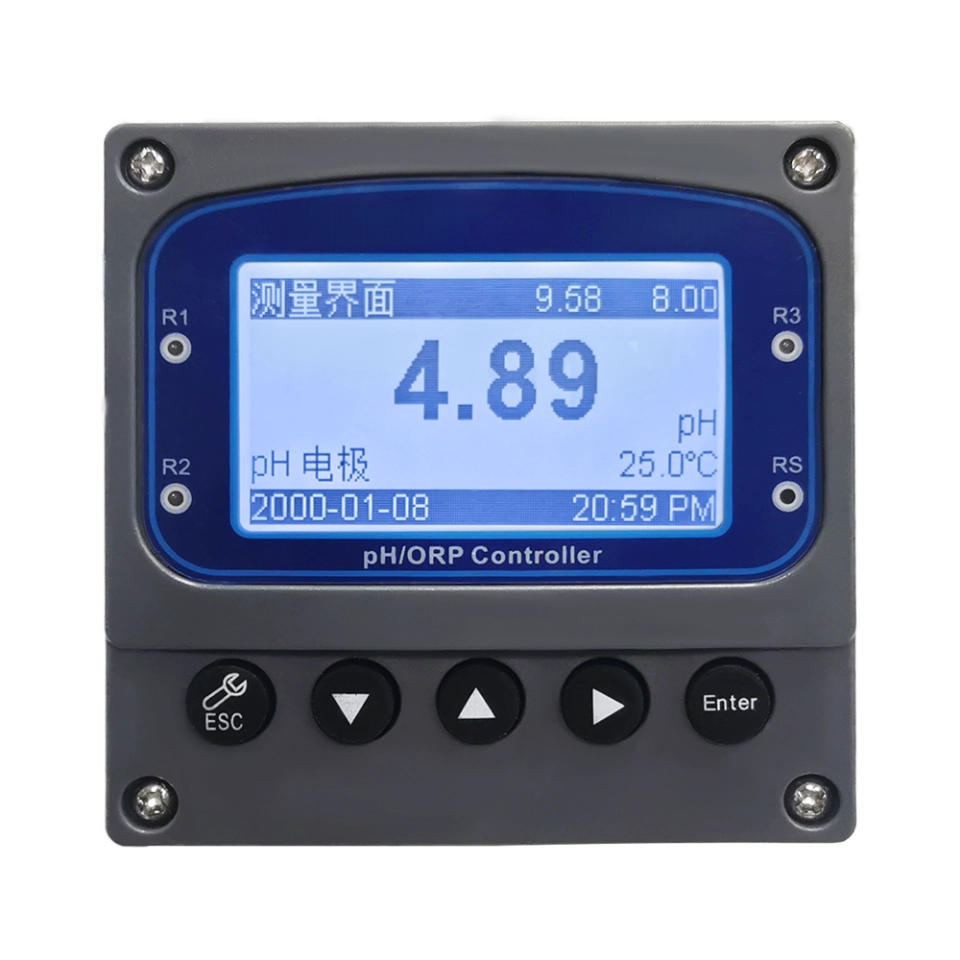
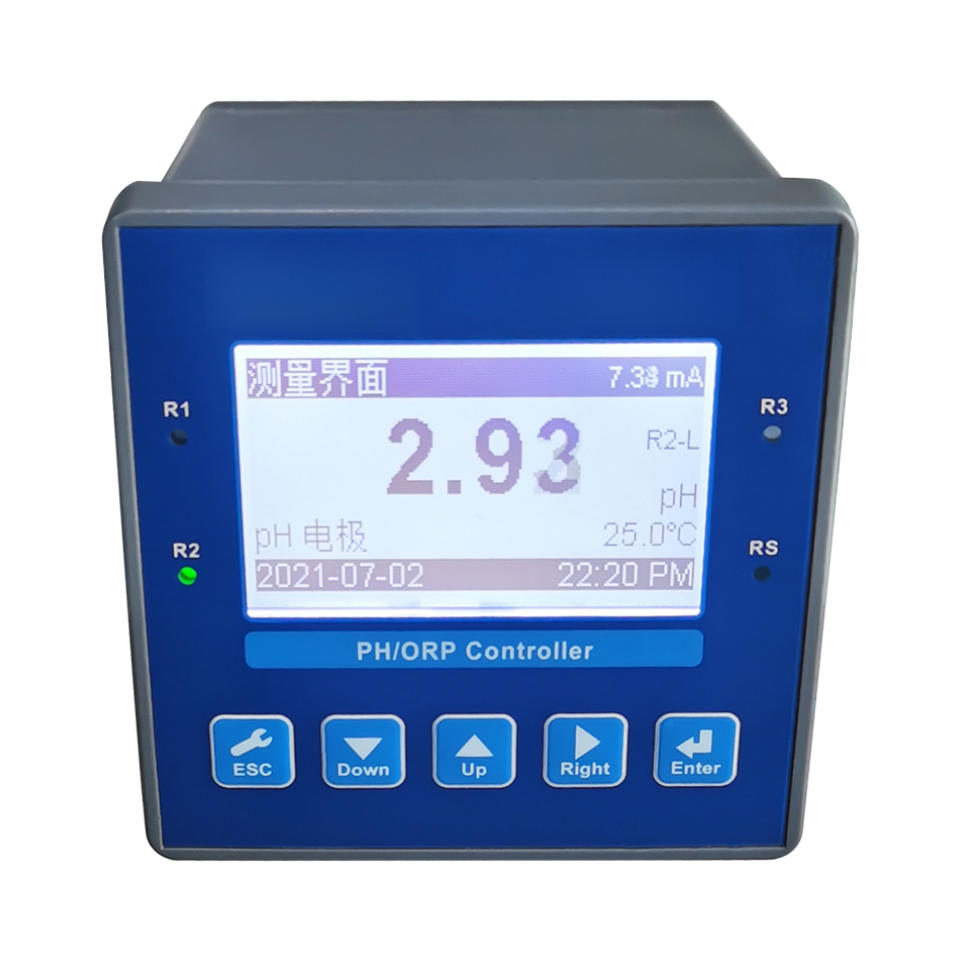
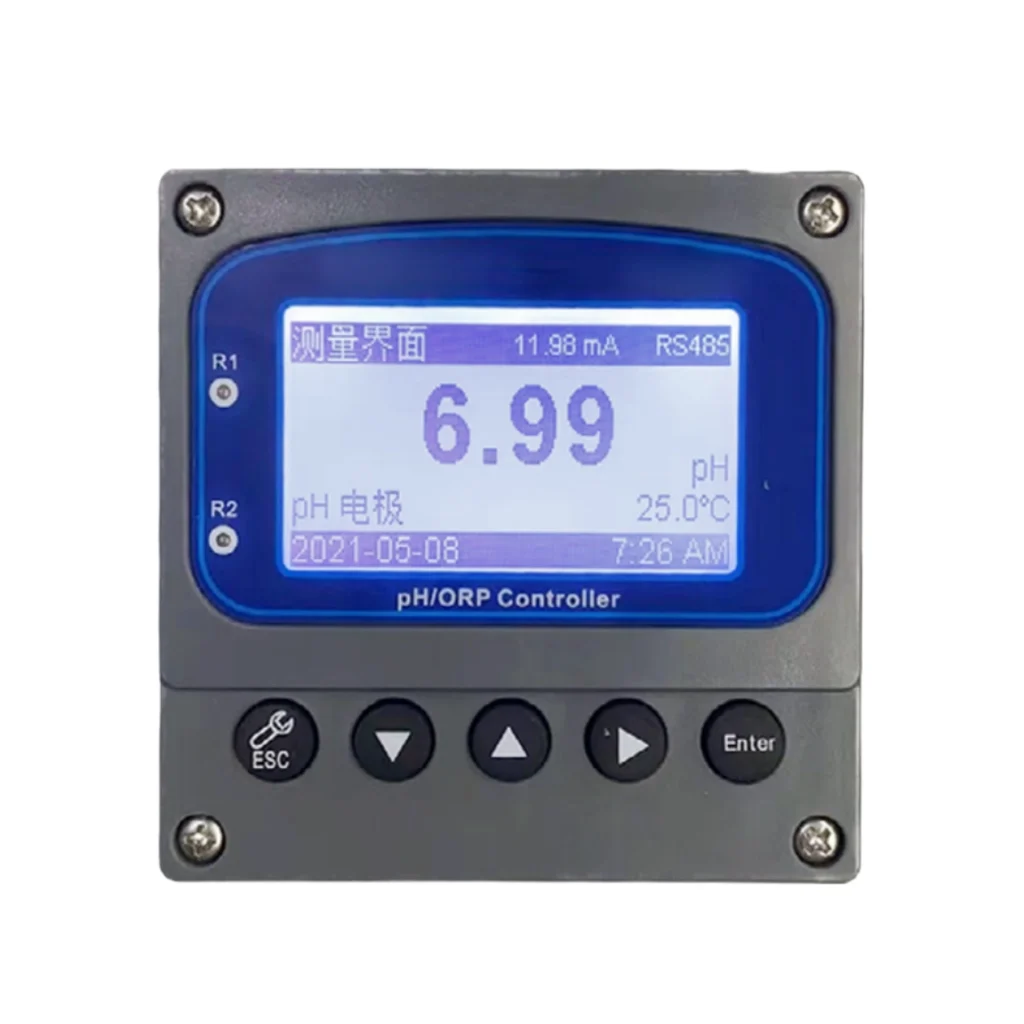
Don’t make guesses. For an exact reading, use a gadget with a lot of accuracy, like the Sino-Inst Digital pH Meter. If you know your pH is 8.0 or 8.2, you can figure out how much acid you need.
Step 2: Figure it out and thin it out
Look at a chart for dosages. First, fill a 5-gallon plastic bucket with pool water. Then, slowly pour the acid into the bucket.
Step 3: Share
Slowly pour the diluted fluid around the edge of the deep end while the pool pump is running. Don’t pour near the skimmer or the metal ladders.
Step 4: Do the test again
Before measuring the pH again, you should wait at least four to six hours for the water to thoroughly circulate.
Pro Tip: After adding acid, your pH meter’s accuracy is critical. To ensure your readings are reliable, follow our [Step-by-Step Guide on How to Calibrate a pH Meter] to avoid over-dosing.
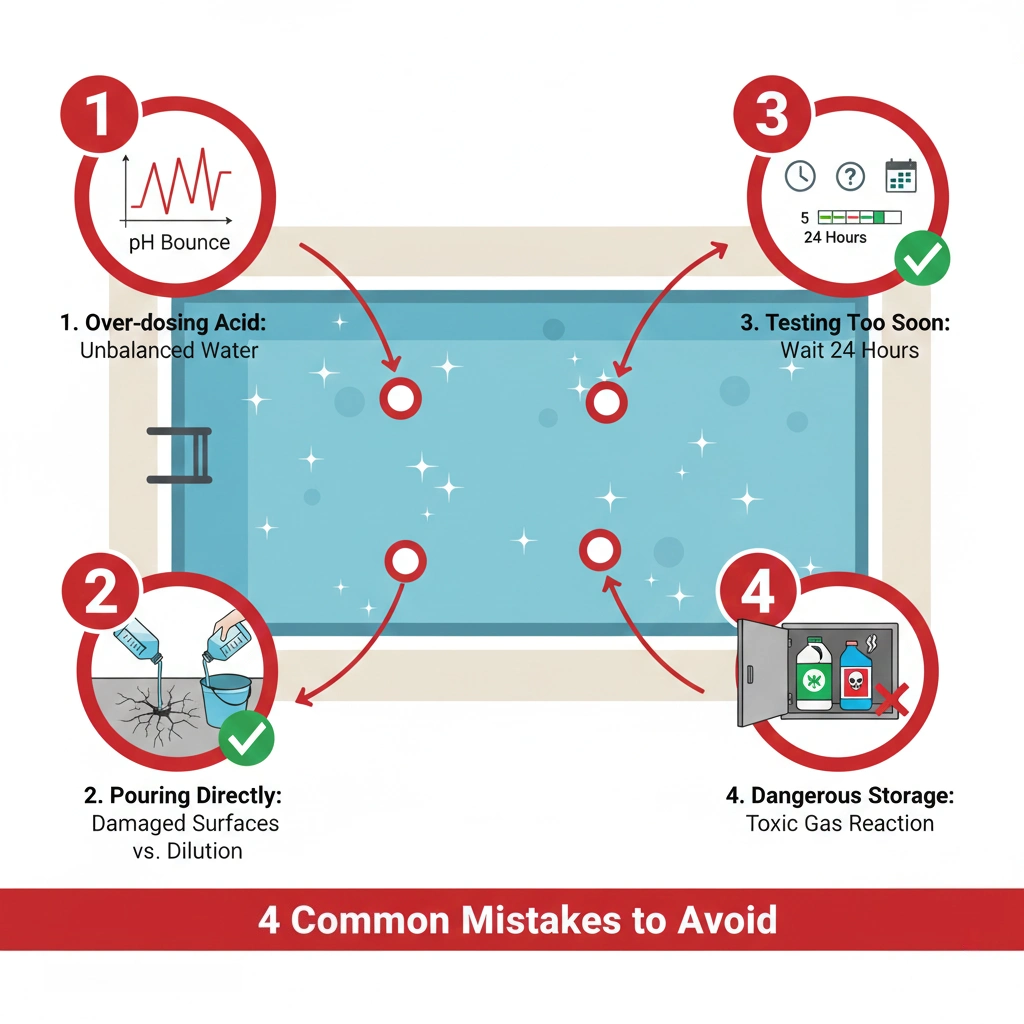
Common Mistakes to Avoid
Over-dosing: Adding too much acid can drop your alkalinity too low, leading to [pH Bounce] .
Pouring Directly: Never pour undiluted acid directly into the pool; it can etch the plaster or damage the liner before it mixes.
Testing too soon: Chemicals require time to combine. If you want to avoid over-correcting, wait at least 4 to 6 hours with the pump running before testing again.
Dangerous Storage: Never put acid next to chlorine or metal instruments. Fumes that go out can make hazardous gas or make your tools corrode quickly.
Sino-Inst Tip: Precision Prevents Corrosion
At Sino-Inst, we’ve seen countless pool heaters destroyed by “acid abuse.” When you blindly add muriatic acid based on blurry test strips, you risk making the water too acidic, which eats through copper heat exchangers.
The Solution? Use a professional-grade digital pH sensor. By monitoring your water quality in real-time, you only add exactly what is needed—saving money on chemicals and years on your equipment life.
Conclusion
What does muriatic acid do for a swimming pool? It is the best stabilizer that maintains your water safe, clean, and free of scale. It is an essential tool for any pool owner, but it needs to be handled with care and respect.
Want to quit guessing? Check out our [High-Precision pH Monitoring Kits] and take charge of the chemistry in your pool right now.

FAQ
Related Products
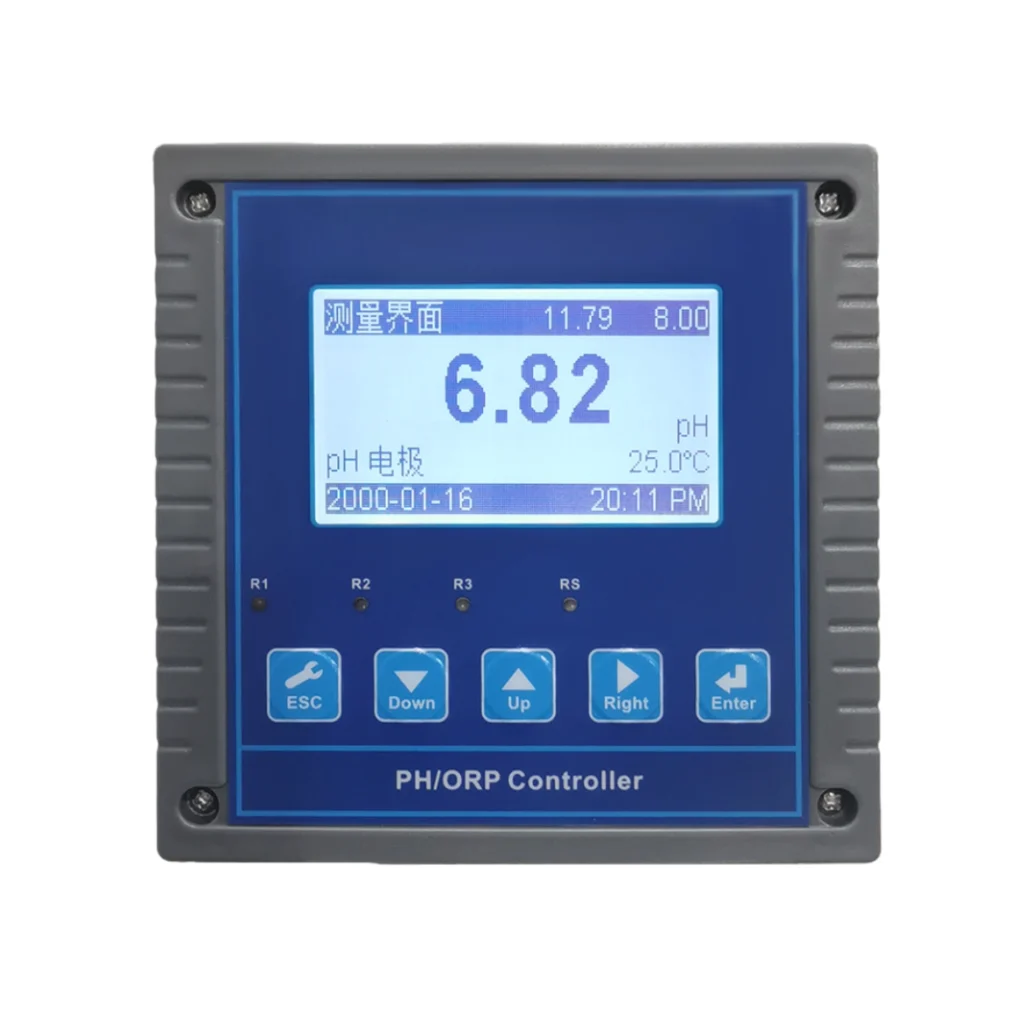
Measure instead of guessing
Muriatic acid is essential for pool cleaning, but it must be used carefully. Too much can cause expensive equipment corrosion, while too little causes algae and murky water.
Avoid “pour and pray” tactics. Guesswork is the most costly blunder in industrial water treatment. Sino-Inst believes all pool owners deserve competent control. Our [High-Precision Digital pH Monitors] ensure you only add what you need with real-time, 0.01-level accuracy.
Ready to permanently eradicate “pH Bounce” and safeguard your pool? Equip your facility with worldwide chemical processing plant technologies. Completely eliminate pool chemical uncertainty with [Get a Quote Today].
Request A Quote
More Resources
-
6 Professional Carbon Monoxide Detectors with PPM Displays
Carbon monoxide (CO) is often characterized as the silent killer because it is colorless, odorless, and tasteless. While standard residential alarms are designed…
-
9 Professional Exhaust Gas Analyser Solutions for Industrial Emissions
As industrial regulations tighten globally, the need for precise and reliable emission monitoring has never been more critical. At Sino-Inst, we understand that…
-
7 Professional Indoor VOC Monitoring Equipment Solutions
Authored by Sino-Inst — A globally recognized manufacturer of industrial instrumentation and process control equipment. From our experience engineering robust sensing technologies, protecting…
-
The Ultimate Guide to Flow Controllers Mass Price in 2026
Authored by Sino-Inst — A leading industrial automation and process control instrument manufacturer specializing in precision flow, pressure, and fluid measurement solutions. In…
-
6 Signs of a Natural Gas Leak
Authored by Sino-Inst. We are a professional supplier of industrial process and analytical instruments, including gas detectors, gas analyzers, mass flow controllers, and…
-
The 5 Core Differences Between MFC and MFM
In the realm of process automation, semiconductor manufacturing, and advanced laboratory research, the precise management of gas and liquid flow is not merely…