.png)
In the world of HVAC, industrial engineering, and environmental compliance, achieving the perfect burn is both an art and a science. Whether you are tuning a residential boiler or managing a massive industrial furnace, understanding the chemical composition of your exhaust gases is critical. This is where a combustion analyzer becomes an indispensable tool. But exactly what is a combustion analyzer used for in modern industry?
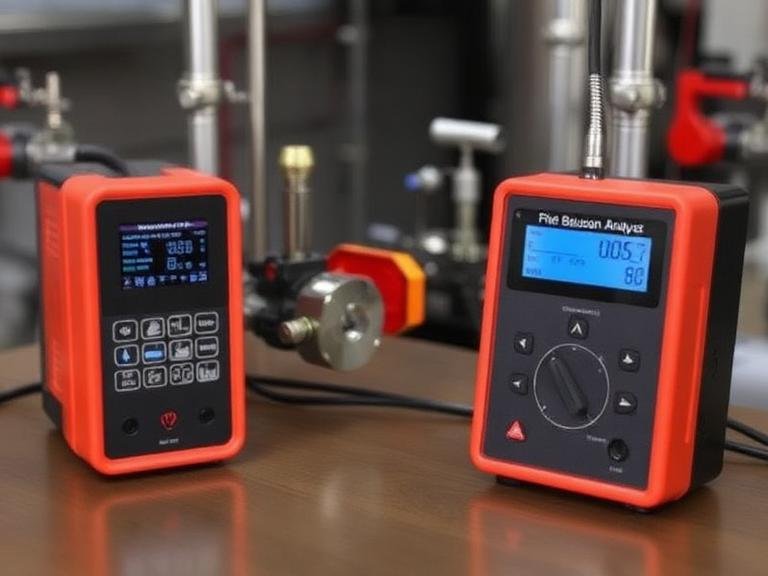
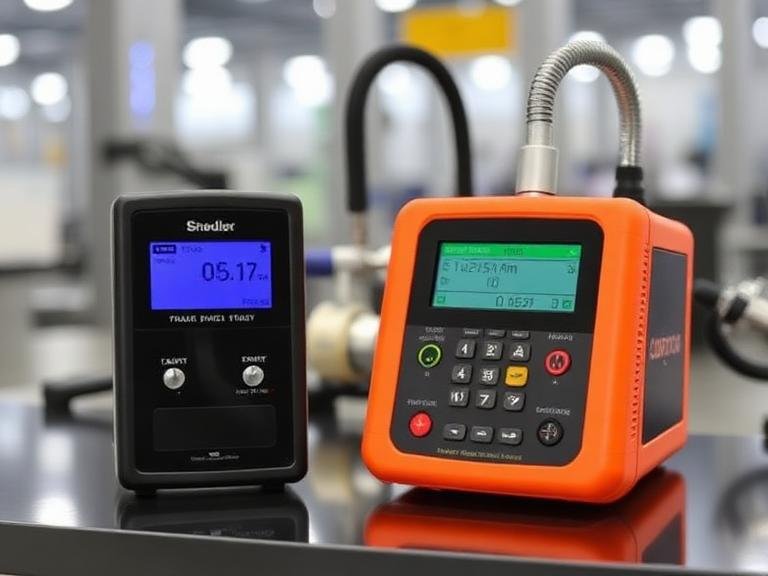
Simply put, a combustion analyzer is used for measuring the contents of flue gases to optimize the efficiency of fuel-burning equipment and ensure safety standards are met. It acts as the “eyes” inside the combustion chamber, revealing data about oxygen levels, carbon monoxide, carbon dioxide, and draft pressure. Without this device, technicians are essentially working blind, relying on guesswork rather than hard data.
In this comprehensive guide, we will explore the mechanics of combustion analysis, the critical gases involved, safety implications, and how advanced instrumentation from suppliers like Sino-Inst can revolutionize your maintenance routines.
Table of Contents
- 1. Defining the Combustion Analyzer
- 2. The Science of Combustion: The Fire Triangle
- 3. Key Gases Measured by Combustion Analyzers
- 4. Improving Heating Efficiency and Reducing Costs
- 5. Ensuring Safety: Carbon Monoxide Detection
- 6. Advanced Solutions from Sino-Inst
- 7. Common Applications and Industries
- 8. Maintenance and Calibration
- 9. Summary Comparison Table
- 10. Frequently Asked Questions (FAQs)
- 11. Conclusion
1. Defining the Combustion Analyzer
A combustion analyzer is a sophisticated electronic device designed to sample, analyze, and report the composition of gases released during the combustion process. When a technician asks what a combustion analyzer used for, the primary answer involves three pillars: Efficiency, Safety, and Compliance.
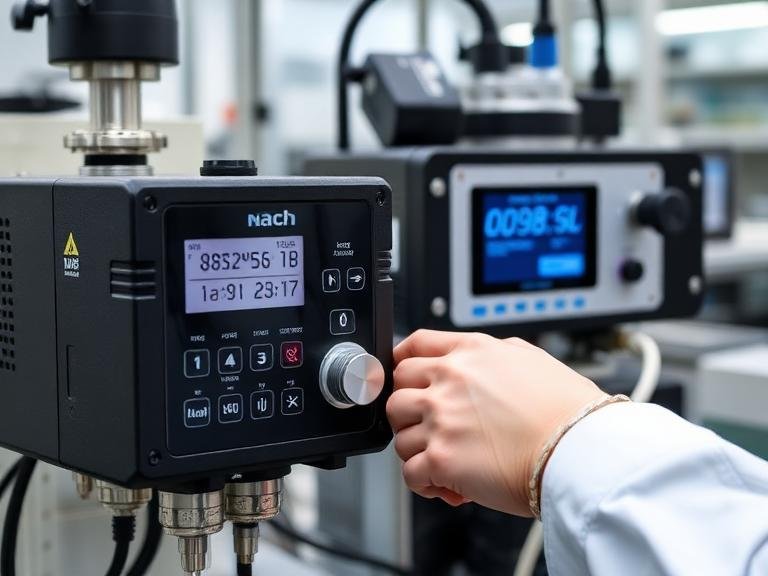
These handheld or fixed devices utilize a probe that is inserted into the exhaust stack or flue of a heating appliance. An internal pump draws the gas sample into the unit, where a series of electrochemical sensors measure the concentration of specific gases. The onboard computer then calculates efficiency percentages, excess air, and other critical metrics in real-time.
Before digital analyzers became the standard, technicians relied on visual inspections of the flame color or rudimentary chemical shake tests. Today, digital combustion analyzers provide precise, instant readouts that allow for micro-adjustments to fuel-to-air ratios, ensuring the equipment runs at peak performance.
2. The Science of Combustion: The Fire Triangle
To understand what a combustion analyzer used for, one must first understand the process of combustion itself. Combustion is a chemical reaction that occurs when fuel (such as natural gas, oil, or propane) reacts with oxygen to produce heat. Ideally, this reaction would be “stoichiometric,” meaning every molecule of fuel reacts perfectly with oxygen, leaving no waste.
[Image of fire triangle diagram]
In the real world, perfect combustion is impossible. There are always variables:
- Fuel: Hydrocarbons like methane or propane.
- Oxygen: Drawn from the surrounding air (which is roughly 21% Oxygen and 79% Nitrogen).
- Heat: The ignition source.
If there is too much air (Lean Burn), the system loses heat up the stack, lowering efficiency. If there is too little air (Rich Burn), the fuel is not completely burned, creating dangerous Carbon Monoxide (CO), soot, and wasting fuel. The combustion analyzer helps the technician balance this equation, finding the “sweet spot” where efficiency is maximized and harmful emissions are minimized.
3. Key Gases Measured by Combustion Analyzers
When investigating what a combustion analyzer used for, you will find it measures several distinct parameters. Each provides a clue to the health of the system.
Oxygen (O2)
This is the most critical measurement for tuning. It tells the technician how much air is being supplied to the flame. High O2 levels indicate too much air (low efficiency), while low O2 levels risk incomplete combustion and CO production.
Carbon Monoxide (CO)
CO is the byproduct of incomplete combustion. It is colorless, odorless, and deadly. A combustion analyzer is used for detecting even trace amounts of CO in the flue. High CO readings indicate a major mechanical failure or improper tuning that poses a severe health risk.
Carbon Dioxide (CO2)
While often calculated rather than measured directly in basic units, CO2 is a product of complete combustion. Higher CO2 levels generally indicate better combustion efficiency, provided CO levels remain low.
Draft Pressure
This measures the suction in the flue pipe. Proper draft ensures that exhaust gases are pulled out of the building safely. If the draft is too low, gases could spill back into the room.
Nitrogen Oxides (NOx)
In commercial and industrial settings, analyzers measure NOx (NO and NO2). These are pollutants regulated by environmental agencies like the EPA. Monitoring them helps facilities avoid hefty fines.
4. Improving Heating Efficiency and Reducing Costs
One of the primary reasons a combustion analyzer used for routine maintenance is cost savings. A boiler or furnace that is not tuned correctly is literally burning money.
Consider a commercial boiler operating at 80% efficiency versus 85% efficiency. That 5% difference can translate to thousands of dollars in fuel costs over a single winter season. By using an analyzer, a technician can adjust the air shutters and fuel pressure to reduce “excess air.”
Excess air absorbs heat from the flame and carries it up the chimney rather than transferring it to the heat exchanger. By reducing excess air to the manufacturer’s specified range (usually verified via O2 readings), the system extracts more heat from every dollar of fuel purchased.
5. Ensuring Safety: Carbon Monoxide Detection
Safety is the non-negotiable aspect of what a combustion analyzer used for. A cracked heat exchanger in a residential furnace can leak exhaust gases into the living space. Without an analyzer, a technician might not detect a CO leak until it is too late.
Analyzers measure “CO Air Free,” a calculated value that determines the amount of Carbon Monoxide that would be present in an oxygen-free sample. This standardizes the reading regardless of how much the exhaust is diluted by excess air, providing a true measure of the toxicity being produced.
6. Advanced Solutions from Sino-Inst
When it comes to sourcing reliable analytical instruments, choosing a trusted supplier is paramount. Sino-Inst stands out as a professional supplier of industrial process and analytical instruments.
Sino-Inst: Your Trusted Partner in Gas Analysis
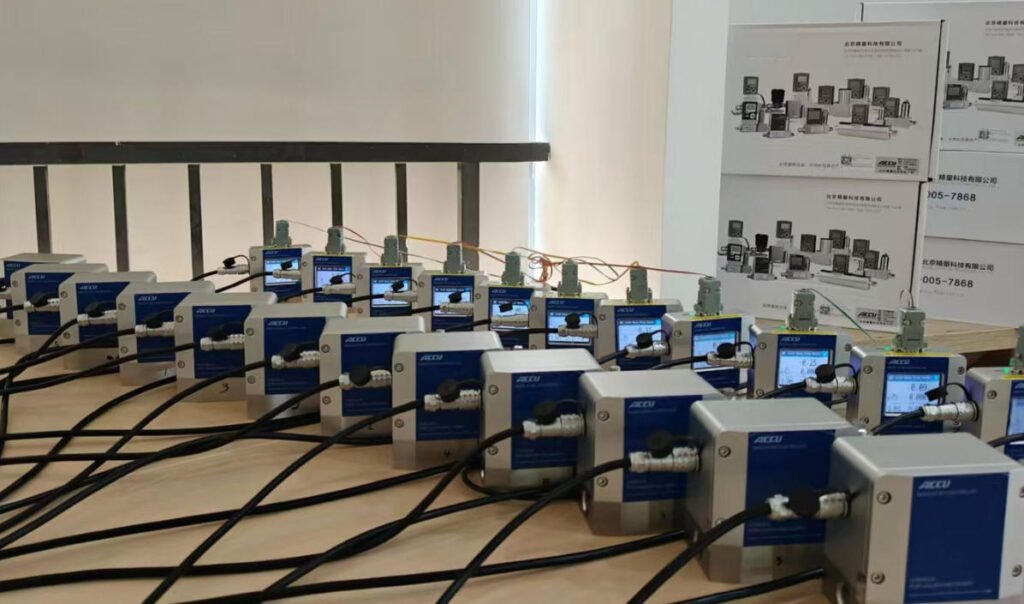
Sino-Inst is a professional supplier of industrial process and analytical instruments, including gas detectors, gas analyzers, dust detectors, mass flow controllers, and dust monitors. We can help you obtain reliable measurement and analysis solutions while saving procurement costs. Customized products and OEM services are available. We will be your most trusted partner!
1. Portable Toxic Gas Detector
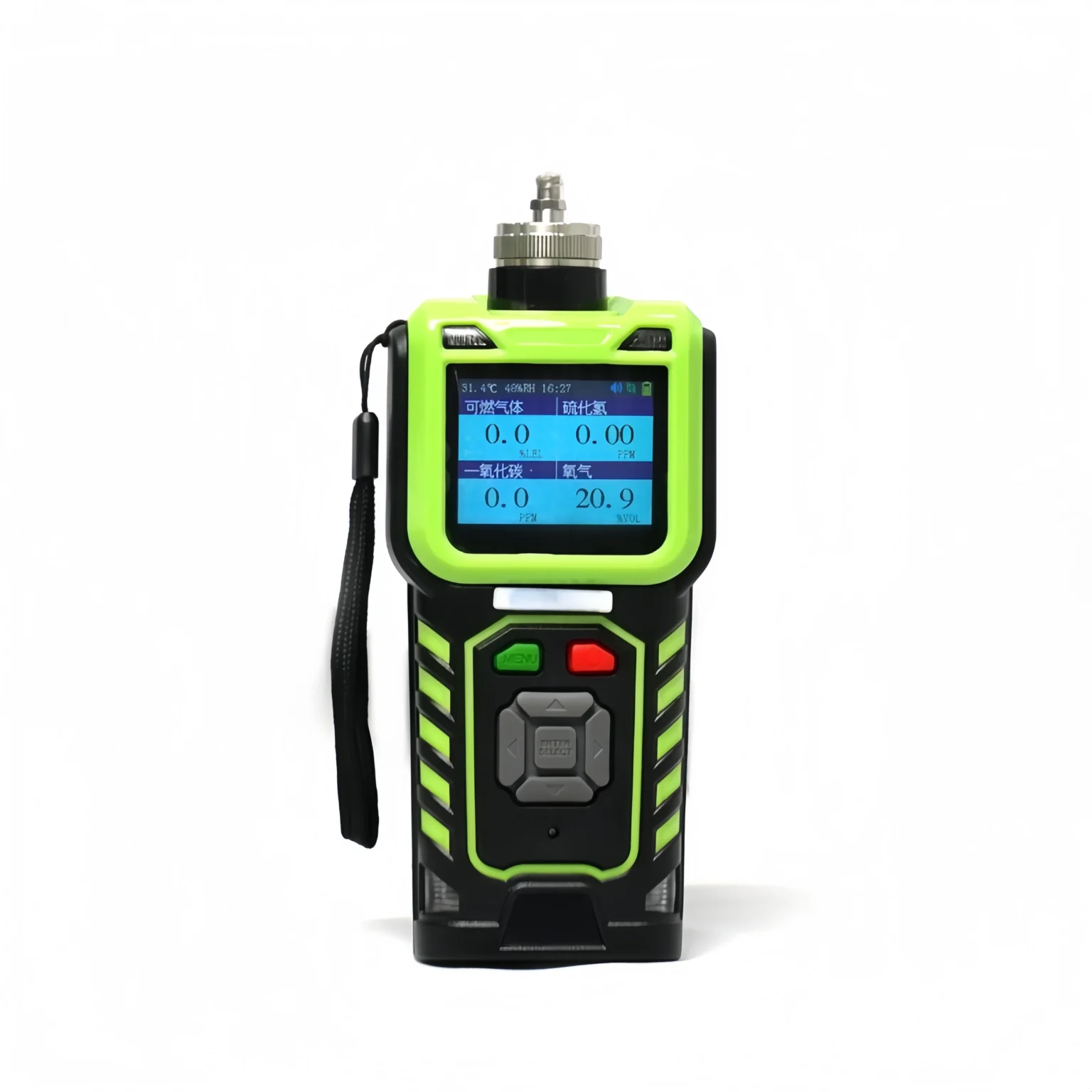
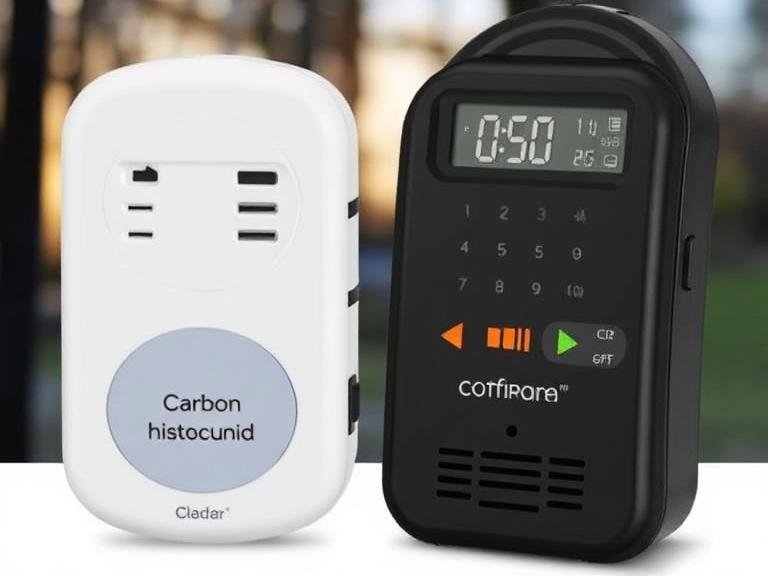
While a combustion analyzer focuses on the stack, personal safety requires ambient monitoring. This device is essential for technicians entering boiler rooms or industrial sites.
- Detected Gases: Any 1-6 toxic and harmful gases including Hydrogen Sulfide (H2S), Carbon Monoxide (CO), Nitrogen Dioxide (NO2), Formaldehyde (CH2O), Chlorine (Cl2), and more.
- Optional Features: Temperature, humidity, PM2.5, PM10 detection.
- Precision: High-performance electrochemical sensors with resolutions as low as 0.01ppm for critical gases like H2S and NO2.
- Customization: Other gases, ranges, and principles can be customized to fit your specific combustion environment.
2. VOC Gas Detector | Customized Multi-Gas Detection

Incomplete combustion often releases Volatile Organic Compounds (VOCs). Monitoring these is crucial for environmental compliance and identifying fuel leaks.
- Function: Mobile, rapid detection of VOC concentrations.
- Sensors: Utilizes premium sensors from reputable brands like Honeywell, Nemoto, and CITY.
- Principles: PID photoionization, infrared, and catalytic combustion.
- Application: Ideal for verifying that unburnt fuel hydrocarbons are not escaping into the facility.
7. Common Applications and Industries
The question of what a combustion analyzer used for spans across multiple sectors. It is not limited to just home heating.
Residential HVAC
Technicians use analyzers during annual tune-ups of furnaces, boilers, and water heaters. They verify that the equipment is safe for the family and operating efficiently to lower utility bills.
Commercial and Industrial Plants
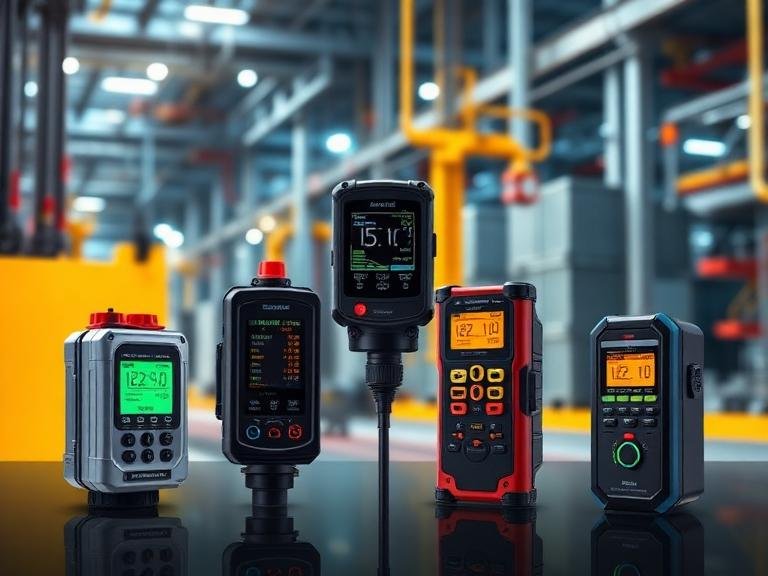
Large manufacturing facilities use massive boilers to generate steam for processes. Here, analyzers are often fixed systems that monitor emissions 24/7 to ensure compliance with environmental regulations regarding NOx and SO2 emissions.
Automotive and Engine Testing
Combustion analysis is vital in the development of internal combustion engines. Engineers analyze exhaust gases to tune fuel injection mapping, improve horsepower, and meet strict emissions standards for vehicles.
8. Maintenance and Calibration
A combustion analyzer is a precision instrument, and like all precision instruments, it requires care. The sensors inside (especially the electrochemical ones used for O2 and CO) degrade over time.
- Water Trap: Combustion produces water vapor. Analyzers have a water trap to prevent moisture from reaching the sensors. This must be emptied regularly.
- Filter Replacement: Particulate filters prevent soot from clogging the internal pump.
- Annual Calibration: To ensure accuracy, analyzers must be sent to a certified lab annually. The sensors are tested against known gas concentrations and replaced if they have drifted out of spec.
9. Summary Comparison Table
Here is a breakdown of how different tiers of analyzers are utilized.
| Feature | Residential Analyzer | Commercial/Industrial Analyzer | Automotive Analyzer |
|---|---|---|---|
| Primary Gases | O2, CO, Temp | O2, CO, CO2, NO, NO2, SO2 | HC, CO, CO2, O2, NOx |
| Purpose | Safety & basic efficiency | Emissions compliance & process control | Engine tuning & emissions testing |
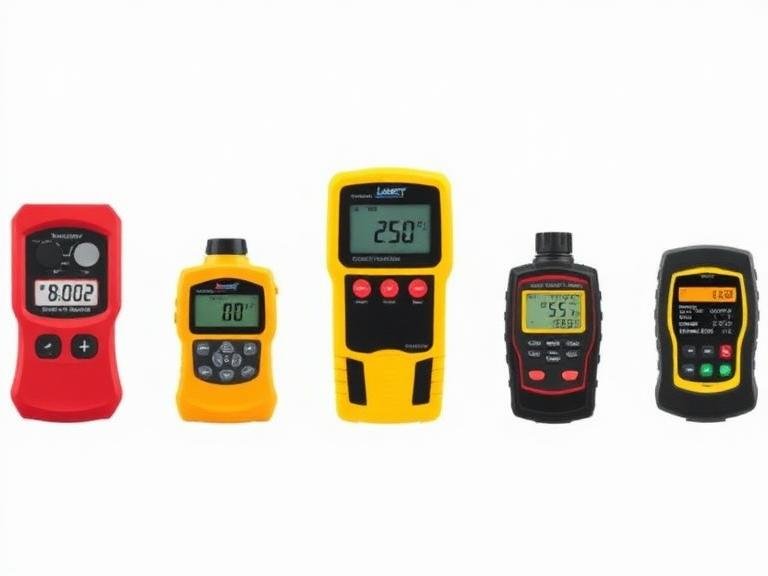
| Durability | Handheld, rugged plastic | Heavy-duty, often rack-mounted | Shop-hardened, mobile carts |
| Printer | Often built-in thermal printer | Data logging to server/PC | Integrated into diagnostic software |
| Cost Range | $500 – $1,500 | $2,000 – $10,000+ | $3,000 – $8,000 |
10. Frequently Asked Questions (FAQs)
11. Conclusion
So, what is a combustion analyzer used for? It is the ultimate diagnostic tool for anyone working with fuel-burning equipment. It bridges the gap between guesswork and precision, allowing for systems that are safer, cleaner, and more cost-effective. From the residential technician ensuring a family’s furnace is safe for winter, to the industrial engineer monitoring factory emissions, the combustion analyzer is essential.