.png)
The PH/ORP Glass Sensor Series is made for high-precision monitoring that plastic sensors can’t do. These sensors include high-quality lithium glass sensitive membranes that give them great precision and steady performance even under tough settings.
Our glass probes work better than plastic electrodes in harsh conditions, such as high temperatures (-5 to 150°C), high pressure (0 to 1.0 MPa), and media that are very pure or very corrosive. They are the best choice for the pharmaceutical, electronics, and chemical industries since they have models that are made for monitoring ultra-pure water, high-temperature reactors, and lab research.
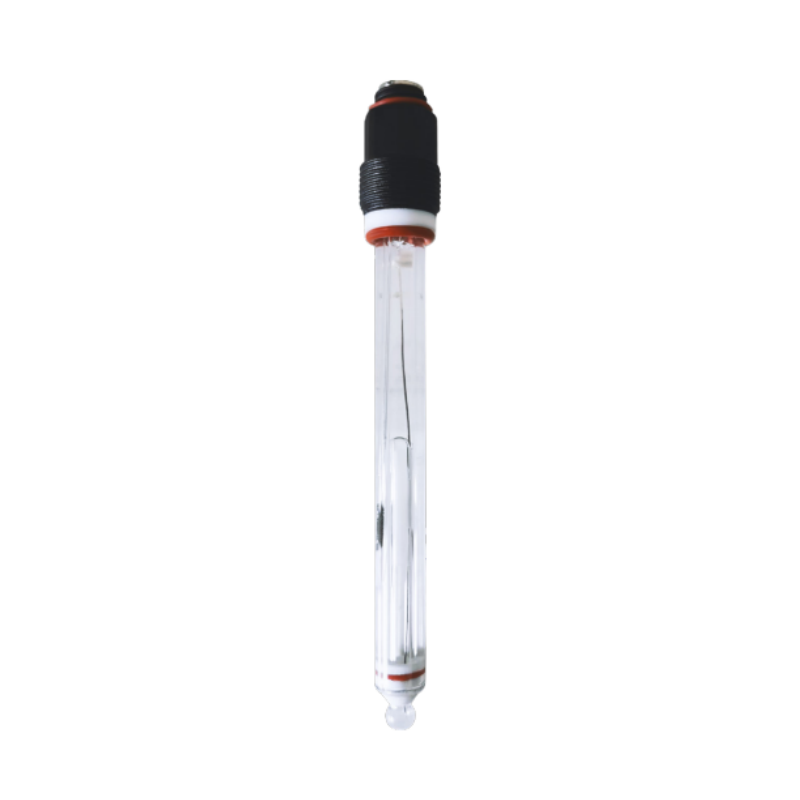
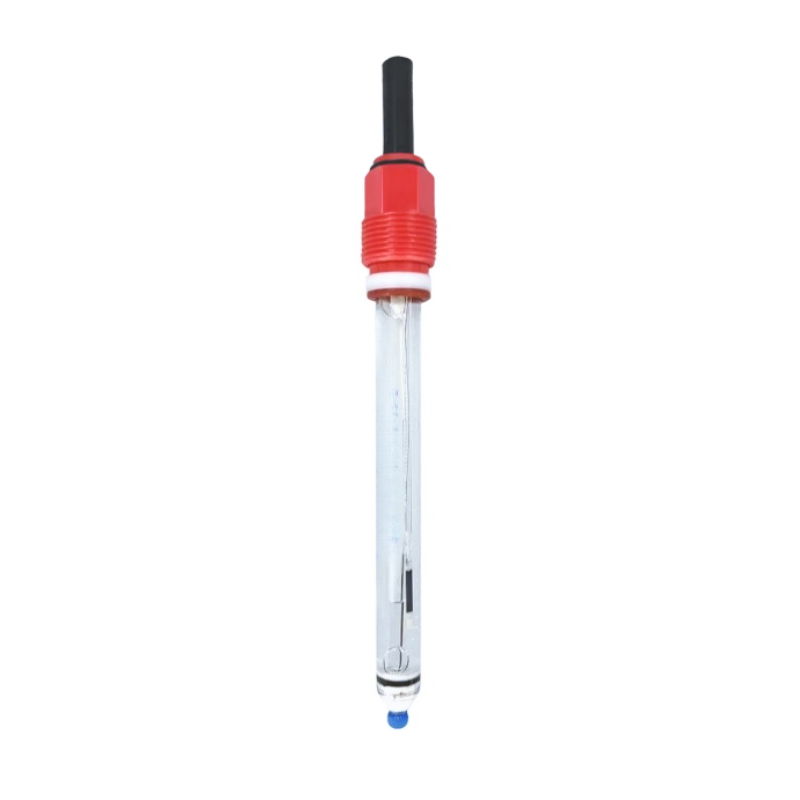
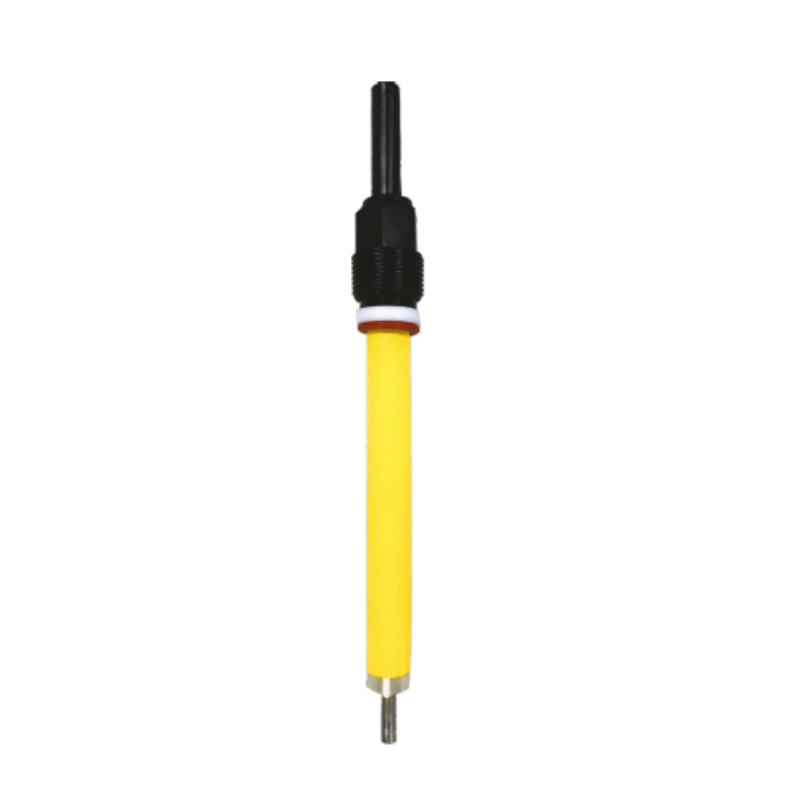
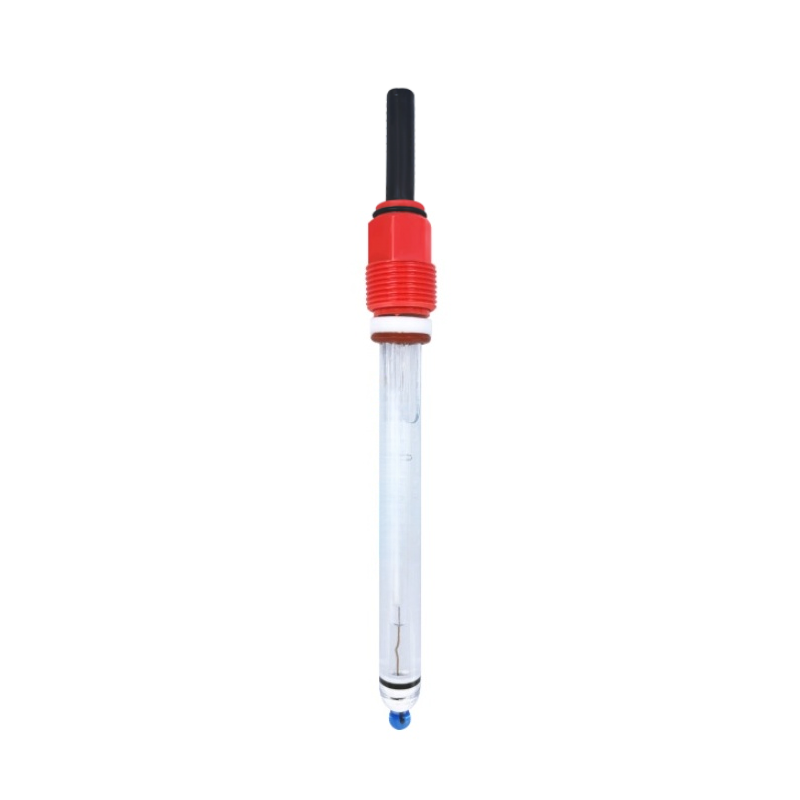
Product classification
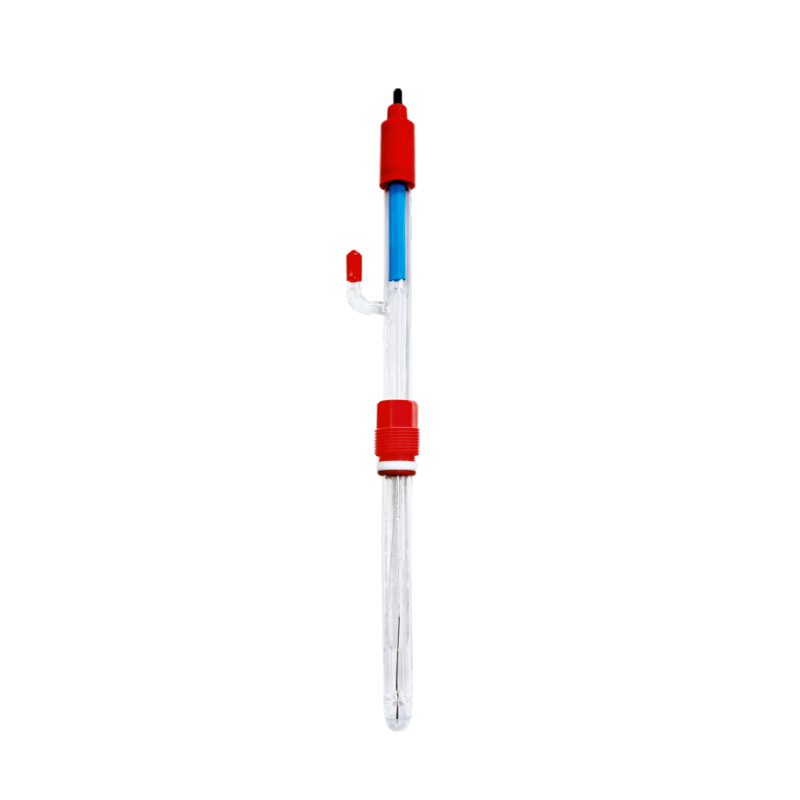
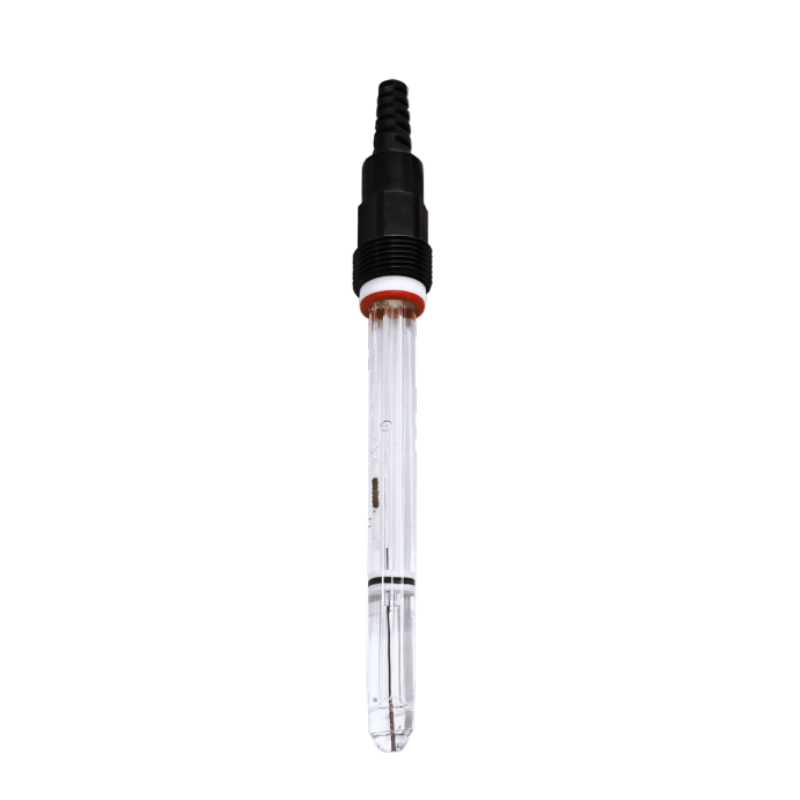
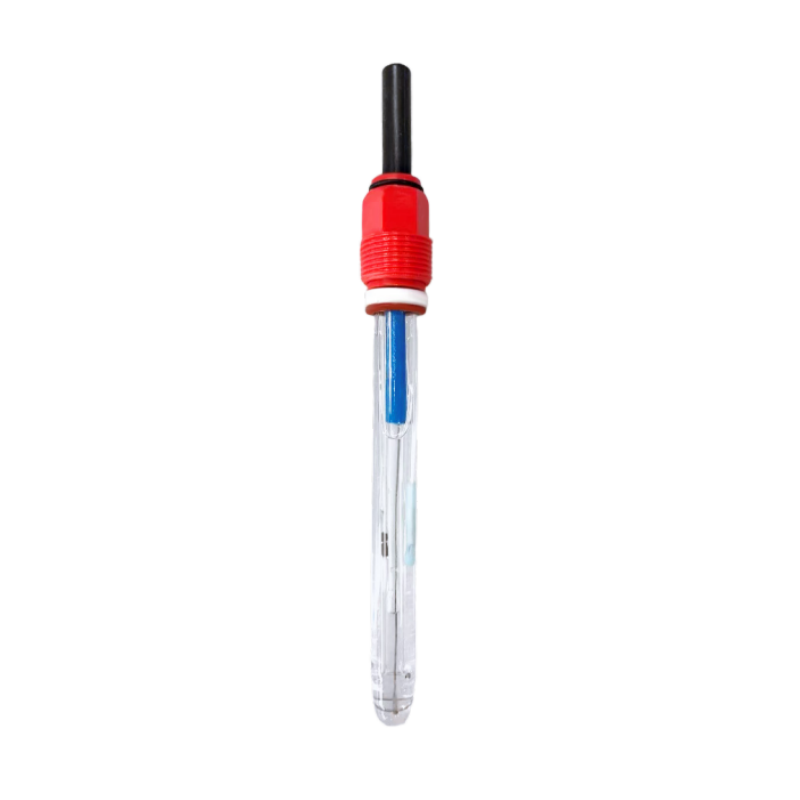
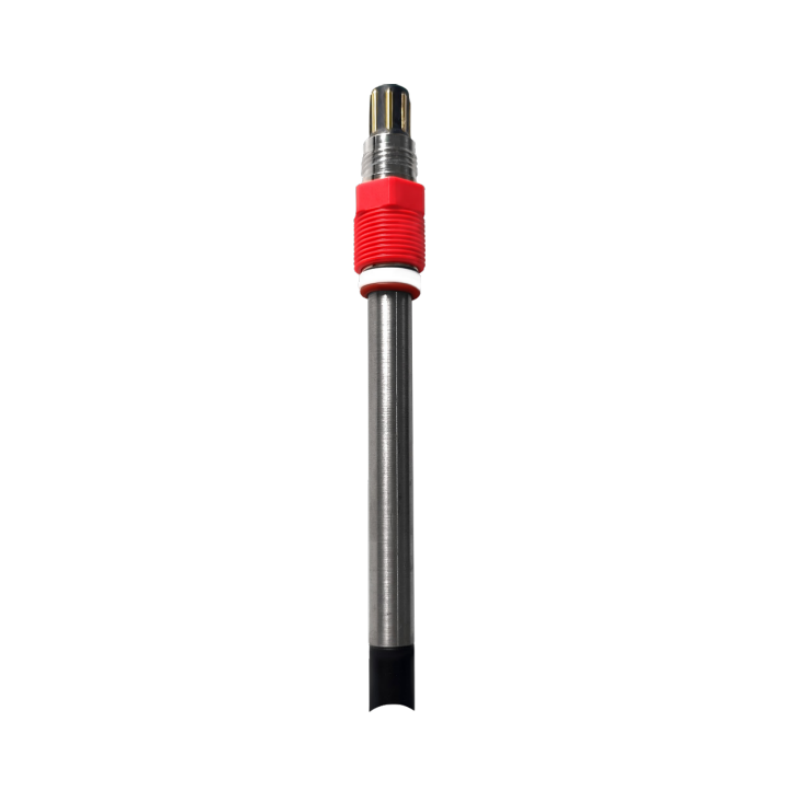
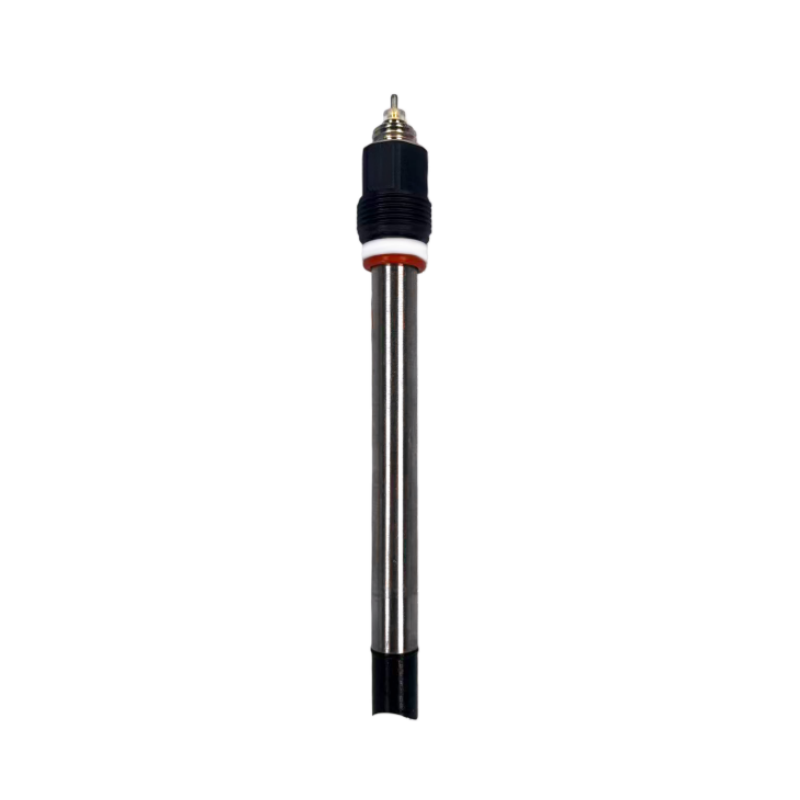
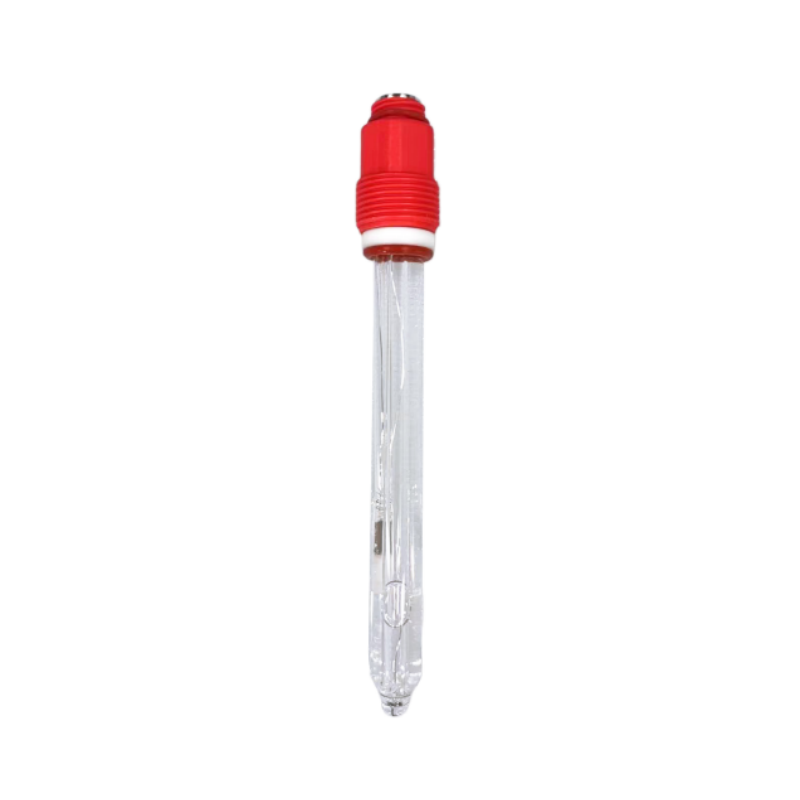

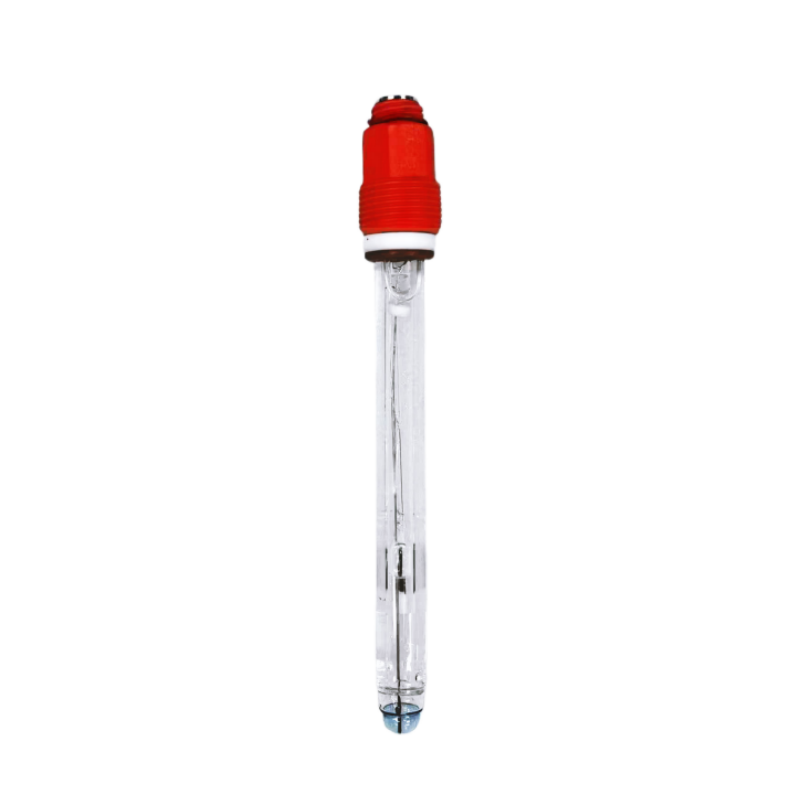
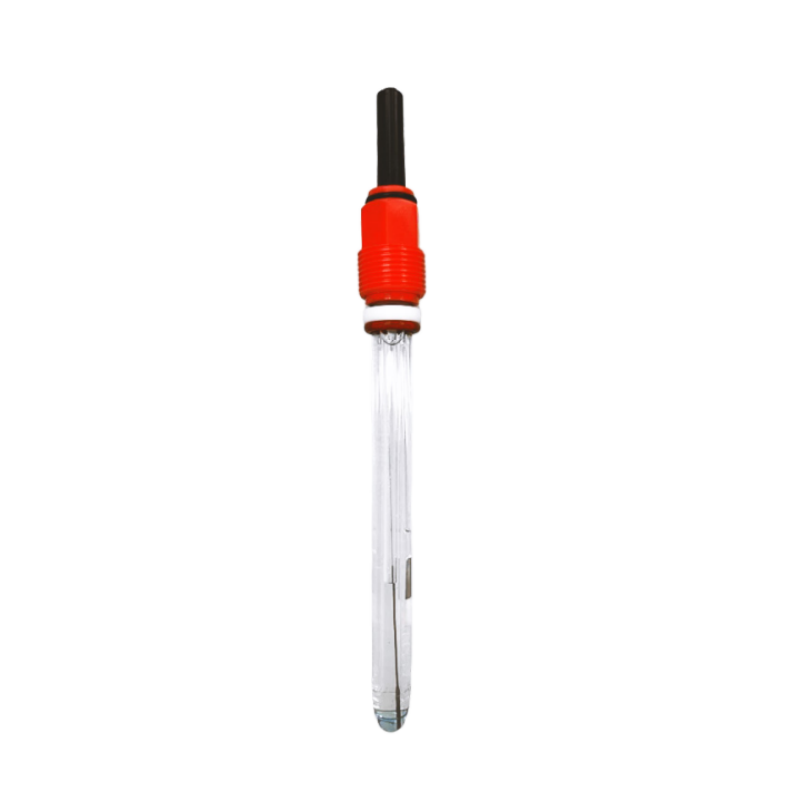
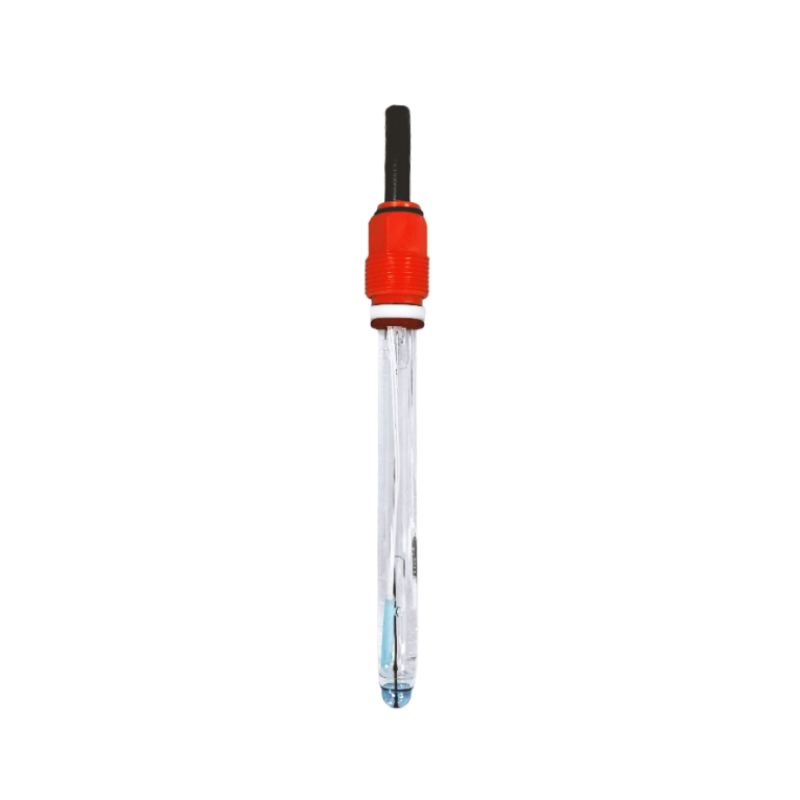
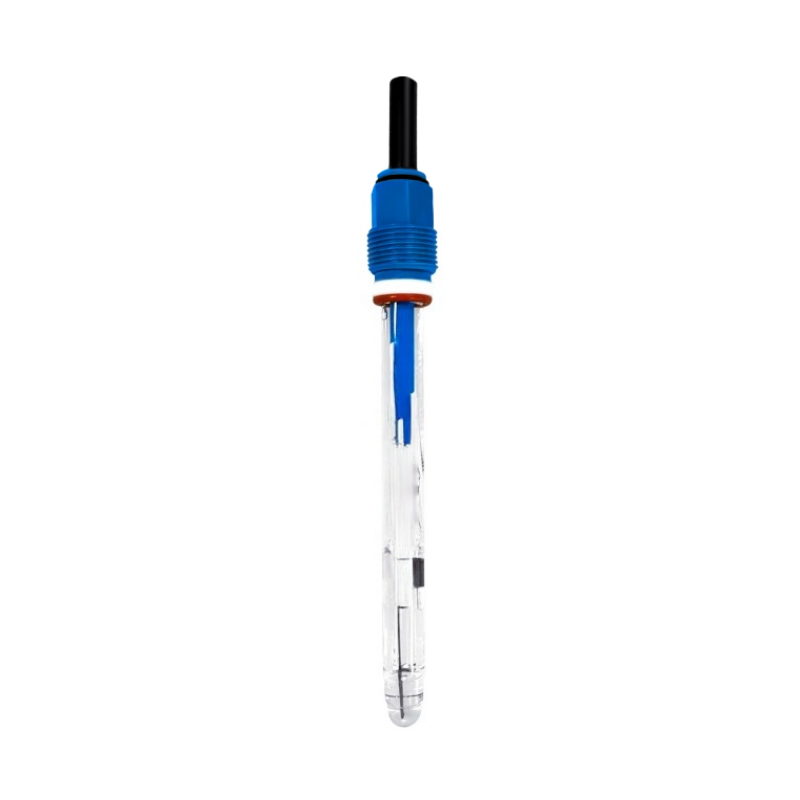
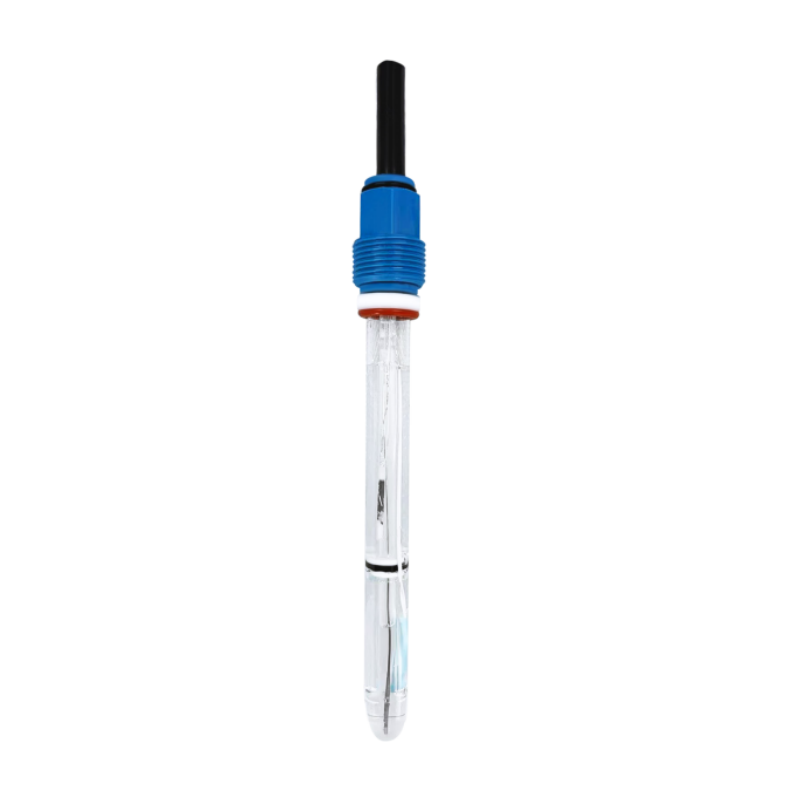
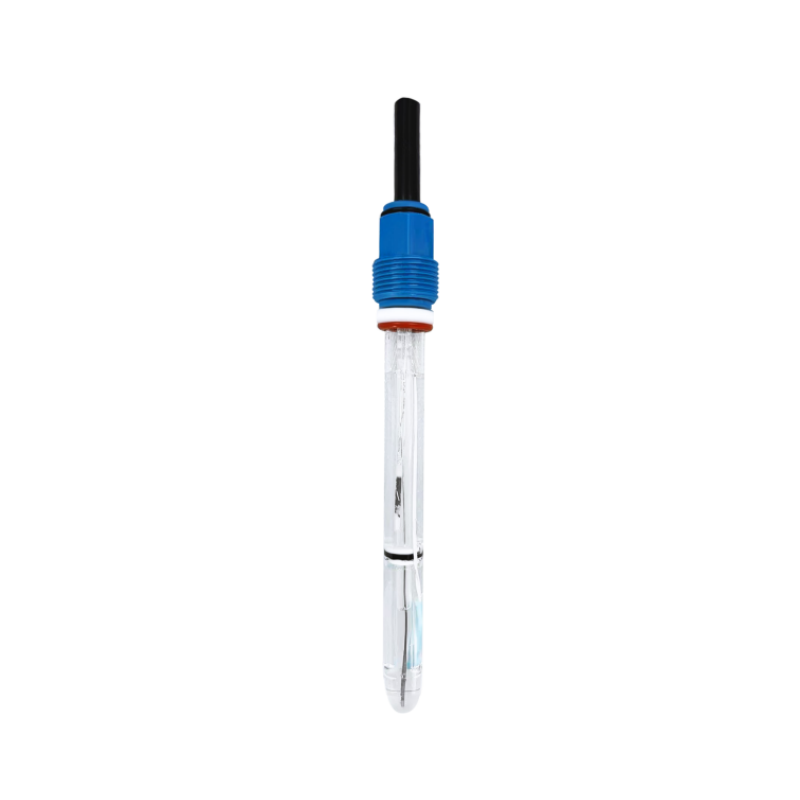
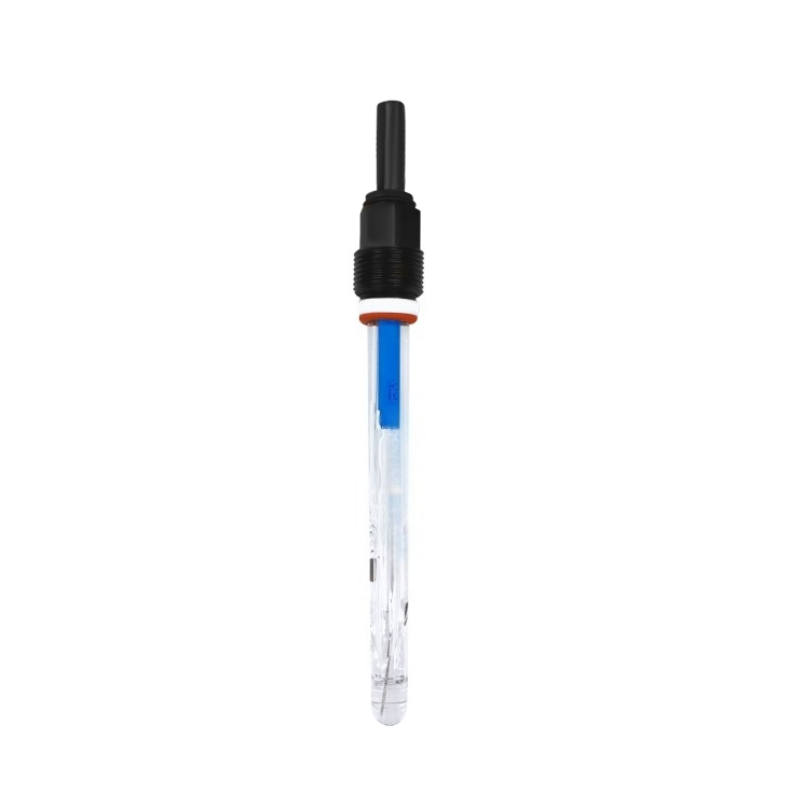
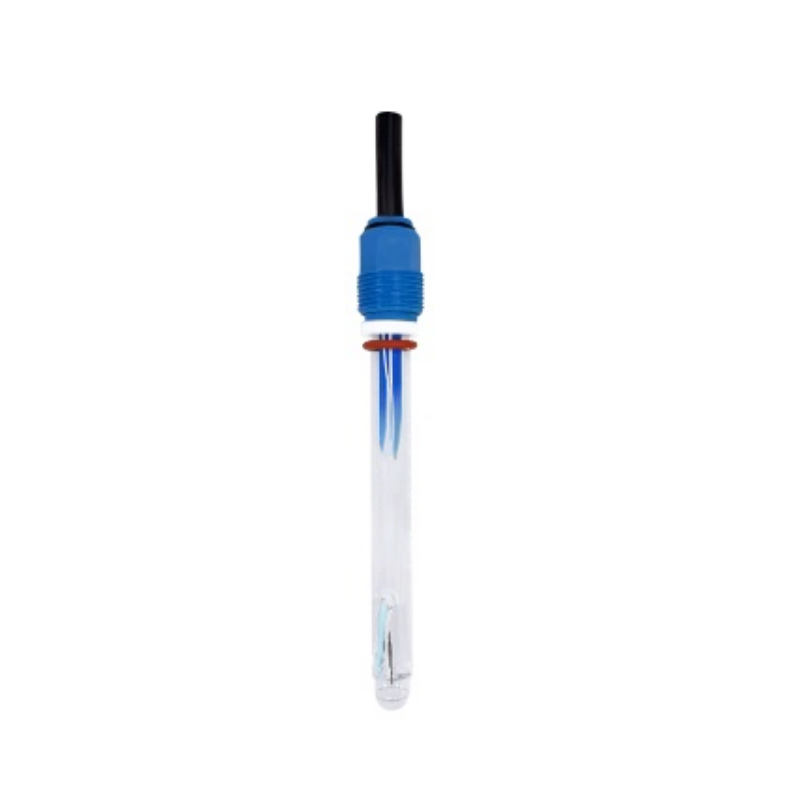
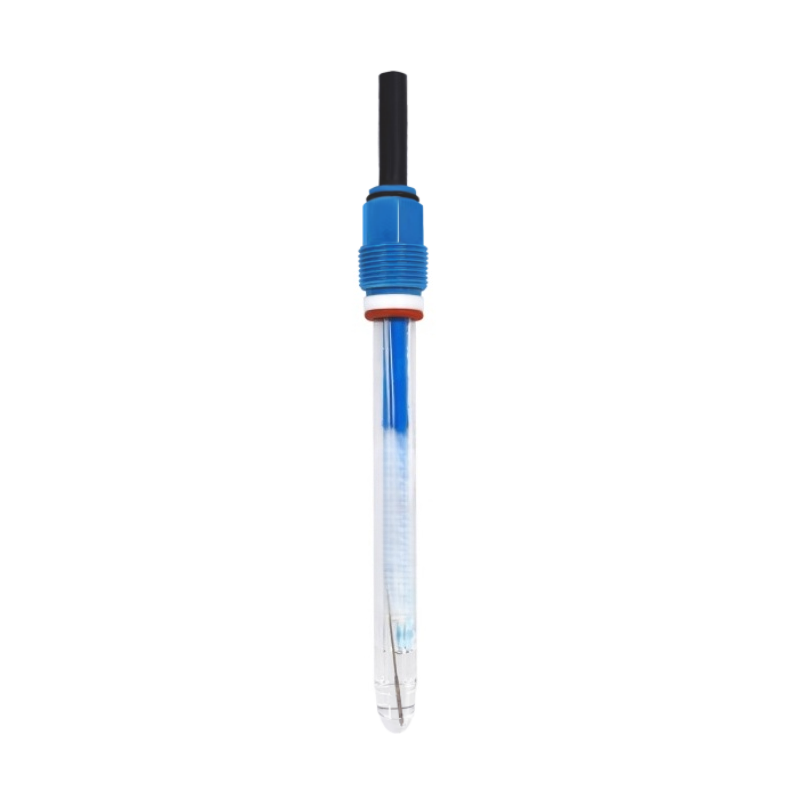
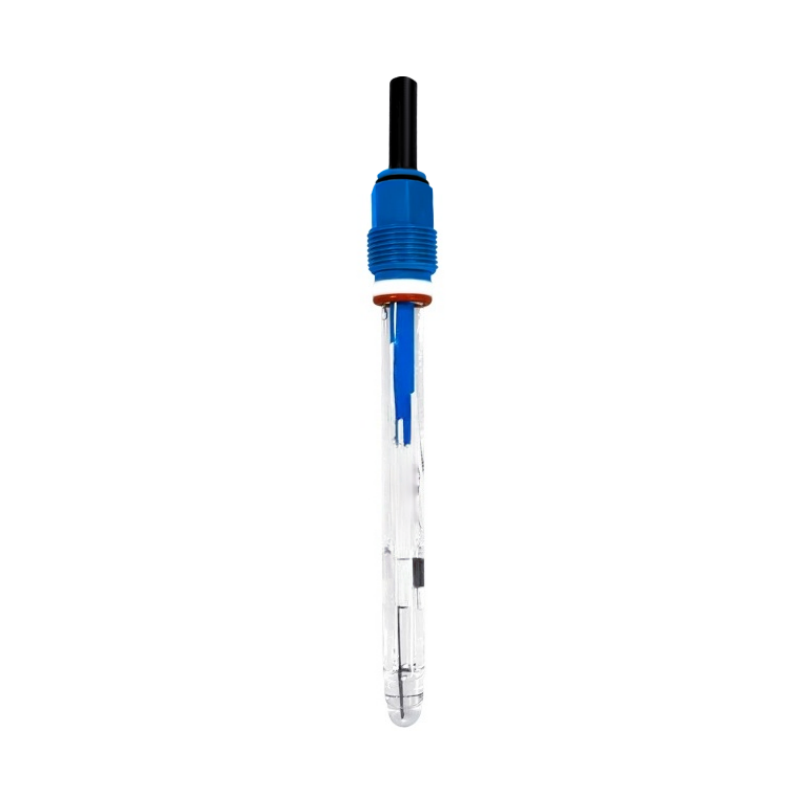
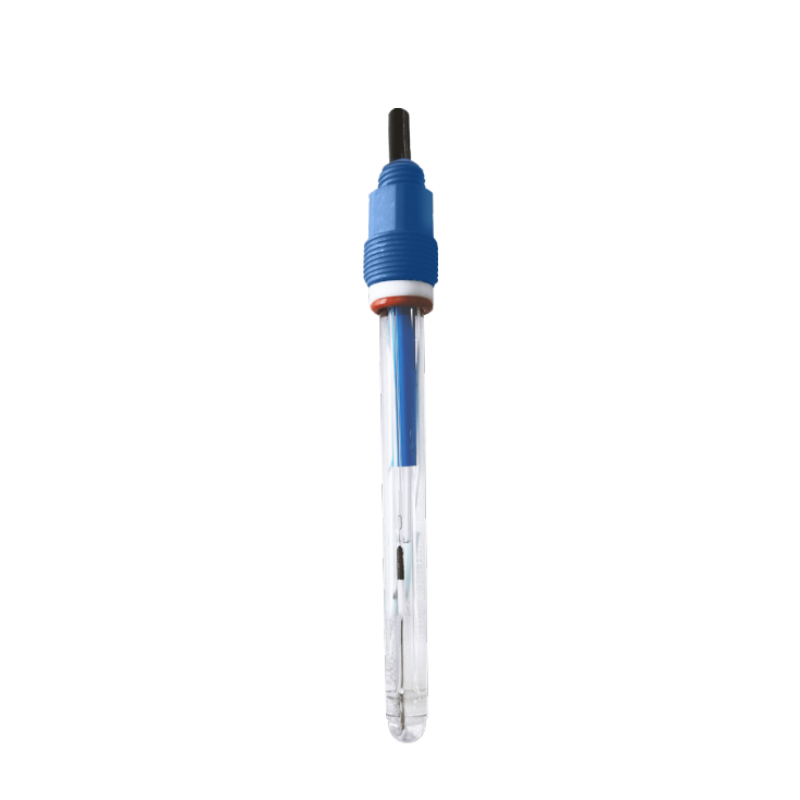
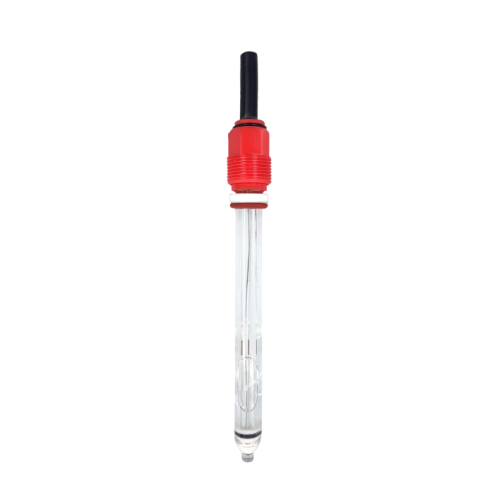
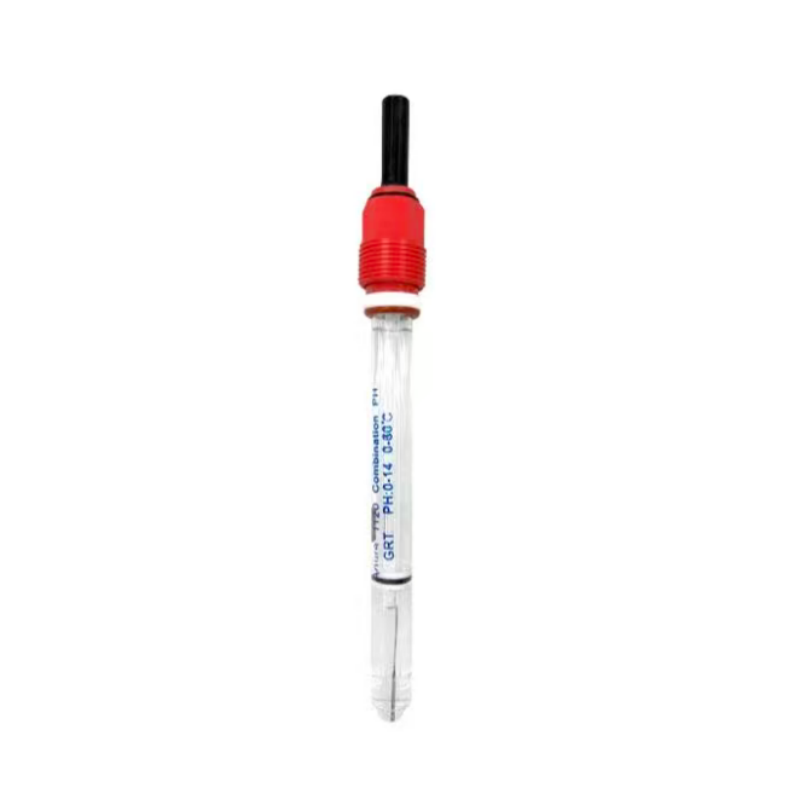
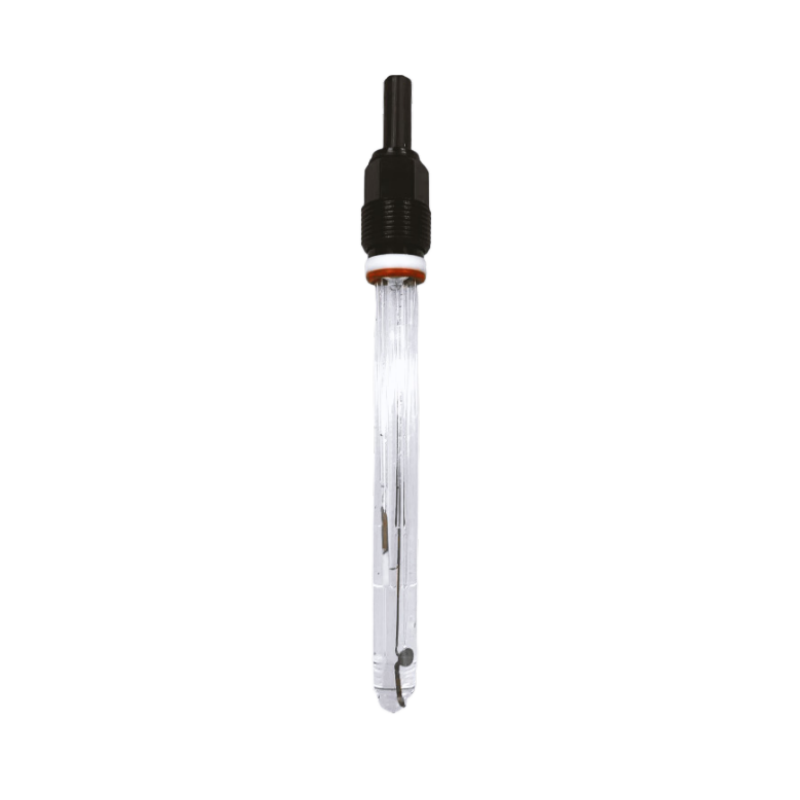

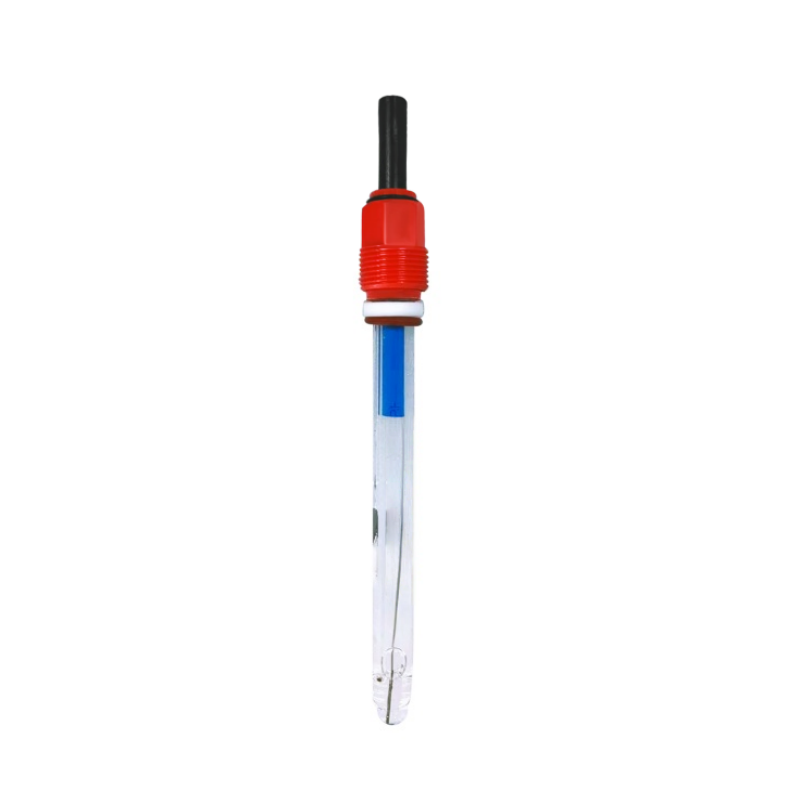
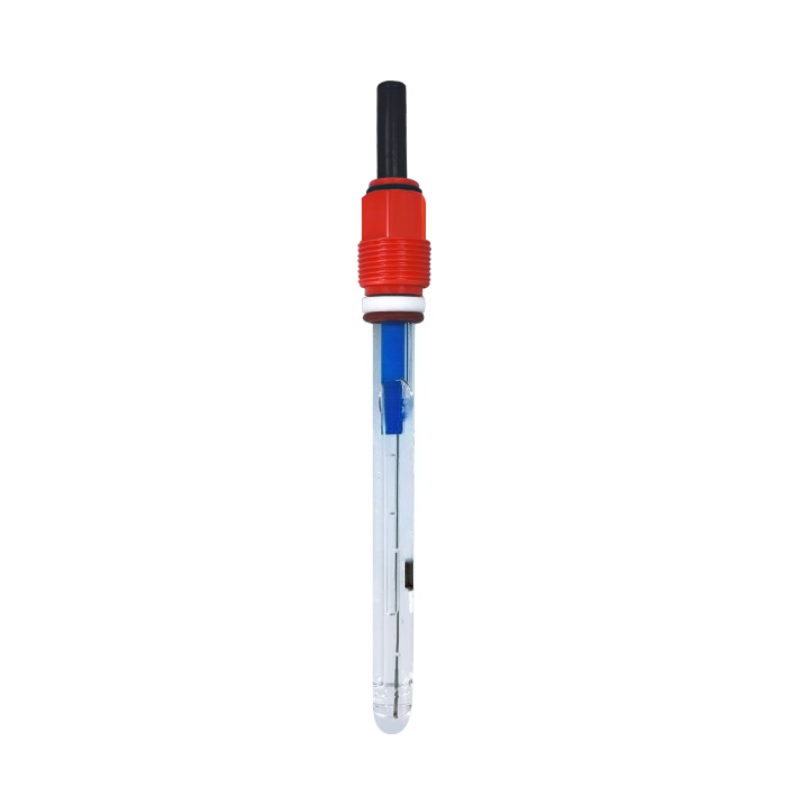
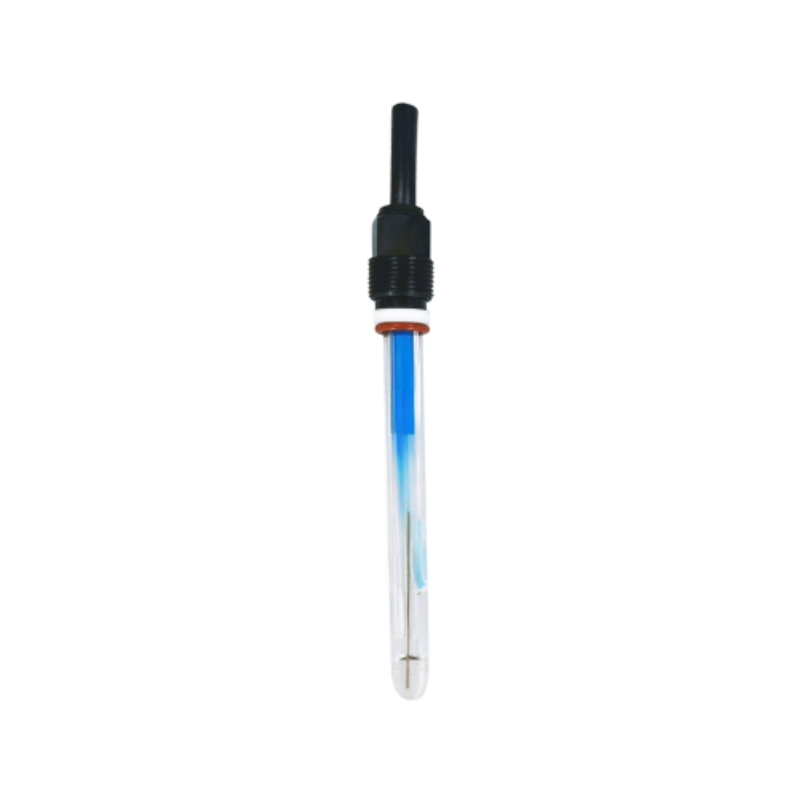
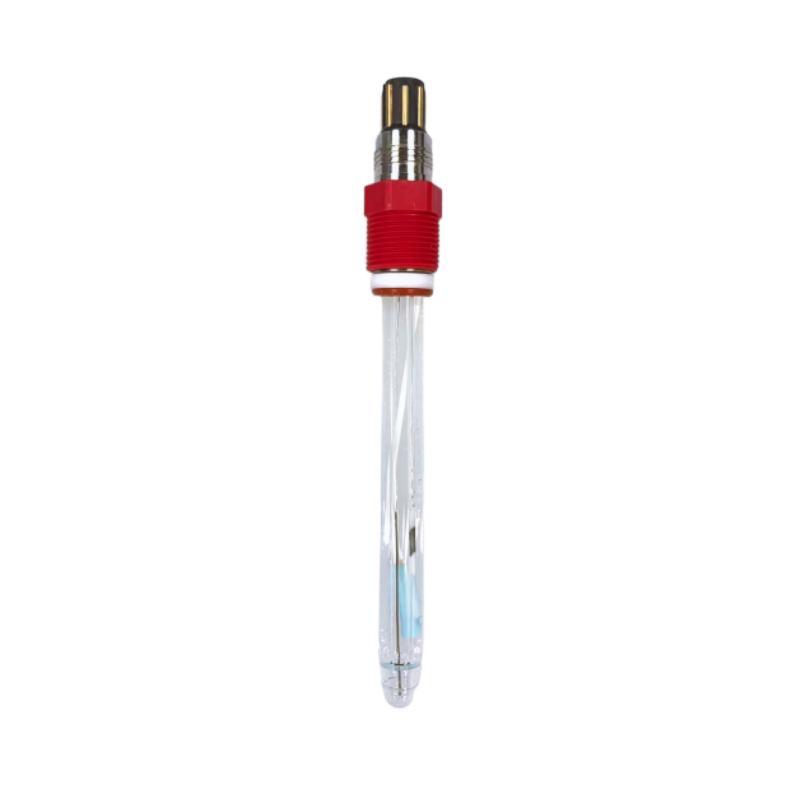
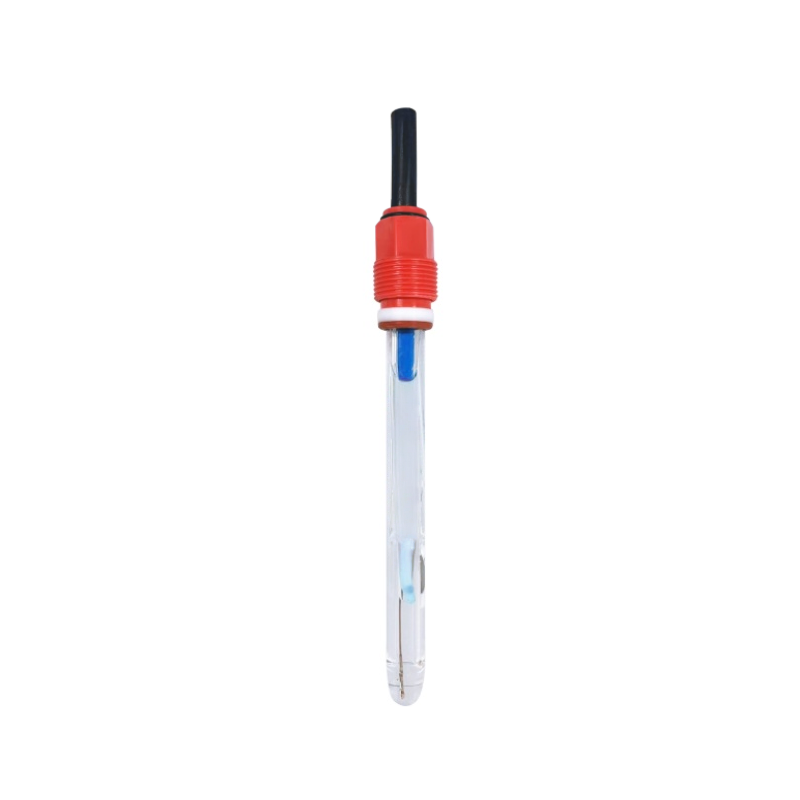
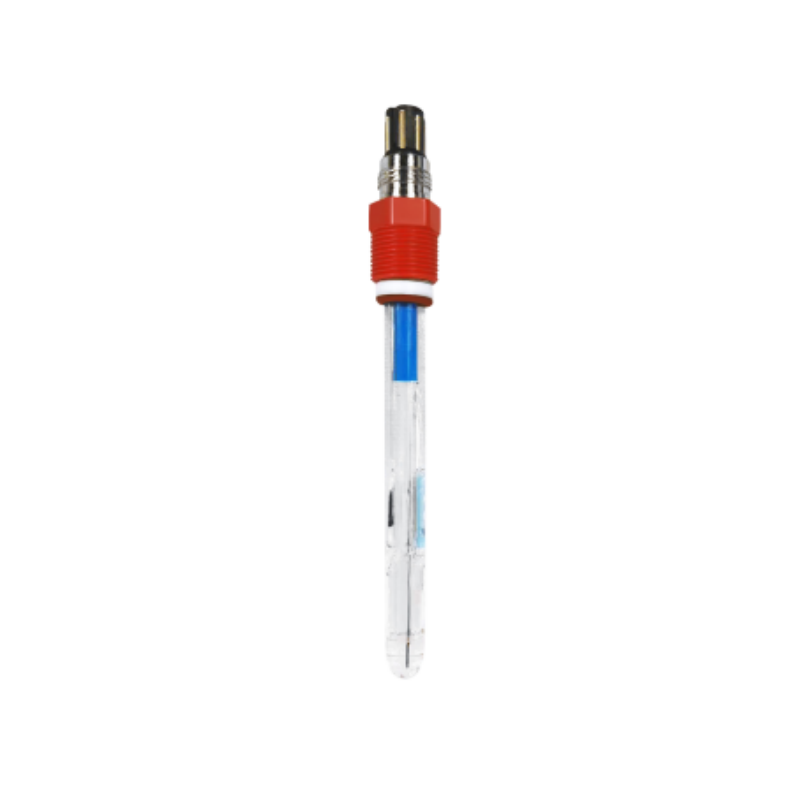
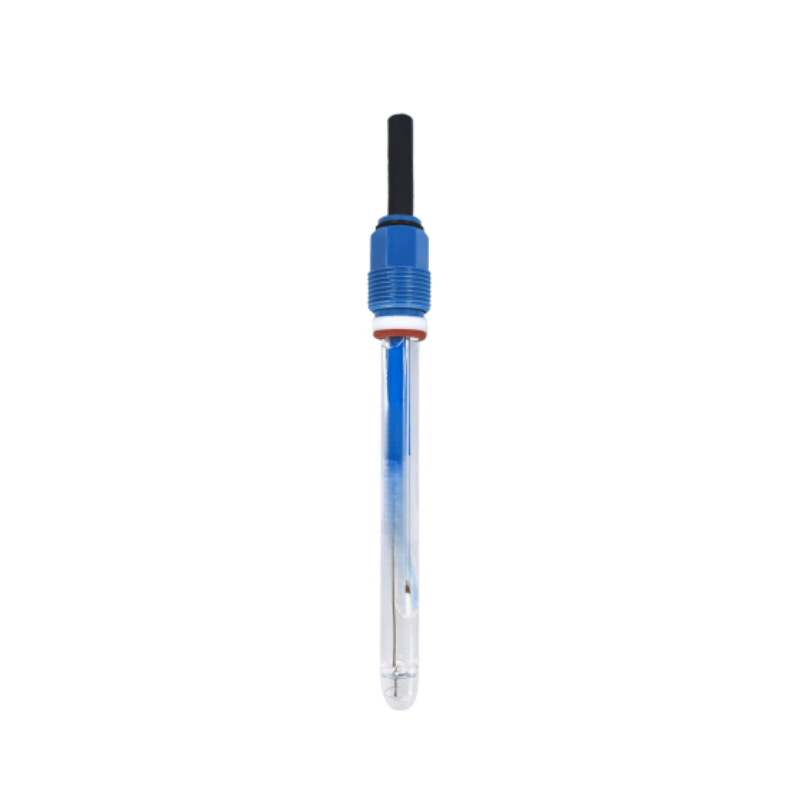
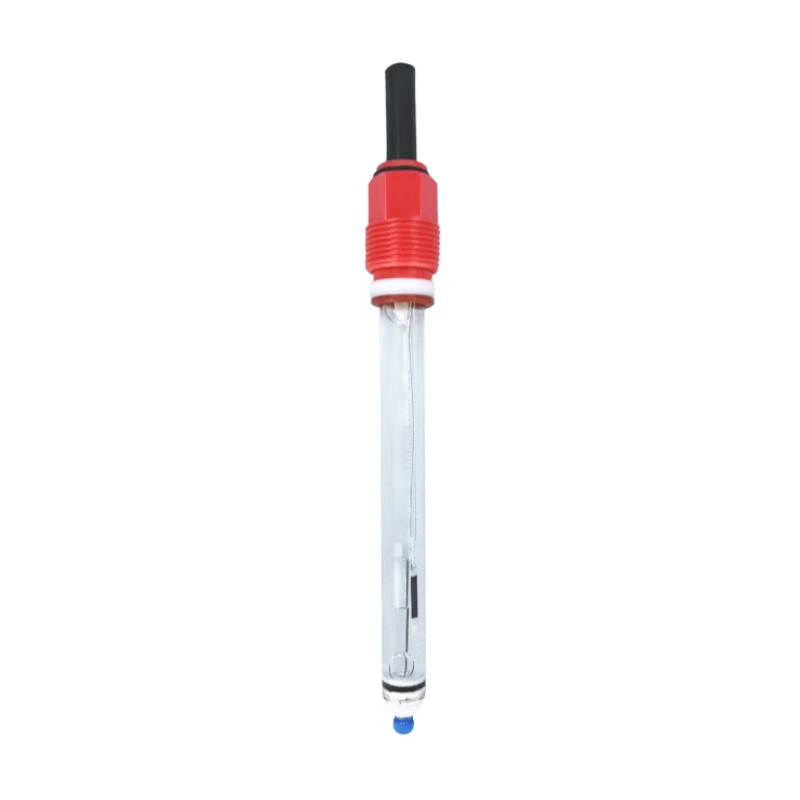
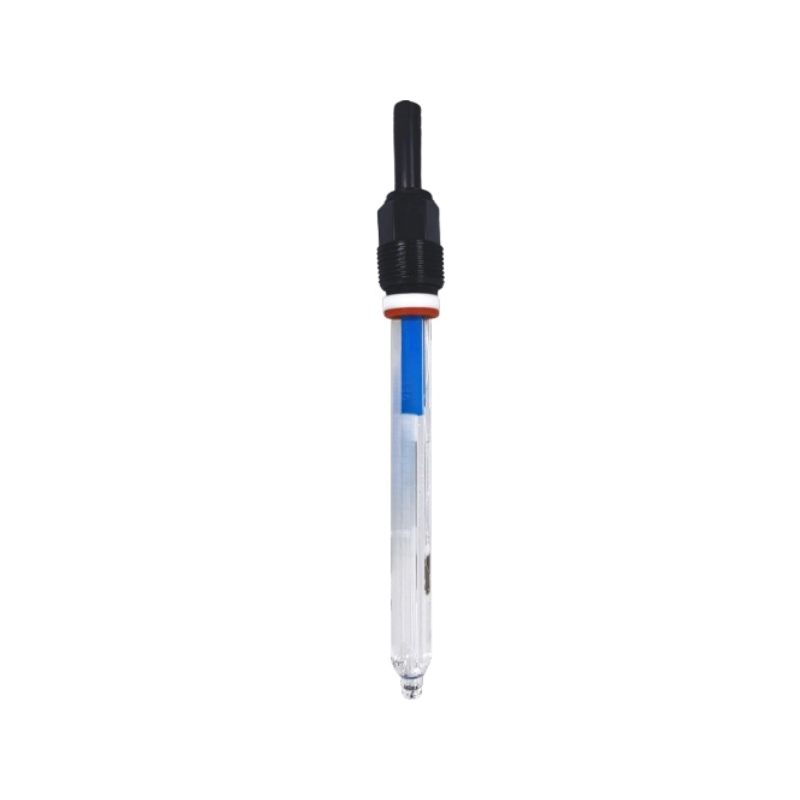
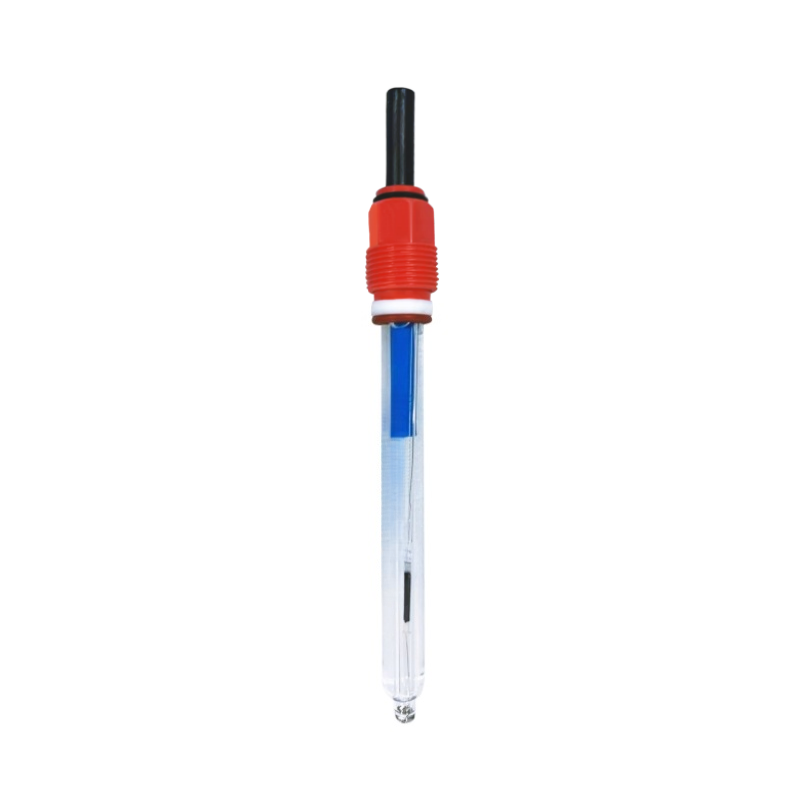
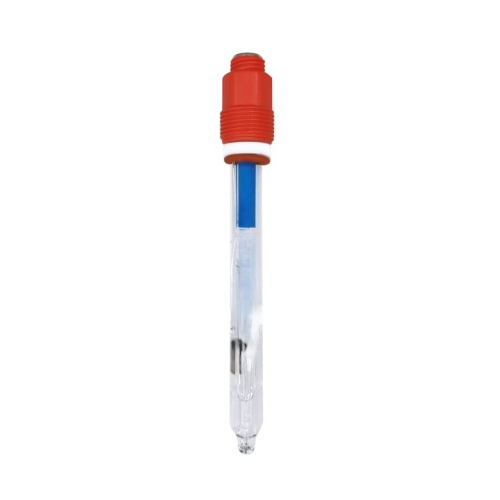
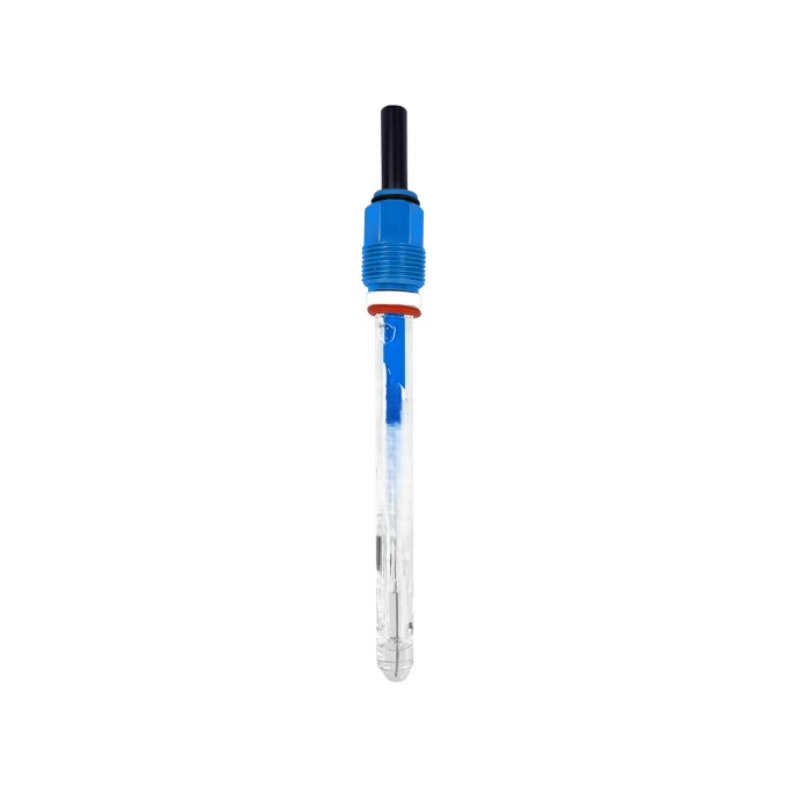
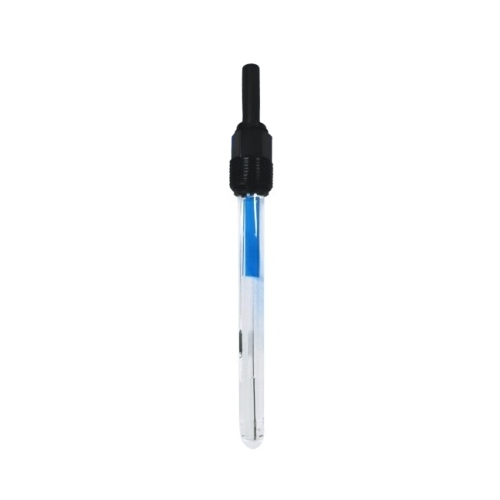
What is a glass electrode?
Simply put, a glass sensor is a precision sensor that uses a “special glass sensitive film” to measure the pH or ORP of liquids, and is one of the core components for high-precision water quality monitoring in industry/laboratories.
Its core principle is very intuitive:
When the “special glass sensitive film” of the glass sensor comes into contact with the measured liquid, the surface of the film will react with hydrogen ions in the liquid, forming a small potential difference; At the same time, the “reference system” inside the sensor provides a stable reference potential, and the difference between these two potentials can be used to convert the accurate pH value (ORP is the potential signal that captures electron transfer in the liquid).

| Dimension | PH/ORP Glass Sensor | Plastic-Shell Sensor |
|---|---|---|
| Core sensing material | Special glass sensitive film (lithium glass/borosilicate glass) | Polymer sensitive film/composite material |
| Accuracy class | ±0.01~0.02pH(high precision) | ±0.05~0.1pH(conventional accuracy) |
| Core strengths | Accurate measurement, strong temperature and pressure resistance | Low cost, good anti blocking performance |
The “high precision” of glass sensors comes from the ion selectivity of glass sensitive membranes – when the sensitive membrane comes into contact with the measured medium, a potential difference is formed on the membrane surface, and the stable potential transmitted by the reference sensor can be converted to an accurate pH value; The ORP (oxidation-reduction potential) glass sensor captures the electron transfer signal in the medium through a sensitive membrane, reflecting the oxidizing/reducing properties of water quality.
The core advantages of glass electrodes
- Core selling points: Wide temperature range -5~150 ℃, pressure resistance range: 0~1.0MPa, pH range: 0~14, full range, strong acid and alkali resistance
- Scenario evidence: Chemical high-temperature reactor, steam sterilization (130 ℃) process
- Core selling point: Special low internal resistance glass film, response speed ≤ 2s, long-term drift ≤± 0.02pH
- Scenario evidence: Suitable for electronic grade ultrapure water (requiring ± 0.01pH) and pharmaceutical purified water monitoring
- Core selling points: double liquid junction anti pollution, gel/liquid electrolyte anti poisoning, online life ≥ 6 months
- Scenario evidence: Long term continuous monitoring of sewage biochemical tanks and fermentation tanks
How to Choose the Right Plastic-Shell Sensor?
The core logic for selecting glass sensors is “working condition matching+precision adaptation+installation compatibility”. Based on the actual needs of industrial scenarios, a “3-step selection method” has been developed, which is simple, easy to understand, and accurately avoids pitfalls. At the same time, a common working condition quick reference table is attached for direct comparison and selection:
Step 1: Clarify the working condition limits
Clarify the operating limit (most importantly, determine whether the electrode can be used).Lock in three core operating condition parameters first to avoid sensor premature scrapping due to “inability to withstand” operating conditions:
Temperature range:
- Normal operating conditions (0~80 ℃): Select standard glass electrodes;
- High temperature conditions (80~150 ℃, such as reaction vessels and sterilization processes): “High temperature dedicated glass sensors” must be selected (using heat-resistant lithium glass film+sealed packaging);
- Low temperature conditions (-5~0 ℃, such as refrigerant monitoring): Select the “low temperature adaptation type” (low internal resistance glass film to avoid slow response).
Pressure range
- Normal pressure/low pressure (≤ 0.4MPa, such as sewage tanks and storage tanks): The standard version is sufficient;
- Medium high pressure (0.4~1.0MPa, such as high-pressure pipelines and reaction vessels): Choose the “pressure resistant type” (fully sealed shell+reinforced glass film).
Medium characteristics:
- Conventional media (water, weak acid-base): universal glass electrode;
- Strong corrosive medium (including S ² ⁻/CN ⁻, concentrated acid and alkali, fluorine-containing wastewater): choose “dual liquid interface+corrosion-resistant shell (perfluorinated/PPS)” to prevent electrode poisoning;
- High purity medium (ultrapure water, injection water): Choose the “low leaching type” (medical grade glass film, leaching substance<0.1ppb) to avoid contaminating the medium.
Step 2: Confirm accuracy requirements
- Ultra high precision (± 0.005~0.01pH): laboratory research, electronic ultrapure water, pharmaceutical injection water (requiring GMP certification);
- High precision (± 0.02pH): chemical reaction control, food fermentation monitoring, high-end water treatment;
- Conventional accuracy (± 0.05pH): Industrial online monitoring, wastewater conventional monitoring (if budget is limited, it can be balanced, but the default accuracy of glass electrodes is ≥ ± 0.02pH).
Step 3: Match installation and interface
Installation method:
- Insertion type (sewage tank, storage tank): Select electrodes with installation threads (3/4-inch NPT/PG);
- Pipeline type (high-pressure pipeline, process line): Select “pipeline specific type” (equipped with flange/clamp installation parts);
- Laboratory/Portable: Choose “Pen/Small Probe” (with handle, rechargeable electrolyte).
Interface compatibility:
- Confirm the existing controller interface (BNC/S8/VP is the mainstream in industry), Sino Inst glass electrode supports 99% of industrial controllers (including Hach, E+H, self-developed RP-3000);
- Cable length: Standard 5m, if it exceeds 10m, choose the “signal amplification version” to avoid signal attenuation.
Quick Reference Table for Common Operating Condition Selection
| Operating condition scenario | Core requirements | Recommended Configuration |
|---|---|---|
| Pharmaceutical steam sterilization (130℃/0.4MPa) | High temperature pressure resistance, high precision | Temperature resistance: 150℃+ Pressure resistance: 1.0MPa+ ±0.01pH accuracy |
| Electronic ultrapure water (≤1μS/cm) | Low leaching, ultra-high precision | Low leaching glass membrane + ±0.01 pH + perfluorinated shell |
| Chemical wastewater containing sulfur (containing S²⁻/CN⁻) | Poison-proof and corrosion-resistant | Dual-fluid junction + PPS housing + gel electrolyte |
| Laboratory scientific research (sample testing) | Ultra-high precision, portable calibration | ±0.005pH accuracy + rechargeable electrolyte + small probe |
| Sewage biochemical tank (continuous monitoring) | Anti-pollution and low maintenance | Dual-fluid junction + gel electrolyte + plug-in installation |
| Food fermentation tank (0~60℃) | High precision, anti-pollution | ±0.02pH accuracy + single liquid junction + NPT thread |
Application Scenarios
Chemical industry:
High temperature and high pressure+strong corrosion hard core adaptation.

pH monitoring of high-temperature reaction kettle
Pain points of working conditions: reaction temperature of 80-150 ℃, pressure of 0.4-1.0MPa, medium mostly strong acid-base/organic intermediates, membrane aging and data drift of ordinary sensors occur within one week, and sealing failure is prone to leakage.
Adaptation plan: GRT2000 high-temperature and high-pressure glass electrode is selected, lithium glass sensitive film can withstand high temperature of 150 ℃, fully sealed shell can withstand pressure of 1.0MPa, dual liquid interface structure isolates organic impurities, achieves accurate monitoring of ± 0.01pH, and continuous operation life is ≥ 8 months.
Core value: Avoiding incomplete reactions caused by pH loss control, reducing raw material loss, and meeting the requirements of “process precision control” in the chemical industry.
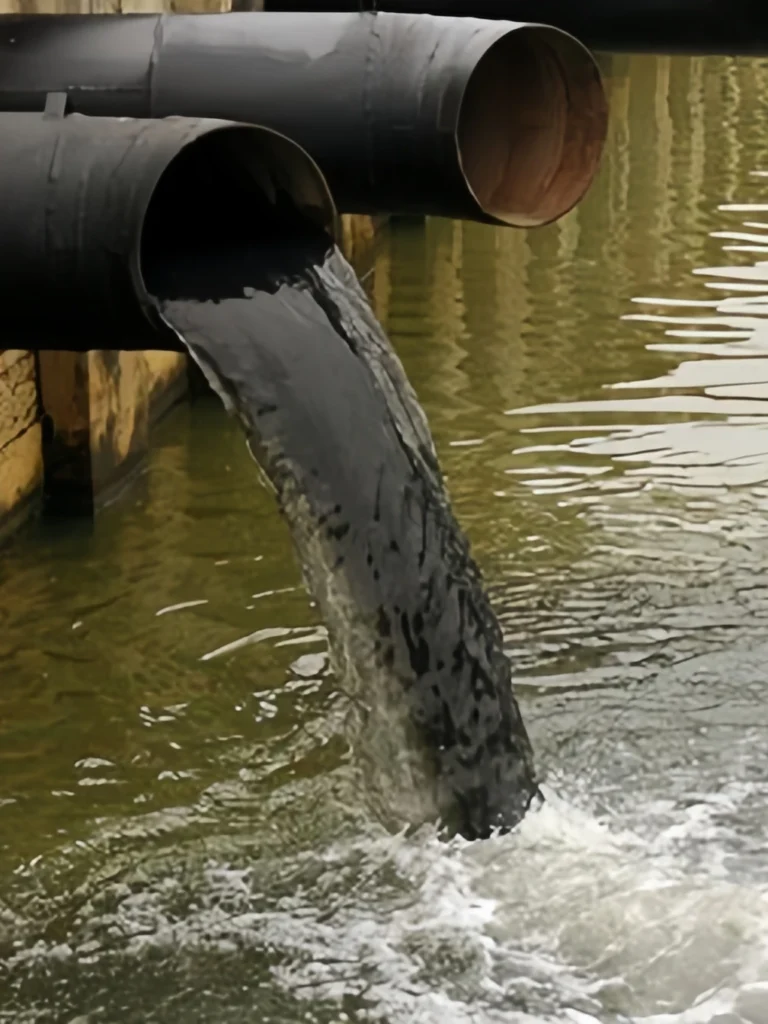
Treatment of sulfur-containing and cyanide containing wastewater
Pain points of working conditions: Wastewater contains high concentrations of S ² ⁻ and CN ⁻ ions, and ordinary sensors are poisoned and scrapped within 2 weeks. The liquid interface is easily blocked by sulfides, resulting in high operation and maintenance costs, and data drift leads to imbalanced dosing of treatment agents.
Adaptation scheme: GRT4000 strong corrosion special glass sensor is used, PPS corrosion resistant housing+solid gel electrolyte is used to resist ion erosion, and the anti blocking capacity of ring PTFE liquid interface is increased by 5 times, without the need to supplement reference liquid, and the monthly maintenance duration is ≤ 10 minutes.
Core Value: Extend electrode lifespan to over 6 months, improve dosing accuracy by 15%, and reduce overall sewage treatment costs.
Pharmaceutical industry:
Strict matching of high purity and high compliance.

Purified water/injection water monitoring
Pain points of working conditions: The water quality requires a conductivity of ≤ 5.1 μ S/cm, and the pH needs to be stable at 5.0-7.0. Ordinary sensors are prone to dissolve impurities and pollute the water quality, and the accuracy is insufficient to meet the traceability requirements of GMP certification.
Adaptation plan: GRT3000 high-purity water quality dedicated glass sensor is selected, medical grade low leaching glass film (leaching substance<0.1ppb) is used, perfluorinated shell has no secondary pollution, measurement accuracy reaches ± 0.01pH, and real-time data upload to GMP traceability system is supported.
Core value: Fully comply with the requirements of the Chinese Pharmacopoeia 2025 edition, avoid batch scrapping caused by substandard water quality, and simplify the certification process.
Food and beverage industry:
Safety compliance+controllable process
Controlling the pH of the fermentation tank
Problem:The pH needs to stay between 4.2 and 4.8 and the temperature between 30 and 40 degrees Celsius during the fermentation process for beer and yogurt. The fermentation broth contains a large amount of protein, which can easily block the sensors. Data drift can lead to fermentation failure or abnormal flavor.
Adaptation scheme: GRT2000 standard glass sensor is used, and the ring PTFE liquid junction is used to prevent protein adhesion. gel electrolyte does not need to be supplemented. It only needs 5 minutes of cleaning and calibration every week, and 24h potential drift is ≤ ± 0.02pH.
Core value: Accurately control the pH of the fermentation process, ensure product flavor consistency, and reduce fermentation failure rate.

FAQ
Are you still troubled by the frequent scrapping and data drift of ordinary electrodes? Sino-Inst glass electrodes maintain the quality red line with an accuracy of ± 0.01pH, overcoming extreme working conditions with a hard core performance of 150 ℃ temperature resistance and 1.0MPa pressure resistance. With an ultra long lifespan of over 6 months, they help you cut 50% of operation and maintenance costs! Whether it is the strict requirements of pharmaceutical GMP certification or the ultimate precision requirements of electronic ultrapure water, we can accurately match them.