.png)
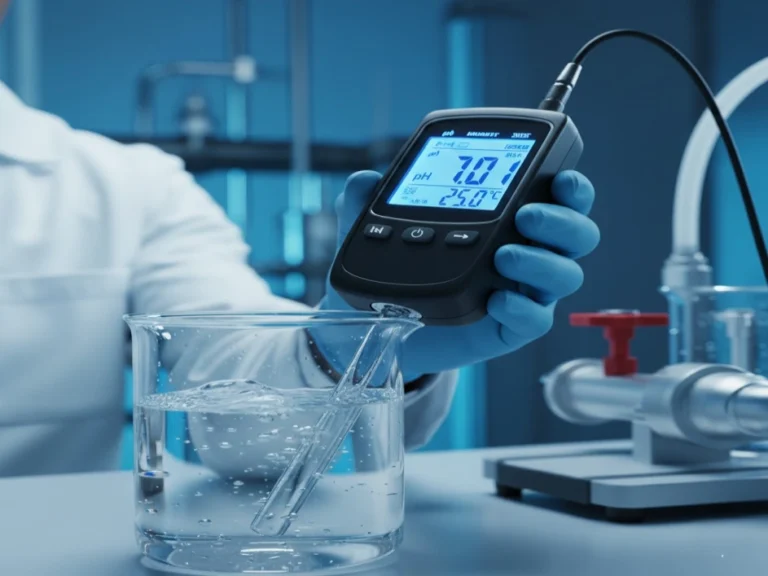
Choosing the right ph meter sensors is critical for industrial uptime. Whether you are dealing with high-solids slurries or toxic effluents, a standard laboratory ph electrode will fail within days. This guide explores the most durable ph sensor electrode options designed to withstand the harshest 2026 industrial environments.
Why Plastic pH Meter Sensors Outperform Glass in Industrial Water Treatment
The survival of an industrial or wastewater pH electrode determines its value.
Working with high-solids slurries, caustic chemicals, or hazardous effluents has likely caused the following issues:
- Frequent tiny liquid junction clogging
- Reference sulfide/cyanide poisoning
- Broken glass bulbs from pressure or turbulence
- Due to severe temperatures and pressures, leaks or failure
These failures lead to unstable readings, unplanned downtime, and costly sensor replacements.
Insert Plastic-Shell Sensors.
Plastic pH electrodes made of Epoxy, PPS, or PVDF are designed like industrial gear, not delicate laboratory glassware. Advantages include:
- Housing that resists impact
- Wide-temperature performance
- Anti-poisoning double- or triple-junction designs
- Replaceable salt bridges
- Anti-fouling PTFE joints
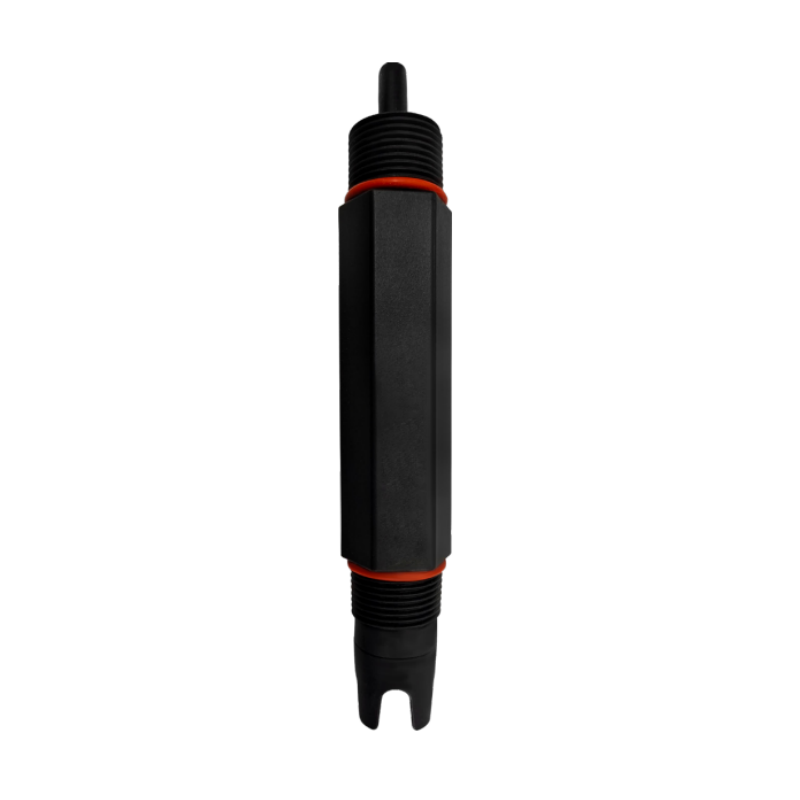
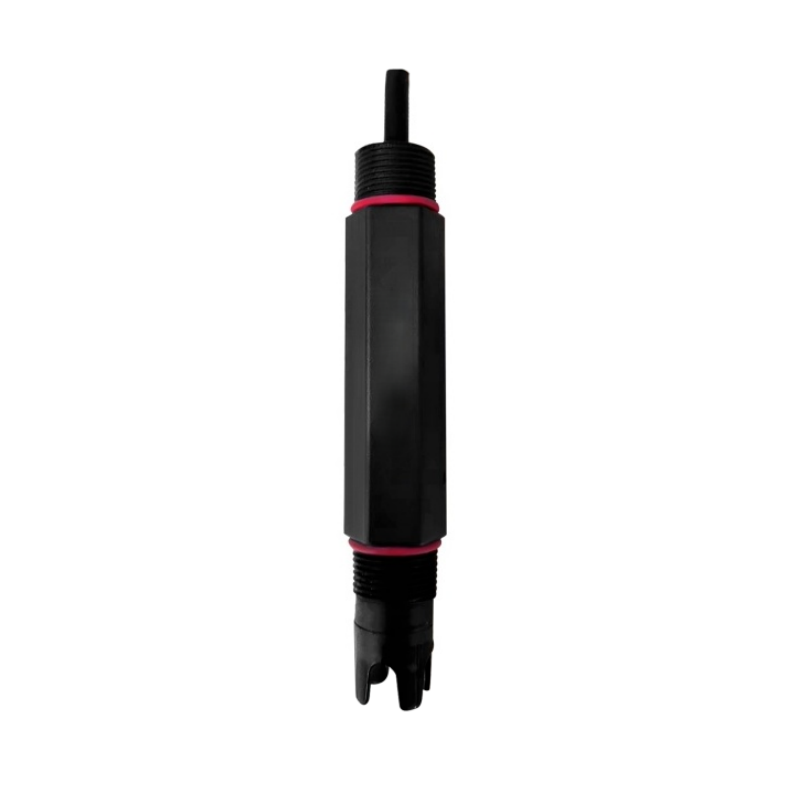
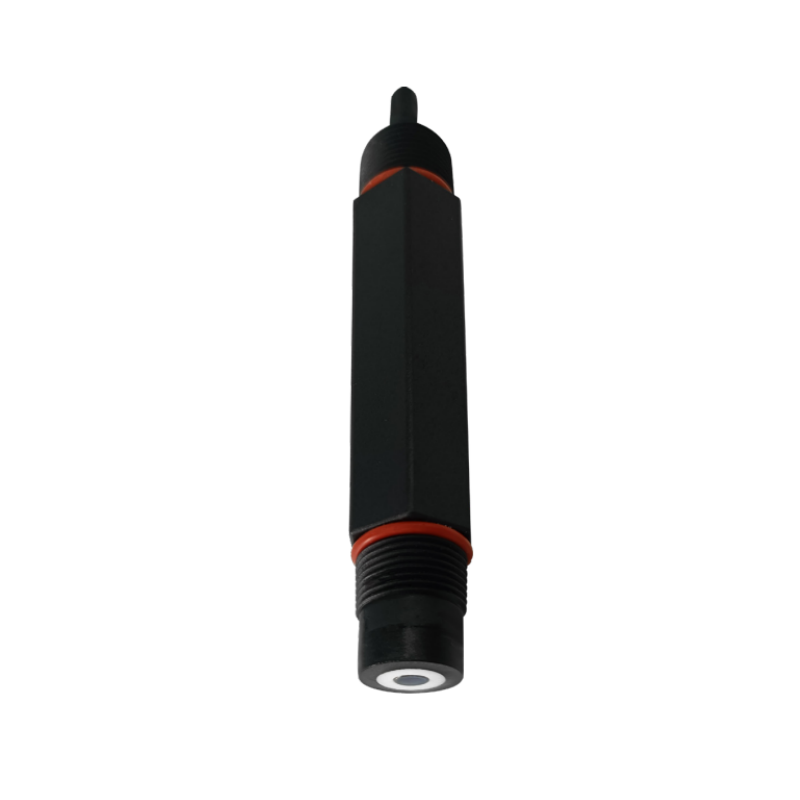
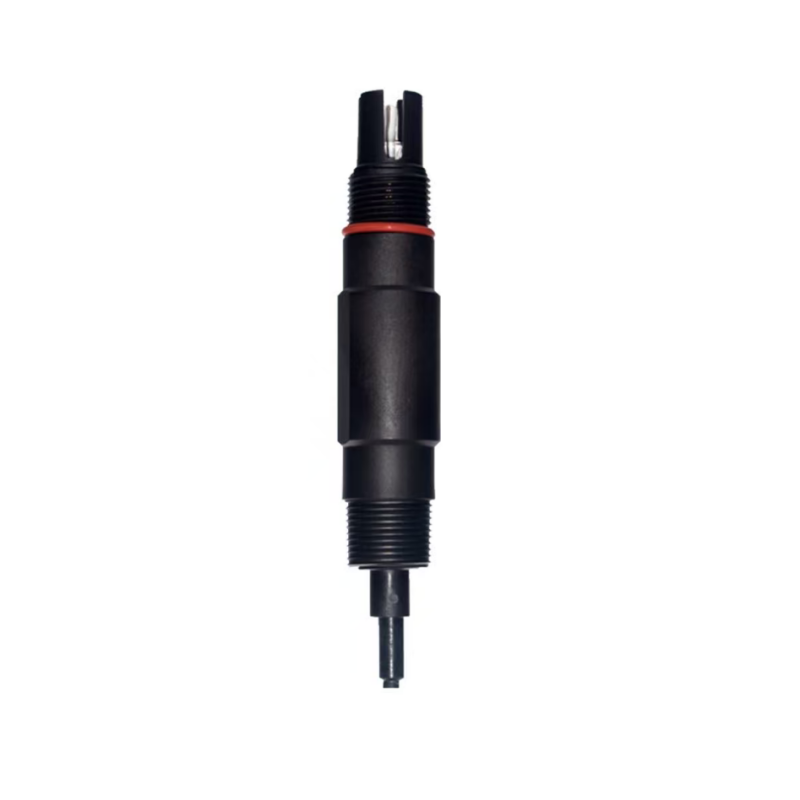
Below is a detailed comparison of the Top 5 Plastic pH Electrodes designed specifically for harsh industrial and wastewater applications.
How does a pH sensor work?
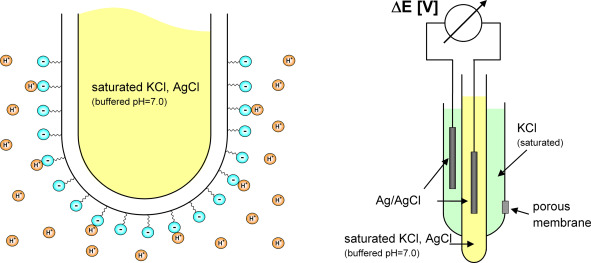
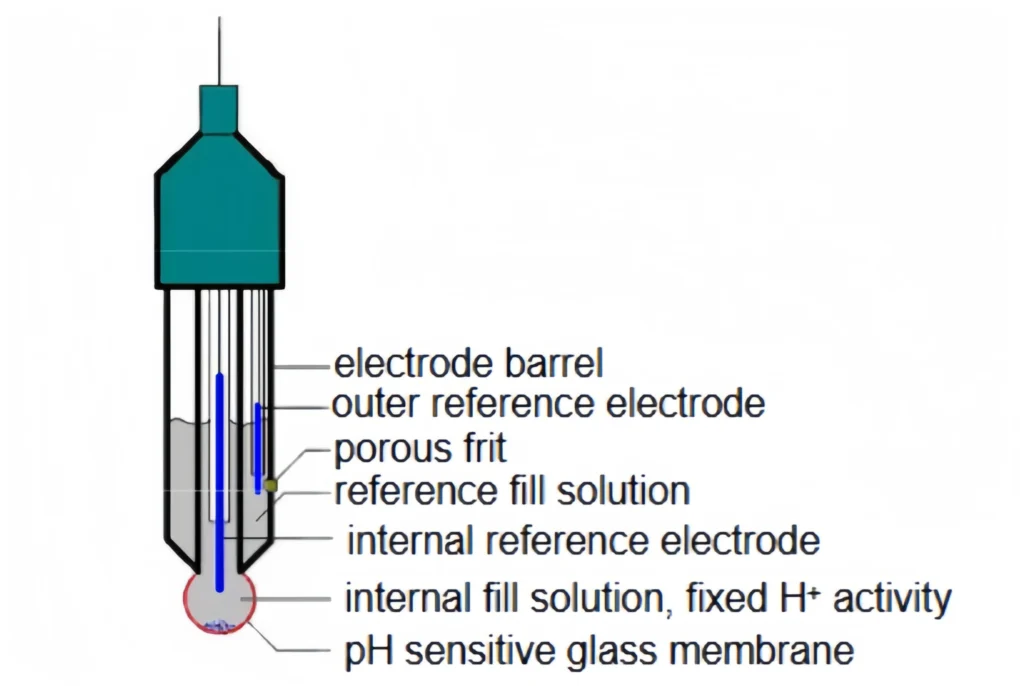
A pH electrode works like a ‘chemical battery’. The voltage signal is generated by monitoring the activity of hydrogen ions ($H ^+$) in water. Its basic logic:
- Membranes sense: Hydrogen ions in the water sample exchange with the glass ball (Sensitive Membrane) at the top of the electrode, causing a potential difference inside and outside the membrane.
- Comparison: A continuous “reference voltage” is provided by a reference electrode inside the electrode to read this voltage.
- To convert voltage, the transmitter measures the difference between these potentials. At 25 ° C, the Nernst equation states that the electrode changes 59.16 mV per pH unit.
- We see 0-14 pH values because the device translates the millivolt (mV) data.
Quick Comparison: Top 5 Plastic Sensors at a Glance
Short on time? Use this table to find the specific sensor model that fits your industrial application.
|
Product Model |
Core strengths |
temperature tolerance |
Adaptation scenario |
Core technology |
|---|---|---|---|---|
|
GRT1320PDW |
High temperature and high pressure+differential anti-interference+replaceable salt bridge |
0-130℃ |
Pharmaceutical high-temperature sterilization, chemical reaction kettle, beer fermentation |
Three electrode differential structure, high temperature resistant gel dielectric |
|
GRT1030JW |
Anti toxic and anti blocking+wide temperature and low maintenance+data compliance |
0-130℃ |
Municipal sewage, chemical sulfur-containing/cyanide containing wastewater |
Circular PTFE liquid interface, preventing S ² ⁻/CN ⁻ poisoning |
|
GRT1020PD |
Short size+medium low temperature differential+economical and practical |
0-60℃ |
Pharmaceutical pilot testing, small-scale reaction vessels, food wastewater |
159mm short body, differential anti electromagnetic interference |
|
GRT1030W |
High cost-effectiveness+adaptation to normal working conditions+basic anti-virus |
0-60℃ |
Small and medium-sized electroplating plants, township sewage stations |
No need to replenish charging medium, easy maintenance |
|
KPT-561FW |
Strong corrosion resistance+customization+low attenuation |
0-130℃ |
Fluorine containing wastewater, high concentration acid-base chemical wastewater |
Perfluorinated shell, corrosion-resistant sensitive film |
Top 5 in-depth analysis of products
GRT1320PDW
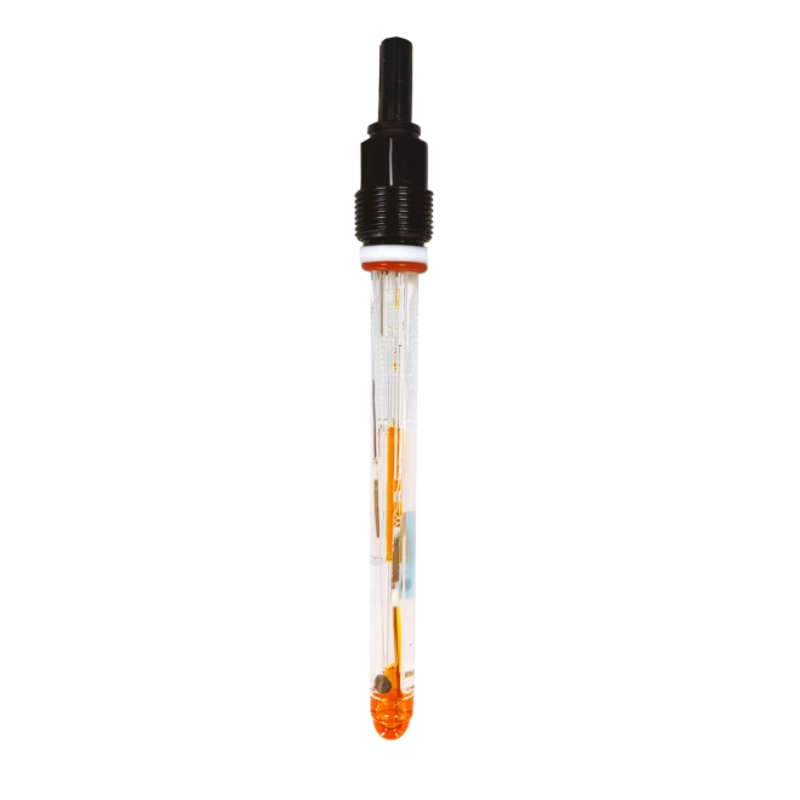
Best for High-Temp & High-Pressure
Key Specifications:
- Application: WWTP Aeration Tanks, Deep Wells, River Monitoring.
- Protection: IP68 Submersible Standard.
- Junction: Double Junction for extended life.
Core strengths:
| Parameter | Value |
|---|---|
| pH Range | 0-14 pH |
| ORP Range | -1500—+1500 mV |
| Sensitivity | pH:±0.01pH ORP:±0.5mV |
| Temperature Range | 0-130℃ |
| Pressure Range | At 130 ℃, it is 4 bar |
GRT1030JW
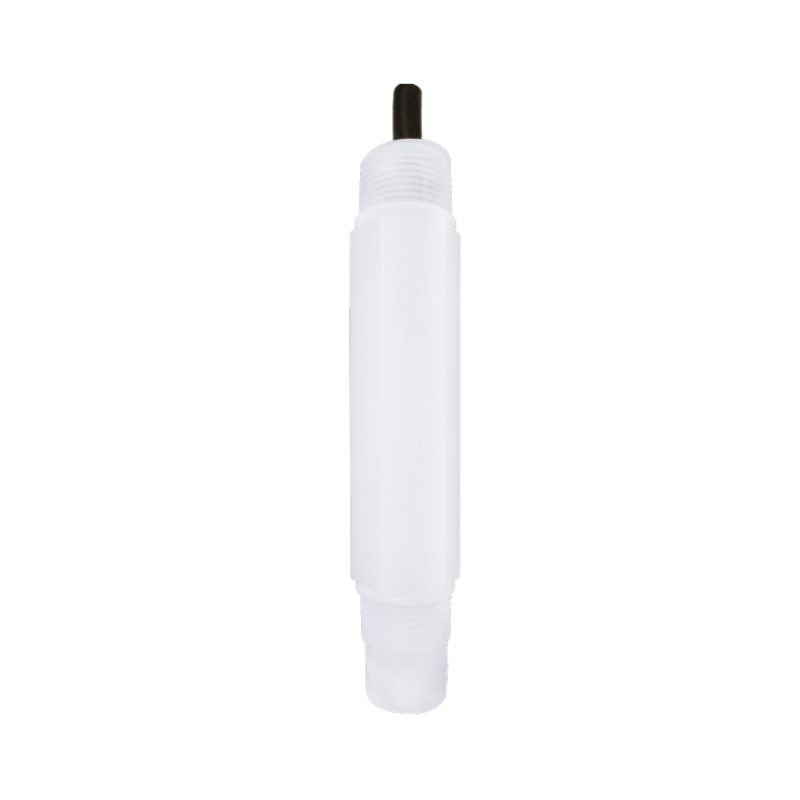
Highly toxic wastewater specific electrode
Key Specifications:
- Application:Suitable for online detection of sewage
- No need to replenish electrolytes
- Adopting PTFE liquid interface, it is not easy to block
Core strengths:
| Parameter | Value |
|---|---|
| pH Range | 0-14 pH |
| Pressure resistance | 0-0.3MPa |
| Zero potential | 7±0.5 |
| Temperature Range | 0-130℃ |
| Theoretical percentage slope | ≥ 95% |
| Thread Size | 3/4 inch NPT |
GRT1020PD
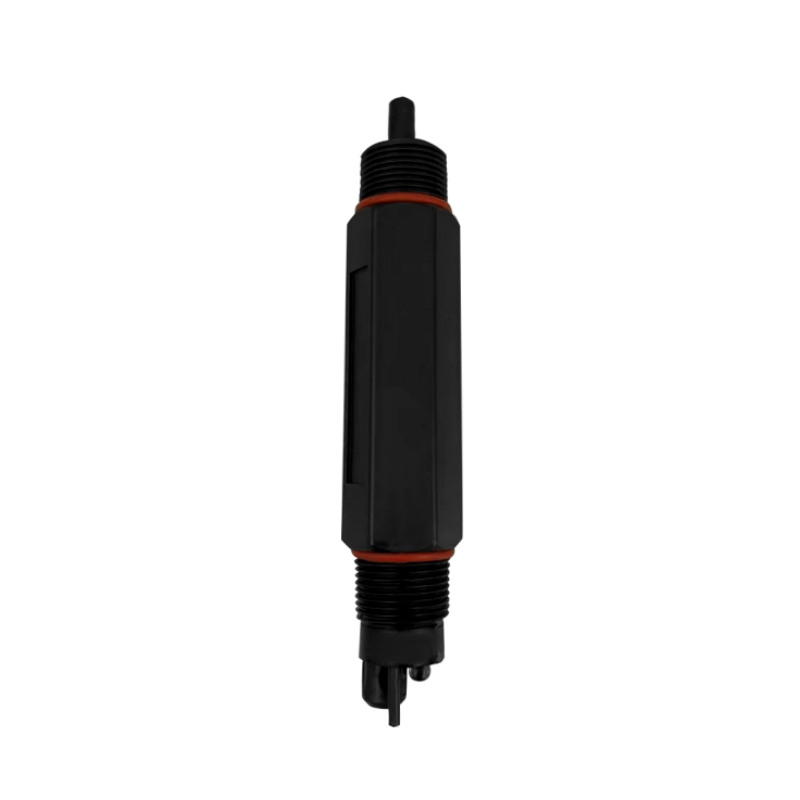
Compact Anti-Interference pH Electrode
Key Specifications:
- Differential technology, precise anti-interference
- Swap salt bridge, extend lifespan
Core strengths:
| Parameter | Value |
|---|---|
| pH Range | 0-14 pH |
| ORP Range | -1500—+1500 mV |
| Sensitivity | pH:±0.01pH ORP:±0.5mV |
| Temperature Range | 0-60℃ |
| Pressure Range | 4 bar |
KPT-561FW
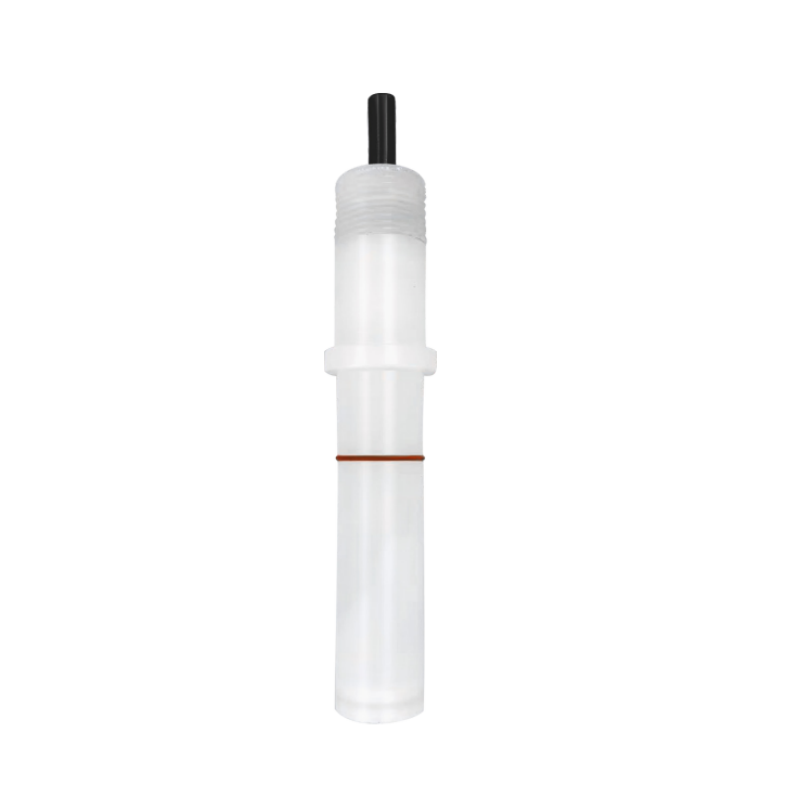
Corrosion-Resistant pH Electrode for Sewage Monitoring
Key Specifications:
- Circular PTFE liquid interface
- No need to replenish electrolytes
- Adopting PTFE liquid interface, it is not easy to block
- Installation interface
3/4-inch NPT Thread
Core strengths:
| Parameter | Value |
|---|---|
| Measurement Range | 0-14 pH |
| Theoretical percentage slope | ≥95% |
| Zero potential | 7±0.5 |
| Temperature Range | 0-130℃ |
| Pressure Range | 0-0.3 M Pa |
| Body Material | PVDF |
| Thread Size | 3/4 inch NPT |
| Junction / Electrolyte | PTFE ring junction + solid gel electrolyte |
Plastic vs. Glass Sensors-Which Lasts Longer in Wastewater?
In harsh industrial and wastewater environments, “ruggedness” directly determines sensor service life and maintenance costs. Below is a side-by-side comparison of plastic and glass sensors in key durability metrics—proving why plastic is the smarter choice for tough, dirty conditions:
| Ruggedness Metric | Plastic Sensors (Our Top 5) | Glass Sensors |
|---|---|---|
| Impact Resistance | Withstand debris impact & pump turbulence | Break easily under mechanical stress |
| Chemical Resistance | PPS/PVDF resist acids, alkalis, solvents | Vulnerable to HF, strong alkalis |
| Fouling Resistance | PTFE/ceramic junction reduces clogging | Narrow glass junction clogs quickly |
| Service Life in Wastewater | 4-12 months | 1-3 months |
| Maintenance | Gel electrolyte, minimal servicing | Frequent calibration + careful handling |
Key Takeaway: For rugged industrial/wastewater use, plastic sensors outperform glass in every durability category. They eliminate costly downtime from breakage, corrosion, and clogging.

How to choose the appropriate plastic sensors
Quickly match suitable sensors based on 5 core factors to avoid over specification or mismatch:
- Medium Characteristics
- Strong acids/alkalis → PVDF models
- High solids (≥3000 mg/L) → Anti-clog PTFE junction
- Light-duty chemicals → Epoxy/PC body
- Environmental Conditions
- Temperature >80°C → High-temperature series
- High turbulence or pump agitation → Reinforced PPS/PVDF
- Required Accuracy
- Process control → ±0.02 pH
- General monitoring → ±0.05 pH
- Installation Compatibility
- Pipes → 3/4″ NPT
- Tanks → Submersible IP68
- Controllers → BNC or custom S8 connector
- Cost vs. Lifespan
- Consider “cost per month,” not purchase price.
- PVDF → 10–12 months life
- Polycarbonate → 4–6 months life
- Consider “cost per month,” not purchase price.
Maintenance Tips: Keep Your Plastic Sensor Alive
Even the most durable plastic sensor needs care. Follow these 3 golden rules:
- Never Store Dry: Always keep the protective cap filled with 3M KCl solution. A dry bulb means a dead sensor.
- Clean Gently: For plastic bodies, you can use a soft brush and mild detergent to remove sludge. For scale buildup on the GRT1030W, a quick dip in 5% HCl is effective.
- Watch the Slope: Calibrate weekly. If the slope drops below 85% even after cleaning, the reference system is likely depleted, and it’s time for a replacement.
Accurate monitoring of pH and EC in different water sources requires precise calibration. To ensure your Sino-Inst sensors deliver consistent data, check out our comprehensive guide:How to Calibrate pH Meter: A Step-by-Step Guide for Accurate Readings
FAQ
Related Products




Ready to Upgrade Your Industrial pH Measurement System?
Choosing the right plastic pH electrode dramatically reduces:
- Clogging
- Drift
- Poisoning
- Breakage
- Operating costs
If you need help selecting a model or integrating sensors into your process control system, our engineering team can assist.
Request a Quote
More Resources
-
6 Professional Carbon Monoxide Detectors with PPM Displays
Carbon monoxide (CO) is often characterized as the silent killer because it is colorless, odorless, and tasteless. While standard residential alarms are designed…
-
9 Professional Exhaust Gas Analyser Solutions for Industrial Emissions
As industrial regulations tighten globally, the need for precise and reliable emission monitoring has never been more critical. At Sino-Inst, we understand that…
-
7 Professional Indoor VOC Monitoring Equipment Solutions
Authored by Sino-Inst — A globally recognized manufacturer of industrial instrumentation and process control equipment. From our experience engineering robust sensing technologies, protecting…
-
The Ultimate Guide to Flow Controllers Mass Price in 2026
Authored by Sino-Inst — A leading industrial automation and process control instrument manufacturer specializing in precision flow, pressure, and fluid measurement solutions. In…
-
6 Signs of a Natural Gas Leak
Authored by Sino-Inst. We are a professional supplier of industrial process and analytical instruments, including gas detectors, gas analyzers, mass flow controllers, and…
-
The 5 Core Differences Between MFC and MFM
In the realm of process automation, semiconductor manufacturing, and advanced laboratory research, the precise management of gas and liquid flow is not merely…