.png)
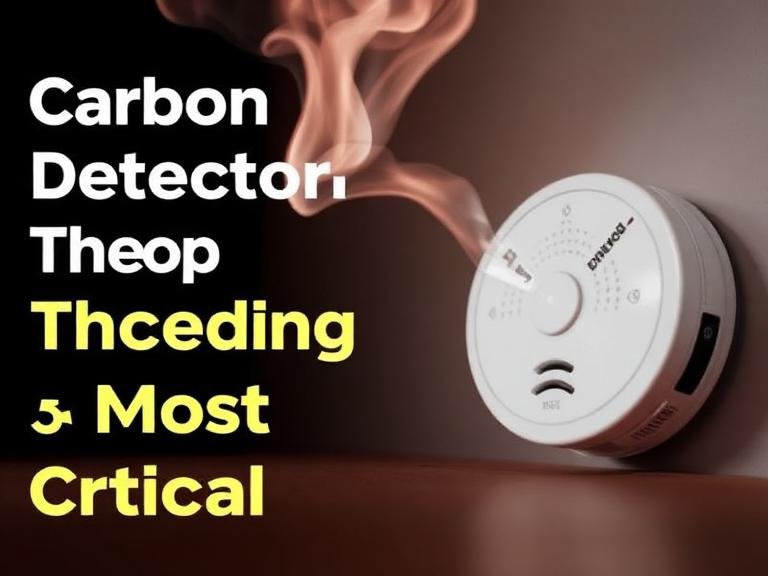
Finding yourself in a quiet home only to be interrupted by a persistent, mechanical chirp is more than just an annoyance; it is a critical safety signal. When you hear a carbon monoxide alarm beeping every 30 Seconds, your first instinct might be frustration, but your second should be investigation. Carbon monoxide (CO) is an odorless, colorless, and tasteless gas that can be lethal within minutes in high concentrations. Understanding the language of your detector—specifically the difference between an emergency siren and a maintenance chirp—is vital for the safety of your household.

- Emergency Siren vs. Maintenance Chirp
- The 30-Second Chirp: End-of-Life Warning
- Low Battery and Power Faults
- Environmental Interference and Sensor Error
- Industrial Reliability with Sino-Inst
- Immediate Steps: What to Do Right Now
- Beep Code Interpretation Table
- Frequently Asked Questions
- References and Safety Standards
Emergency Siren vs. Maintenance Chirp
Before panicking, it is essential to distinguish between the two primary types of sounds a CO detector makes. If the device is emitting a continuous, loud, 4-beep pattern followed by a pause, this is an emergency alarm. This means the sensor has detected dangerous levels of CO in your environment. You must evacuate immediately and call emergency services.
However, if the device is emitting a single, short “chirp” or a carbon monoxide alarm beeping every 30 seconds (or sometimes every 60 seconds), this is generally a maintenance signal. While it does not indicate immediate gas presence, it signifies that the device is no longer monitoring your air effectively. A non-functional monitor is almost as dangerous as a gas leak itself, as it provides a false sense of security.
The 30-Second Chirp: End-of-Life Warning
In 2026, most residential carbon monoxide detectors are designed with a lifespan of 7 to 10 years. The internal electrochemical sensor that detects gas degrades over time. When the sensor reaches the point where it can no longer provide accurate readings, the device will trigger an End-of-Life (EOL) signal. This is the most common reason for a carbon monoxide alarm beeping every 30 seconds.
How to Verify EOL Status
Look at the digital display if your unit has one. Many modern units will display a code like “Err” or “End” when the 30-second beep occurs. Unlike a battery issue, an EOL signal cannot be fixed by a simple replacement of power cells. The entire unit must be discarded and replaced with a new, certified detector to ensure continued protection against the silent killer.
Low Battery and Power Faults
The second most frequent culprit for a carbon monoxide alarm beeping every 30 seconds is a failing battery. Even if your unit is hardwired into your home’s electrical system, it almost certainly has a battery backup. If that backup battery drops below a certain voltage threshold, the unit chirps to alert you.
Battery Replacement Tips
Always use high-quality lithium or alkaline batteries as recommended by the manufacturer. Avoid using rechargeable batteries, as they often have a different discharge curve that can cause the chirping to return prematurely. If the beeping persists after changing the battery, the issue is likely a sensor error or the aforementioned EOL signal.
Professional Safety Monitoring with Sino-Inst
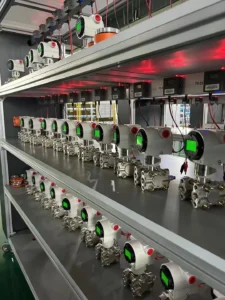
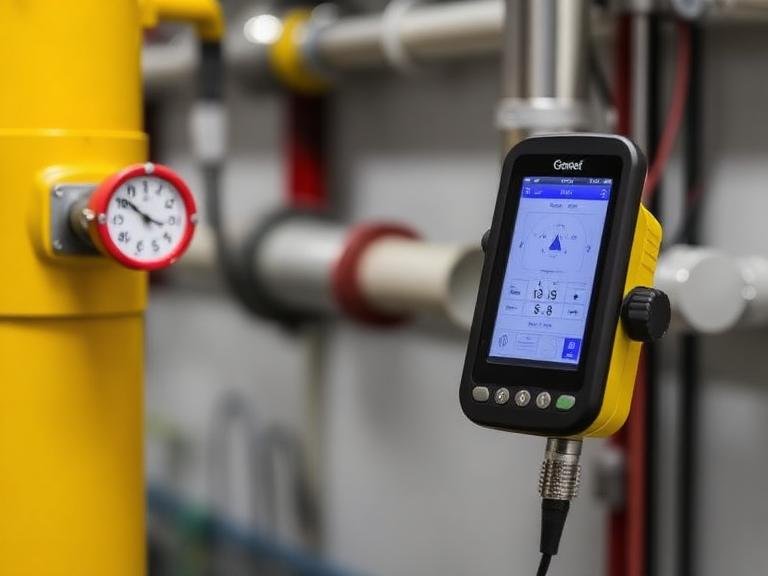
While residential safety is paramount, industrial environments require even higher levels of precision. Sino-Inst is a professional supplier of industrial process and analytical instruments, include gas detectors, gas analyzers, dust detectors, mass flow controllers, dust monitors. We can help you obtain reliable measurement and analysis solutions while saving procurement costs. Customized products and OEM services are available. We will be your most trusted partner!
Our Comprehensive Product Range:
- Fixed Gas Detectors – For 24/7 monitoring of industrial facilities.
- Portable Gas Detectors – Personal safety devices for confined space entry.
- Gas Sensor Module – Precision components for integration into larger systems.
- Gas Monitoring System – Centralized data hubs for safety management.
- Dust Monitors – Protecting workers from particulate respiratory risks.
- Mass Flow Controllers Meters – Accurate gas flow management for chemical processes.
Whether you are managing a local boiler room or a massive petrochemical plant, Sino-Inst provides the technical grade hardware necessary to prevent accidents before they occur.
Environmental Interference and Sensor Error
Sometimes, a carbon monoxide alarm beeping every 30 seconds is caused by environmental factors interfering with the sensitive electrochemical components inside. Since these sensors rely on a chemical reaction to measure gas, they can be affected by high humidity, extreme temperature fluctuations, or household chemicals.
Interference Sources
- Cleaning Chemicals: Strong vapors from bleach or ammonia can “poison” the sensor, leading to a malfunction chirp.
- Dust Accumulation: If dust enters the sensing chamber, it can block the airflow or cause false readings. Using a vacuum or compressed air to clean the unit can sometimes stop the chirping.
- Placement Issues: Dectectors placed too close to bathrooms (steam) or directly above stoves (high heat) are more prone to error chirps.
Immediate Steps: What to Do Right Now
If your carbon monoxide alarm beeping every 30 s is currently happening, follow this safety protocol:
2. Press the “Silence” or “Test” button to see if it resets.
3. If you or anyone in the house feels dizzy, nauseous, or has a headache, evacuate and call 911 immediately.
4. If everyone feels fine, replace the batteries.
5. If beeping continues after battery replacement, replace the entire unit.
Beep Code Interpretation Table
Different manufacturers use slightly different codes, but the following table represents the industry standard for most residential CO alarms in 2026.
| Sound Pattern | Meaning | Required Action |
|---|---|---|
| 4 Loud Beeps, Pause, 4 Beeps | Emergency: CO Detected | Evacuate and call emergency services |
| 1 Chirp every 30-60 seconds | Low Battery | Replace batteries immediately |
| 2 Chirps every 30 seconds | Unit Malfunction / Error | Clean unit; replace if chirping persists |
| 3-5 Chirps every 30 seconds | End of Life (EOL) | Replace the entire detector unit |
Frequently Asked Questions
Why does my alarm beep even after I changed the batteries?
This is usually due to a residual charge in the capacitor or an End-of-Life signal. Try holding the “Test” button for 10 seconds while the batteries are out to drain the charge, then reinsert new batteries. If it still chirps, the sensor has likely reached its expiration date.
Is carbon monoxide heavier or lighter than air?
Carbon monoxide is slightly lighter than air. It distributes fairly evenly throughout a room. For this reason, detectors can be placed at any height, though many experts suggest eye-level or higher for easy reading of digital displays.
Can a carbon monoxide alarm detect a gas leak (methane)?
No. Carbon monoxide detectors only sense the products of incomplete combustion. They do not detect natural gas (methane) or propane. For those, you would need a specialized combustible gas detector from a supplier like Sino-Inst.
How often should I test my CO alarm?
You should test your alarm at least once a month by pressing the “Test” button. Additionally, you should replace the batteries every six months, even if you don’t hear a carbon monoxide alarm beeping every 30 s.
References and Safety Standards
Maintaining a safe environment involves staying informed about the latest engineering and health standards. The following resources provide deep-dive information on gas safety and sensor technology.
- National Fire Protection Association (NFPA) 720: Standard for the Installation of Carbon Monoxide Detection and Warning Equipment.
- Underwriters Laboratories (UL) 2034: Safety Standard for Single and Multiple Station Carbon Monoxide Alarms.