.png)
If you have ever been curious about ‘what is the pH of reverse osmosis water?’, you are not alone. This is one of the most common issues for users of RO water purifiers.
Some people are concerned that acidic water is harmful to health, some say that RO water is “too pure” and not good, and others have found that the pH value of their own RO water is different every time it is measured – why is this?
This guide will give you a complete answer
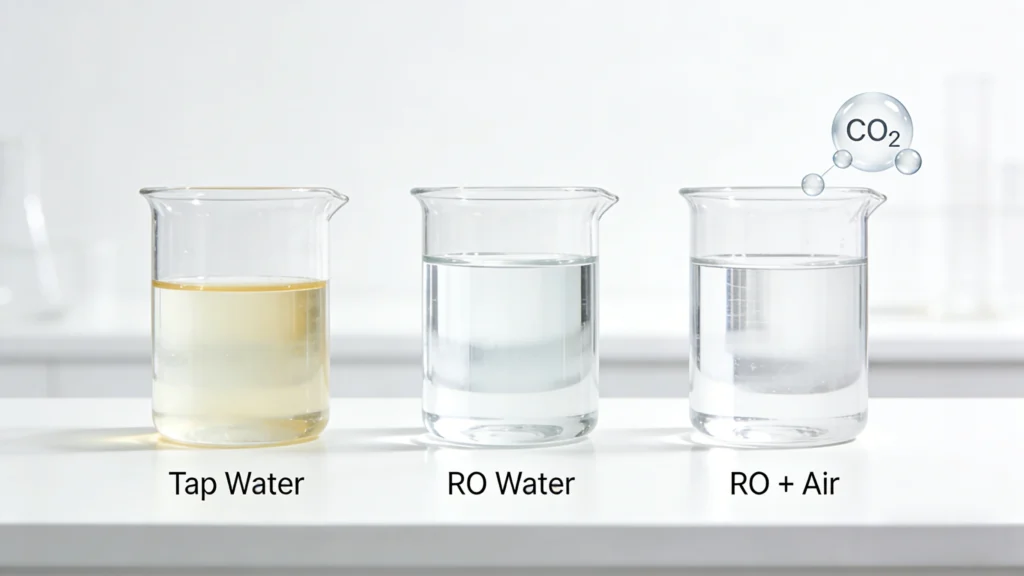
What is reverse osmosis water?
What is reverse osmosis (RO)?
Reverse osmosis is a water purification technology that separates water molecules from dissolved impurities under pressure through a semi permeable membrane. This process can eliminate:
- Heavy metals (lead, arsenic, mercury)
- bacteria and viruses
- Pesticides and chemical pollutants
- Dissolved salts (TDS – total dissolved solids)
Typical components of RO water
After RO membrane filtration, the mineral content in the water is extremely low
| Component | Typical Concentration |
|---|---|
| Calcium (Ca²⁺) | < 2.5 mg/L |
| Magnesium (Mg²⁺) | < 4 mg/L |
| Bicarbonate (HCO₃⁻) | < 4 mg/L |
| Total Dissolved Solids (TDS) | ~ 280 mg/L (primarily NaCl) |
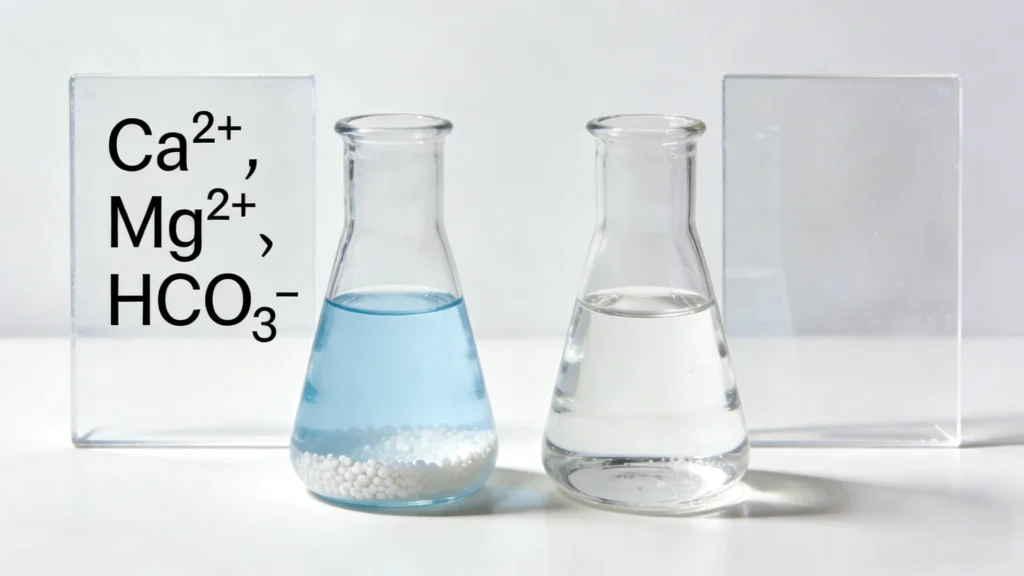
It is the removal of these minerals that directly affects the pH value of RO water.
What is the pH of reverse osmosis water?
Is reverse osmosis water acidic? Why?
Short answer: Yes, it is usually weakly acidic
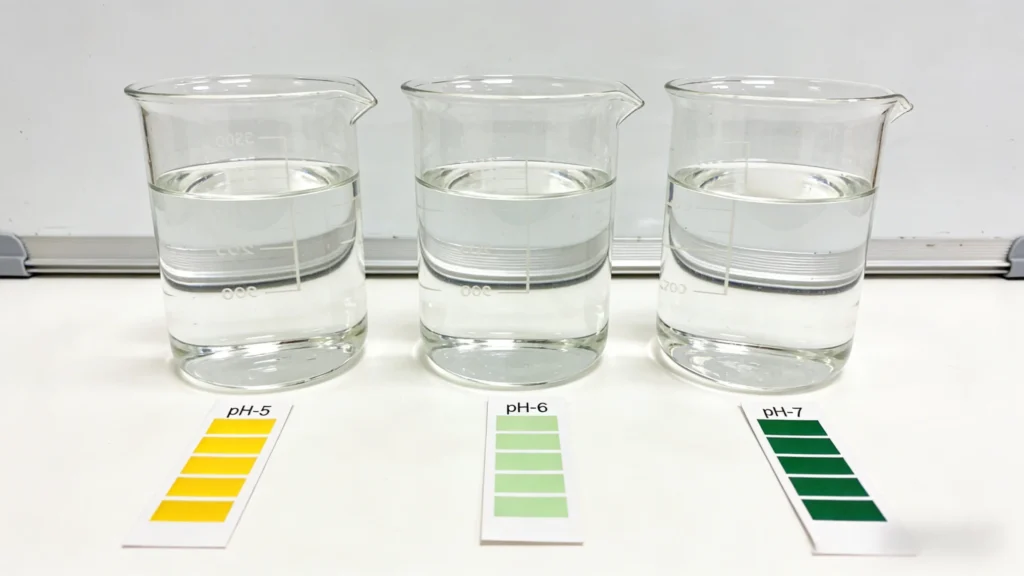
The pH value of reverse osmosis water is generally between 5.0-7.0. Research data from Spanish seawater desalination plants shows that the pH range of RO produced water is between 5.2 and 6.7.
Why does RO water become acidic? Two core reasons
Reason 1: Minerals are removed and buffering capacity is lost
The calcium, magnesium, and bicarbonate ions in natural water act as buffering agents – they can resist changes in pH. After the RO membrane removes these minerals, the buffering capacity of water becomes almost zero, making it extremely sensitive to acid-base changes.
Reason 2: Carbon dioxide breaks down into carbonic acid.
When you put RO water in the air, it takes in carbon dioxide (CO 2) from the air. When CO₂ combines with water, it makes carbonic acid (H₂CO₃), which then breaks down and releases hydrogen ions (H⁺), making the water acidic.
Research in Spain has shown that the pH of RO water quickly reaches the same level as the CO₂ in the air. The pH of RO water is roughly 6.9–7.0 when it is in equilibrium, and the CO₂ level is about 0.3 mg/L.
RO water isn’t usually acidic, which is a significant exception.
Research evidence indicates that under some conditions, RO water can attain neutrality. The NIH study found that the pH of reverse osmosis ultrapure water was 7.37. This means that the final pH of RO water relies on a number of things, like the type of membrane, the content of the raw water, and whether it is in contact with air.
pH Range of Reverse Osmosis Water – Data Summary
| Water Source / Condition | Typical pH Range | Data Source |
|---|---|---|
| Household RO System (general) | 5.0–7.0 | Industry standard |
| Seawater Desalination RO Product | 5.2–6.7 | Spanish desalination plants |
| RO Ultra-pure Water (laboratory grade) | 7.37 | NIH study |
| RO Water Equilibrated with Air | 6.9–7.0 | Water Research journal |
The main point is that the pH of RO water is not a set number, but a range. The composition of the raw water, the design of the RO system, and the conditions at the time of measurement all have a role.
The benefits and drawbacks of reverse osmosis water
The benefits of reverse osmosis water
1. Remove harmful pollutants
The RO system can effectively remove pollutants such as lead, arsenic, fluoride, nitrate, PFAS (permanent chemicals), etc., with a removal rate of 90-99%.
2. Improve taste and odor
After removing chlorine and organic matter, RO water usually has a purer taste.
3. Suitable for immunocompromised individuals
RO water does not contain microorganisms and is suitable for people with weaker immune systems such as cancer patients and chronic disease patients.
Potential drawbacks of reverse osmosis water
1. Remove beneficial minerals
RO membranes not only remove pollutants, but also remove beneficial minerals such as calcium, magnesium, and potassium for the human body.
2. May be weakly acidic
The pH value of RO water is between 5-7, indicating weak acidity. But authoritative medical platforms point out that more research is needed to confirm the impact on health.
3. Water waste
Traditional RO systems may waste 2-3 liters of water for every 1 liter of purified water produced.
4. The taste is “plain”
Due to the scarcity of minerals, RO water may have a “plain” or “empty” taste.
How to make RO water healthier?
- Choosing an RO system with mineralization function: Some modern RO systems add minerals such as calcium and magnesium
- Dietary supplementation of minerals: Obtain calcium and magnesium through food (dairy products, leafy vegetables, nuts)
- Occasional consumption of natural mineral water: supplementing mineral diversity
How to measure the pH value of reverse osmosis water?
⚠️ Important reminder: Measuring the pH of RO water is more difficult than expected
Why? Due to the extremely low ion strength (low conductivity) of RO water, it leads to:
- PH reading drift and instability
- Inconsistent measurement results multiple times
- Extremely sensitive to pollution
The professional instrument guide clearly states that “low ionic strength solutions (such as distilled water, deionized water, reverse osmosis water) are difficult to accurately measure with a regular pH meter.
Method 1: Digital pH meter (recommended professional level)
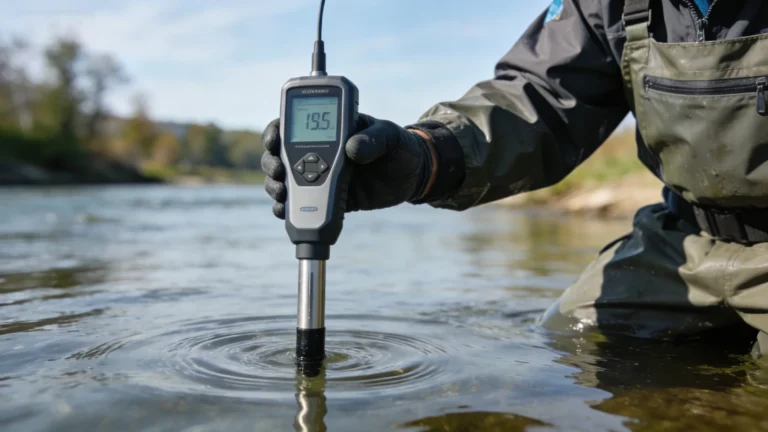
When measuring RO water with a regular portable pH meter, the reading will drift and be unreliable. Professional advice:
- Use a laboratory grade pH meter that is fillable and has electrostatic shielding
- Calibrate daily using high-quality calibration solution
- Keep the electrode tip always moist
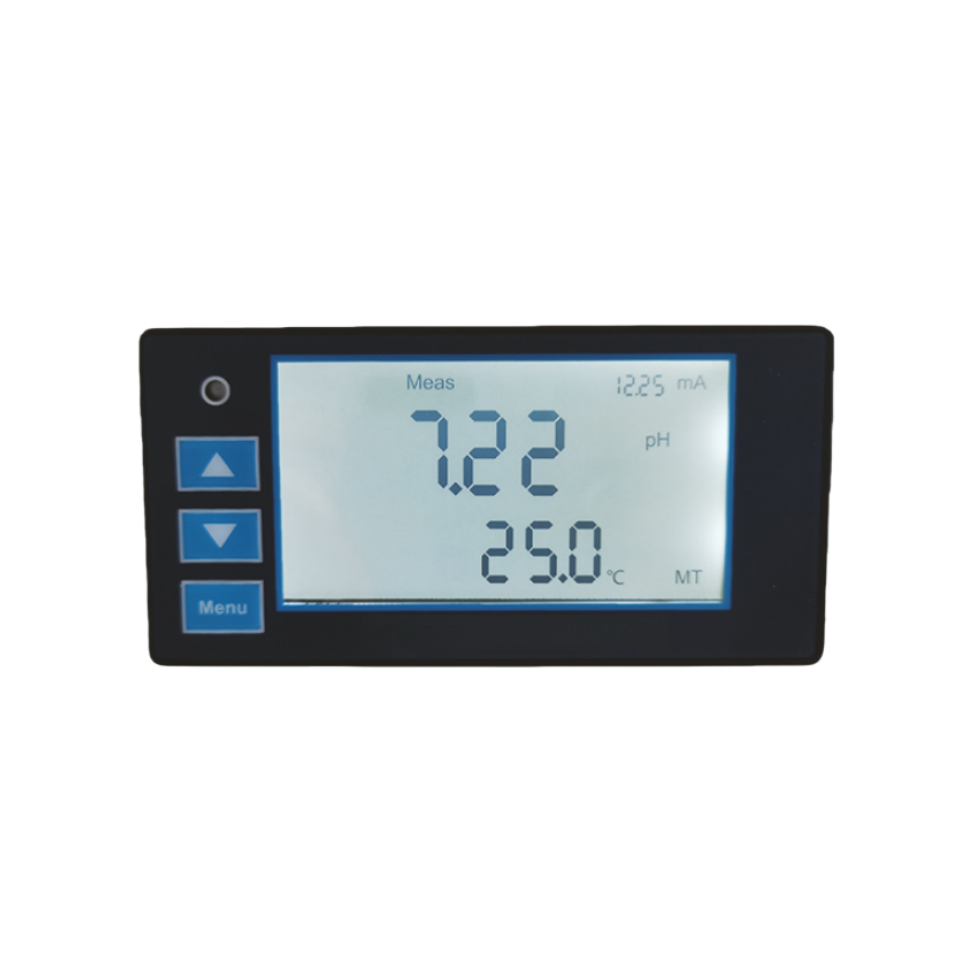
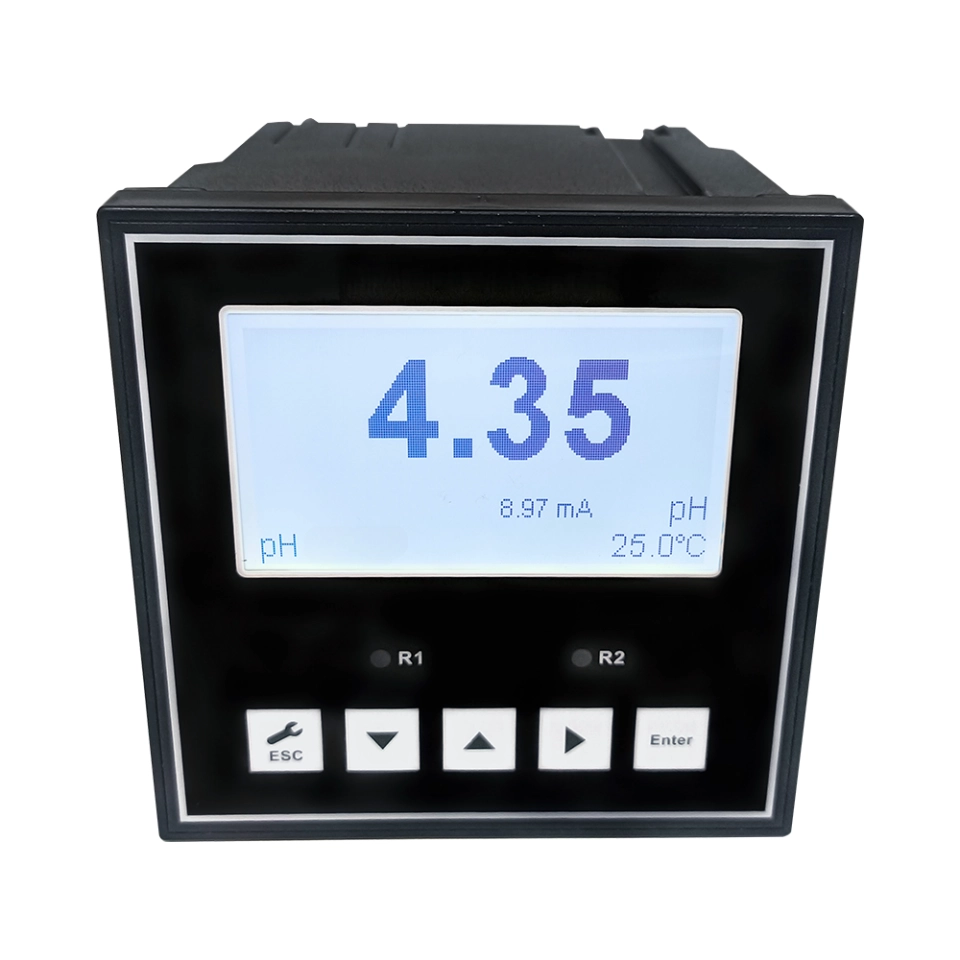
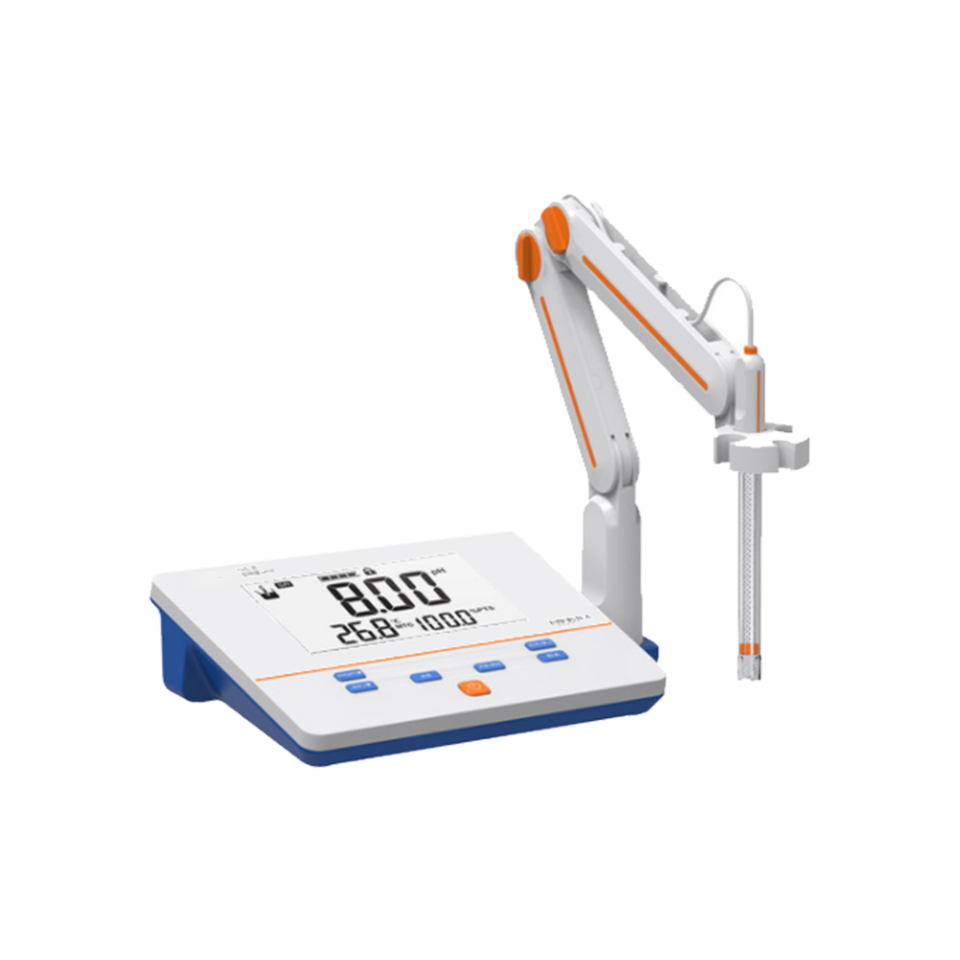
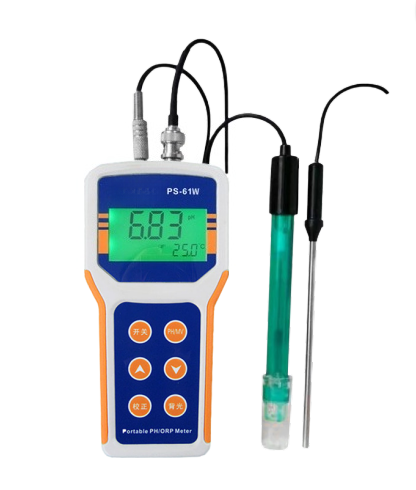
Sino Inst Solution:
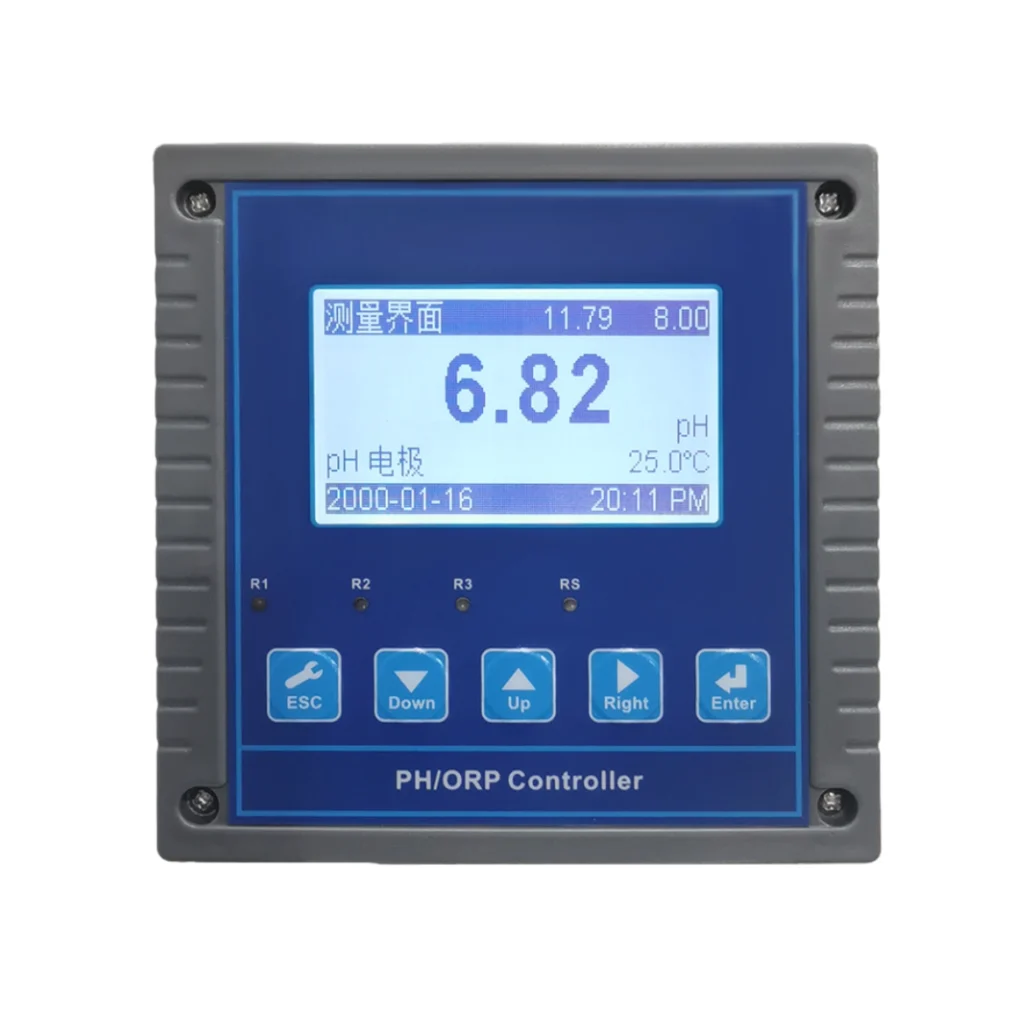
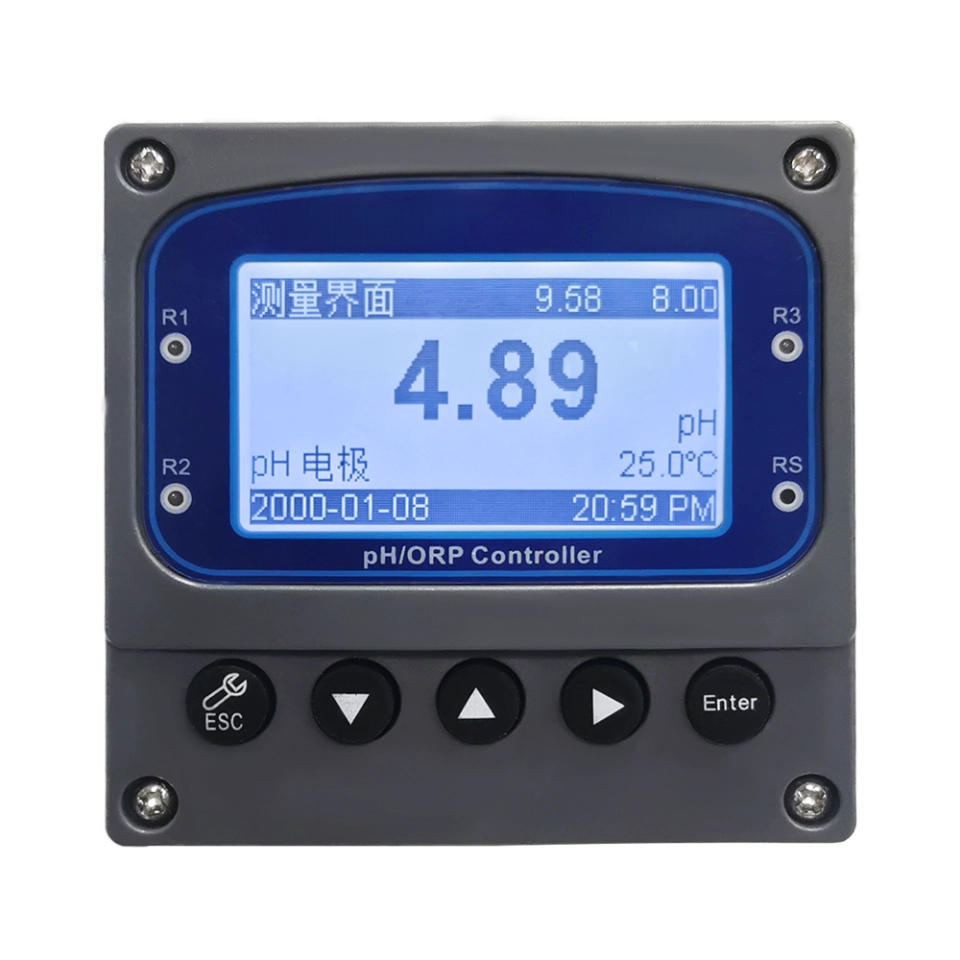
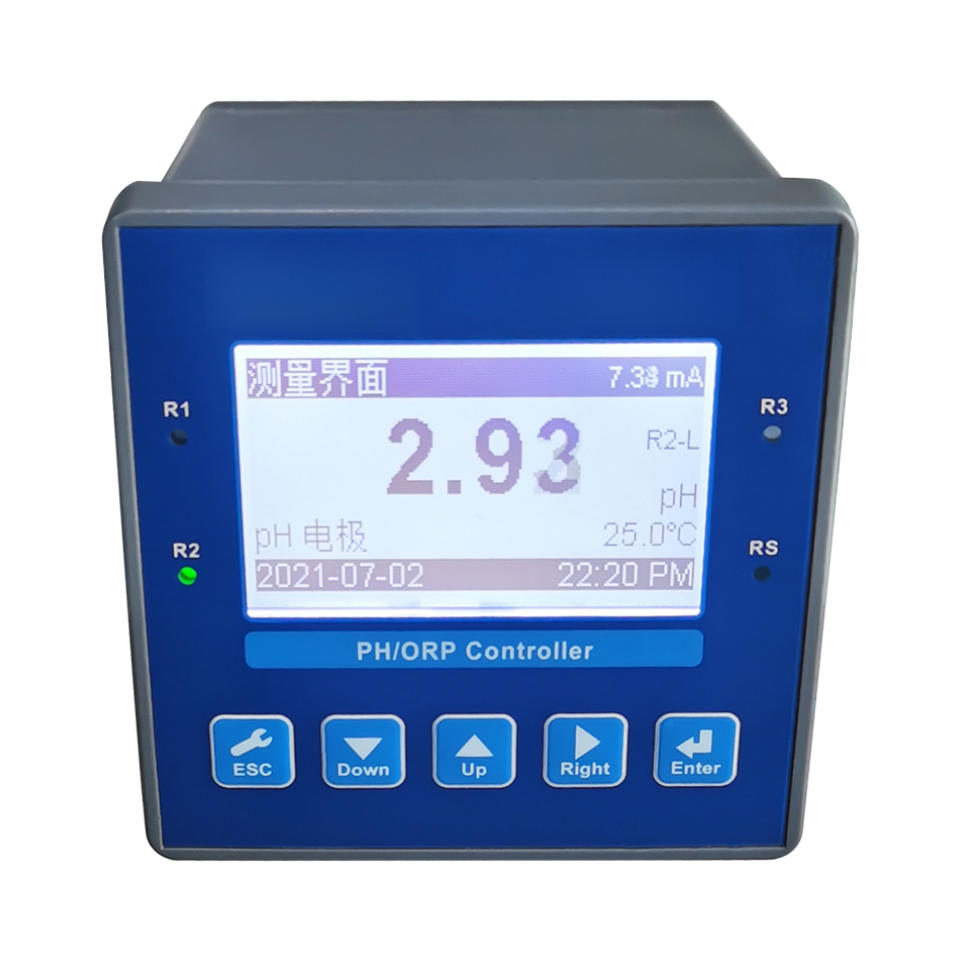
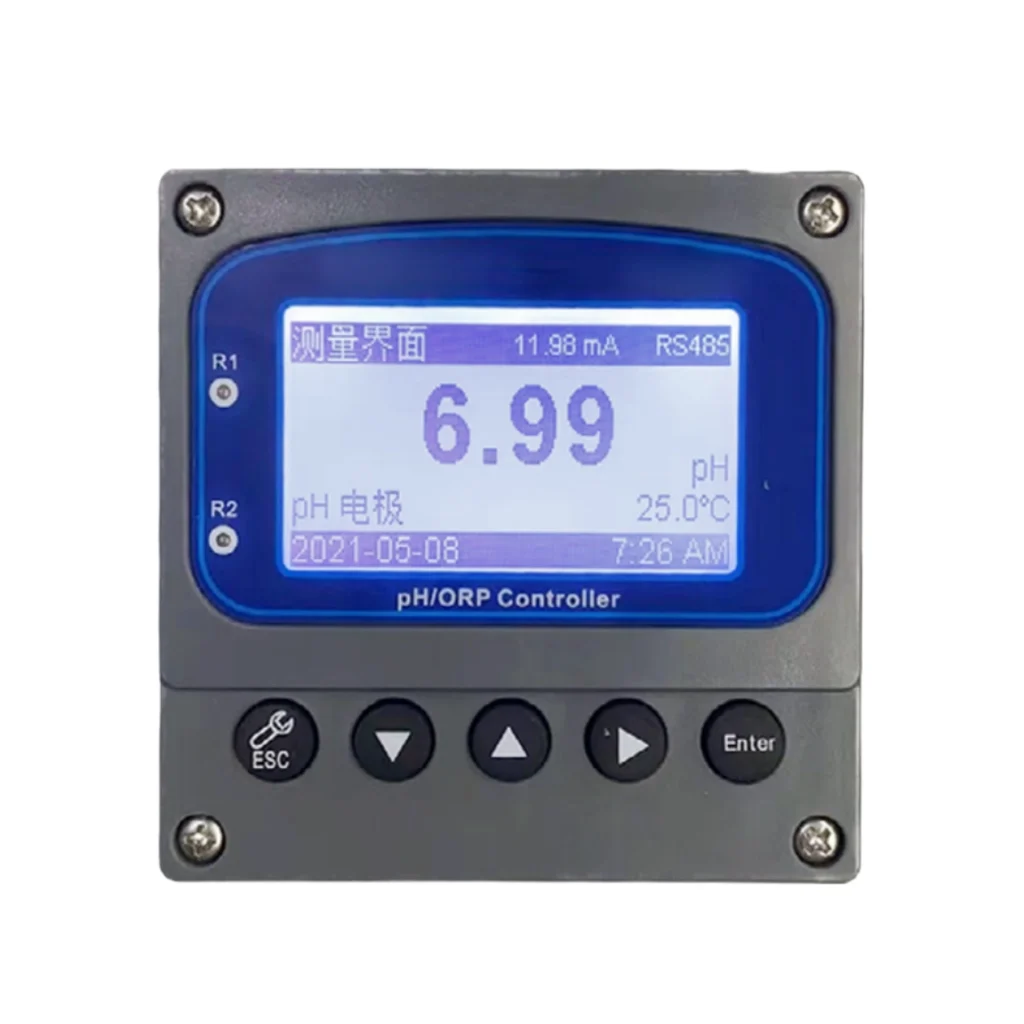
📟 Sino List Industrial pH Meter Series
Made just for measuring pure and ultrapure water:
- High-sensitivity electrode: steady reading in a medium with low ionic strength
- Automatic temperature compensation: getting rid of the effect of temperature on pH
- Fillable reference electrode: gives a stable liquid contact potential
- Optional flow pool: keep air separate so CO₂ doesn’t get in the way.
👉 Look at Sino Inst pH Meter Products
Method 2: Adding ions to Improve Measurement Stability
Professional guidelines recommend a small trick: add a small amount of high-purity KCl or calcium magnesium supplements to the water sample to increase ion strength and obtain stable and reliable pH readings.
Method 3: pH test paper/colorimetric method
Although the accuracy is not as good as electrodes, the test paper is not affected by ion strength and can be used as a quick reference:
- Immerse the test paper and wait for the color to change
- Comparison with standard color chart
- Note: The accuracy of the test paper is usually 0.5 pH units
Sino Inst Water Quality Testing Solution
No matter who you are:
- Home user: wants to confirm if the pH of the effluent from the RO water purifier is normal
- Aquaculturists: Need to maintain stable water quality for fish survival
- Laboratory technician: requires precise pH measurement of pure water
- Industrial Engineer: Requires 24/7 online monitoring of RO system
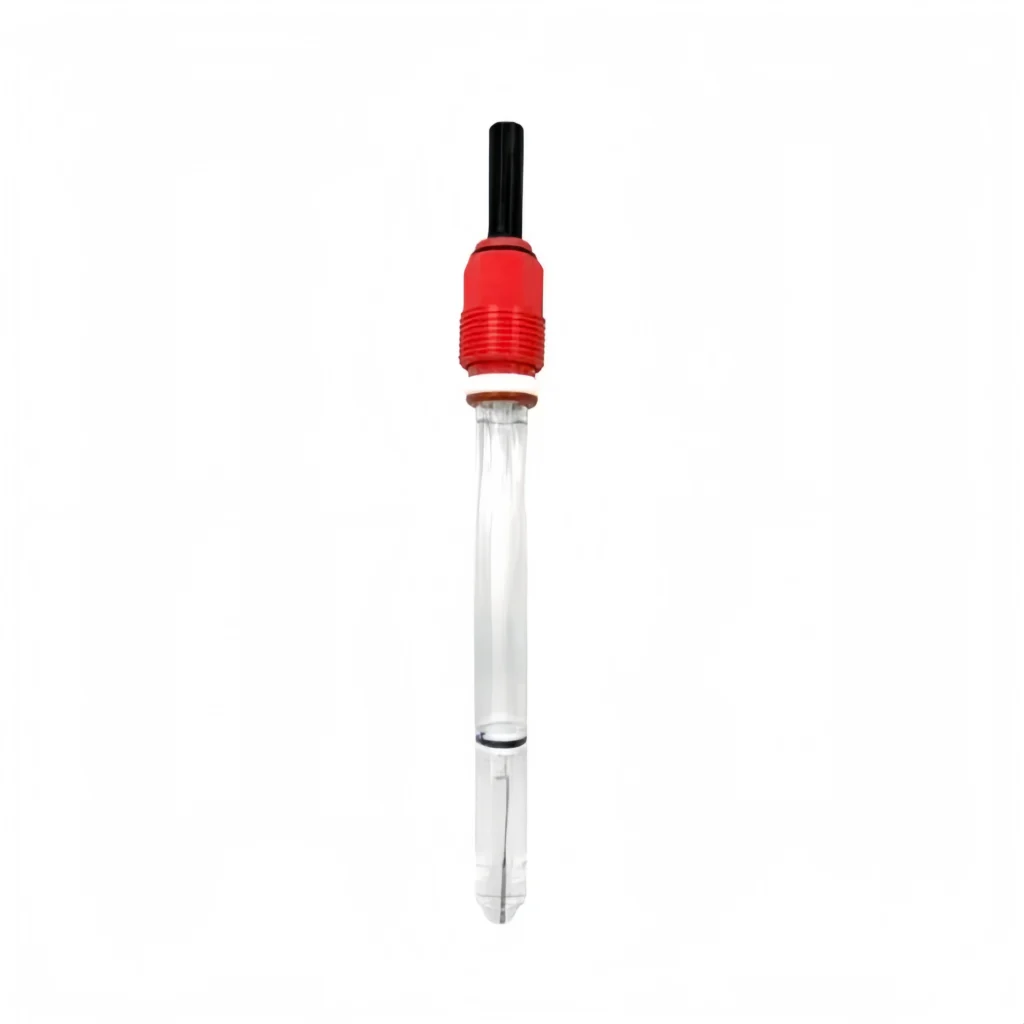
Sino Inst provides a complete water quality testing solution from portable to online control:

FAQ
Related Products
Conclusion: From “What is the pH of RO water” to “Controllable water quality”
The pH value of reverse osmosis water is usually between 5.0-7.0, which is weakly acidic – this is a normal result of RO membrane removing minerals and water absorbing CO ₂, so there is no need to worry.
But what really matters is that water quality needs to be seen and measured.
Whether it’s household drinking water, aquaculture, or industrial RO systems, Sino Inst has been dedicated to water quality analysis for 20 years, helping you turn “invisible water” into “visible data”. From portability to online, there is always one that suits you.
👉 Explore Sino Inst Water Quality Detector
Don’t guess, just test it and you’ll know.
Request A Quote
More Resources
-
Top 10 Portable Carbon Monoxide Detector for Ice Fishing
Authored by Sino-Inst. We are a leading manufacturer and supplier of professional gas detection, flow measurement, and industrial instrumentation solutions. With decades of…
-
What Should the Salt Level Be in My Pool?(2026 Guide)
Having a swimming pool should be a pure enjoyment, but it can also bring many troubles. Many pool owners may ask: What should…
-
Top 7 Carbon Monoxide Detector Manufacturers USA 2026
Authored by Sino-Inst. We are a professional supplier of industrial process and analytical instruments, dedicated to providing reliable measurement and analysis solutions while…
-
6 Different Types of Gas Monitors for Industrial Safety
Authored by the engineering team at Sino-Inst. As a professional supplier of industrial process and analytical instruments, we specialize in helping global clients…
-
6 Best Furnace Combustion Analyzer Models for 2026: Expert Guide
Achieving optimal thermal efficiency and ensuring strict safety compliance in heating systems requires precise diagnostic equipment. Whether you are servicing residential HVAC units…
-
How to Lower the pH in a Pool Safely? (2026)
Learning how to lower the pH in a pool is the first step in ensuring clear water quality, whether in a private backyard…