.png)
Have you ever bitten into a lemon and winced at that sharp zing? Or washed your hands with soap and wondered why they stay slippery even after rinsing? The answer lies in a single chemical metric: pH.
At Sino-Inst, we know that pH isn’t just a high school chemistry concept—it is the “personality trait” of water that dictates whether your industrial pipes will last 20 years or corrode in two, and whether your products will meet safety standards or fail quality checks.
What Is pH in Water? (The Simple Definition)
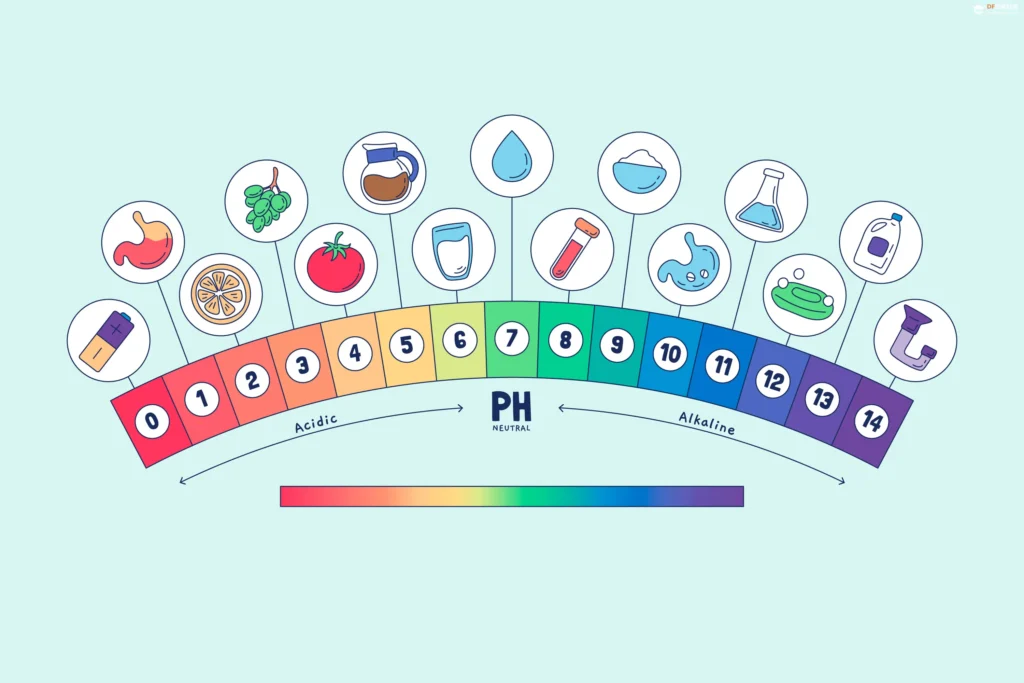
What is pH in water? Simply put, pH (potential of hydrogen) is a numeric scale from 0 to 14 that measures how acidic or alkaline a liquid is. It tracks the concentration of hydrogen ions floating in the water.
- pH < 7: Acidic (A lot of hydrogen ions).
- pH = 7: Neutral (Even).
- pH > 7: Alkaline/Basic (Low concentration of hydrogen ions).
You can think of it as a “chemical spice scale.” Like a cook checks the spice levels to make sure the food is correct, engineers and homeowners check the water balance to make sure the water is safe, won’t corrode, and will work for its intended purpose.
The pH Scale: A Test for Water’s “Acidity and Alkalinity”
Don’t be afraid of technical terms. Let’s have a peek at the “talent show” of liquids on the 0–14 scale:

The “Sour Lemon Crew” (<7)
The water is more “tart” and aggressive the lower the score.
For example, battery acid has a water balance of 0, lemon juice has one of 2, and coffee has one of 5.
Risk: Acidic water is “hungry”—it chews through metal pipes, which lets lead and copper into the water supply.
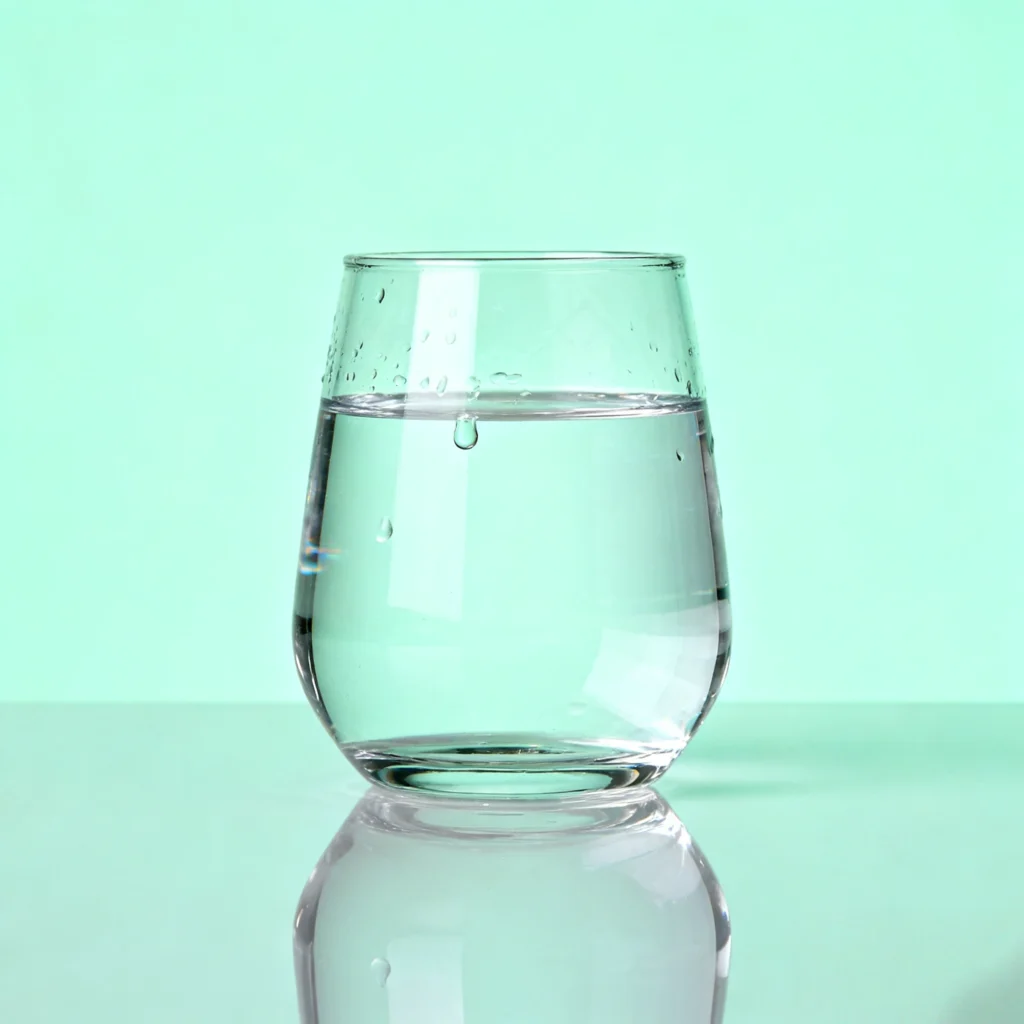
The “Chill Neutral Gang” has a pH of 7.
This is the “no-drama” area.
For example, distilled water.
Fact: It’s calm and balanced, which makes it the best base for producing chemicals and drinking them.
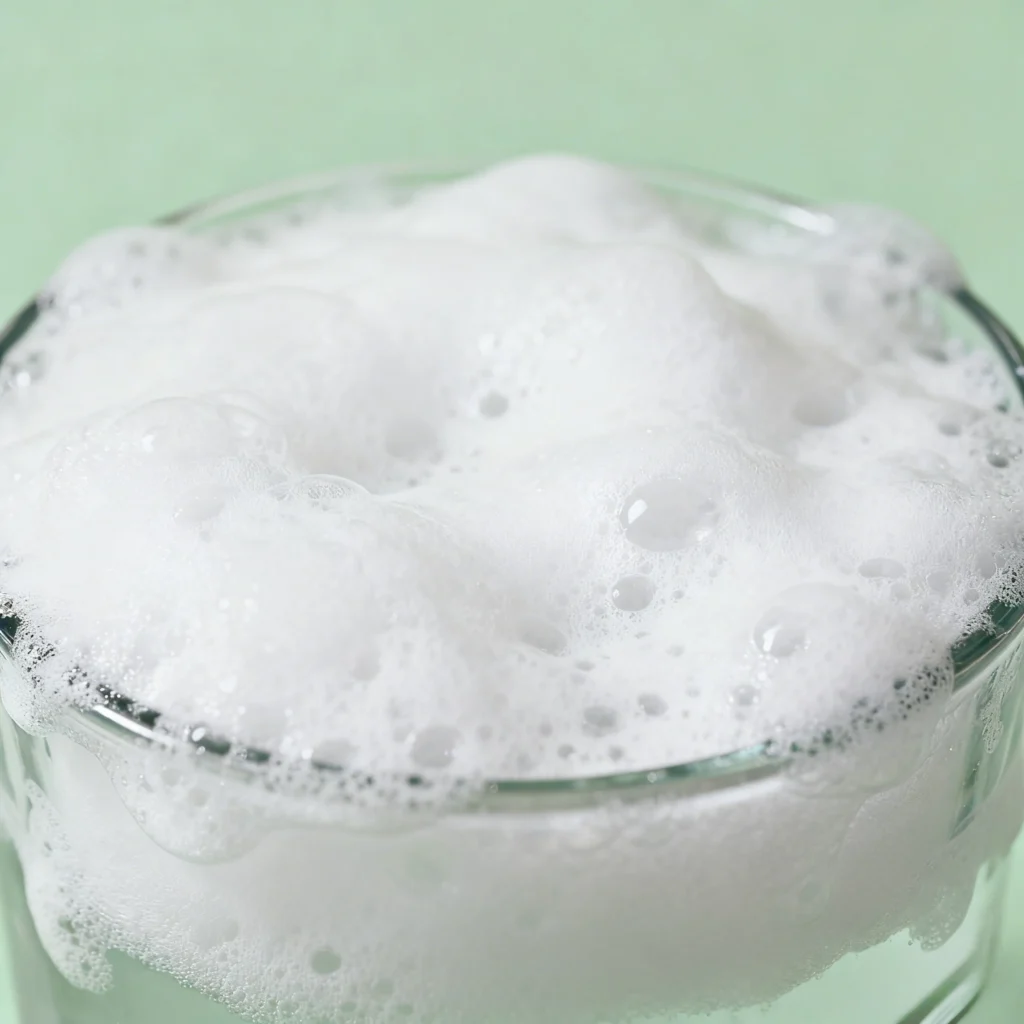
The “Slippery Seniors” (>7)
The higher the score, the more “slippery” or soapy the water feels.
Baking soda has a water balance of 9, bleach has one of 12, and liquid drain cleaning has one of 14.
Risk: Water that is very alkaline makes scaling, a mineral muck that blocks boilers and water heaters and wastes a lot of energy.
Why Does pH Matter? From Daily Life to Industrial Profits
Knowing what it is in water is very important since it can be a “silent profit killer” or a “safety guard.”
The Invisible Helper in Daily Life
- Water with a pH below 6.5 is like slow-moving termites that make tiny holes in your walls.
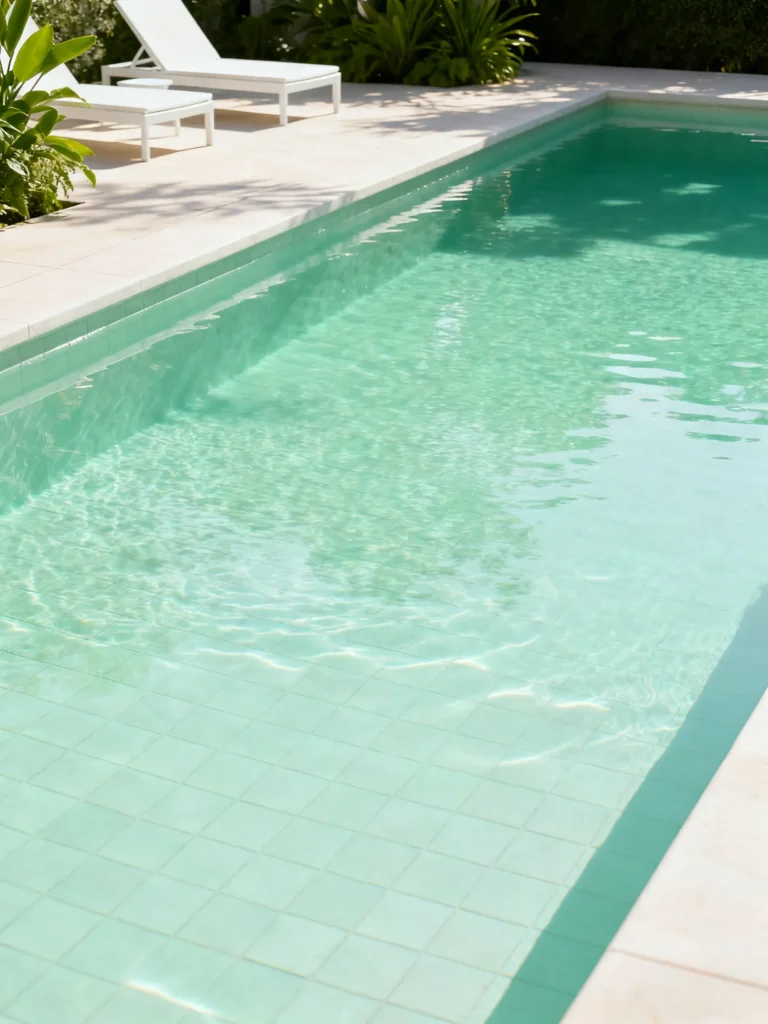
- The “Sweet Spot” for swimming pools is between 7.2 and 7.8. Chlorine ceases killing microorganisms if the pH is too high. Your eyes will burn if it’s too low.
- Personal Care: The pH of your skin is roughly 5.5. Soap that is very alkaline breaks down the layer that protects your skin.
In Business: The Key to Quality
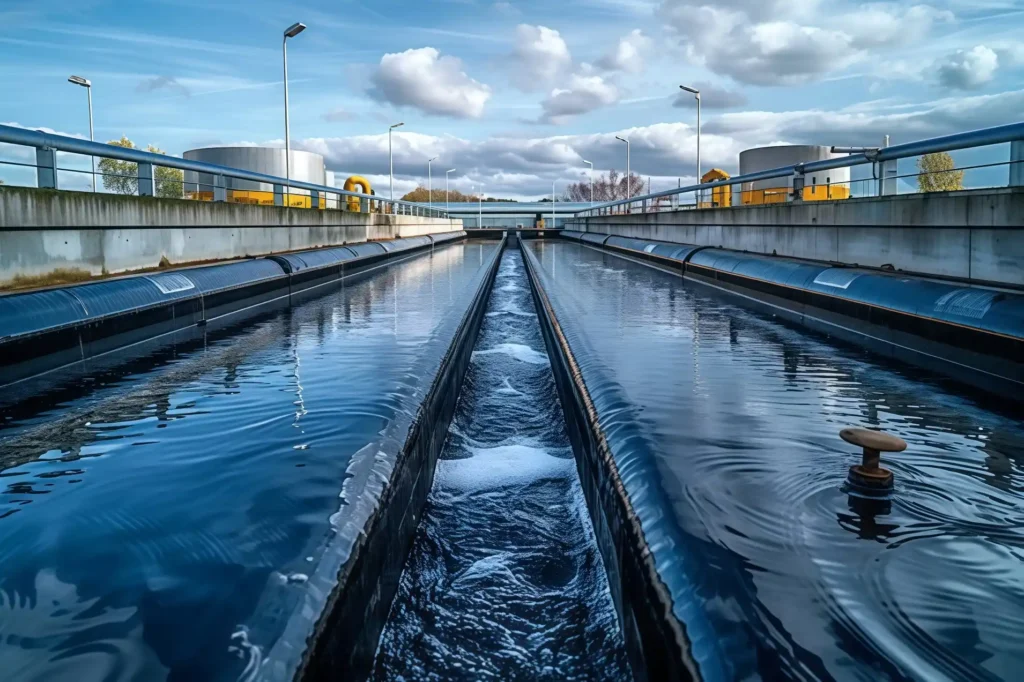
- Quality Control in Manufacturing: A water balance change of only 0.1 might damage a whole batch of drugs or electronics, costing thousands of dollars.
- Compliance with wastewater: Discharge water must have a level between 6.0 and 9.0 to avoid big fines from the government.
- Boiler Safety: Keeping the level right stops scale from building up, which can make boilers overheat and break down.
Fun pH Experiments – Test It Yourself
Want to test your own water’s balance? Grab these household items and become a scientist at home with fun, easy experiments.
Red cabbage indicator
Chop red cabbage finely, boil it in water, then strain. The purple liquid will change color based on chemical balance:
- Red = Acidic (squeeze in lemon juice)
- Purple = Neutral (add distilled water)
- Green/Blue = Alkaline (add a little soap)
Testing tap water
Pour in tap water and add a few drops of cabbage indicator. Is it purple (neutral), pink (acidic), or green (alkaline)?
Cleaning with pH value
Try cleaning greasy pans with vinegar (acidic) instead of alkaline baking soda water. Which works better? Spoiler alert: Vinegar cuts through grease, while baking soda tackles grime—teamwork makes the dream work!
Problems with Water Balance in industry and real-world solutions
Challenge 1: Durable materials (slurry, acids)
Industrial water often has particles, acids and bases, or a sticky slurry that can hurt equipment or get in the way of sensors.
As an answer, use strong sensors that won’t rust and come with safe housings. Measurements are more accurate because of features that clean themselves automatically when dirt and dust build up.
Challenge 2: Around-the-clock tracking
The plant is always running because manual checking takes a long time, is prone to mistakes, and might miss batches that cause shifts to be interrupted.
Solution: Set up an online tracking system that can keep an eye on levels 24 hours a day, seven days a week, send real-time alerts, and work with automatic doses to make changes in real time.
Challenge 3: It costs a lot to maintain
Budgets are used up quickly by tuning, sensor repair, and downtime.
Solution: Choose systems that don’t need much upkeep, have sensors that last a long time, and can calibrate themselves. Regular checks keep tools in good shape and keep them from breaking down.

Myth: Water that is alkaline is “healthier” than water that is neutral.
Fact: Stomach acid (around 1-3 on the scale) neutralizes any alkaline water you drink. No scientific evidence links it to disease cures—save your money and drink clean tap water!
Myth: Neutral water is always “pure.”
Fact: Distilled water is neutral but lacks essential minerals (calcium, magnesium). Spring water is typically slightly alkaline with natural minerals—both are safe to drink.
Myth: People think that water balance levels are only important for experts. Fact: Acidity and Alkalinity is something that everyone deals with every day, from cooking and cleaning to swimming. Knowing the basics can help you fix issues (like dirty pool water) and save you money (like stopping pipe rust).
How to Measure it: Choosing the Right Tool
Choosing the right tool doesn’t require a degree in science. It’s all about matching the tool to your “Why.”
| Your Goal | Recommended Tool | Why It Works |
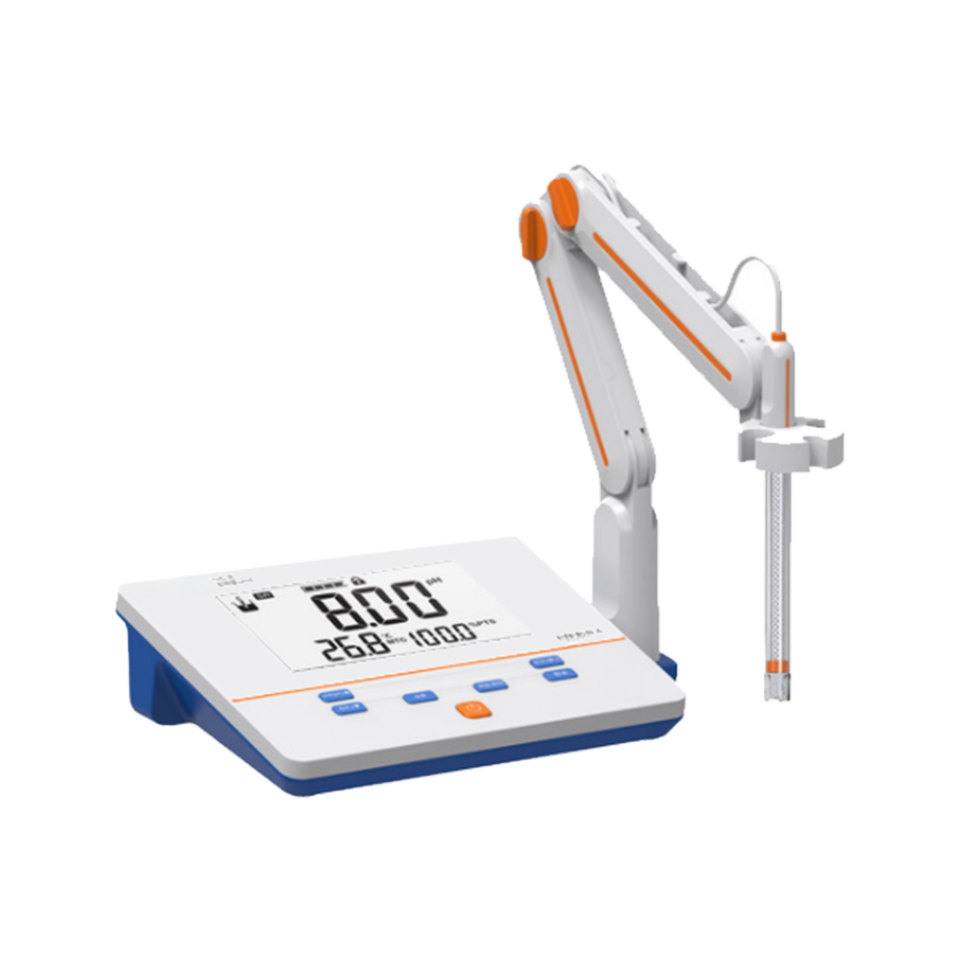
| Home/Pool/Garden | PS-61 or PHB-5 | Portable, waterproof, and budget-friendly for spot checks. |
| Baking/Food Safety | PHS-3E (Lab Grade) | High precision (±0.01) ensures sourdough and pickles ferment perfectly. |
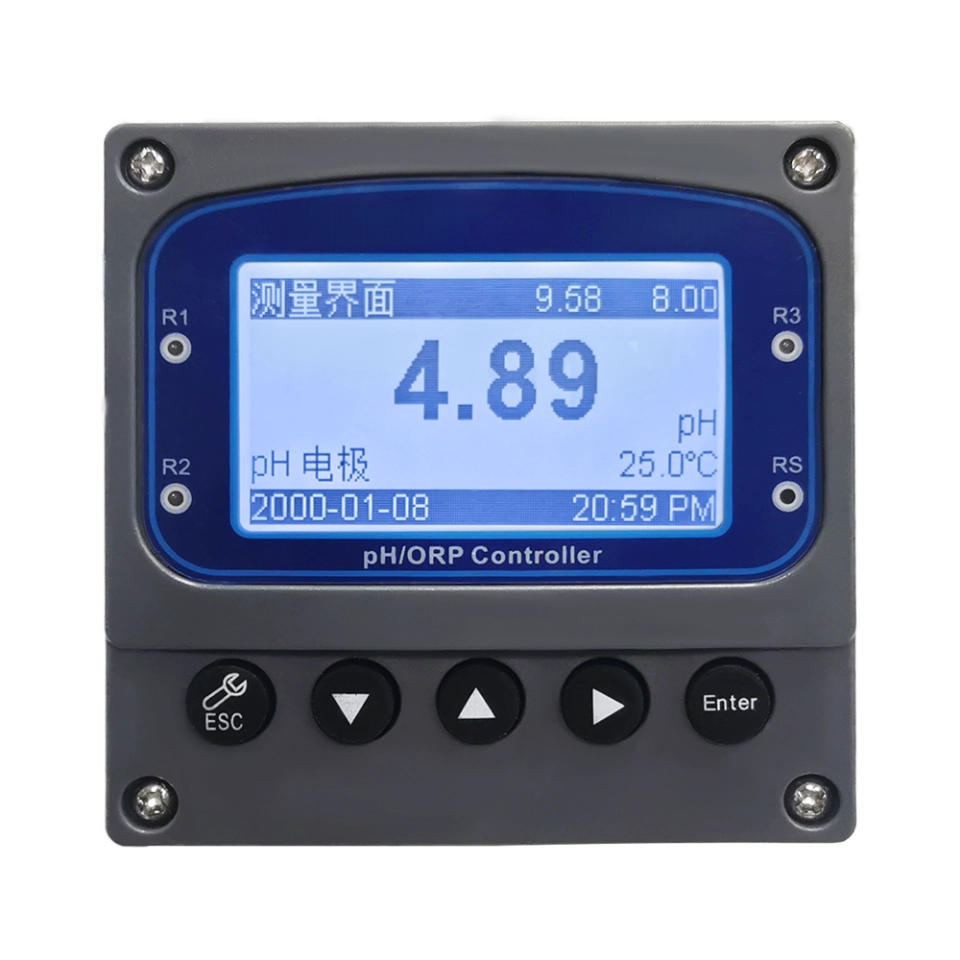
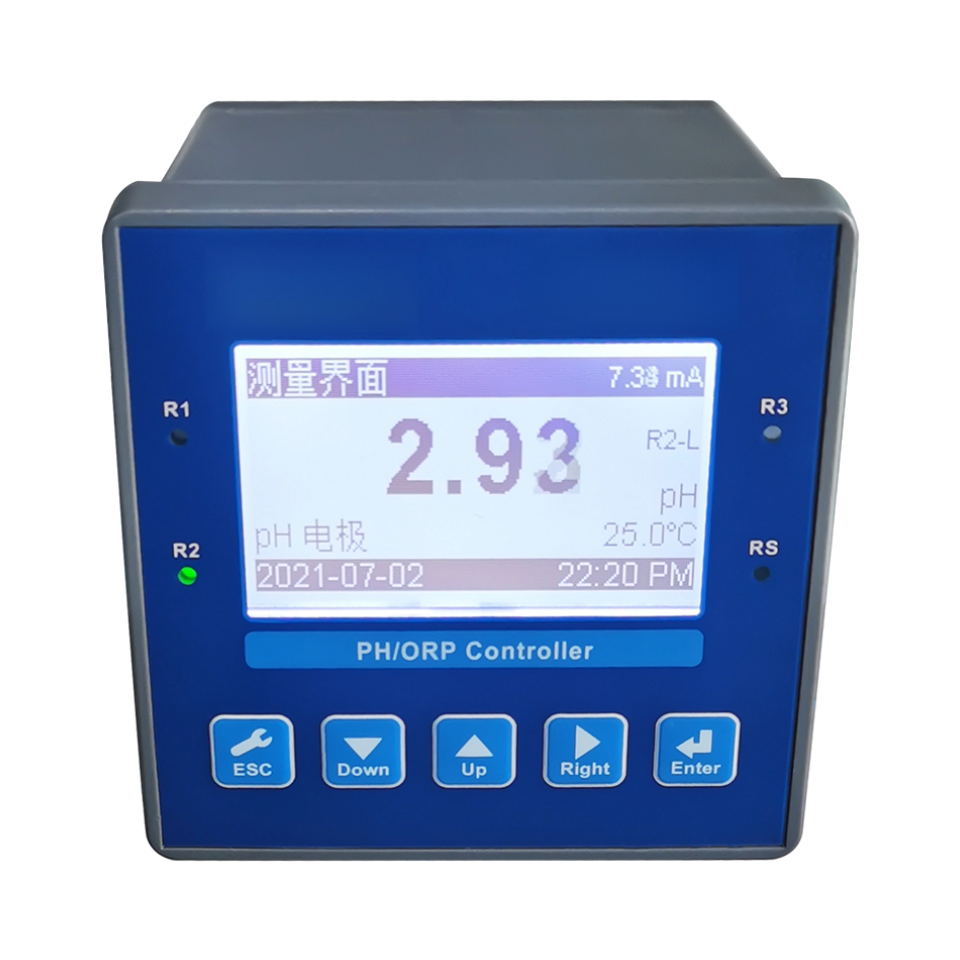
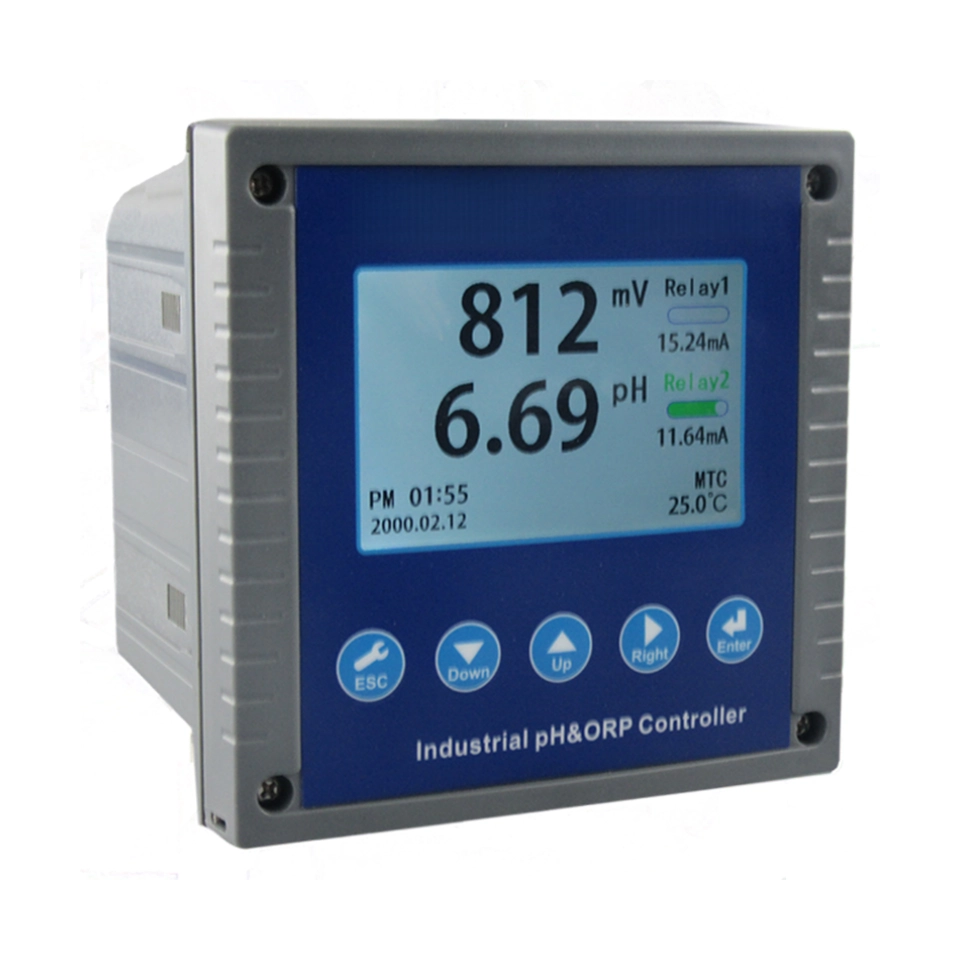
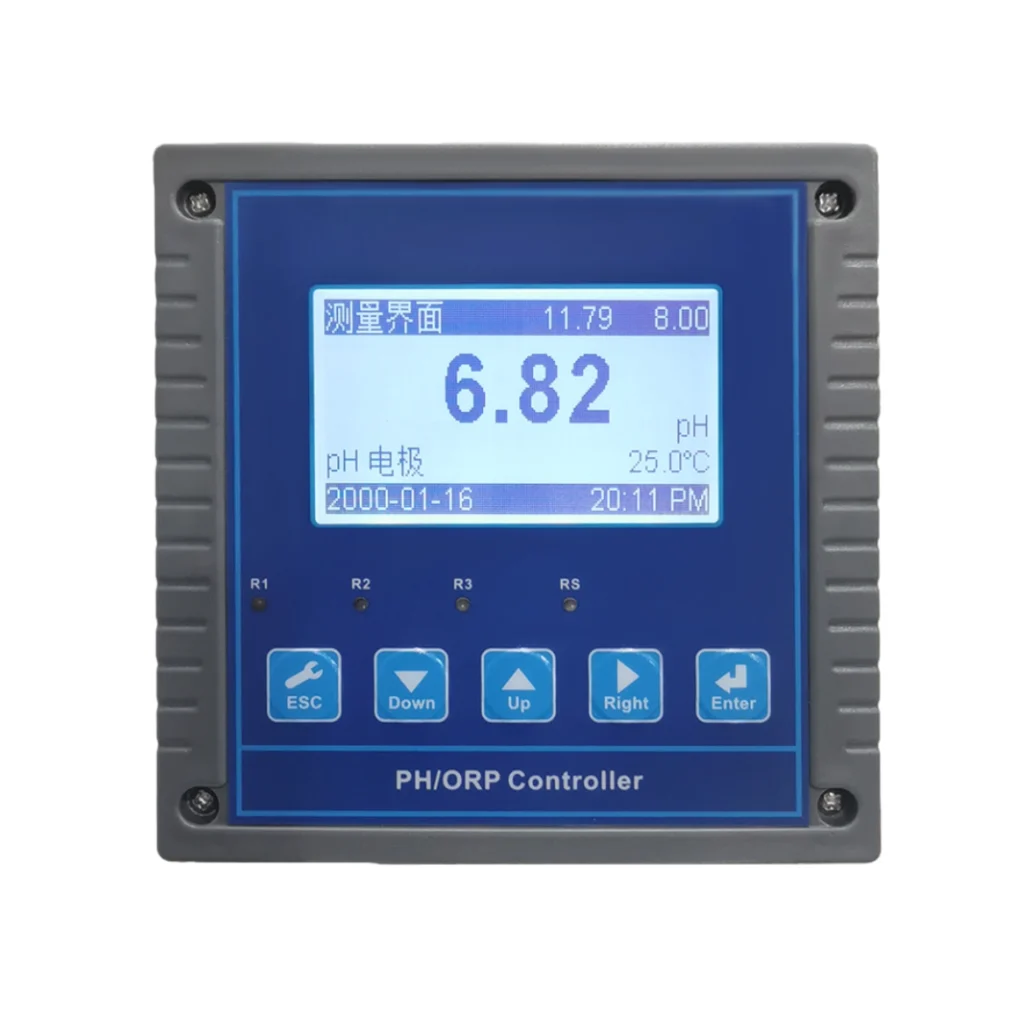
| Small Business/Brewery | A10PR Series Controller | Compact but tough; handles temperature shifts with ATC (Automatic Temp Compensation). |
| Industrial/Factory | A30PR Online Analyzer | 24/7 real-time monitoring with automated alerts to prevent production disasters. |
Keeping pH in check means keeping safety and effectiveness in check.
At its core, it is all about balance. If it’s too acidic or too alkaline, things can quickly go wrong in daily life or in the workplace. Getting the pH balance right is important for safety, stability, and efficiency in everything from keeping your home’s pipes safe and perfecting your sourdough to making sure workplace production lines are safe and meeting strict government standards.
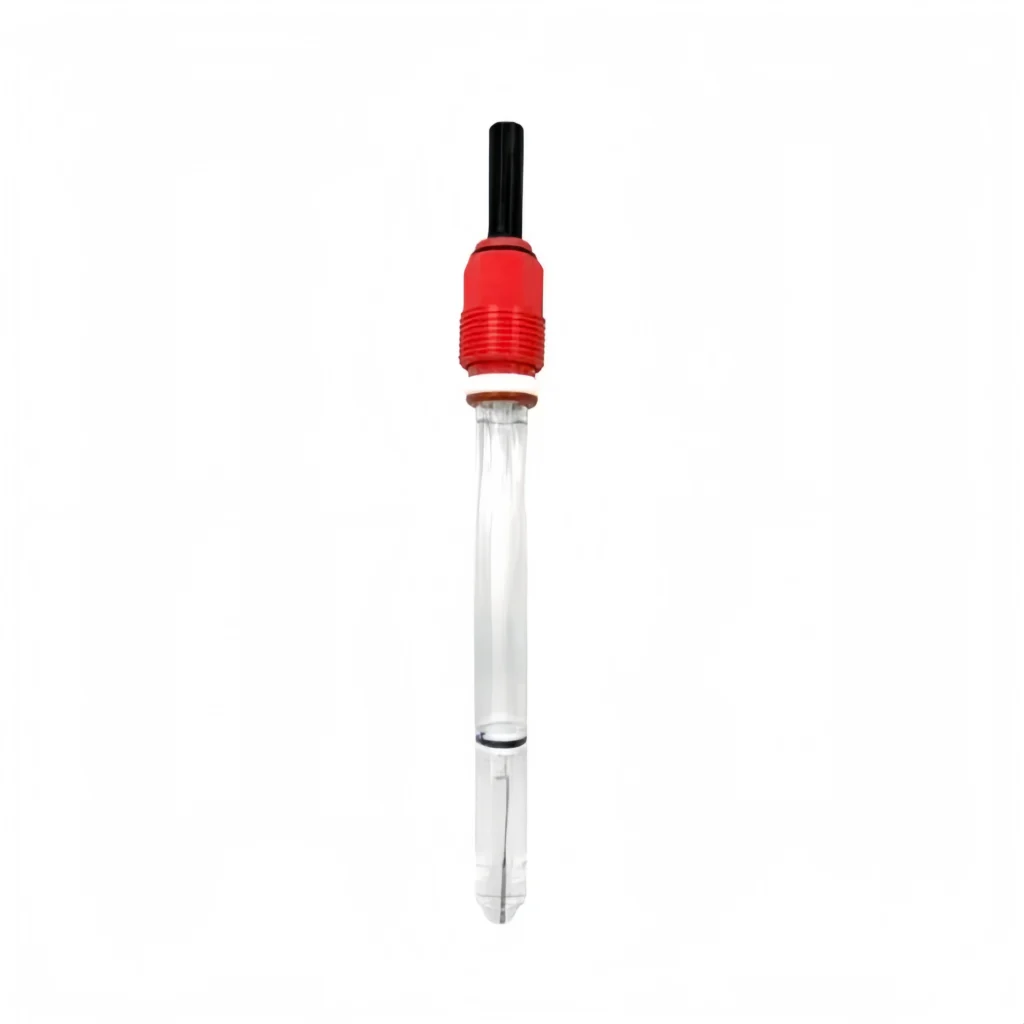
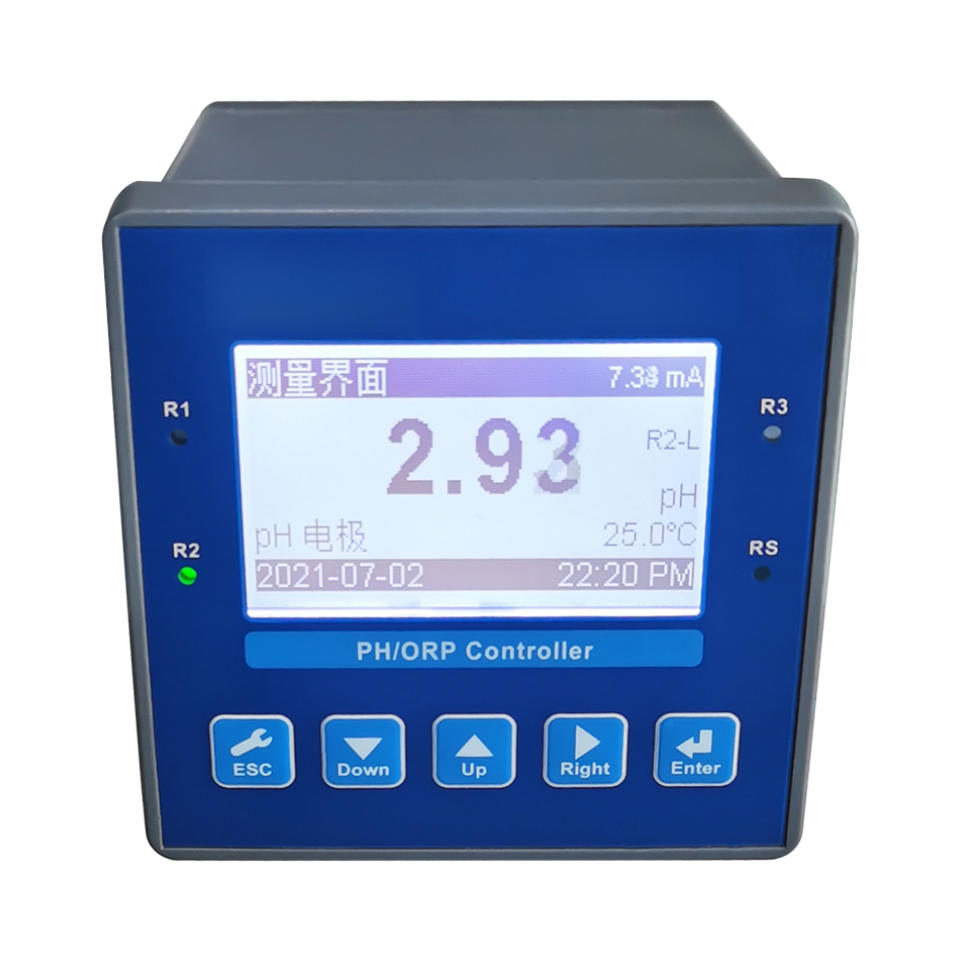
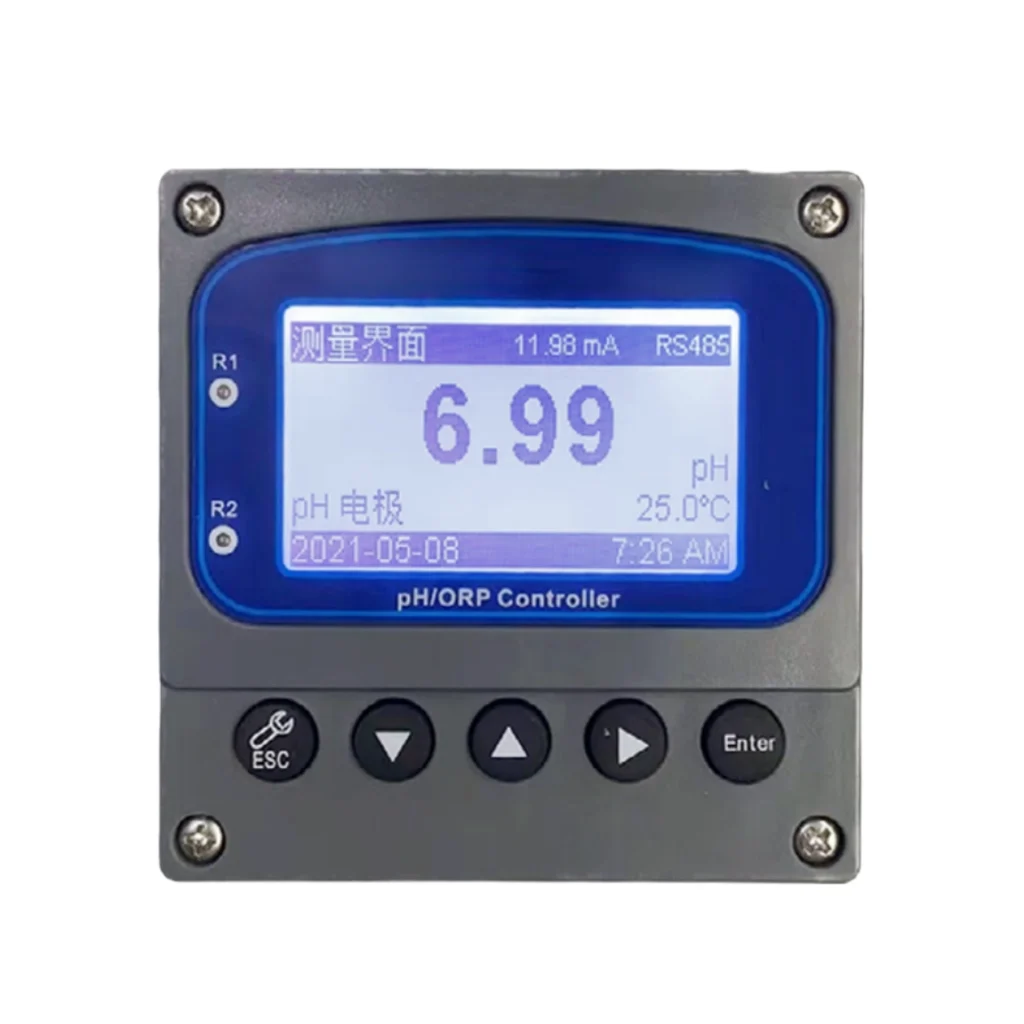
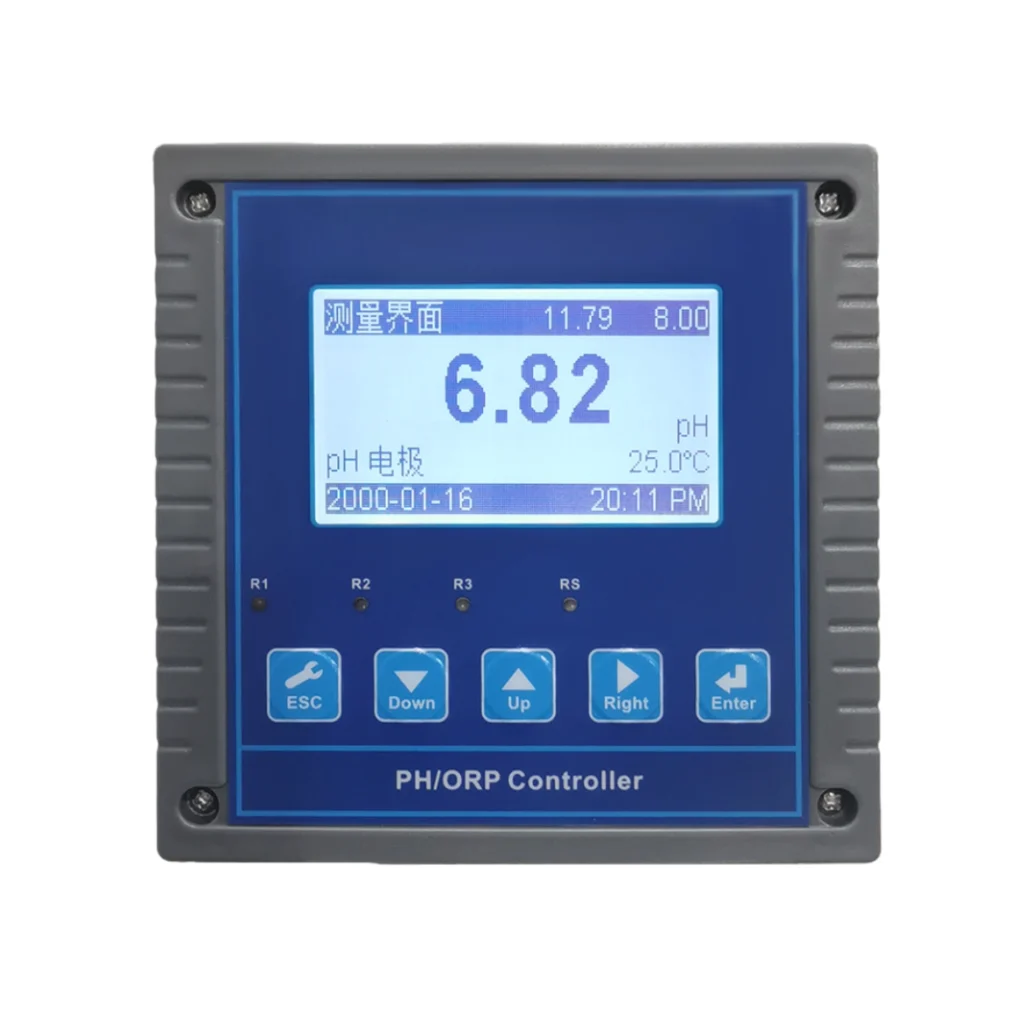
If you have the right tracking tool, this balance will be a breeze. Our A10PR/A11PR Series Online pH/ORP Controllers are designed to meet all of your needs, whether you’re a homemaker keeping an eye on your tap water, a small business making beer recipes better, or a plant manager in charge of treating industrial wastewater. With lab-grade accuracy (±0.01), long-lasting electrodes that won’t rust, and real-time tracking 24 hours a day, seven days a week, you can rely on the data they give you to keep pH levels in check.

FAQ
Related Products
Take Control of Your Water Today
Understanding what is pH in water is the first step toward protecting your health and your business assets. Don’t leave your water quality to guesswork. Whether you need a simple pocket tester for your pool or a robust industrial controller for a chemical plant, Sino-Inst has the precision technology to help you succeed.
Request A Quote
More Resources
-
7 Best portable carbon monoxide detector for International travel
Carbon monoxide (CO) is a silent, invisible, and lethal threat that claims thousands of lives globally every year. For the international traveler, the…
-
7 Best Sensor Gas Detector Systems for Industrial Safety in 2026
By Sino-Inst — Industrial Instrumentation Experts In modern industrial environments, the margin for error when managing hazardous gases is absolutely zero. Whether you…
-
What Best Gas Detectors Do Fire Departments Use?
Introduction to Fire Service Gas Detection When lives are on the line and seconds count, first responders cannot rely on guesswork. Identifying hazardous…
-
Top 10 Portable Carbon Monoxide Detector for Ice Fishing
Authored by Sino-Inst. We are a leading manufacturer and supplier of professional gas detection, flow measurement, and industrial instrumentation solutions. With decades of…
-
What Should the Salt Level Be in My Pool?(2026 Guide)
Having a swimming pool should be a pure enjoyment, but it can also bring many troubles. Many pool owners may ask: What should…
-
Top 7 Carbon Monoxide Detector Manufacturers USA 2026
Authored by Sino-Inst. We are a professional supplier of industrial process and analytical instruments, dedicated to providing reliable measurement and analysis solutions while…