.png)
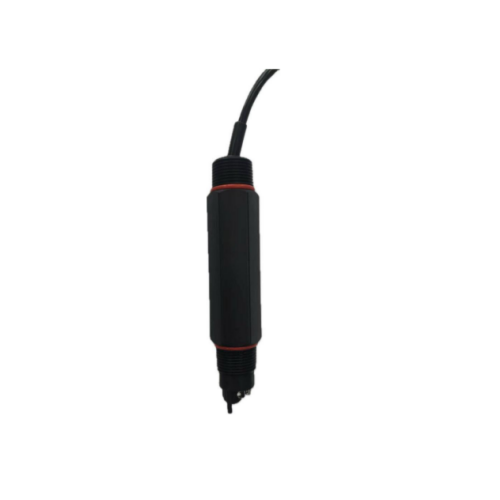
The DSO-1020PW ORP digital sensor measures water redox potential accurately and reliably, making it suitable for industrial usage. Using dependable real-time data from the PT1000 to set temperatures automatically and create a standard installation and communication system that can work in many tough working conditions, it monitors water quality and improves operations. ORP awareness is a cheap and quick approach to work in chemical engineering, town water, and environmental safety.
★★★★★
Parameters
| Item | Specification |
|---|---|
| Measuring Range | ±1999mV |
| Resolution | 1mV |
| Accuracy | ±5mV |
| Operating Temperature | 0~50℃ |
| Working Pressure | <0.2MPa |
| Temperature Compensation | Automatic Temperature Compensation (PT1000) |
| Power Supply | 24VDC (Compatible with 9-24VDC wide voltage) |
| Signal Output | RS485 (Modbus/RTU Protocol) |
| Installation Interface | 3/4″ NPT |
| Installation Requirement | No inversion/horizontal installation, tilt ≥15° |
| Cable Length | 10m as standard, other lengths customizable |
| Calibration Method | Single-point Calibration |
| Power Consumption | <0.5W |
| Communication Parameters | 9600 N 8 1 (Baud rate/parity customizable) |
| Device Address Range | 1-255 (Modifiable via broadcast address 255) |
| Supported Function Codes | 0x03 (Read data), 0x06 (Modify parameters) |
Why choose DSO-1020PW digital sensor?
- Measurements that are accurate and consistent: a range of ± 1999mV, a high resolution of 1mV, and a precision of ± 5mV. This allows for minor changes in ORP to be recorded and the redox status of the water body to be restored.
- Smart temperature control: The gadget has a PT1000 thermistor that automatically adjusts the temperature from 0 to 50 °C, making sure that the data is steady in all situations.
- It also has a simple single-point calibration that doesn’t need to be done often to stay accurate. To calibrate, put the probe in a standard solution and then type in the offset value.
- The 3/4″ NPT universal interface is standardized and lets you insert, circulate, sink, and install pipelines (with a tilt of at least 15 °). This makes it easy to connect to pipelines already in place.
Featured Applications
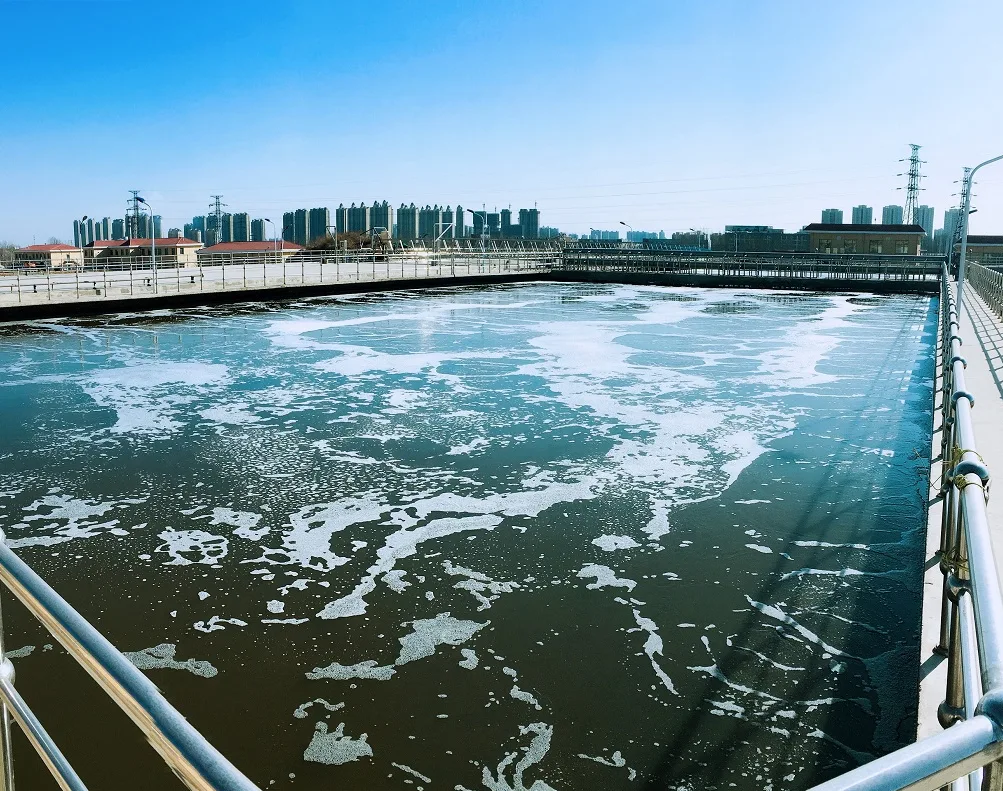
- Monitoring the quality of water in the environment: Finding ORP levels online in rivers, lakes, and sewage outlets to show how polluted the water is and how well it can handle redox reactions.
- Chemical production: monitoring the ORP of acid-base salt solutions and chemical reactions to help make changes to the process and find the end points of the reactions
- Municipal water treatment includes disinfecting tap water, treating sewage using biochemicals, and regulating ORP to make sure that disinfection and treatment are both effective.
- Monitoring the oxidation-reduction potential (ORP) of electroplating, printing and dyeing, and pharmaceutical wastewater, as well as optimizing the amount of chemicals used and the treatment process.
Installation and wiring
Installation requirements
- 3/4″ NPT interface, compatible with various installation methods (top insertion/flow-through/submersible/pipeline), install firmly to prevent loosening and leakage
- Strictly prohibit inversion/horizontal installation, tilt at least 15° to ensure full contact between the probe and the solution
- Install in a calm water flow area, avoid bubble-dense areas and strong electromagnetic interference sources, the probe is at least 2cm away from the container/pipeline bottom
- The probe should be inserted into the measured solution by 1/3 or more, and avoid installation in areas with severe turbulence to reduce measurement error
Electrical wiring (four wire system, color coded)
| Wire Color | Definition | Description |
|---|---|---|
| Red | V+ | 24VDC Power Positive |
| Black | V- | 24VDC Power Negative/GND |
| White | A | RS485A Signal Terminal |
| Blue | B | RS485B Signal Terminal |
| Extension Wire | 4-20mA | 4-20mA Analog Output |
After the wiring is completed, it is necessary to carefully check to confirm that there is no reverse or virtual connection, in order to avoid damaging the sensor after power on; Keep the wiring connections dry to prevent moisture.
Maintenance and Care
Calibration Specification
- Standard solution selection: ORP standard solutions with 86mV (pH=6.86 buffer solution), 256mV (pH=4.00 buffer solution), or -40mV (pH=9.18 buffer solution) can be selected, and the corresponding concentration standard solution can be selected according to the properties of the tested solution
- Calibration steps: Rinse the probe with distilled water → immerse it in standard solution and let it stand for 3 minutes until the value stabilizes → send calibration instructions via Modbus, input the difference (offset) between the detected value and the actual value of the standard solution, and complete the calibration
- Key precautions: The standard solution should be prepared and used immediately, ensuring complete dissolution of quinone hydroquinone during preparation; During the calibration process, the probe should be kept away from the bottom and side walls of the container to avoid contact with impurities
Preparation method of ORP standard solution
- 86mV standard solution: Weigh 2.1g of quinone hydroquinone and add it to 200mL of pH 6.86 standard buffer solution. Stir and mix well until completely dissolved
- 256mV standard solution: Weigh 2.1g of quinone hydroquinone and add it to 200mL of pH 4.00 standard buffer solution. Stir and mix well until completely dissolved
- -40mV standard solution: Weigh 2.1g of quinone hydroquinone and add it to 200mL of pH 9.18 standard buffer solution. Stir and mix well until completely dissolved
Routine Maintenance
- If the probe becomes passivated (with reduced sensitivity, slow response, and inaccurate readings) after long-term use, the bulb at the bottom of the electrode can be soaked in 0.1mol/L dilute hydrochloric acid for 24 hours, and then soaked in 3.5mol/L potassium chloride solution for 24 hours to activate it
- Regularly clean the surface attachments of the probe with distilled water, gently wipe with a soft damp cloth, and prohibit scratching the sensitive detection surface with hard objects
- When the sensor is idle, it should be stored in a 3.5mol/L potassium chloride solution after cleaning to avoid aging of the probe due to dry storage
- Regularly check whether the wiring terminals are damp or contaminated. If so, wipe them with anhydrous alcohol and blow dry before use to keep the wiring area dry and sealed
Technical Support
Top 6 Industrial Gas Analyzers Manufacturers 2025
6 Best Industrial Gas Detector Manufacturers in the World
9 Best Portable Carbon Dioxide Detector 2025 – Complete Buying Guide
Top 7 portable combustion analyzer Tested
The DSO-1020PW intelligent ORP sensor is very accurate, stable, and flexible. The PT1000’s automatic temperature adjustment makes sure that the data is correct at a wide range of temperatures. The easy single-point calibration and probe activation process also saves the cost of maintenance later on. The DSO-1020PW can help with normal water quality control or more complicated process monitoring by giving you reliable data. DSO-1020PW uses advanced sensor technology to keep water clean!
Request a Quote