.png)
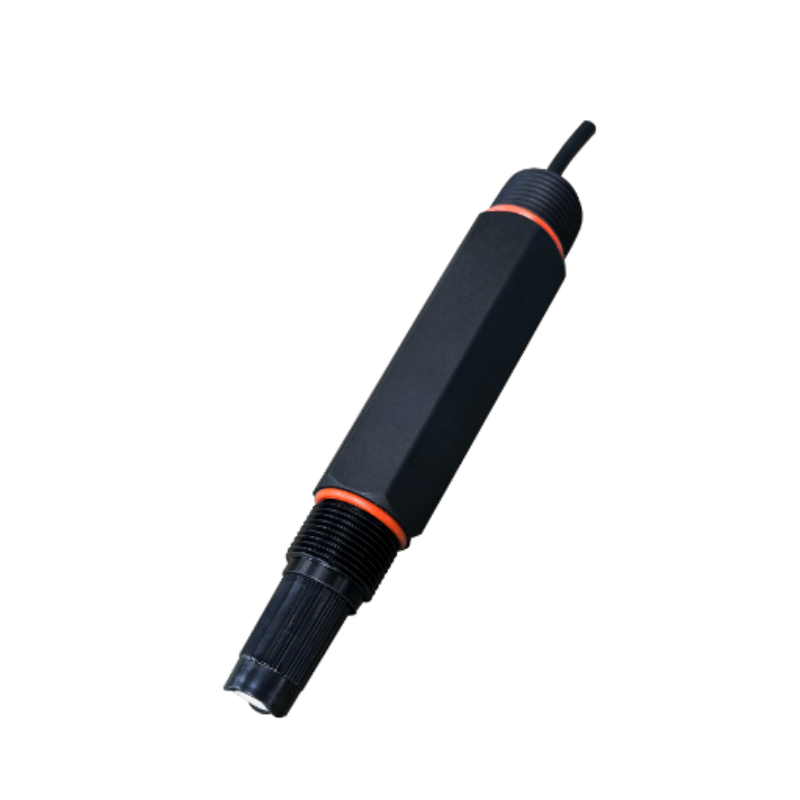
The DCL-280 intelligent polarographic residual chlorine digital sensor can correctly and continually monitor the amount of residual chlorine in a water solution thanks to innovative polarographic detection principles and high-performance permeable membranes. You can use it to clean drinking water, keep a watch on the water that runs through factories, and control the pipelines that carry water to swimming pools. The range is from 0 to 20 mg/L. It meets industrial requirements, so it works effectively even in harsh settings and checks for chlorine residue in the water.
★★★★★
Parameters
| Item | Specification |
|---|---|
| Measuring Principle | Polarographic Method |
| Measuring Range | 0~20.00mg/L |
| Resolution | 0.01mg/L |
| Accuracy | ±0.1mg/L |
| Operating Temperature | 0~60℃ |
| Operating Pressure | <0.2MPa |
| Temperature Compensation | Automatic Temperature Compensation (NTC10K) |
| Power Supply | 24VDC |
| Signal Output | RS-485 (Modbus/RTU Protocol) |
| Communication Parameters | 9600 N 8 1 (Customizable) |
| Installation Interface | 3/4″ NPT |
| Installation Method | Flow cell installation (60-80L/H constant flow) |
| Cable Length | 10m standard, other lengths customizable |
| Calibration Method | Two-point / Three-point Calibration |
| Power Consumption | <0.5W |
Why choose DCL- 280 digital sensor?
- High precision detection: 0.01mg/L high resolution, ± 0.1mg/L accuracy, data authenticity and reliability
- Intelligent temperature compensation: built-in NTC10K, automatic compensation from 0~60 ℃, to counteract temperature interference
- Flexible calibration mode: supports two-point/three-point calibration, factory pre calibration, and does not require frequent operation unless it exceeds the tolerance
- Industrial grade compatibility: RS485+Modbus/RTU protocol, seamless integration with PLC/DCS/multi parameter monitoring devices
- Standard easy to install: 3/4 “NPT interface, exclusive installation for flow pool, 60-80L/H constant flow rate for more stable performance
Featured Applications
- Municipal drinking water: Continuous monitoring of residual chlorine in waterworks, filling plants, and water supply pipelines to ensure water supply safety
- Public water quality control: residual chlorine monitoring in swimming pools, hot spring pools, and landscape water, in compliance with hygiene standards
- Industrial water treatment: residual chlorine detection in cooling circulating water and process water to prevent microbial growth and pipeline corrosion
- Environmental water treatment: Monitoring of residual chlorine in wastewater treatment plant effluent to ensure compliance with discharge standards
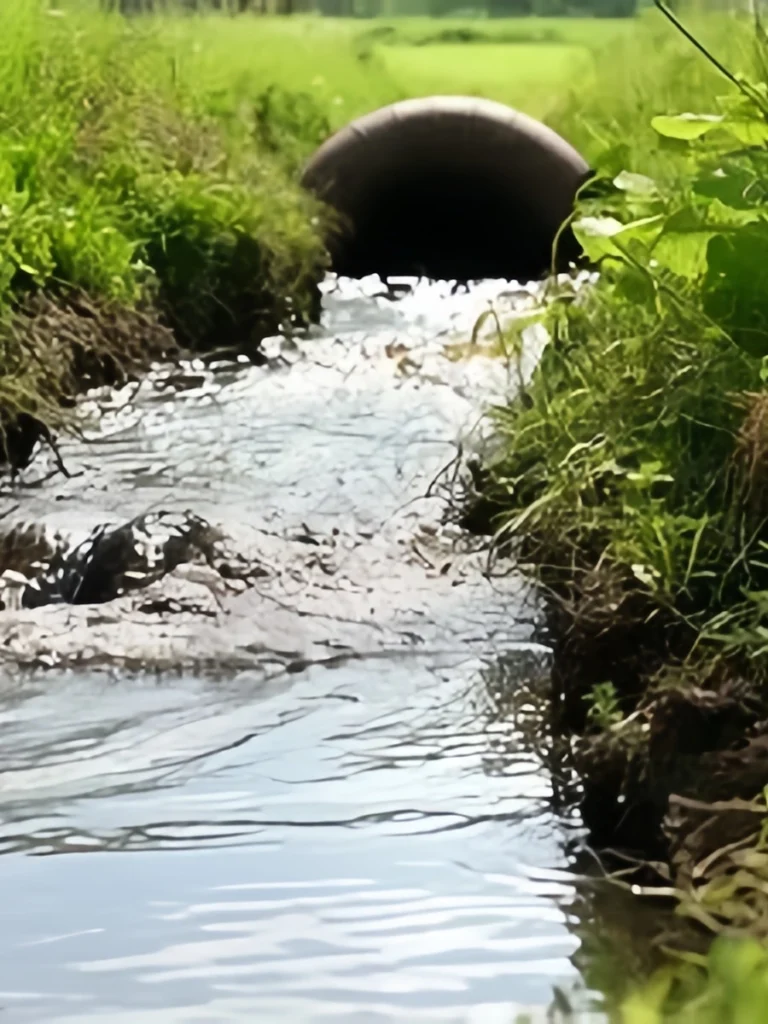
Installation and wiring
Installation requirements
- Setting up a flow pool that only allows for a steady flow rate of 60 to 80 liters per hour of the measured medium, with no bubbles or turbulence getting in the way
- 3/4 “NPT standard interface, securely fitted to stop leaks, and space set aside for maintenance tasks like adding electrolyte or replacing the membrane head.
- The place where the installation takes place should be free of severe electromagnetic interference, corrosive gases, and make sure that monitoring is stable.
Electrical wiring (four wire system, color coded)
- Red wire: 24VDC Power (+)
- Black wire: GND Power (-)
- White wire: RS-485A
- Blue wire: RS-485B
After the wiring is completed, it is necessary to carefully check to confirm that there is no reverse or virtual connection, in order to avoid damaging the sensor after power on; Keep the wiring connections dry to prevent moisture.
Maintenance and Care
- Protect permeable membrane: Clean the probe periodically, do not wipe with filter paper or sharp objects, and handle disassembly and assembly gently.
- Electrode polarization: After powering on, the sensor must be polarized for 2 hours and calibrated and tested.
- Maintain electrolytes: Add electrolyte every 6 months and replace the integrated membrane head promptly if the permeable membrane ruptures. Repolarize and calibrate replaced parts.
- Cleaning: Gently rinse the probe attachment to avoid chemical reagents reaching the permeable membrane.
- Remove the probe, clean it, cover it, and store it when water is turned off or not used for a long time.
- Calibration standard: Place the probe 2cm from the bottom of the container, stir the solution uniformly, and send the calibration command when the value stabilizes.
Technical Support
Top 6 Industrial Gas Analyzers Manufacturers 2025
6 Best Industrial Gas Detector Manufacturers in the World
9 Best Portable Carbon Dioxide Detector 2025 – Complete Buying Guide
Top 7 portable combustion analyzer Tested
The DCL-280 intelligent polarographic residual chlorine sensor is great for continuous monitoring of residual chlorine in drinking, industrial, and public water quality because it is very accurate, stable, easy to integrate, and easy to maintain. Integrating multi-parameter water quality sensors controls the temperature and chlorine that is left over. Industrial-grade design works well in tough situations, and easy maintenance keeps costs down and ensures correct residual chlorine water quality management in many industries. Monitoring residual chlorine at a low cost.
Request a Quote