.png)
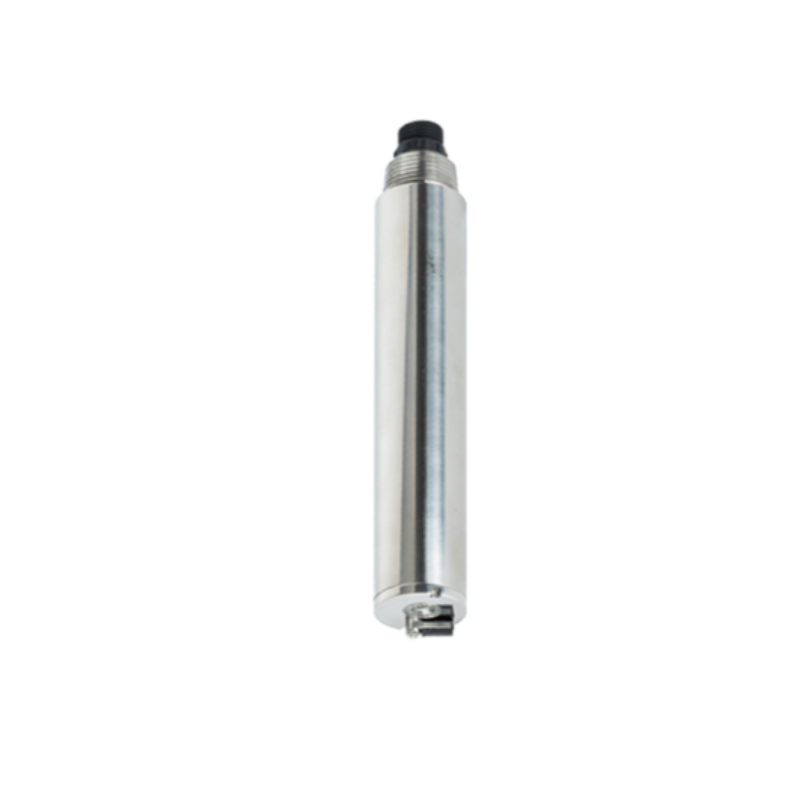
BGA-206 is an online blue-green algae monitoring digital sensor that uses fluorescence spectral properties to find algae in their natural environment. It can give you real-time data on algae density, making it a stable way to keep an eye on algal blooms, regulate eutrophication, make sure drinking water is safe, and manage aquaculture water.
★★★★★
Parameters
| Parameter Item | Specification |
|---|---|
| Measuring Range | 0~300.0 Kcells/mL |
| Resolution | 0.1 Kcells/mL |
| Accuracy | ±3%, ±0.3℃ |
| Operating Conditions | 0~50℃, <0.2MPa, Turbidity<50NTU |
| Storage Temperature | -5~65℃ |
| Signal Output | RS-485 (Modbus/RTU), 4-20mA |
| Power Supply | 12~24VDC |
| Power Consumption | 0.2W@12V |
| Housing Material | ABS + 316L Stainless Steel |
| Protection Grade | IP68 |
| Calibration | Two-point Calibration |
| Mounting | 3/4 NPT Thread, Immersion Type |
| Cable | Standard 5m, Customizable |
Why choose this digital sensor?
- Adopting fluorescence optical detection technology, the measurement is precise, the data is stable and reliable
- Supports RS485+4-20mA dual output, compatible with various monitoring and acquisition devices
- IP68 high protection+anti-corrosion material, capable of long-term stable operation underwater
- Easy installation and deployment, lower power consumption, and effortless daily cleaning and maintenance
Working Principle
BGA 206 adopts the principle of fluorescence optical detection, using the characteristic spectrum of blue-green algae to excite fluorescence, and the fluorescence intensity is proportional to the algae density. The device can achieve real-time online monitoring of blue-green algae concentration without the need for reagents or preprocessing by collecting fluorescent signals and intelligently converting them.
Featured Applications
- Drinking water sources: keeping an eye on how much people drink, reservoirs, and lakes in real time to keep algae poisons out and keep people safe.
- Monitoring the density of blue-green algae in rivers, lakes, and reservoirs and giving early warnings of algal blooms.
- Municipal and landscape water bodies, like river channels, constructed lakes, and parks, have rules for eutrophication and algal blooms.
- Aquaculture ponds and circulating water systems are watched to keep algae from growing, hypoxia from happening, and people from getting sick.
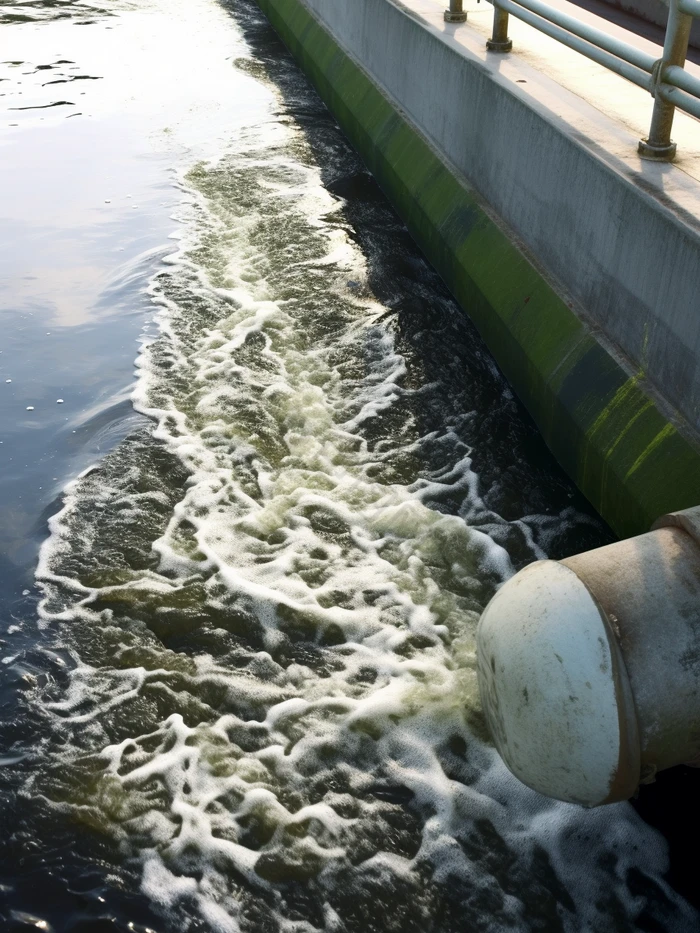
Installation and wiring
- Installation: Immersion type, with a distance of ≥ 5cm from the side wall and ≥ 20cm from the bottom, avoiding dead zones and bubble zones of water flow.
- Wiring: 5-core shielded wire, red=power supply, black=GND, blue=485A, green=485B, yellow=4-20mA (can be suspended), with fully waterproof connectors.
Maintenance
- Use clean water or a soft cloth to wipe down the optical window often to get rid of any dust or dirt that might be on it. This is going to help you get correct numbers.
- For the link to work, make sure the wires are not broken or too tight.
- If the data starts to move, set the zero point to pure water and the slope to a standard answer. Do this for two points.
- The best way to store it for a long time is dry and between -5 and 65 °C.
Technical Support
Top 6 Industrial Gas Analyzers Manufacturers 2025
6 Best Industrial Gas Detector Manufacturers in the World
9 Best Portable Carbon Dioxide Detector 2025 – Complete Buying Guide
Top 7 portable combustion analyzer Tested
Blue-green algae can be found in aquaculture, open water, water sources, and city parks. The BGA 206 online blue-green algae tracker is a great way to keep an eye on them all. It’s very accurate, stable, easy to set up, and simple to keep up with, among other things. It backs up guidelines for water quality, smart water management, and ecological safety in water with real statistics.
Request a Quote