.png)
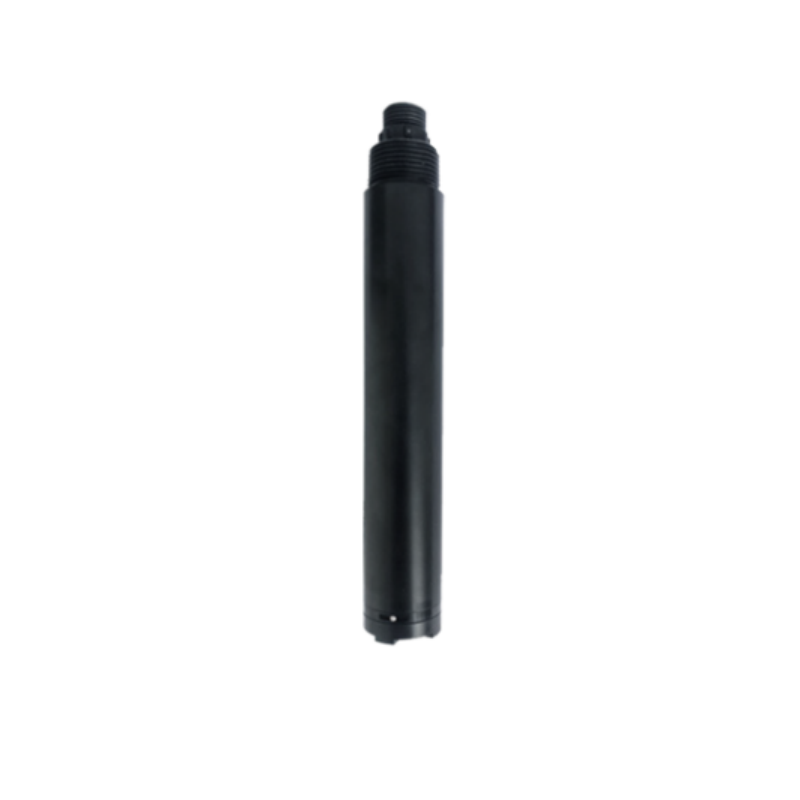
The OIL 206A is an online water-oil digital sensor that uses UV fluorescence technology. It can measure the amount of oil in water in real time and at the exact spot where it is found. It is used in a wide range of scenarios, such as surface water, industrial wastewater, municipal sewage, circulating cooling water, rainwater outflows, and more. It is also steady and reliable. There are no chemicals or actions that need to be done before it may be used.
★★★★★
Parameters
| Item | Specification |
|---|---|
| Model | OIL-206A |
| Measuring Range | 0~40.00 mg/L |
| Resolution | 0.01 mg/L |
| Accuracy | ±3% |
| Signal Output | RS-485 (Modbus/RTU), 4-20mA |
| Power Supply | 12~24 VDC |
| Power Consumption | 0.2W @12V |
| Protection Grade | IP68 |
| Operating Conditions | 0~50℃, <0.2MPa |
| Storage Temperature | -5~65℃ |
| Housing Material | PVC / ABS + 316L Stainless Steel |
| Calibration | Two-point Calibration |
| Mounting | 3/4 NPT Thread, Immersion Type |
| Cable | Standard 5m, Customizable |
Why choose this digital sensor?
- UV fluorescence detection, fast response, high sensitivity, and long-term stability
- Dual signal synchronous output, compatible with data acquisition instruments PLC、 cloud platform
- IP68 fully waterproof structure, corrosion-resistant, capable of long-term underwater operation
- No reagent consumption, no secondary pollution, lower operation and maintenance costs
- Easy installation, strong anti-interference, suitable for long-term monitoring of poor water quality
Working Principle
The sensor uses UV fluorescence optics to send out certain types of ultraviolet light to light up the water body. The oil in the water takes in the light energy and makes a unique type of fluorescence. The amount of fluorescence is directly related to the amount of oil. The gadget picks up signals and uses algorithms to figure out how much oil is in the water in real time.
Featured Applications
- Monitoring of oily wastewater from petrochemical, mechanical processing, food, surface treatment, and other industrial sources
- Municipal sewage: The amount of oil in the input, output, and biochemical section can be controlled online.
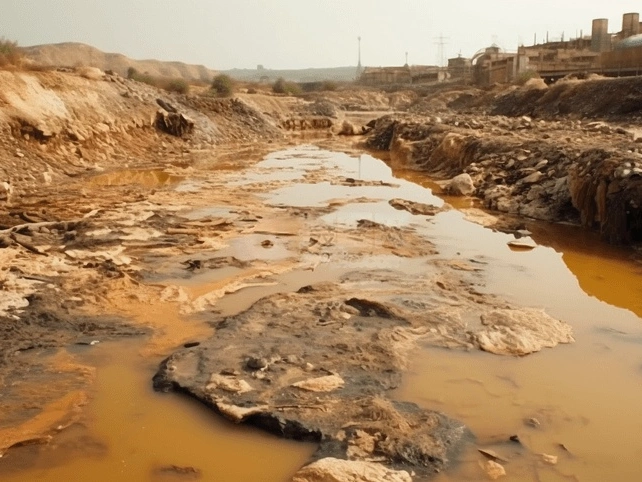
- Warning and monitoring of oil contamination in rivers, lakes, and reservoirs that are sources of surface water
- Circulating cooling water and condensate water: keeping an eye on oil leaks and keeping equipment safe
- Rainwater outlet/river channel: keeping an eye on things in case of an emergency to keep oil from getting into bodies of water
Installation and wiring
- Installation requirements: Immersion installation, with a distance of ≥ 2cm from the side wall and ≥ 10cm from the bottom, avoiding vortex and bubble areas
- Wiring definition: Red=power supply, black=GND, blue=485A, green=485B, yellow=4-20mA (can be suspended)
- Attention: The joint must be waterproofed and sealed
Maintenance
- Clean the sight window a lot of the time. Use clean water or a soft cloth to get rid of dirt and oil. Don’t use something hard to scratch.
- Check the plugs and wires often to make sure they don’t become broken or crushed. Also, ensure sure the seal is tight so that water can’t get in.
- It is necessary to calibrate in two places at the proper time when the data changes. Use standard solution for the slope and pure water for the zero point. The process can start once it is stable and submerged.
- Don’t strike or shake it too hard, and don’t break the computer and optical devices within.
Technical Support
Top 6 Industrial Gas Analyzers Manufacturers 2025
6 Best Industrial Gas Detector Manufacturers in the World

9 Best Portable Carbon Dioxide Detector 2025 – Complete Buying Guide
Top 7 portable combustion analyzer Tested
The OIL 206A online oil sensor in water can meet the needs of online monitoring for industrial wastewater, municipal sewage, water sources, circulating water, and rainwater outlets. This is because it is very sensitive, accurate, stable, durable, easy to install, and requires no maintenance. Reliable data backs up rules on emissions into the environment, safety controls for water quality, and avoiding and protecting equipment from pollution. This makes it perfect for smart water management and online water quality monitoring systems.
Request a Quote