.png)
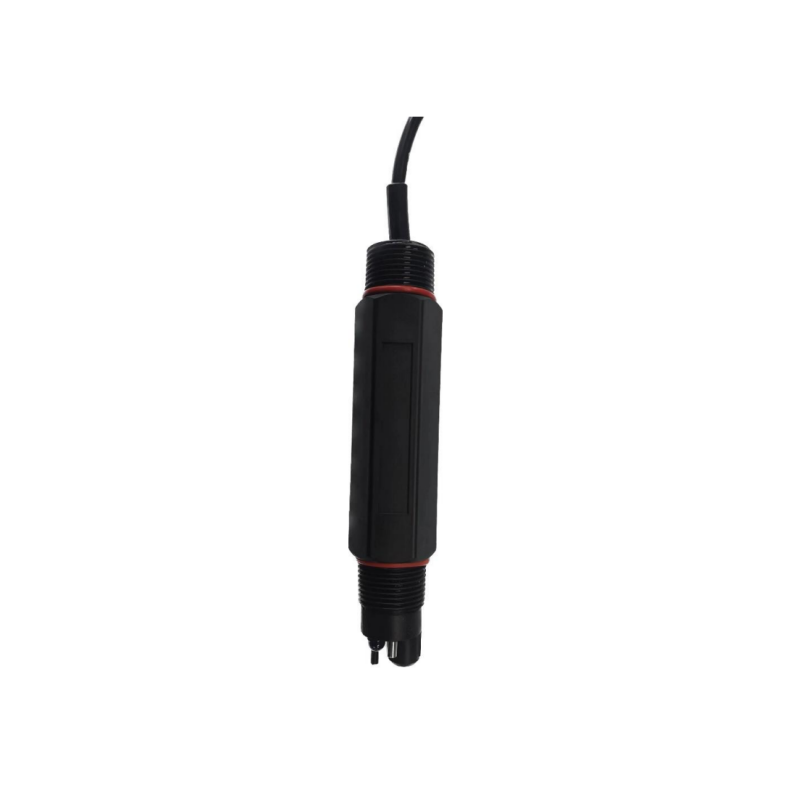
The DSP-1020W pH digital sensor can be used to check the pH of water online. It has accurate monitors, smart temperature control, and business security. To work in tough industrial settings, it can be set up, adjusted, and talked to in different ways at two or three locations. It gives accurate information for keeping an eye on the quality of the water and making things better. Make it simple and cheap to test pH.
★★★★★
Parameters
| Item | Specification |
|---|---|
| Measuring Range | 2-12pH |
| Resolution | 0.01pH |
| Accuracy | ±0.1pH |
| Operating Temperature | 0~50℃ |
| Working Pressure | <0.2MPa |
| Temperature Compensation | Automatic Temperature Compensation (PT1000) |
| Power Supply | 24VDC (Compatible with 9-24VDC wide voltage) |
| Signal Output | RS485 (Modbus/RTU Protocol) |
| Installation Interface | 3/4″ NPT |
| Installation Requirement | No inversion/horizontal installation, tilt ≥15° |
| Cable Length | 10m as standard, other lengths customizable |
| Calibration Method | Two-point Calibration / Three-point Calibration |
| Power Consumption | <0.5W |
| Communication Parameters | 9600 N 8 1 (Baud rate/parity customizable) |
| Device Address Range | 1-255 (Modifiable via broadcast address 255) |
| Supported Function Codes | 0x03 (Read data), 0x06 (Modify parameters) |
Why choose DSP-1020W digital sensor?
- It can measure between 2 and 12 pH levels with a high sensitivity of 0.01 pH and an accuracy of ± 0.1 pH. This means it can pick up on even the tiniest variations in pH.
- Smart temperature adjustments: The built-in PT1000 thermistor automatically varies from 0 to 50 °C, so changes in temperature don’t influence the measurements.
- Dual calibration mode lets you calibrate at two or three points. It comes pre-calibrated from the factory, and you may choose which one you want based on how accurate the job site wants it to be.
- The 3/4″ NPT universal interface makes it easy to connect to existing pipes because it works with a range of installation methods, such as top insertion, circulation, sinking, and pipeline (which needs a tilt of at least 15°).
Featured Applications
- Chemical industry production: employing pH monitoring of acid, alkali, and salt solutions and chemical reaction processes to guide process changes
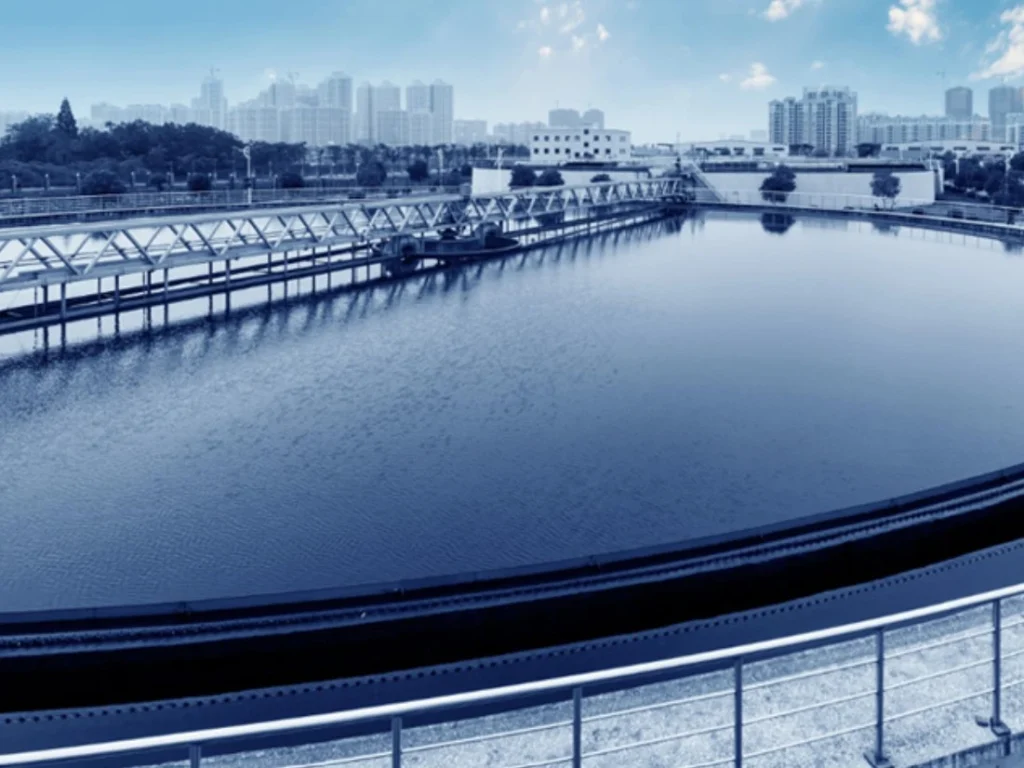
- Municipal water treatment: keeping the water safe by using sewage biochemical treatment and controlling the pH level in the tap water purification process
- Keeping the pH of process water used in food production and drinking water under control while following hygiene rules
- Some examples of industrial wastewater treatment are checking the pH of pharmaceutical wastewater, electroplating, printing, and dyeing, and optimizing reagent dosage.
Installation and wiring
Installation requirements
- 3/4″ NPT interface, compatible with various installation methods (top insertion/flow-through/submersible/pipeline), install firmly to prevent loosening and leakage
- Strictly prohibit inversion/horizontal installation, tilt at least 15° to ensure full contact between the probe and the solution
- Install in a calm water flow area, avoid bubble-dense areas and strong electromagnetic interference sources, the probe is at least 2cm away from the container/pipeline bottom
- The probe should be inserted into the measured solution by 1/3 or more, and avoid installation in areas with severe turbulence to reduce measurement error
Electrical wiring (four wire system, color coded)
| Wire Color | Definition | Description |
|---|---|---|
| Red | V+ | 24VDC Power Positive |
| Black | V- | 24VDC Power Negative/GND |
| White | A | RS485A Signal Terminal |
| Blue | B | RS485B Signal Terminal |
| Extension Wire | 4-20mA | 4-20mA Analog Output |
After the wiring is completed, it is necessary to carefully check to confirm that there is no reverse or virtual connection, in order to avoid damaging the sensor after power on; Keep the wiring connections dry to prevent moisture.
Maintenance and Care
Two-point Calibration :
- For acidic solutions: Calibrate with pH=4.00 and pH=6.86 standard buffer solutions in sequence
- For alkaline solutions: Calibrate with pH=6.86 and pH=9.18 standard buffer solutions in sequence
- Operation steps: Rinse the probe with distilled water → soak in calibration solution for 3~5 minutes until stable → send calibration command via Modbus
Three-point Calibration :
- Use pH=4.00, pH=6.86 and pH=9.18 standard buffer solutions for low, middle and high point calibration respectively
- Suitable for high-precision monitoring scenarios, effectively improving measurement accuracy in the full range
Routine Maintenance
- Clean the probe with distilled water before and after use, blot dry with filter paper, avoid bringing impurities into the measured solution
- For probes with sediment or scaling on the glass membrane, soak in dilute hydrochloric acid for a short time, then rinse thoroughly with distilled water (do not scratch the glass membrane with hard objects)
- When the sensor is not in use, clean it and immerse it in 3.3mol/L potassium chloride solution for storage (equipped with a special protective cover)
- Avoid long-term immersion in distilled water or protein solutions, and prevent contact with silicone grease
Technical Support
Top 6 Industrial Gas Analyzers Manufacturers 2025
6 Best Industrial Gas Detector Manufacturers in the World
9 Best Portable Carbon Dioxide Detector 2025 – Complete Buying Guide
Top 7 portable combustion analyzer Tested
The DSP-1020W intelligent pH sensor stands out because it is accurate, stable, and flexible. The PT1000’s automatic temperature adjustment and different calibration modes make sure that the data is always accurate, no matter what the temperature is. Its simple upkeep, standardized setup and communication architecture, and smooth connection with industrial automation systems all help keep costs down in the future. The DSP-1020W gives you pH data that you may use to keep an eye on the quality of water in factories, cities, and the environment. The DSP-1020W’s advanced detection technology lets you keep your water clean!
Request a Quote