.png)
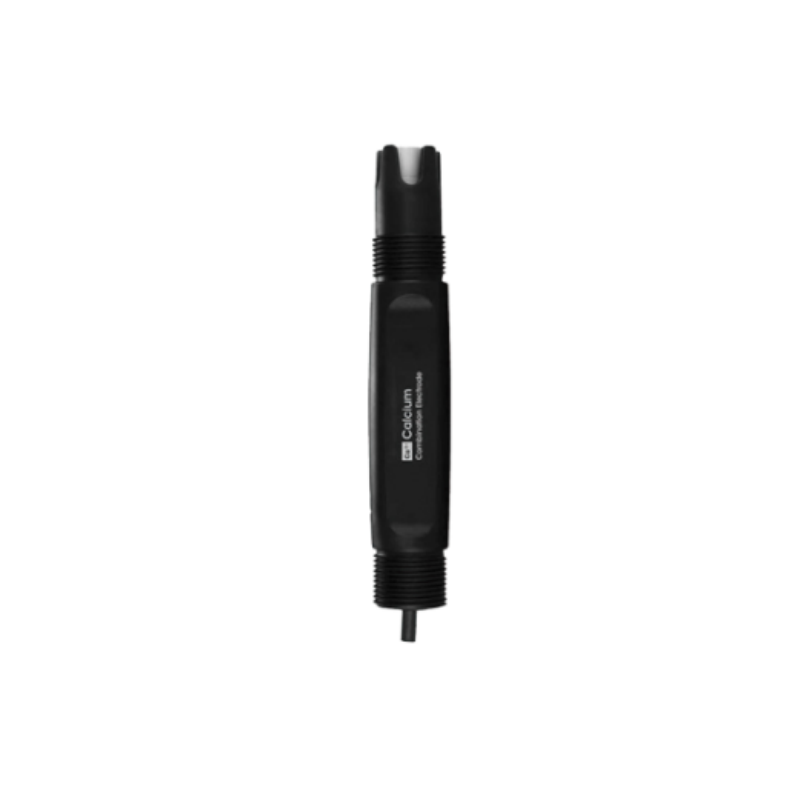
Industrial electrochemical water quality digital sensor CA-1A measures calcium ion (hardness). It reliably monitors calcium ion activity and concentration in water through membrane potential using the ion selective electrode method for online continuous water quality hardness monitoring. Water plants, sewage treatment facilities, industrial circulating water, aquaculture, and other areas use the PP corrosion-resistant product for calcium ion and hardness testing.
★★★★★
Parameters
| Item | Specification |
|---|---|
| Measuring Principle | Ion Selective Electrode Method |
| Measuring Range | 0.1-1000mg/L (Expandable) |
| Display Accuracy | ±2.5% of measured value; Temperature ±0.5℃ |
| Operating Temperature | 0-50℃ |
| Storage Temperature | 0-45℃ |
| Operating Pressure | ≤0.1MPa |
| Power Supply | 9-36VDC |
| Signal Output | MODBUS RS485 |
| Communication Configuration | 9600bps, N, 8, 1 |
| Calibration Method | Standard Solution Calibration, Comparative Calibration |
| Mounting Method | Immersion Installation, 3/4NPT Pipe Thread |
| Material | Main body: PP; Cable: PVC |
| Protection Grade | IP68/NEMA6P |
| Cable Length | 10m standard, extendable up to 100m |
| Dimension | Φ30mm × 160mm |
| Weight | 0.6KG (Including 10m cable) |
Why choose CA-1A digital sensor?
- 0.1-1000mg/L wide range expandable, ± 2.5% high-precision measurement
- IP68/NEMA6P waterproof, PP corrosion-resistant, suitable for complex working conditions with a wide temperature range of 0-50 ℃
- 9-36VDC wide voltage supply, compatible with MODBUS RS485 standard output
- The standard 10 meter cable can be extended up to 100 meters, and the 3/4NPT thread installation is flexible
- Support dual calibration of standard solution/comparison, with five calibration points adapted to different concentration ranges
Featured Applications
- Municipal water supply: Monitoring raw water and water plant filtered water hardness to prevent pipeline scaling and control water quality.
- Industrial circulating water: hardness testing for steel/power/chemical, advising scale inhibitor addition for equipment operation.
- Wastewater treatment: monitoring industrial and domestic wastewater hardness to ensure discharge standards.
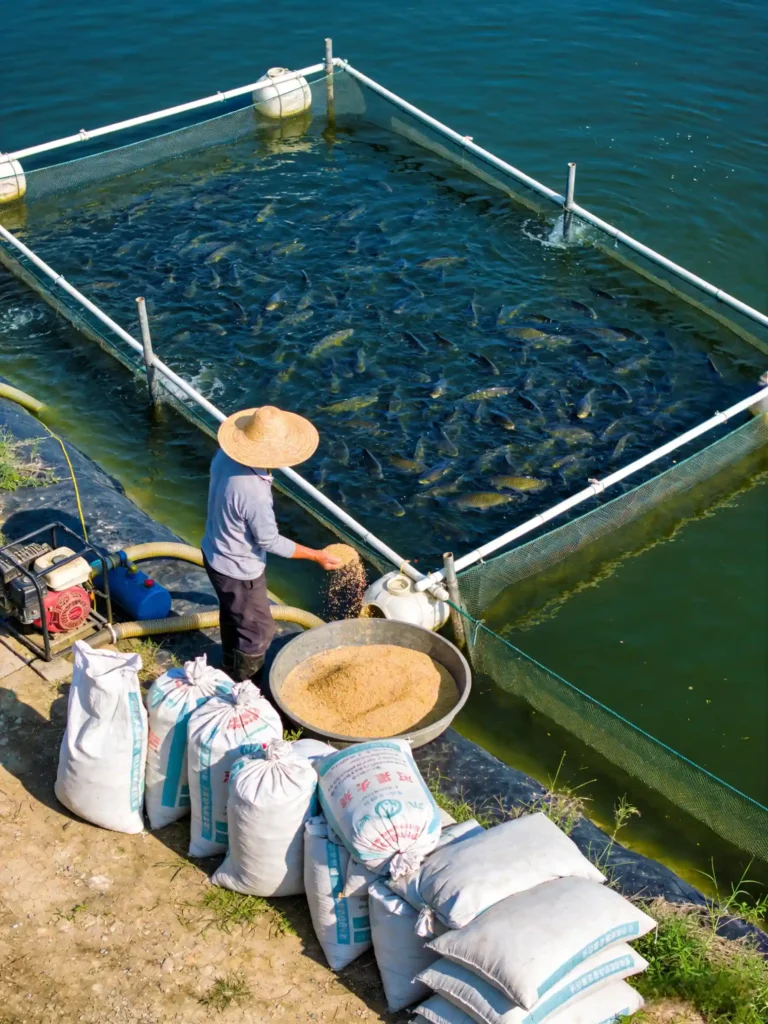
- Aquaculture: Monitoring calcium ions in fish/nursery ponds to maintain water balance and increase aquatic product survival.
Installation and wiring
Installation requirements
- Before installation, detach the organic glass protection cap to reveal the sensor’s sensing end;
- Ensure complete contact between the electrode and liquid network by submerging the sensor in the water sample using a 3/4NPT pipe thread.
- Avoid dead corners and severe water flow impact to prevent sediment from affecting measurement accuracy.
Electrical wiring
- Standard 4-core cable, with clear line sequence definition, must be strictly checked before power on to avoid wiring errors and equipment damage:
- Blue line:+9-36VDC (power cord)
Yellow line: AGND (ground wire)
Red line: RS485 A
Green wire: RS485 B
- Blue line:+9-36VDC (power cord)
Maintenance and Calibration
Routine maintenance
- Wash the sensor in distilled/deionized water before measurement, and use filter paper to absorb the moisture to prevent impurities from entering the measured liquid;
- Regularly check the cleanliness of the sensing end. If sediment adheres, gently rinse with distilled water. Do not scratch the sensitive film with hard objects;
- Check the dryness of the wiring terminals. If there is any contamination, wipe it with anhydrous alcohol and blow dry it. Take waterproof protection measures at the wiring points;
- It is recommended to regularly clean the electrode and cooperate with calibration. If it still cannot be calibrated and measured normally after maintenance, it indicates that the electrode has failed and needs to be replaced in a timely manner.
Calibration operation
- The sensor has five calibration points (0.01/1/10/1000mg/L), which are chosen based on the measurement range;
- To calibrate, place the sensor in the concentration standard solution, attach it to the computer via RS485, wait for the mV value to stabilize, and use the 06 function code to write the voltage value;
- Slope calibration: After washing the electrode, immerse it in a high concentration standard solution and let it stand for 5 minutes until the value stabilizes. If it exceeds the tolerance, calibrate it using Modbus commands;
- To restore factory settings after a calibration error, write 1 to register address 200 using the 06 function code. After restoration, recalibration is necessary.
- Under normal working conditions, calibrate every 1-3 months. For high pollution or impurity water samples, reduce the calibration period.
Technical Support
Top 6 Industrial Gas Analyzers Manufacturers 2025
6 Best Industrial Gas Detector Manufacturers in the World
9 Best Portable Carbon Dioxide Detector 2025 – Complete Buying Guide
Top 7 portable combustion analyzer Tested
The CA-1A calcium ion (hardness) sensor provides a professional solution for monitoring calcium ions and hardness in water bodies with its core characteristics of high precision, high stability, and easy operation. The product relies on mature ion selective electrode technology, combined with corrosion-resistant and waterproof design and flexible installation and wiring methods, making it the preferred equipment for water quality hardness monitoring. Abundant supply, cable lengths can be customized according to on-site needs. Welcome to inquire about selection and bulk procurement, and work together to safeguard water quality safety!
Request a Quote