.png)
Navigating the complex landscape of industrial safety is a critical responsibility for any plant manager, safety officer, or environmental health professional. Among the most hazardous environments in any industrial setting are permit-required confined spaces. These areas, which include vats, silos, storage bins, hoppers, vaults, and pits, are not designed for continuous human occupancy and pose severe atmospheric risks. Understanding and strictly adhering to the requirements for confined space air monitoring is not just a matter of regulatory compliance; it is fundamentally about saving lives and preventing catastrophic industrial accidents.
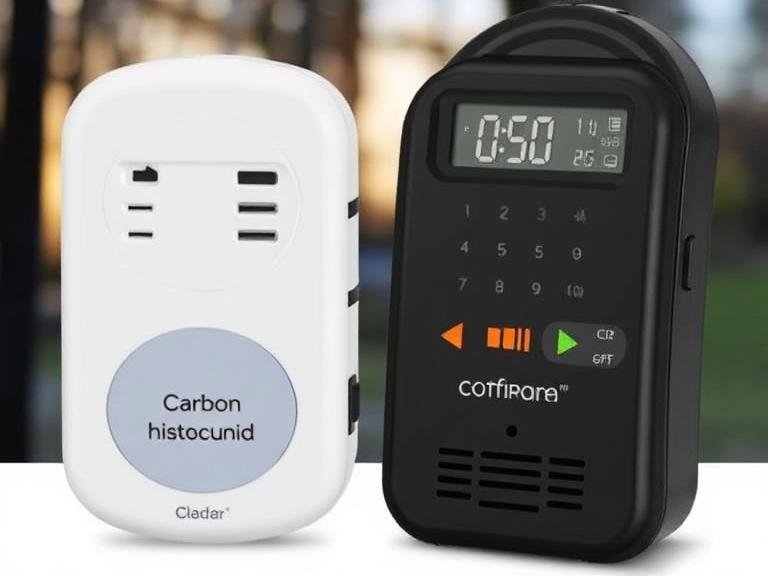
At Sino-Inst, we serve as a professional supplier of industrial process and analytical instruments. With deep expertise in engineering and manufacturing gas detectors, gas analyzers, and environmental monitoring equipment, we help enterprises obtain reliable measurement and analysis solutions while saving procurement costs. From our experience, many safety incidents occur simply because the fundamental requirements for confined space air monitoring are misunderstood or improperly executed. We will be your most trusted partner in decoding these regulations. In this comprehensive, authoritative guide, we will break down the Occupational Safety and Health Administration (OSHA) mandates, explain the necessary testing protocols, and recommend practical instrumentation strategies to ensure absolute compliance and safety in your facility. Top 8 Portable Gas Detectors for Confined Spaces
Table of Contents
- 1. The Regulatory Framework: OSHA 29 CFR 1910.146
- 2. Pre-Entry Requirements for Confined Space Air Monitoring
- 3. The Necessity of Stratified Atmospheric Testing
- 4. Continuous Monitoring vs. Periodic Testing
- 5. Instrument Calibration and Maintenance Compliance
- 6. Integrating Sino-Inst Solutions to Meet the Requirements for Confined Space Air Monitoring
- 7. Summary Table: Confined Space Monitoring Protocol
- 8. Frequently Asked Questions (FAQs)
- 9. References
1. The Regulatory Framework: OSHA 29 CFR 1910.146
The foundation of all atmospheric safety inside enclosed industrial areas is built upon OSHA standard 29 CFR 1910.146, which details the permit-required confined spaces standard. This regulation clearly dictates the requirements for confined space air monitoring to protect workers from toxic, explosive, or asphyxiating atmospheres. OSHA defines a hazardous atmosphere as one that may expose employees to the risk of death, incapacitation, impairment of ability to self-rescue, injury, or acute illness.
From our professional standpoint, compliance begins with identifying the permissible limits established by OSHA. The atmosphere must be tested to ensure oxygen levels fall strictly between 19.5 percent and 23.5 percent. Combustible gases must not exceed 10 percent of their Lower Flammable Limit (LFL) or Lower Explosive Limit (LEL). Furthermore, toxic gases, such as hydrogen sulfide and carbon monoxide, must remain below their specific Permissible Exposure Limits (PEL). Meeting these requirements for confined space air monitoring demands highly accurate, responsive, and reliable analytical instrumentation.
2. Pre-Entry Requirements for Confined Space Air Monitoring
Before any worker crosses the plane of an entry portal into a confined space, a rigorous sequence of atmospheric testing must be executed from the outside. OSHA mandates a specific order in which these tests must be conducted, as the presence of one hazard can fundamentally alter the reading of another. The mandatory sequence for pre-entry requirements for confined space air monitoring is as follows:
- First: Oxygen Content. Most combustible gas sensors rely on the presence of oxygen to function accurately. If an environment is oxygen-deficient, combustible gas readings will be erroneously low, creating a false sense of security.
- Second: Flammable Gases and Vapors. Once sufficient oxygen is verified, the atmosphere must be tested for explosive hazards.
- Third: Potential Toxic Air Contaminants. Finally, the area must be screened for specific toxic gases known to be associated with the industrial process, such as hydrogen sulfide in wastewater treatment or carbon monoxide in combustion environments.
We recommend utilizing specialized probe attachments and sample pumps to draw air from the space while the operator remains safely outside. Bypassing this sequential testing protocol is a direct violation of the requirements for confined space air monitoring and places the entrant in immediate, mortal danger.
3. The Necessity of Stratified Atmospheric Testing
Gases do not mix uniformly within an enclosed area. Depending on their molecular weight relative to air, they will stratify into distinct layers. For example, methane is lighter than air and will accumulate at the top of a confined space. Carbon monoxide is roughly the same weight as air and will disperse evenly. Hydrogen sulfide is heavier than air and will pool at the absolute bottom of a pit or trench.
To comply with the requirements for confined space air monitoring, testing must be stratified. OSHA dictates that the atmosphere must be evaluated at four-foot intervals in the direction of travel. From our experience, many inexperienced technicians merely drop a sensor a few feet into a manhole and assume the entire space is clear. This is a fatal error. Your testing equipment must be lowered systematically, allowing adequate time at each interval for the sensors to draw the sample, process the gas concentration, and output a stable reading before moving deeper into the space. The requirements for confined space air monitoring explicitly demand that all levels of the work zone are proven safe prior to entry.
4. Continuous Monitoring vs. Periodic Testing
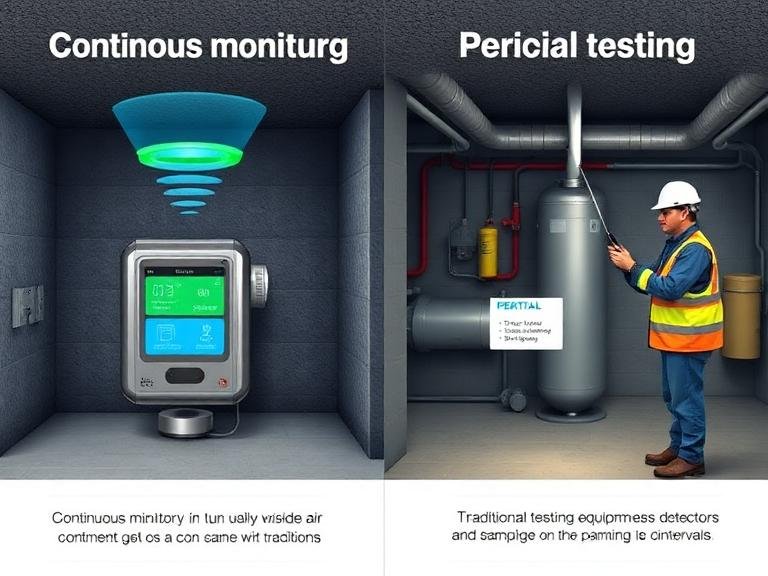
Historically, periodic testing was acceptable if the space was deemed stable. However, industrial processes are dynamic. Scraping sludge, applying solvents, or even hot work like welding can introduce new toxic or flammable gases into a previously cleared space. Therefore, modern interpretations of the requirements for confined space air monitoring strongly favor continuous atmospheric observation.
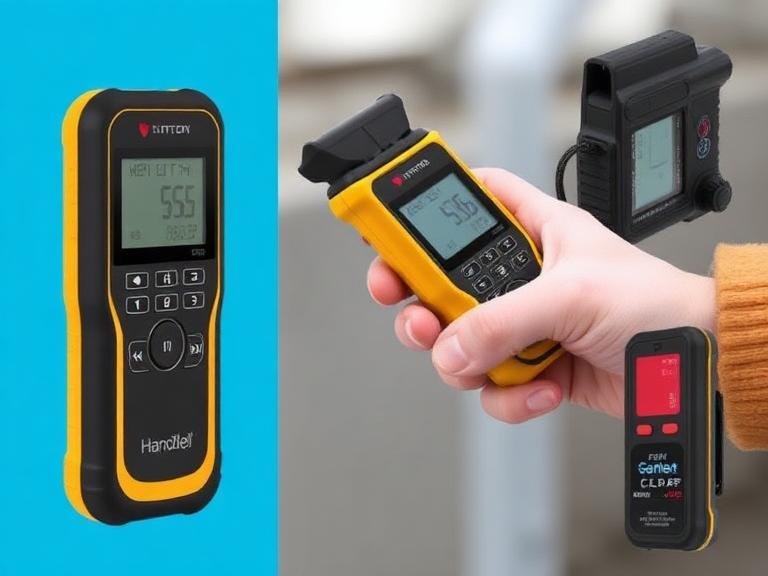
We recommend that every entrant be equipped with direct-reading Portable Gas Detectors clipped into their breathing zone (within a ten-inch radius of their nose and mouth). Continuous monitoring ensures that if an atmospheric hazard develops unexpectedly, the workers are alerted immediately via high-decibel acoustic alarms and vibration alerts, allowing for immediate evacuation. The requirements for confined space air monitoring are best fulfilled when continuous data is collected throughout the entirety of the permit-required operation.
5. Instrument Calibration and Maintenance Compliance
Even the most advanced instrumentation is entirely useless if it is out of calibration. OSHA inspectors routinely issue severe citations for relying on uncalibrated or improperly maintained gas detection equipment. The requirements for confined space air monitoring explicitly state that all testing instruments must be utilized, calibrated, and maintained in strict accordance with the manufacturer’s instructions.
From our professional viewpoint as a manufacturer, we insist on daily bump tests prior to deploying any device into the field. A bump test involves briefly exposing the sensors to a known concentration of calibration gas to verify that the sensors respond accurately and the alarms trigger appropriately. Furthermore, a full span calibration must be conducted at regular intervals. When sourcing equipment to meet the requirements for confined space air monitoring, selecting devices with easily replaceable Gas Sensor Modules can significantly reduce maintenance downtime and ensure your safety protocols remain uninterrupted.
6. Integrating Sino-Inst Solutions to Meet the Requirements for Confined Space Air Monitoring

Fulfilling the complex requirements for confined space air monitoring requires a strategic deployment of industrial-grade hardware. Sino-Inst offers a comprehensive suite of customized products and OEM services tailored to secure your confined space operations.
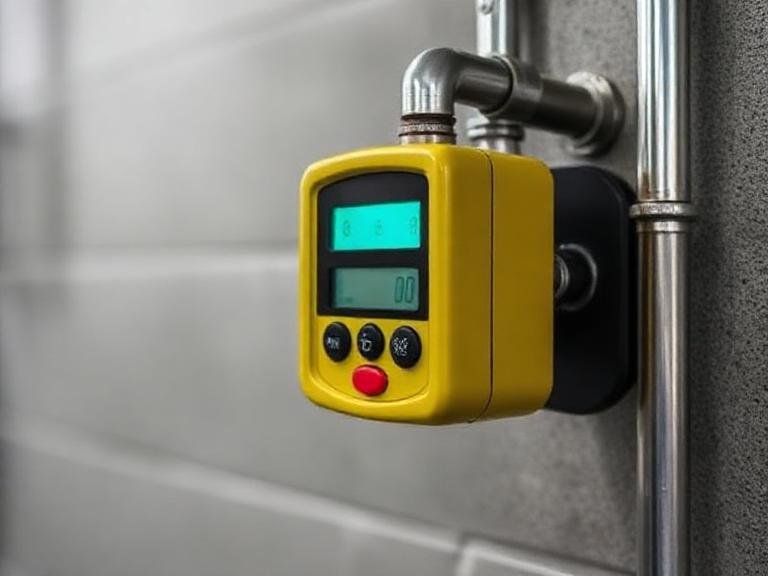
For complete facility oversight, our Gas Monitoring System can be engineered to continuously sample air from multiple stationary vats and silos. These systems integrate seamlessly with our Fixed Gas Detectors, providing constant data logging and activating forced-air ventilation systems automatically if hazard thresholds are breached. For the entrants physically working inside the space, our ruggedized Portable Gas Detectors are indispensable. They are engineered to withstand extreme industrial environments while providing real-time multi-gas analysis directly in the worker’s breathing zone.
Additionally, confined spaces in agricultural, mining, or material handling sectors often face severe airborne particulate hazards. Combustible dust can be just as explosive as combustible gas. To ensure total environmental compliance, integrating our Dust Monitors and Mass Flow Controllers/Meters into your ventilation and safety infrastructure guarantees that you are accurately measuring and controlling the atmospheric airflow and particulate density. By partnering with Sino-Inst, you leverage advanced analytical instruments designed specifically to exceed the strict requirements for confined space air monitoring.
7. Summary Table: Confined Space Monitoring Protocol
To assist safety managers in auditing their internal procedures against the requirements for confined space air monitoring, we have provided an executive summary table of the critical testing parameters and recommended instrumentation.
| Hazard Category | OSHA Acceptable Limit | Testing Priority | Recommended Sino-Inst Solution |
|---|---|---|---|
| Oxygen (O2) | 19.5% to 23.5% | 1st (Mandatory prerequisite) | Portable Gas Detectors |
| Combustible Gases | Less than 10% of LEL / LFL | 2nd | Fixed Gas Detectors / Gas Sensor Module |
| Toxic Gases (H2S, CO) | Below specific OSHA PELs | 3rd | Gas Monitoring System |
| Combustible Particulates | Below explosive threshold | Continuous Evaluation | Dust Monitors / Mass Flow Controllers/Meters |