.png)
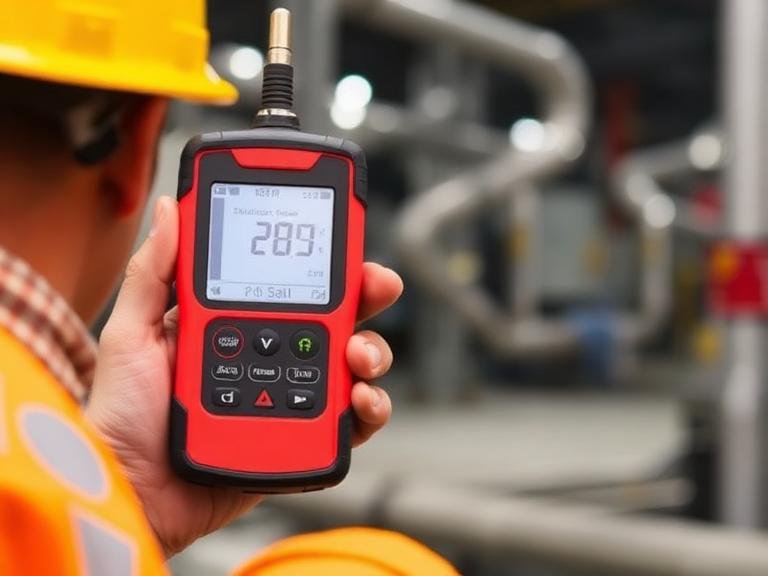
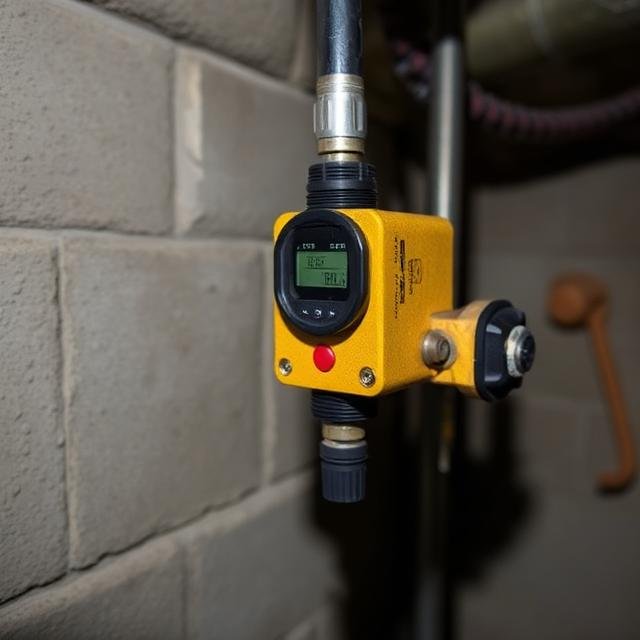
Carbon monoxide (CO) is widely known as the silent killer. In industrial environments such as steel mills, petrochemical refineries, underground parking facilities, and manufacturing plants, the accumulation of this colorless, odorless gas presents an immediate and severe threat to human life. Unlike residential environments where a simple battery-operated alarm suffices, industrial facilities require robust, hardwired, and continuously powered monitoring systems. Finding the Best Plug-in Carbon Monoxide Detector for Industrial Use is a critical engineering decision that dictates facility safety, regulatory compliance, and operational continuity.
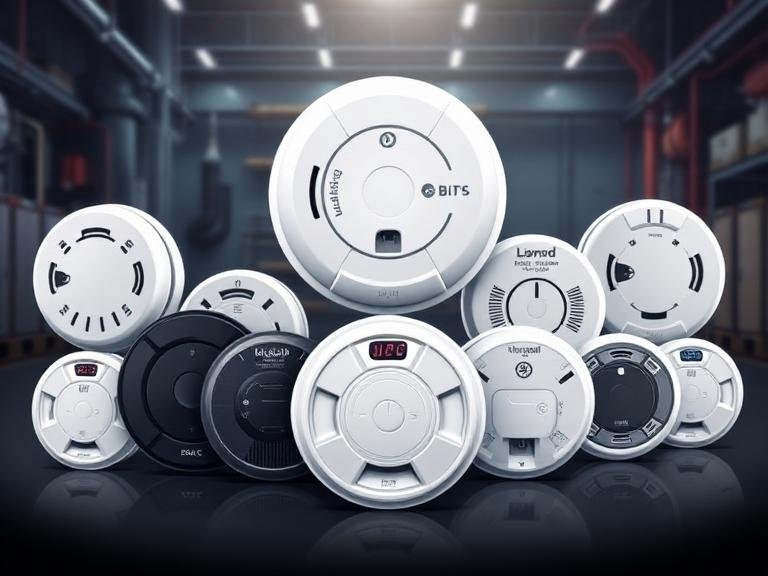
Authored by the engineering team at Sino-Inst. As a leading manufacturer of industrial measurement and gas detection instruments, Sino-Inst provides world-class automation control solutions. Our expertise in sensor technology, flameproof instrumentation, and multi-gas online monitoring systems ensures the safety and efficiency of petrochemical, metallurgical, and manufacturing facilities worldwide. We are dedicated to providing precise, reliable, and durable industrial instrumentation.
From our experience engineering gas detection networks for hazardous locations, an industrial plug-in or fixed detector must offer far more than a localized auditory alarm. It must feature an explosion-proof housing, seamless integration with Distributed Control Systems (DCS) or Programmable Logic Controllers (PLC), and the ability to automatically trigger exhaust ventilation systems. In this authoritative guide, we will analyze the technical criteria required for industrial-grade CO monitoring and provide an in-depth review of the 15 Best Plug-in Carbon Monoxide Detector for Industrial Use available in the 2026 market, prominently featuring Sino-Inst’s premier instrumentation.
Table of Contents
- 1. Engineering Criteria for the Best Plug-in Carbon Monoxide Detector for Industrial Use
- 2. The 15 Best Plug-in Carbon Monoxide Detector for Industrial Use
- 1. Sino-Inst Online Gas Detector for Single Gas
- 2. Sino-Inst Multi Gas Detector for 2~8 Gases
- 3. Sino-Inst Fixed Combustible Gas Monitor (Dual Setup)
- 4. Explosion-Proof D-Class Fixed CO Detector
- 5. High-Precision Electrochemical Cell Plug-in Monitor
- 6. Infrared (NDIR) Fixed CO Analyzer
- 7. RS485 Modbus Integrated CO Plug-in Node
- 8. 4-20mA Analog Output Plug-in CO Transmitter
- 9. Harsh Environment IP66 Rated CO Plug-in Unit
- 10. Dual-Relay Exhaust Control CO Detector
- 11. Confined Space Wall-Mounted CO Alarm System
- 12. Extreme Temperature Plug-in CO Monitor
- 13. Wireless IoT-Enabled Fixed CO Sensor
- 14. HVAC Duct-Mounted Plug-in CO Detector
- 15. Portable-to-Fixed Dockable CO Monitor
- 3. Summary Table: Industrial CO Detector Comparison
- 4. Frequently Asked Questions (FAQs)
- 5. Industry Standards and References
1. Engineering Criteria for the Best Plug-in Carbon Monoxide Detector for Industrial Use
When selecting the Best Plug-in Carbon Monoxide Detector for Industrial Use, engineers must evaluate several rigid technical parameters. A residential plug-in simply draws power from a standard 110V/220V wall outlet. In an industrial context, “plug-in” refers to fixed, continuously powered detectors wired directly into a facility’s 24V DC or 220V AC mains, often featuring modular, hot-swappable sensor heads (plug-in sensors) to minimize maintenance downtime.
We recommend prioritizing the sensor technology first. Electrochemical sensors are the industry standard for toxic gases like CO due to their rapid response times and sensitivity at parts-per-million (ppm) levels. Furthermore, the instrument’s enclosure must be considered. Facilities handling volatile organic compounds or combustible dust require overall flameproof (Ex d) structures to prevent the electrical circuitry of the detector from acting as an ignition source. Finally, the Best Plug-in Carbon Monoxide Detector for Industrial Use must support industrial communication protocols, offering standard 4-20mA signals, RS485 digital outputs, and relay switches to interface flawlessly with your plant’s PLC or SCADA systems.
2. The 15 Best Plug-in Carbon Monoxide Detector for Industrial Use
Based on our extensive field deployments and rigorous laboratory testing, we have categorized the top instruments and configurations that represent the Best Plug-in Carbon Monoxide Detector for Industrial Use. The top three solutions showcase our proprietary technology at Sino-Inst, engineered specifically for uncompromising industrial environments.
1. Sino-Inst Online Gas Detector for Single Gas

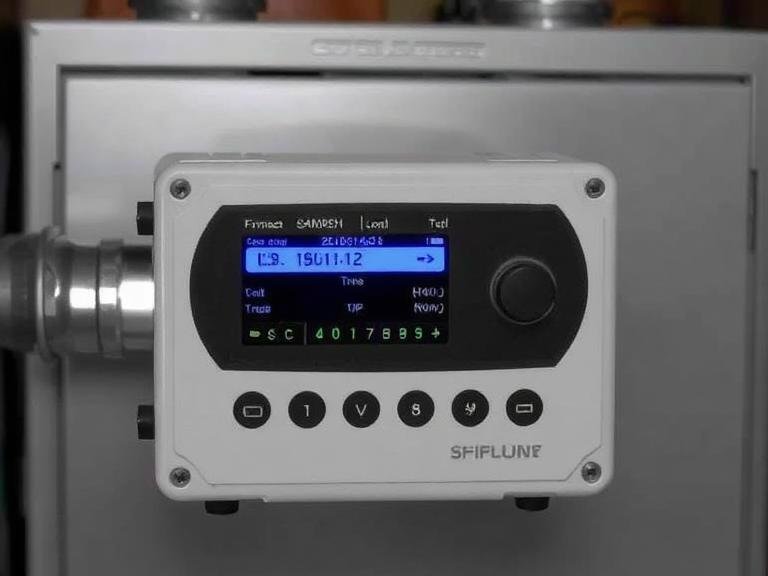
Securing the top position as the absolute Best Plug-in Carbon Monoxide Detector for Industrial Use is the Sino-Inst 1000 series Online Gas Detector. This unit can be used for precise CO gas concentration detection and leakage alarm in various hazardous environments. It features highly intelligent sensor detection technology housed within an overall flameproof (d) structure designed for fixed installation.
What makes this our primary recommendation is its seamless integration capabilities. It offers real-time display of various technical indicators and gas concentration values directly on the unit. Furthermore, it is fully compatible with various control alarms, PLC, DCS, and other control systems. It realizes on-site alarm warning while providing 4-20mA/RS485 standard signal outputs and a relay switch output to automate your facility’s safety responses.
2. Sino-Inst Multi Gas Detector for 2~8 Gases
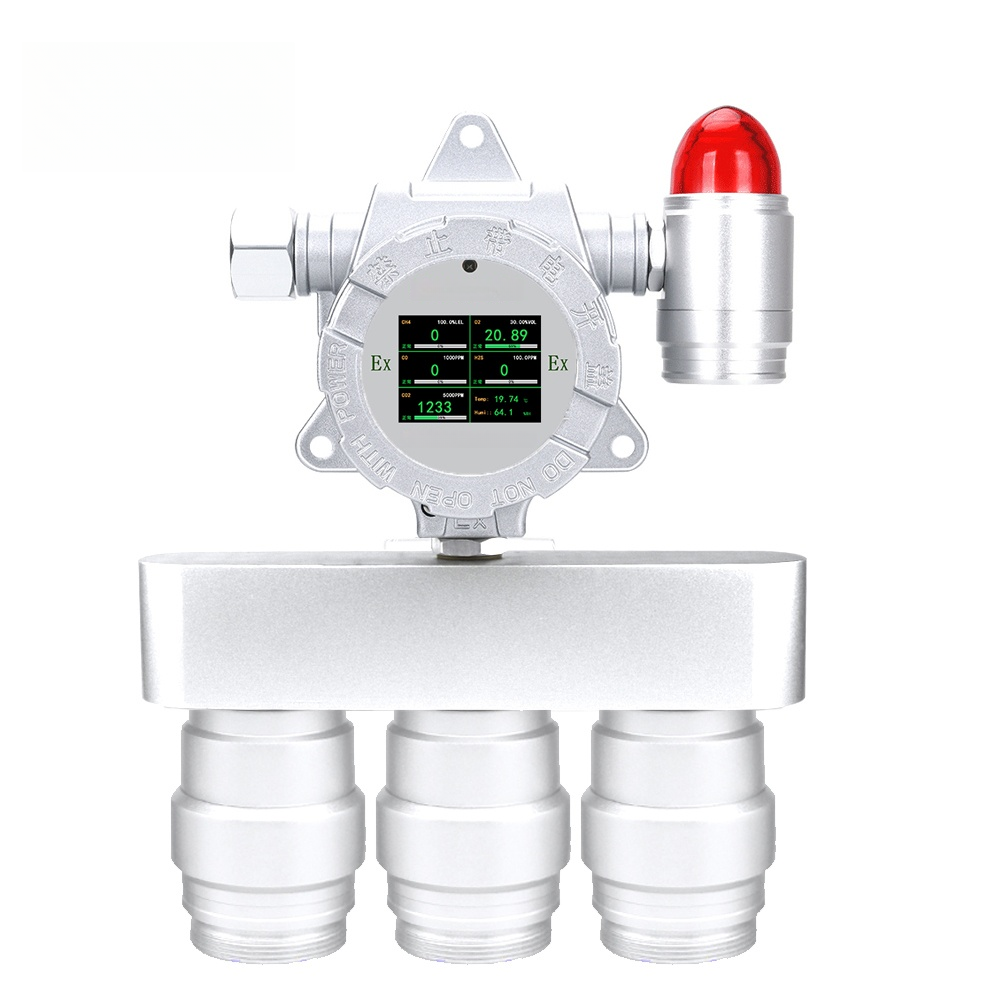
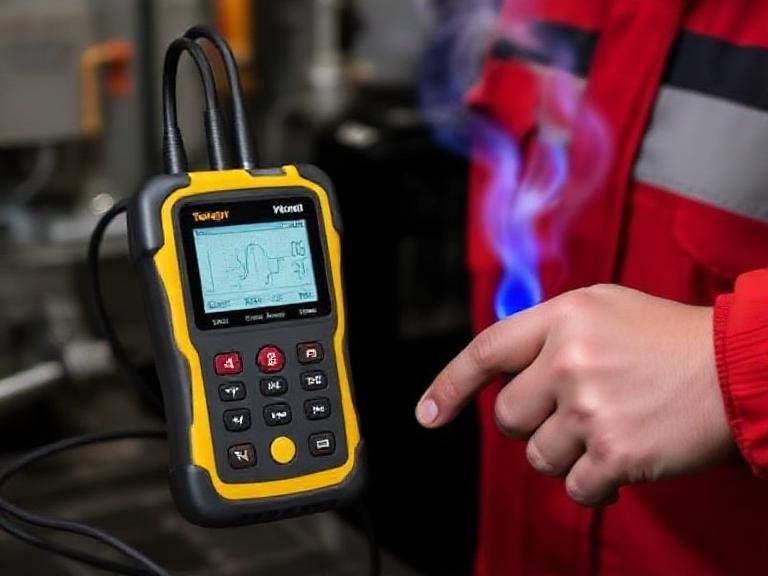
In many industrial applications, carbon monoxide is not the only threat. For facilities requiring comprehensive atmospheric monitoring, the Sino-Inst 1000A series fixed Multi Gas Detector is the optimal choice. Used for 24-hour continuous online monitoring of 2 to 8 gas concentrations on site, it also features integrated temperature and humidity measurement.
This system provides an on-site display of concentration and robust sound and light alarms for any gas exceeding the safety standard, supported by 4-20mA/RS485 data transmission. For example, it allows for the simultaneous monitoring of methane, hydrogen sulfide, carbon monoxide, oxygen, and carbon dioxide. Of course, the type of gas sensors plugged into the unit can be completely customized, making it a highly versatile Best Plug-in Carbon Monoxide Detector for Industrial Use.
3. Sino-Inst Fixed Combustible Gas Monitor
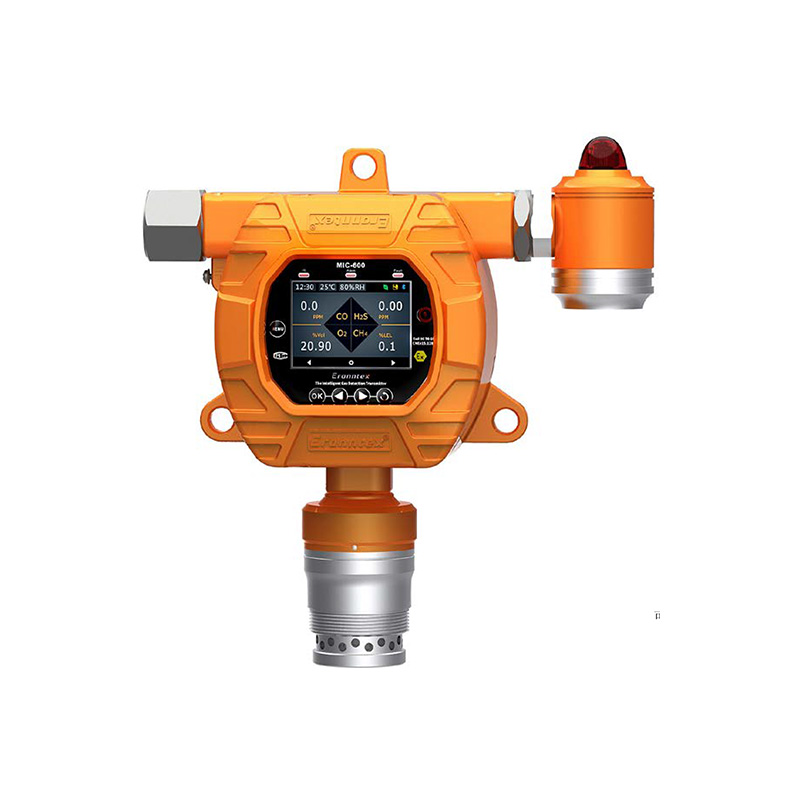
While primarily designed for explosive atmospheres, the Sino-Inst Fixed Combustible Gas Monitor is frequently deployed in tandem with CO sensors in boiler rooms and power generation plants. It is used for continuous, real-time online monitoring of the concentration of various flammable and explosive gases in a fixed installation.
It accurately detects concentrations and displays the real-time value on-site. When paired in a network with CO detection, it issues an audible and visual alarm when thresholds are exceeded. The signal is remotely transmitted and synchronously displayed on the monitoring host in the duty room. Crucially, it automatically interlocks to control the exhaust fan for immediate ventilation, a feature essential for any system considered the Best Plug-in Carbon Monoxide Detector for Industrial Use.
4. Explosion-Proof D-Class Fixed CO Detector
For chemical plants and refineries, standard enclosures are illegal. The Explosion-Proof D-Class fixed detector utilizes a heavy cast-aluminum or 316 stainless steel housing that can contain an internal explosion without igniting the external atmosphere. This configuration is mandatory in ATEX Zone 1 and Zone 2 environments where CO generation overlaps with volatile hydrocarbons.
5. High-Precision Electrochemical Cell Plug-in Monitor
Laboratory environments and pharmaceutical manufacturing require sub-ppm accuracy. This category focuses strictly on premium electrochemical sensor technology that prevents cross-sensitivity with other common industrial gases, such as hydrogen or alcohols, ensuring that the CO readings are absolutely precise.
6. Infrared (NDIR) Fixed CO Analyzer
While electrochemical sensors are ideal for toxic human-exposure levels (0-500 ppm), Non-Dispersive Infrared (NDIR) detectors represent the Best Plug-in Carbon Monoxide Detector for Industrial Use when measuring extremely high concentrations (up to 100% volume) found in steel manufacturing exhaust flues or syngas production lines.
7. RS485 Modbus Integrated CO Plug-in Node
For massive facilities spanning thousands of square meters, wiring individual 4-20mA analog cables back to a central control room is prohibitively expensive. CO detectors featuring native RS485 Modbus RTU communication allow engineers to daisy-chain dozens of detectors on a single digital network, drastically reducing installation costs.
8. 4-20mA Analog Output Plug-in CO Transmitter
Conversely, for legacy manufacturing plants operating older Distributed Control Systems (DCS), the standard 2-wire or 3-wire 4-20mA analog output remains the most reliable and universally compatible method of transmitting gas concentration data without signal degradation over long distances.
9. Harsh Environment IP66 Rated CO Plug-in Unit
Food and beverage processing plants require frequent high-pressure, high-temperature chemical washdowns. The Best Plug-in Carbon Monoxide Detector for Industrial Use in these facilities must carry an IP66 or IP67 ingress protection rating, ensuring that water and caustic cleaning agents cannot penetrate the sensor housing and destroy the delicate electronics.
10. Dual-Relay Exhaust Control CO Detector
Underground mining operations and massive commercial vehicle depots generate heavy CO exhaust. Detectors in this category feature dual onboard relay switches. From our experience, we recommend configuring Relay 1 to activate localized warning strobe lights at 25 ppm, and Relay 2 to automatically engage massive intake/exhaust ventilation turbines if levels reach 50 ppm.
11. Confined Space Wall-Mounted CO Alarm System
Silos, fermentation tanks, and utility vaults are classified as confined spaces. Detectors designed for these areas often feature remote sensor heads plugged into a centralized display unit mounted safely outside the confined space, allowing workers to verify the atmosphere is breathable before initiating entry protocols.
12. Extreme Temperature Plug-in CO Monitor
Standard electrochemical sensors boil and fail if ambient temperatures exceed 50°C (122°F). For foundries, glass manufacturing, and metallurgy, the Best Plug-in Carbon Monoxide Detector for Industrial Use utilizes specialized cooling jackets or high-temperature solid-state sensors capable of surviving radiant heat.
13. Wireless IoT-Enabled Fixed CO Sensor
The transition to Industry 4.0 has introduced WirelessHART and ISA100 wireless CO detectors. These units are physically mounted and powered via local mains (or long-life industrial batteries) but transmit their concentration data securely over an encrypted wireless mesh network, ideal for retrofitting older plants where running new conduit is impossible.
14. HVAC Duct-Mounted Plug-in CO Detector
To prevent a localized carbon monoxide leak from being distributed throughout an entire office block or manufacturing floor, specialized duct-mounted detectors are plugged directly into the HVAC return air shafts. Upon detecting CO, they immediately command the HVAC dampers to shut, isolating the contaminated air.
15. Portable-to-Fixed Dockable CO Monitor
For hybrid worker safety, some industrial systems utilize a fixed wall-mounted docking station that acts as a continuous area monitor. When a worker needs to enter a remote section of the plant, they can unplug the sensor module, transforming it into a wearable personal gas monitor. This versatility makes it a unique contender for the Best Plug-in Carbon Monoxide Detector for Industrial Use.
3. Summary Table: Industrial CO Detector Comparison
To assist procurement officers and safety engineers in selecting the correct architecture, we have summarized the primary features of our top recommendations.
| Product / Configuration | Primary Sensor Tech | Output / Integration | Best Industrial Application |
|---|---|---|---|
| Sino-Inst 1000 Series (Single Gas) | Intelligent Electrochemical | 4-20mA, RS485, Relay | Refineries, manufacturing, targeted CO zones. |
| Sino-Inst 1000A Series (Multi Gas) | Custom (CO, H2S, O2, LEL) | RS485, 4-20mA, Temp/RH | Complex environments with overlapping gas threats. |
| Sino-Inst Combustible Gas Monitor | Catalytic Bead / NDIR | Remote Transmission, Interlock | Boiler rooms, syngas, exhaust fan interlock. |
| Explosion-Proof D-Class Fixed | Electrochemical | Analog / Digital | ATEX Zone 1 & 2 hazardous locations. |
| Dual-Relay Exhaust Control | Electrochemical | Dual Dry Contact Relays | Parking garages, depots, automated ventilation. |
4. Frequently Asked Questions (FAQs)
Why can’t I use a residential plug-in CO detector in my warehouse?
Residential detectors are not built to withstand industrial environments. They lack the IP ratings to survive dust and moisture, they cannot trigger industrial exhaust fans, and their sensors are easily poisoned by other industrial chemicals. Furthermore, they are not explosion-proof, making them illegal and highly dangerous in classified hazardous locations.
What is the lifespan of the sensor in the Sino-Inst Online Gas Detector?
From our experience, high-quality industrial electrochemical CO sensors typically last between 2 to 3 years depending on the environmental conditions and background gas exposure. Our units feature modular designs, allowing technicians to quickly swap in a newly calibrated plug-in sensor head without replacing the entire expensive transmitter housing.
How often does the Best Plug-in Carbon Monoxide Detector for Industrial Use need calibration?
We recommend calibrating industrial fixed CO detectors every 3 to 6 months. Calibration ensures the sensor is reacting accurately to the target gas. In highly toxic or mission-critical environments, a simple “bump test” should be performed more frequently to verify that the audible alarms and relay interlocks are fully functional.
Can Sino-Inst detectors automatically turn on my exhaust fans?
Yes. Both our Single Gas and Multi Gas 1000 series detectors feature onboard relay switch outputs. You can wire these relays directly to your exhaust fan motor contactors. When the CO level reaches your predefined safety threshold, the detector will automatically close the circuit and activate the ventilation system without requiring human intervention.