.png)
In daily life, we use tap water every day, but have you ever stopped to think about is tap water a base or acid?
Understanding the pH value of tap water is not only a chemical issue, but it is also related to your physical health, the lifespan of the pipes in your home, and even the survival of your flowers and fish. Today, we will delve into the pH value of tap water and teach you how to detect and improve water quality like a professional.
Quick answer: Is tap water a base or acid?
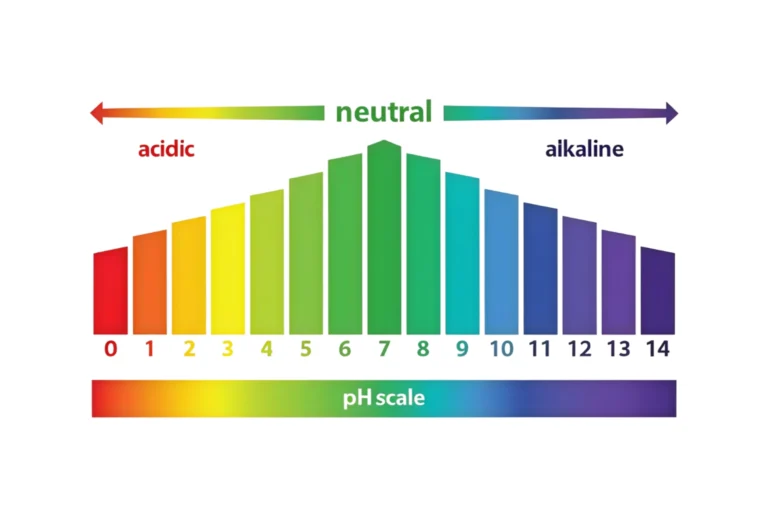
Normally, the pH value of tap water is between 6.5 and 8.5.
- PH 7.0 is neutral.
- Below 7.0 is acidic.
- Above 7.0 is alkaline (also known as alkaline water).
According to the World Health Organization (WHO) and drinking water standards of various countries, tap water is usually required to be kept in the near neutral range to prevent pipeline corrosion or chemical deposition. However, depending on where you live, the type of water supply (surface vs. groundwater), and how the water is treated at the plant, the water that comes out of your tap can be somewhat alkaline or acidic.
What is pH value?
The full name of pH is Potential of Hydrogen. Simply put, it is a ruler for measuring the acidity or alkalinity of a solution.
Chemical principle: pH value is defined as the negative logarithm of the activity of hydrogen ions in a solution.
Numerical range: The ruler range is usually from 0 to 14.
- PH<7: Acidic (such as vinegar, stomach acid).
- PH=7: Neutral (purified water).
- PH>7: Alkaline (such as baking soda, soapy water).
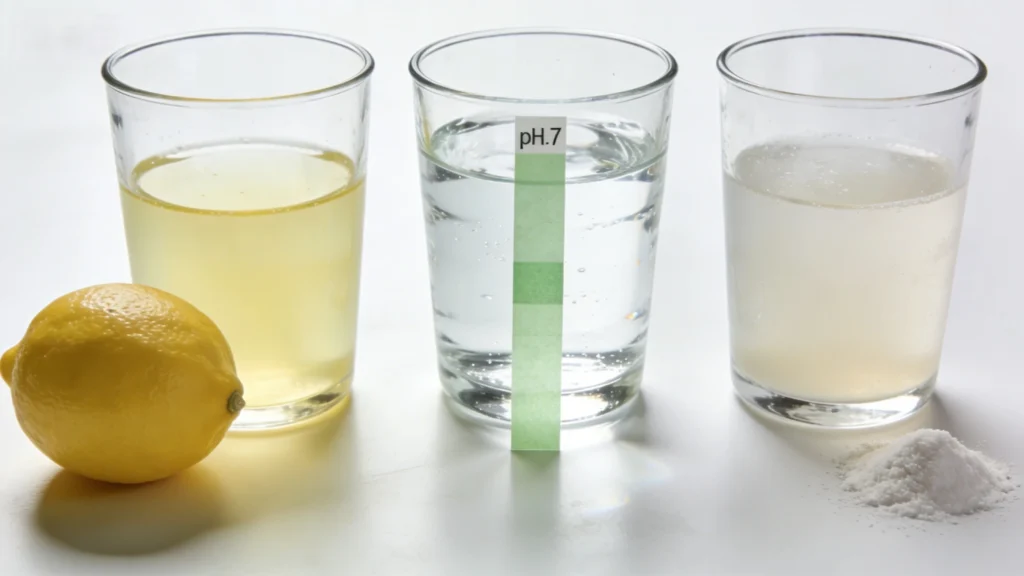
Deep Dive: If you want to learn more about the technical calculation of hydrogen ion concentration and how it works in different industrial water bodies, read our comprehensive guide: [What Is pH in Water? A Complete Guide to Understanding (2026)].
The importance of pH in tap water
PH value is not just a number, it directly affects the properties of water:
The impact on health: Although the human body has a strong acid-base regulation system, long-term consumption of water that deviates greatly from neutrality may affect taste. Some studies suggest that weakly alkaline water helps neutralize stomach acid in the body.
Impact on household facilities:
- If the water is too acidic (pH<6.5): the water is corrosive. It will slowly corrode your copper or lead pipes, causing heavy metals to seep into drinking water and leaving green rust on the sink.
- If the water is too alkaline (pH>8.5): Water is usually very “hard”. This can cause scale (calcium carbonate) to accumulate in water heaters, dishwashers, and showerheads, reducing the lifespan of appliances and even making your skin feel dry and itchy after showering.
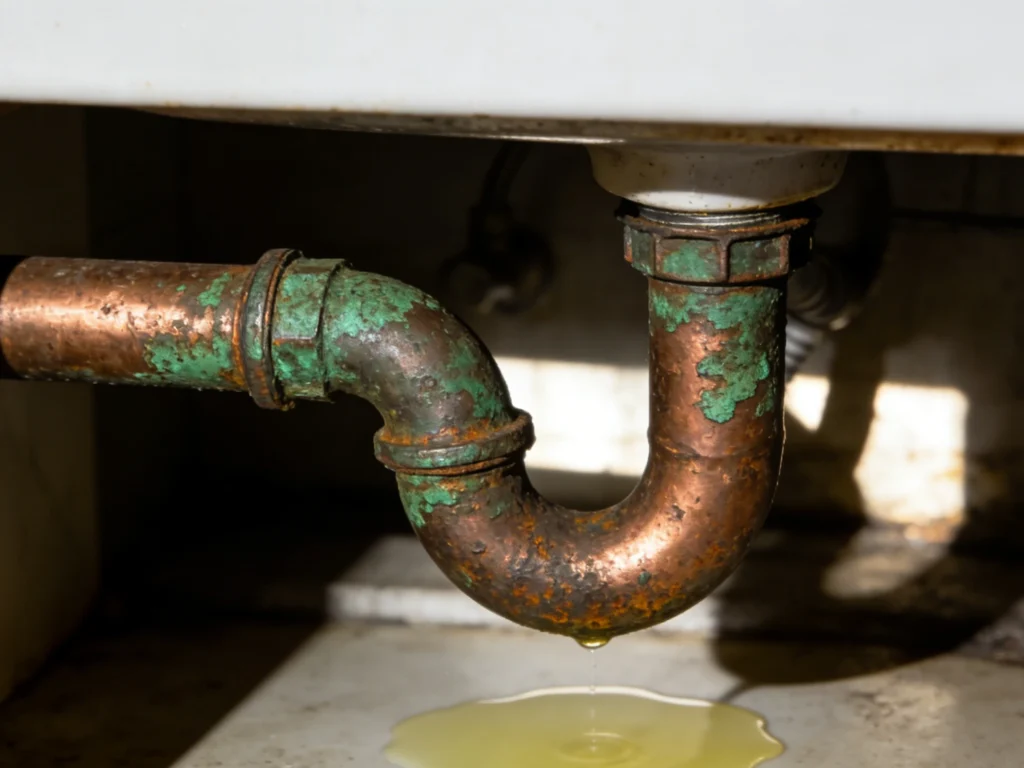
Comparison Table of pH Values of Common Liquids
| Type of Water | pH Range | Property |
|---|---|---|
| Lemon Juice | 2.0 – 3.0 | Strongly Acidic |
| Pure Water/Distilled Water | 7.0 | Neutral |
| Tap Water | 6.5 – 8.5 | Variable Range |
| Baking Soda Water | 8.0 – 9.0 | Alkaline |
| Soapy Water | 9.0 – 10.0 | Strongly Alkaline |
How to check the quality of tap water at home?
If you suspect that there is a problem with the water quality at home, you can make a preliminary judgment through the following “three step method”:
Step 1: Visual observation (chromaticity test)
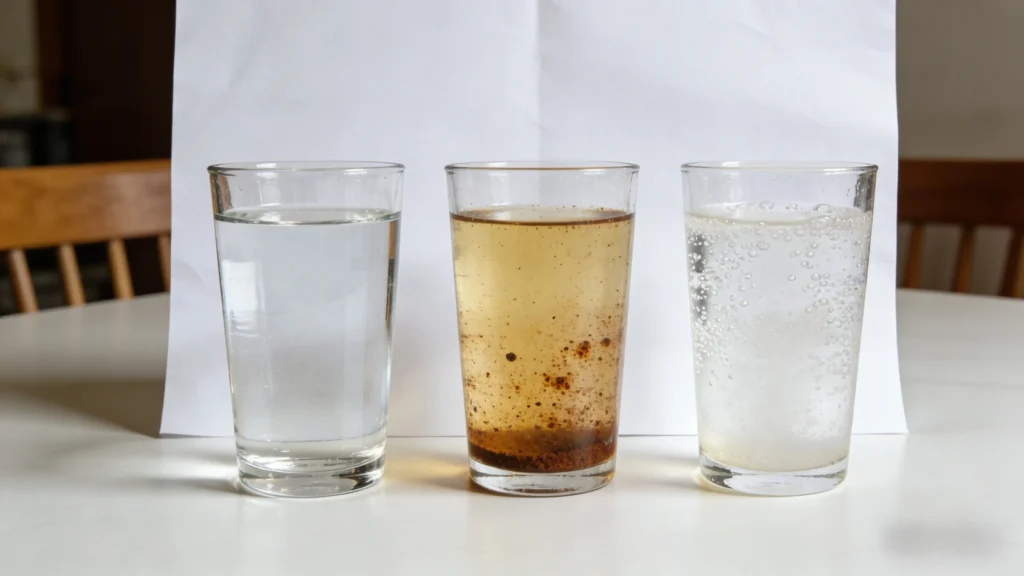
Pour a glass of water and place it in front of the white paper.
- Clear and transparent: This is the ideal state.
- Yellow or brown: usually indicates rust, which may be caused by corrosion of old pipelines (usually related to acidic water).
- White turbidity: may be caused by fine bubbles generated by water pressure, or mineral precipitation due to high hardness (alkaline water).
Step 2: Olfactory examination (odor judgment)
- Bleach powder flavor: indicates a high residual chlorine content.
- Stinky egg odor: may contain hydrogen sulfide or bacterial growth.
- Metallic odor: often indicates that the water quality is acidic and is corroding your metal water pipes.
Step 3: Use professional tools (pH and TDS)
If you need precise data, visual observation is not enough.
PH test paper: Low cost, but can only show approximate color.
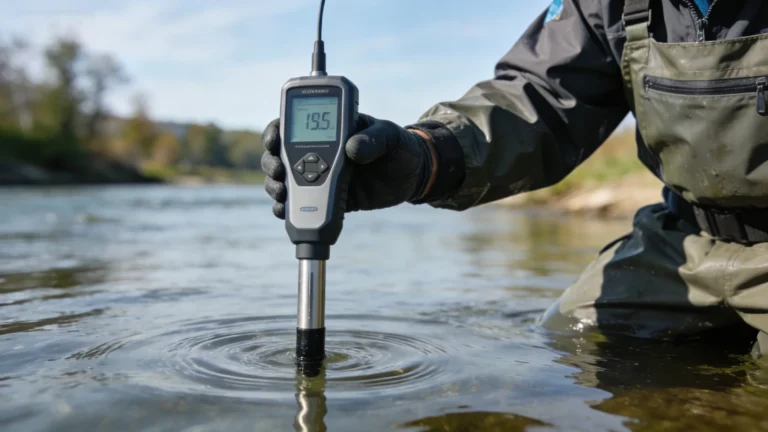
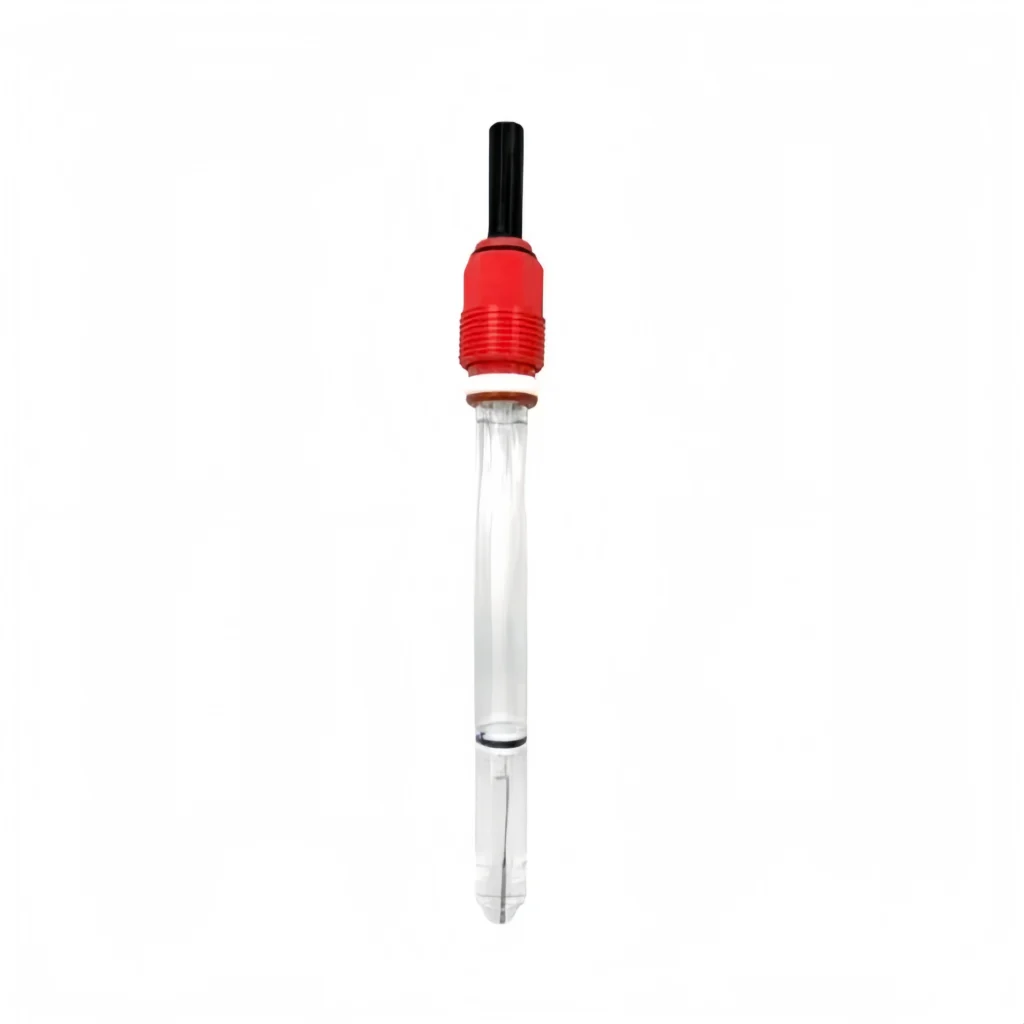
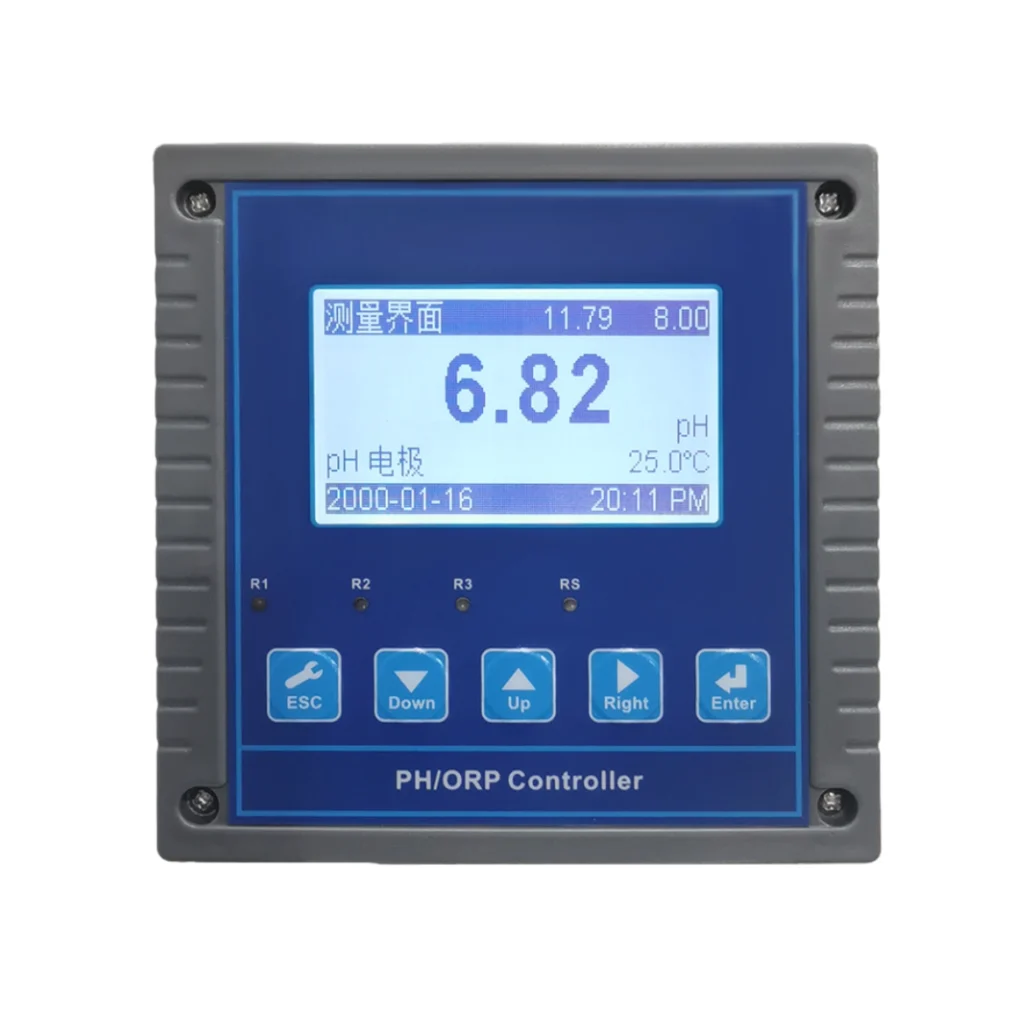
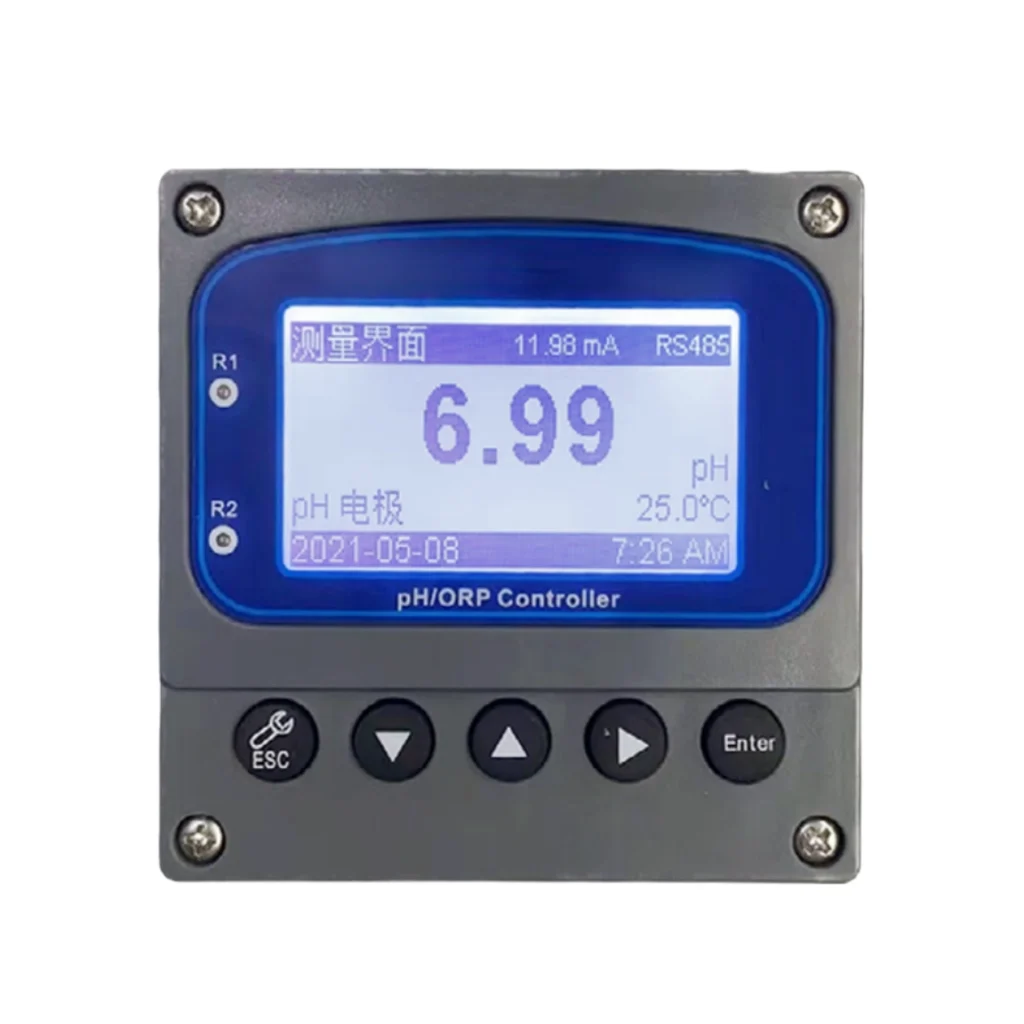
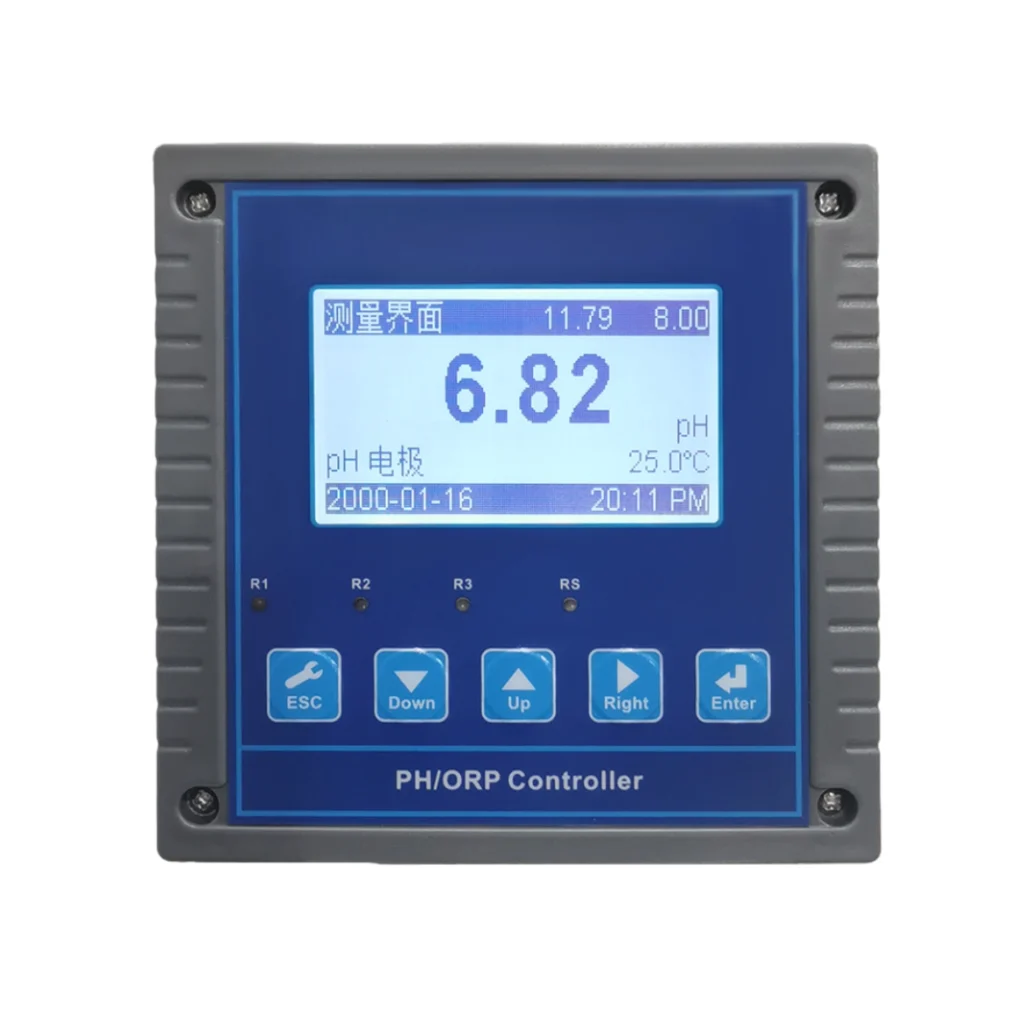
Digital pH detection meter: recommended for families with health requirements. The industrial grade high-precision pH sensor provided by Sino Inst can achieve real-time monitoring, ensuring that every drop of water is within a safe range.
TDS detector: measures the total amount of dissolved solids.
While test strips are cheap, they can’t account for temperature changes. Temperature Compensation (ATC) is crucial because pH readings change as water gets warmer or colder. Professional digital meters like those from Sino-Inst automatically adjust for this, giving you a laboratory-grade result.
Solutions: How to Balance Your Water pH
If the pH level is outside the optimal range when you test it, you can do the following:
- Water over acid: Install filters that neutralize acid, which commonly use calcite or magnesium oxide as the filter material.
- Water that is too alkaline or hard: An ion exchange water softener helps get rid of calcium and magnesium ions that cause scaling.
Benefits of Tap Water
Tap water is not only a basic livelihood guarantee, but its systemic advantages are often overlooked
- Safety controlled: Following extremely strict national standards (such as GB 5749), water quality is monitored in real-time 24 hours by professional online analyzers (such as Sino Inst turbidity meter and pH meter), which is more reliable than many bottled water.
- Economic and environmental protection: With extremely low cost and no need for plastic bottle packaging, it is the simplest way to reduce carbon footprint and practice sustainable living.
- Multifunctionality: With extremely high convenience, from drinking and cooking to irrigation and firefighting, the on-demand pressure system is an indispensable driving force in modern life.
- Public Health: Scientific fluoridation treatment (in specific areas) can help prevent dental caries, and this universal health benefit is a unique advantage of public water supply.

FAQ
Related Products
Is tap water acid or base? As we found, the answer isn’t just a number—it’s a reflection of your local environment and affects your daily well-being. A minor modification in water balance can protect your skin and hair and make your coffee taste great.
After learning the “Three-Step Method” for water quality testing, let us know!
Have you observed blue washbasin stains or white kettle scale?
Your city’s water usually tests what?
Comment with your results! Please share this tip with friends and family to keep them hydrated and healthy.
Request A Quote
More Resources
-
The Expert Guide to OSHA Requirements for Confined Space Air Monitoring
Navigating the complex landscape of industrial safety is a critical responsibility for any plant manager, safety officer, or environmental health professional. Among the…
-
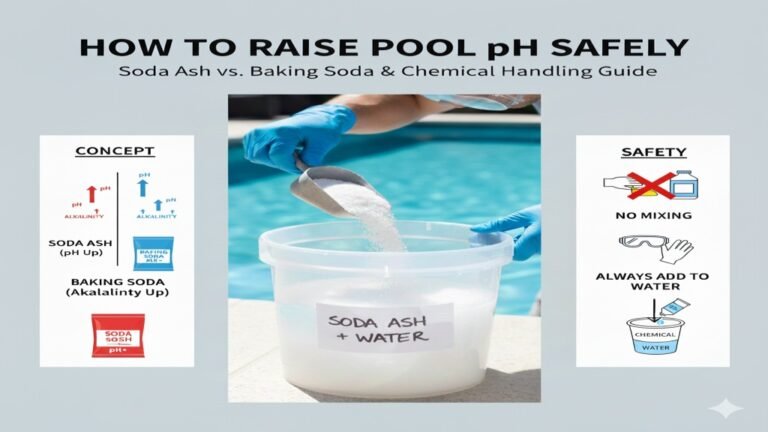
Does Chlorine Reduce pH in Pool?Owner Needs to Know in 2026
Does chlorine reduce pH? This issue remains at the core of water quality management when maintaining a clear and transparent swimming pool. Many…
-
7 Best portable carbon monoxide detector for International travel
Carbon monoxide (CO) is a silent, invisible, and lethal threat that claims thousands of lives globally every year. For the international traveler, the…
-
7 Best Sensor Gas Detector Systems for Industrial Safety in 2026
By Sino-Inst — Industrial Instrumentation Experts In modern industrial environments, the margin for error when managing hazardous gases is absolutely zero. Whether you…
-
What Best Gas Detectors Do Fire Departments Use?
Introduction to Fire Service Gas Detection When lives are on the line and seconds count, first responders cannot rely on guesswork. Identifying hazardous…
-
Top 10 Portable Carbon Monoxide Detector for Ice Fishing
Authored by Sino-Inst. We are a leading manufacturer and supplier of professional gas detection, flow measurement, and industrial instrumentation solutions. With decades of…