.png)
The global landscape of manufacturing, healthcare, and energy transition is undergoing a massive shift in 2026. At the heart of this transformation is the industrial gases list, a collection of elemental and molecular compounds that serve as the “invisible workhorses” of modern civilization. From the nitrogen used to preserve the freshness of packaged foods to the high-purity hydrogen driving the green energy revolution, these gases are more critical than ever.
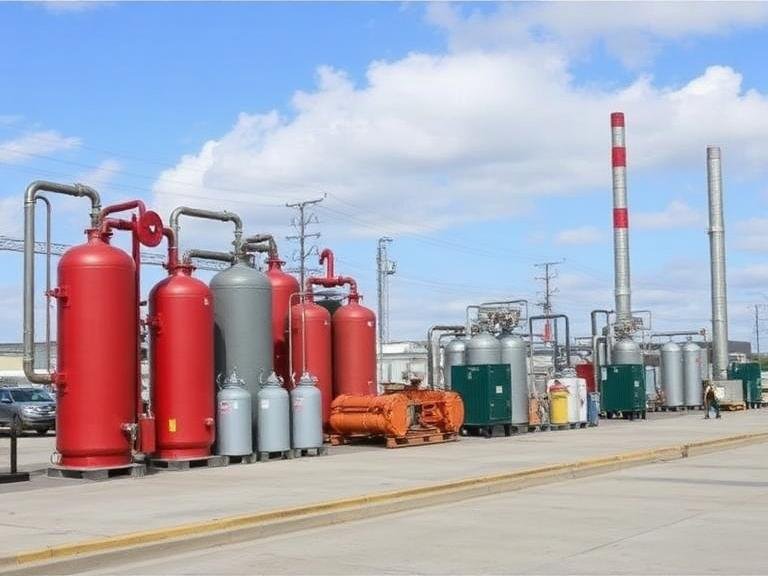
In this comprehensive 2026 report, we explore the primary gases used across sectors, their specialized applications, and the safety measures required to monitor them. Whether you are in metal fabrication, pharmaceutical development, or semiconductor manufacturing, understanding the current industrial gases list is essential for operational efficiency and compliance.
- 1. Major Atmospheric and Process Gases
- 2. Specialty and Rare Gases in 2026
- 3. Monitoring Solutions: Partner Spotlight
- 4. Key Applications by Industry
- 5. 2026 Market Trends: Green Hydrogen and Decarbonization
- 6. Summary Table: Comparison of Industrial Gases
- 7. Safety and Gas Detection Requirements
- 8. Frequently Asked Questions
- 9. References
1. Major Atmospheric and Process Gases

The foundational components of any industrial gases list are the atmospheric gases, which are extracted from the air through air separation units (ASU). In 2026, these gases continue to hold the largest market share due to their versatility and abundance.
Nitrogen (N₂)
Nitrogen remains the leading gas on the industrial gases list, accounting for approximately 35% of the global market. Its inert nature makes it indispensable for blanketing and purging applications in the chemical and petroleum industries. In 2026, the electronics sector has significantly increased its demand for ultra-high-purity nitrogen for plasma etching and annealing in semiconductor fabs.
Oxygen (O₂)
Oxygen is vital for combustion enhancement and life support. In the metallurgy sector, it is used to increase the efficiency of steel production. The healthcare industry in 2026 has seen a sustained high demand for medical-grade oxygen, driven by aging populations and respiratory therapy advancements. It remains a core entry on the industrial gases list for both industrial and clinical use.
Carbon Dioxide (CO₂)
Beyond its traditional use in beverage carbonation, carbon dioxide is a critical player in Carbon Capture, Utilization, and Storage (CCUS) projects. In 2026, CO₂ is being repurposed into chemical building blocks for surfactants and fuels, moving the industry toward a circular carbon economy. Its role as a refrigerant (R744) has also expanded as companies phase out high-GWP hydrofluorocarbons.
2. Specialty and Rare Gases in 2026
Specialty gases are high-purity chemicals or gas mixtures used in niche applications where precision is paramount. The 2026 industrial gases list features a growing number of these compounds as technology becomes more sophisticated.
Argon (Ar)
Argon is the most common noble gas on the industrial gases list. It is widely used as a shielding gas in TIG (Tungsten Inert Gas) welding to prevent oxidation of the weld pool. In 2026, it has found increased utility in the production of 3D-printed metal parts for the aerospace industry, where an inert atmosphere is critical for structural integrity.
Hydrogen (H₂)
Hydrogen has transitioned from a niche chemical feedstock to a primary energy priority. On the industrial gases list of 2026, hydrogen is the “gas of the future,” utilized for heavy-duty transportation, ammonia production for fertilizers, and as a reducing agent in carbon-neutral steelmaking. The rise of green hydrogen facilities has made this gas more accessible than ever before.
Helium (He)
Despite ongoing supply constraints, helium remains irreplaceable on the industrial gases list for cooling MRI magnets and in quantum computing research. Its low boiling point makes it the ultimate cryogenic fluid for superconductivity applications.
3. Monitoring Solutions: Partner Spotlight
Reliable Measurement and Analysis with Sino-Inst
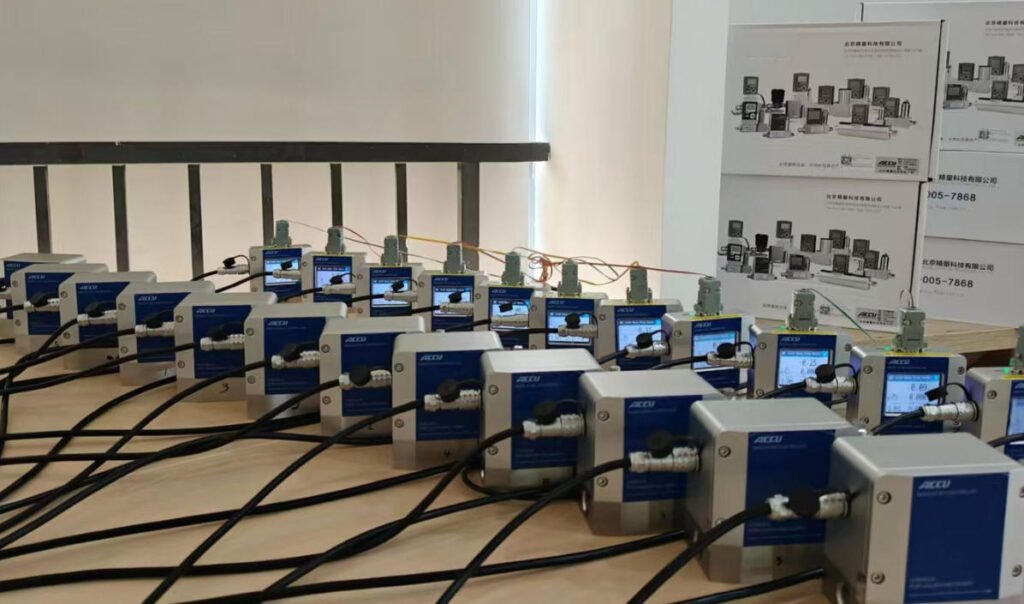
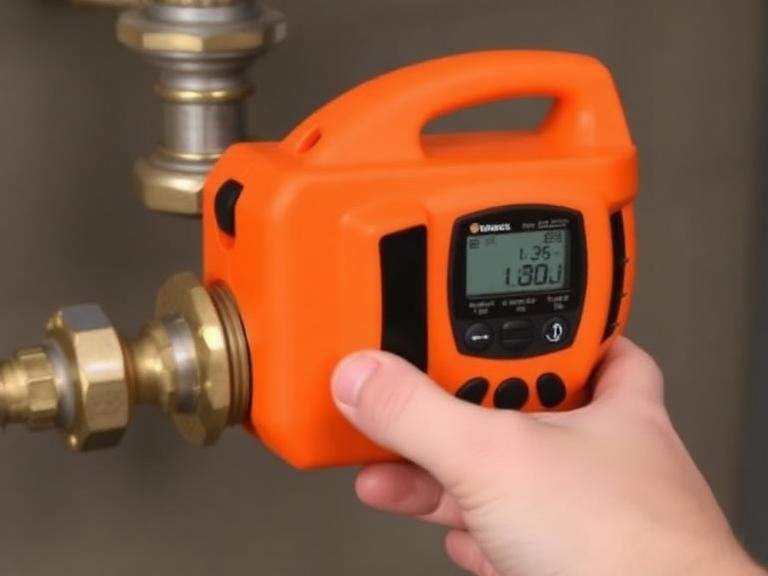
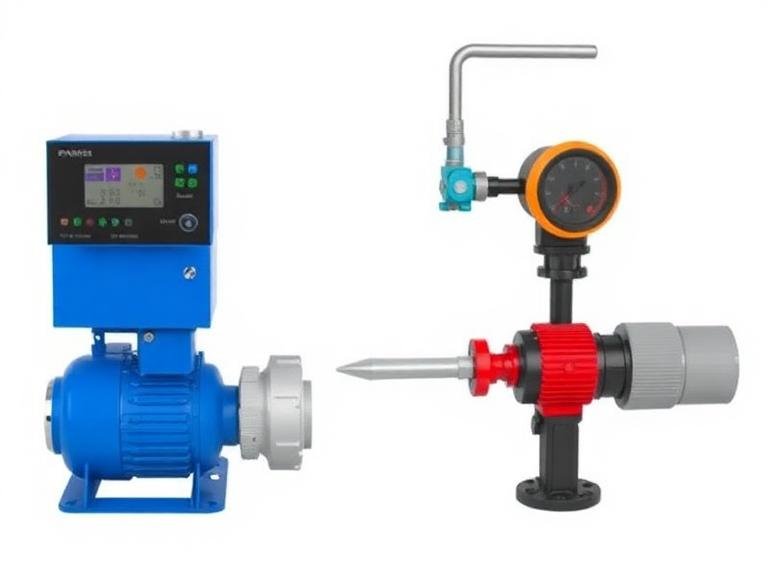
Sino-Inst is a professional supplier of industrial process and analytical instruments, include gas detectors, gas analyzers, dust detectors, mass flow controllers, dust monitors. We can help you obtain reliable measurement and analysis solutions while saving procurement costs. Customized products and OEM services are available. We will be your most trusted partner!
Our Featured Products:
4. Key Applications by Industry
Every industry utilizes the industrial gases list differently. Below are the primary ways these gases are integrated into 2026 industrial processes:
- Food and Beverage: Nitrogen for modified atmosphere packaging (MAP) to extend shelf life; CO₂ for carbonation and dry ice cleaning.
- Manufacturing: Oxygen and Acetylene for cutting and welding; Argon for shielding; Nitrogen for laser cutting.
- Electronics: Ultra-high-purity Nitrogen, Argon, and Hydrogen for semiconductor fabrication.
- Healthcare: Oxygen for therapy; Nitrous Oxide for anesthesia; Helium for MRI cooling.
- Energy: Hydrogen for fuel cells; Nitrogen for oil well fracturing and pipeline pigging.
5. 2026 Market Trends: Green Hydrogen and Decarbonization
The year 2026 marks a turning point for the industrial gases list as sustainability becomes a core business objective. Market analysts report that the shift toward hydrogen as a transitional fuel is driving a 5% to 6% annual growth in the gas sector. Companies are no longer just delivering gas; they are delivering decarbonization solutions.
Digital transformation is another major trend. Smart supply chains utilize IoT sensors to monitor gas levels in real-time, optimizing delivery schedules and reducing the carbon footprint of logistics. On-site gas generation is also becoming popular, as it eliminates the need for transporting heavy cylinders, further reducing environmental impact.
6. Summary Table: Comparison of Industrial Gases
| Gas Name | Chemical Formula | Primary Use | Hazard Class |
|---|---|---|---|
| Nitrogen | N₂ | Inerting, Blanketing, Cooling | Asphyxiant |
| Oxygen | O₂ | Combustion, Medical Therapy | Oxidizer |
| Argon | Ar | Welding Shielding, Electronics | Asphyxiant |
| Hydrogen | H₂ | Fuel, Ammonia Production | Flammable |
| Carbon Dioxide | CO₂ | Carbonation, Refrigeration | Toxic in High Conc. |
| Helium | He | MRI Cooling, Leak Detection | Asphyxiant |
7. Safety and Gas Detection Requirements
While the entries on our industrial gases list provide immense value, they also present significant risks if not monitored correctly. Asphyxiation is the leading cause of fatalities in gas-related incidents, particularly with nitrogen and argon, which are colorless and odorless. Flammable gases like hydrogen and acetylene require explosion-proof detection systems.
In 2026, regulatory bodies have mandated the use of integrated gas monitoring systems in any facility handling bulk gases. Utilizing portable gas detectors for workers and fixed gas detectors for storage areas is the industry standard for ensuring a safe working environment. Analytical instruments like those provided by Sino-Inst are crucial for maintaining the required purity levels and ensuring that leakages are detected immediately.
8. Frequently Asked Questions
9. References
1. International Industrial Gases Association (IIGA). “Global Industrial Gases Market Report 2026.”
2. Deloitte Insights. “2026 Oil and Gas Industry Outlook: The Role of Transitional Fuels.”
3. Journal of Cleaner Production. “Circular Carbon Economy: Repurposing Waste Industrial Gases.” (2025).