.png)
How to raise pH in pool? If you’ve noticed swimmers complaining about stinging eyes or your pool heater corroding too quickly, these are classic signs of low pH (acidic water).
When your pool’s pH drops below 7.2, the water turns aggressive—eating away at metal equipment, irritating skin, and damaging pool plaster. In this guide, we’ll share the exact chemicals to use, common mistakes to avoid, and why smart pool owners use automation to prevent low pH for good.
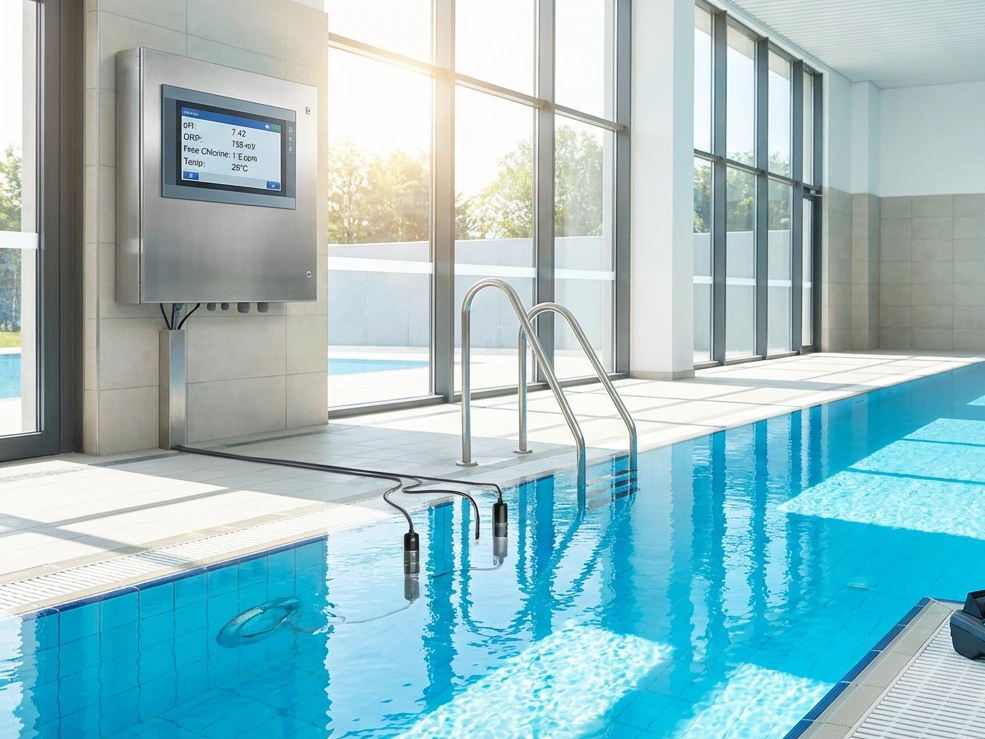
A Quick Guide to Why pH of the pool Matters
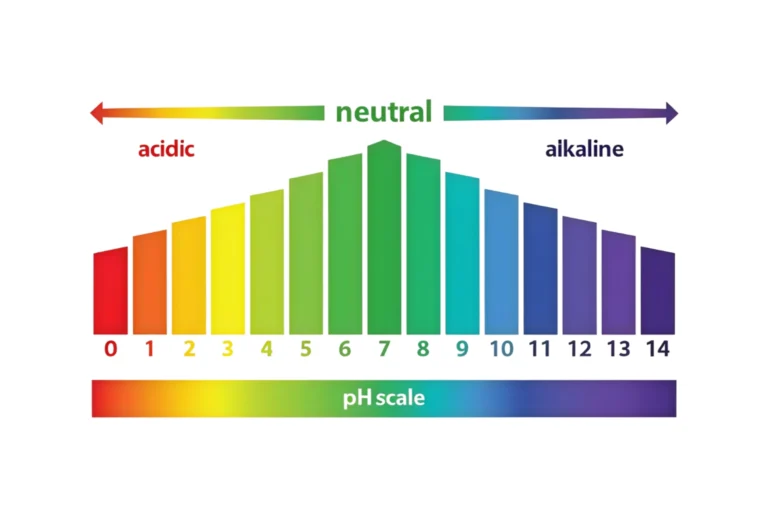
It is very important to keep the pH level between 7.2 and 7.8, with 7.4 to 7.6 being the best range. This range is the same as the body’s natural pH, which keeps swimmers comfortable by preventing skin and eye discomfort.
pH directly affects how well disinfectants work, in addition to comfort. Chlorine works best in this range. If it goes outside of this range, it loses its ability to destroy germs, which could lead to the growth of bacteria and algae. It also safeguards your infrastructure: low pH (<7.2) eats away at metal and equipment, and high pH (>7.8) makes water murky and scales.
Changing the pH by hand is generally not very effective.Automated control systems keep an eye on and does the water all the time,making sure the quality stays the same.We Sino-Inst sell industrial-grade pH sensors and controllers that are built to work reliably for a long time in pools and water treatment facilities.

What causes a low pH value in the swimming pool?
The decrease in pH value in swimming pools is usually caused by the following reasons:
- Stagnant Water
- When the water circulation in the swimming pool is insufficient, carbon dioxide in the air will gradually dissolve into the water, forming weak acids and lowering pH.
- Using acidic chemicals
- Chlorine Gas
- Some acidic cleaning agents
- These will lower the pH value during disinfection or cleaning processes.
- Frequent rainfall or water replenishment
- Rainwater or some supplementary water sources that are inherently acidic can also affect the water quality of swimming pools.
- High usage rate
- Sweat, body secretions, etc. may also affect the acid-base balance of water.
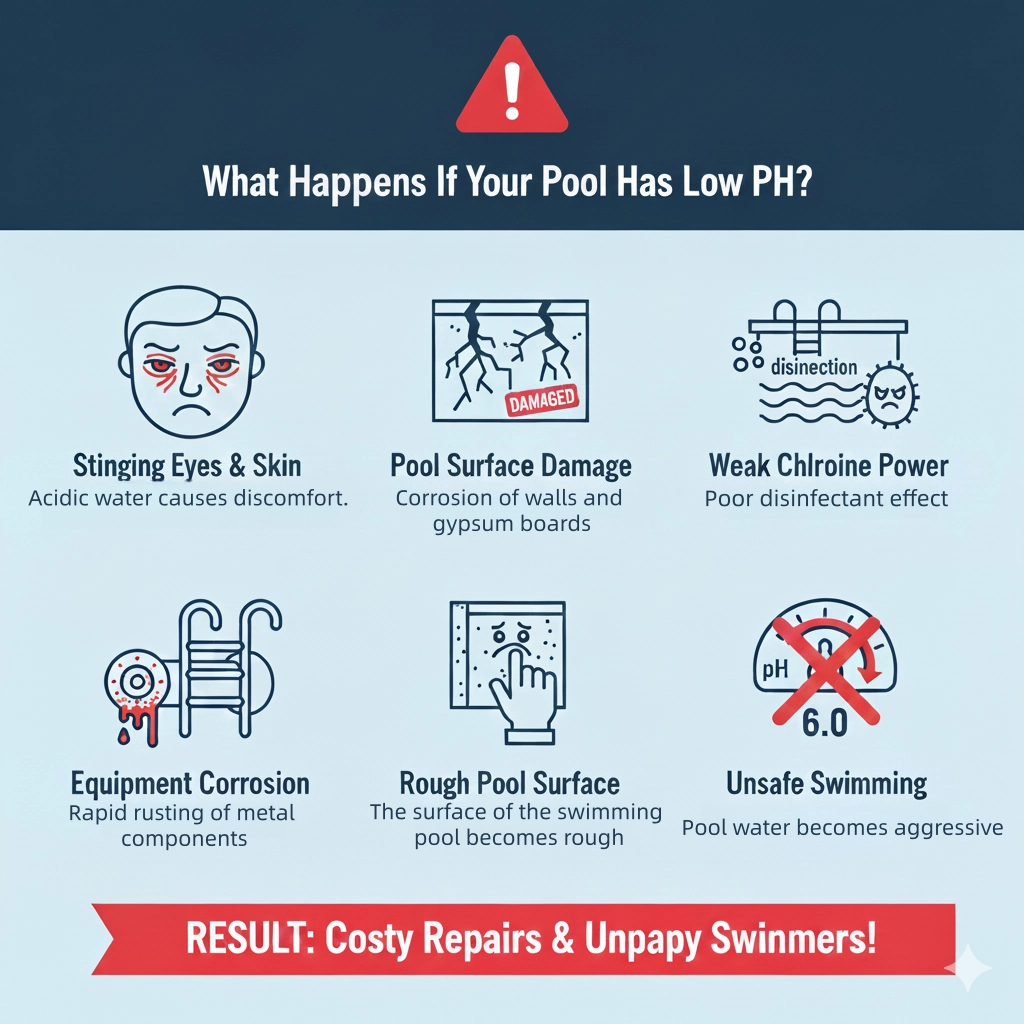
What happens if my pool has low pH?
A diving pool’s water will become acidic if the pH level is too low. This could lead to the following issues:
How to measure the pH of the pool?
When is the best time of day to measure pH?
The best testing time is in the morning or evening, avoiding testing in strong sunlight.
Strong light can affect reagent reactions and may also cause measurement errors.
How often should pH be checked?
- Private swimming pool: at least 2-3 times a week
- Public swimming pool/commercial swimming pool: 1-2 times a day, or as required by local regulations
After high usage frequency or large dosage, the detection frequency should be increased.
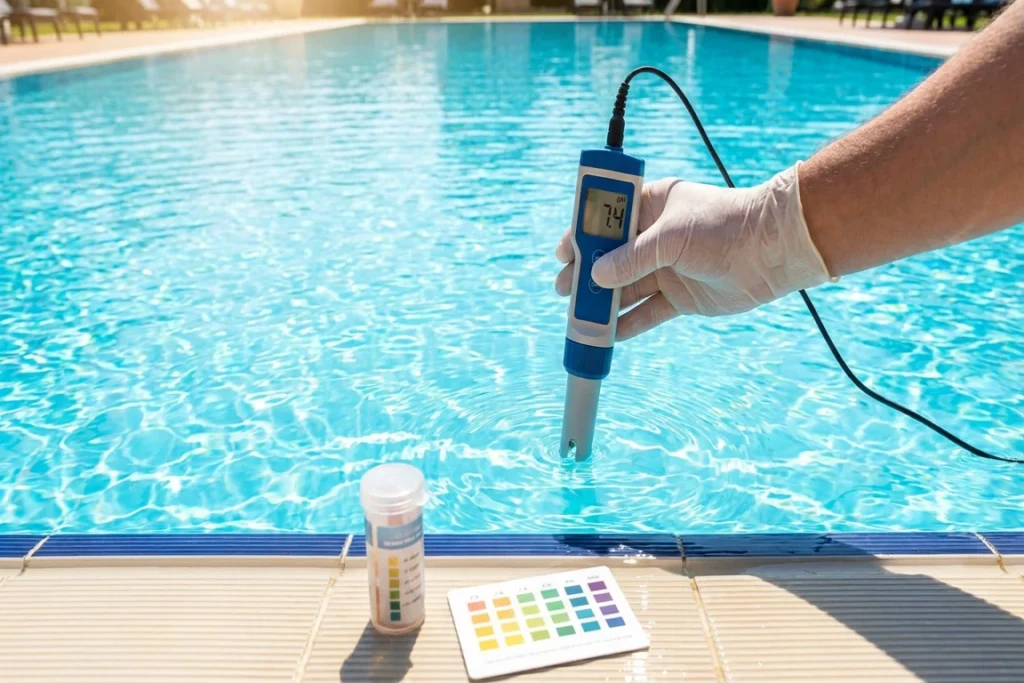
Which testers work best to find out the pH of water?
Some common ways to measure are:
- Test strips
It is quick and cheap, but not very accurate. - Test kits for liquids
Very accurate, good for daily care - Online pH controller or electronic pH meter
The best level of accuracy, good for commercial pools and automated management systems
The Advanced Choice: Online pH controller Monitoring For commercial pools or owners who value precision, manual testing is often “too little, too late.” By the time you see a low reading on a test strip, the damage to your heater may have already begun.
Sino-Inst’s Digital Sensors provide 24/7 real-time data. Instead of a snapshot in time, you get a continuous live feed of your water quality, allowing for proactive management rather than reactive panic.
Soda Ash vs. Baking Soda: Which One Should You Use?
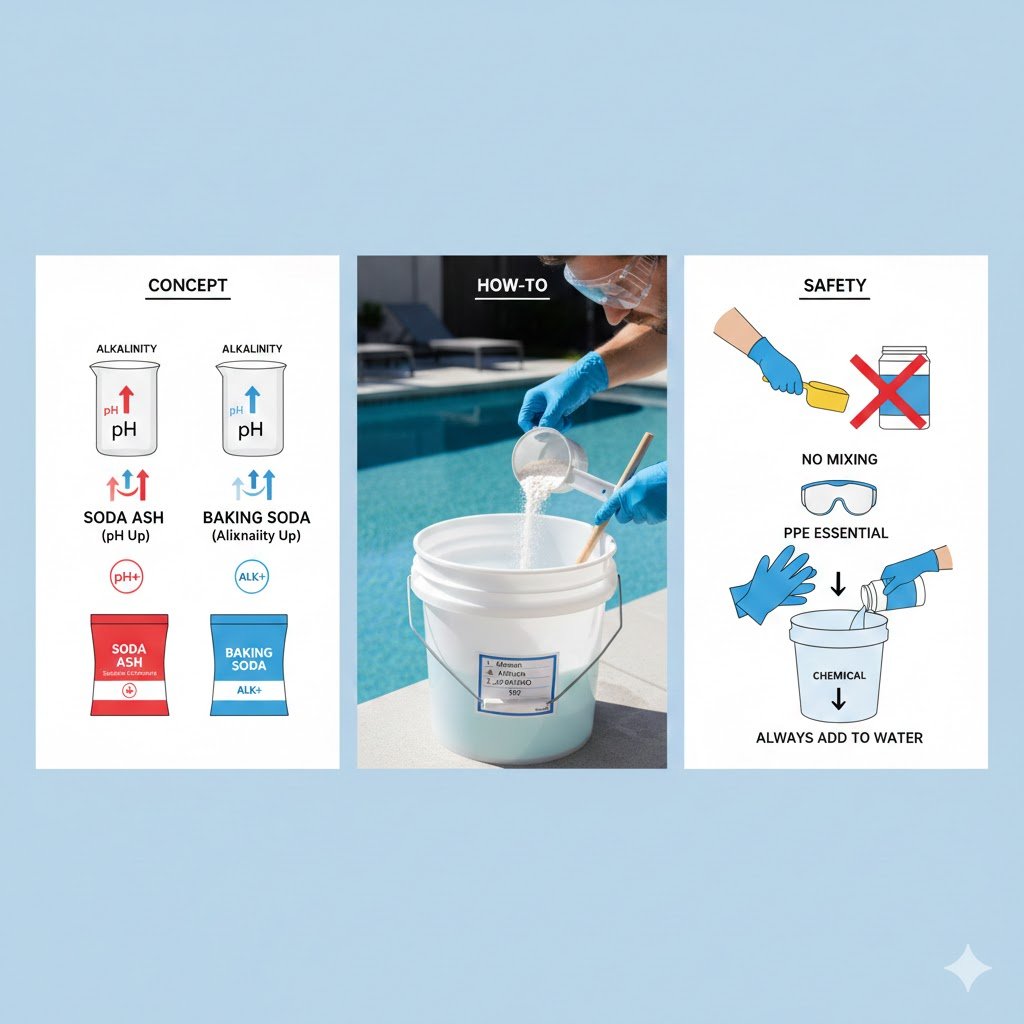
Soda ash (sodium carbonate) and baking soda (sodium bicarbonate) are the two most common chemicals used to raise the pH and alkalinity of swimming pool water.
Both work, but they do so in different ways.
The main difference is that soda ash is better for quickly raising pH and alkalinity at the same time, while baking soda is better for raising alkalinity without changing pH too much. If you choose the wrong one, you could end up with water that is too alkaline and unstable.
Comparison: Soda Ash vs Baking Soda
| Chemical | Effect on pH | Effect on Alkalinity | Best Used When |
|---|---|---|---|
| Soda Ash (Sodium Carbonate) | Strong increase | Moderate increase | pH is too low and needs fast correction |
| Baking Soda (Sodium Bicarbonate) | Mild increase | Strong increase | Alkalinity is low but pH is near ideal |
How to raise pH in pool?
Common pH enhancers include:
- Soda Ash/Sodium Carbonate
The effect of increasing pH is fast, but it may also increase alkalinity at the same time - Baking Soda/Sodium Bicarbonate
Mild increase in pH while increasing total alkalinity
The choice of product depends on the current pH and alkalinity levels.
Typically, to raise pH by 0.2 units in a 10,000-gallon pool, you will need approximately 6 ounces of Soda Ash.
The Automated Solution: Why Smart Pools Stay Balanced
Manual dosing is a “rollercoaster”—you add chemicals, the pH spikes, then it slowly drops again. Automation creates a “flat line” of perfect balance.
How It Works:
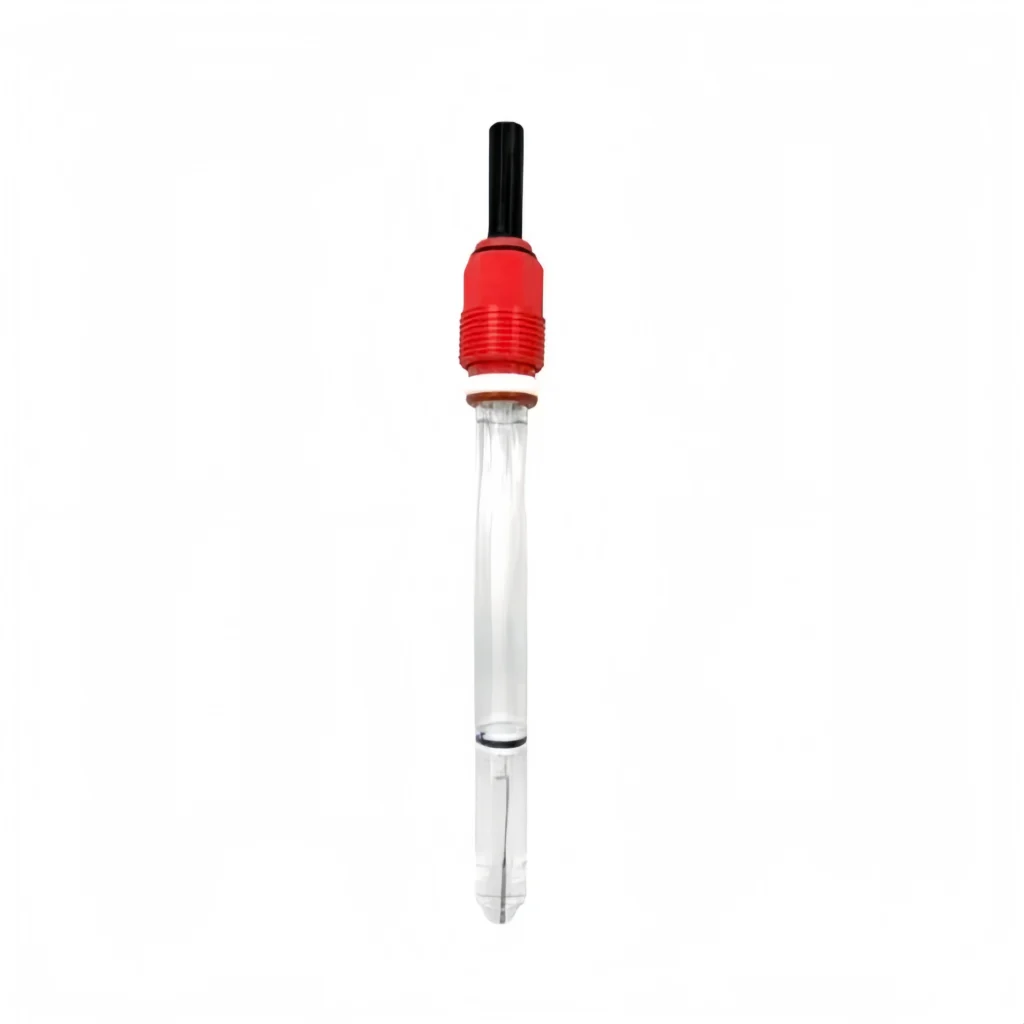
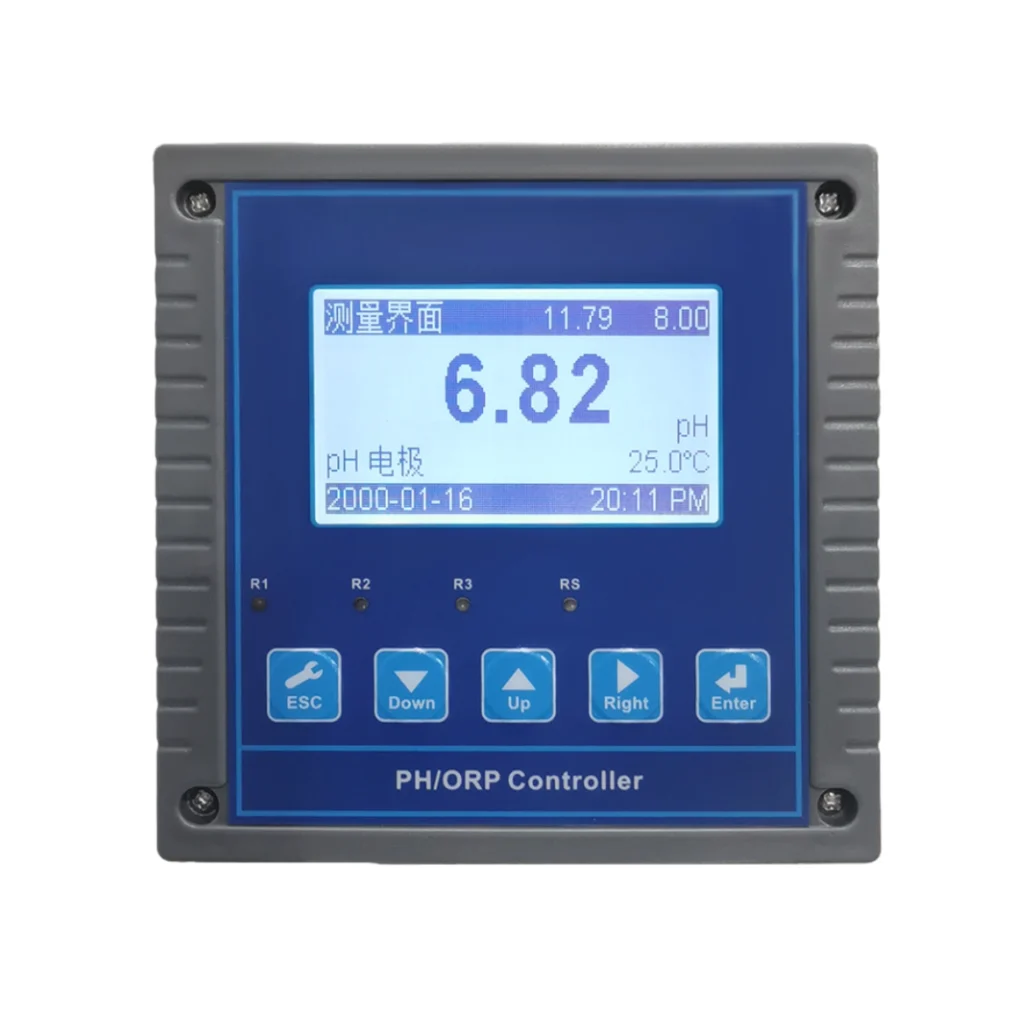
- Continuous Sensing: An industrial-grade sensor (like the Sino-Inst pH Controller) sits in your circulation line, measuring water every second.
- Smart Controller: The controller receives the data. If it detects the pH dropping below 7.4, it triggers the next step.
- Precision Dosing: A chemical feed pump injects tiny, precise amounts of pH increaser (liquid soda ash) or CO₂ .
The Result: You save up to 30% on chemical costs by avoiding “over-dosing,” and you never have to worry about manual calculations again.
Why do measures still fail to see a change in pH?
If your Total Alkalinity is too low (below 80 ppm), your pH will ‘bounce’ and be impossible to stabilize. Always check Alkalinity before adjusting pH.
Usually, if there is no change, there will still be these reasons:
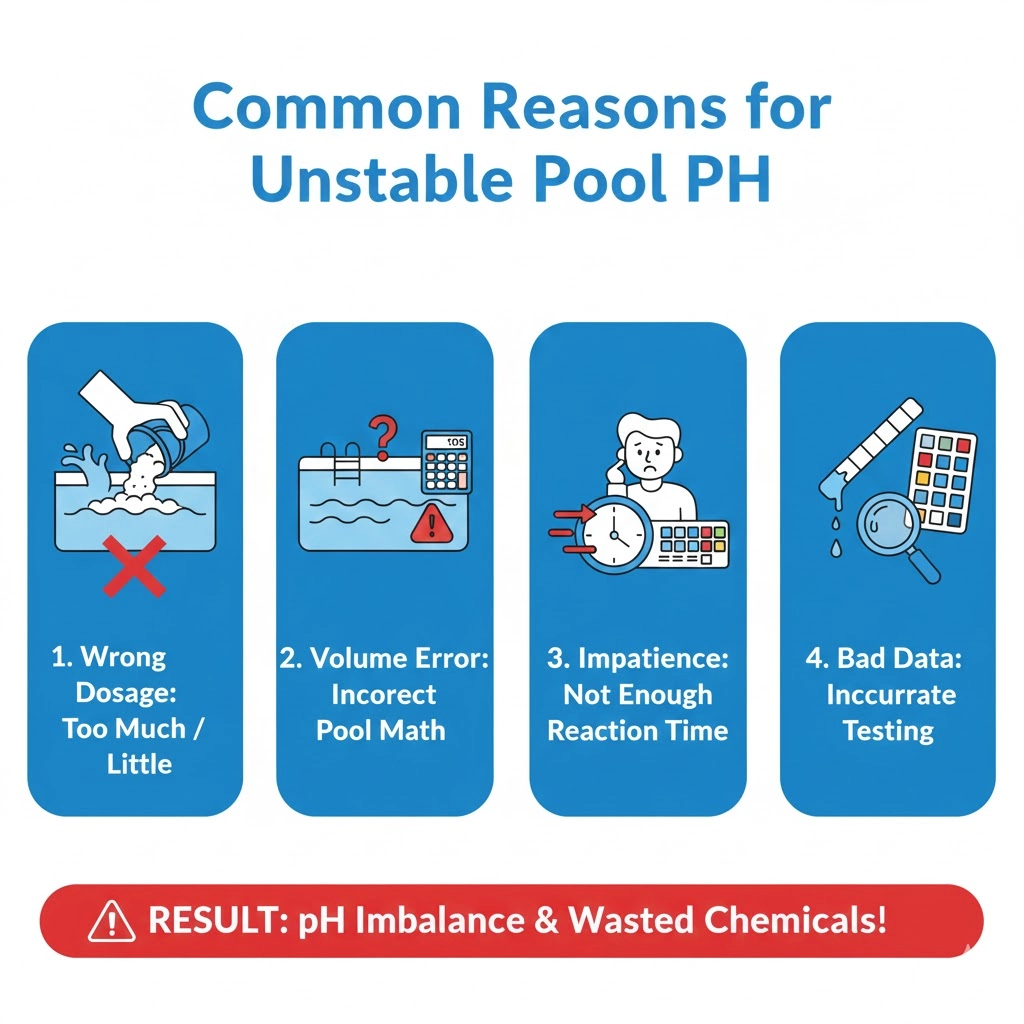
👉 Solution:
Always adopt the method of “small dosage, multiple adjustments” and ensure the continuous operation of the water pump.
Safety Tips When Raising pH & Alkalinity in Swimming Pools
When increasing the pH and alkalinity of the swimming pool, please pay attention to safety:
- Wear personal protective equipment (PPE)
Rubber gloves, protective goggles, non slip shoes, long sleeved clothing - Follow the principles of chemical use
👉 Always add chemicals to water, not pour water into chemicals - Avoid adding large quantities at once

FAQ
Related Products
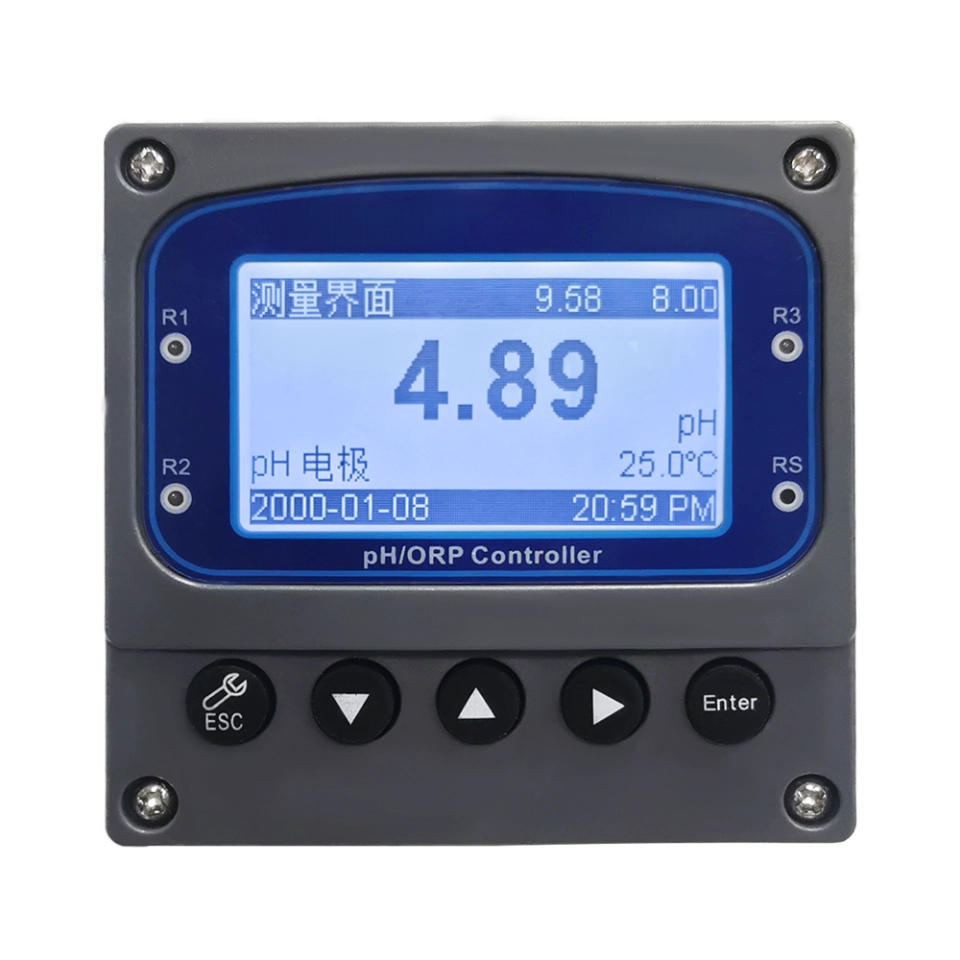
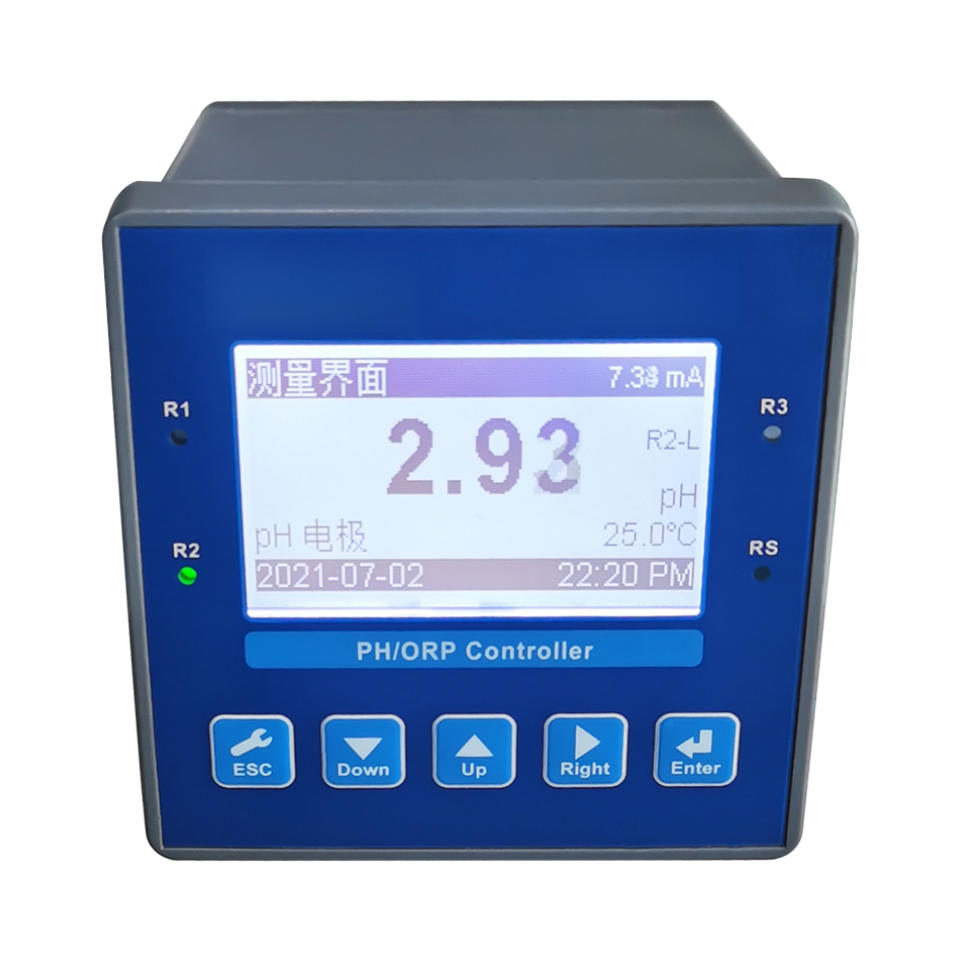
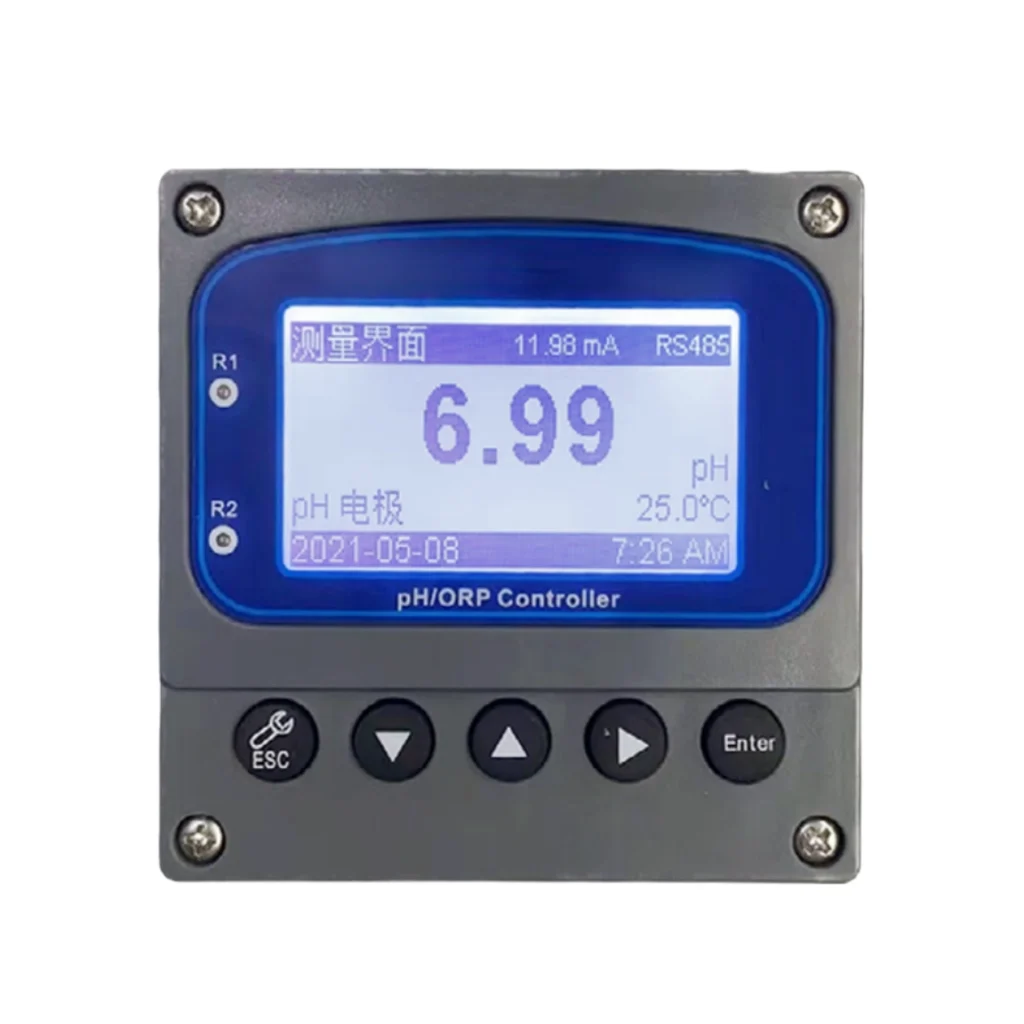
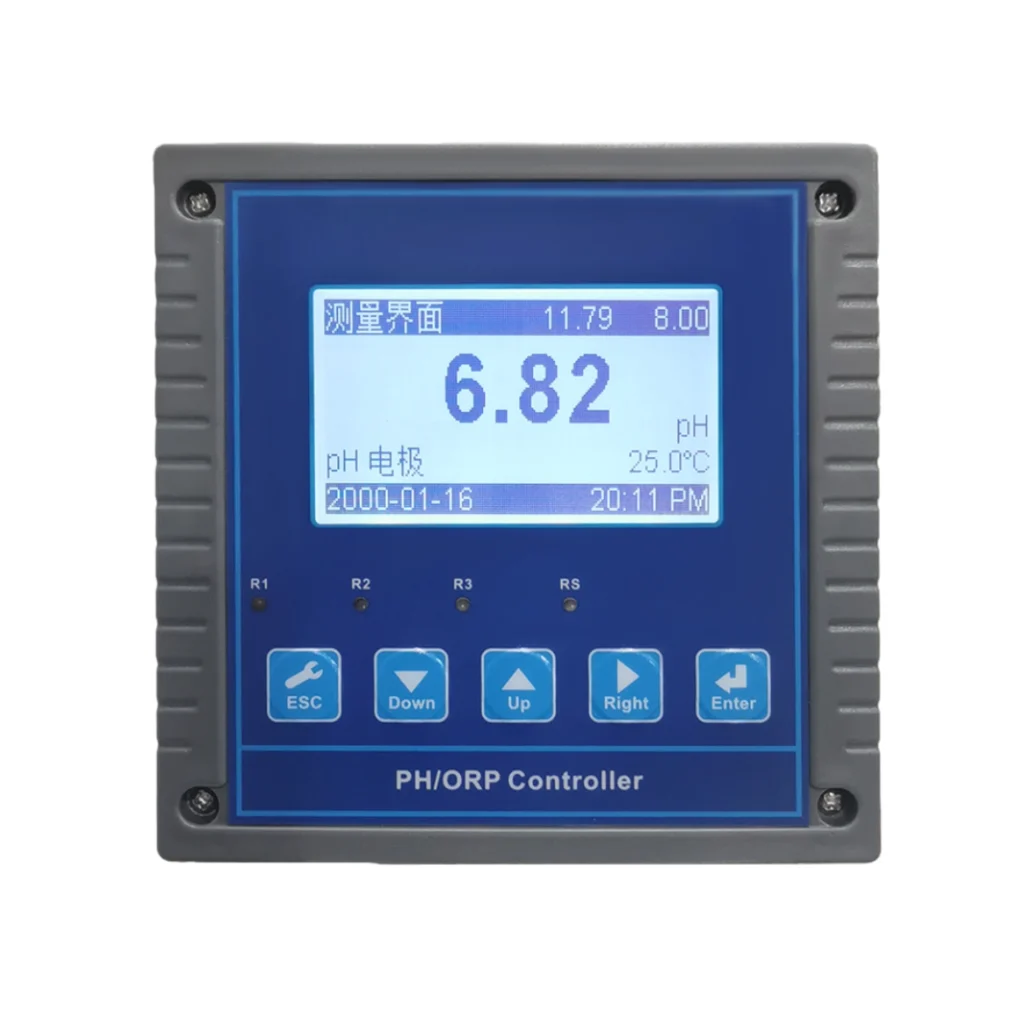
pH/ORP Controllers
Conclusion: Automate, not chase numbers
It doesn’t take frequent testing and hand dosing to maintain the ideal pH balance. Soda Ash and Baking Soda are critical maintenance tools, but the best pool operators reduce physical work.
An Automated pH Controller protects your pool investment, improves swimmer comfort, and reduces chemical waste. Sino-Inst specializes in precision. Our industrial-grade sensors provide accurate monitoring for high-traffic commercial water parks and luxury private pools.
Ready to simplify pool upkeep? Contact us for your customized plan.
Request a Quote
More Resources
-
The 10 Best Digital carbon monoxide detectors 2026: An Industrial Guide
Carbon monoxide (CO) remains one of the most hazardous invisible threats in industrial, commercial, and residential environments. Colorless, odorless, and tasteless, it requires…
-
Can gas detectors detect multiple gases simultaneously?
In the complex and often hazardous world of industrial manufacturing, petrochemical processing, and confined space operations, ensuring the safety of personnel is the…
-
Surface Water vs Groundwater: A Comprehensive Guide to Water Quality
In the domains of environmental engineering and industrial water management, knowing the basic differences between surface water vs groundwater is not just an academic…
-
What is the pH of Reverse Osmosis Water? The Complete Science Guide (2026)
If you have ever been curious about ‘what is the pH of reverse osmosis water?’, you are not alone. This is one of…
-
The Top 8 Portable CO Detector for Car Use
Introduction: The Silent Threat in Automotive Cabins Carbon monoxide (CO) is a colorless, odorless, and highly toxic gas generated by the incomplete combustion…
-
6 Best Mass Flow Controller for Liquids: An Expert Technology Guide
In modern industrial automation, pharmaceutical manufacturing, and semiconductor fabrication, the precise control of fluid dynamics is a fundamental requirement. Relying on outdated volumetric…