.png)
If you’re searching for how to get rid of chlorine in water, you probably want better‑tasting tap water, healthier skin, or safe water for your aquarium.
But most online guides only give half the answer. They tell you what to do—filter, boil, wait—but not why it works, or how to verify it’s actually gone.
This guide gives you the full picture.
✅ 4 proven removal methods + exact dosage formulas
✅ How to test for chlorine (because “no smell” ≠ “no chlorine”)
✅ When to keep chlorine vs. when to remove it
✅ Professional‑grade solutions for home and industry
Quick Answer: How to Get Rid of Chlorine in Water (4 Methods)
| Method | How It Works | Time | Best For |
|---|---|---|---|
| Evaporation | Chlorine gas escapes to air | 2-24 hours | Single glass, zero cost, emergency |
| Activated Carbon | Adsorption + catalytic reduction | Instant | Daily drinking water, best balance |
| Vitamin C | Chemical neutralization | Seconds | Bathing, aquariums, large volumes |
| Reverse Osmosis | Physical membrane rejection | Instant | Highest purity, DBP removal, heavy metals |
Why Is Chlorine in Your Water?
Chlorine is added to public water supplies to kill bacteria and viruses. It’s one of the greatest public health achievements of the 20th century—typhoid and cholera deaths dropped by more than 90% after chlorination began.
But chlorine also causes:
Unpleasant taste and odour (harmless, but annoying)
Disinfection byproducts (DBPs) – formed when chlorine reacts with organic matter. Long‑term exposure to high DBP levels is regulated by the EPA (THMs ≤80 µg/L, HAAs ≤60 µg/L).
Your goal determines your method.
Just want better taste? → Evaporation or basic carbon filter.
Worried about DBPs? → Activated carbon or RO.
Need zero chlorine for aquariums/sensitive skin? → Vitamin C or RO.
Free Chlorine vs. Total Chlorine — Why It Matters
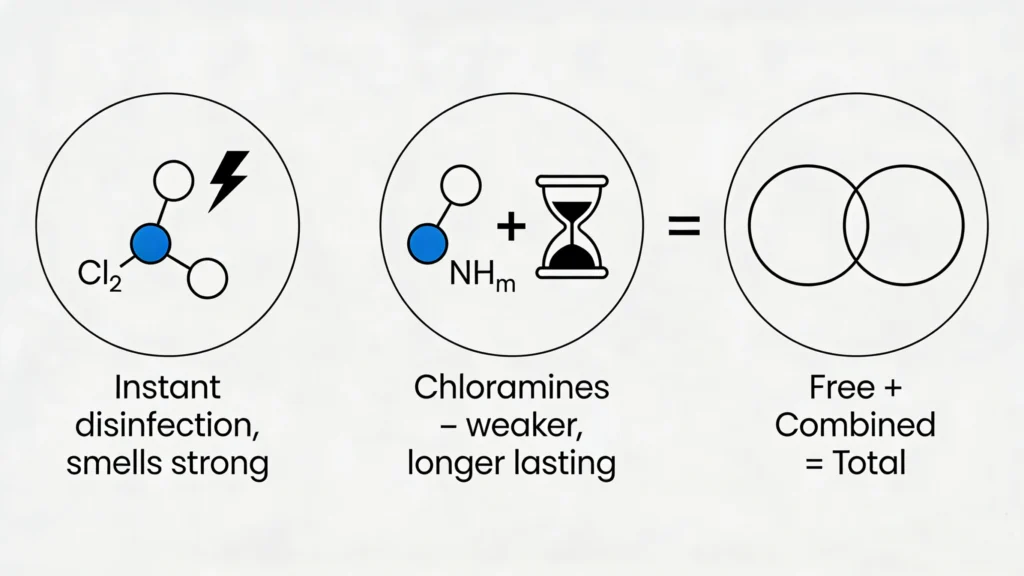
Free chlorine (HOCl/OCl⁻) is the active disinfectant that smells and tastes strong.
Combined chlorine (chloramines) is chlorine bound to ammonia – weaker, slower, but harder to remove.
Total chlorine = free + combined.
Why this matters for “how to get rid of chlorine”:
Standard carbon filters remove free chlorine instantly, but remove chloramines slowly – you need catalytic carbon.
Test strips that only measure free chlorine miss chloramines completely.
📘 For the complete technical breakdown, see our dedicated guide:
👉 Total Chlorine vs Free Chlorine: The Complete Industrial Monitoring Guide (2026)
Four Ways to Get Rid of Chlorine
Evaporation (Zero Cost)
How: Chlorine is a dissolved gas. Leave water open to air – it escapes.
Time: 2‑4 hours for noticeable odour reduction; 24h for complete removal.
Best for: Single glass, baby bottle, emergency.
❌ Does NOT remove DBPs – they are non‑volatile.
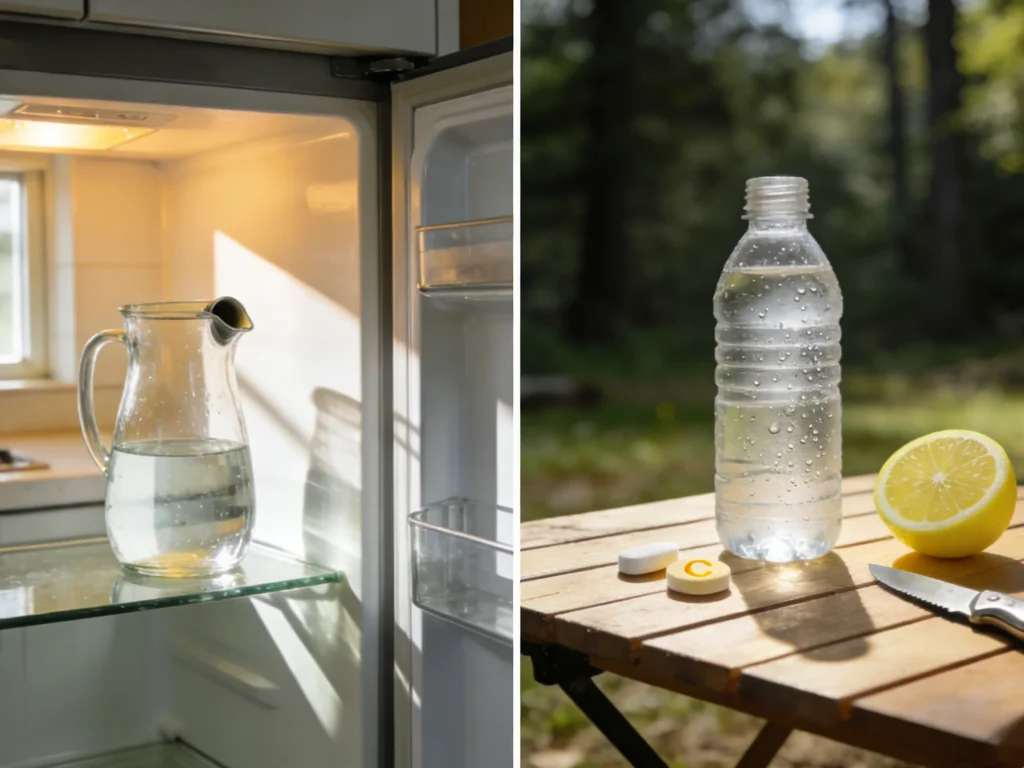
How to quickly remove chlorine during outdoor/disaster situations?
- 🏕️ Field/emergency chlorine removal 3-second quick pass method
Vitamin C powder: Add 20mg per liter of water (approximately 1/50 tablet), shake well and drink immediately. - Lemon/Orange Juice: Add 2 tablespoons per liter of water. The reaction time is slightly slow (5 minutes), but it is readily available.
- Sunlight exposure: Transparent PET bottled water, placed flat and exposed to sunlight for more than 6 hours, UV decomposed chlorine+partially sterilized.
⚠️ Absolutely prohibited: use of swimming pool chlorine remover (sodium thiosulfate) for drinking – industrial grade, non food grade.
Activated Carbon Filtration (Gold Standard)
How: Adsorption + catalytic reduction – chlorine is converted to harmless chloride.
Speed: Instant (flow‑rate dependent).
Best for: Daily drinking water, best balance of cost & performance.
⚠️ Critical – filter failure trap:
“Unmaintained filters can make water quality worse.” — Minnesota Dept. of Health
Change schedule:
Pitcher: every 2 months / 40 gal
Faucet: every 3 months
Under‑sink: 6‑12 months
For chloramine: You need catalytic carbon.
Vitamin C Neutralization (Best‑Kept Secret)
How: Ascorbic acid or sodium ascorbate reacts instantly with chlorine.
Dosage (USDA Forest Service data):
1 g ascorbic acid neutralises 1 mg/L chlorine in 100 gallons
2.8 g sodium ascorbate (pH neutral) does the same
Best for: Bathing (shower filters), large volumes, aquariums.
❌ Does NOT remove DBPs – and ascorbic acid lowers pH.
Reverse Osmosis (Comprehensive)
How: Membrane physically rejects chlorine (>90%) and DBPs (>90%), plus heavy metals, PFAS, etc.
⚠️ Chlorine destroys RO membranes – carbon pre‑filter is mandatory.
Verify: TDS rejection >90% + chlorine non‑detect.
How to VERIFY Chlorine Removal
“No smell” ≠ “no chlorine.”
Human nose: 0.05‑0.1 mg/L threshold.
Aquarium toxicity: 0.003 mg/L – you CANNOT smell that.
| Method | Sensitivity | Best For |
|---|---|---|
| DPD test strips | 0.5‑10 mg/L | Quick check |
| DPD colorimeter | 0.01‑5.00 mg/L | Gold standard – lab grade |
| Online sensor | 0.001‑20 mg/L | Continuous monitoring |
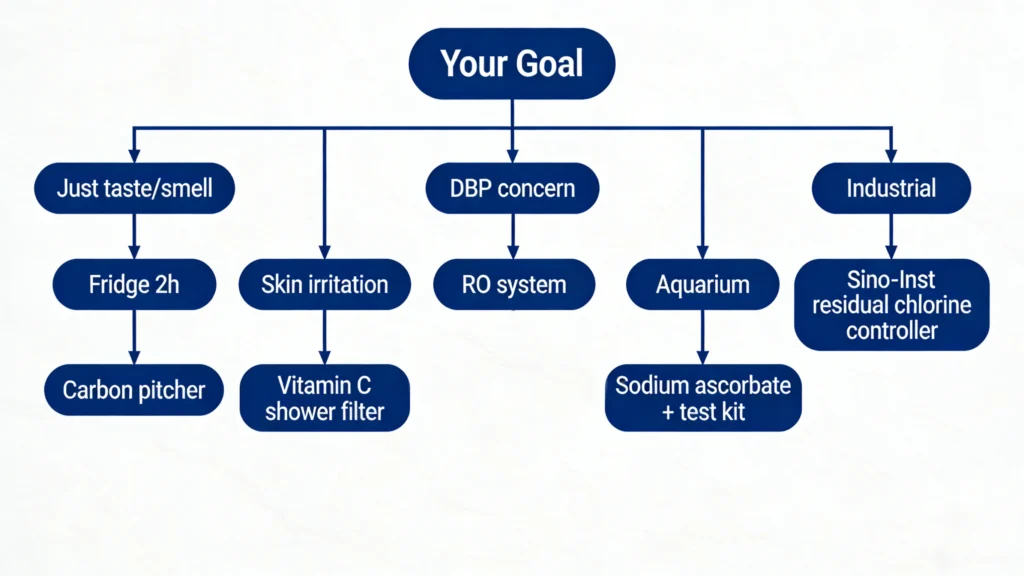
Decision Tree – From Your Goal to Your Action
Q1: Just hate the taste/smell?
→ Pitcher in fridge, 2‑4h ✅ $0
→ Upgrade: Activated carbon pitcher (change every 2 months)
Q2: Infant formula / sensitive individuals?
→ Boil tap water, cool to 40°C ✅
⚠️ Do NOT use distilled/purified water long‑term for infants
Q3: Skin dryness, itching after shower?
→ Vitamin C shower filter ✅ (hot water doesn’t reduce efficiency)
Q4: Concerned about DBPs / long‑term health?
→ RO system with carbon pre‑filter ✅ – only home device that removes >90% of DBPs
Q5: Aquarium / pond / aquatic pets?
→ Sodium thiosulfate OR sodium ascorbate (pH neutral) ✅
Must test – fish gill damage at 0.003 mg/L.
Q6: Water treatment plant, pool, cooling tower, food plant?
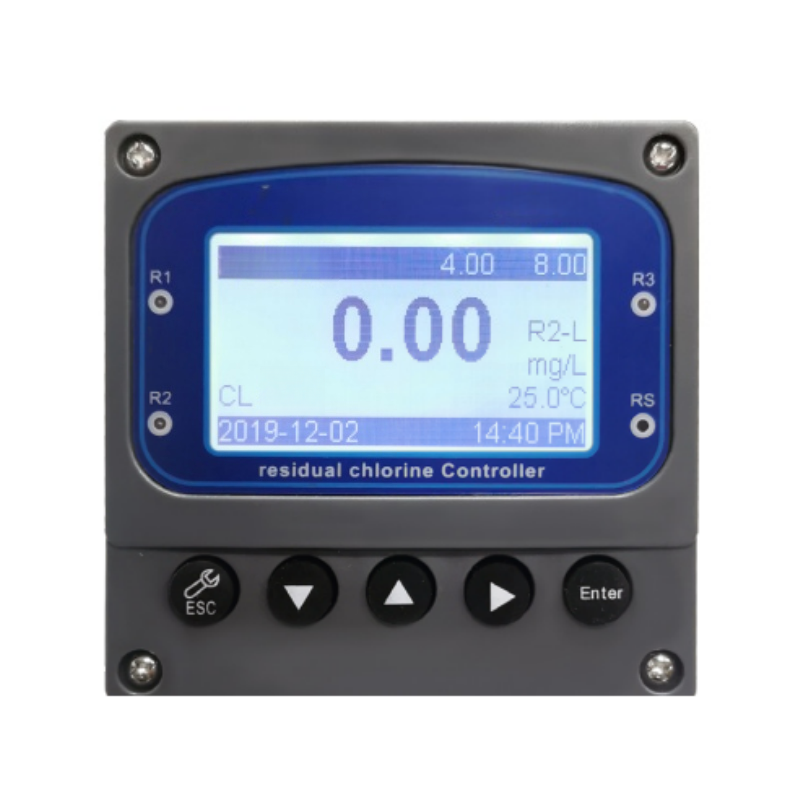
→ Apure RC‑200 Online Chlorine Controller ✅
Continuous, automatic, verifiable control.
Conclusion: From “Removal” to “Intelligent Control”
Three things professionals know (and amateurs don’t):
- Chlorine is a protector, not a pollutant.
Water without residual chlorine is unsafe. - “Removal” is not the only goal – “control” is.
0.05 mg/L = safety floor. 0.3 mg/L = taste threshold. 0.003 mg/L = aquarium limit.
Your goal determines your method. - Feelings are not facts. Measurement is.
Water safety doesn’t end at “I think it’s safe.” It ends at “I have measured it, and the data confirms safety.”
For consumers: You now have the complete playbook to get rid of chlorine for better coffee, healthier skin, and thriving fish.
For professionals: You need instruments that never sleep.
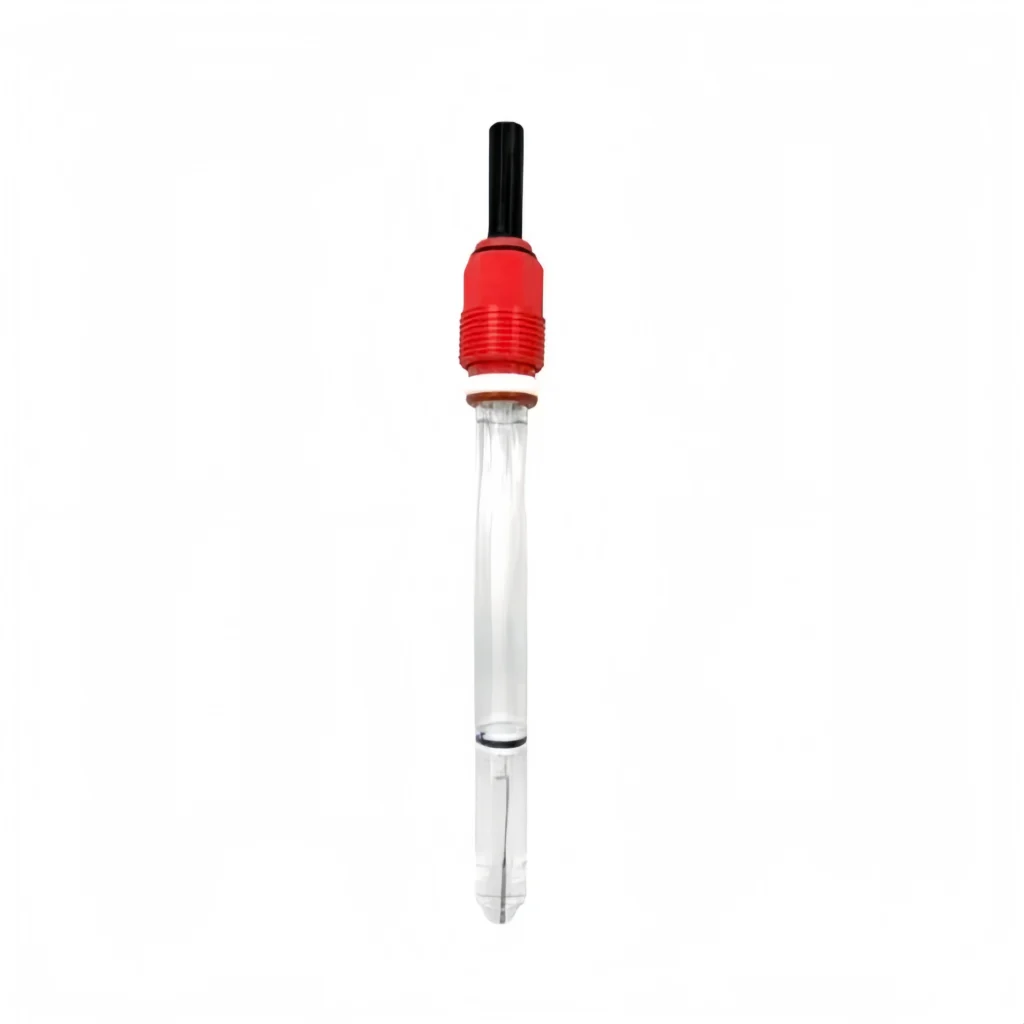
Sino-Inst Residual Chlorine Sensors delivers 24/7 continuous verification – so you can move from hope to certainty.
👉 Explore Sino-Inst Chlorine Control Solutions
FAQ
Related Products
Whether you’re a homeowner who wants to verify your carbon filter is actually working, an aquarium hobbyist protecting thousands of dollars of livestock, or a plant engineer responsible for regulatory compliance — Sino-Ihas a solution that fits your needs and your budget.
Our application engineers are standing by to help you select the right instrument for your specific water chemistry, flow rate, and control requirements.
Request A Quote
More Resources
-
How to Lower the pH in a Pool Safely? (2026)
Learning how to lower the pH in a pool is the first step in ensuring clear water quality, whether in a private backyard…
-
Expert Analysis: Do You Need a Carbon Monoxide Detector in a Tent?
As the popularity of cold-weather camping, overlanding, and extended backcountry expeditions continues to rise, the integration of portable heating and cooking equipment inside…
-
Is a plug-in or battery carbon monoxide detector better?
Carbon monoxide (CO) is an odorless, colorless, and tasteless gas that poses a severe threat to human life in both residential and industrial…
-
How to Measure Dissolved Oxygen in Water with Portable Devices (2026)
Learning how to measure dissolved oxygen in water accurately is the first step toward optimizing any aquatic environment, from high-tech aquaculture farms to…
-
The 6 Best Travel Carbon Monoxide Detector for International Travel in 2026
International travel offers incredible opportunities for exploration, business, and cultural immersion. However, moving between different countries also means navigating a vast disparity in…
-
3 Steps to detect carbon monoxide while on vacation
When planning a getaway, most travelers focus on itineraries, packing lists, and accommodation aesthetics. However, an invisible, odorless, and tasteless threat often goes…