.png)
Carbon monoxide (CO) is universally recognized in industrial and residential sectors as the silent killer. It is an entirely invisible, odorless, and tasteless gas produced by the incomplete combustion of carbon-based fuels. Because human senses cannot detect its presence, a critical safety question we encounter constantly from facility managers, plant operators, and occupational health specialists is: exactly how long after being exposed to carbon monoxide do you feel sick? The timeline for symptom onset is not a fixed number; rather, it is a complex physiological equation driven by the gas concentration in the air, the duration of the exposure, and the respiratory rate of the individual.
At Sino-Inst, we are a professional supplier of industrial process and analytical instruments, including gas detectors, gas analyzers, dust detectors, mass flow controllers, and dust monitors. We can help you obtain reliable measurement and analysis solutions while saving procurement costs. Through decades of mitigating toxic gas risks in high-stakes environments, we have gathered extensive empirical data on CO exposure limits. In this comprehensive technical article, we will detail the physiological mechanisms of carbon monoxide poisoning, map out exact exposure timelines, and provide expert recommendations on how to utilize analytical instruments to ensure your environment remains safe. Customized products and OEM services are available, and we strive to be your most trusted partner in industrial safety.
Table of Contents
- 1. The Physiology of Carbon Monoxide Poisoning
- 2. Summary Table: CO Concentration and Symptom Timelines
- 3. Low-Level Exposure Timelines
- 4. High-Level and Extreme Exposure Timelines
- 5. Critical Symptoms to Monitor
- 6. Sino-Inst Measurement and Analysis Solutions
- 7. Expert Preventative Recommendations
- 8. Frequently Asked Questions (FAQs)
- 9. Industry References
1. The Physiology of Carbon Monoxide Poisoning
To accurately answer how long after being exposed to carbon monoxide do you feel sick, one must first understand the mechanism of carboxyhemoglobin (COHb) formation. When you inhale ambient air containing carbon monoxide, the gas enters your lungs and rapidly diffuses into your bloodstream. Inside the blood, hemoglobin is the protein responsible for transporting oxygen to your vital organs and tissues. However, carbon monoxide has an affinity for hemoglobin that is approximately 210 to 250 times greater than that of oxygen.
Because of this aggressive binding affinity, carbon monoxide easily displaces oxygen, forming carboxyhemoglobin. As the percentage of COHb in your blood rises, your body is effectively suffocated from the inside out, leading to cellular hypoxia. The point at which being exposed to carbon monoxide do you feel sick correlates directly with the percentage of COHb in the bloodstream. A resting adult might take longer to reach a toxic COHb threshold than an industrial worker performing heavy manual labor, as increased respiratory rates draw more CO into the lungs faster.
2. Summary Table: CO Concentration and Symptom Timelines
The concentration of carbon monoxide is measured in parts per million (PPM). The following summary table provides a highly accurate, scientifically backed correlation between ambient PPM levels, allowable exposure limits, and the timeline for symptom onset.
| CO Concentration (PPM) | Regulatory Context | Timeline: How Long Until You Feel Sick? |
|---|---|---|
| 35 – 50 PPM | OSHA Permissible Exposure Limit (8 Hours) | Healthy adults may not feel sick for 6 to 8 hours. Minor headaches may occur at the end of a shift. |
| 100 – 200 PPM | Evacuation recommended | Mild headache, fatigue, and nausea within 2 to 3 hours. |
| 400 PPM | Highly dangerous environment | Frontal headache within 1 to 2 hours; life-threatening after 3 hours. |
| 800 PPM | Immediate Danger to Life and Health (IDLH) | Dizziness, nausea, and convulsions within 45 minutes. Unconscious within 2 hours. |
| 1,600 PPM | Lethal Concentration | Headache, tachycardia, and dizziness within 20 minutes. Death in 1 to 2 hours. |
| 3,200+ PPM | Extreme Toxicity | Headache and severe dizziness in 5 to 10 minutes. Unconsciousness and death in 30 minutes. |
3. Low-Level Exposure Timelines
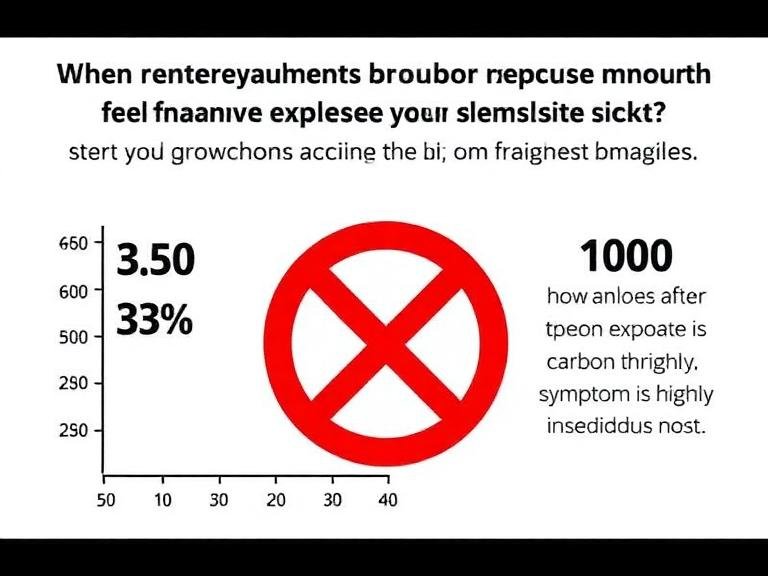
In many commercial and residential scenarios, leaks occur slowly. When environments hover between 35 PPM and 100 PPM, how long after being exposed to carbon monoxide do you feel sick? At these low levels, the onset of symptoms is highly insidious. It can take anywhere from two to eight hours for the carboxyhemoglobin levels to rise to a symptomatic threshold (typically around 10% to 15% COHb).
During low-level exposure, the initial physiological response mimics common ailments such as a mild tension headache, seasonal allergies, or generalized fatigue. From our experience in occupational health and safety consulting, this is the most dangerous phase. Because workers do not realize they are being poisoned, they remain in the contaminated environment. If you ever find yourself asking if being exposed to carbon monoxide do you feel sick this subtly, the answer is yes. This slow accumulation is precisely why continuous environmental monitoring is non-negotiable in spaces with combustion engines, boilers, or furnaces.
4. High-Level and Extreme Exposure Timelines
When industrial accidents occur, such as a ruptured exhaust manifold in a confined space, CO concentrations can rapidly exceed 400 PPM to 1,200 PPM. In these severe scenarios, how long after being exposed to carbon monoxide do you feel sick? The timeline collapses dramatically. At 400 PPM, significant frontal headaches and nausea will manifest within one to two hours. If the concentration hits 800 PPM, confusion, tachycardia (rapid heart rate), and severe dizziness will occur within 45 minutes.
In extreme events exceeding 3,200 PPM, the concept of feeling sick is bypassed almost entirely. At this concentration, the blood becomes saturated with carbon monoxide so rapidly that a worker will experience dizziness and loss of motor control within 5 to 10 minutes, followed rapidly by unconsciousness and death. In these acute environments, asking how long after being exposed to carbon monoxide do you feel sick is a moot point; without immediate extraction and oxygen therapy, survival is unlikely.
5. Critical Symptoms to Monitor
Recognizing the clinical signs of toxicity is paramount for rapid evacuation. Depending on how long after being exposed to carbon monoxide do you feel sick, the symptoms will escalate predictably:
- Mild Exposure (10% – 20% COHb): Dull, throbbing frontal headache, generalized weakness, shortness of breath during exertion, and mild nausea.
- Moderate Exposure (21% – 40% COHb): Severe headache, vomiting, impaired judgment, blurred vision, dizziness, and confusion. The skin may occasionally take on a “cherry red” appearance, though this is a late and unreliable clinical sign.
- Severe Exposure (41% – 59% COHb): Loss of consciousness, convulsions, cardiopulmonary instability, and profound hypoxia.
- Fatal Exposure (60%+ COHb): Cardiopulmonary arrest and death.
6. Sino-Inst Measurement and Analysis Solutions

From our experience, relying on the human body to detect toxicity is a fundamentally flawed safety strategy. By the time an employee experiences symptoms and realizes that being exposed to carbon monoxide do you feel sick, their cognitive functions are already impaired, hindering their ability to self-evacuate. At Sino-Inst, we strongly recommend implementing robust, automated safety infrastructures.
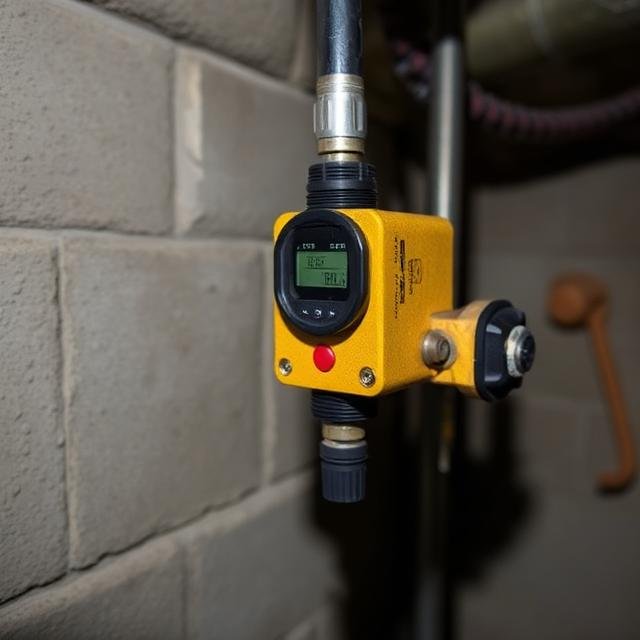
We provide comprehensive solutions tailored to your facility’s exact parameters. To prevent anyone from ever reaching the point of illness, we supply precision-engineered Fixed Gas Detectors designed to provide 24/7 continuous monitoring of ambient air quality in boiler rooms, manufacturing floors, and parking garages. These units can trigger localized alarms and exhaust fans the moment CO levels cross safe OSHA thresholds.
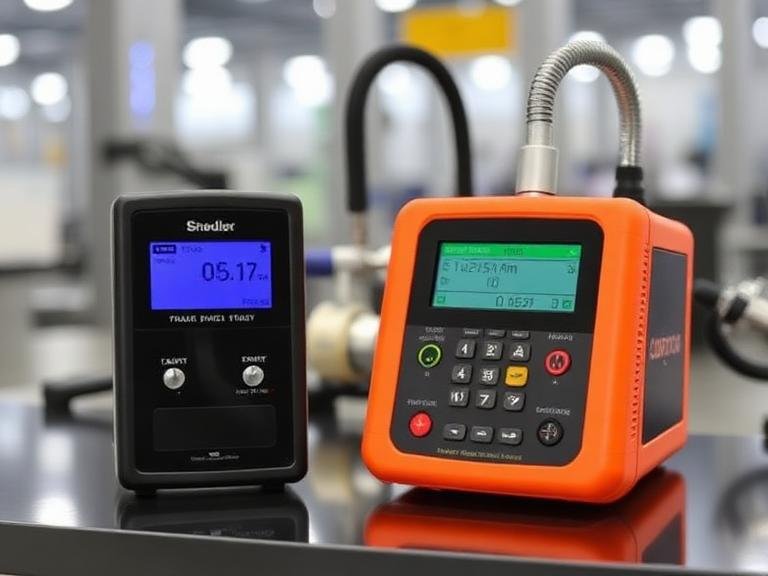
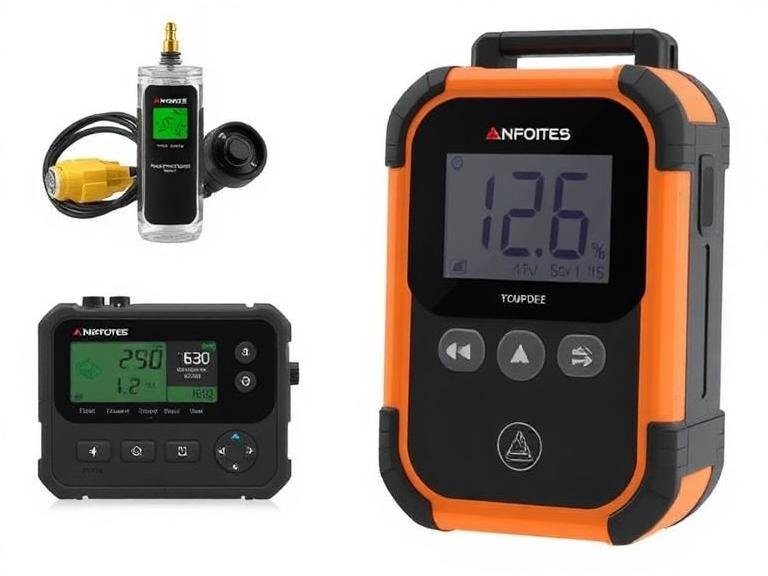
For personnel moving through variable environments or confined spaces, our Portable Gas Detectors are indispensable. Clipped to a worker’s lapel, these devices sample the breathing zone in real-time. For original equipment manufacturers looking to integrate safety into their own machinery, we supply highly sensitive Gas Sensor Module components. Furthermore, for plant-wide safety overhauls, our comprehensive Gas Monitoring System architectures integrate seamlessly with facility control panels, offering data logging and predictive maintenance analytics.
Beyond toxic gas detection, Sino-Inst is a trusted supplier of Dust Monitors to ensure particulate compliance, as well as highly accurate Mass Flow Controllers/Meters for precise gas dosing and combustion control, which directly mitigates the source of carbon monoxide generation.
7. Expert Preventative Recommendations
We recommend a multi-tiered approach to carbon monoxide safety in any industrial setting. First, eliminate the hazard at the source by ensuring all fuel-burning equipment is routinely serviced to achieve complete combustion. Proper tuning of burners and engines significantly reduces CO output.
Second, ensure adequate ventilation. Confined spaces must be evaluated prior to entry. Third, deploy a combination of fixed and portable gas detection instruments. Instruments must be calibrated regularly using certified calibration gas to ensure sensor drift does not compromise alarm set-points. Never wait to find out how long after being exposed to carbon monoxide do you feel sick; let the instrumentation detect the parts per million long before human biology registers a threat.
8. Frequently Asked Questions (FAQs)
If I leave the contaminated area, how long after being exposed to carbon monoxide do you feel sick?
If you leave the environment, your body will begin to clear the CO, but it is a slow process. The biological half-life of carbon monoxide in a person breathing normal room air is approximately 4 to 5 hours. Therefore, you may continue to feel sick, fatigued, or have a headache for several hours after escaping the exposure.
“`
Can chronic low-level exposure make you sick over time?
Yes. If you are chronically exposed to levels around 20 to 30 PPM over weeks or months, the cumulative effect can lead to chronic fatigue, persistent headaches, memory issues, and cardiovascular strain. If you suspect chronic exposure, utilizing professional analytical instruments from Sino-Inst is required to quantify the environmental hazard.
At what exact PPM level does being exposed to carbon monoxide do you feel sick immediately?
Immediate, acute symptoms (within 5 to 10 minutes) typically manifest at concentrations exceeding 1,200 to 1,600 PPM. At these extreme levels, nausea, severe dizziness, and imminent collapse occur rapidly due to profound oxygen deprivation in the brain.
How can Sino-Inst help mitigate these risks?
Sino-Inst provides a full spectrum of industrial safety tools. By deploying our Fixed Gas Detectors and Portable Gas Detectors, facilities receive early warning alerts before CO concentrations reach hazardous levels. Our customized products and OEM services ensure that we can engineer a specific Gas Monitoring System tailored to the unique geometry and operational risks of your plant.
“`
9. Industry References
1. Occupational Safety and Health Administration (OSHA). “Carbon Monoxide Poisoning in the Workplace.” OSHA Fact Sheet.
2. National Institute for Occupational Safety and Health (NIOSH). “Criteria for a Recommended Standard: Occupational Exposure to Carbon Monoxide.”