.png)
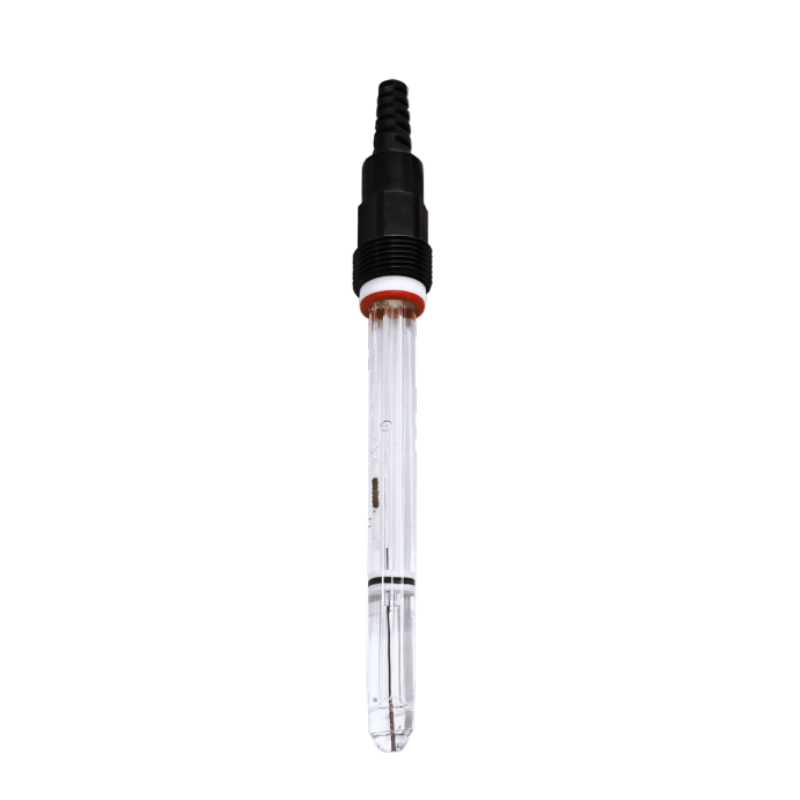
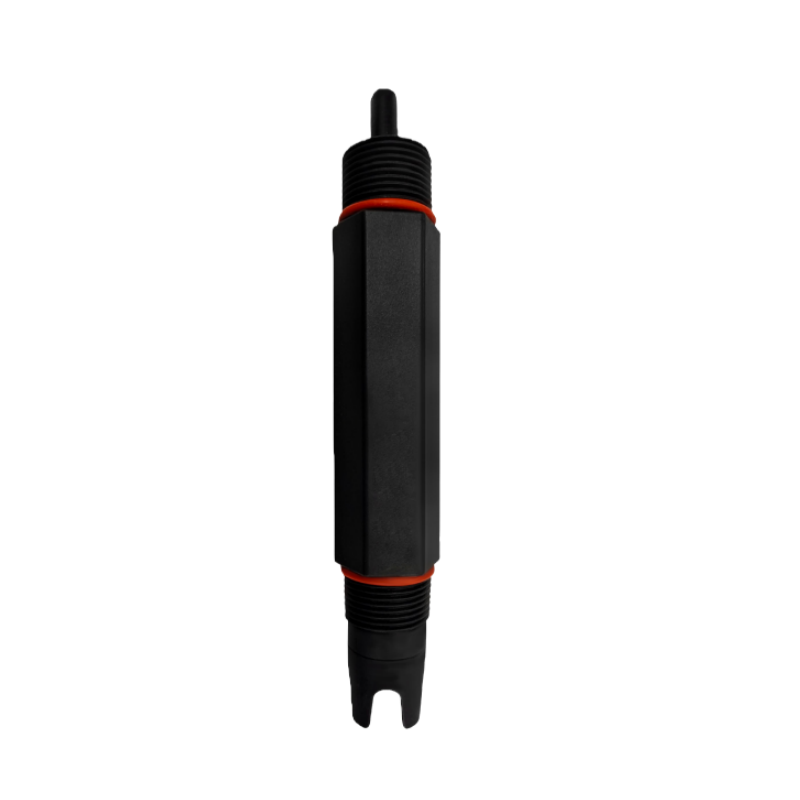
The KPT2120D pH sensor, with its core design of double salt bridge reference and two-point ceramic core liquid interface, solves the problem of electrode liquid interface blockage caused by high viscosity suspensions, emulsions, proteins and other media in complex working conditions such as sewage treatment, electroplating chromium removal, and chemical viscous liquid monitoring, which affects the continuity of detection. Combining the advantages of anti blocking, low maintenance, and high compatibility, it is suitable for online pH monitoring of complex media in multiple industries, providing stable data support for process regulation and environmental compliance.
★★★★★
Features
Specifications
| Parameter | Value |
|---|---|
| pH Range | 0-14 |
| Temperature Range | 0-60℃ |
| Pressure Range | 0-0.4 M Pa |
| Zero potential | 7±0.5 |
| Theoretical percentage slope | ≥ 95% |
Core product advantages
Anti blocking and anti pollution, suitable for complex media:
double salt bridge reference+two-point ceramic core liquid interface structure, can effectively resist the risk of blockage from high viscosity suspensions, emulsions, and protein containing liquids, and can be used stably in industrial processes that are prone to blockage for a long time, reducing the frequency of shutdown cleaning.
Low maintenance, no fluid replacement:
equipped with gel dielectric, no additional dielectric supplement is required, and the daily maintenance workload is small; And it can adapt to harsh working conditions and reduce long-term usage costs.
Multi specification and high compatibility:
equipped with PG13.5 international standard threaded interface, which can be interchanged and used with foreign electrodes, suitable for upgrading existing imported equipment; Provide various electrode lengths of 120/150/200/250/300mm to meet different installation depth requirements.
Flexible installation and strong adaptability:
Supports the use of 316L stainless steel sheath or PVC sheath, and can choose the appropriate sheath according to the corrosiveness of the medium and the on-site environment. The installation is stable and adaptable to multiple scenarios.
Accurately adapting to the scene
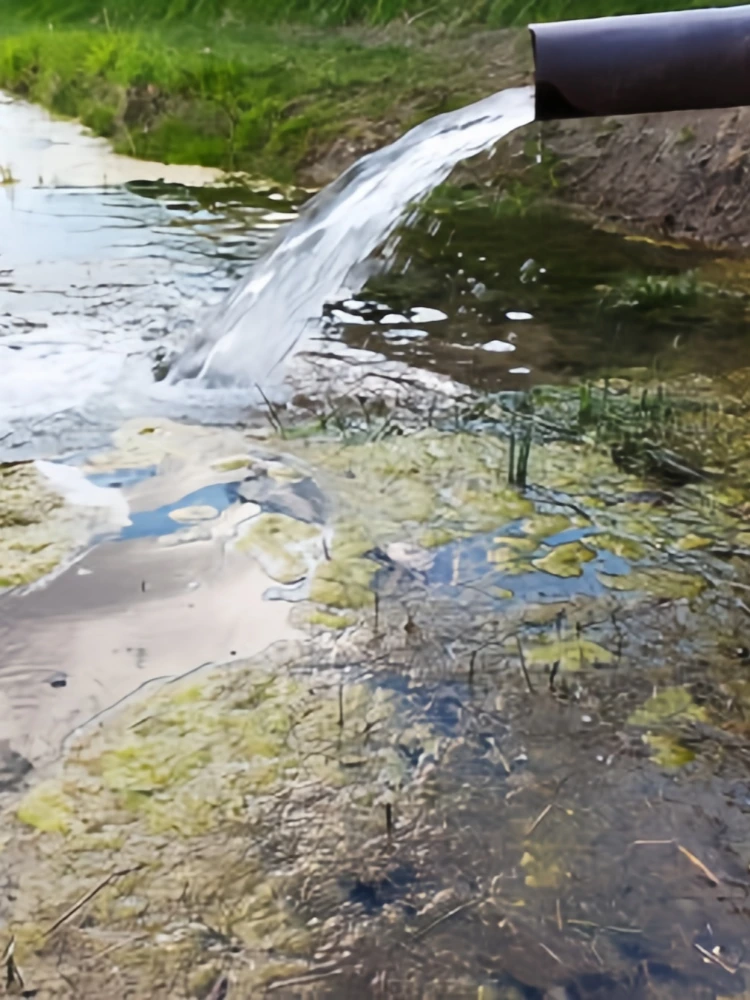
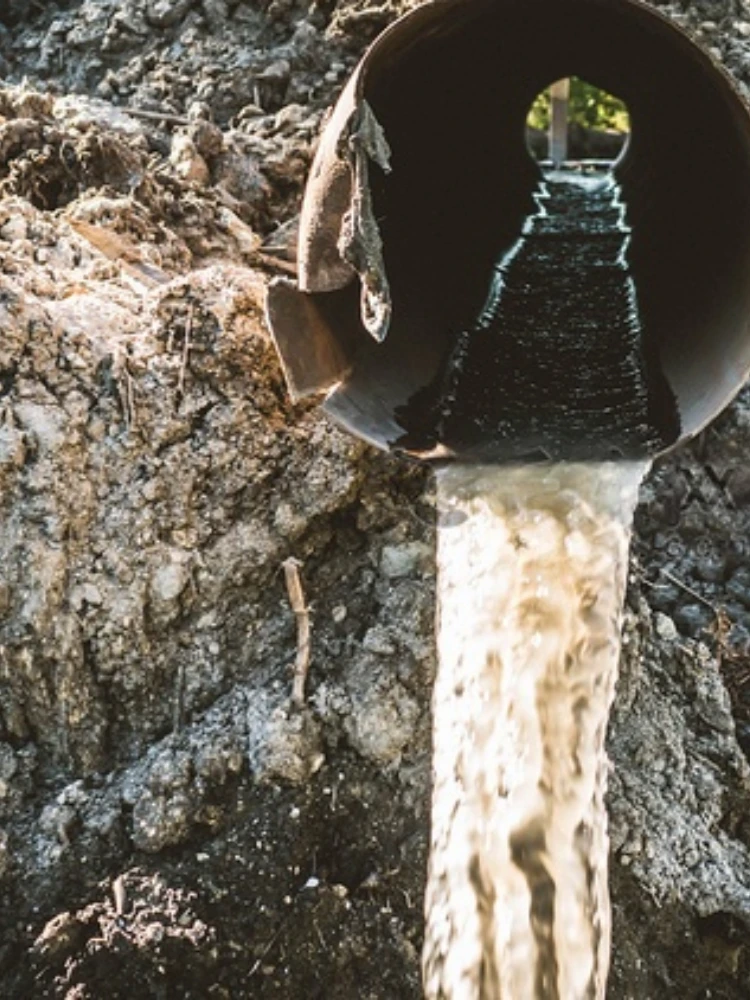
- Environmental sewage monitoring: this is good for online monitoring of local sewage treatment plants and industrial sewage discharge outlets. It can handle suspended solids and thick sewage impurities, which prevents blockage of the liquid joints and ensures that monitoring continues without interruption.
- Special medium tests for industry:
- Electroplating: Watching the process of getting rid of chromium in real time is good for measuring the pH of thick electroplating solutions that contain chromium.
- Chemical industry: pH detection of high viscosity suspensions and emulsions in the fields of chemical drugs, dyes, starch, sugar, etc;
- Mining/pulp mill: pH monitoring of viscous liquids such as mud and pulp, suitable for complex composition conditions.
- General industrial process monitoring: This can be used to test the pH of liquids that contain proteins in the food and drug industries. It has an anti-blocking design that helps sensors last longer in these special conditions.
Usage and Maintenance Guide
- Before measurement, the sensor should be washed in distilled water or deionized water, and the water should be absorbed dry with filter paper to ensure that the sensor bulb and the liquid junction are immersed in the measured liquid at the same time, avoiding impurities from interfering with the detection.
- When the sensor is idle, it needs to be cleaned and put into a protective cover containing 3.3Mol/L KCL immersion solution to maintain the activity of the sensitive membrane. It is strictly prohibited to soak it in distilled water, protein solution or acidic chloride solution for a long time, and avoid contact with organic silicon oil.
- If the glass film appears semi transparent or deposited, it can be washed with dilute hydrochloric acid and rinsed clean with water; It is recommended to clean the sensors once a week and coordinate with the instrument to complete calibration to ensure detection accuracy.
- When the sensor cannot complete the calibration procedure after maintenance, it indicates that it has lost its responsiveness and needs to be replaced with a new one in a timely manner.
Sensor diagram illustration
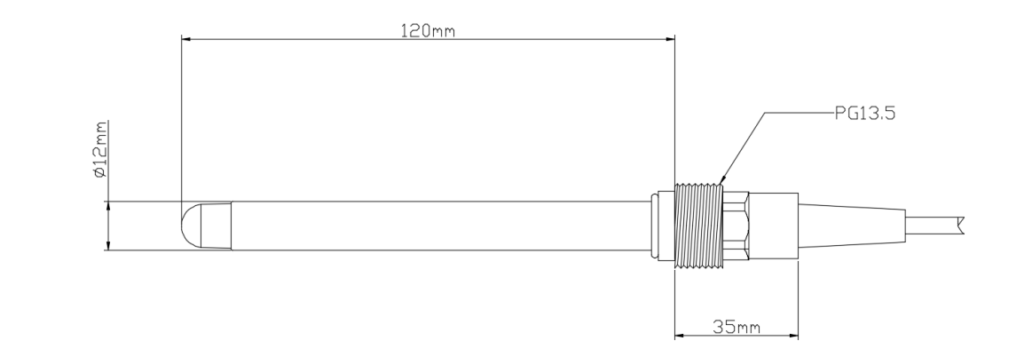
- After opening the packaging, check whether there is mechanical damage to the sensitive bulb and electrode body of the electrode;
- Remove the sensor protective cover and check if there are any bubbles in the sensitive bulb of the electrode. If so, gently shake the electrode in a vertical plane to remove the bubbles;
- Select the corresponding sensor sleeve or cable head for installation according to different electrodes;
- The connection between the sensor wire and the electrode is not waterproof, please make sure to do a good job of waterproofing.
Wire stripping instructions
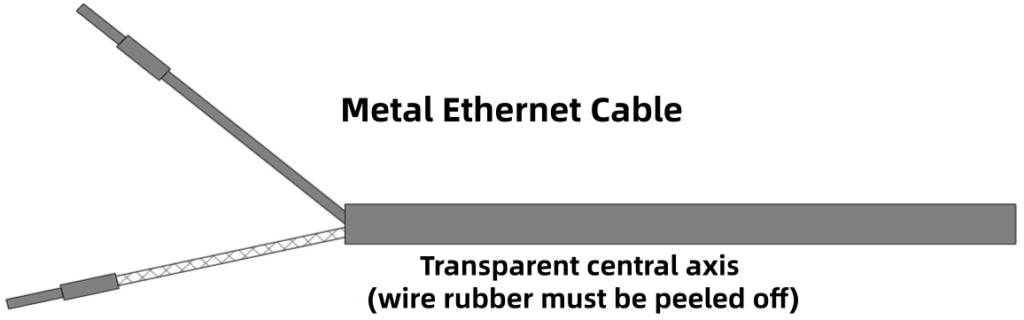
Attention
- The outer layer of the transparent central axis is covered with a conductive rubber layer and a metal mesh layer. When stripping, first strip the metal mesh layer into the metal mesh as shown in the picture, and be sure to removal of conductive black skin on the transparent central axis;
- The cable extends to the host without any contact points except for a dedicated junction box.
Technical Support
5 Best carbon monoxide detector for garage
10 Best carbon monoxide monitor for industrial use 2025
7+ Best Recommended Carbon Monoxide Detector for Industrial Use
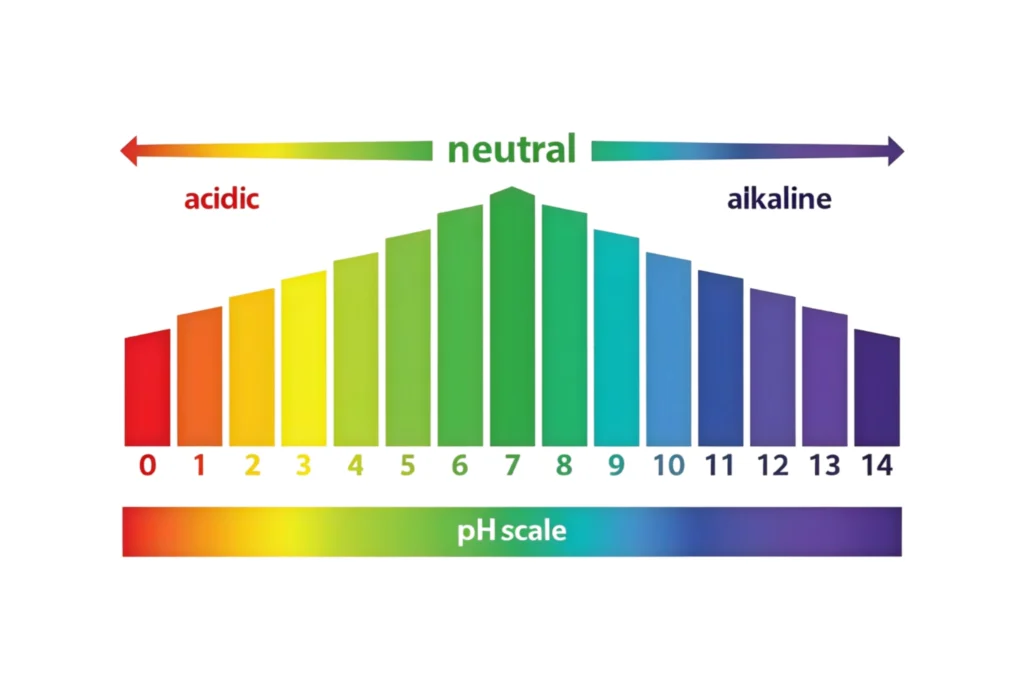
What Is pH in Water? A Complete Guide to Understanding (2026)
6 Types of Industrial Oxygen Sensors
6 Best Industrial Gas Detector Manufacturers in the World
The KPT2120D pH sensor has the core advantages of “anti clogging, anti fouling, low maintenance, and high compatibility”, which accurately solves the pH monitoring problem under high viscosity, high impurities, and easily clogged working conditions. From sewage treatment to electroplating, chemical, food and other industries, and from shallow tanks to deep tanks in various installation scenarios, it can become a reliable partner for industrial processes and environmental monitoring with flexible specification selection, stable installation design and stable detection performance.
Request a Quote
Related Products