.png)
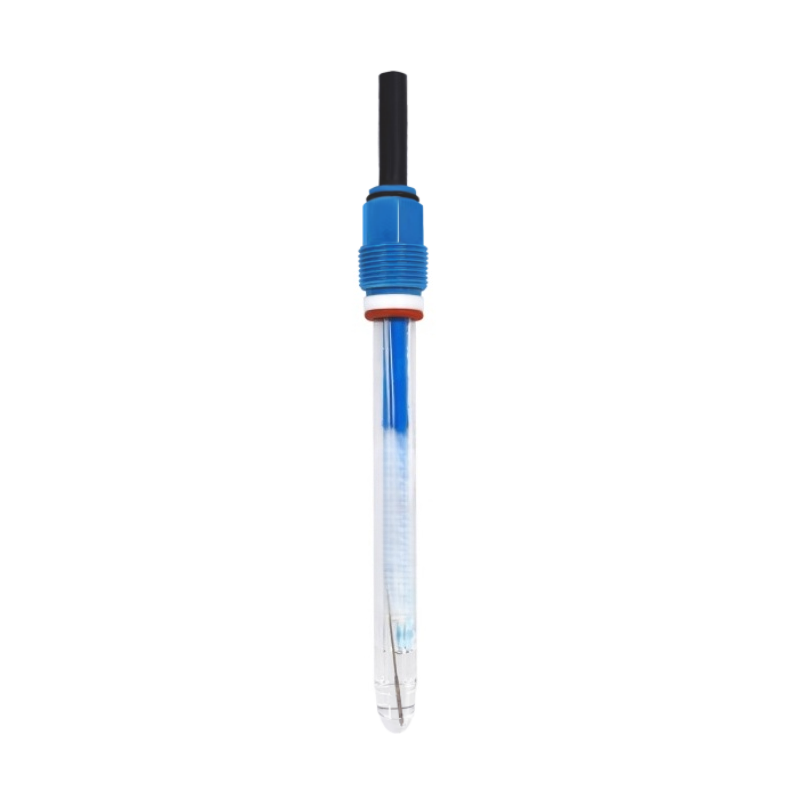
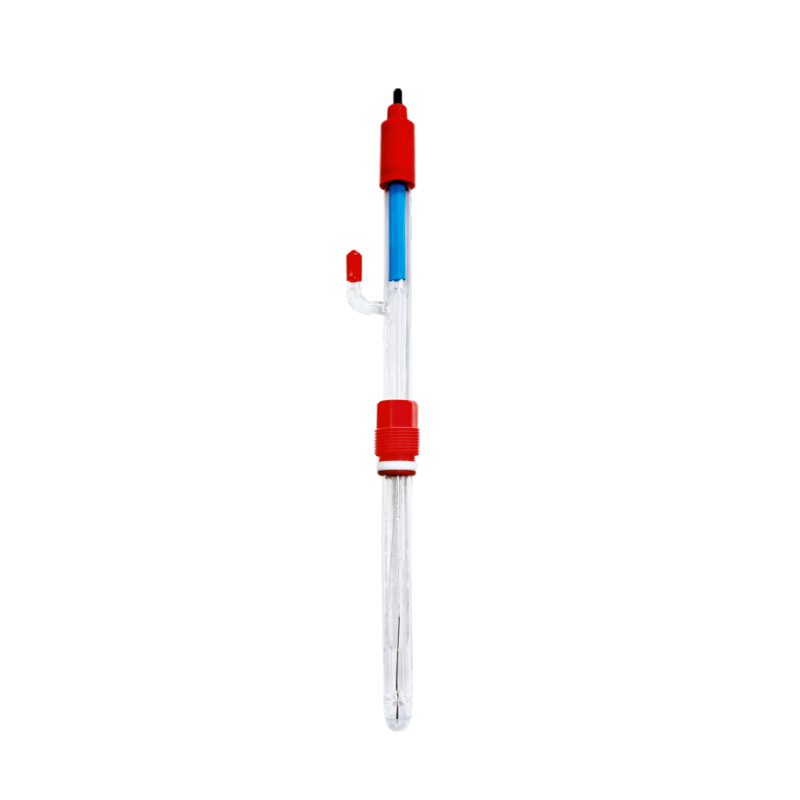
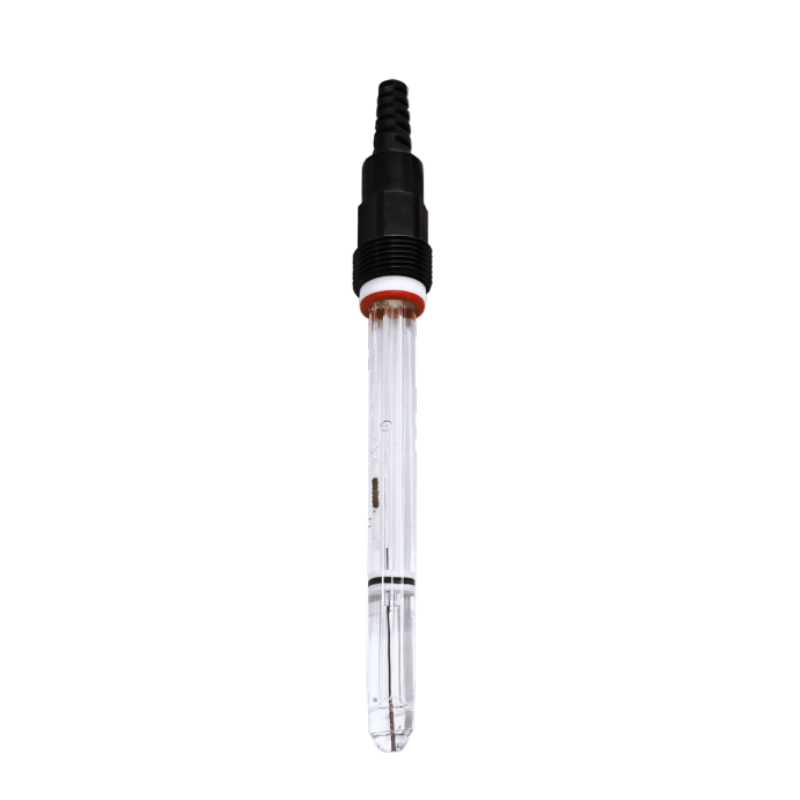
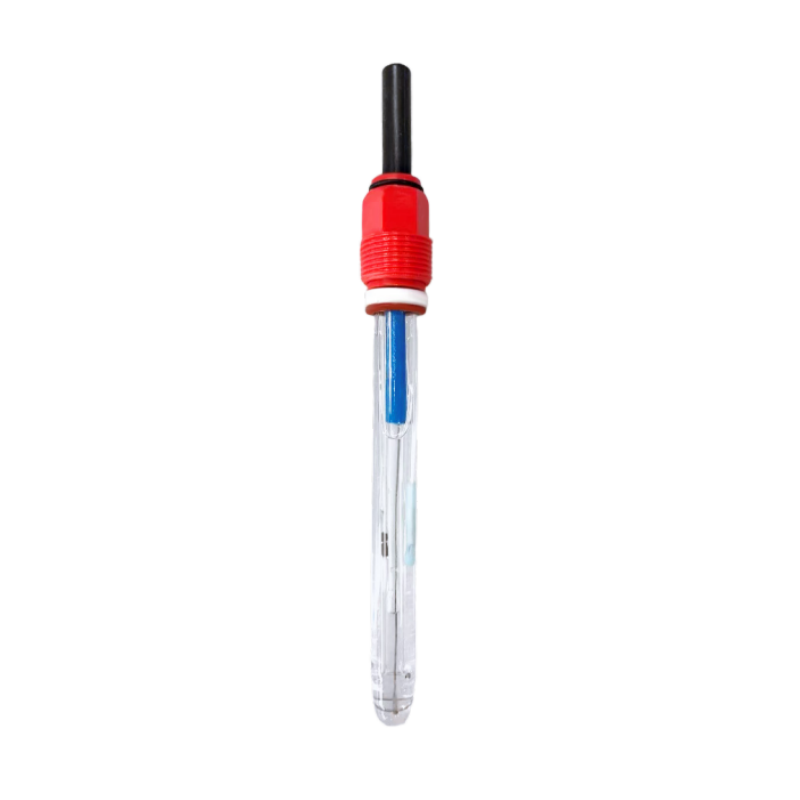
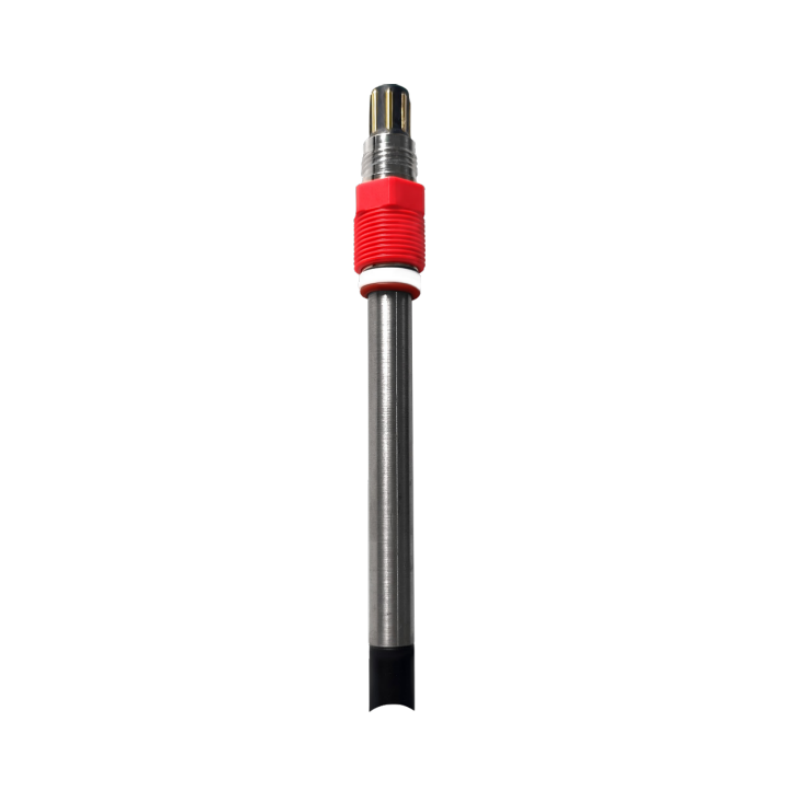
The GRT1320AW pH sensor can handle even the toughest high-temperature and strong-acid situations! It works for biotech, pharmaceuticals, and food and drink industry. It can sterilize at 130 degrees Celsius, measure continuously from 0 to 95 degrees Celsius, and is resistant to strong acids. It has two connections (ceramic and PTFE), high-temperature gel and solid electrolytes, and it responds quickly, stays stable, and needs very little maintenance—no need to replace electrolytes. It also meets international requirements for quick replacement, so you can use it to accurately check pH levels in important activities.
★★★★★
Features
Specifications
| Parameter | Value |
|---|---|
| pH Range | 0-14 |
| Theoretical percentage slope | ≥ 95 |
| Zero potential | 7±0.5 |
| Temperature Range | 0-135℃ |
| Pressure Range | 0—0.3 |
Key Advantages
Resistant to Acid and High Temperatures:
It is simple to keep an eye on strong acids and temperatures from 0 to 95 degrees Celsius because it has a new high-temperature glass detecting layer. It’s great for food and drug safety because it can even survive cleaning at 130°C.
No Fuss, No Clogging:
With both ceramic and PTFE in the dual joints, proteins, sediments, and thick liquids won’t get stuck. When regular electrodes fail, this one works in acidic liquids, fermentation broths, and dairy products.
Doesn’t Need Much Care, Is Very Reliable:
There are no refills for liquids because solids and gels work together as fluids. Cleaning and calibrating every week saves you time and keeps busy production lines running smoothly.
Can be used with many different things:
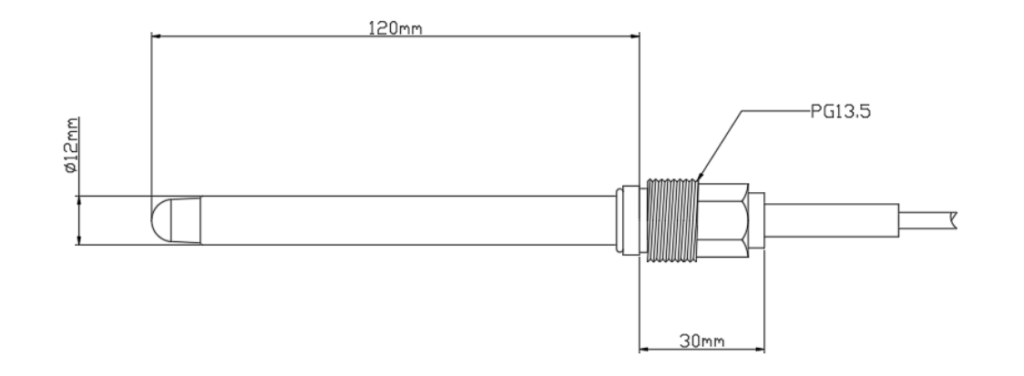
It has a S8 plug or a PG13.5 thread, so it’s easy to swap out electrodes from other countries with this one. Can be used with PVC or 316L stainless steel sheaths, so it can be used in a variety of settings.
Lengths Vary:
Choose a size of 120, 150, 200, 250, or 300 mm. There is a size that fits your tools, no matter how big it is.
Where Can You Use It?
- Strong Acid and High Temperature: These are good for chemical synthesis and acid-based reactions, which are industrial processes that use strong acids and high temperatures.
- Biotechnology is useful for both study and development. It is also helpful for making genes, insulin, interferons, blood products, and amino acids. It can also handle high-temperature growing and sterilizing.
- Pharmaceutical Industry: Fulfills the strict requirements for producing vitamins, medicines, and citric acid. It stays steady when the temperatures are high for cleaning and sterilizing.
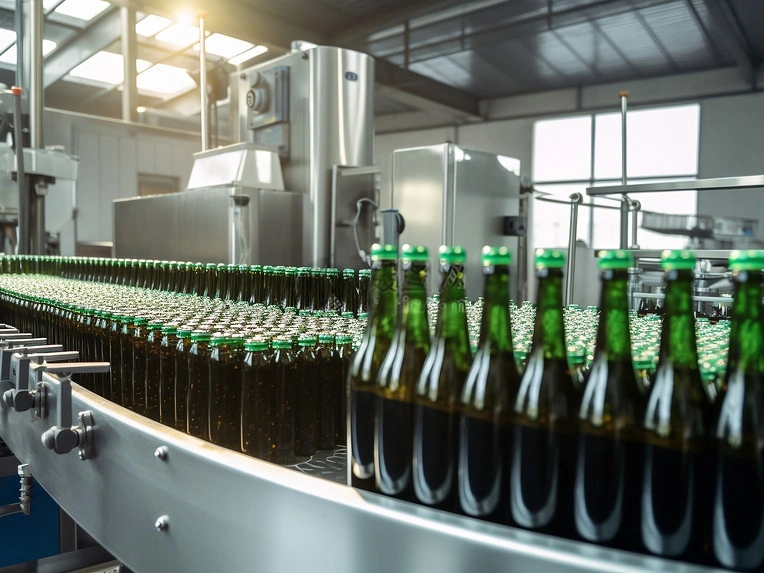
- Beer Brewing: Handles the entire brewing process, which includes mashing, boiling, fermentation, and filling. It can take the heat of boiling and the conditions of fermentation.
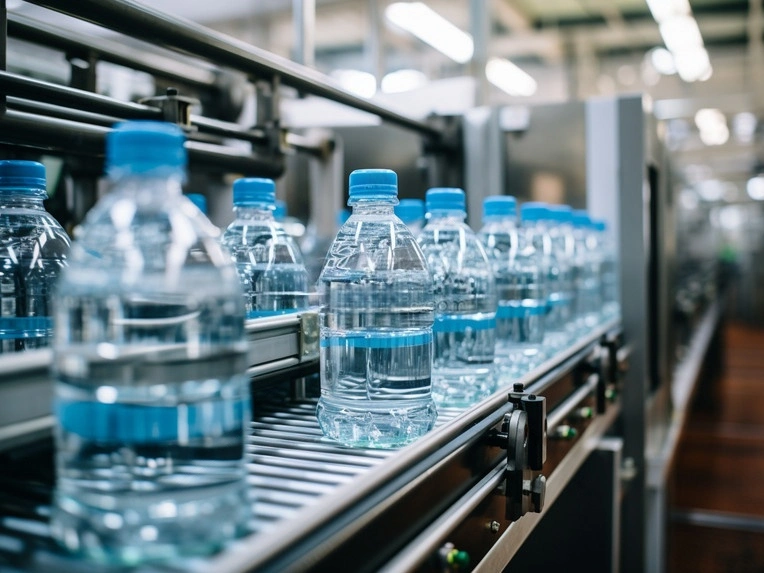
- Food and drink: soy sauce, dairy goods, fruit juice, drinking water, and monosodium glutamate are all made here. It can also be used to sterilize things in acidic environments at high temperatures.
How to Use & Maintain It
- Before you measure, rinse with distilled or deionized water and then dry with filter paper. Make sure that both the sensor bulb and the connections are completely underwater. This keeps dirt out and the data correct.
- After sterilizing, let it cool to room temperature before calibrating. Do not use it right after high-temperature sterilization; wait for it to stabilize first to avoid making mistakes in your measurements.
- Care on a regular basis: Every week, clean and calibrate. Soak the glass membrane in a weak solution of hydrochloric acid for 5 to 10 minutes, then rinse it with water if it becomes clear or has deposits on it. Don’t ever scrape it with a harsh brush!
- Tip for storage: Before putting it away, clean it and then put it in a protective cap filled with 3.3Mol/L KCL solution. Don’t soak in distilled water, protein solutions, acidic chlorides, or silicone grease for a long time.
Sensor diagram illustration
- After opening the packaging, check whether there is mechanical damage to the sensitive bulb and sensor body of the sensor.
- Remove the sensor protective cover and check if there are any bubbles in the sensitive bulb of the sensor. If so, gently shake the electrode in a vertical plane to remove the bubbles;
- Select the corresponding sensor sleeve or cable head for installation according to different sensors;
- The connection between the sensor wire and the sensor is not waterproof, please make sure to do a good job of waterproofing.
Wire stripping instructions
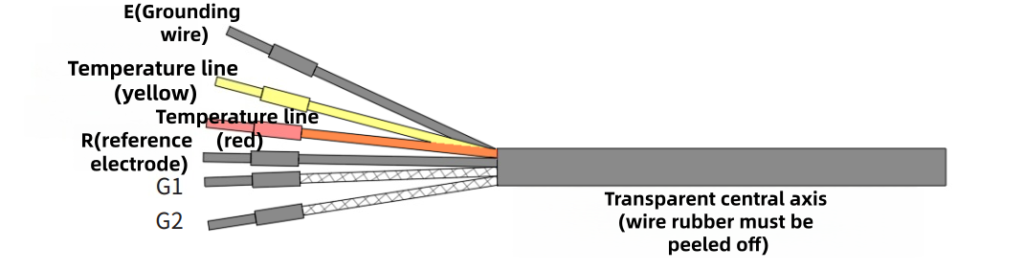
Attention
- The outer layer of the transparent central axis is covered with a conductive rubber layer and a metal mesh layer. When stripping, first strip the metal mesh layer into the metal mesh as shown in the picture, and be sure to removal of conductive black skin on the transparent central axis;
- The cable extends to the host without any contact points except for a dedicated junction box.
Technical Support
5 Best carbon monoxide detector for garage
10 Best carbon monoxide monitor for industrial use 2025
7+ Best Recommended Carbon Monoxide Detector for Industrial Use
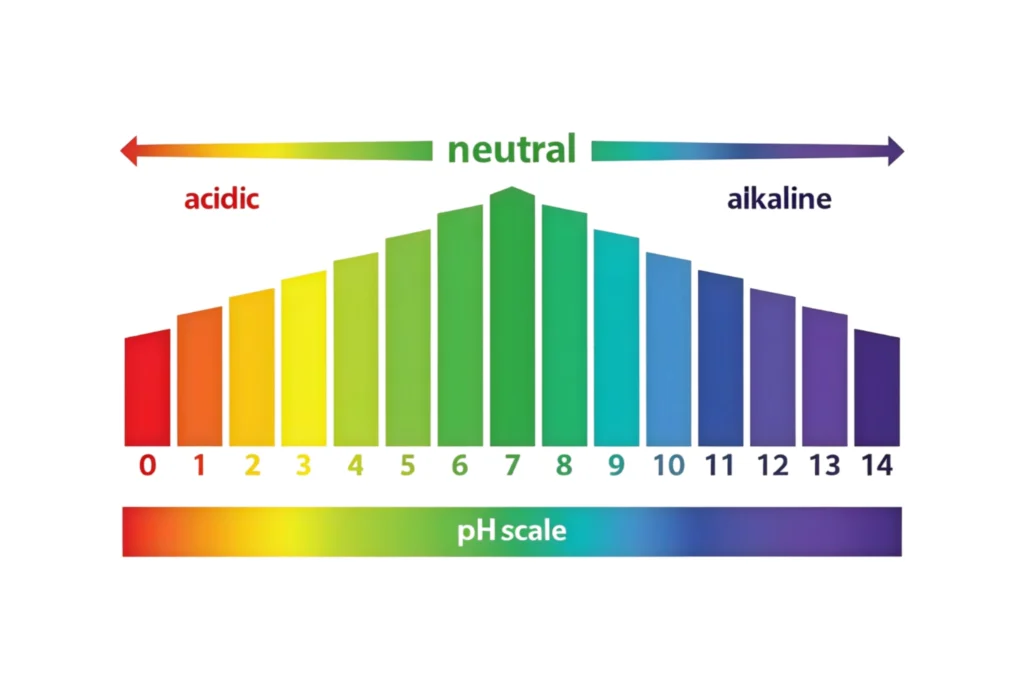
What Is pH in Water? A Complete Guide to Understanding (2026)
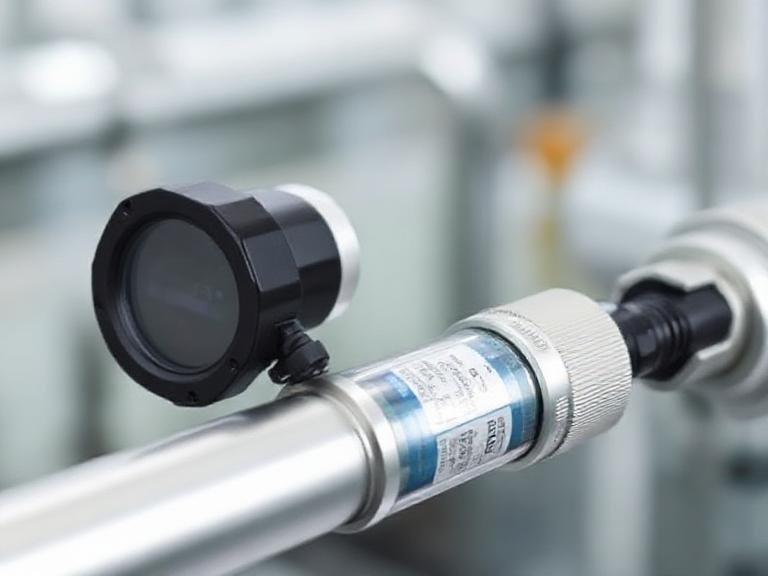
6 Types of Industrial Oxygen Sensors
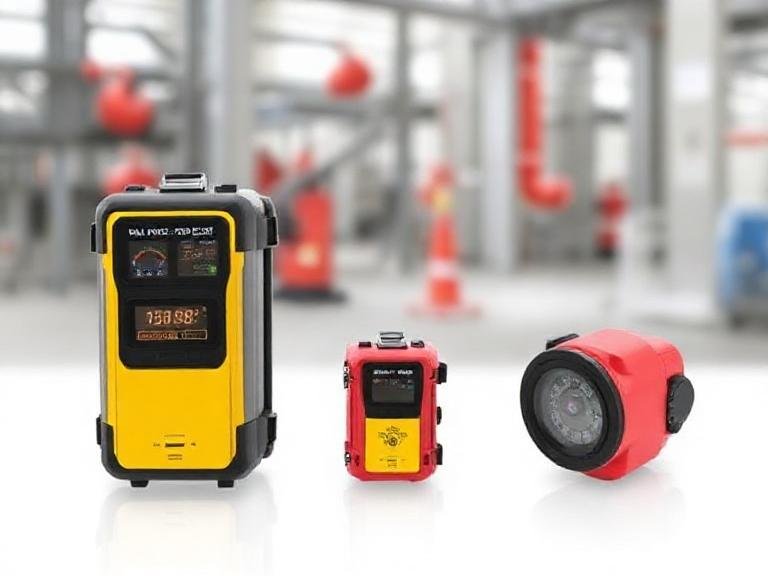
6 Best Industrial Gas Detector Manufacturers in the World
The GRT1320AW pH electrode is the answer for you if you are sick of electrodes that fail in strong acids, break after cleaning, or need to be taken care of all the time! It’s tough for the most difficult commercial settings, easy to use, and works with most tools, which saves you time, trouble, and money. This electrode gives you trustworthy, precise, and consistent pH information, no matter if you’re working in biotech, drugs, or food production.
Request a Quote