.png)
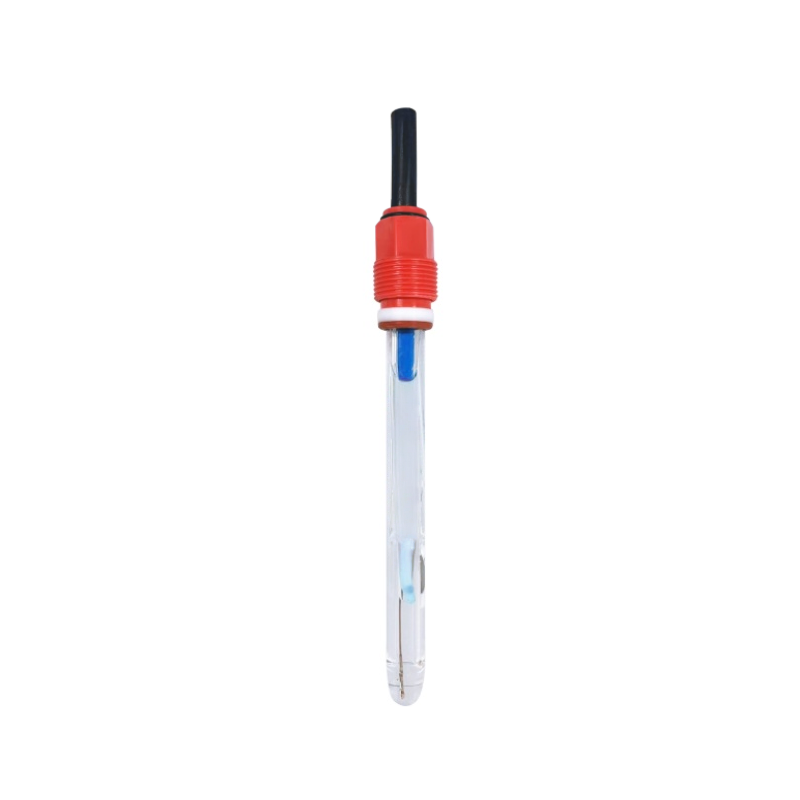
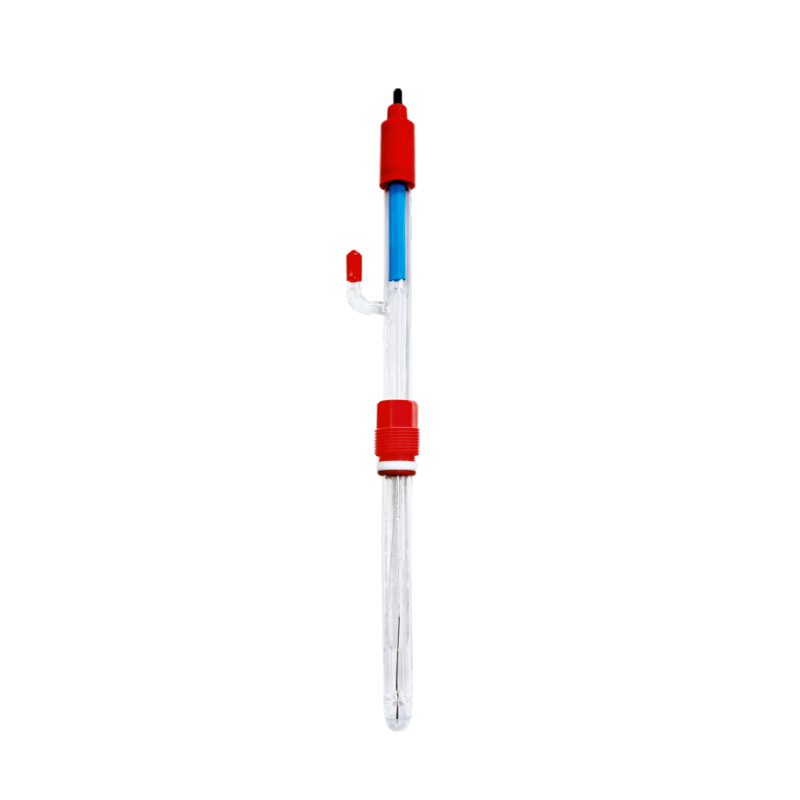
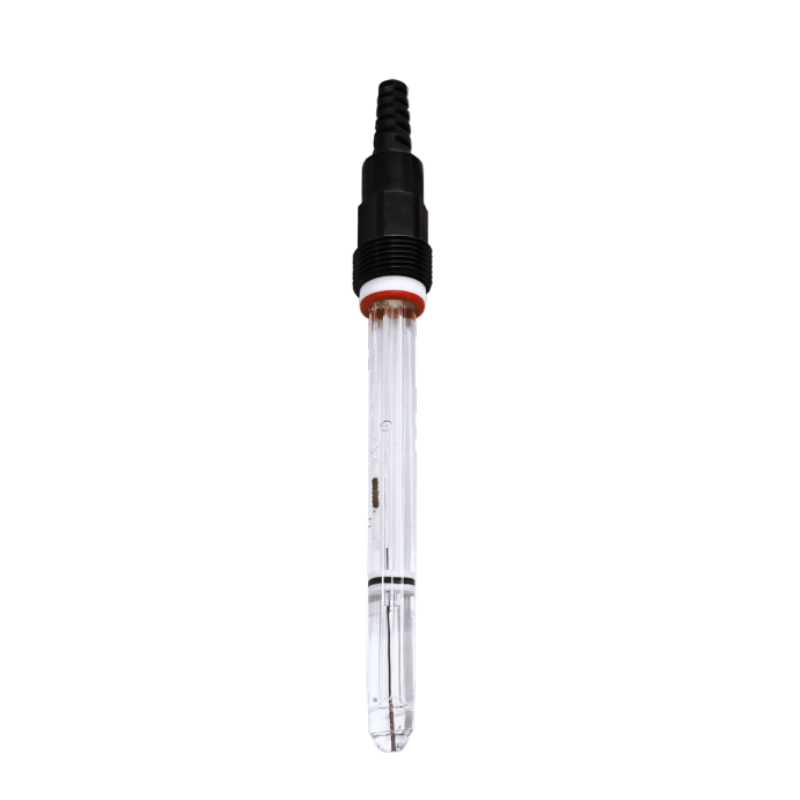
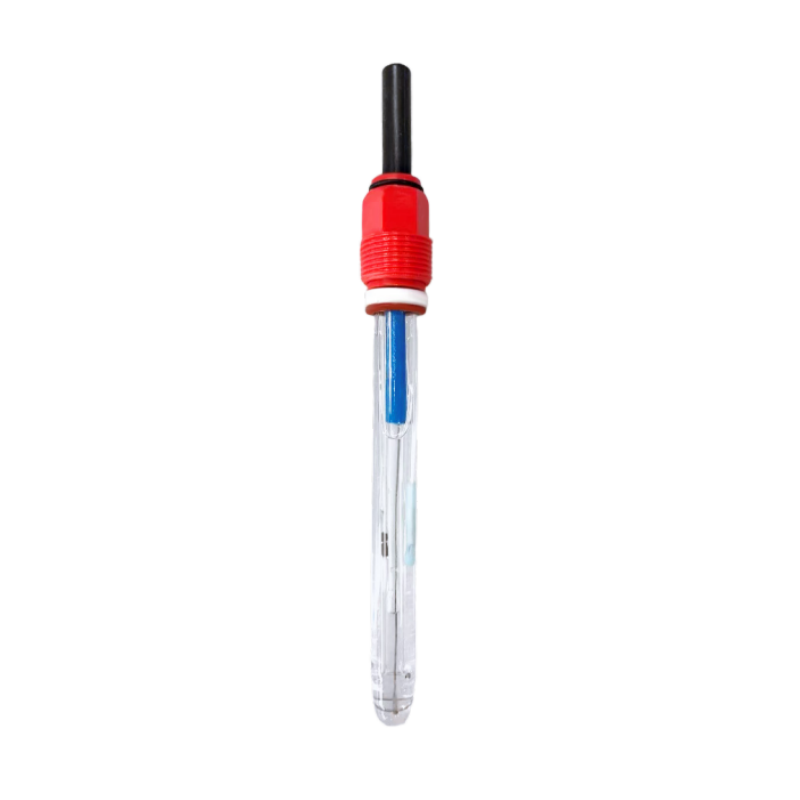
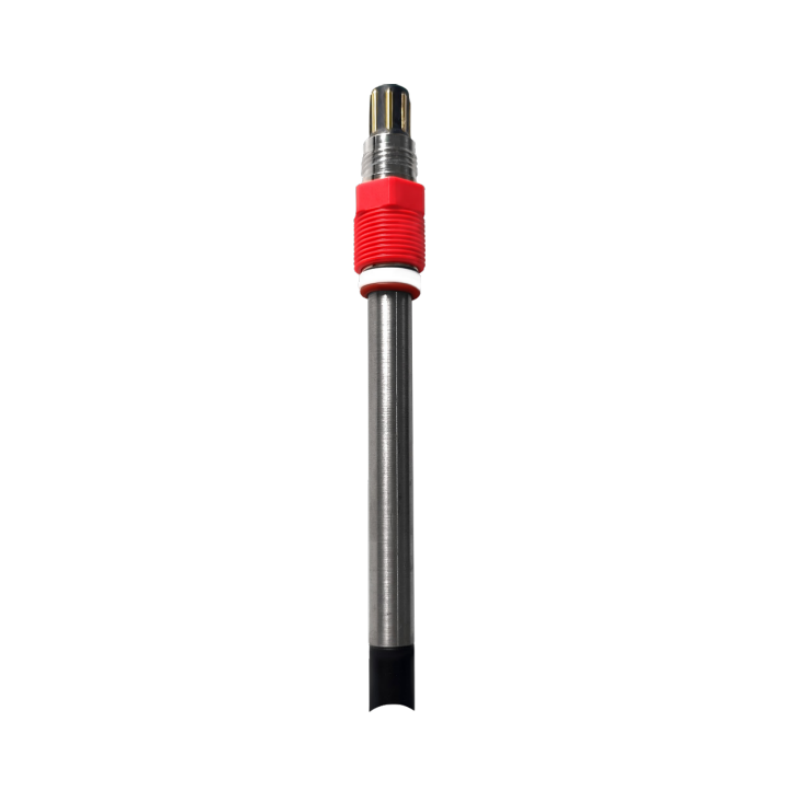
GRT1120W pH electrode is specially designed for complex working conditions with high viscosity and easy blockage! Whether it is a highly viscous suspension, emulsion, or viscous liquid containing proteins, ordinary electrodes cannot escape the problems of interface blockage and complicated maintenance, and supplementing the dielectric is even more frequent and troublesome.
It is equipped with two-point ceramic core fluid to prevent blocking and adhesion, gel dielectric is free of supplementation, and it also supports multi length and multi sheath adaptation, which can be interchanged with foreign electrodes. It can easily solve the pain points of pH monitoring in environmental protection, chemical industry, electroplating and other industries, making the measurement of complex media more smooth.
★★★★★
Features
Specifications
| Parameter | Value |
|---|---|
| pH Range | 0-14 |
| Temperature Range | 0-60℃ |
| Pressure Range | 0-0.3 M Pa |
| Zero potential | 7±0.5 |
| Theoretical percentage slope | ≥ 95% |
| Thermistor | PT1000 (customizable: PT100/10K/PT1000/30K/2.252K) |
Core product advantages
Anti blocking and anti sticking strength: Two point ceramic core liquid interface, specially designed for high viscosity media containing suspended particles, not easily blocked by viscous substances or impurities
No supplement of dielectric: the gel dielectric is pre charged in place at one time, and there is no need to supplement the whole process. The amount of maintenance is greatly reduced, which is easy and labor-saving
Flexible adaptability: Supports multiple length options of 120/150/200/250/300mm, can be paired with PVC or PP sheaths, suitable for different installation scenarios
Universal interchangeability: Standard PG13.5 threaded socket, can be directly exchanged with foreign electrodes, replacing old equipment without additional modification
Super convenient installation: compatible with pipeline installation or use with protective sleeves, simple wiring specifications, easy for on-site personnel to use
Accurately adapting to the scene
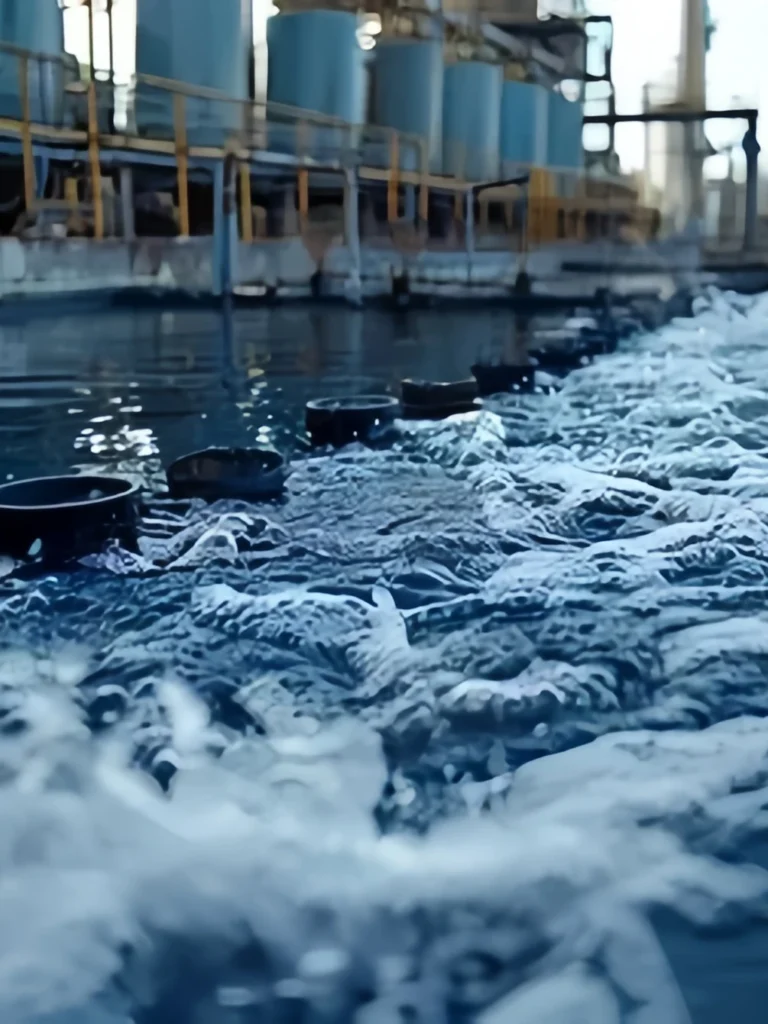
- Tracking sewage treatment online is an excellent way to keep a check on different types of industrial wastewater and sewage that have suspended particles. It contains characteristics that keep it from getting stuck with dirt and can be operated for a long time without stopping.
- Taking measurements of medium with high viscosity To stop thick things from sticking to anything, you need to know the pH level of thick liquids like pulp, starch, mud, and sugar, as well as more intricate combinations that have proteins, emulsions, or both.
- Monitoring of Electroplating and Chromium Removal: In the electroplating industry, this can be used to view both the plating solutions and the removal of chromium as they happen. It doesn’t react with contaminants in the plating solution, which maintains the process parameters steady.
- In the chemistry sector, a lot of various things might happen. For example, measuring the pH of sophisticated media in mining, chemical medications, pigments, dyes, and more. It works in a variety of situations, even when the fluid is thick or has other things in it.
Usage and Maintenance Guide
Installation key points
- Open box inspection: Confirm that the electrode sensitive bulb has no mechanical damage or bubbles. If there are bubbles, they can be removed by gently shaking vertically; Select the corresponding length of electrode according to installation requirements;
- Sheath matching: Choose 316L stainless steel sheath (strong corrosive medium) or PVC sheath (conventional medium) according to the characteristics of the medium to ensure compatibility;
- Interface installation: Fixed with PG13.5 threaded interface, can be paired with protective sleeve or cable head, choose pipeline or container installation method, tighten and fix to avoid shaking;
- Waterproof protection: If the connection between the electrode wire and the electrode is not waterproof, it needs to be sealed with sealant, waterproof joint or heat shrink tubing to prevent the invasion of medium or water vapor;
Maintain
- Daily cleaning: Rinse the electrode with distilled water and dry the filter paper before and after measuring. This will keep dirt and other things from entering into the measured medium. Once a week, clean the liquid interface to keep everything working well.
- Idle storage: After washing, cover it with a 3.3mol/L KCL solution and preserve it in a dry, well-ventilated spot so the delicate bubbles don’t dry out.
- Sediment treatment: Soak the glass film in weak hydrochloric acid for 5 to 10 minutes, then rinse it off if it looks foggy or glued together. Don’t scratch the delicate film with a brush that has strong bristles;
- Calibration cycle:It is best to calibrate the instrument once a week, especially when it is used in strong acids or thick liquids, to make sure the measurements are correct. Stick to the calibration frequency; don’t linger in distilled water, protein solutions, or acidic chloride solutions for too long, and don’t touch organic silicone oils because they could damage the electrodes.
Sensor diagram illustration
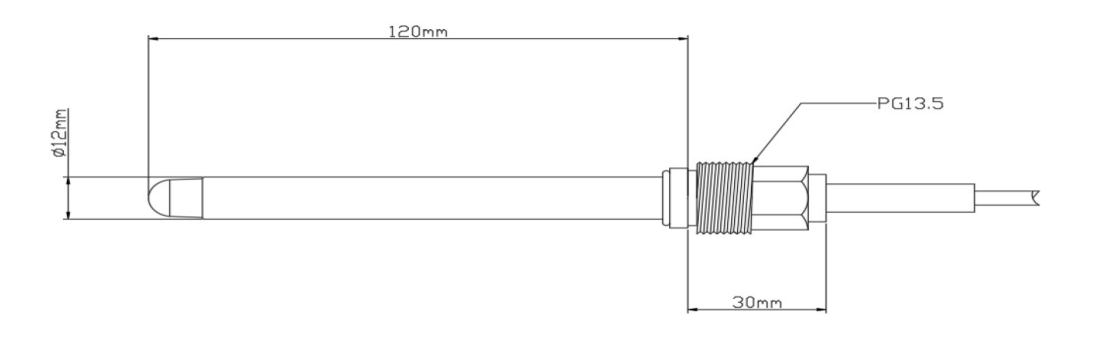
- After opening the packaging, check whether there is mechanical damage to the sensitive bulb and electrode body of the electrode;
- Remove the sensor protective cover and check if there are any bubbles in the sensitive bulb of the electrode. If so, gently shake the sensor in a vertical plane to remove the bubbles;
- Select the corresponding sensor sleeve or cable head for installation according to different electrodes;
- The connection between the sensor wire and the sensor is not waterproof, please make sure to do a good job of waterproofing.
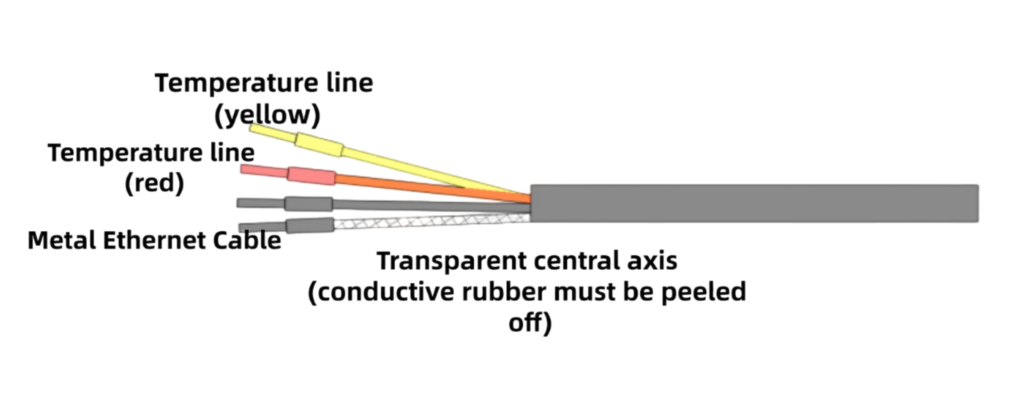
Wire stripping instructions
Attention
- The outer layer of the transparent central axis is covered with a conductive rubber layer and a metal mesh layer. When stripping, first strip the metal mesh layer into the metal mesh as shown in the picture, and be sure to removal of conductive black skin on the transparent central axis;
- The cable extends to the host without any contact points except for a dedicated junction box.
Technical Support
5 Best carbon monoxide detector for garage
10 Best carbon monoxide monitor for industrial use 2025
7+ Best Recommended Carbon Monoxide Detector for Industrial Use
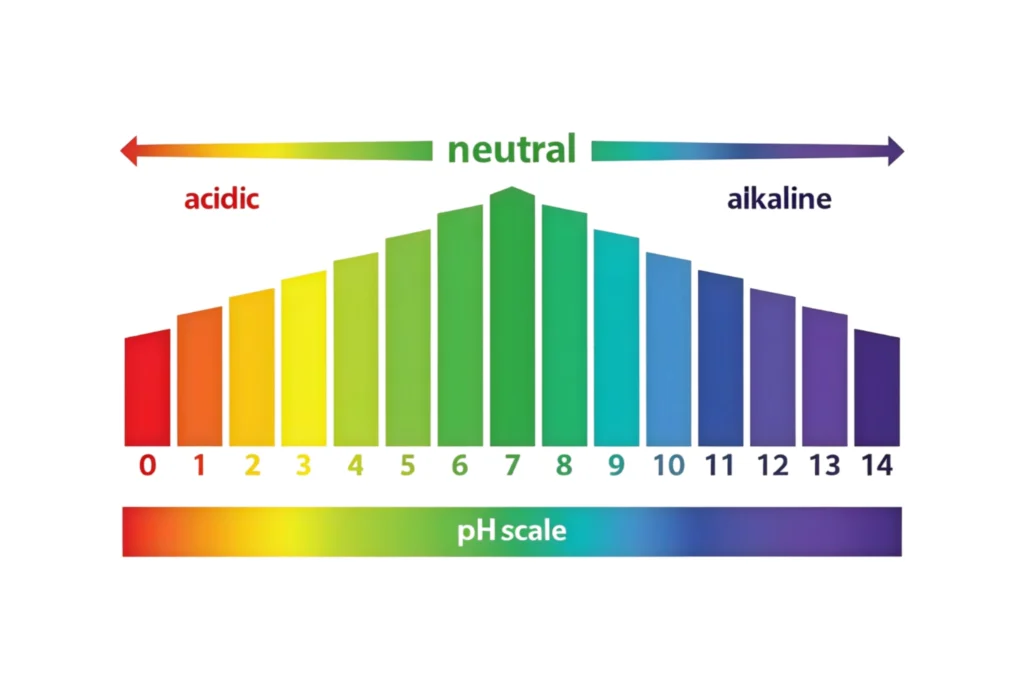
What Is pH in Water? A Complete Guide to Understanding (2026)
6 Types of Industrial Oxygen Sensors
6 Best Industrial Gas Detector Manufacturers in the World
The GRT1120W pH electrode, with its core advantages of anti clogging, anti sticking, maintenance free, and high adaptability, has become a reliable choice for pH monitoring of high viscosity and easily clogged media. Multi length and multi sheath matching meet different installation needs. PG13.5 thread supports foreign electrode exchange, greatly reducing replacement costs. Whether it is sewage treatment, chemical production, or electroplating monitoring, it can stably output accurate data.
By consulting now, you can obtain exclusive selection solutions, detailed installation tutorials, and one-on-one technical support. We will provide you with full support throughout the process, making pH measurement in complex working conditions more worry free and efficient, and helping the production process run smoothly with precise quality control! Choosing GRT1120W means choosing stable measurement and convenient operation and maintenance in complex media!
Request a Quote