.png)
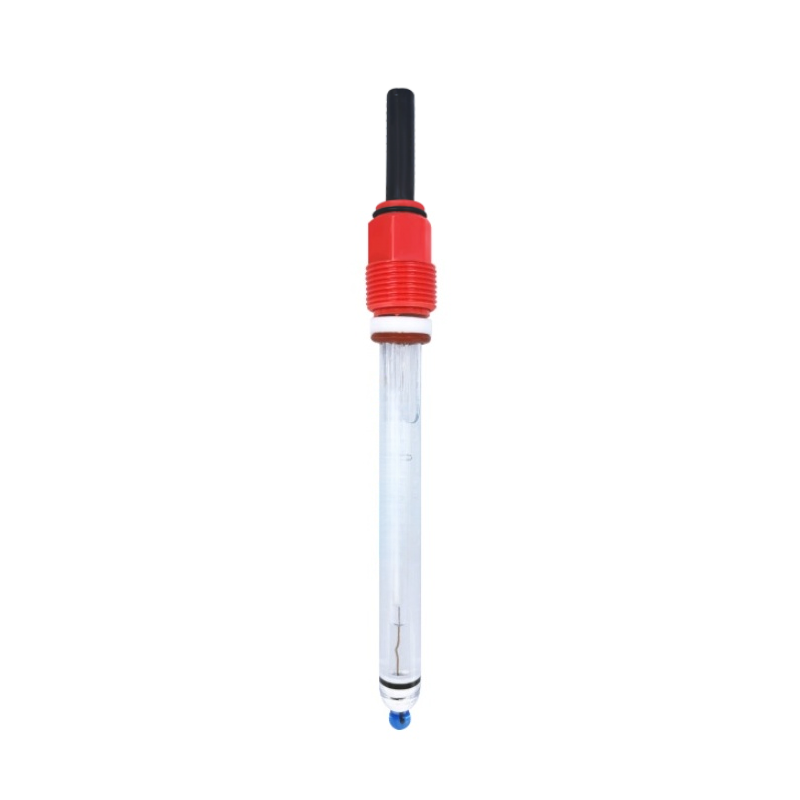
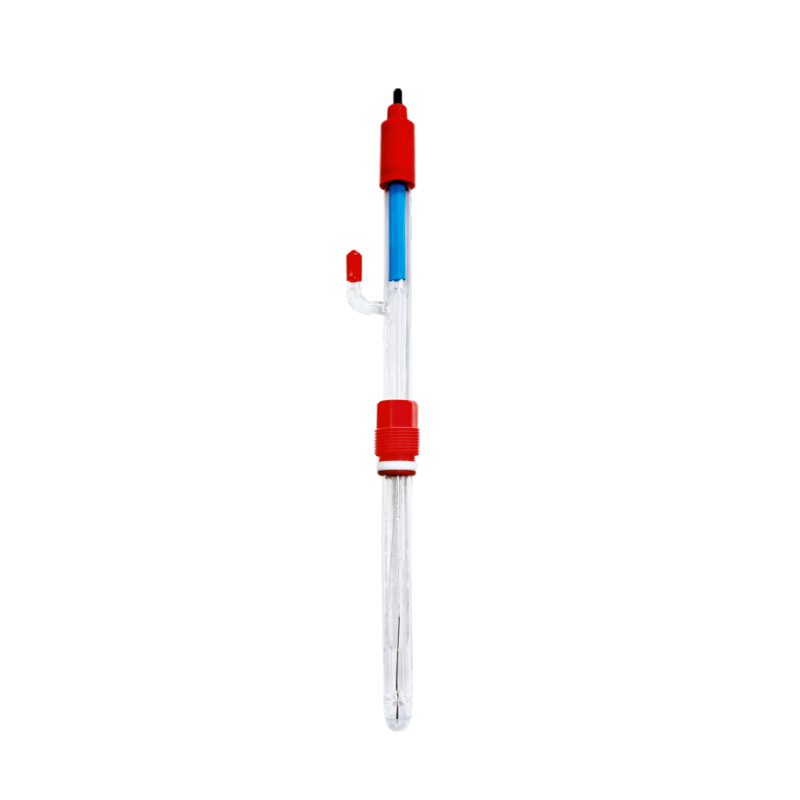
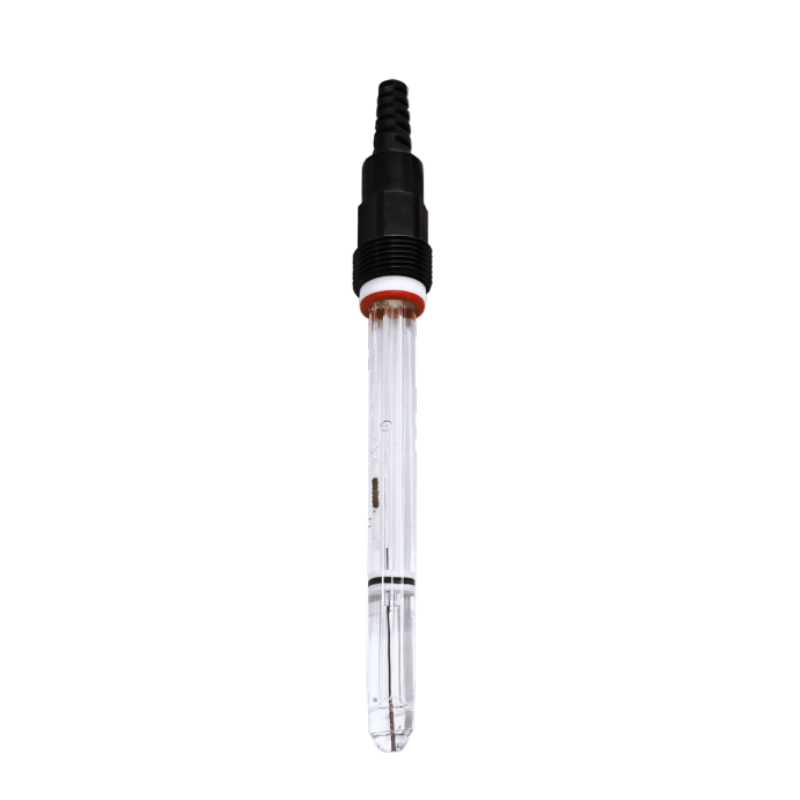
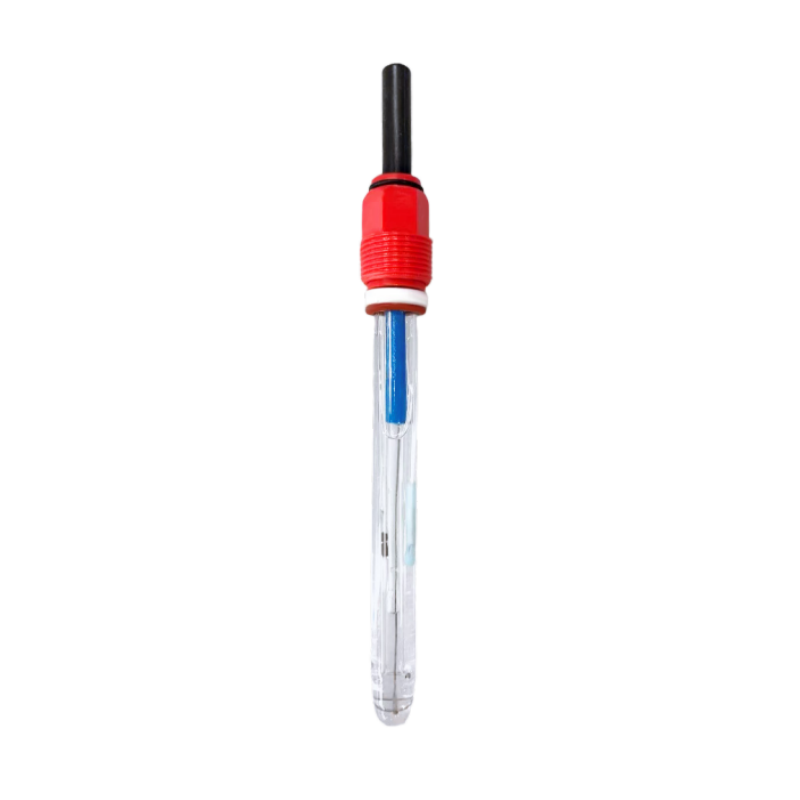
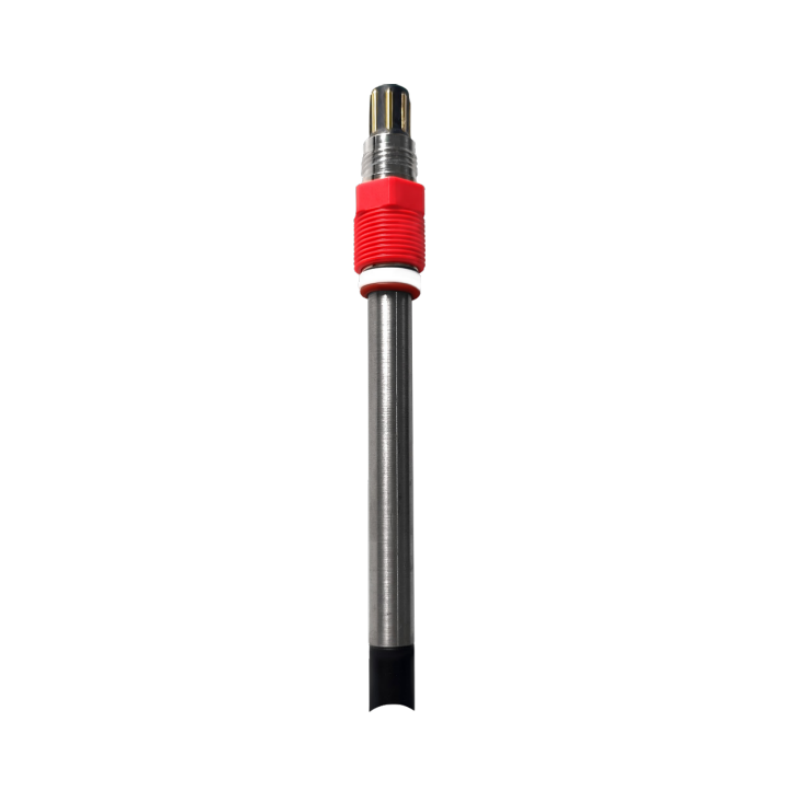
The GRT1110W pH electrode is designed specifically for pH monitoring of wastewater and colloidal media, which often presents difficulties. Ordinary electrodes are either easily blocked by suspended impurities at the junction, or become “poisoned” and ineffective by S ² ⁻ and CN ⁻ plasma. They also require frequent electrolyte replenishment, making maintenance a complex and labor-intensive task! The gel electrolyte is free of supplementation, the anti fouling connection is not easy to block, the anti poison ability is full, the operation is simple and durable, and the pH monitoring pain points of sewage and colloidal media can be easily solved.
★★★★★
Features
Specifications
| Parameter | Value |
|---|---|
| pH Range | 0-14 |
| Temperature Range | 0-60℃ |
| Pressure resistance | 3bar |
| Zero potential | 7±0.5 |
| Theoretical percentage slope | ≥ 95 |
Core product advantages
- Anti blocking and anti pollution: The circular polytetrafluoroethylene interface has a smooth surface without impurities, and long-term online monitoring is also not easy to block
- Anti ion poisoning: Special salt bridge design can effectively resist the erosion of toxic ions such as S ² ⁻ and CN ⁻, avoiding electrode failure
- Stable and fast: The electrode has low internal resistance, and when facing complex environments such as sewage and colloids, the data response is fast, stable, and reliable
- Ultra flexible installation: standard PG13.5 thread, supports pipeline installation or use with protective sleeves, compatible with most industrial acidity meters
- Dual adapter for connectors: compatible with BNC standard connectors and pin terminals, capable of docking with any interface of existing equipment
Ideal Application Scenarios
- Industrial wastewater treatment: Whether it is chemical wastewater, printing and dyeing wastewater, or wastewater from biochemical treatment tanks, the pH value can be stably monitored, the anti blocking interface is not afraid of suspended particles blocking, and it is resistant to complex ion corrosion in wastewater;
- Colloidal medium measurement: Suitable for chemical colloidal raw materials, food processing colloidal systems, coating colloids, and other scenarios. The special sensitive film material avoids medium adhesion and ensures accurate measurement without drift;
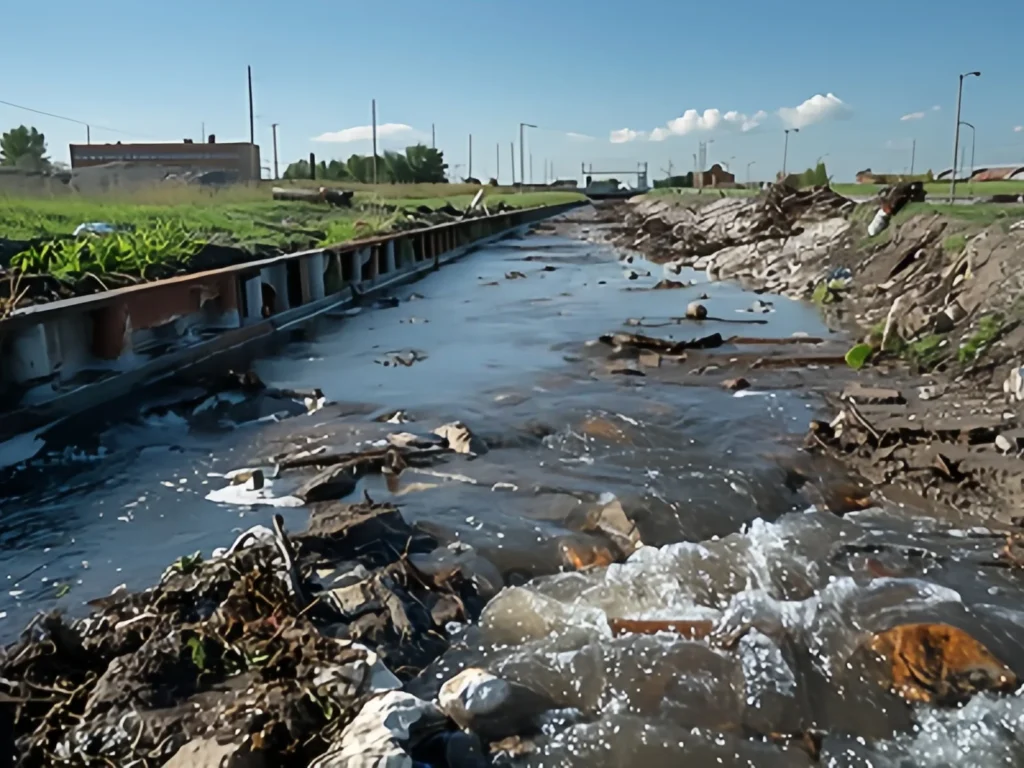
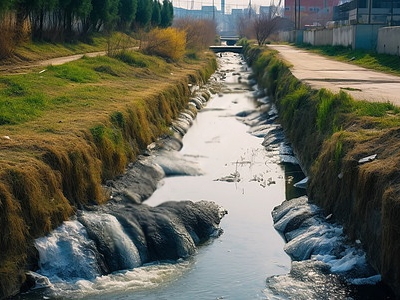
- Conventional industrial process monitoring: Conventional pH measurement in industries such as chemical, electronic, pharmaceutical, printing and dyeing, compatible with various acidity meters, and suitable for pipeline installation or container installation;
- Monitoring of wastewater containing toxic ions: It can deal with industrial wastewater containing S ² ⁻, CN ⁻ and other substances that are prone to electrode poisoning. Salt bridges effectively isolate toxic ions and extend the service life of electrodes;
Usage and Maintenance Guide
Installation key points
- Open box inspection: Confirm that there is no mechanical damage to the sensitive bulb and electrode body. If there are bubbles in the bulb, gently shake it vertically to remove them;
- Interface installation: PG13.5 threaded interface is used, matched with corresponding protective sleeve or cable head, and pipeline installation method can be selected to ensure stable fixation;
- Stripping specification: Peel off the metal wire layer, thoroughly remove the conductive black skin of the transparent central axis, and avoid signal interference;
- Waterproof protection: If the electrode wire connection is not waterproof, it needs to be sealed with sealant, heat shrink tubing, or waterproof joints to prevent moisture;
- Connector adaptation: Depending on the type of acidity meter interface, choose BNC standard connectors or pin type terminal blocks for docking to ensure good contact.
Maintain
- Daily cleaning: Rinse the electrode with distilled water before and after measurement, dry the filter paper to prevent impurities from entering the measured liquid; Clean thoroughly once a week to ensure performance;
- Idle storage: After washing, put on a protective cover containing 3.3mol/L KCL solution and store in a dry and ventilated place to prevent sensitive bubbles from drying out;
- Sediment treatment: When the glass film appears semi transparent or deposited, wash it with dilute hydrochloric acid and then rinse it with distilled water to avoid scratching with a hard brush;
- Calibration cycle: It is recommended to calibrate the instrument once a week to ensure measurement accuracy;
- Taboo: Avoid prolonged immersion in distilled water, protein solutions, or acidic chloride solutions, and do not come into contact with organic silicone oils.
Sensor diagram illustration
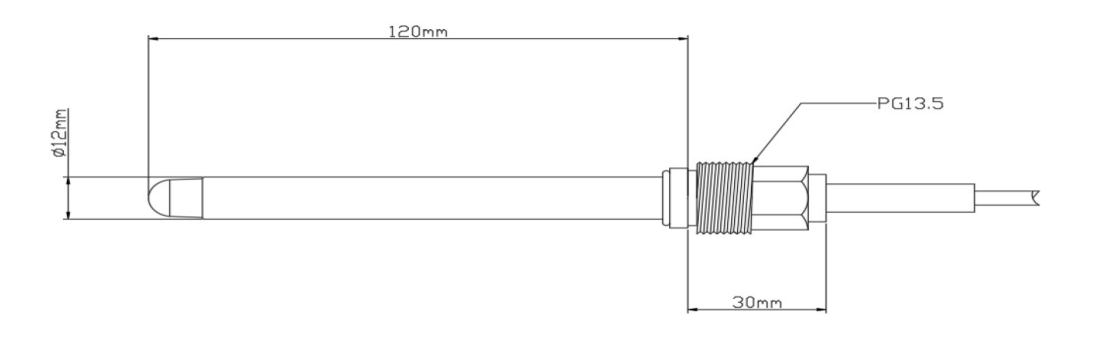
- After opening the packaging, check whether there is mechanical damage to the sensitive bulb and sensor body of the electrode;
- Remove the sensor protective cover and check if there are any bubbles in the sensitive bulb of the sensor. If so, gently shake the sensor in a vertical plane to remove the bubbles;
- Select the corresponding sensor sleeve or cable head for installation according to different sensors;
- The connection between the sensor wire and the sensor is not waterproof, please make sure to do a good job of waterproofing.
Wire stripping instructions
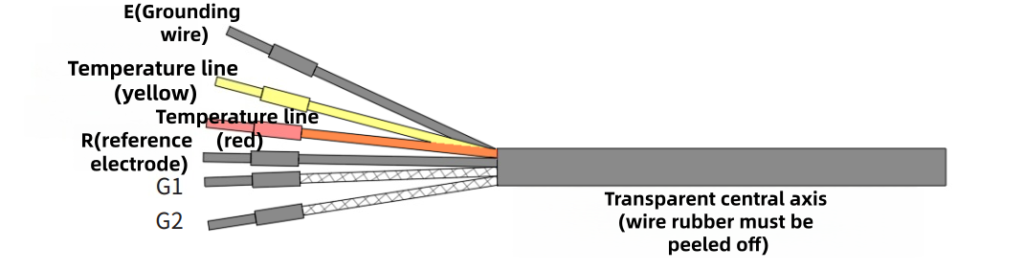
Attention
- The outer layer of the transparent central axis is covered with a conductive rubber layer and a metal mesh layer. When stripping, first strip the metal mesh layer into the metal mesh as shown in the picture, and be sure to removal of conductive black skin on the transparent central axis;
- The cable extends to the host without any contact points except for a dedicated junction box.
Technical Support
5 Best carbon monoxide detector for garage
10 Best carbon monoxide monitor for industrial use 2025
7+ Best Recommended Carbon Monoxide Detector for Industrial Use
What Is pH in Water? A Complete Guide to Understanding (2026)
6 Types of Industrial Oxygen Sensors
6 Best Industrial Gas Detector Manufacturers in the World
Whether it is the complex working conditions of industrial wastewater or the viscous environment of colloidal media, the GRT1110W pH electrode can easily hold the scene with its core advantages of anti clogging, anti toxicity, and electrolyte free. It does not require frequent maintenance, is easy to install, and can adapt to most devices. Its measurement data is accurate and stable, making it a cost-effective choice for pH monitoring of sewage and colloidal media. By consulting now, you can obtain exclusive selection solutions, detailed installation tutorials, and one-on-one technical support, providing you with full support throughout the process, eliminating the hassle of pH measurement under complex working conditions, and helping the production process run smoothly and quality control be precise and in place!
Request a Quote