.png)
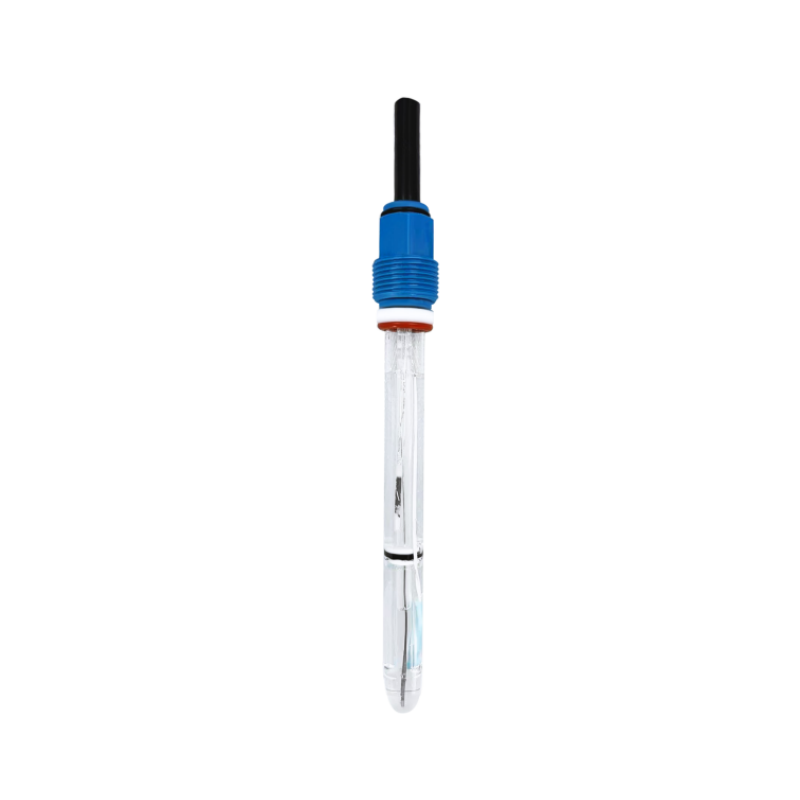
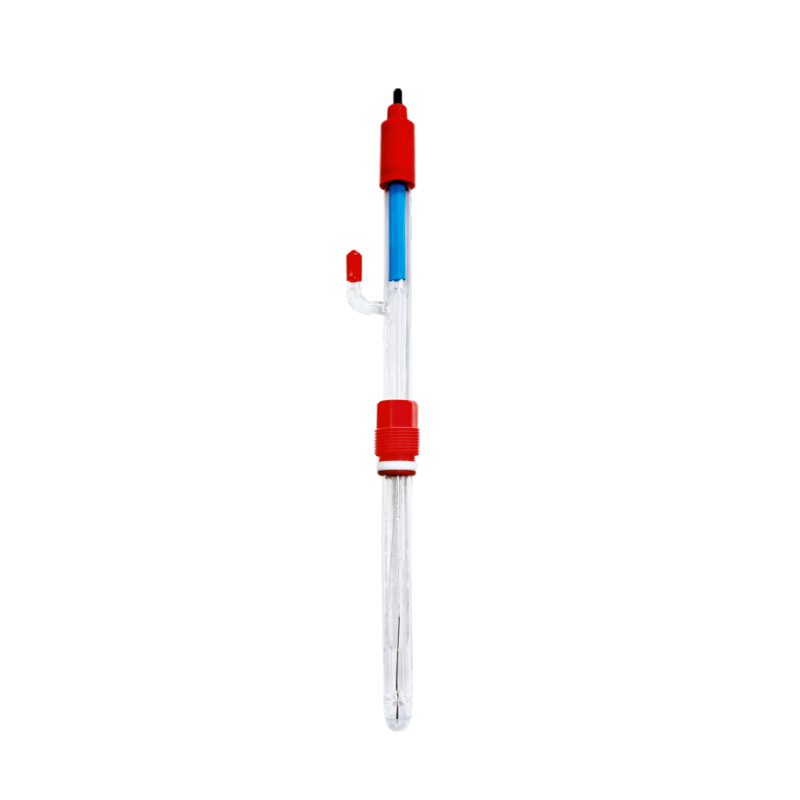
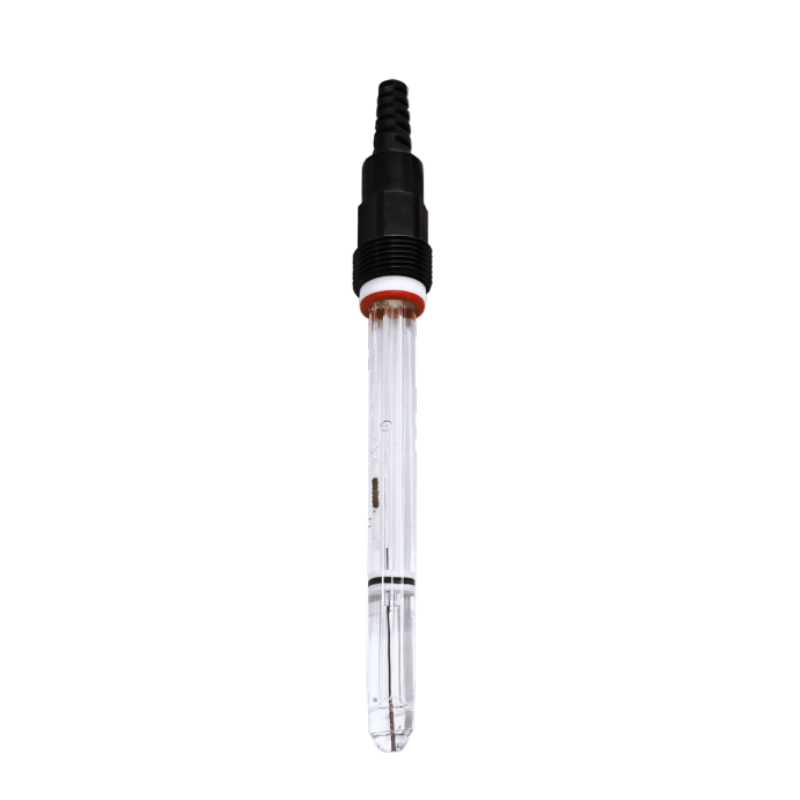
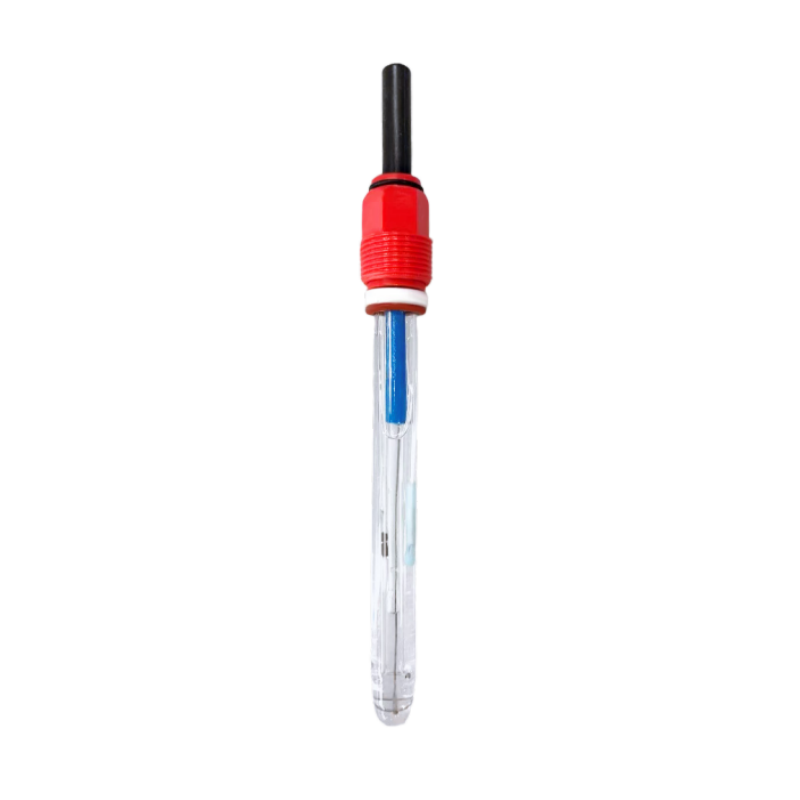
The GRT1320D pH electrode can be used to sterilize things at high temperatures. It can keep an eye on temperatures from 0 to 95 degrees Celsius and is effective for disinfecting things at 130 degrees Celsius. It has a ceramic core with two points and a double salt bridge reference. It doesn’t need maintenance, is very compatible, and comes in a range of sizes. It is also resistant to pollutants and clogging. It provides businesses including food and pharmaceuticals, biotechnology, and others with reliable and accurate pH monitoring solutions.
★★★★★
Features
Specifications
| Parameter | Value |
|---|---|
| pH Range | 0-14 |
| Temperature Range | 0-130℃ |
| Pressure Range | 0-0.3 M Pa |
| Zero potential | 7±0.5 |
| Theoretical percentage slope | ≥ 95% |
Core strength
- High temperature sterilization: Suitable for disinfection at 130 ℃, effectively measured from 0-95 ℃, and the performance does not deteriorate after sterilization;
- Accurate anti pollution: Double salt bridge reference+two-point ceramic core, fast response, anti clogging, and resistant to organic interference;
- Maintenance-free: Solid electrolytes don’t need to be refilled or taken care of very much, and they work for the needs of high-purity production.
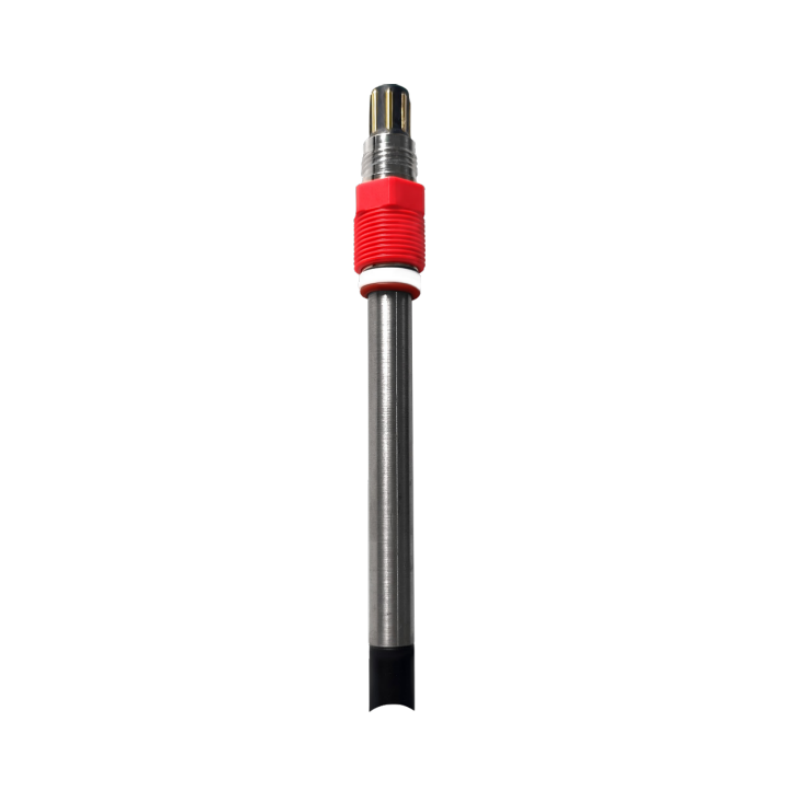
- Very compatible The S8/PG13.5 contact works with the 316L/PP sheath and can be used with electrodes from other countries.
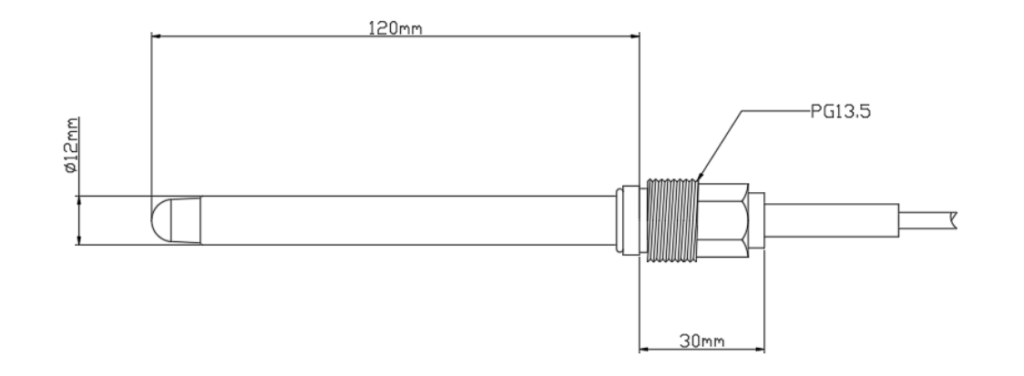
- A lot of different specifications: extra 120–300 mm, which works with installations of varying depths.
Adaptation scenario:
- Pharmaceutical industry: making antibiotics, vitamins, citric acid, and other things that can be sterilized and fermented at high temperatures;
- Bioengineering is the study and creation of amino acids, blood products, genetic engineering, insulin, and other things.
- Food and drink: making beer (saccharification, boiling, fermentation), dairy products, fruit juice, and seasoning;
- Treatment of drinking water: checking the pH level during high-temperature disinfection to make sure the water meets quality criteria.
Sensor diagram illustration
- After opening the packaging, check whether there is mechanical damage to the sensitive bulb and electrode body of the sensor.
- Remove the sensor protective cover and check if there are any bubbles in the sensitive bulb of the electrode. If so, gently shake the electrode in a vertical plane to remove the bubbles;
- Select the corresponding sensor sleeve or cable head for installation according to different sensors;
- The connection between the sensor wire and the electrode is not waterproof, please make sure to do a good job of waterproofing.
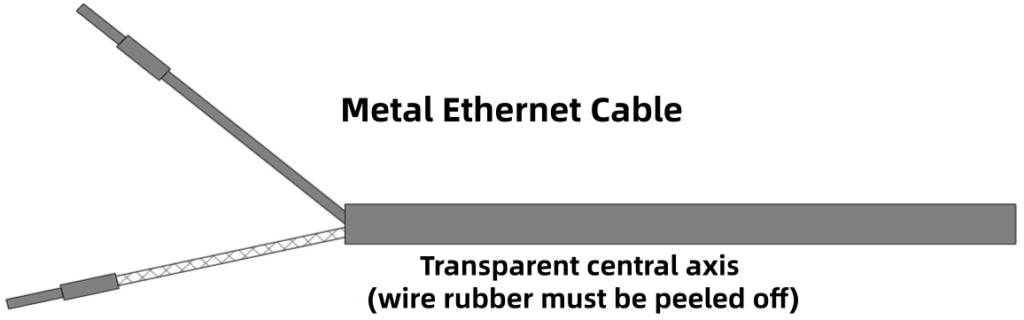
Wire stripping instructions
Attention
- The outer layer of the transparent central axis is covered with a conductive rubber layer and a metal mesh layer. When stripping, first strip the metal mesh layer into the metal mesh as shown in the picture, and be sure to removal of conductive black skin on the transparent central axis;
- The cable extends to the host without any contact points except for a dedicated junction box.
Technical Support
5 Best carbon monoxide detector for garage
10 Best carbon monoxide monitor for industrial use 2025
7+ Best Recommended Carbon Monoxide Detector for Industrial Use
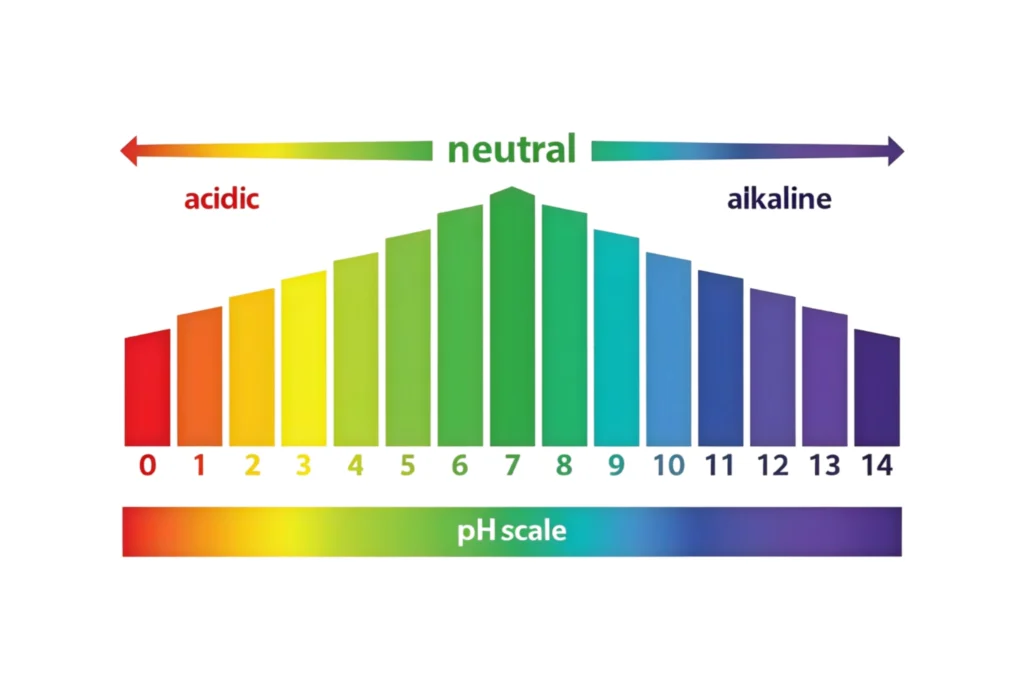
What Is pH in Water? A Complete Guide to Understanding (2026)
6 Types of Industrial Oxygen Sensors
6 Best Industrial Gas Detector Manufacturers in the World
The GRT1320D pH electrode solves the problems of high-temperature sterilization and high-cleanliness monitoring with accuracy. It is stable, doesn’t need to be maintained, and works with a wide range of devices. It is a good alternative for the food, pharmaceutical, and biotechnology fields. Choosing it can make sure that production stays within the rules and lower the costs of running and maintaining the system, so you don’t have to bother about pH monitoring throughout the whole process.
Request a Quote